Artwork
Design of the National Washington Monument
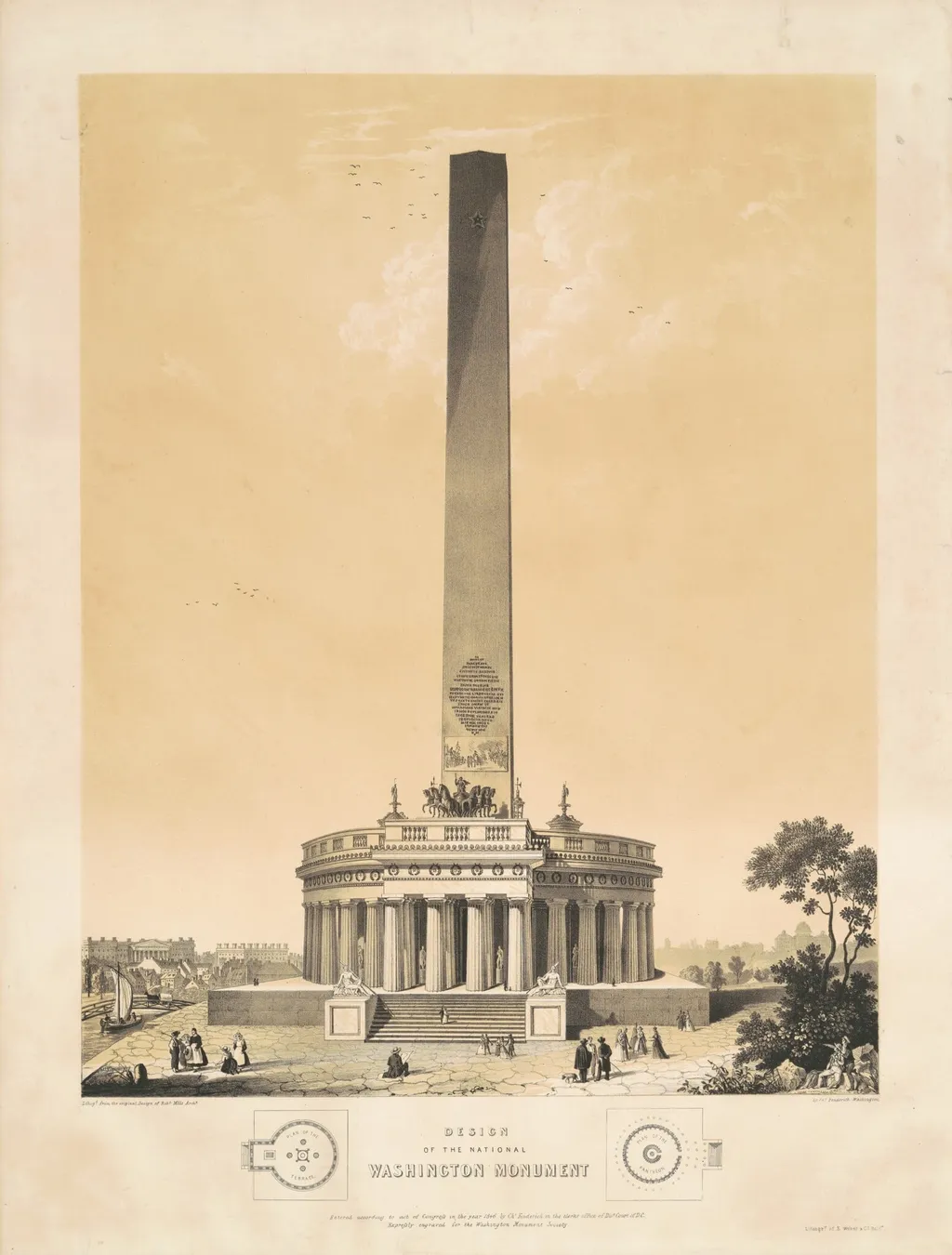
Design of the National Washington Monument is an ink print by the Romanticist artist Charles Fenderich. It dates from 1846 and is held in the collection of the National Gallery of Art.
About this work
Overview
Charles Fenderich’s 1846 color lithograph, titled Design of the National Washington Monument, presents a conceptual elevation of a proposed commemorative structure. Rendered on wove paper, the print depicts a slender, vertical tower rising from a broad, columned podium, capped by a star-shaped finial. The composition functions as a visual proposal rather than a finished architectural rendering.
Subject & Meaning
The monument’s design is intended to honor a prominent national figure, employing monumental geometry and a simplified symbolic motif—a star at the apex—to convey reverence and aspiration. The surrounding figures, statues, and architectural elements suggest a ceremonial setting, while the overall emphasis remains on the building’s imposing form.
Technique & Style
Executed in color lithography, the work demonstrates the medium’s capacity for precise line work and subtle tonal variation. Fenderich utilizes clean, bold outlines and a restrained palette to delineate structural components, emphasizing the clarity of the design over ornamental detail. The lithographic process allowed for reproducibility of the architectural proposal.
History & Provenance
Created in 1846, the print emerged during a period of intense public interest in commemorating national heroes through monumental architecture. While the specific monument was never realized, the lithograph survived as a record of 19th‑century design ambitions and has been retained in institutional collections documenting American architectural history.
Context
The image reflects mid‑19th‑century American trends toward neoclassical civic architecture, combining temple‑like bases with soaring vertical elements. The inclusion of surrounding figures and landscape elements situates the proposal within a broader urban and ceremonial context, echoing contemporary plans for public memorials.
Legacy
Although the design was never built, the lithograph remains a valuable reference for scholars studying early monument proposals and the role of print media in disseminating architectural ideas. It illustrates how visual communication aided public discourse on national commemoration during the era.
Artist & collection

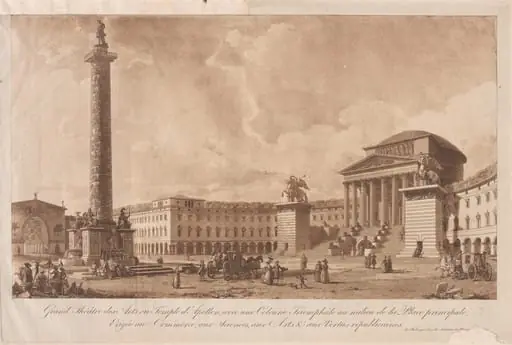 Grand Théâtre des Arts ou Temple d'Apollon, avec une Colonne Triomphâle au milieu de la Place principale, erigée au Commerce, aux Sciences, aux Arts & aux Vertus républicaines (Grand Theater of the Arts or Temple of Apollo, with a Victory Column in the Middle of the Main Square, Erected to Commerce, the Sciences, the Arts, and Republican Virtues)
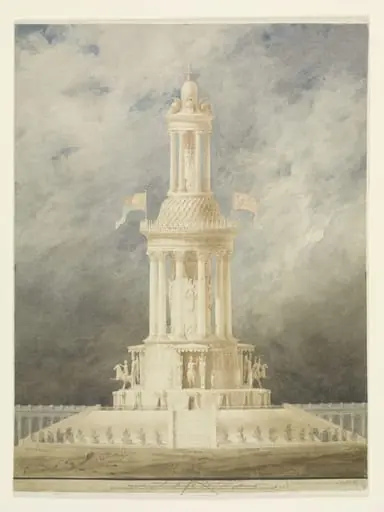 Design for a military monument celebrating British victory after the Battle of Waterloo
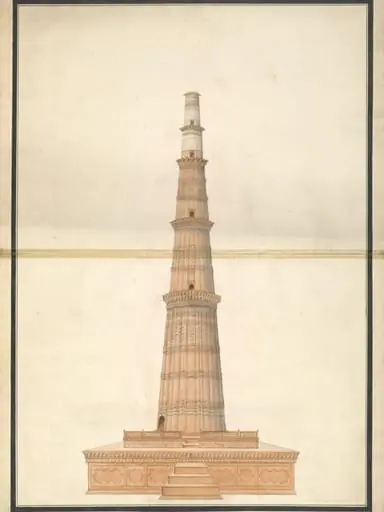 Six drawings of Mughal architecture at Agra and Delhi.
 A Classical Temple
 Groton Monument
 Untitled
 Campanile of a Cathedral for Berlin
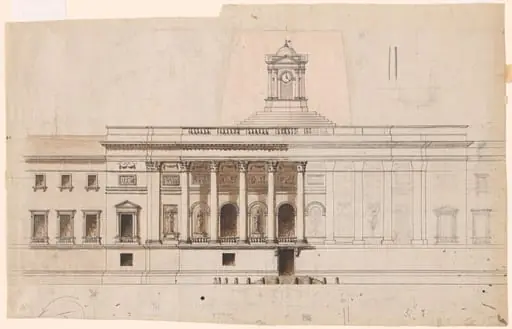 Architectural Study
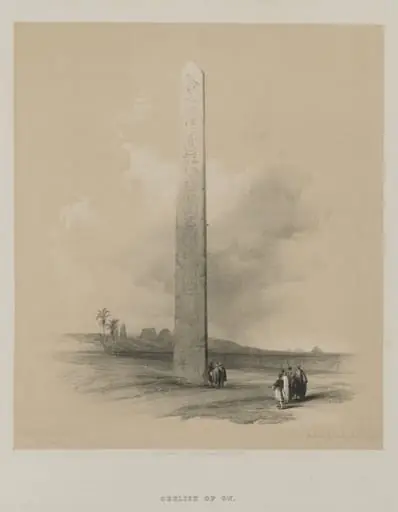 Egypt and Nubia, Volume II: Obelisk of Heliopolis
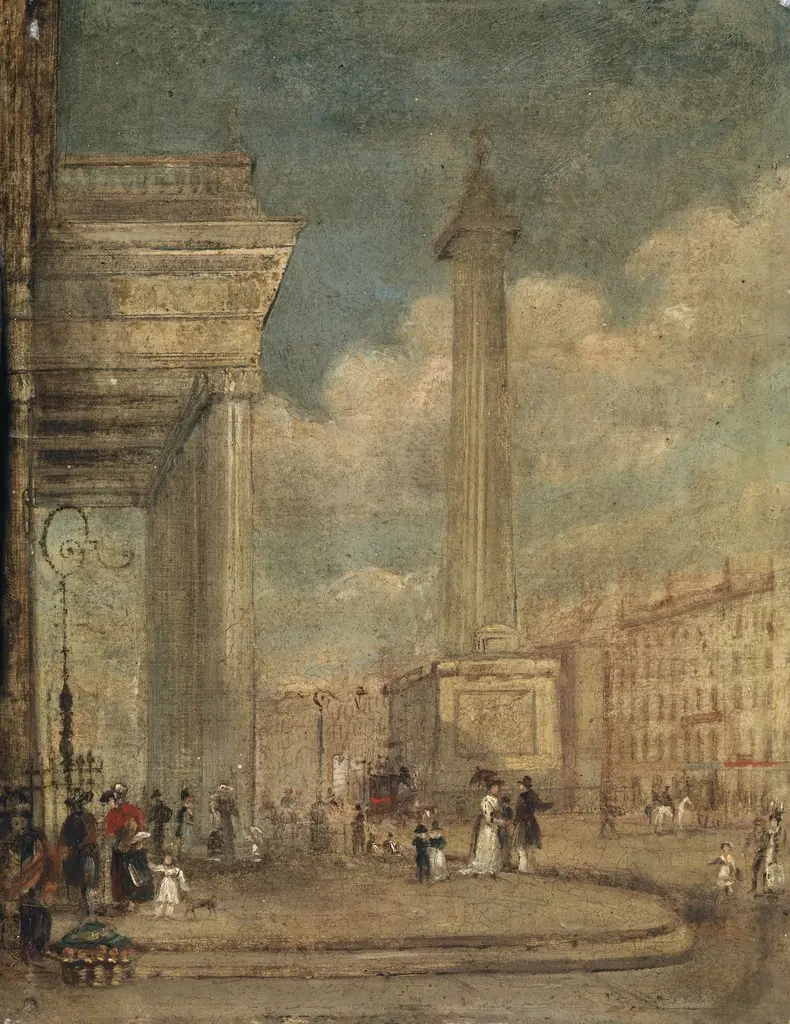 A View of O'Connell Street, Dublin