Artwork
Groton Monument
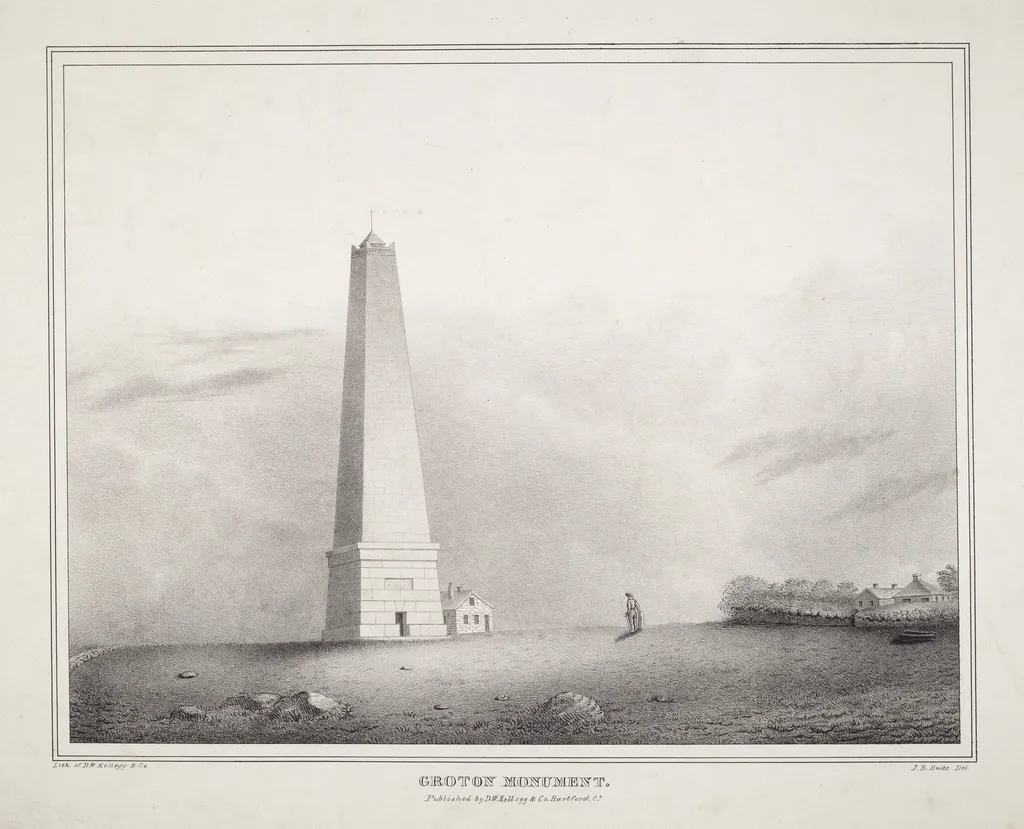
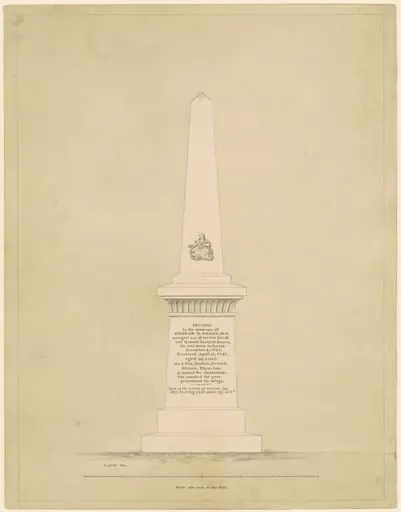
Groton Monument is an ink print by the Romanticist artist J.R. Butts. It dates from 1835 and is held in the collection of the National Gallery of Art.
About this work
The lithograph shows a tall stone obelisk standing in a grassy field. A few trees rise behind it. The sky is clear with wispy clouds.
This is one of the earliest images of the Groton Monument. The obelisk honors soldiers from the Battle of Groton Heights in 1781. It was still new when Butts made this print.
Check out the details of lithography next.
Overview
Groton Monument is a lithograph created by J.R. Butts around 1835, depicting a recently erected obelisk commemorating the Battle of Groton Heights (1781). The print captures the monument in a serene landscape.
Subject & Meaning
The lithograph's central subject is a tall stone obelisk honoring soldiers who fought in the Battle of Groton Heights during the American Revolutionary War. The monument's newness at the time of depiction emphasizes its contemporary significance as a memorial.
Technique & Style
Executed in lithography, the print showcases the medium's capabilities in rendering detail and texture, from the obelisk's stonework to the surrounding foliage and sky. The overall style is characterized by crisp lines and nuanced tonal variations.
History & Provenance
Created circa 1835, this lithograph is among the earliest visual records of the Groton Monument shortly after its construction. The artist's choice of subject reflects the monument's importance as a new national landmark at the time.
Context
The print exists within the broader context of early 19th-century American commemorative art, reflecting a growing interest in honoring Revolutionary War heritage through public monuments and artworks.
Artist & collection


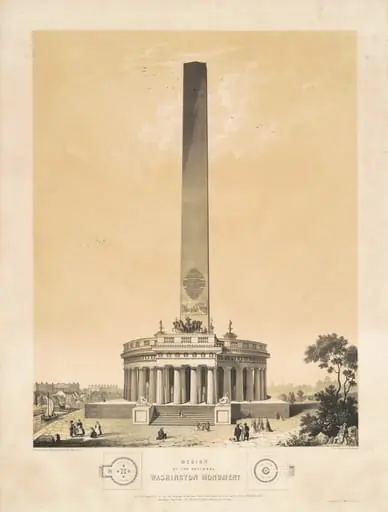 Design of the National Washington Monument
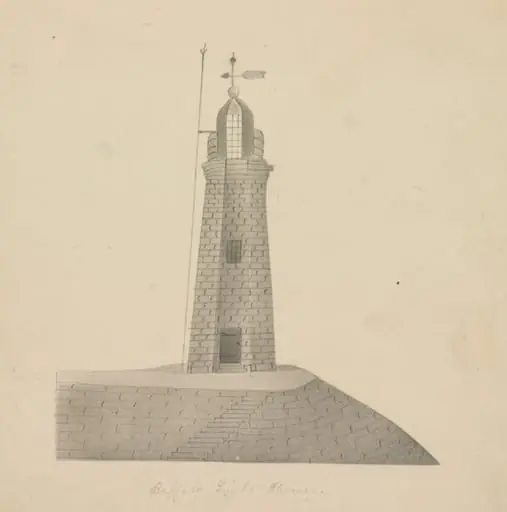 Buffalo Lighthouse
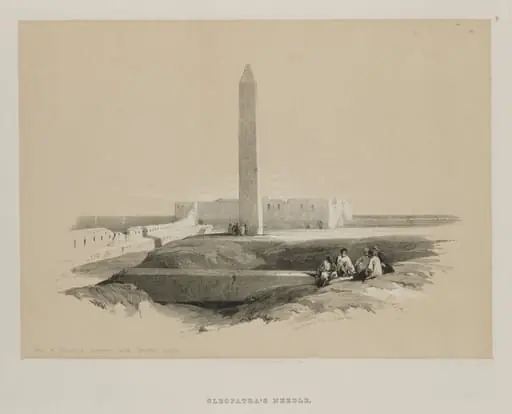 Egypt and Nubia, Volume I: Obelisk at Alexandria, Commonly called Cleopatra's Needle
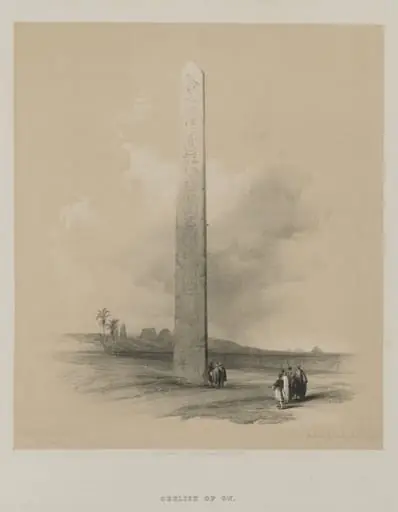 Egypt and Nubia, Volume II: Obelisk of Heliopolis
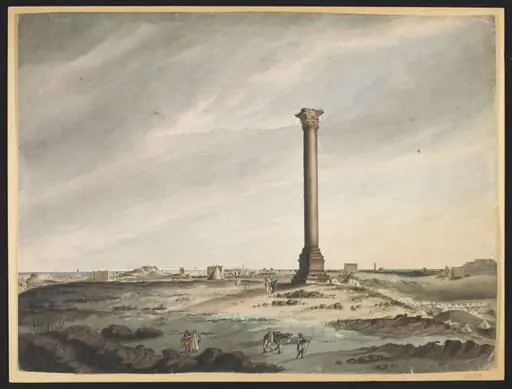 View of Pompey's Pillar; Alexandria in the distance
 Panorama of the Danube near Grinzing
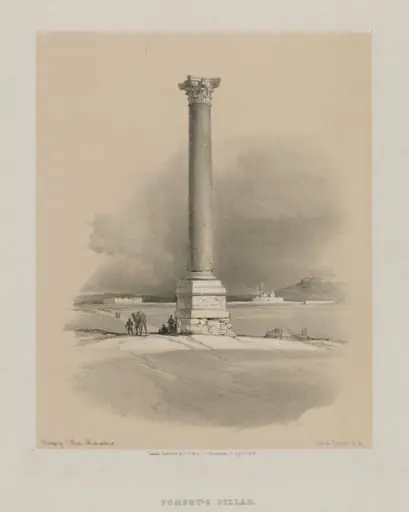 Egypt and Nubia, Volume I: Pompey's Pillar, Alexandria
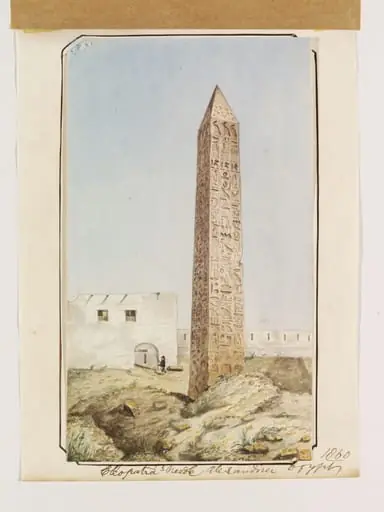 Cleopatra's Needle, Alexandria, Egypt
 Egypt and Nubia, Volume I: Siout - Upper Egypt
 Egypt and Nubia, Volume II: Ruins of the Temple of Madamoud, at Thebes
 Ruin near Arimathea
 Design for a Monument in Memory of George B. Doane