Artwork
Portrait of an Officer
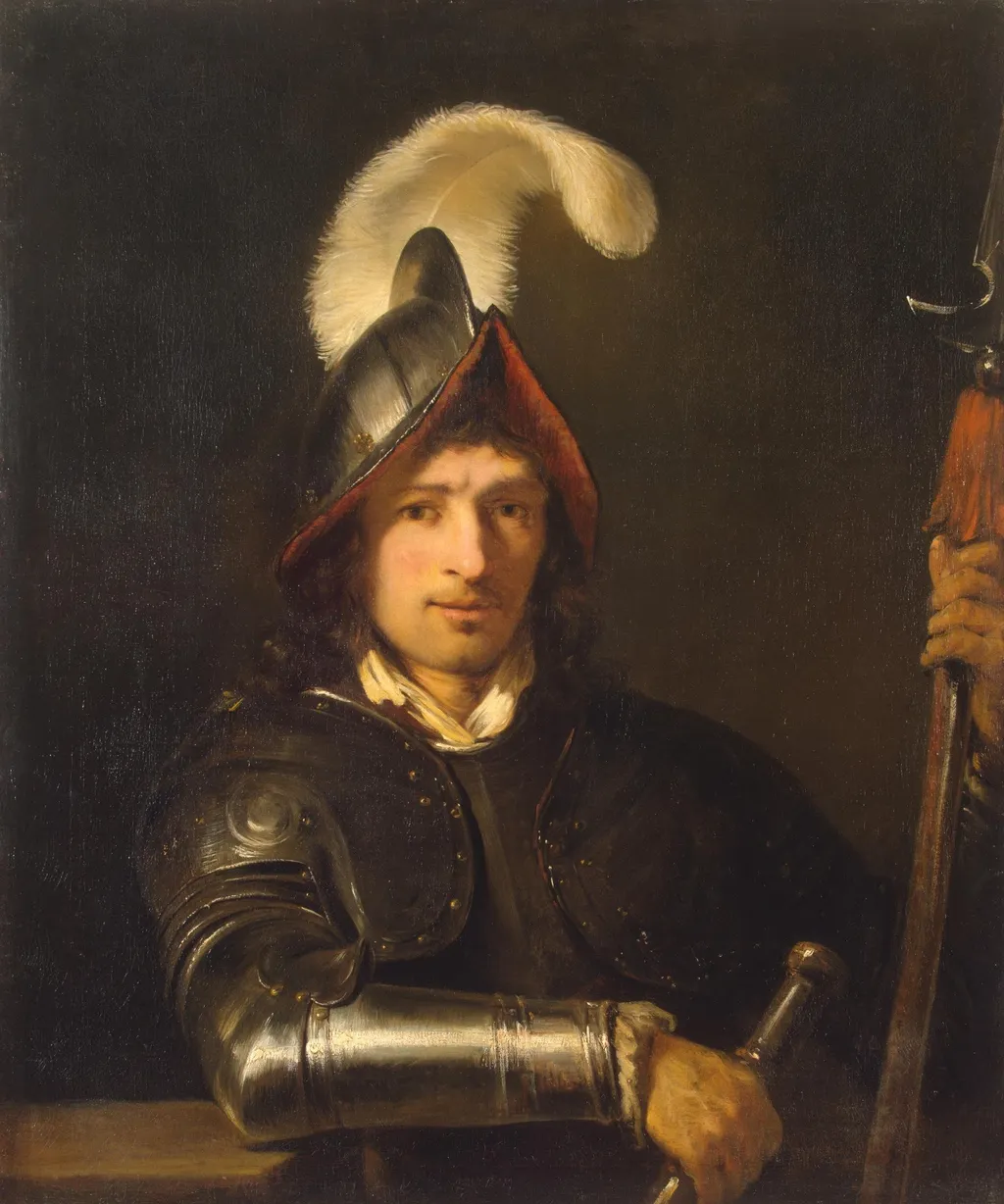
Portrait of an Officer is an oil painting by the Dutch Golden Age artist Ferdinand Bol. It dates from 1655 and is held in the collection of the Hermitage Museum.
About this work
Overview
Painted in 1655 by Ferdinand Bol, this oil portrait captures a Dutch military officer in formal attire. Bol, trained under Rembrandt, worked during the Dutch Golden Age, a time when portraiture flourished among the rising merchant and military classes. The painting reflects the era’s emphasis on individual dignity and civic identity, rendered with careful attention to texture and light.
Subject & Meaning
The subject is a commissioned portrait of a military officer, likely a member of the civic guard or a professional soldier.
The subject is a commissioned portrait of a military officer, likely a member of the civic guard or a professional soldier. His uniform, sword, and direct gaze convey authority and vigilance. The absence of symbolic props or elaborate settings focuses attention on personal presence rather than rank or lineage, suggesting a shift toward individual character over inherited status in mid-17th-century Dutch society.
Technique & Style
Bol employs chiaroscuro to model the officer’s form, using deep shadows to define the contours of his breastplate and the folds of his scarf. The black and red uniform is rendered with precise brushwork, highlighting the sheen of fabric and the cold gleam of metal. The dark, unbroken background isolates the figure, enhancing the three-dimensionality achieved through subtle gradations of light and tone.
History & Provenance
The painting was completed during Bol’s mature period, after he had established his own studio in Amsterdam. While its early ownership is undocumented, it entered public collections in the 19th century, where it was recognized as a representative example of Rembrandtesque portraiture. Its preservation reflects continued interest in Dutch Golden Age civilian and military imagery.
Context
In mid-17th-century Holland, portraits of officers were common among civic militias and professional soldiers who sought to commemorate their service. Unlike aristocratic portraits elsewhere in Europe, these works emphasized restraint and realism. Bol’s approach aligns with this tradition, balancing individual likeness with the sober dignity expected of public figures in a republic.
Legacy
Though less celebrated than Rembrandt, Bol’s portraits contributed to the evolution of Dutch realism. This work exemplifies how his training under Rembrandt was adapted into a more formal, controlled style. Later collectors and scholars valued such images not for grandeur, but for their quiet authenticity, helping to define the aesthetic values of Dutch portraiture in the broader art historical canon.
Own this work as a print
Artist & collection
Artist
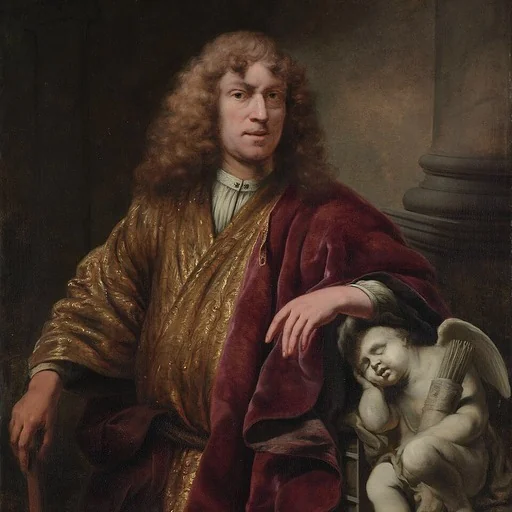
Ferdinand Bol (24 June 1616 - 24 August 1680) was a Dutch painter, etcher and draftsman.

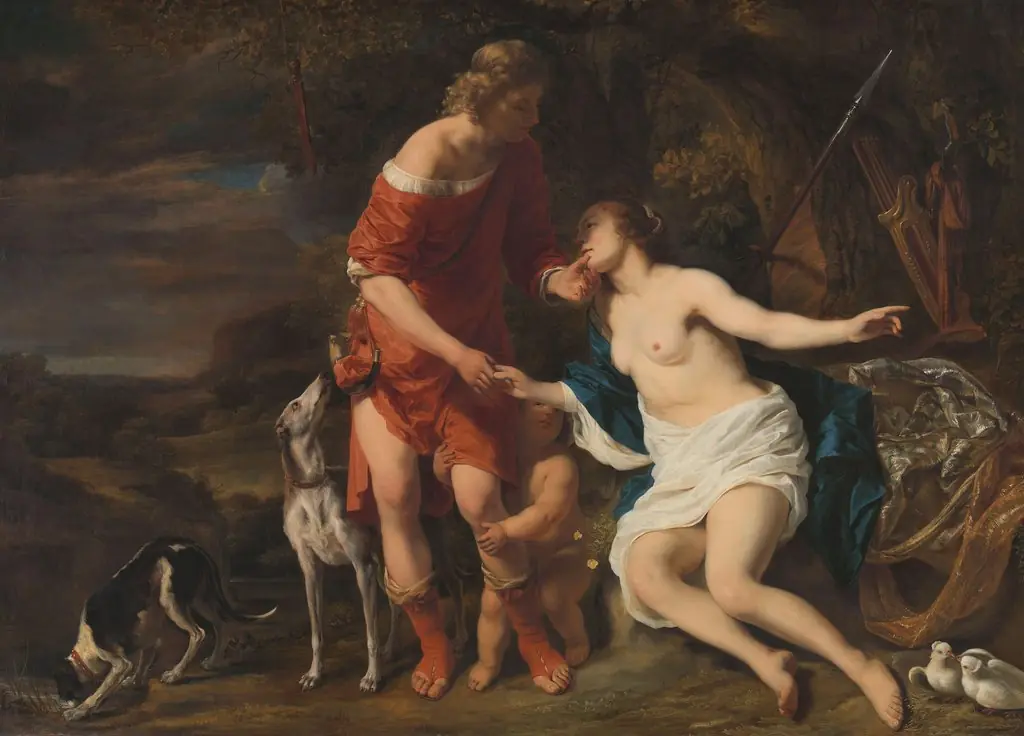 Venus and Adonis
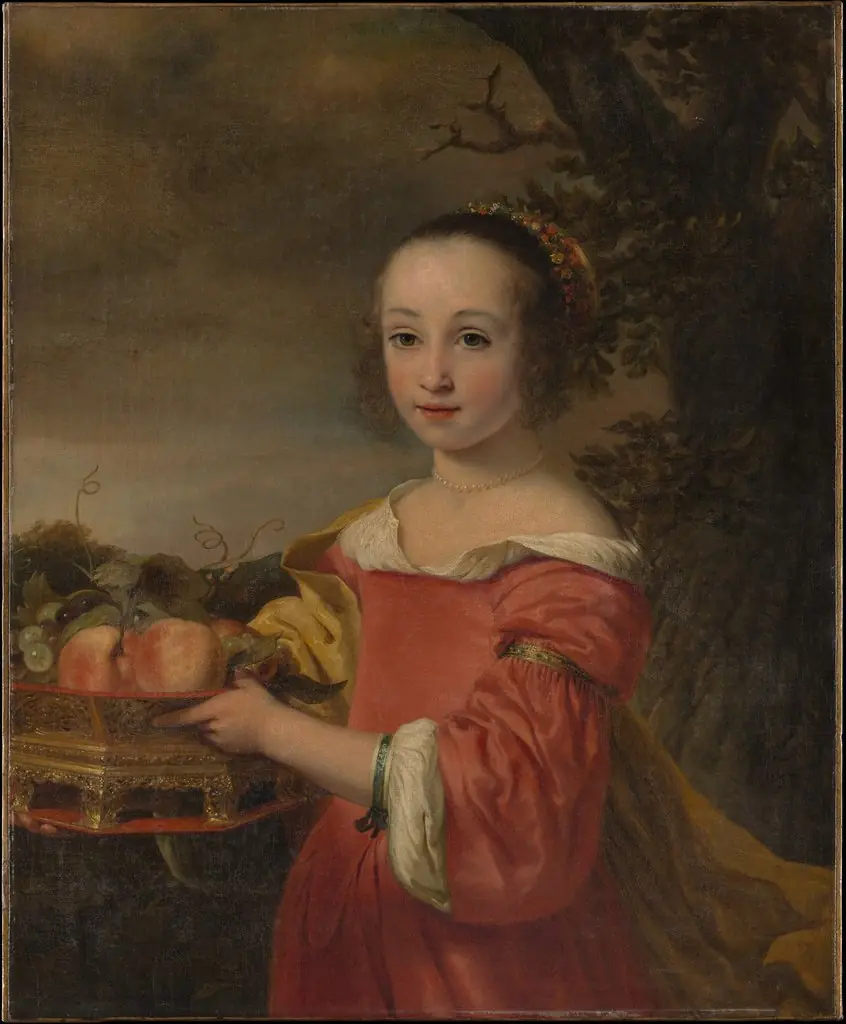 Petronella Elias (1648–1667) with a Basket of Fruit
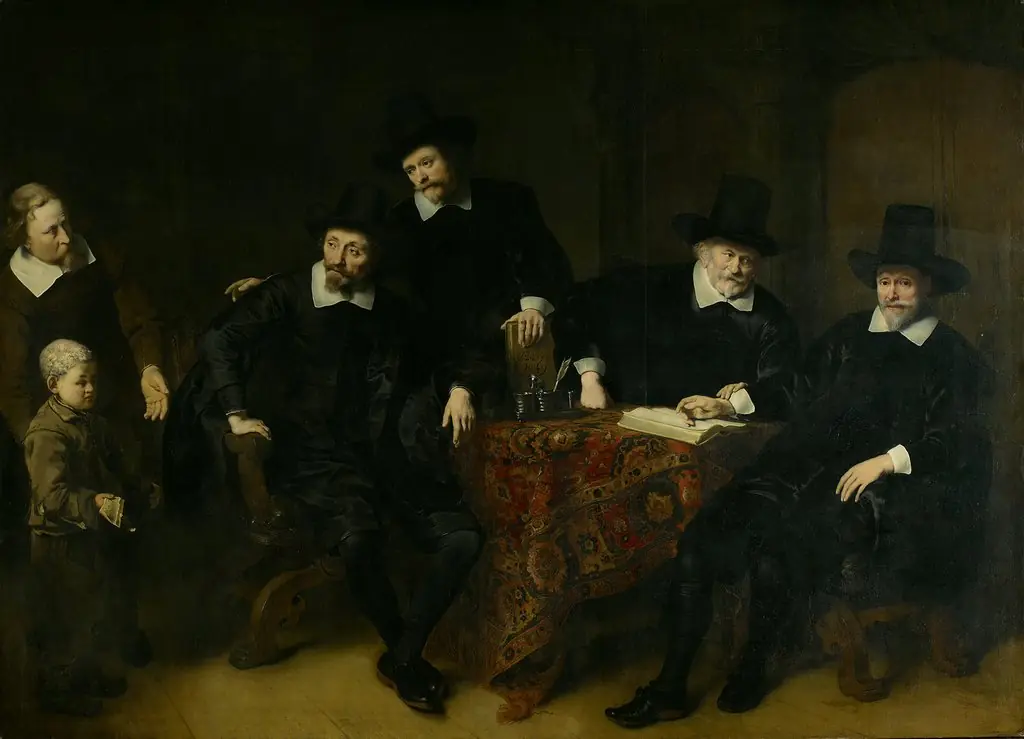 The Regents of the Leper's house in Amsterdam in 1649
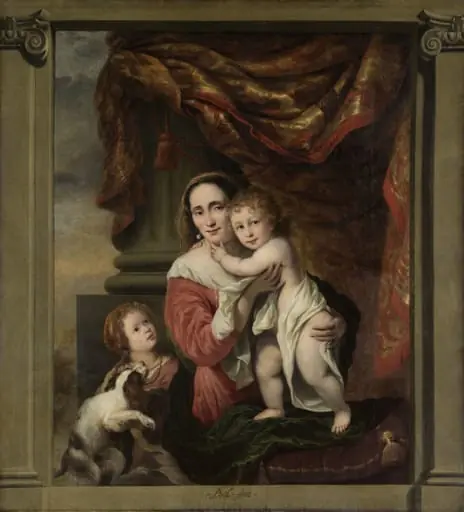 Caritas: Joanna de Geer (1629-1691) with her Children Cecilia Trip (1660-1728) and Laurens Trip (b. 1662)
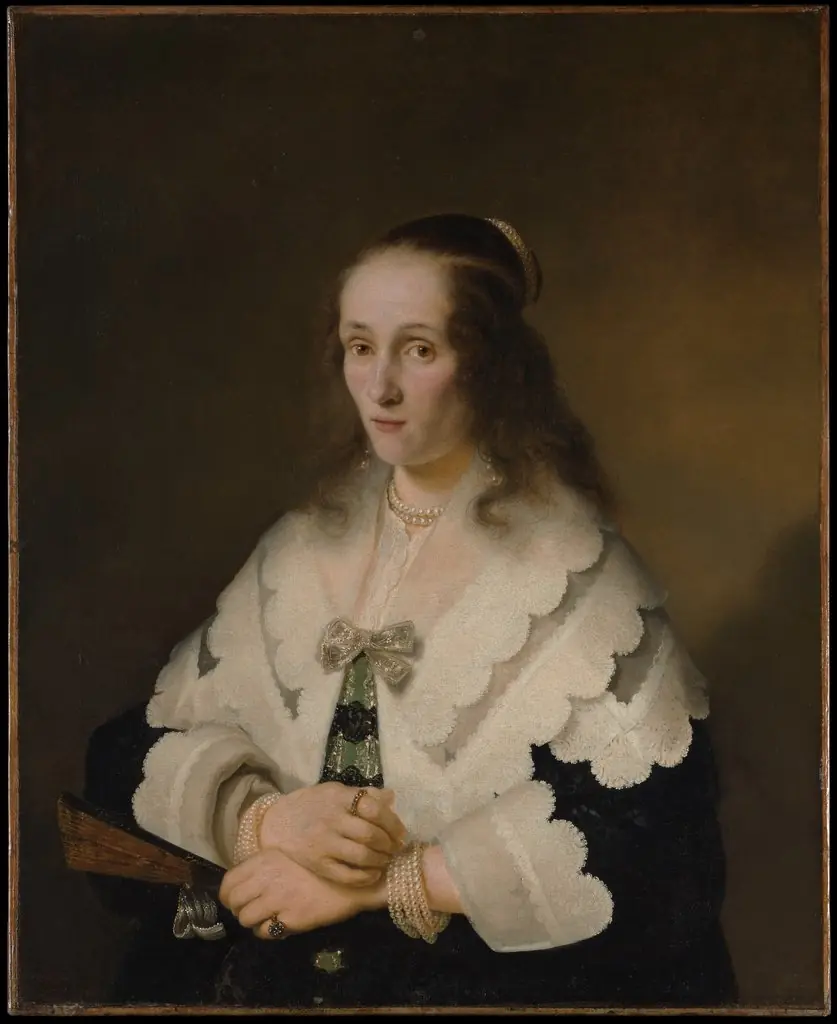 Portrait of a Woman
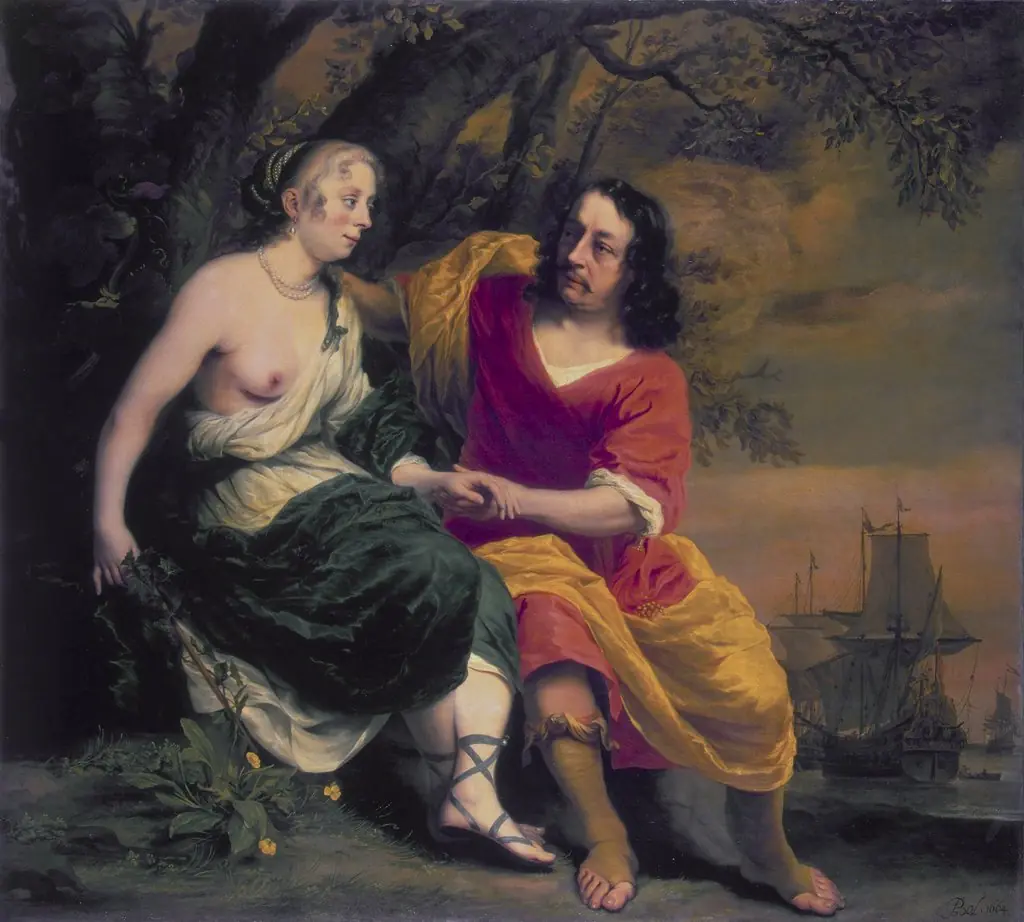 Bacchus and Ariadne
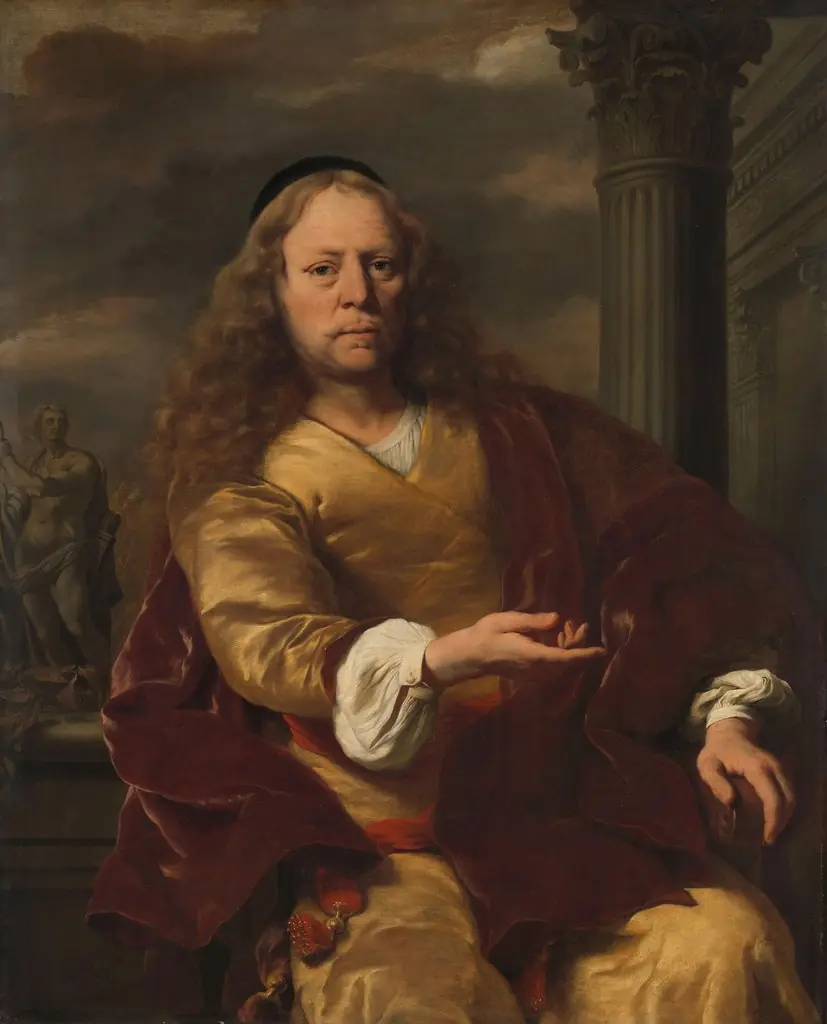 Portrait of a man
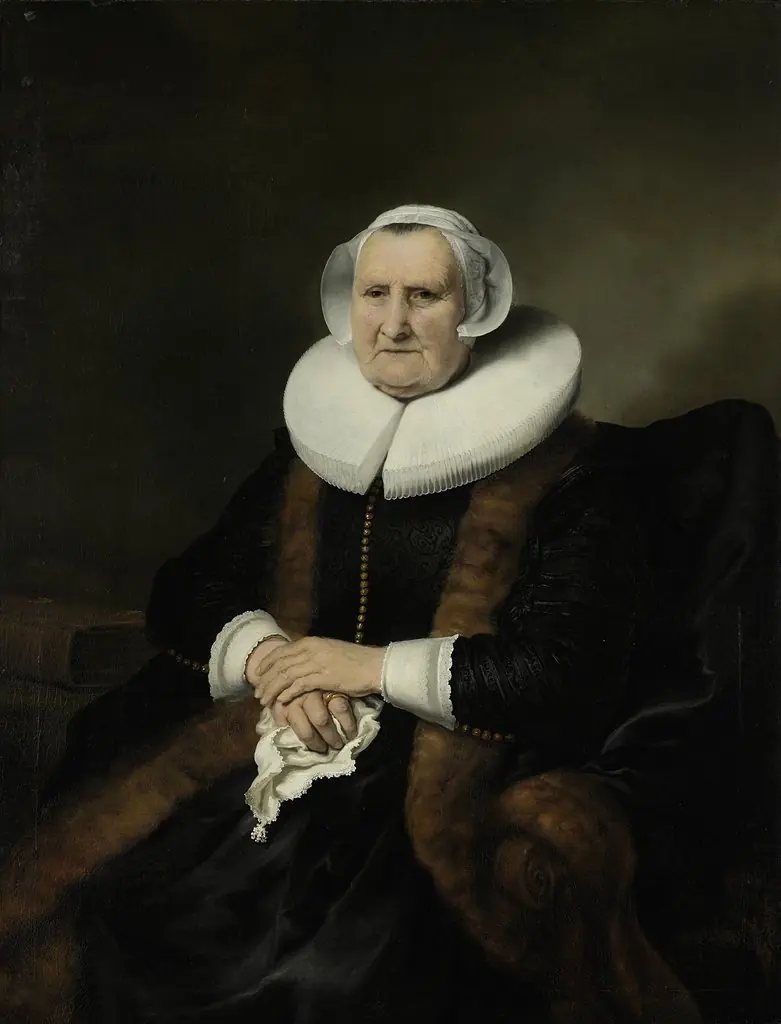 Portrait of an Old Lady, Possibly Elisabeth Bas
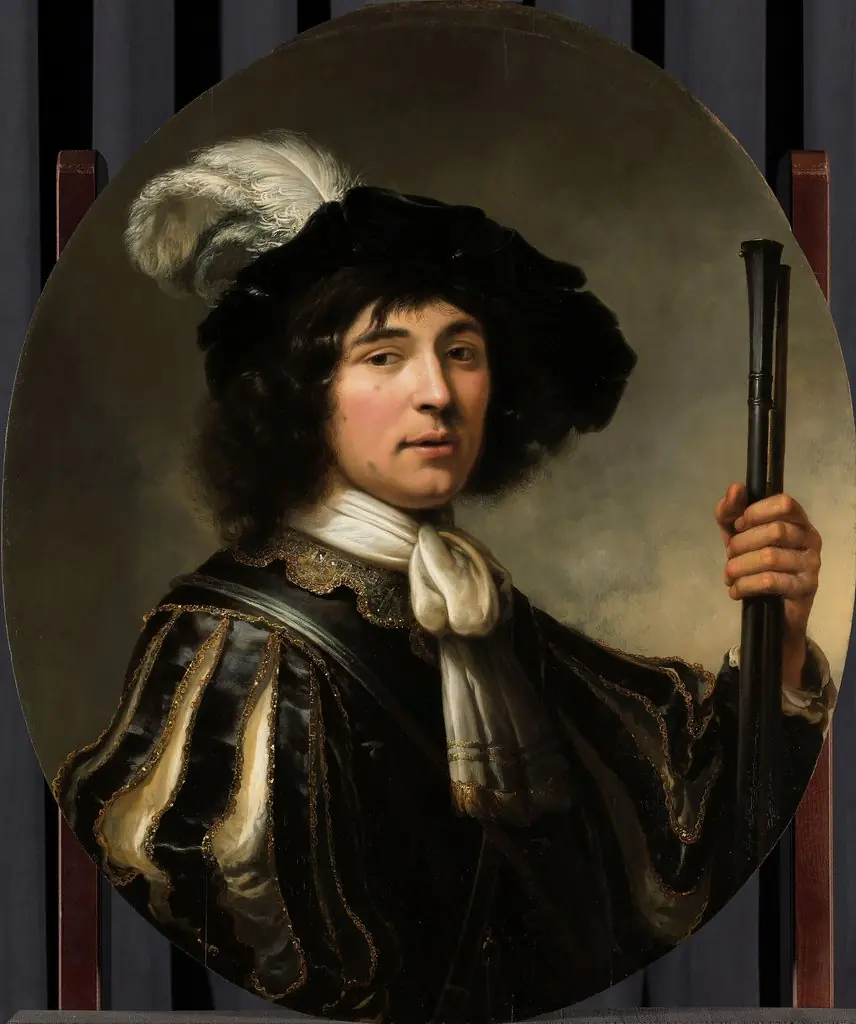 Portrait of a Young Man
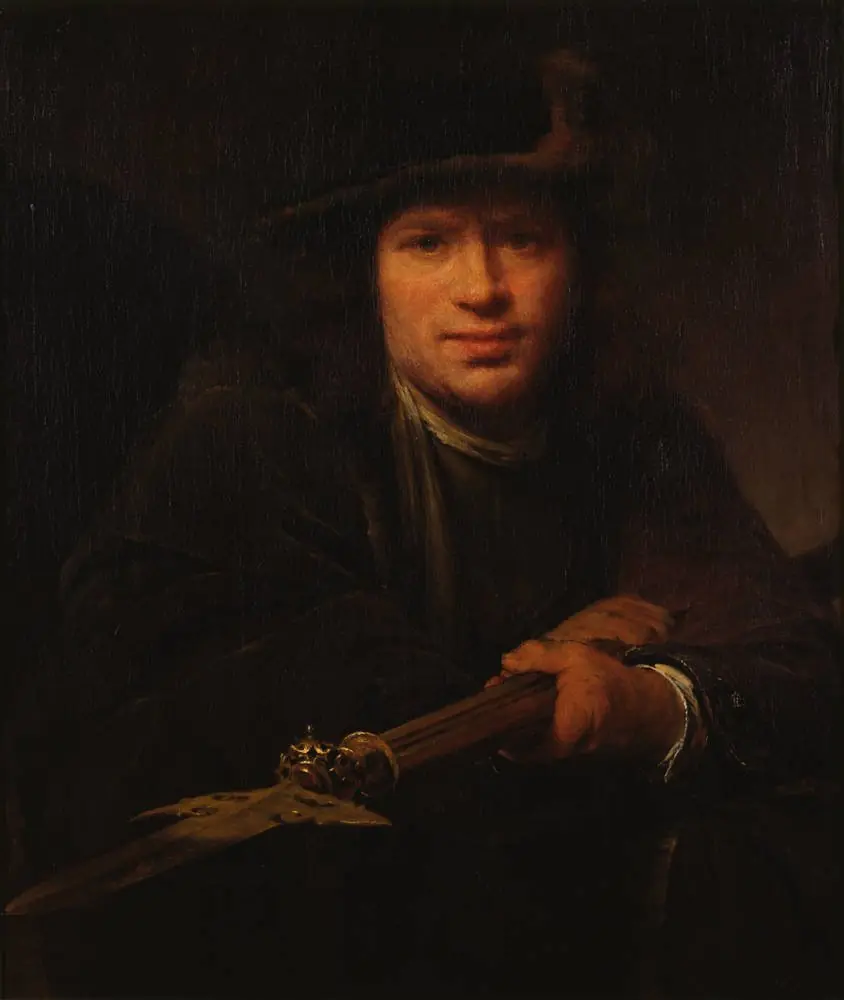 Man with a halberd
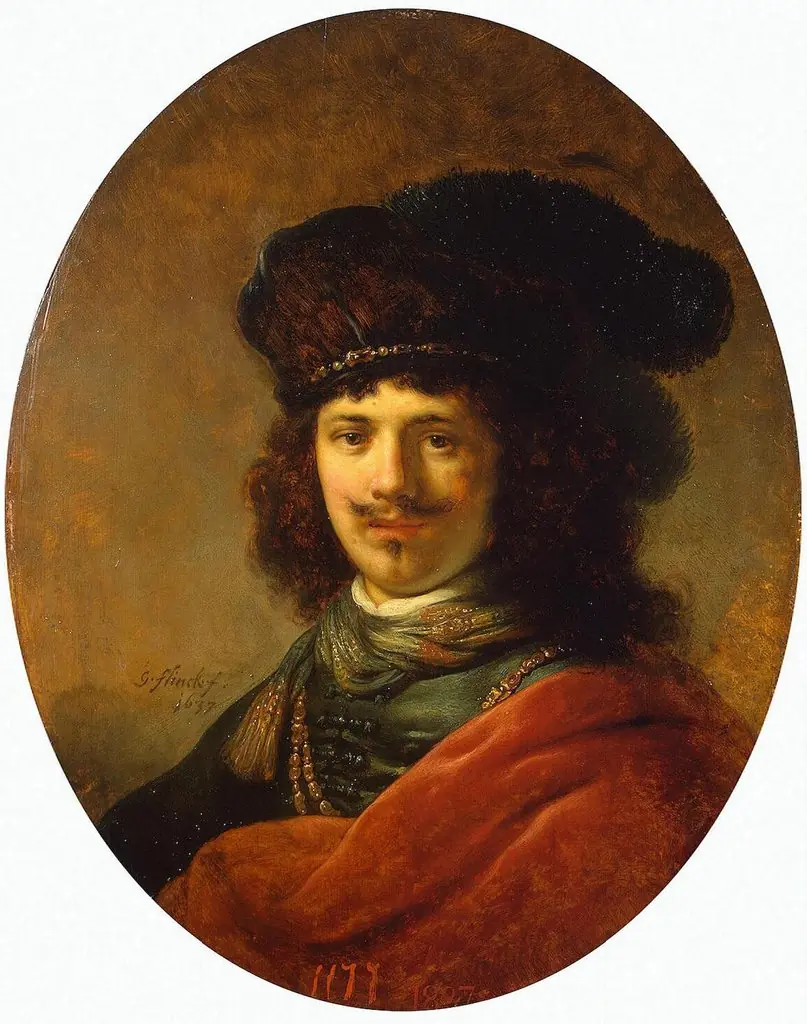 Portrait of a Young Man
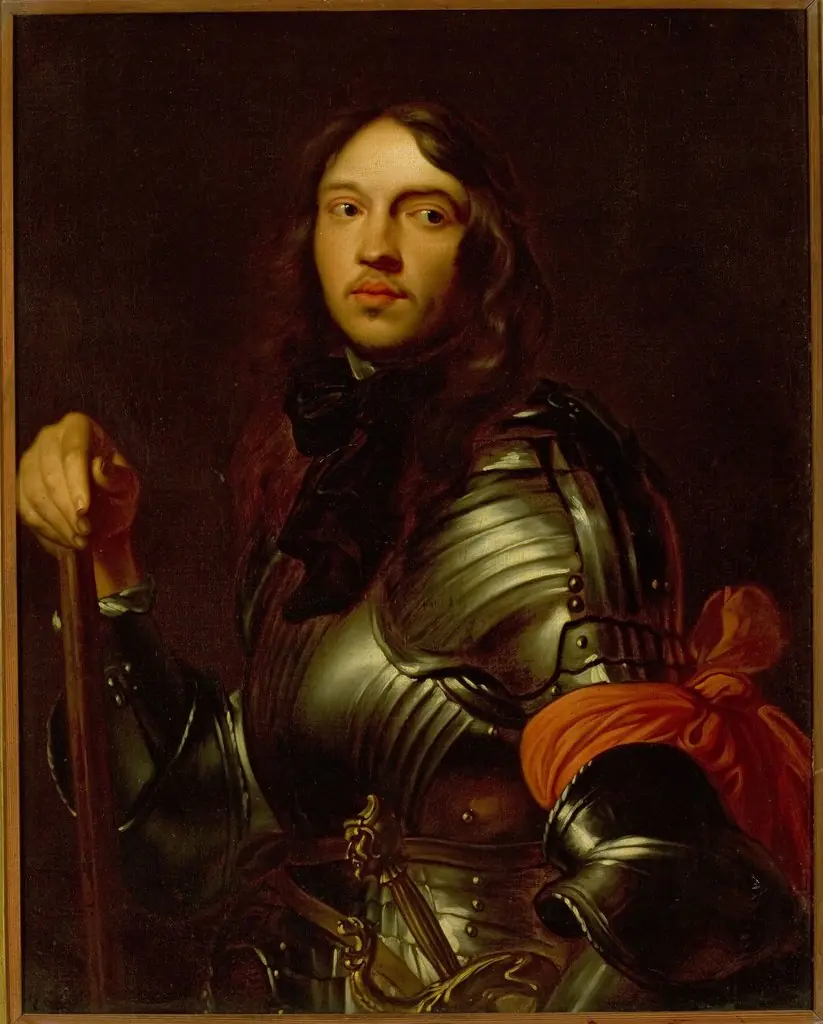 Portrait of a young man in armour
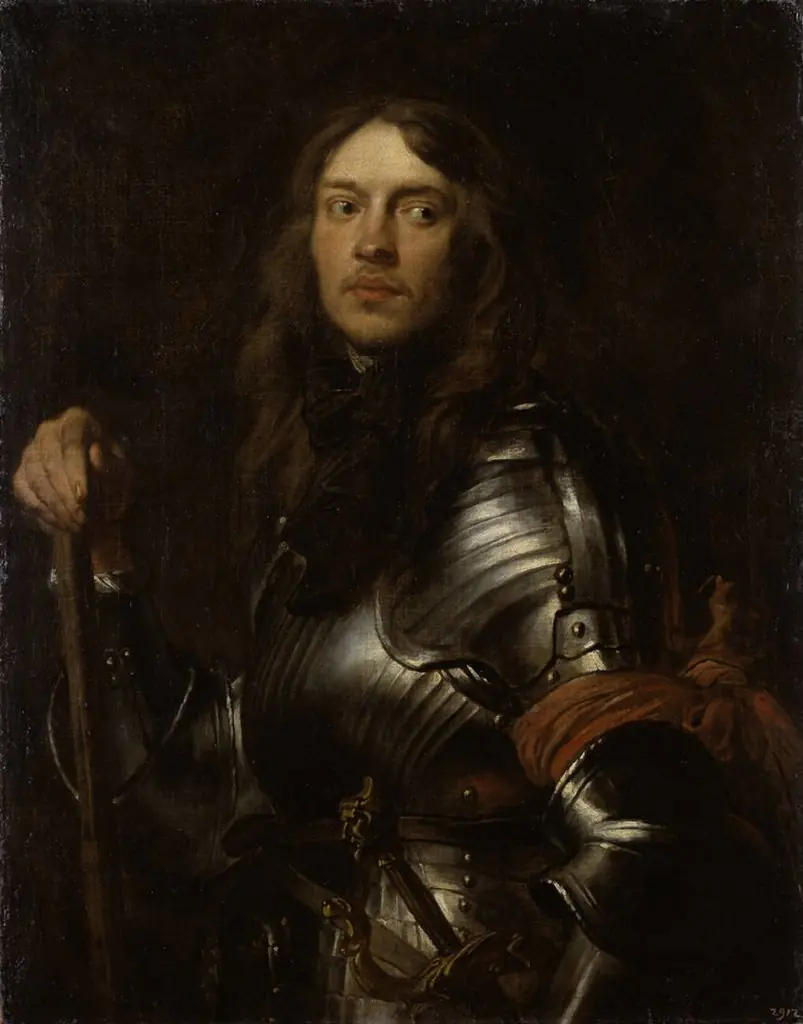 Portrait of a Man in Armour with a Red Scarf
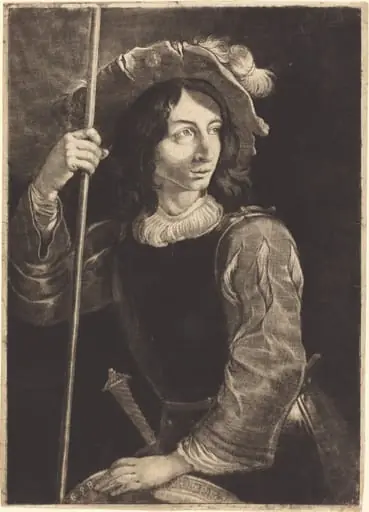 The Standard Bearer
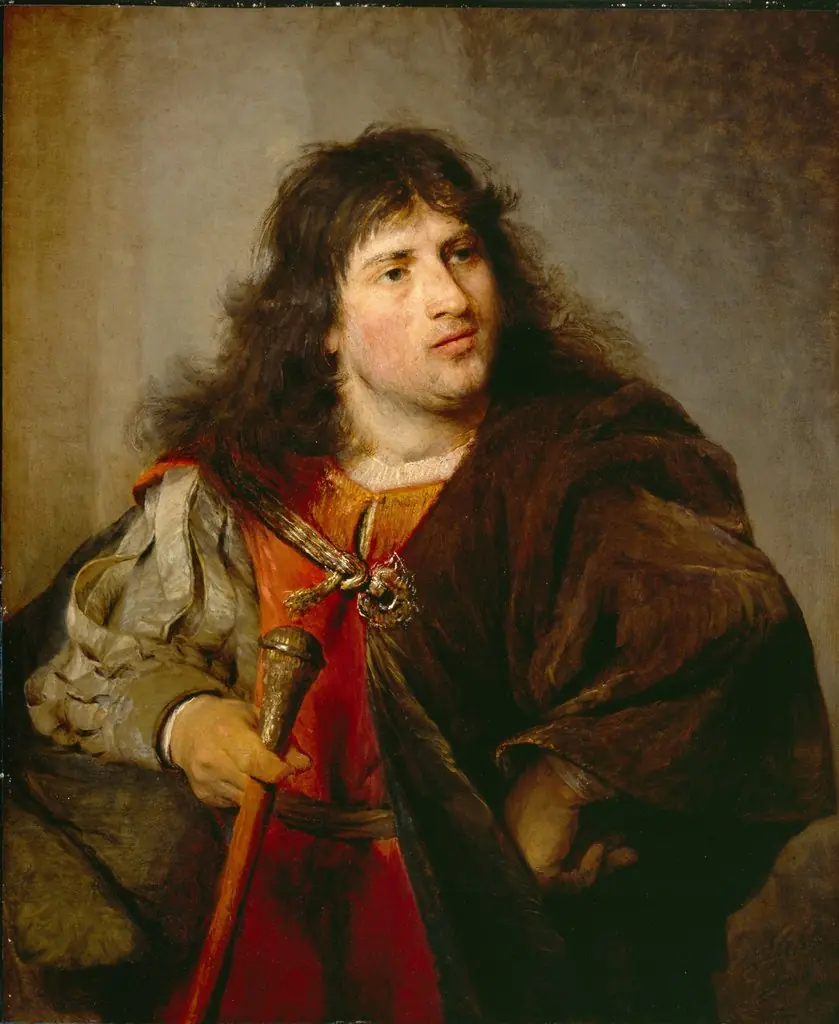 Portrait of a Man
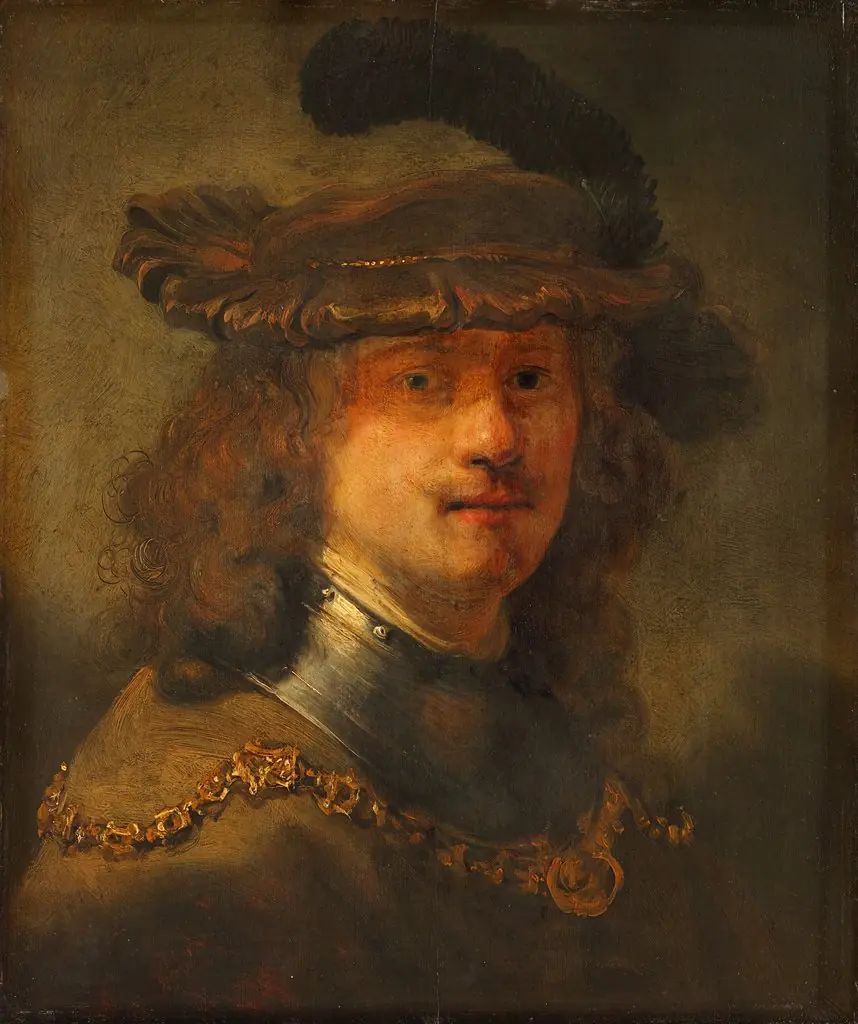 Self portrait with a velvet beret and gold chain
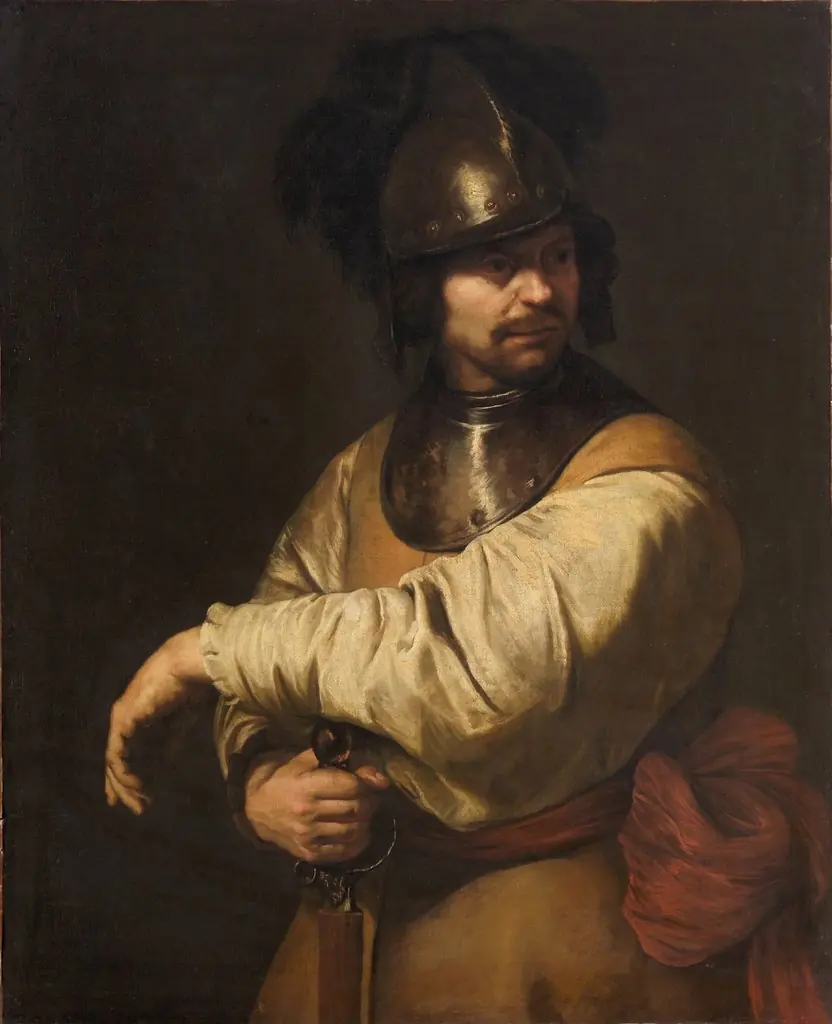 Krieger
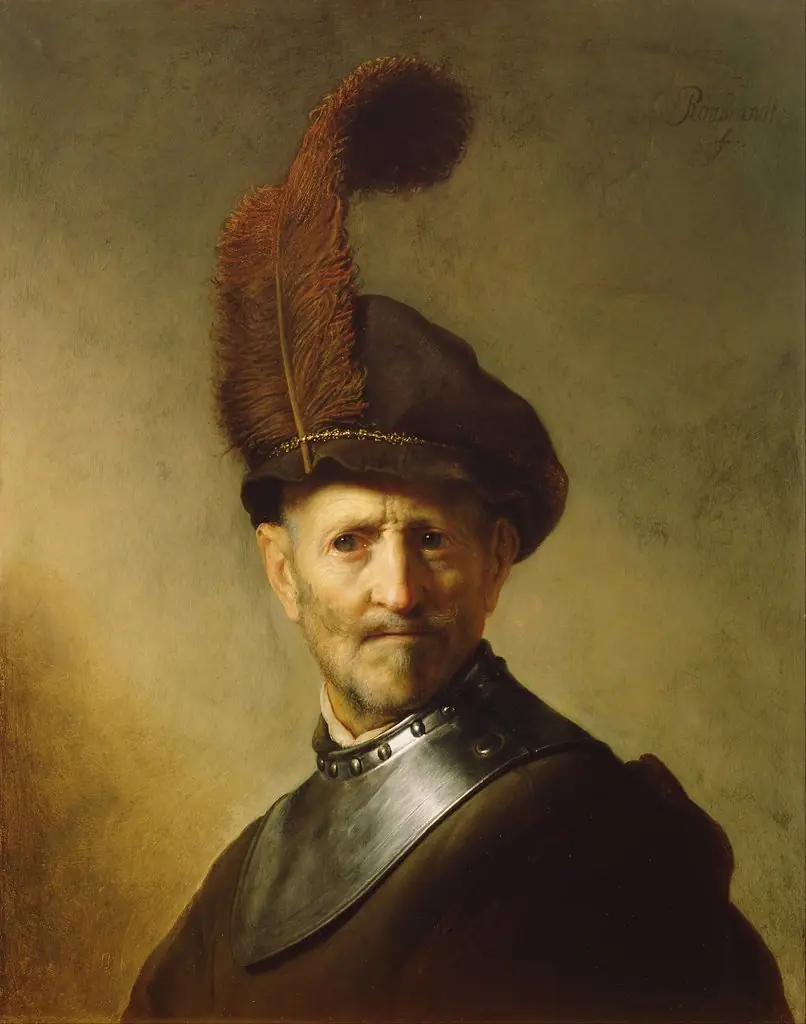 An Old Man in Military Costume
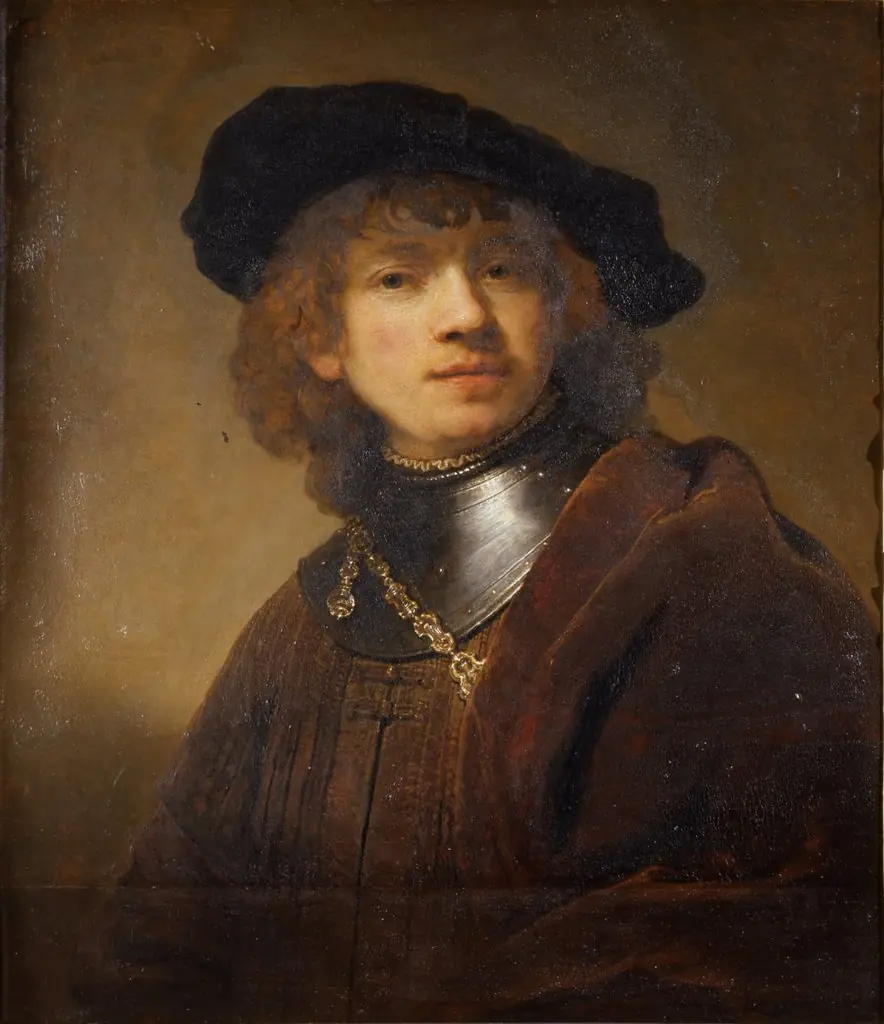 Tronie of a Young Man with Gorget and Beret
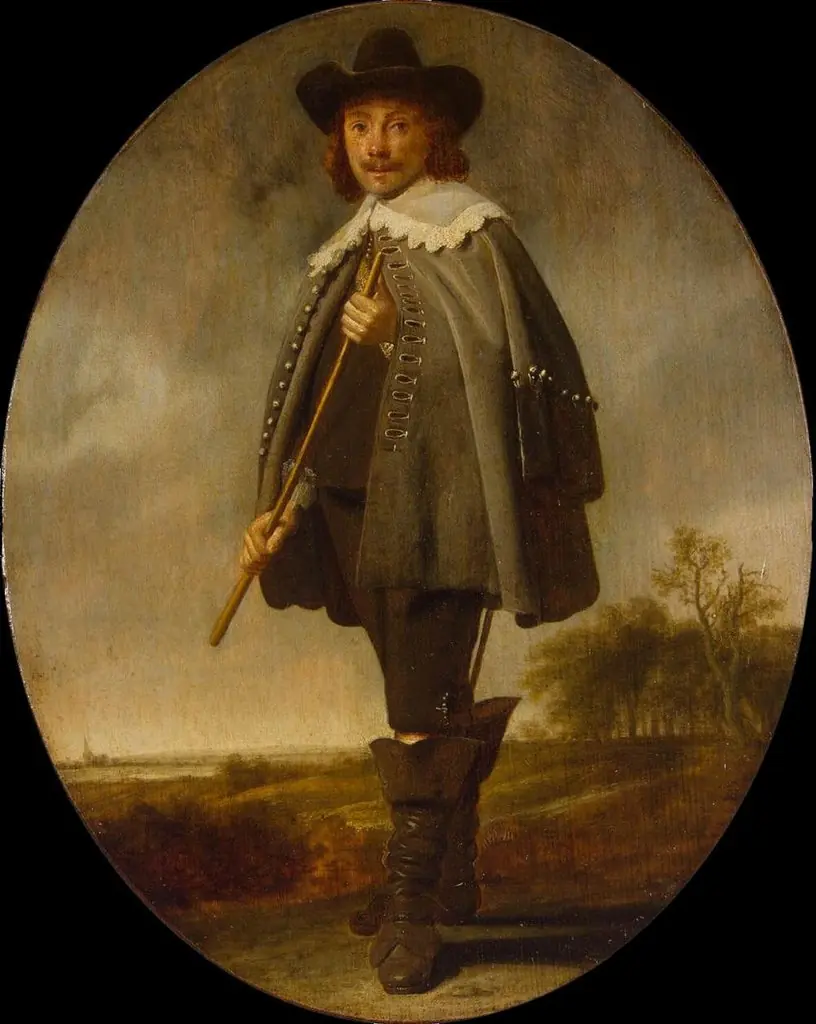 Officer in the Landscape (Portrait of a Man)