Artwork
Sight of the citadelle of Antwerp after the bombardement of 1832
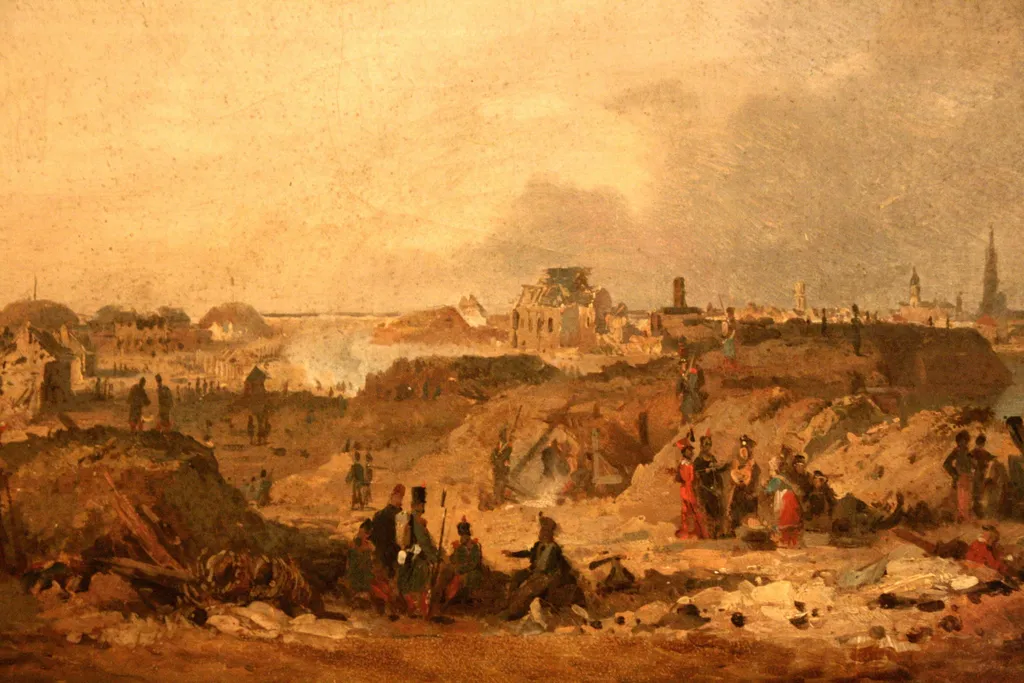
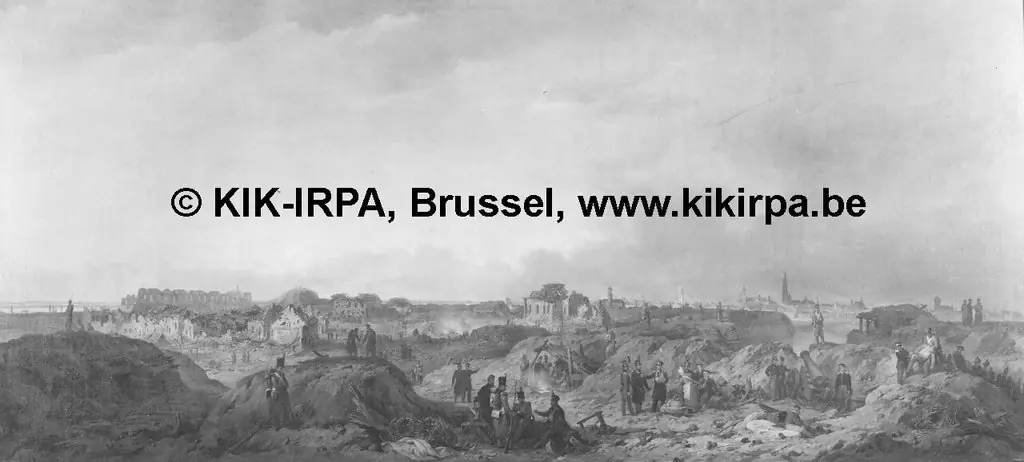
Sight of the citadelle of Antwerp after the bombardement of 1832 is an oil painting by Ferdinand de Braekeleer the Elder. It dates from 1832 and is held in the collection of the Royal Museums of Fine Arts of Belgium.
About this work
Overview
Ferdinand de Braekeleer the Elder painted this oil work in 1832, capturing the immediate aftermath of the French bombardment of Antwerp’s citadel.
Ferdinand de Braekeleer the Elder painted this oil work in 1832, capturing the immediate aftermath of the French bombardment of Antwerp’s citadel. The scene is rendered with sober realism, focusing on the physical and human toll of the conflict. The painting is part of the Royal Museums of Fine Arts of Belgium’s collection, where it serves as a visual record of a pivotal moment in the city’s modern history.
Subject & Meaning
The painting portrays the ruined citadel rising above a landscape littered with debris and figures in motion. Civilians and soldiers mingle in the foreground, some armed, others surveying the damage. The absence of overt heroism or celebration underscores the gravity of destruction. The work conveys the disruption of daily life and the lingering presence of military force in a civilian space.
Technique & Style
De Braekeleer employed a restrained palette of browns, grays, and muted ochres to reflect the ashen aftermath of the bombardment. Details in architecture and clothing are rendered with precision, emphasizing the tangible effects of violence. The composition directs attention from the smoldering citadel in the background to the scattered figures below, creating a narrative tension between ruin and resilience.
History & Provenance
Created shortly after the 1832 siege, the painting was likely commissioned or acquired as a documentary record. It entered the Royal Museums of Fine Arts of Belgium’s holdings early in its history, preserved as part of the nation’s visual archive of 19th-century conflict. Its continued presence in the collection reflects its value as a historical artifact rather than a decorative piece.
Context
The bombardment was part of the Belgian Revolution’s final phase, when French forces under King Louis-Philippe targeted the citadel to suppress Belgian independence. De Braekeleer’s work emerged amid a surge of interest in documenting national trauma. Unlike romanticized battle scenes, this painting focuses on quiet devastation, aligning with emerging trends in civic realism across Europe.
Legacy
The painting remains a key reference for understanding how visual art responded to urban warfare in early 19th-century Europe. It influenced later Belgian artists who sought to depict historical events with emotional restraint. Its preservation in a national museum ensures its role as a factual counterpoint to mythologized narratives of conflict.
Artist & collection
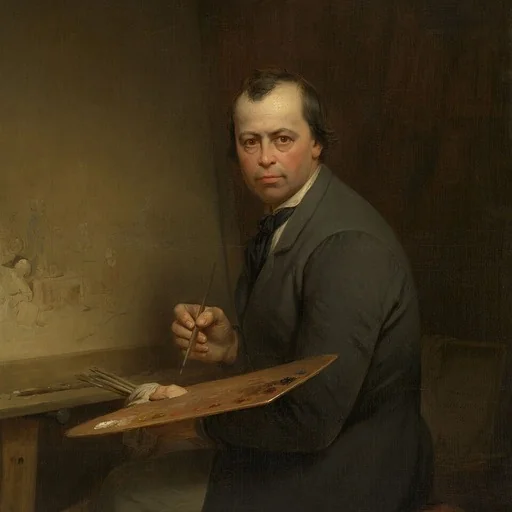
Artist
Ferdinand de Braekeleer the Elder
Ferdinand de Braekeleer (12 February 1792 – 16 May 1883), sometimes spelled as Ferdinand de Braeckeleer, was a Flemish painter and printmaker.

Museum
Royal Museums of Fine Arts of Belgium
Continue through works from the same source collection.
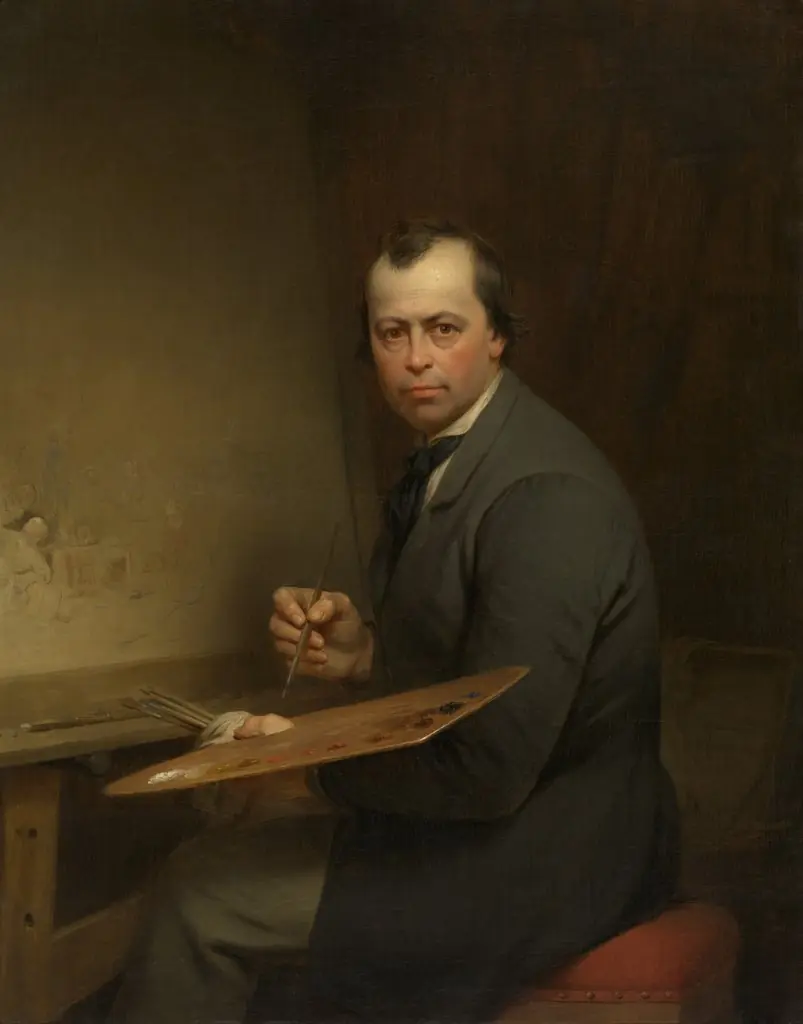 Self Portrait
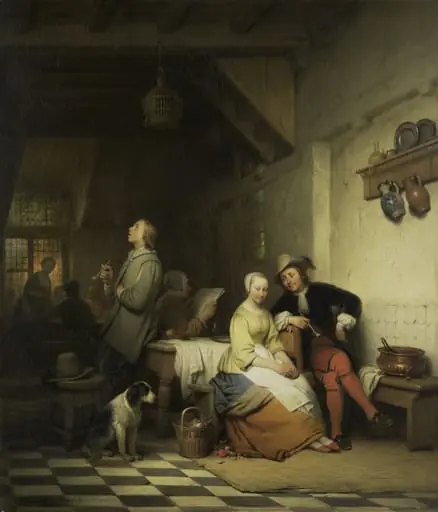 Interior of an Inn, with Figures in Seventeenth-Century Costume
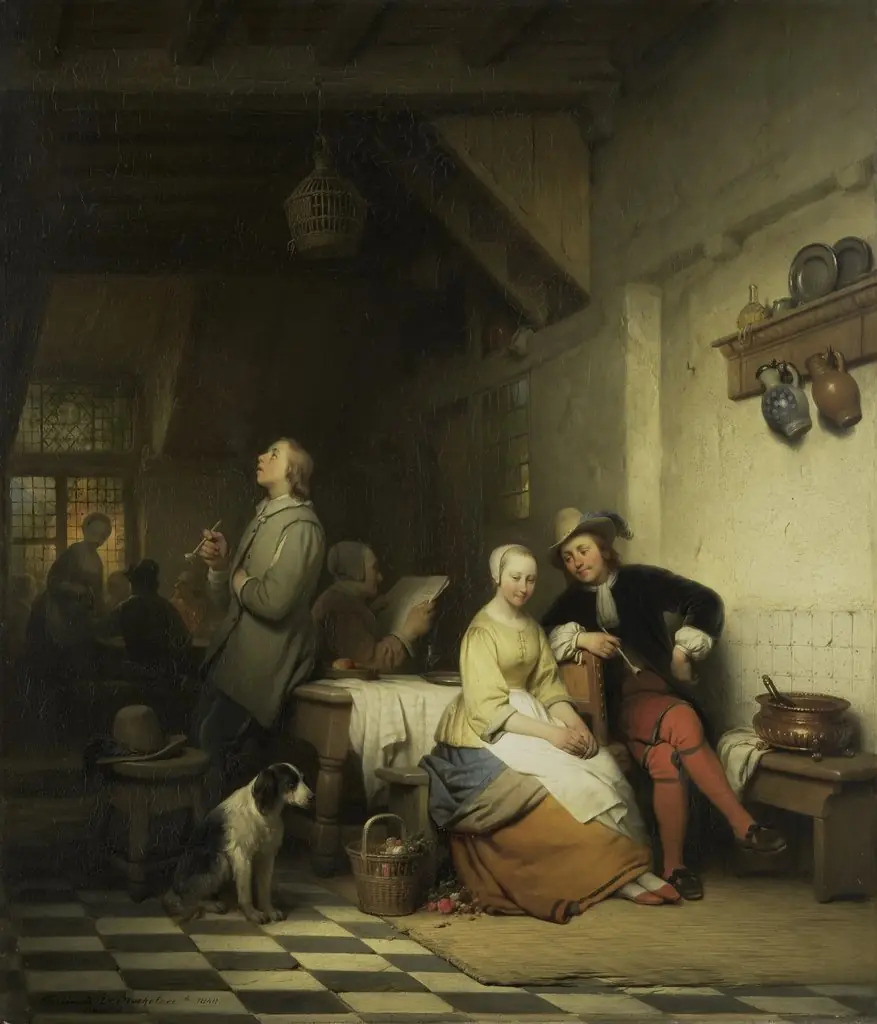 Interior of an Inn, with Figures in Seventeenth-Century Costume
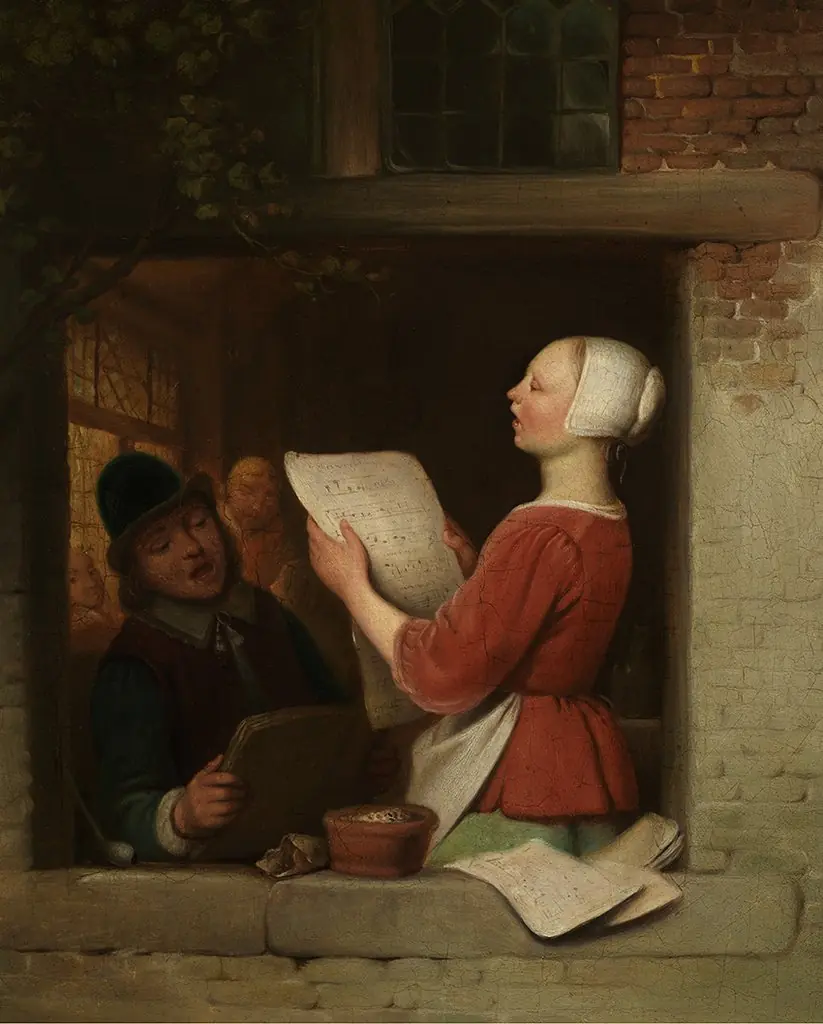 De zangers
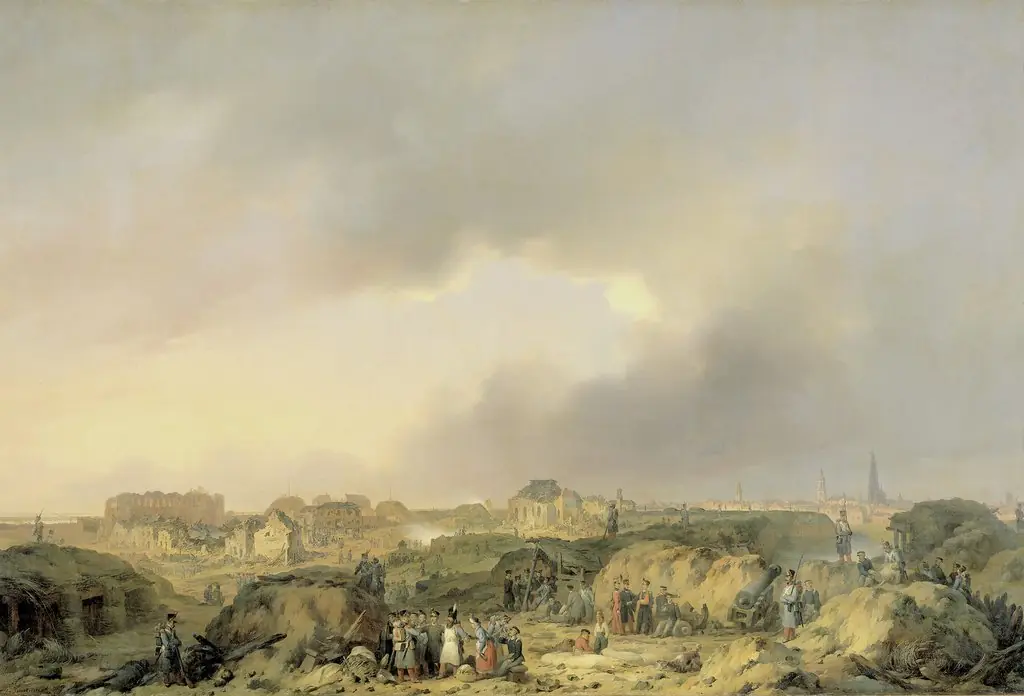 The Citadel of Antwerp shortly after the Siege of 19 November-23 December 1832, and the Surrender of the Dutch Garisson to the French
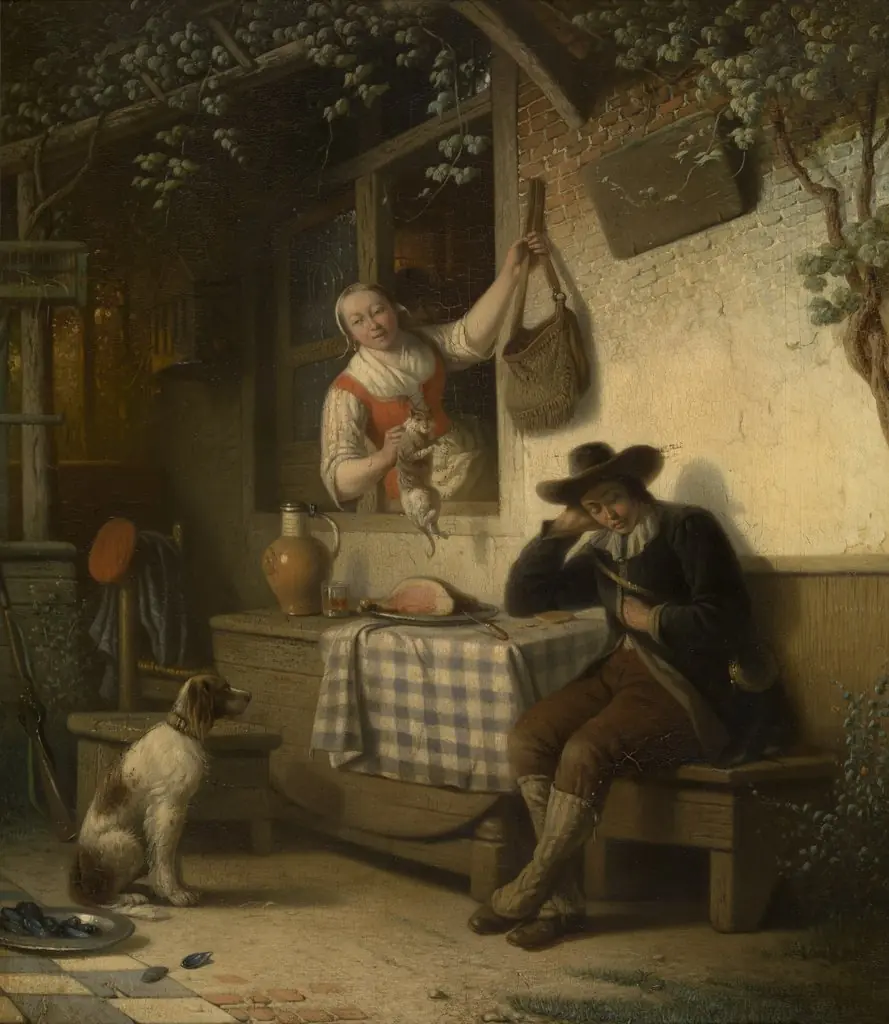 Resting Hunter
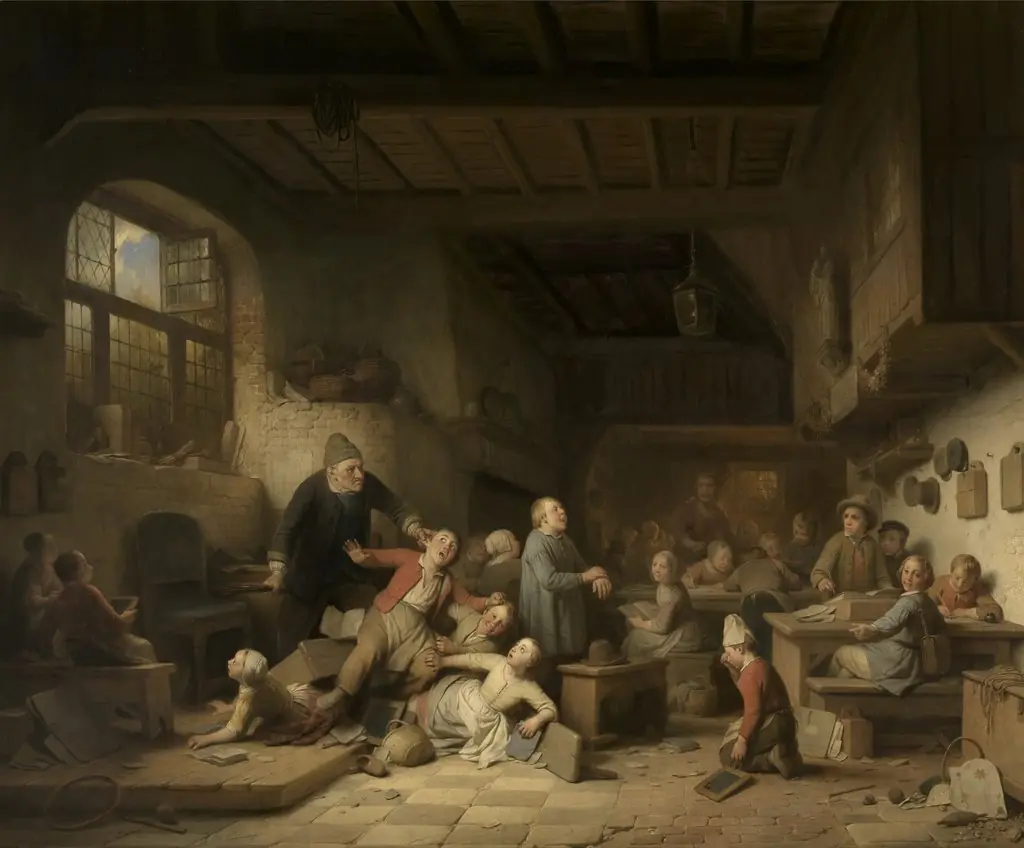 The Village School
 The Antwerp Castle in 1831