Artwork
Saint Jerome Penitent
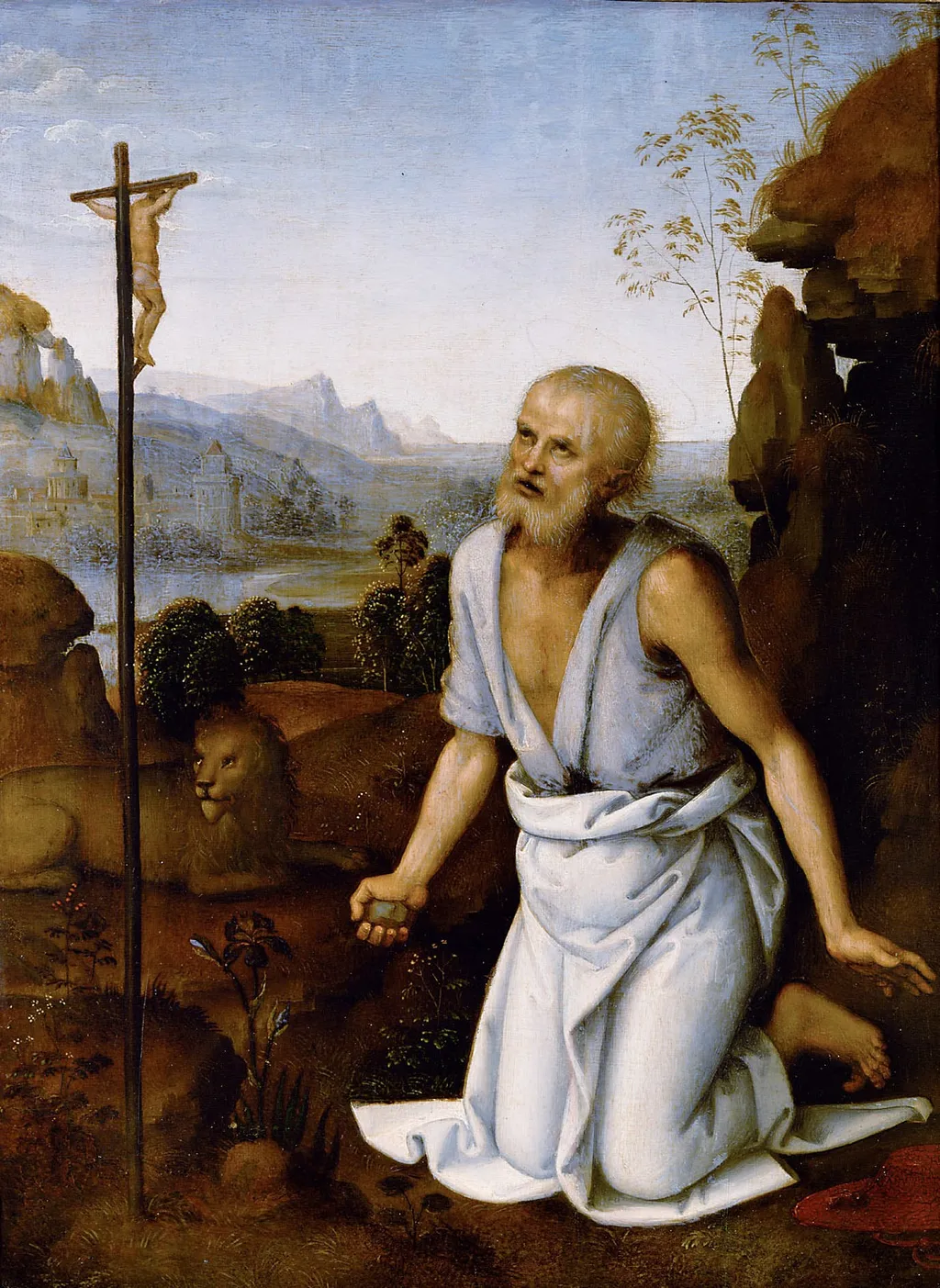
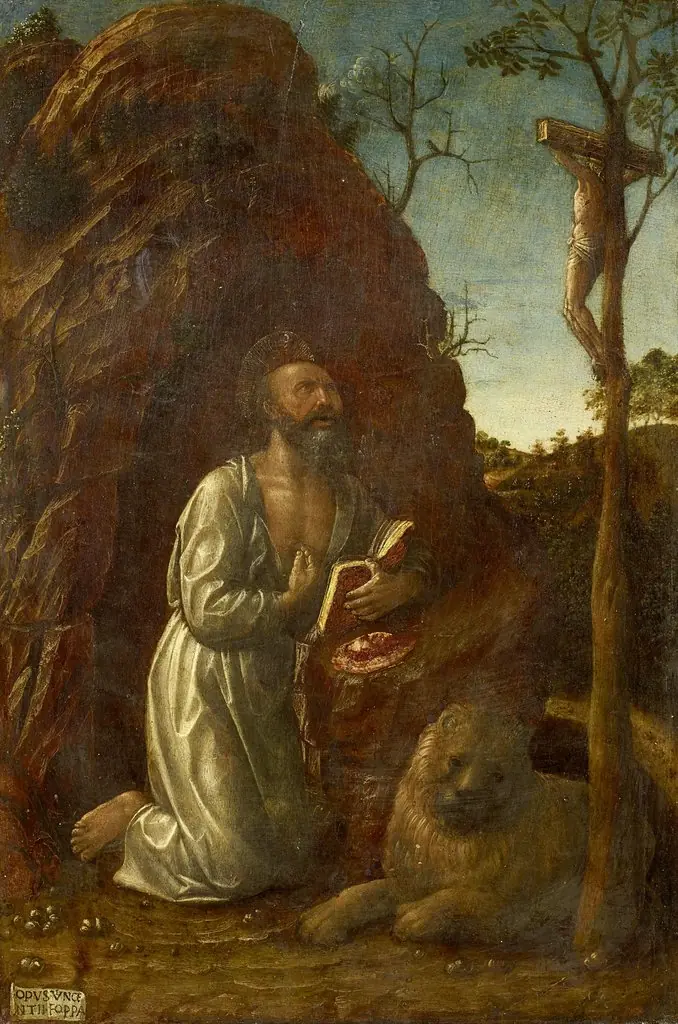
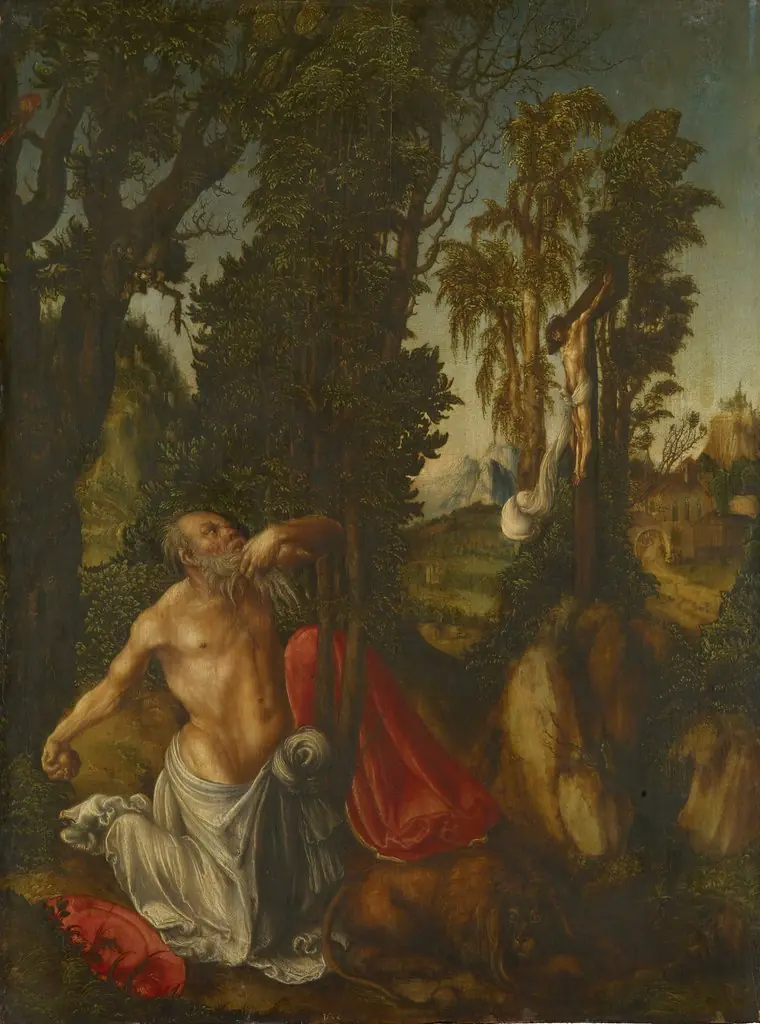
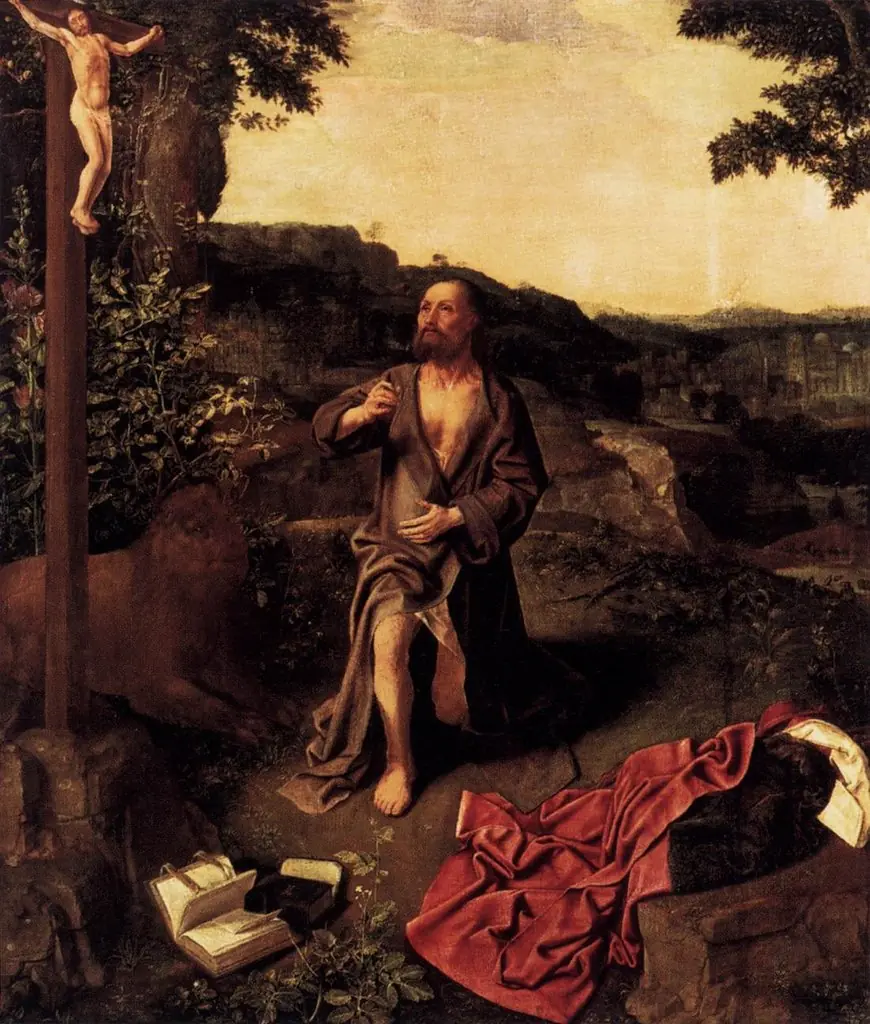
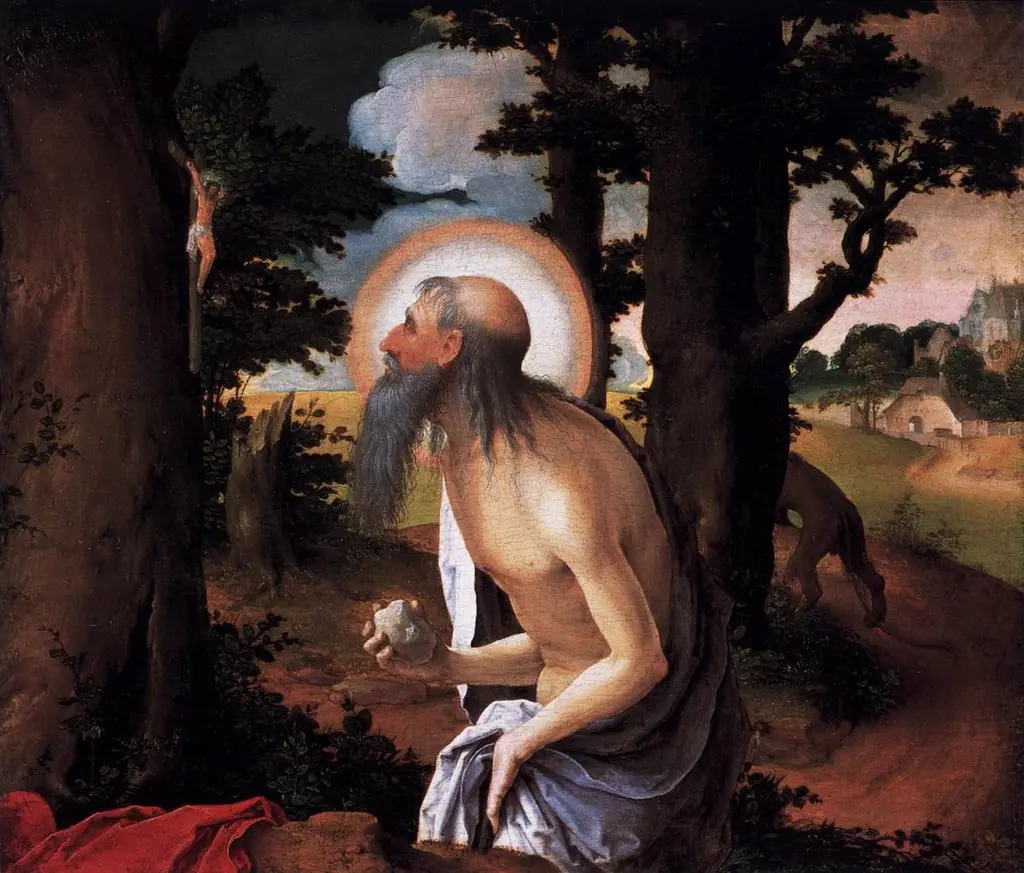
Saint Jerome Penitent is an oil painting by the Early Renaissance artist Pietro Perugino. It dates from 1502 and is held in the collection of the Kunsthistorisches Museum.
About this work
Overview
Saint Jerome Penitent is a 1502 oil painting by Pietro Perugino, depicting a serene religious scene from the early Renaissance.
Subject & Meaning
The painting portrays Saint Jerome in penitence, characterized by his peaceful yet weary expression. Accompanied by a calm lion and a distant cross on a hill, the composition conveys a sense of contemplative devotion. Jerome's simple white robe and unbound hair and beard emphasize his asceticism.
Technique & Style
Executed in oil paint, the work showcases Perugino's Umbrian school style, marked by soft, serene landscapes and figures. The pale sky, gentle hills, and trees create a tranquil backdrop, while the subtle, expressive facial features of Jerome reflect Perugino's characteristic attention to emotional nuance.
History & Provenance
Created in 1502, the painting is part of the Kunsthistorisches Museum's collection. As a prominent Umbrian school artist, Perugino's influence extended to notable pupils like Raphael, contributing to the transition towards the High Renaissance.
Context
Saint Jerome Penitent represents Perugino's recurring interest in depicting Saint Jerome, a subject that allowed exploration of themes such as penitence, solitude, and spiritual reflection, resonating with the religious and philosophical inclinations of the early Renaissance.
Legacy
While not individually renowned as some of Perugino's other works, Saint Jerome Penitent contributes to the broader understanding of Perugino's oeuvre and the Umbrian school's impact on the development of High Renaissance art, through its typical themes and stylistic elements.
Artist & collection
Artist
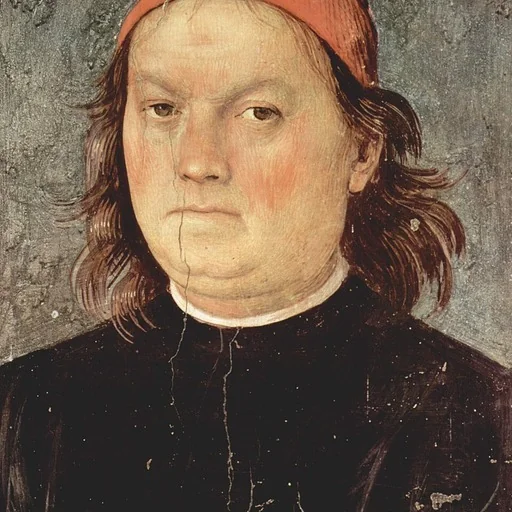
Pietro Perugino (US: PERR-ə-JEE-noh, -oo-; Italian: ; born Pietro Vannucci or Pietro Vanucci; c.