Artwork
Spanish Officer
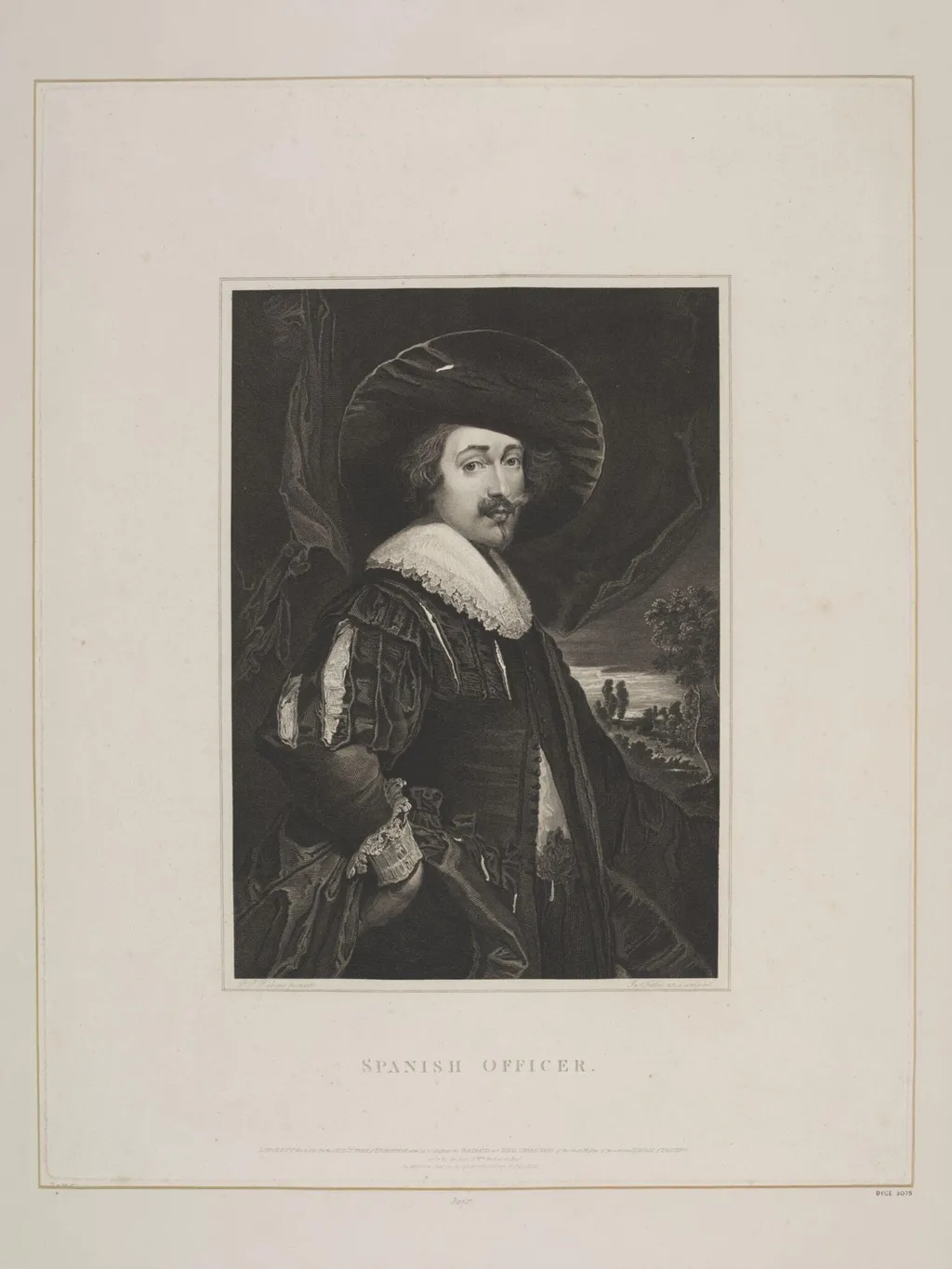
Spanish Officer is a print by James Fittler. It dates from 1850 and is held in the collection of the Victoria and Albert Museum.
About this work
Overview
This print is an engraving by James Fittler, an Associate of the Royal Academy, based on a composition originally created by Peter Paul Rubens.
This print is an engraving by James Fittler, an Associate of the Royal Academy, based on a composition originally created by Peter Paul Rubens. Executed on paper, the work presents a formal portrait of a Spanish officer, rendered through fine linear detail and tonal contrast. Fittler’s technique translates Rubens’s painterly approach into the medium of engraving, preserving the dignity and presence of the subject.
Subject & Meaning
The figure is depicted in elaborate military attire, including a broad-brimmed hat and a voluminous lace collar, indicators of high social rank and aristocratic status. His poised expression and direct gaze convey authority without overt aggression. The absence of narrative context focuses attention on the individual’s bearing, suggesting a portrait intended to affirm status rather than document a specific event or identity.
Technique & Style
Fittler employed fine, controlled lines to model form and texture, capturing the sheen of fabric and the crispness of lace. The background is rendered in deep shadow, enhancing the three-dimensionality of the figure through chiaroscuro. This contrast isolates the officer visually, directing focus to his facial features and ornate clothing, a method inherited from Rubens’s Baroque sensibility but adapted to the precision of engraving.
History & Provenance
The print was produced in the late 18th or early 19th century, during a period when reproductive engravings of Old Master compositions were widely circulated among collectors. Fittler, known for his work in British printmaking, translated Rubens’s original into a format accessible to a broader audience, reflecting contemporary interest in classical and continental art traditions.
Context
During Fittler’s time, engravings after Rubens were valued for their association with artistic prestige and historical continuity. The Spanish officer motif aligned with European fascination with Iberian nobility and military imagery, often linked to political alliances and cultural exchange. Such prints served both decorative and educational purposes in private collections and academies.
Legacy
Fittler’s engraving contributed to the dissemination of Rubens’s compositional language in Britain, influencing how Baroque portraiture was understood through reproductive media. While not an original work, it preserved the visual language of aristocratic representation for later generations, anchoring the officer’s image within a broader tradition of European print culture.
Artist & collection
Artist
James Fittler made fine engravings of people and scenes in the late 1700s and early 1800s.

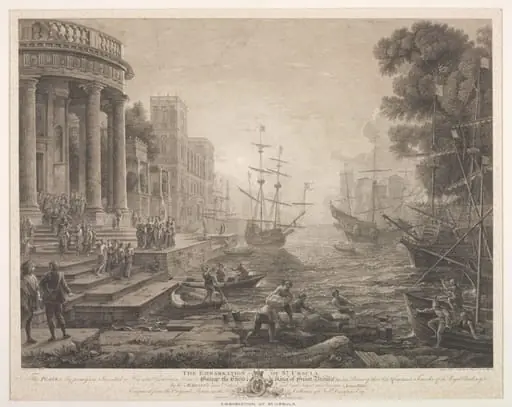
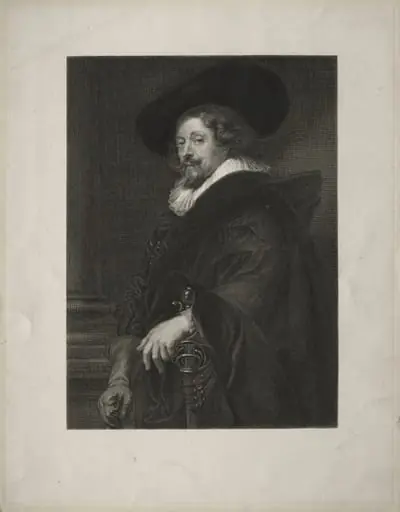 Portrait of a Man
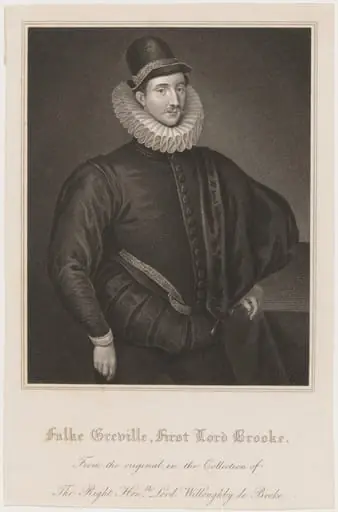 Fulke Greville, First Lord Brooke, Poet
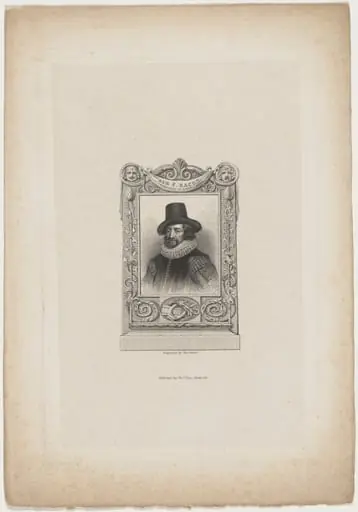 Sir Francis Bacon
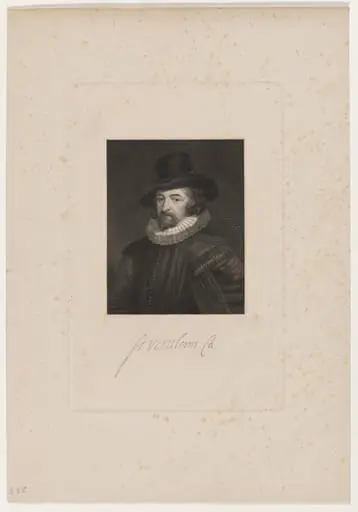 Francis Bacon, Lord Verulam
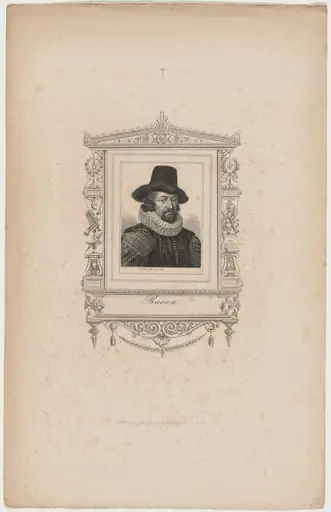 Bacon
Bacon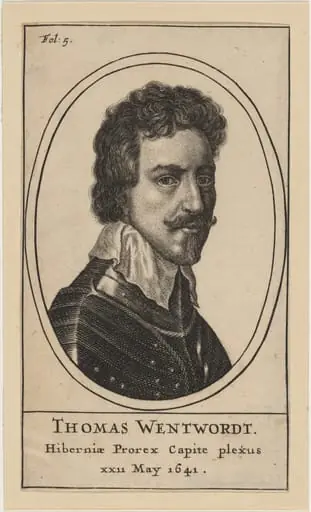 Thomas Wentworth, Earl of Strafford
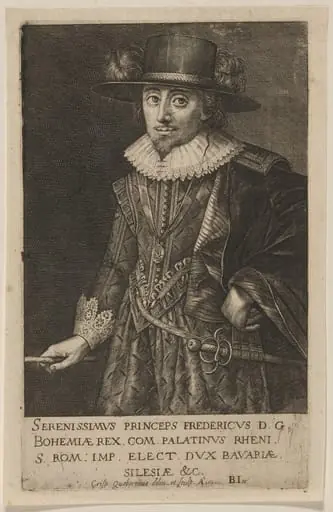 Frederick V
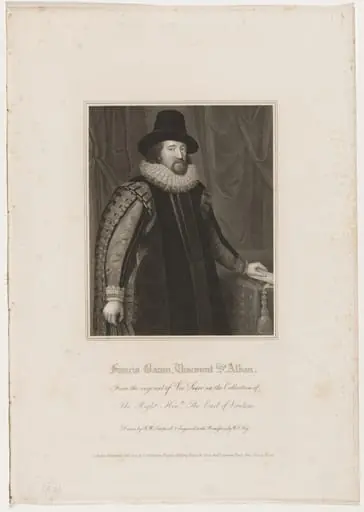 Francis Bacon, Viscount Saint Albans
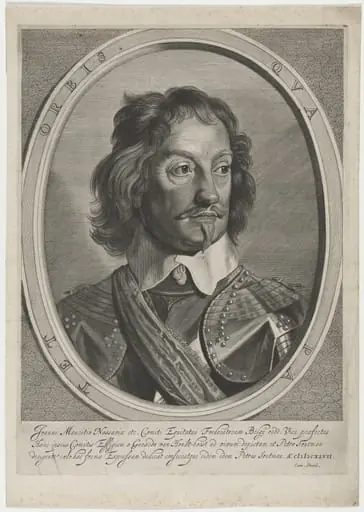 John Maurice, Count of Nassau
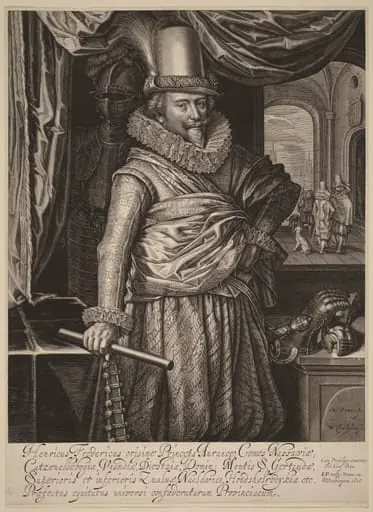 Frederik Hendrik, Prince of Nassau-Orange
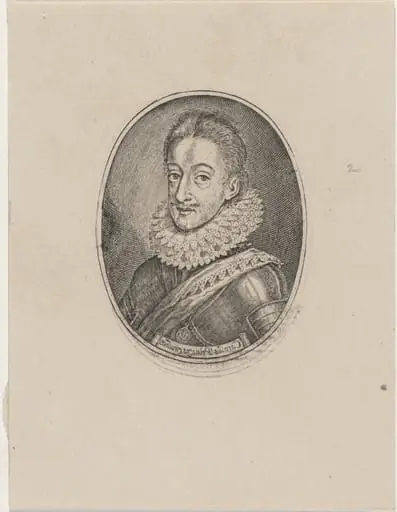 Charles I, King of England
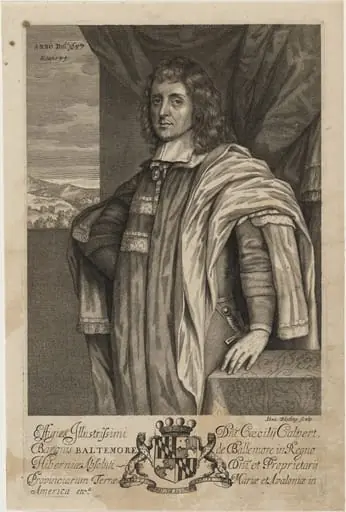 George Calvert, Lord Baltimore