Artwork
George Calvert, Lord Baltimore
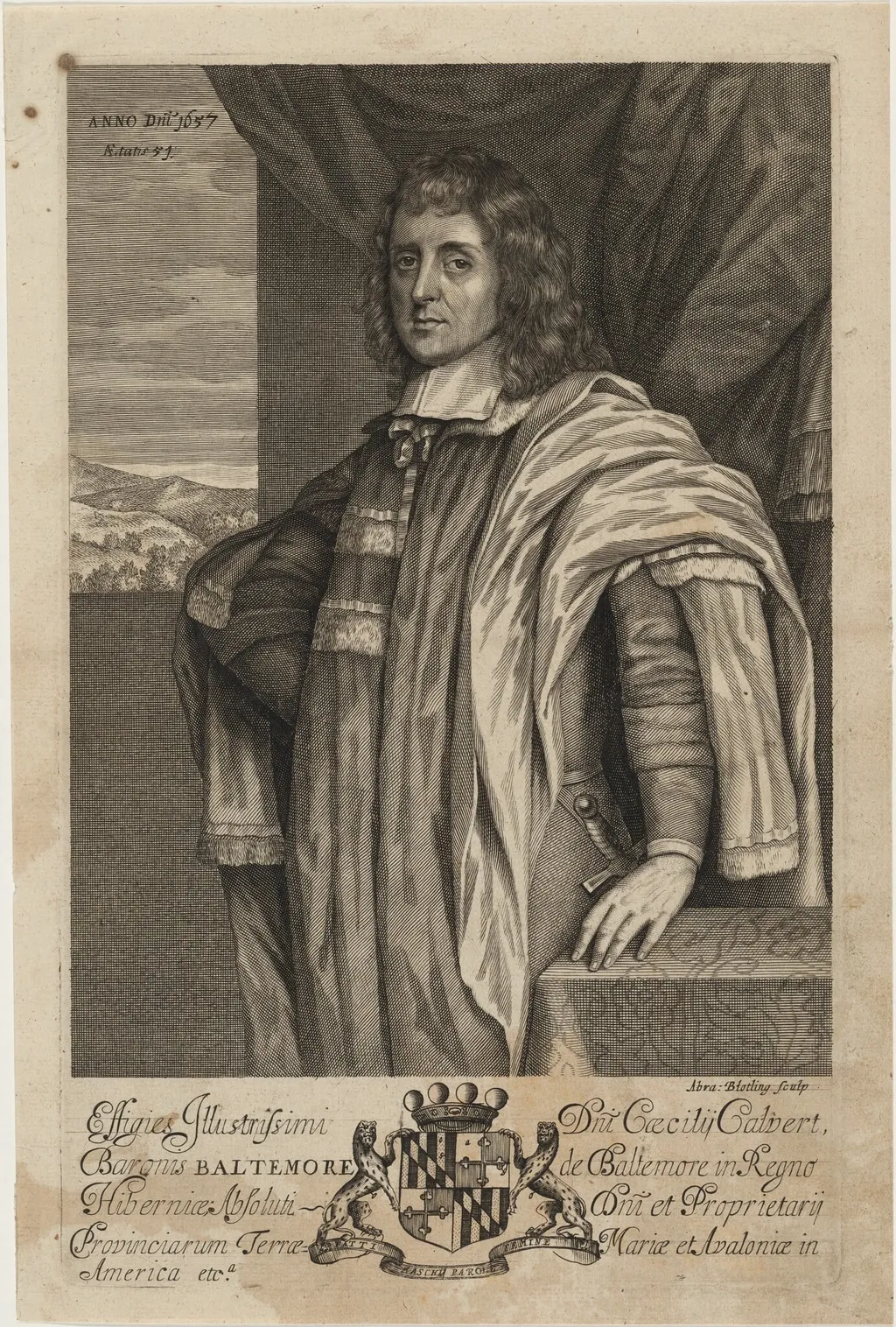
George Calvert, Lord Baltimore is an ink print by the Baroque artist Abraham Blooteling. It dates from 1657 and is held in the collection of the National Gallery of Art.
About this work
Overview
Abraham Blooteling’s 1657 engraving presents George Calvert, styled as Lord Baltimore, in a formal portrait.
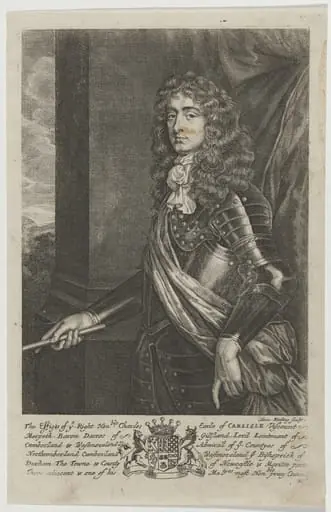
Abraham Blooteling’s 1657 engraving presents George Calvert, styled as Lord Baltimore, in a formal portrait. Rendered in black and white, the figure is depicted in a long coat with a ruffled collar, standing before a subdued landscape that includes distant hills and a draped curtain. The composition is anchored by a ledge on which the sitter rests his hand, and the inscription below identifies the subject and includes his coat of arms with Latin text.
Subject & Meaning
The portrait captures Calvert as a dignified figure of political and noble stature, reflecting his role as the first Lord Baltimore and founder of the Maryland colony. The inclusion of heraldic symbols and Latin epithets underscores his aristocratic lineage and the authority he wielded in early 17th‑century England, while the direct gaze conveys a sense of resolve and public presence.
Technique & Style
Executed through copperplate engraving, Blooteling employed fine incised lines to render textures of fabric, hair, and the background landscape. The monochrome palette emphasizes contrast between light and shadow, creating depth without color. The precise hatching and cross‑hatching typical of mid‑17th‑century Dutch‑influenced printmaking convey both the material richness of the attire and the subtle atmospheric effects of the distant scenery.
History & Provenance
Created in 1657, the print was likely intended for circulation among elite patrons and collectors interested in political figures. Copies of the engraving have survived in several European libraries and museum collections, indicating its distribution as a means of commemorating Calvert’s status. The work remains a primary visual source for scholars studying the iconography of early colonial administrators.
Artist & collection

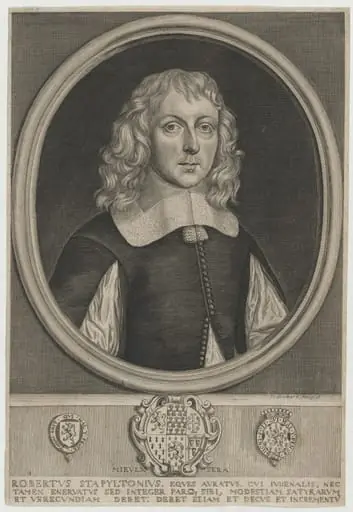 Sir Robert Stapylton, Dramatic Poet and Translator
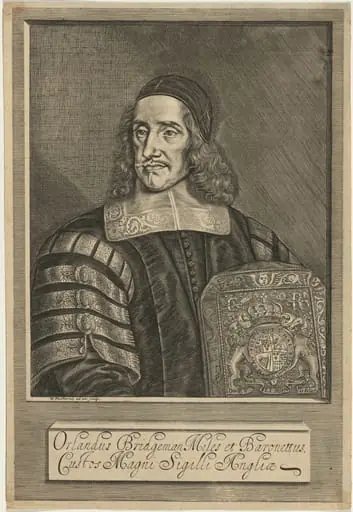 Sir Orlando Bridgeman
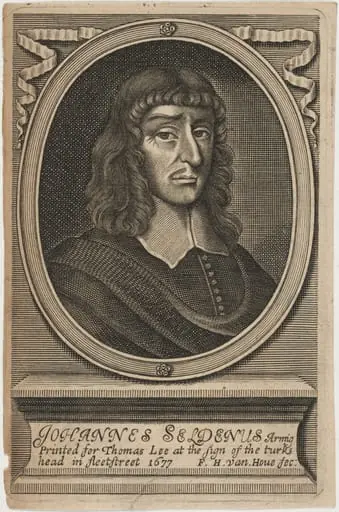 John Selden
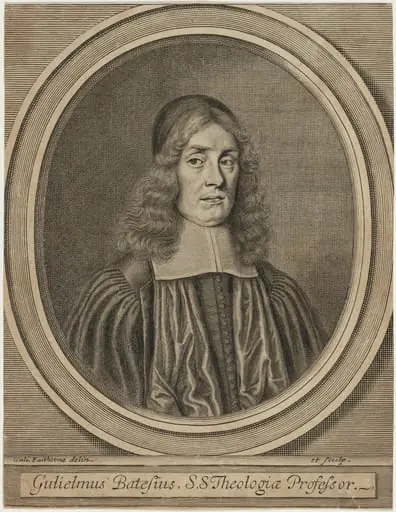 William Bates, D.D.
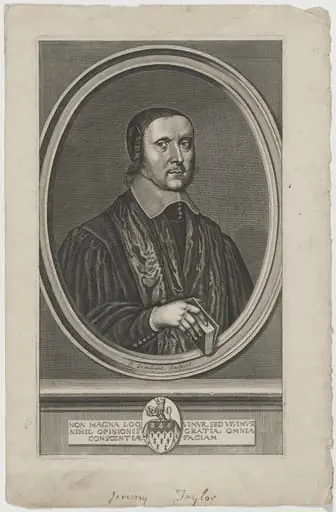 Jeremy Taylor, Bishop of Down, Connor and Dromore
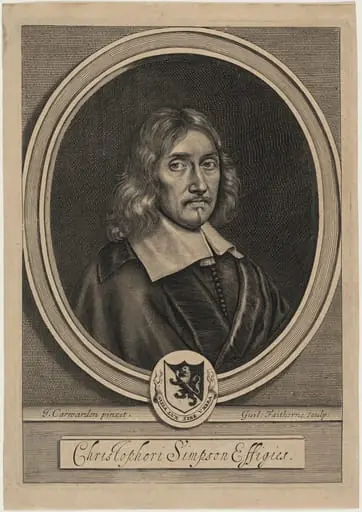 Christopher Chelys Simpson
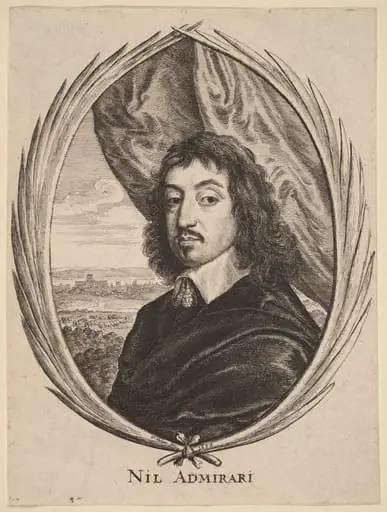 Sir John Wildman
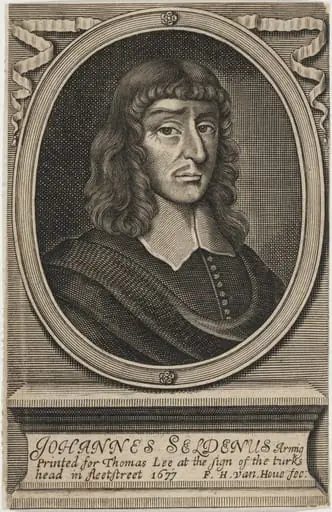 John Selden
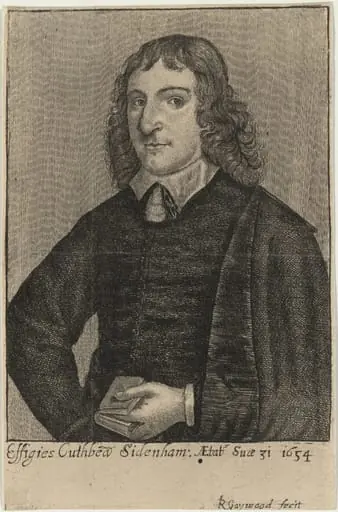 Cuthbert Sydenham
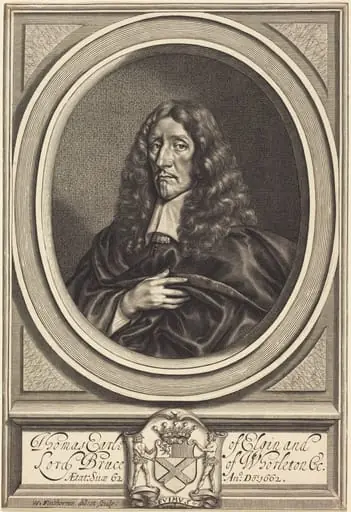 Thomas Bruce, Earl of Elgin
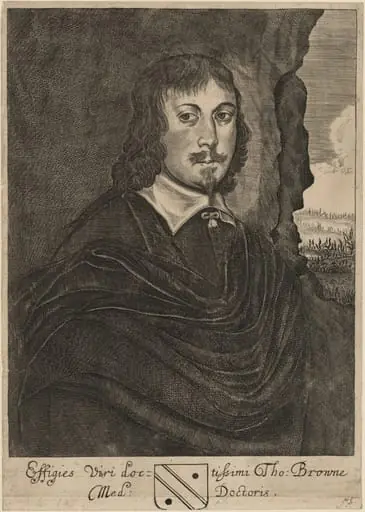 Tho. Browne, Med. Doctoris (Sir Thomas Browne, M.D.)
 Saint George and the Dragon