Artwork
John Maurice, Count of Nassau
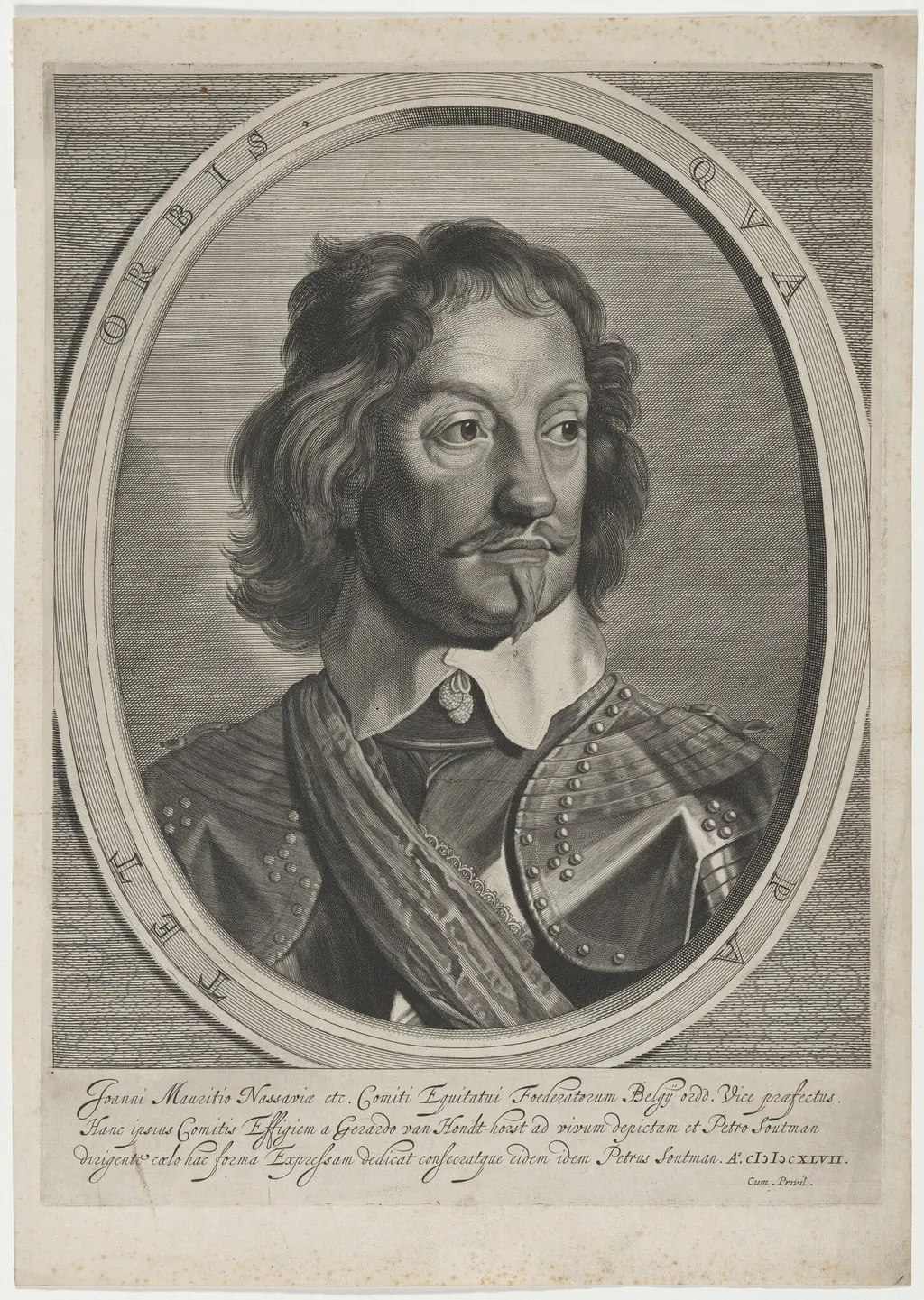
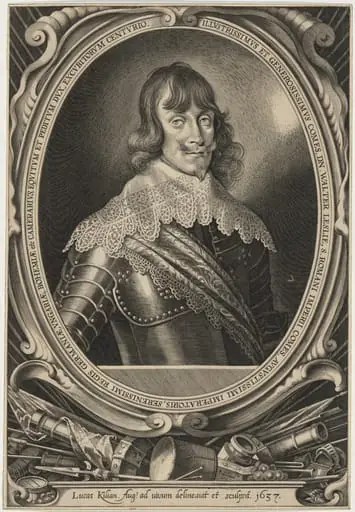
John Maurice, Count of Nassau is an ink print by the Baroque artist Pieter Claesz Soutman. It dates from 1647 and is held in the collection of the National Gallery of Art.
About this work
Overview
This 1647 engraving by Pieter Claesz Soutman depicts John Maurice, Count of Nassau, rendered in fine line work on paper. The portrait is confined within an oval border, emphasizing the sitter’s presence against a softly graded grey background. The composition focuses tightly on the head and shoulders, capturing a composed, direct gaze that anchors the viewer’s attention.
Subject & Meaning
John Maurice, a Dutch military leader and colonial administrator, is portrayed with solemn dignity, reflecting his status and responsibilities. His groomed mustache and carefully arranged hair suggest personal discipline, while the austere elegance of his attire conveys authority without ostentation. The unsmiling expression and steady gaze reinforce his role as a figure of command and gravitas.
Technique & Style
Soutman employed fine, controlled engraving lines to model form and texture, particularly in the fabric’s metallic studs and the softness of facial hair. Subtle gradations of tone create volume and depth, characteristic of Northern Baroque portraiture. The absence of overt drama or color enhances the portrait’s restrained realism, prioritizing precision over theatricality.
History & Provenance
Created in 1647, the engraving likely served as a reproductive image to circulate the count’s likeness among political and military circles. Soutman, known for his prints after prominent figures, produced this during Nassau’s return to the Netherlands after service in Brazil. The work reflects contemporary demand for authoritative portraiture in print form.
Context
In mid-17th century Europe, engraved portraits were vital tools for disseminating the image of nobility and state leaders. Soutman’s work aligns with Dutch print culture, where realism and detail were prized. Nassau’s role in colonial governance and military reform made him a subject of public interest, warranting such a carefully rendered likeness.
Legacy
The engraving remains a documented example of Soutman’s skill in translating painted portraits into the medium of print. It contributes to the visual record of Dutch leadership during the Golden Age, preserving the count’s appearance for later generations without embellishment or idealization.
Artist & collection

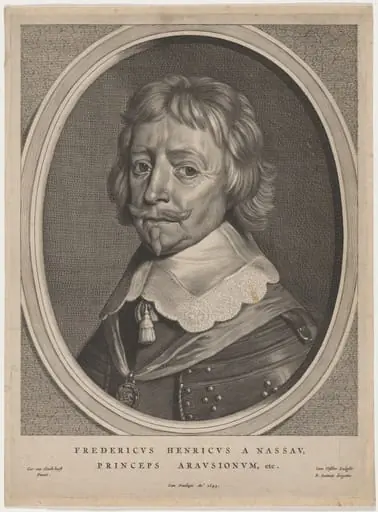 Frederick Henry of Orange
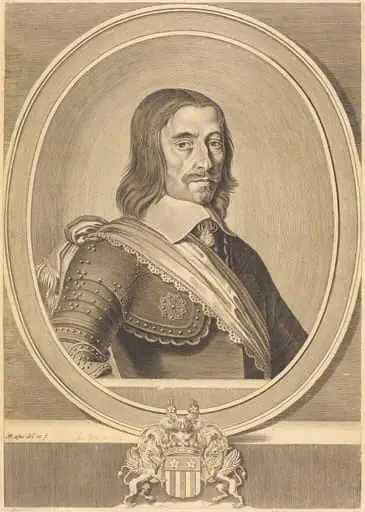 Henri de Beringhen
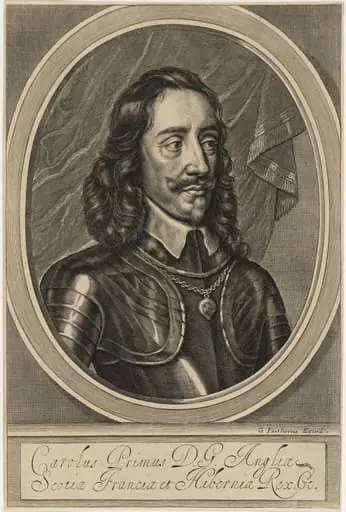 Charles I
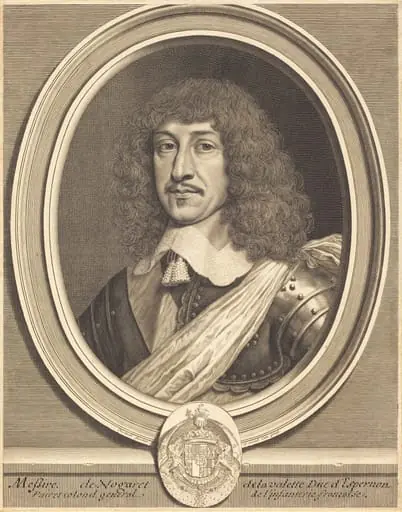 Bernard, Duc d'Epernon
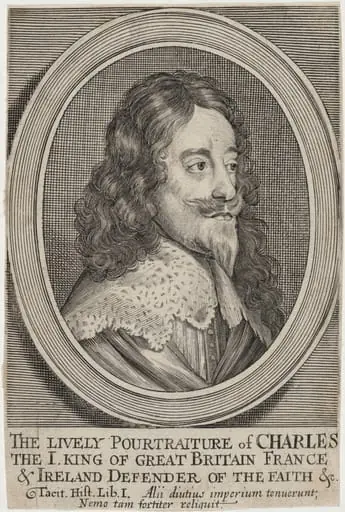 Charles I
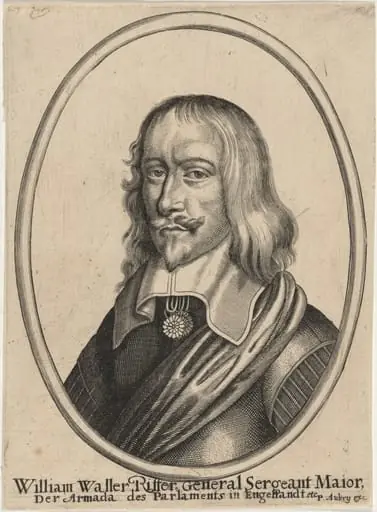 Sir William Waller, Parliamentary General
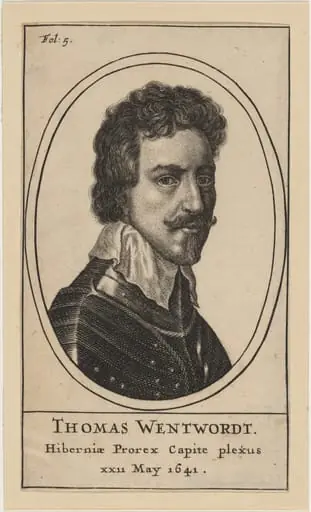 Thomas Wentworth, Earl of Strafford
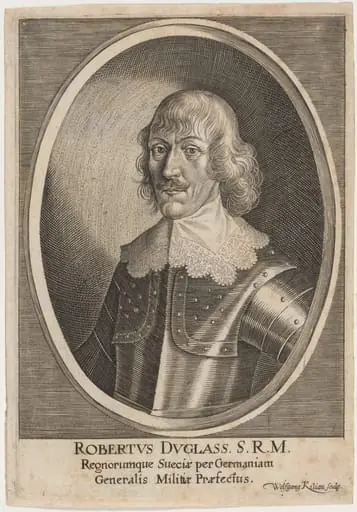 Robert Duglass, Swedish General
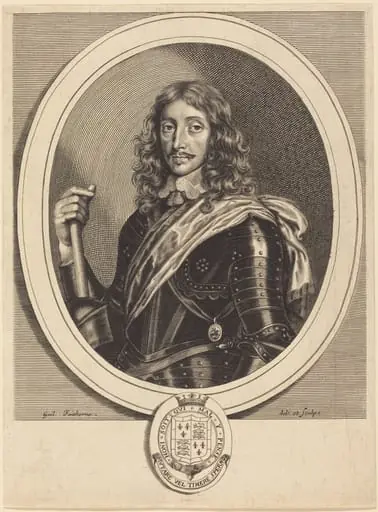 Henry Somerset, 1st Duke of Beaufort, K.G.
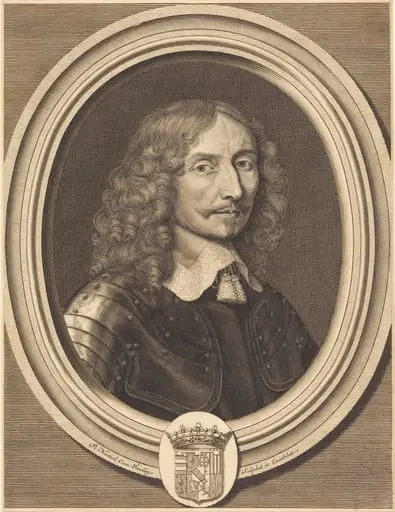 Henri, Marquis de Mouy
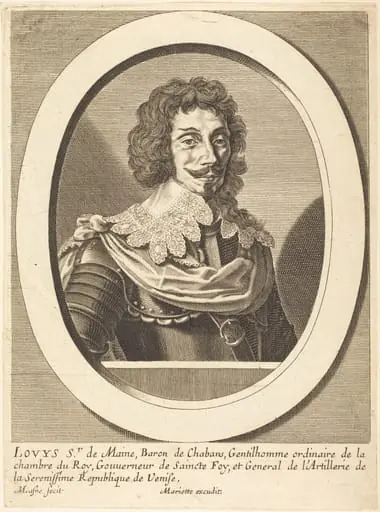 Louis Sieur de Maine
 Walter Leslie (Count Leslie)