Artwork
Exeter seen from Alphinton Fields, 1796
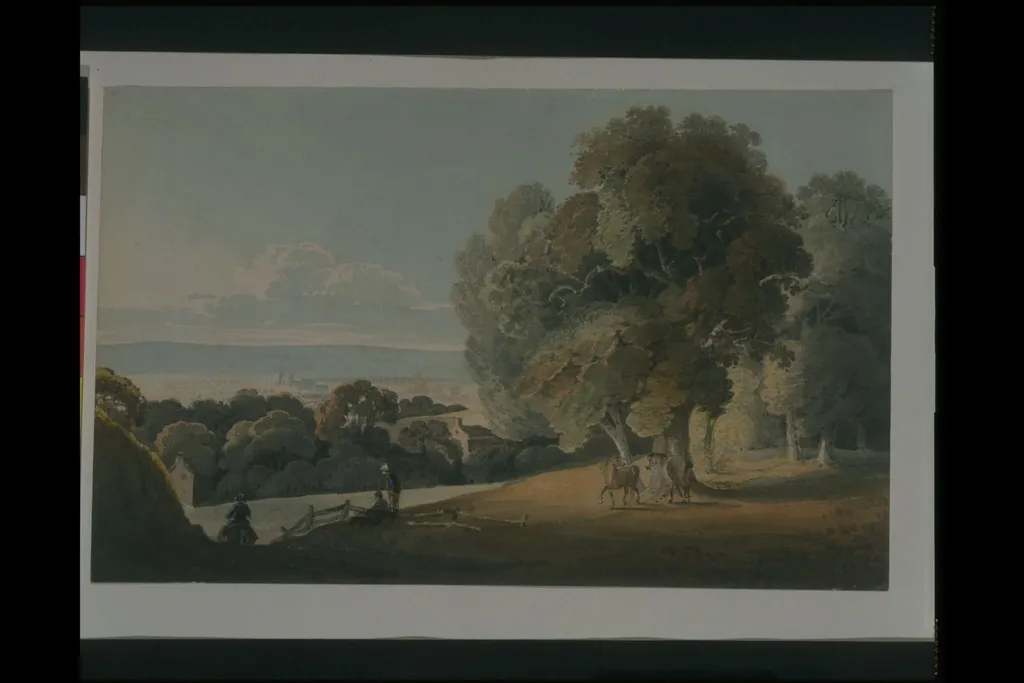
Exeter seen from Alphinton Fields, 1796 is a drawing by the Romanticist artist William Fleetwood Varley. It dates from 1796 and is held in the collection of the Victoria and Albert Museum. Created in 1796, this watercolour drawing captures a rural view of Exeter from the surrounding fields near Alphinton.
About this work
Overview
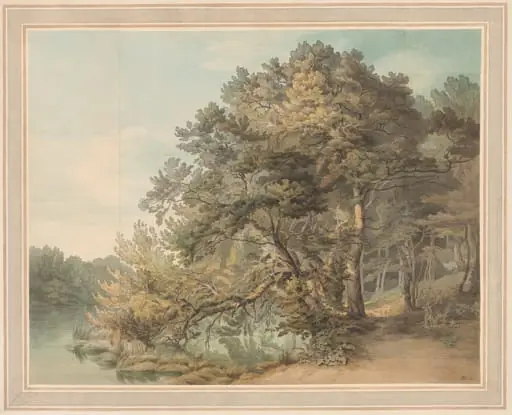
Created in 1796, this watercolour drawing captures a rural view of Exeter from the surrounding fields near Alphinton. The composition presents a tranquil landscape with a winding dirt path, scattered trees, and distant urban structures. The artist employs subtle tonal gradations to suggest depth, with the town rendered in soft, pale hues that recede beneath a pale, overcast sky.
Subject & Meaning
The scene depicts quiet rural life: a lone horse and rider travel a path, while a pedestrian walks nearby. These figures are small and unobtrusive, emphasizing the landscape’s stillness. The view of Exeter in the distance, nestled beside a body of water, suggests a harmonious coexistence between settlement and countryside, without overt narrative or drama.
Technique & Style
The artist uses light washes of watercolour to build atmosphere, allowing the paper’s white to suggest cloudlight and distance. Tree forms are carefully outlined but rendered in muted tones, avoiding heavy shadows. This restrained palette and delicate handling reflect a preference for atmospheric effect over detail, aligning with early 19th-century landscape conventions.
History & Provenance
The drawing is dated 1796 and remains in the category of topographical or landscape drawings common among amateur and professional artists of the period. Its survival suggests it was preserved as a personal record or study. No documented ownership history beyond its creation date is publicly available.
Context
In the late 18th century, artists increasingly turned to local scenery as subjects worthy of careful observation. Exeter, as a historic cathedral city, was a frequent focus for regional viewmakers. This drawing reflects a broader trend of documenting the English countryside with quiet precision, before the more emotional intensity of full Romanticism emerged.
Legacy
Though not widely exhibited or reproduced, the work contributes to a body of regional topographical art that documented England’s changing landscapes. Its understated aesthetic offers insight into how ordinary views were valued before industrialization transformed the countryside, preserving a moment of rural calm.
Artist & collection
Artist
William Fleetwood Varley painted quiet scenes around his time. His 1796 drawing *Exeter seen from Alphinton Fields* shows a riverside town in soft light. The piece feels like a clear afternoon snapshot, with boats and…

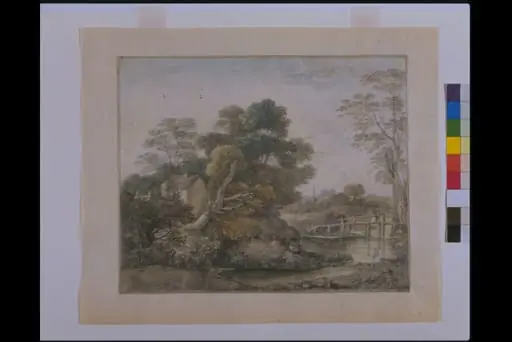 Landscape with Cottage and Stream
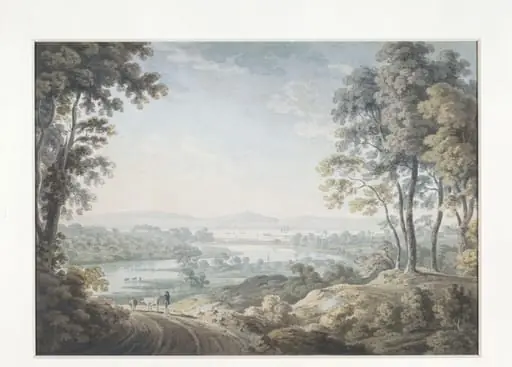 Lymington River, with the Isle of Wight in the distance
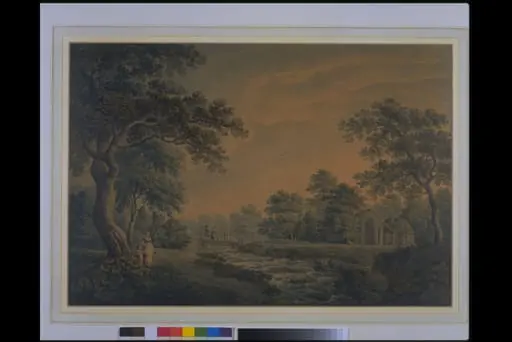 Landscape with stream and bridge
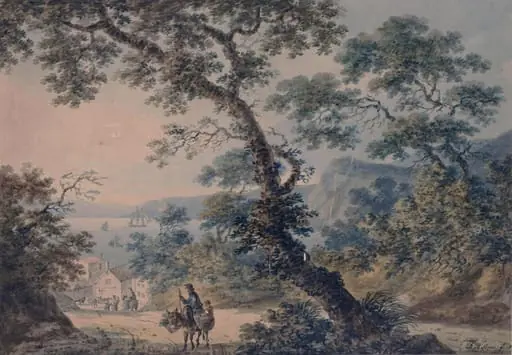 Village on the seashore
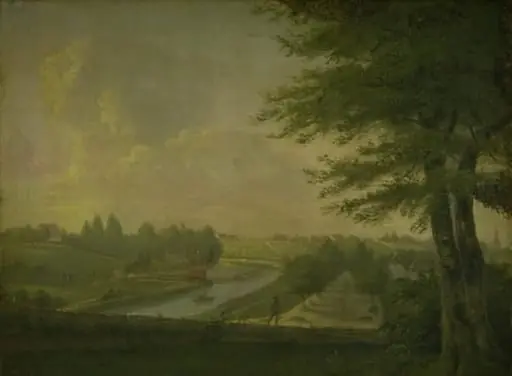 Parti ved Odense kanal
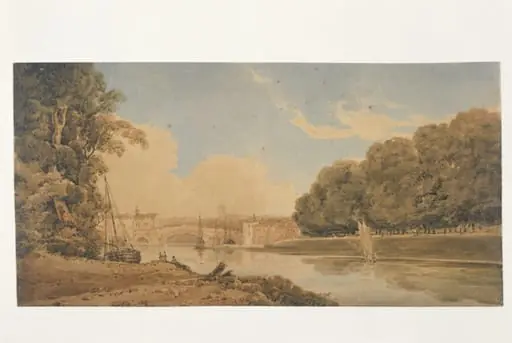 The Mayor's Walk on the Banks of the Ouse, Yorkshire
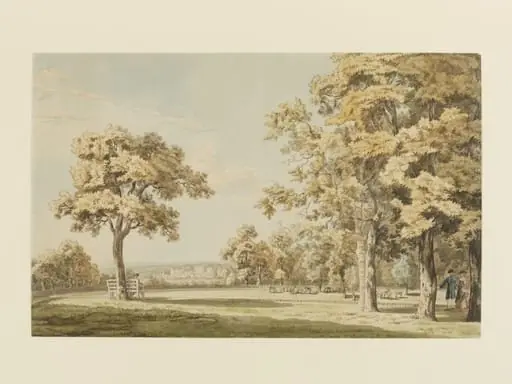 Windsor Castle from the Great Park, near the End of the Long Walk
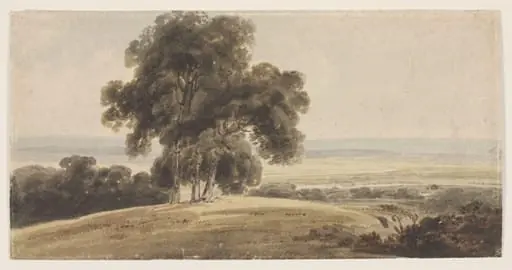 Untitled
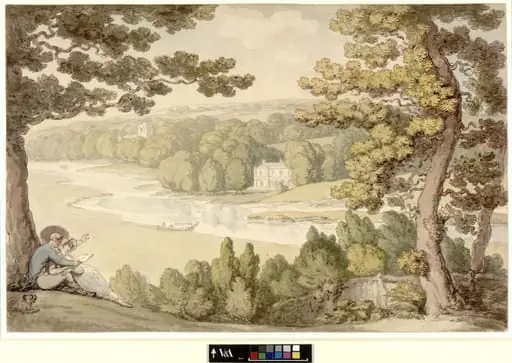 The Country House
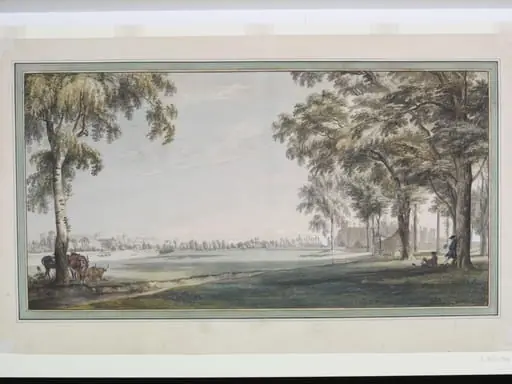 Eton College and Windsor from the Playing Fields
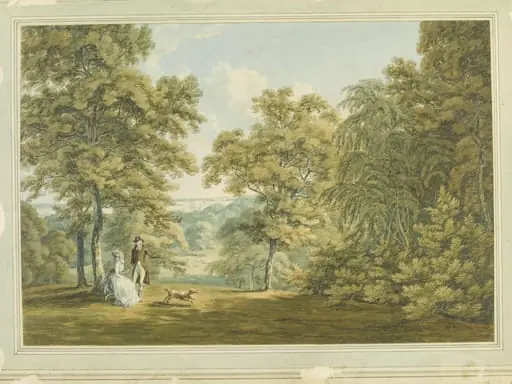 Greenwich Park
 Peamore, Devon