Artwork
Timber work of Roof, St. Peter-the-Less, Chichester
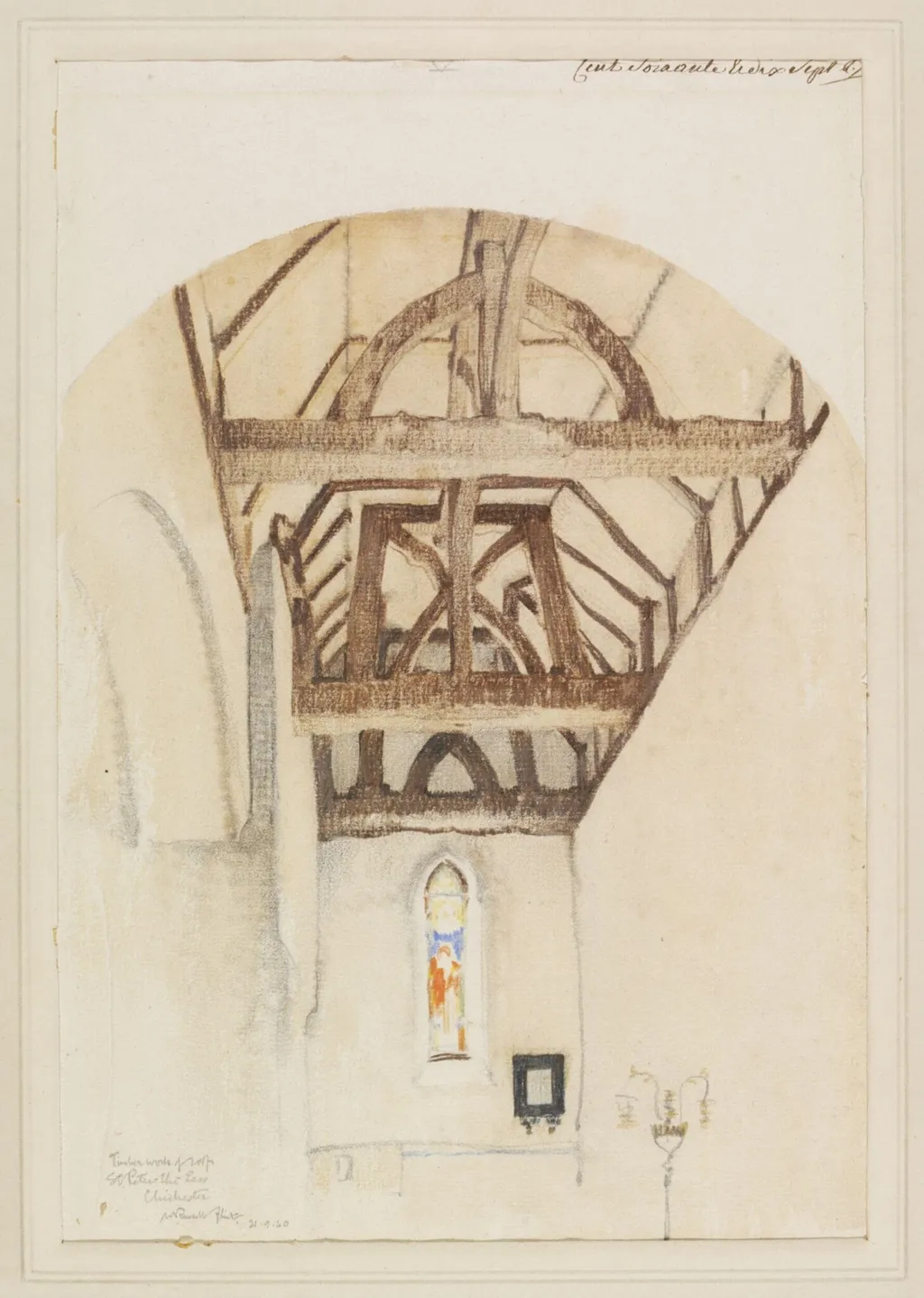
Timber work of Roof, St. Peter-the-Less, Chichester is a watercolor work on paper by the British Romanticist artist Flint. It dates from 21 and is held in the collection of the Victoria and Albert Museum. The watercolor presents an interior view of St Peter‑the‑Less in Chichester, focusing on the exposed timber framework of the roof.
About this work
Overview
The composition balances the stark wooden beams with the delicate glow of light filtering through the stained glass, creating a restrained yet articulate scene.
The watercolor presents an interior view of St Peter‑the‑Less in Chichester, focusing on the exposed timber framework of the roof. A central arched window, filled with colored glass depicting a saint, breaks the muted tones of the stone walls. The composition balances the stark wooden beams with the delicate glow of light filtering through the stained glass, creating a restrained yet articulate scene.
Subject & Meaning
The work records the architectural character of a modest English parish church, emphasizing the structural honesty of its timber roof and the modest ornamentation of its window. By highlighting the interplay of light, shadow, and material, the image conveys a quiet reverence for traditional ecclesiastical spaces and the continuity of local worship practices.
Technique & Style
Executed in watercolor, the artist employs a limited palette of subdued earth tones, reserving brighter hues for the stained‑glass panel. Delicate washes suggest the texture of wood, while careful modulation of light and shadow—reminiscent of chiaroscuro—adds depth to the vaulted interior. The overall approach is observational, favoring precise rendering over decorative flourish.
History & Provenance
Created during the Recording Britain initiative (1940‑43), the piece was part of a government‑sponsored effort to document vulnerable cultural sites amid wartime threats. Funded by the Pilgrim Trust and overseen by the Committee for the Employment of Artists in Wartime, the project enlisted numerous watercolorists to capture England’s architectural heritage. This work remains within the Recording Britain collection.
Context
The painting belongs to a broader wartime campaign to preserve visual records of Britain’s built environment before potential damage or alteration. Churches, market towns, and rural landscapes were prioritized as emblematic of national identity. St Peter‑the‑Less, a modest parish church, exemplifies the type of modest yet historically significant structure the project aimed to safeguard.
Legacy
As one of over 1,500 works produced for Recording Britain, the watercolor contributes to a comprehensive visual archive of mid‑20th‑century English architecture. Its detailed depiction of timber roofing offers scholars a reference for construction techniques of the period, while its aesthetic restraint reflects the era’s emphasis on documentation rather than artistic embellishment.
Artist & collection
Artist
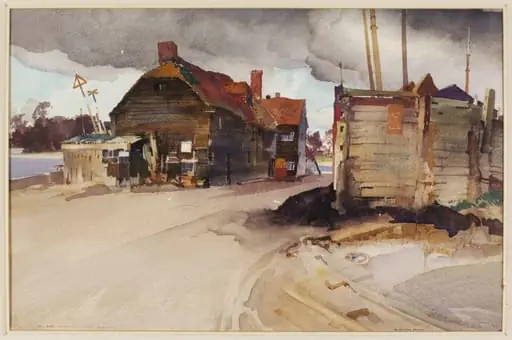
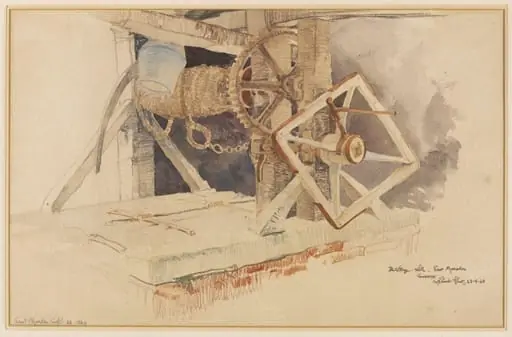
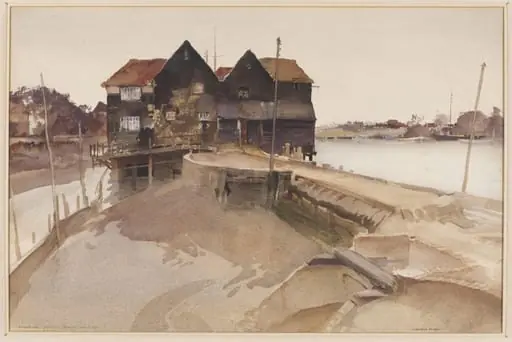
This British artist worked in watercolour around the first half of the 20th century, painting the creeks, farms, and mills near Chichester.


 St.Peter's Church, Stanton Low
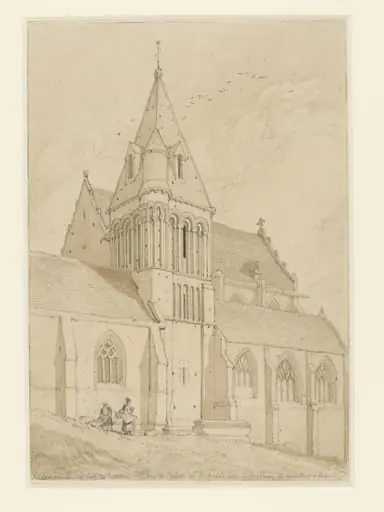 Church of St Michel, Vaucelles, near Bayeux
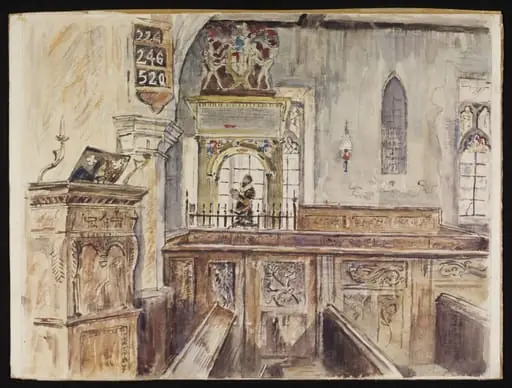 Monument and the Bolingbroke pews, St.Mary’s Church, Lydiard Tregoze
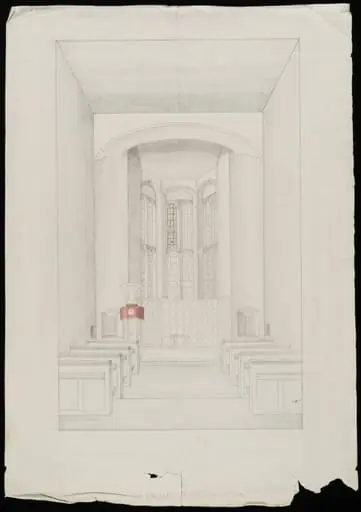 Interior of Chapel.
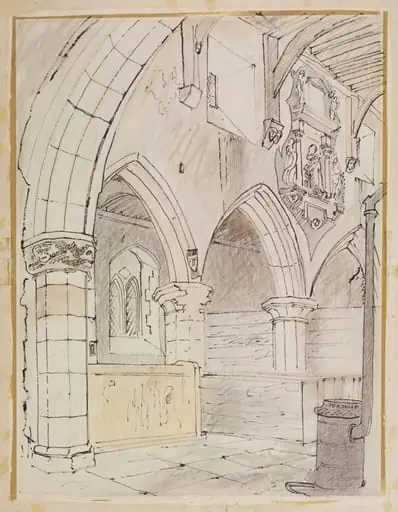 Interior of the Church of St. Denis, Faxton
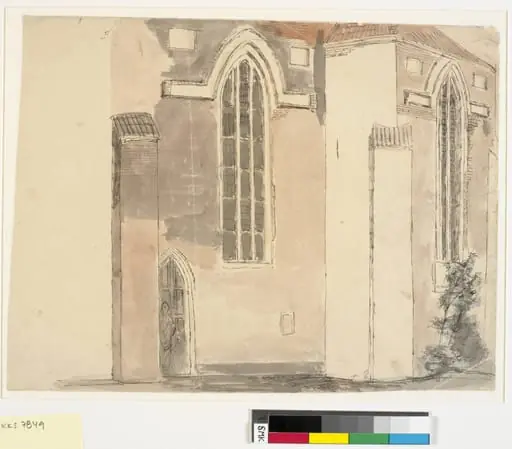 Parti af St. Hans' kirke i Odense
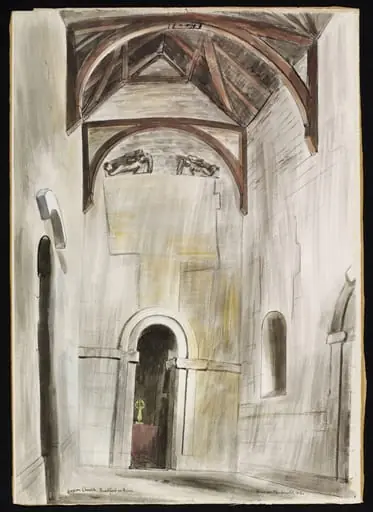 Saxon Church, Bradford-on-Avon
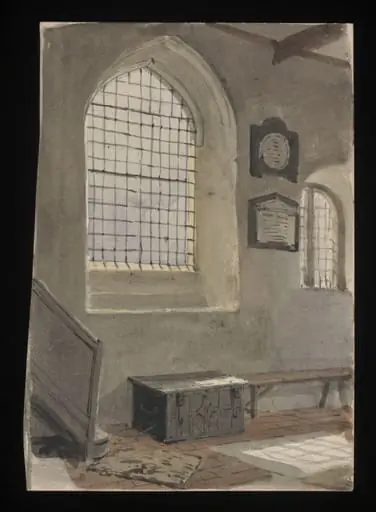 Watercolour drawing by the Grieve family, probably by Thomas Grieve, showing St John's Church, Margate
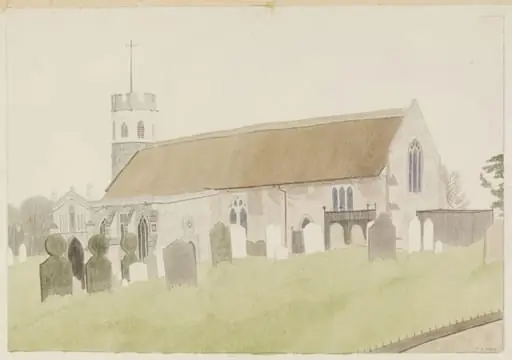 St. Peter's Church, Theberton
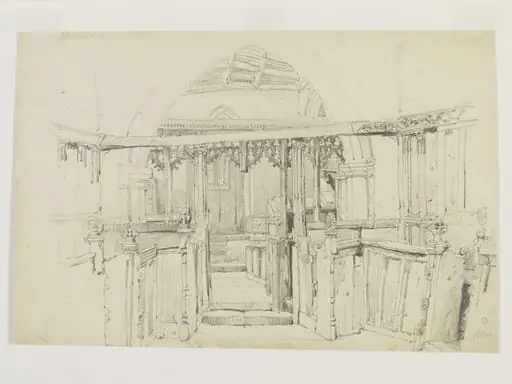 Blore-Ray Church in Staffordshire
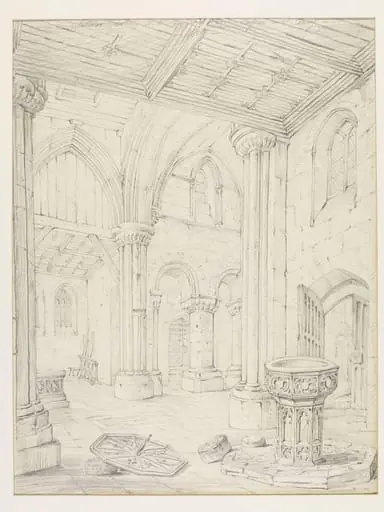 Priory church at Boxgrove
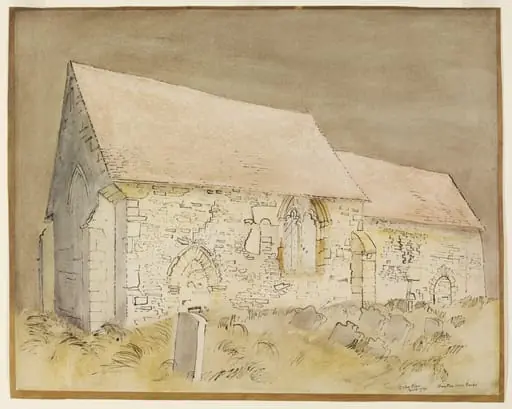
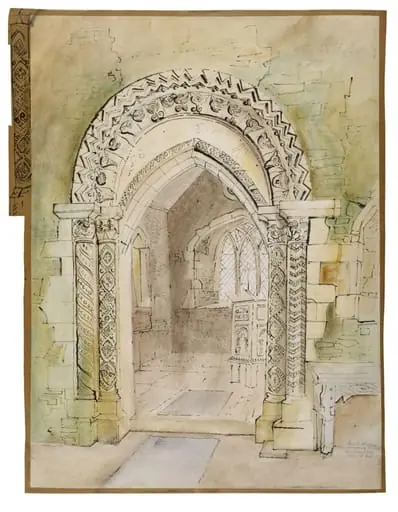 Chancel Arch, St. Peter's, Stanton Low, Buckinghamshire