Artwork
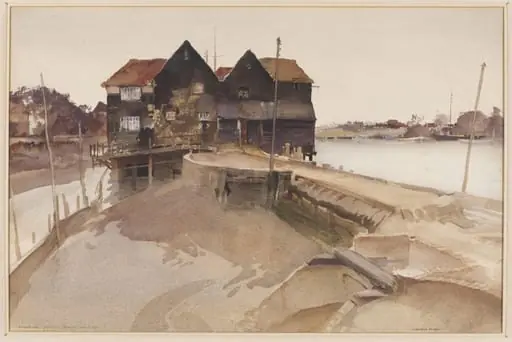
Birdham Mill, Chichester Channel
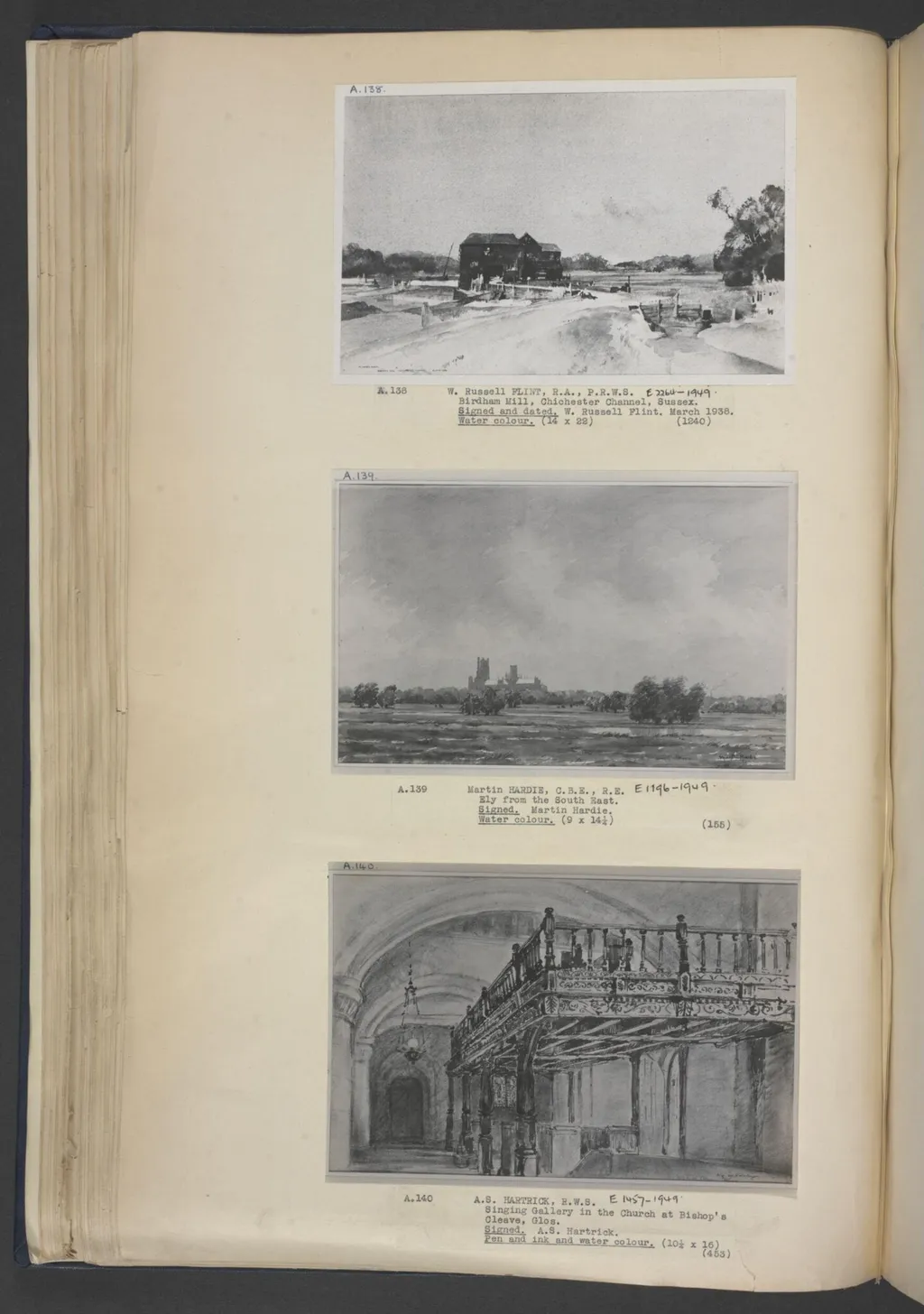
Birdham Mill, Chichester Channel is a watercolor work on paper by Flint. It dates from 1938 and is held in the collection of the Victoria and Albert Museum.
About this work
Overview
Created in 1938, this watercolour by Sir William Russell Flint records the riverside setting of Birdham Mill on the Chichester Channel. Executed for the Recording Britain initiative, the image presents a tranquil scene where the mill, flanked by trees and water, sits beneath a softly clouded sky.
Subject & Meaning
The composition focuses on the mill’s modest architecture and its surrounding landscape, emphasizing the harmonious relationship between built form and the natural environment. The calm atmosphere suggests a snapshot of everyday rural life before wartime disruption.
Technique & Style
Flint employs a restrained palette of muted tones and delicate brushwork, rendering foliage and water with subtle gradations that convey depth. The gentle handling of light and shadow creates a soothing visual rhythm without resorting to dramatic chiaroscuro.
History & Provenance
The work was commissioned under Sir Kenneth Clark’s Recording Britain scheme, which mobilised nearly one hundred artists to document sites deemed vulnerable during World II. The project ultimately amassed over 1,500 pieces, forming a comprehensive visual archive of the nation’s threatened heritage.
Context
Birdham Mill exemplifies the broader effort to preserve regional character amid wartime change and post‑war development. By capturing a specific locale, the painting contributes to a collective record of Britain’s diverse landscapes and architectural typologies during a period of uncertainty.
Artist & collection
Artist
This British artist worked in watercolour around the first half of the 20th century, painting the creeks, farms, and mills near Chichester.

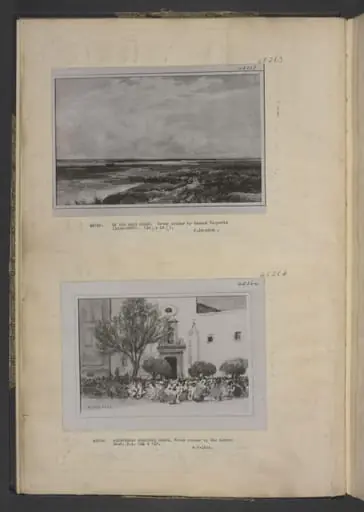 On the East Coast
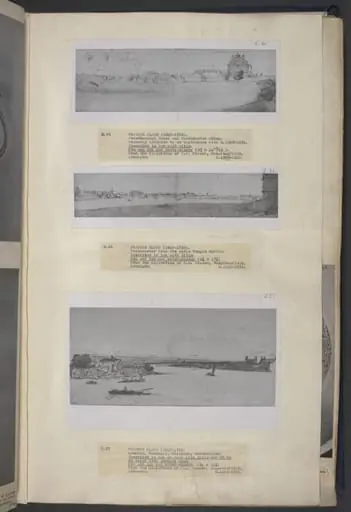 Westminster from the Middle Temple Garden
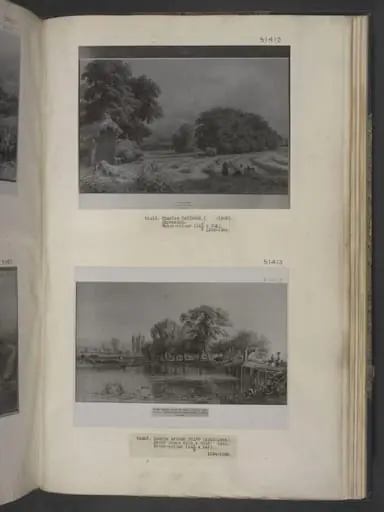
 River and weir : A town on the left
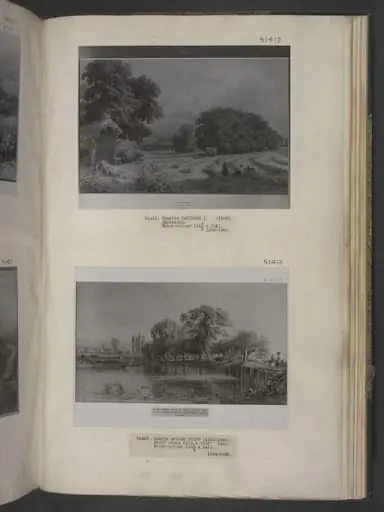
 Haymaking
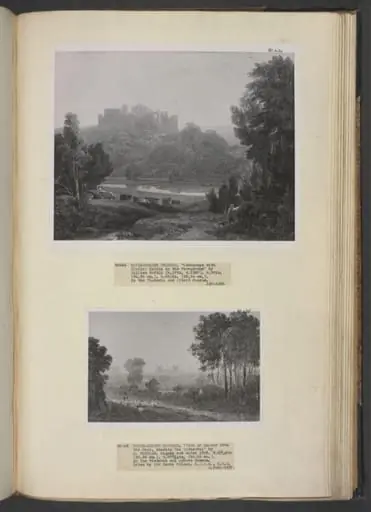 Landscape with castle, cattle in the foreground
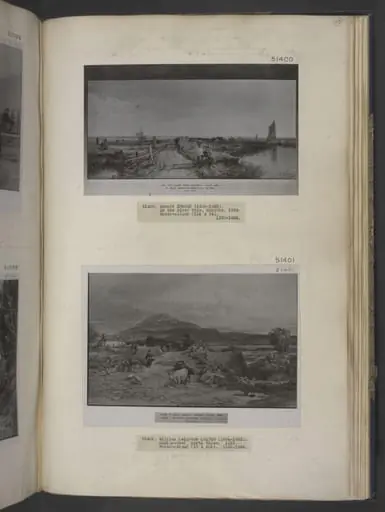 Moel-y-Gest, North Wales, with figures and cattle
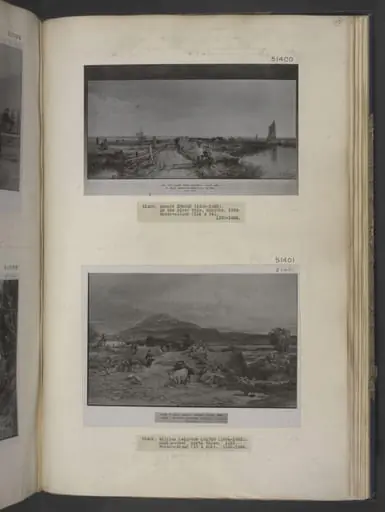 On the River Yare in Norfolk
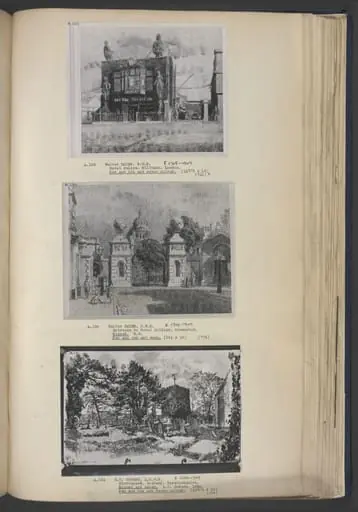 The Gateway, Royal Naval College, Greenwich
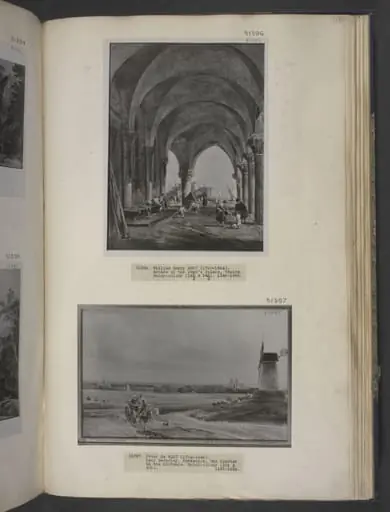 Arcade, Doge's Palace, Venice
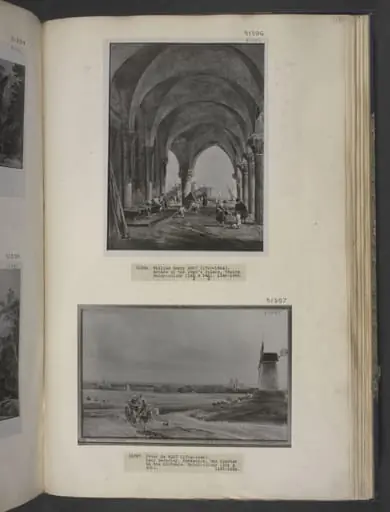 Near Beverley, Yorkshire, the Minster in the Distance
 The View from Eze
 Cintra