Artwork
Venus and Vulcan with Three Nymphs and Three Cupids
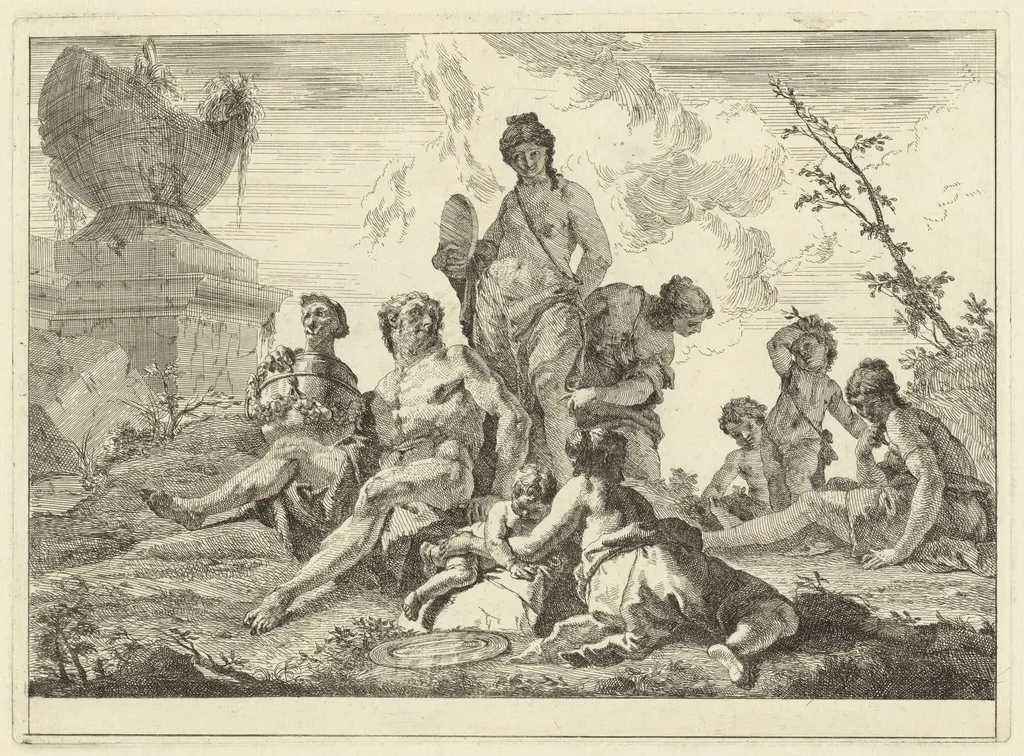
Venus and Vulcan with Three Nymphs and Three Cupids is an ink print by the Baroque artist Francesco Fontebasso. It dates from 1744 and is held in the collection of the National Gallery of Art.
About this work
Overview
Created in 1744, this etching by Francesco Fontebasso belongs to a series of mythological prints produced during the Venetian Rococo era. Executed on laid paper, the work demonstrates the artist’s mastery of line to suggest volume and movement. Its composition balances figures and landscape with a light, airy quality characteristic of mid-18th-century Venetian printmaking.
Subject & Meaning
The scene portrays Venus, goddess of love, seated atop a rock holding a mirror, surrounded by three Cupids in playful motion.
The scene portrays Venus, goddess of love, seated atop a rock holding a mirror, surrounded by three Cupids in playful motion. Below, three nymphs recline beside a goat and a dog, suggesting a pastoral idyll. Vulcan, though not visually prominent, is implied through the setting’s association with his forge. The imagery evokes classical mythology as a vehicle for elegance and sensual harmony, typical of Rococo sensibilities.
Technique & Style
Fontebasso employed fine, fluid etching lines to model forms and suggest atmospheric depth. The paper’s textured surface enhances the tonal gradations achieved through cross-hatching and delicate stippling. Figures are rendered with soft contours and minimal detail, emphasizing grace over realism. The composition’s asymmetry and layered spatial arrangement reflect influences from Tiepolo’s theatrical compositions.
History & Provenance
The print was made during Fontebasso’s mature period, following his training under Sebastiano Ricci and collaboration with Tiepolo. While no early ownership records are widely documented, such etchings were commonly circulated among collectors and artists as studies or decorative pieces. The work survives in several institutional collections, attesting to its circulation in 18th-century European print markets.
Context
In mid-18th-century Venice, mythological subjects were popular in both painting and print, catering to aristocratic tastes for refined, allegorical imagery. Etching allowed artists to disseminate their designs widely, bridging fine art and decorative culture. Fontebasso’s work aligns with a broader trend of blending classical narrative with light, decorative aesthetics, distinct from the heavier Baroque traditions.
Legacy
Though Fontebasso is less known today than his contemporaries, this etching exemplifies the Venetian school’s contribution to print culture. Its delicate line work and mythological theme influenced later generations of printmakers seeking to merge narrative with ornamental grace. The piece remains a reference for understanding how Rococo ideals were adapted into the medium of etching.
Artist & collection
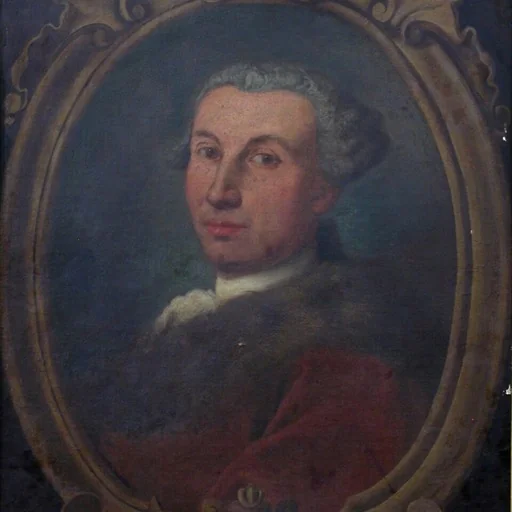
Artist
Francesco Fontebasso (4 October 1707 – 31 May 1769) was an Italian painter of the late-Baroque or Rococo period of Venice.

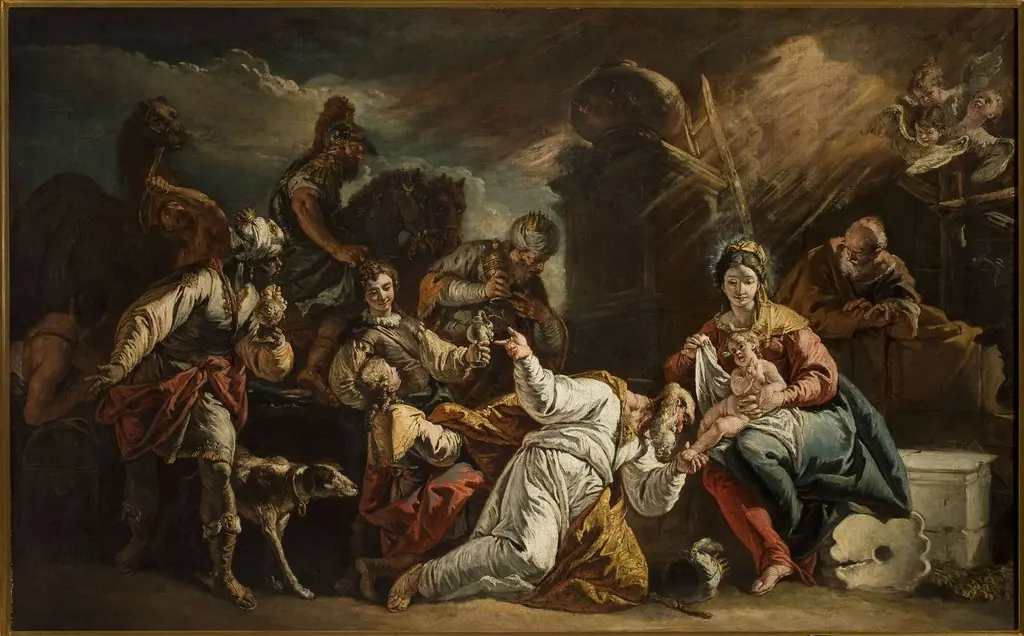 Adoration of the Magi
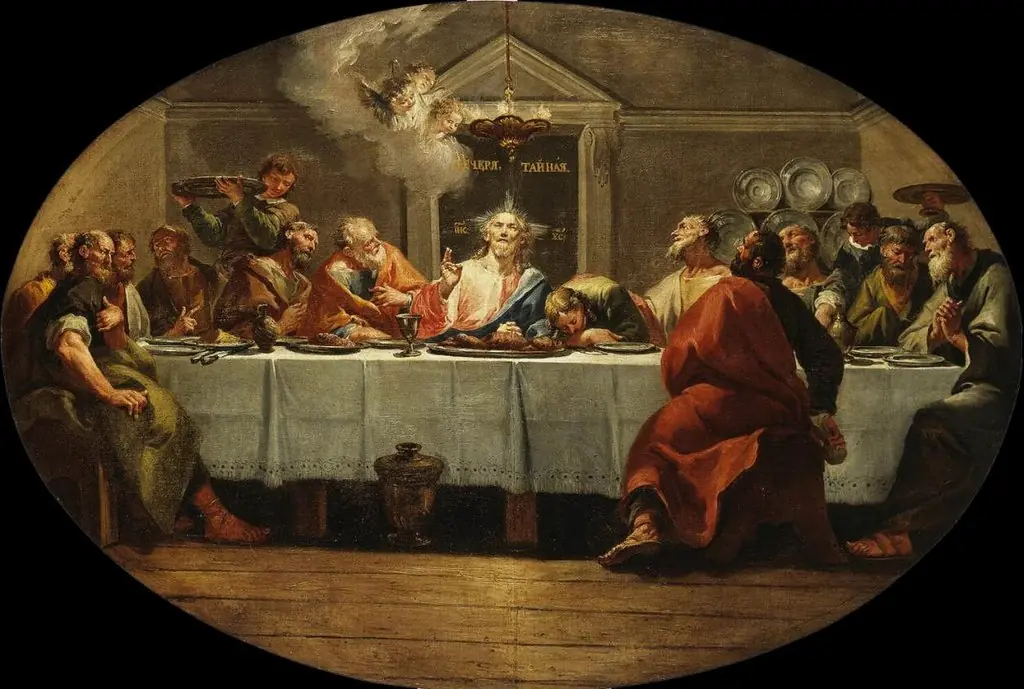 The Last Supper
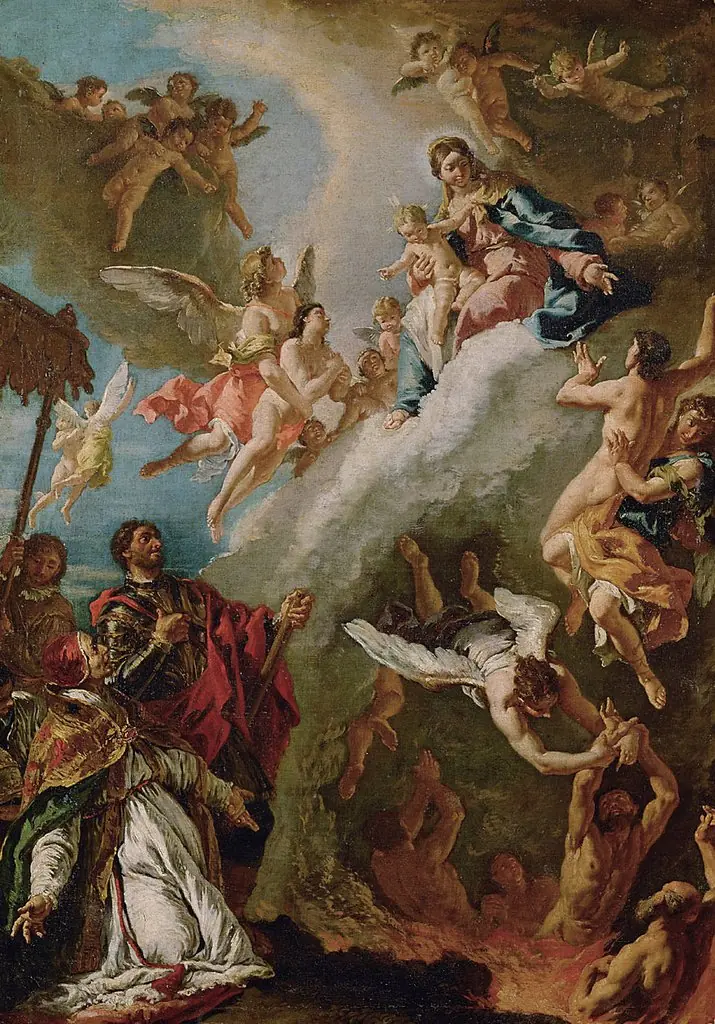 Papst Gregor I. und der Hl. Vitalis bitten die Madonna für die Seelen im Fegefeuer
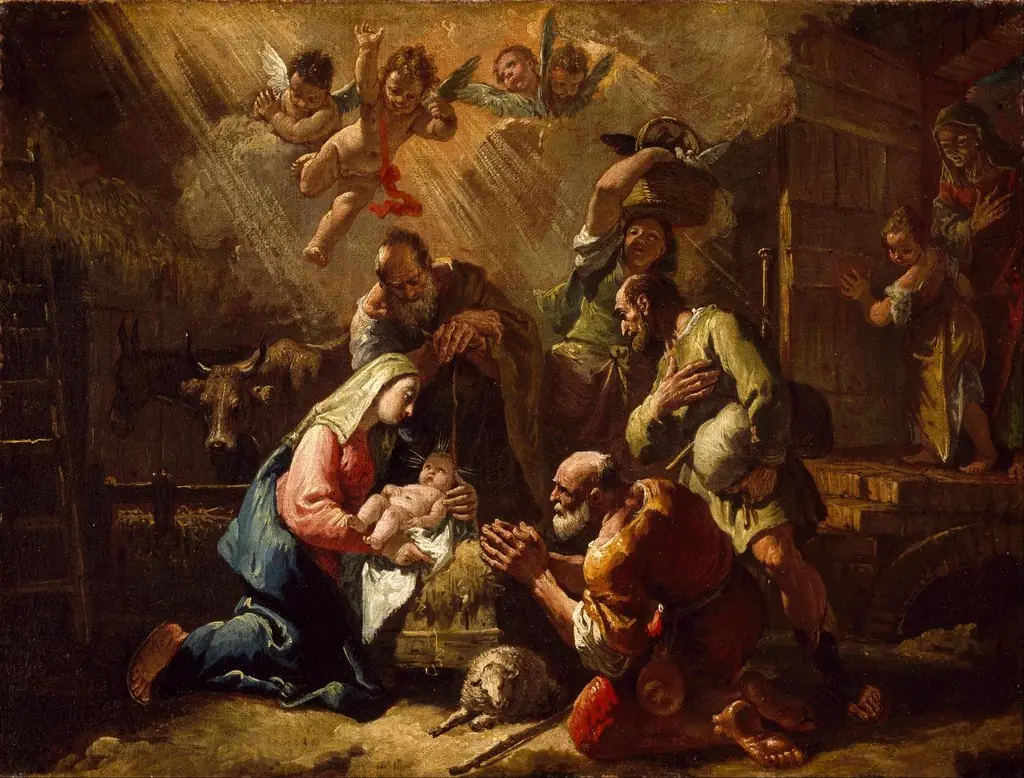 The Adoration of the Shepherds
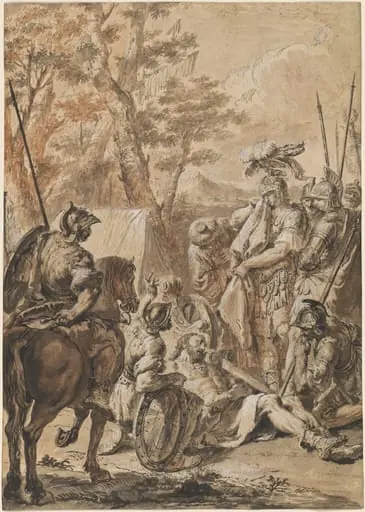 Alexander the Great before the Corpse of Darius
![Head of a Woman and Studies of a Male Nude [verso], by Francesco Fontebasso](https://artifactworldgallery.com/img/francesco-fontebasso--head-of-a-woman-and-studies-of-a-male-nude-verso--bba81b0c130c2863-w320.webp) Head of a Woman and Studies of a Male Nude [verso]
Head of a Woman and Studies of a Male Nude [verso]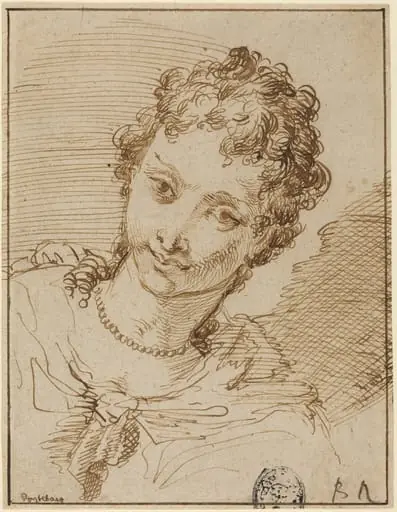 Elegant Young Woman with a Pearl Necklace
![Apollo and Studies of the Artist's Own Hand [recto], by Francesco Fontebasso](https://artifactworldgallery.com/img/francesco-fontebasso--apollo-and-studies-of-the-artist-s-own-hand-recto--ee93288e84456aea-w320.webp) Apollo and Studies of the Artist's Own Hand [recto]
Apollo and Studies of the Artist's Own Hand [recto]
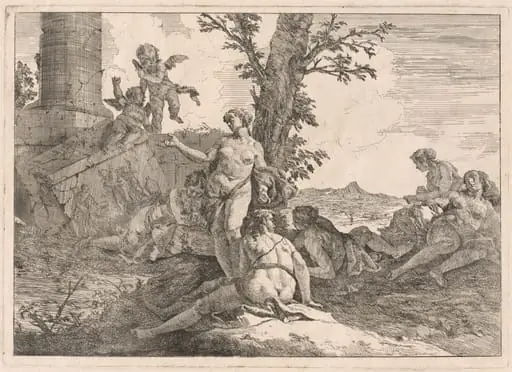 Six Nymphs and Two Cupids in a Landscape
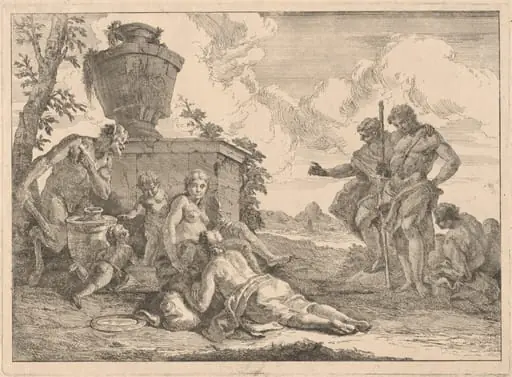 A Satyr with a Staff and Seven Other Figures
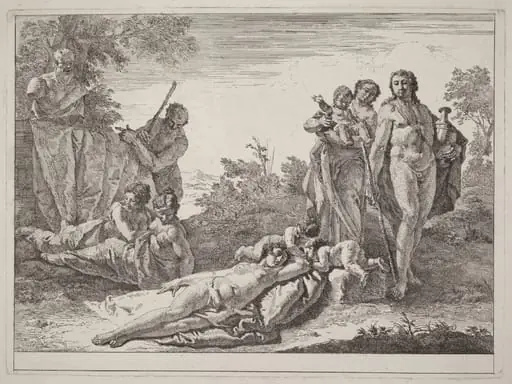 Apollo and Nymphs in a Landscape with a Bust of Pan
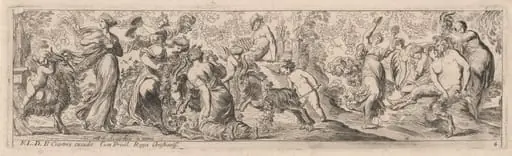 Putto Herding Goats through Garlands
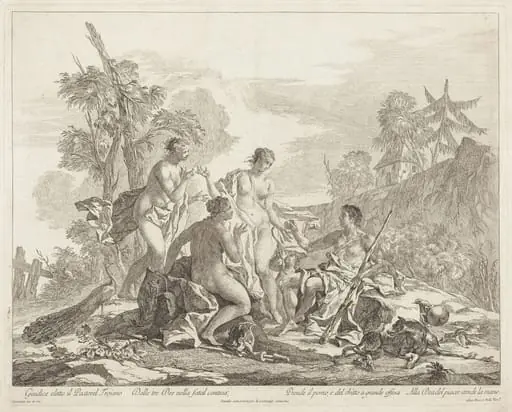 The Judgement of Paris
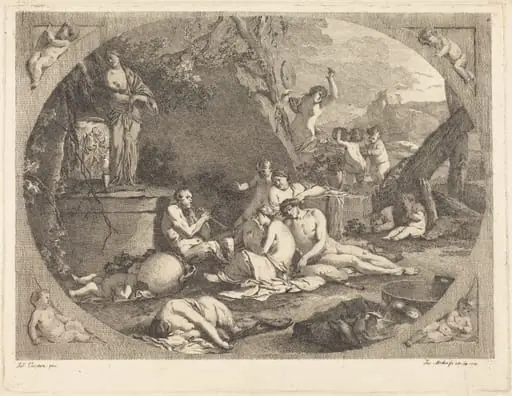 Bacchanal
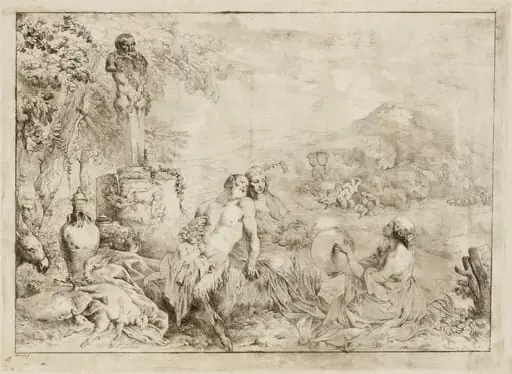 Landscape with a Satyr Family and Classical Sculpture
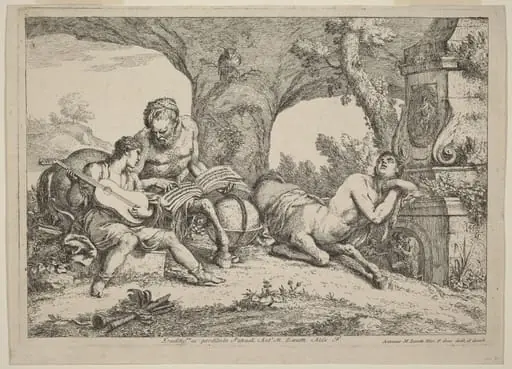 Chiron Teaching Music to Achilles
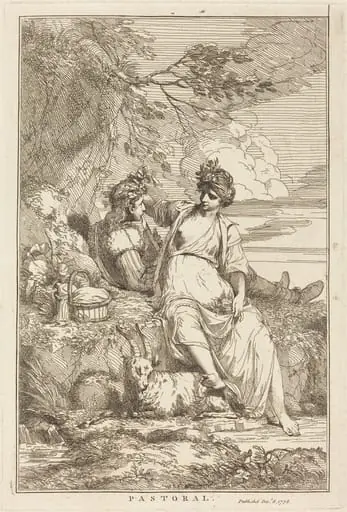 Pastoral
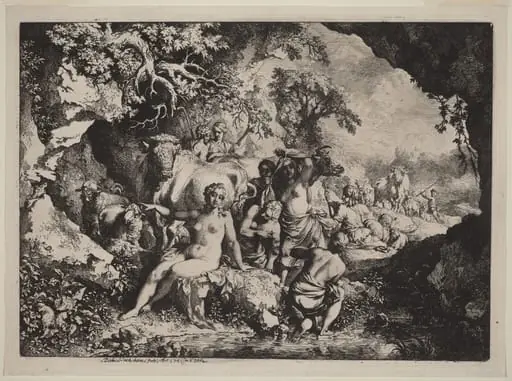 Nymphs Bathing in a Cave
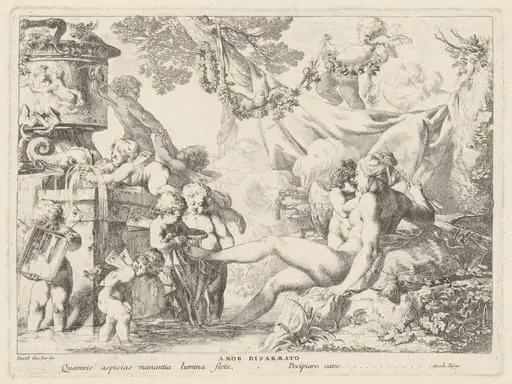 Amor Disarmato (Cupid Disarmed)
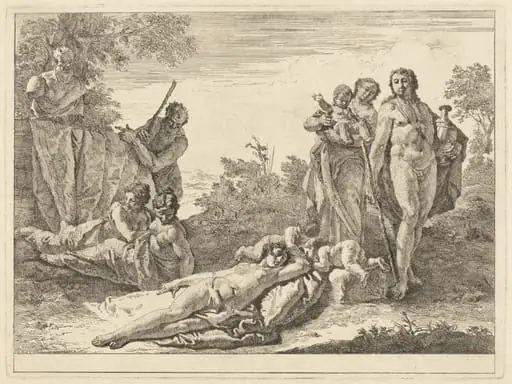 Nine Figures around a Herm of Pan