Artwork
Alexander the Great before the Corpse of Darius
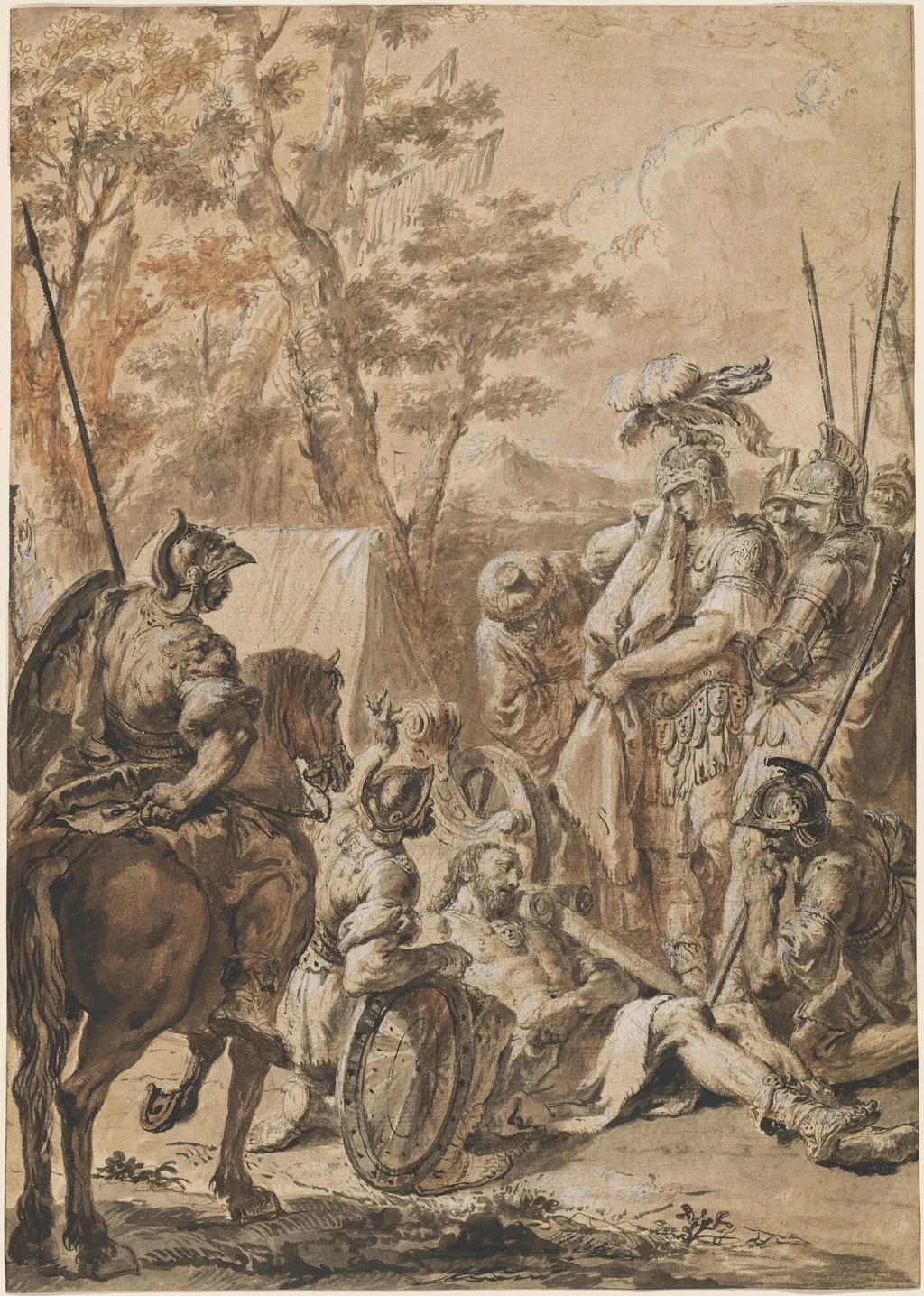
Alexander the Great before the Corpse of Darius is a chalk drawing by the Romanticist artist Francesco Fontebasso. It dates from 1760 and is held in the collection of the National Gallery of Art.
About this work
The artist used a mix of mediums, including pen, ink, and wash, which was a common practice at the time, and the paper it's on is from the eighteenth century.
This painting is titled Alexander the Great before the Corpse of Darius.
It was created by Francesco Fontebasso between 1730-1732, but dated to the 1750s/1760s.
The artist used a mix of mediums, including pen, ink, and wash, which was a common practice at the time, and the paper it's on is from the eighteenth century.
The painting is an allegory, which means it uses symbols to convey a message.
Check out the technique of gouache.
Overview
Alexander the Great before the Corpse of Darius is a drawing by Francesco Fontebasso, created circa 1750s-1760s. Executed in a combination of pen, ink, wash, and gouache on 18th-century paper, the work captures a pivotal moment from ancient history.
Subject & Meaning
The drawing depicts Alexander the Great standing before the corpse of Darius III, conveying a scene of conquest and reflection. As an allegory, it uses this historical moment to symbolize themes of power, victory, and possibly the transience of earthly glory.
Technique & Style
Fontebasso's use of pen and ink for outlines, supplemented with brown, gray, and red washes, and heightened with white gouache, reflects the artistic practices of his time. The composition embodies the Rococo emphasis on dynamic movement and theatrical drama, consistent with Fontebasso's decorative approach.
History & Provenance
Originally dated to 1730-1732 but more broadly attributed to the 1750s-1760s, the drawing predates Fontebasso's 1761 move to Saint Petersburg to work on the Winter Palace. Its creation in Venice underscores the city's influence on his style, notably under the tutelage of Sebastiano Ricci and the influence of Giovanni Battista Tiepolo.
Context
Created during the late-Baroque to Rococo transition, the work situates Fontebasso within a Venetian artistic circle that valued expressive and dramatic compositions. The mixed media technique was common among his contemporaries, blending traditional drawing methods with emerging expressive tools.
Legacy
While specific details on the drawing's direct influence are scarce, it contributes to the broader legacy of Rococo art in capturing ephemeral moments of historical drama. Fontebasso's overall oeuvre, including this piece, reflects the evolving tastes of 18th-century European aristocracy.
Own this work as a print
Artist & collection
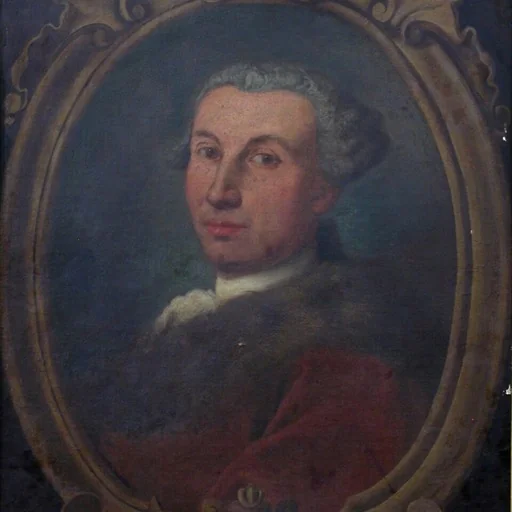
Artist
Francesco Fontebasso (4 October 1707 – 31 May 1769) was an Italian painter of the late-Baroque or Rococo period of Venice.

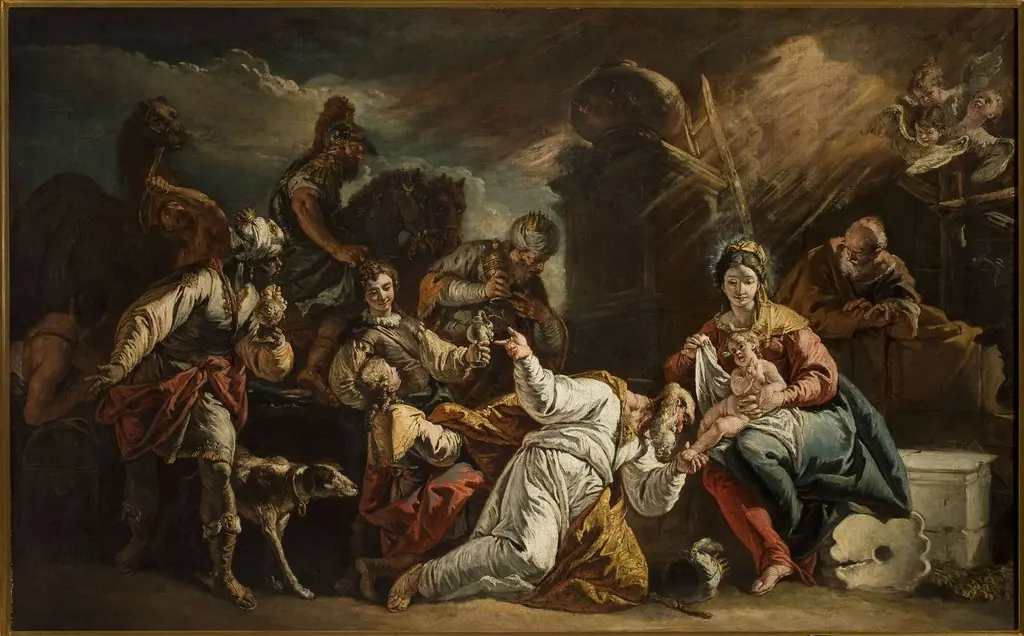 Adoration of the Magi
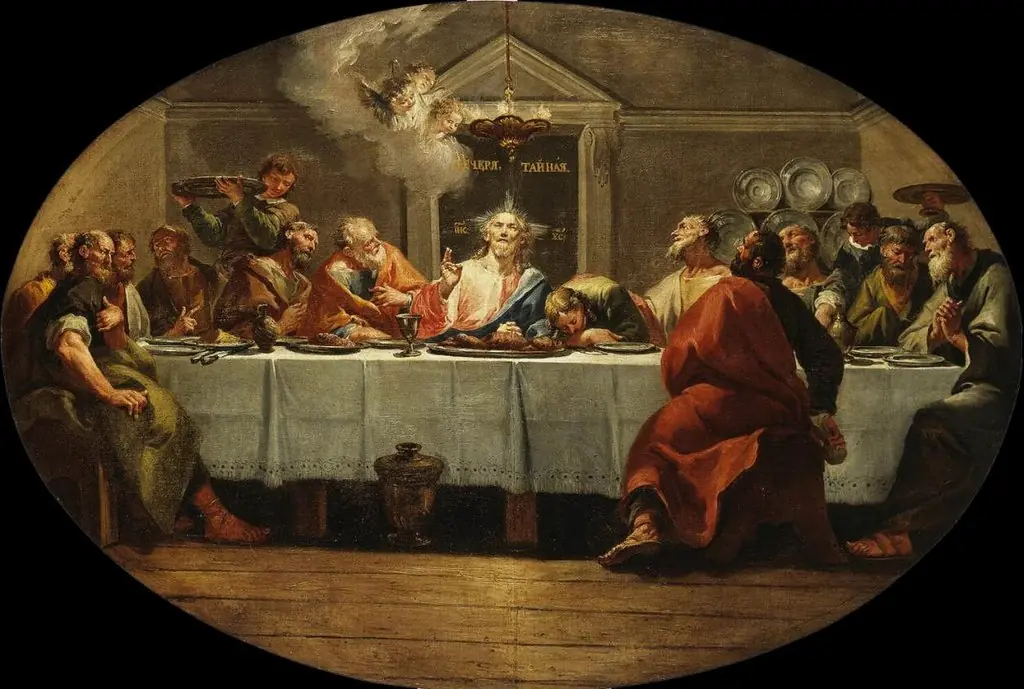 The Last Supper
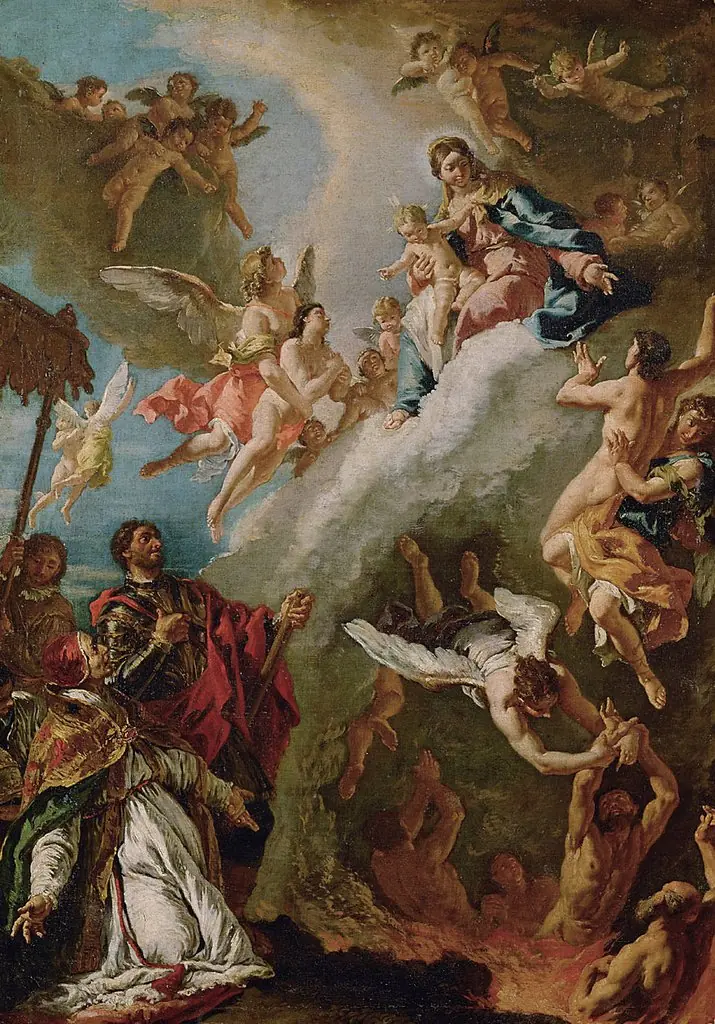 Papst Gregor I. und der Hl. Vitalis bitten die Madonna für die Seelen im Fegefeuer
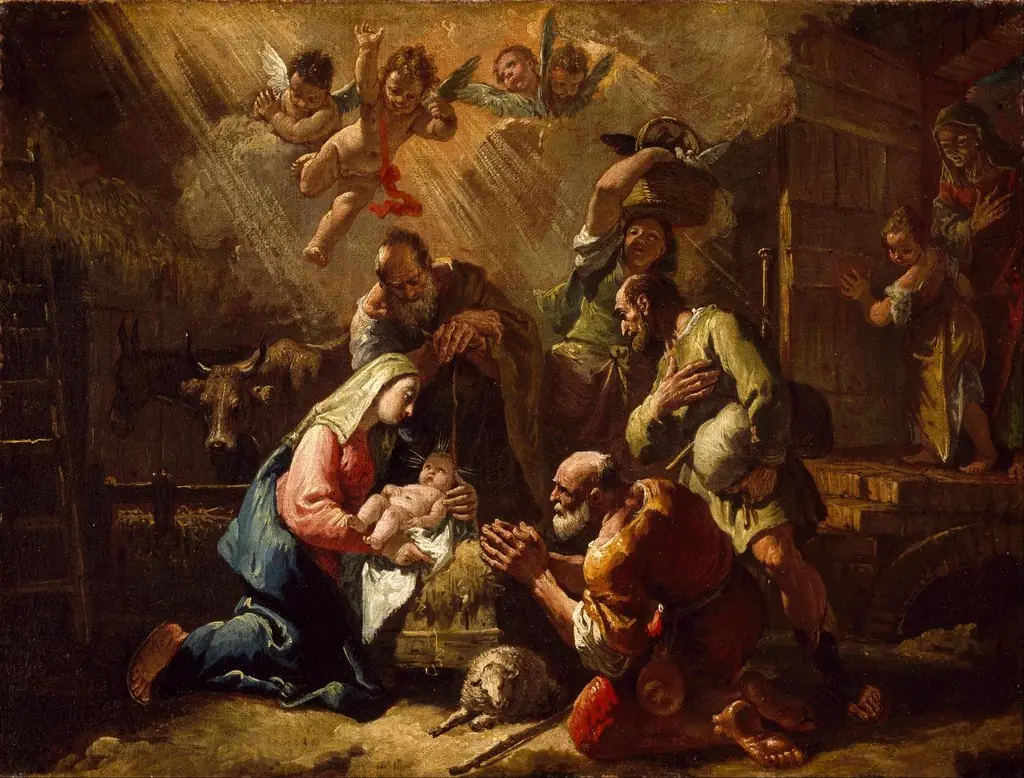 The Adoration of the Shepherds
![Head of a Woman and Studies of a Male Nude [verso], by Francesco Fontebasso](https://artifactworldgallery.com/img/francesco-fontebasso--head-of-a-woman-and-studies-of-a-male-nude-verso--bba81b0c130c2863-w320.webp) Head of a Woman and Studies of a Male Nude [verso]
Head of a Woman and Studies of a Male Nude [verso]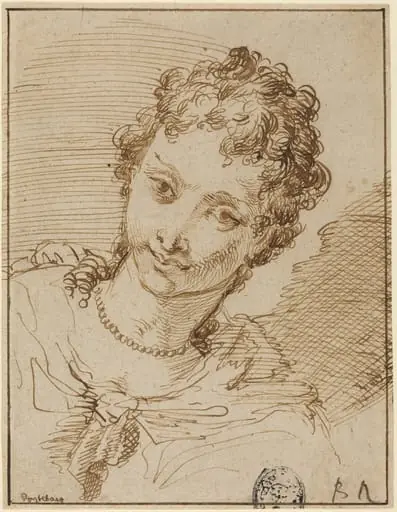 Elegant Young Woman with a Pearl Necklace
![Apollo and Studies of the Artist's Own Hand [recto], by Francesco Fontebasso](https://artifactworldgallery.com/img/francesco-fontebasso--apollo-and-studies-of-the-artist-s-own-hand-recto--ee93288e84456aea-w320.webp) Apollo and Studies of the Artist's Own Hand [recto]
Apollo and Studies of the Artist's Own Hand [recto]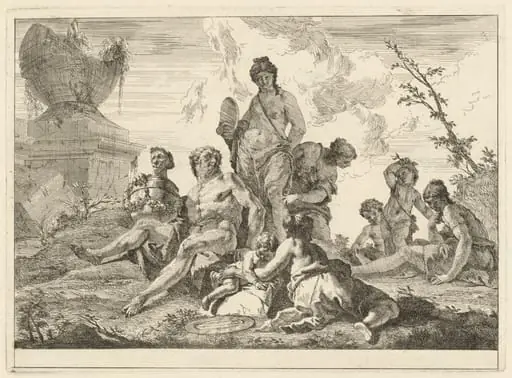 Venus and Vulcan with Three Nymphs and Three Cupids
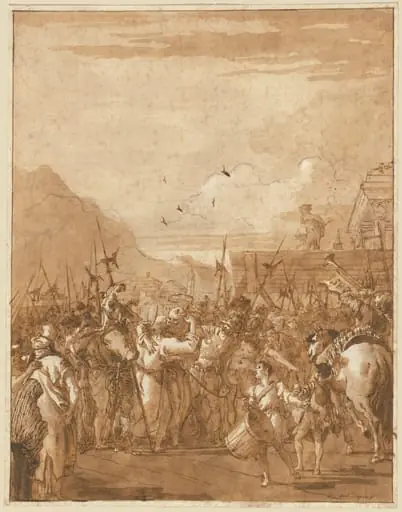 The Parting of Saints Peter and Paul
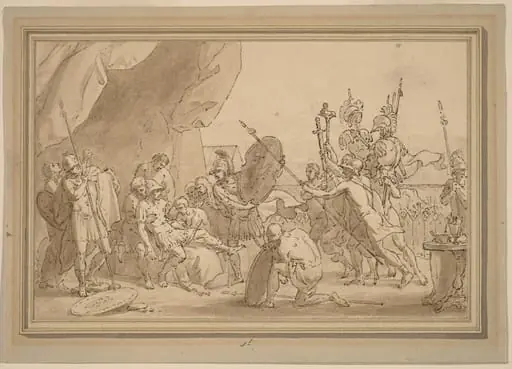 Death of a General
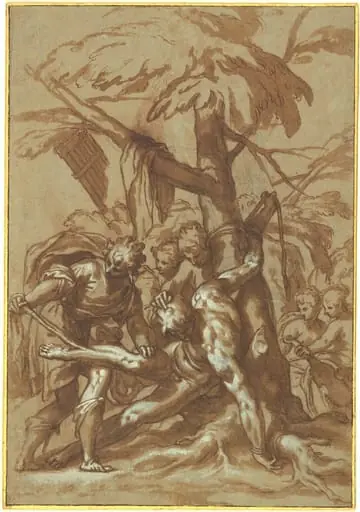 The Flaying of Marsyas
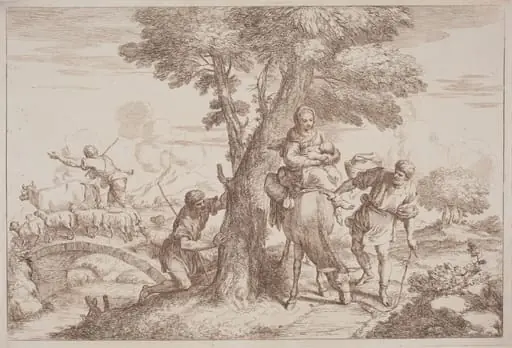 The Flight into Egypt with a Shepherd Watching from Behind a Tree
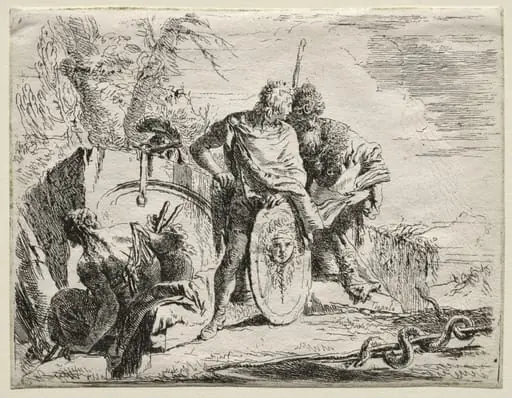 Various Caprices: The Astrologen and the Young Soldier
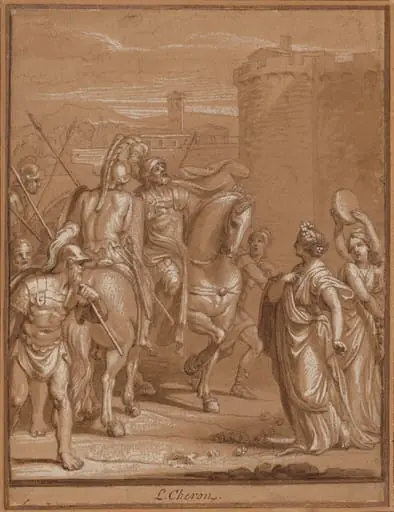 Daughter of Jephthah
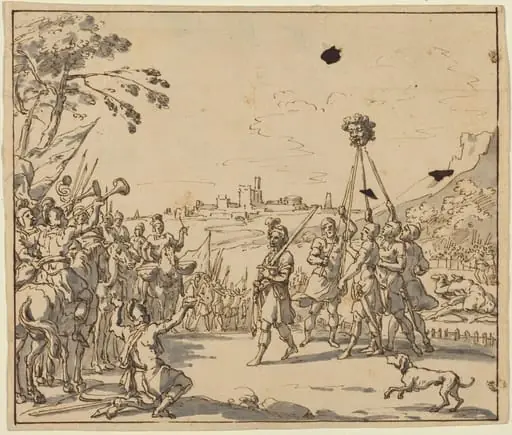 The Triumph of David
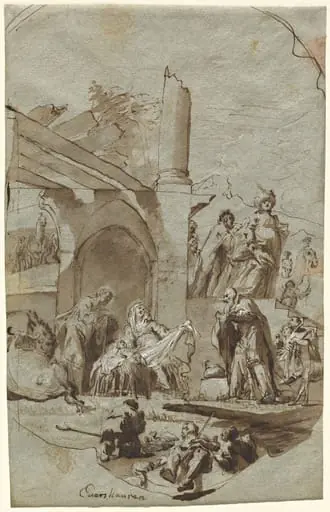 The Adoration of the Magi
 Venus as a Huntress Appearing to Aeneas and Achates
 Victorious Soldiers with Trophy