Artwork
Château de Blois
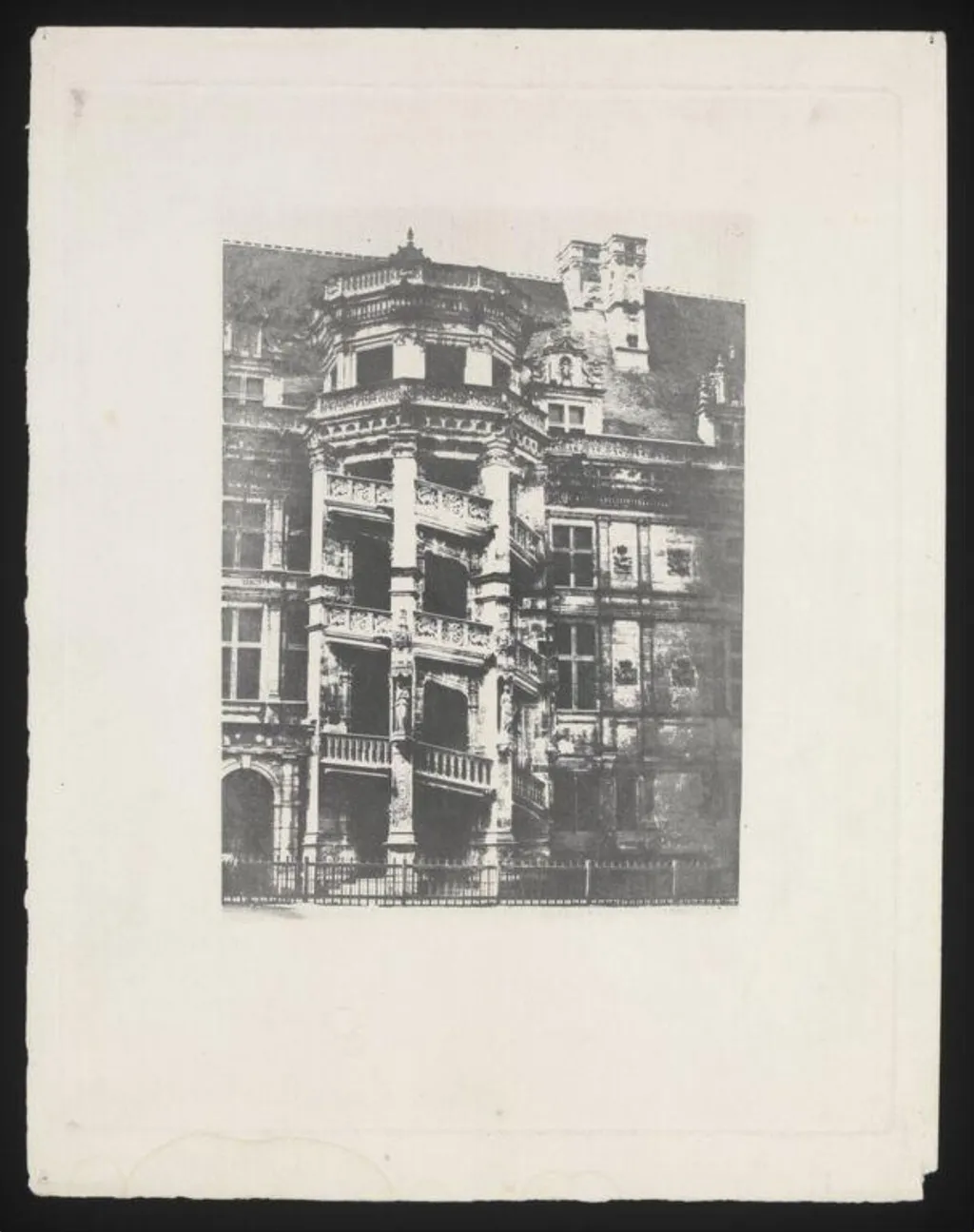
Château de Blois is a print by the Impressionist artist William Henry Fox Talbot. It dates from 1858 and is held in the collection of the Victoria and Albert Museum.
About this work
Overview
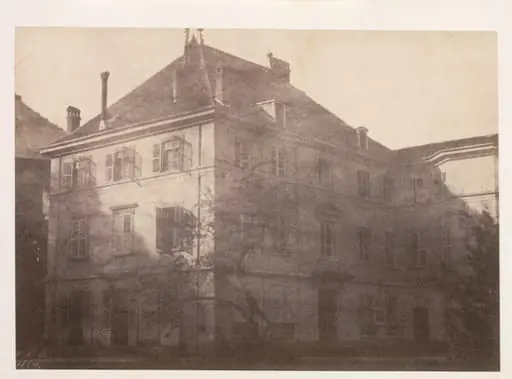
The image is a monochrome photograph taken in 1858 that records the façade of the Château de Blois in the Loire Valley. The composition captures the building’s multi‑storey massing, its ornate stone detailing, and the rhythm of balconies that line each level, presenting a clear view of the historic palace’s exterior architecture.
Subject & Meaning
The photograph documents the Château de Blois, a Renaissance‑era royal residence noted for its eclectic blend of Gothic, Classical and French Baroque elements. By focusing on the building’s towers, arched windows and sculpted cornices, the image emphasizes the structure’s status as a symbol of French monarchical power and architectural evolution.
Technique & Style
Created by William Henry Fox Talbot, the work employs the early calotype process, producing a paper negative that yields a grainy, tonal print. The method captures subtle gradations of light and shadow, rendering the stone texture and intricate carvings with a characteristic softness that distinguishes it from later glass‑plate photography.
History & Provenance
Talbot produced the photograph during a period of rapid experimentation with photographic processes in the mid‑nineteenth century. The print has been preserved in several institutional collections, reflecting its importance as an early documentary record of French heritage architecture and as an example of Talbot’s pioneering work.
Context
At the time of its creation, photography was emerging as a new visual medium capable of recording architectural detail with unprecedented fidelity. Talbot’s image of the Château de Blois illustrates how early photographers turned their attention to historic monuments, contributing to the preservation of cultural memory.
Legacy
The photograph remains a reference point for scholars studying the development of photographic technology and its impact on heritage documentation. Its grainy aesthetic and methodological significance continue to inform discussions of how early photographic practices shaped modern visual culture.
Artist & collection
Artist
William Henry Fox Talbot kept a scrapbook of broken lace and fern fronds pressed between glass slides—not for the flowers, but to capture their fleeting shadows.

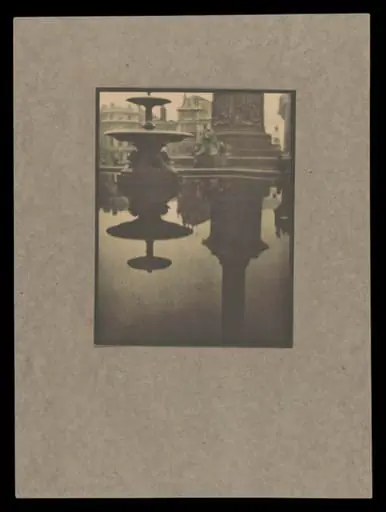 Trafalgar Square
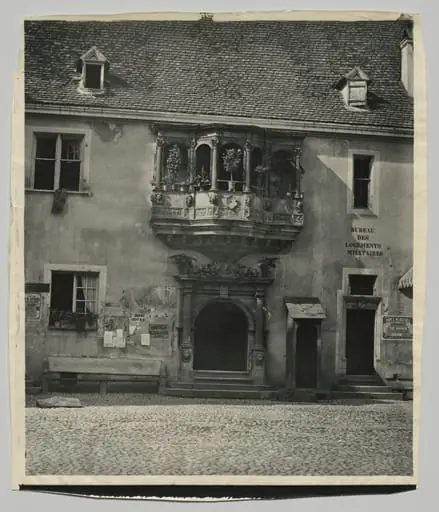 Façade Alsacienne, Corps de Garde à Colmar
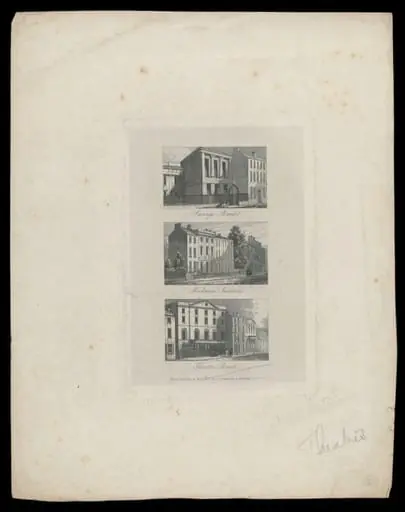 H Beard Print Collection
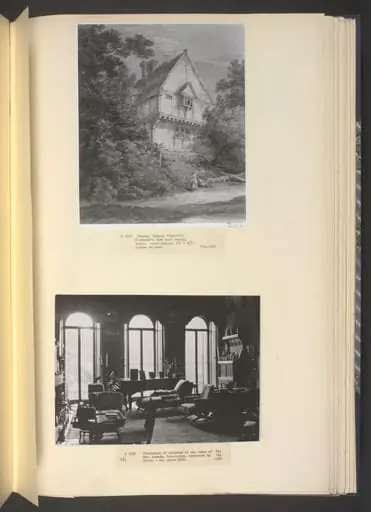 Sherwood's Farm, near Bushey, Hertfordshire
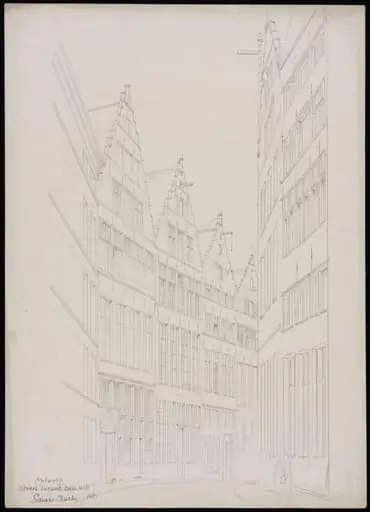 Street behind the town hall, Antwerp
 Untitled
 House with a Turret, rue de la Tixéranderie, Paris
 House in Pau
 Tourelle, Rue de la Tixeranderie
 Untitled
 Untitled
 Tourelle de la rue de la Tixéranderie