Artwork
Adoration of the Child
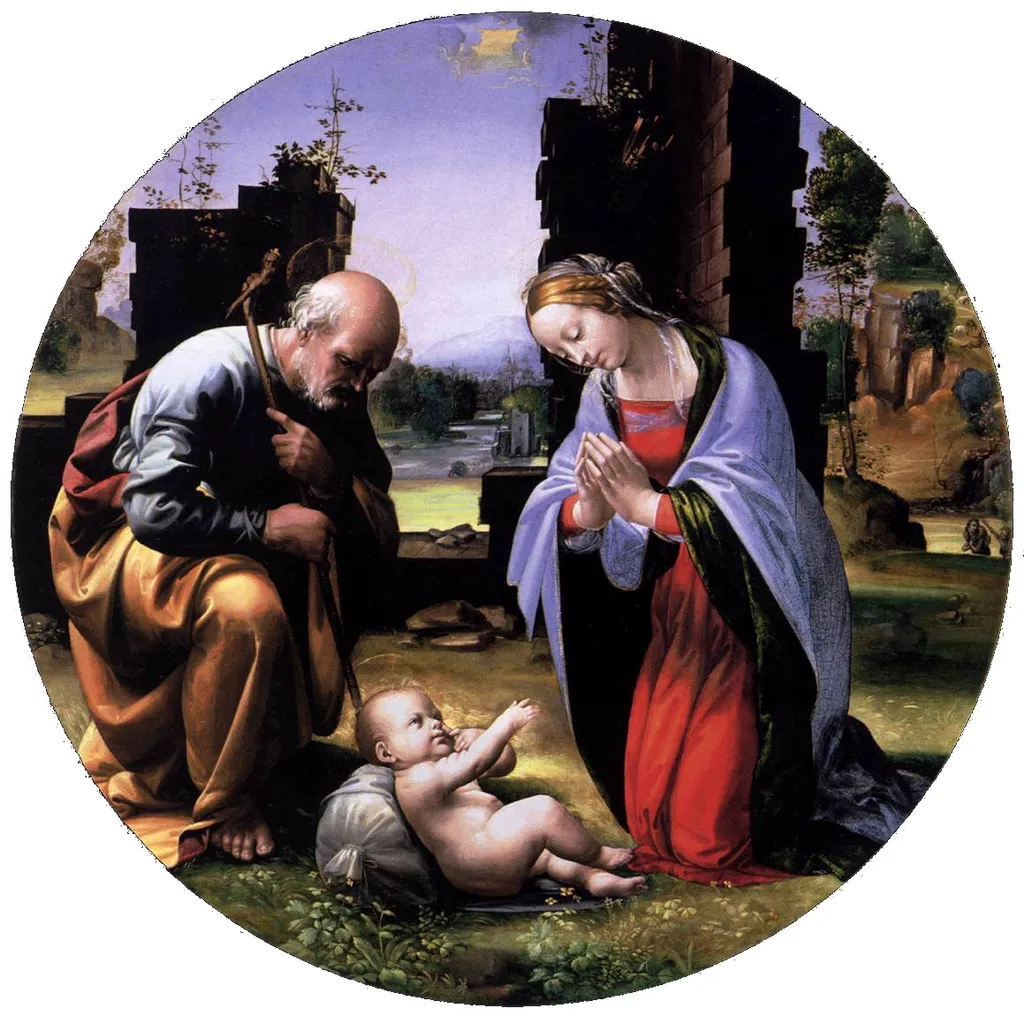
Adoration of the Child is an unspecified painting by the High Renaissance artist Fra Bartolomeo. It dates from 1500 and is held in the collection of the Galleria Borghese.
About this work
Overview
Created the same year he entered the Dominican order, the painting reflects his transition from secular artistic training to a life of religious commitment.
Painted in 1500 on wooden panel, *Adoration of the Child* is a devotional work by Fra Bartolomeo, a Dominican friar and former pupil of Cosimo Rosselli. Created the same year he entered the Dominican order, the painting reflects his transition from secular artistic training to a life of religious commitment. It remains in the Galleria Borghese, where it exemplifies early High Renaissance sensibilities in its balanced composition and quiet emotional tone.
Subject & Meaning
The scene depicts the Virgin Mary kneeling in prayer beside the infant Jesus, who lies on the earth, reaching toward her. Joseph stands nearby, observing with quiet reverence. The setting, though humble, is imbued with spiritual stillness. The gesture of the child and Mary’s bowed posture suggest both human tenderness and divine humility, aligning with Dominican ideals of contemplative devotion and the sacredness of Christ’s earthly infancy.
Technique & Style
Rendered in tempera and oil on panel, the painting employs soft modeling and restrained coloration, favoring earthy ochres, muted blues, and pale flesh tones. The figures are arranged in a stable, pyramidal composition, characteristic of High Renaissance ideals. Background elements are rendered with subtle atmospheric perspective, creating depth without distraction. The brushwork is precise yet unobtrusive, prioritizing harmony over dramatic effect.
History & Provenance
Commissioned shortly after Fra Bartolomeo took his vows, the painting remained within religious circles before entering the Borghese collection in the 17th century. Its survival in near-original condition is notable, as many early Renaissance panels were altered or damaged over time. Documentation links it to the artist’s early post-monastic period, when he focused on sacred subjects with renewed spiritual intent.
Context
Created during a period of intense religious reform in Florence, the painting reflects the influence of Savonarola’s sermons, which emphasized humility and simplicity in spiritual life. Fra Bartolomeo’s shift from decorative painting to devotional imagery mirrored broader cultural movements. His work, though less flamboyant than contemporaries like Raphael, offered a contemplative alternative to the era’s growing idealism.
Legacy
Though not widely reproduced, *Adoration of the Child* represents a pivotal moment in Fra Bartolomeo’s career, marking his full integration of artistic skill with religious discipline. It influenced later Dominican artists who sought to merge technical refinement with spiritual austerity. The painting endures as a quiet testament to the fusion of personal faith and artistic vocation in Renaissance Italy.
Artist & collection
Artist
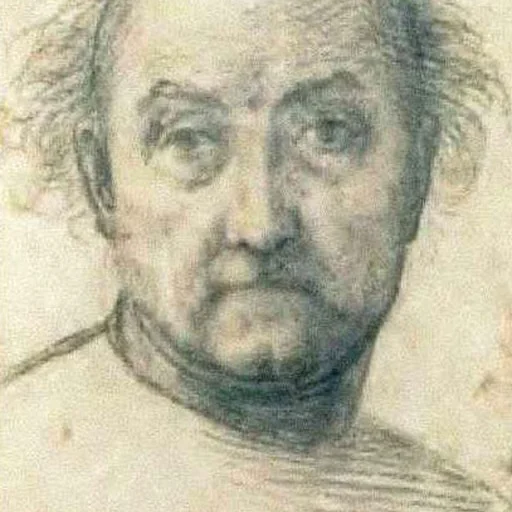
Fra Bartolomeo or Bartolommeo (UK: , US: , Italian: ; 28 March 1472 – 31 October 1517), also known as Bartolommeo di Pagholo, Bartolommeo di San Marco, Bartolomeo di Paolo di Jacopo del Fattorino, and his original…

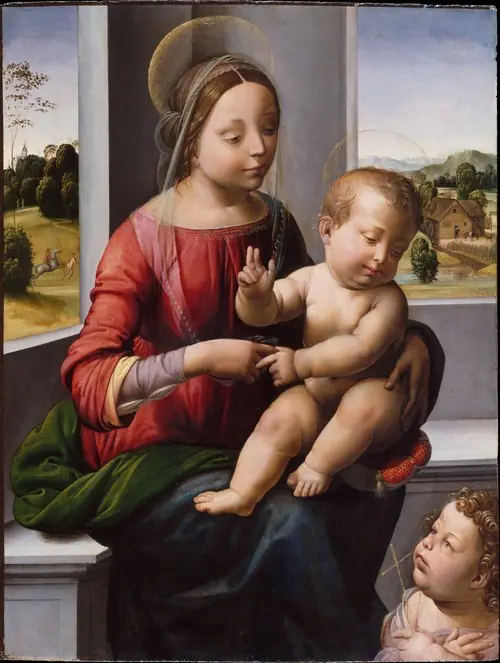 Madonna and Child with the Young Saint John the Baptist
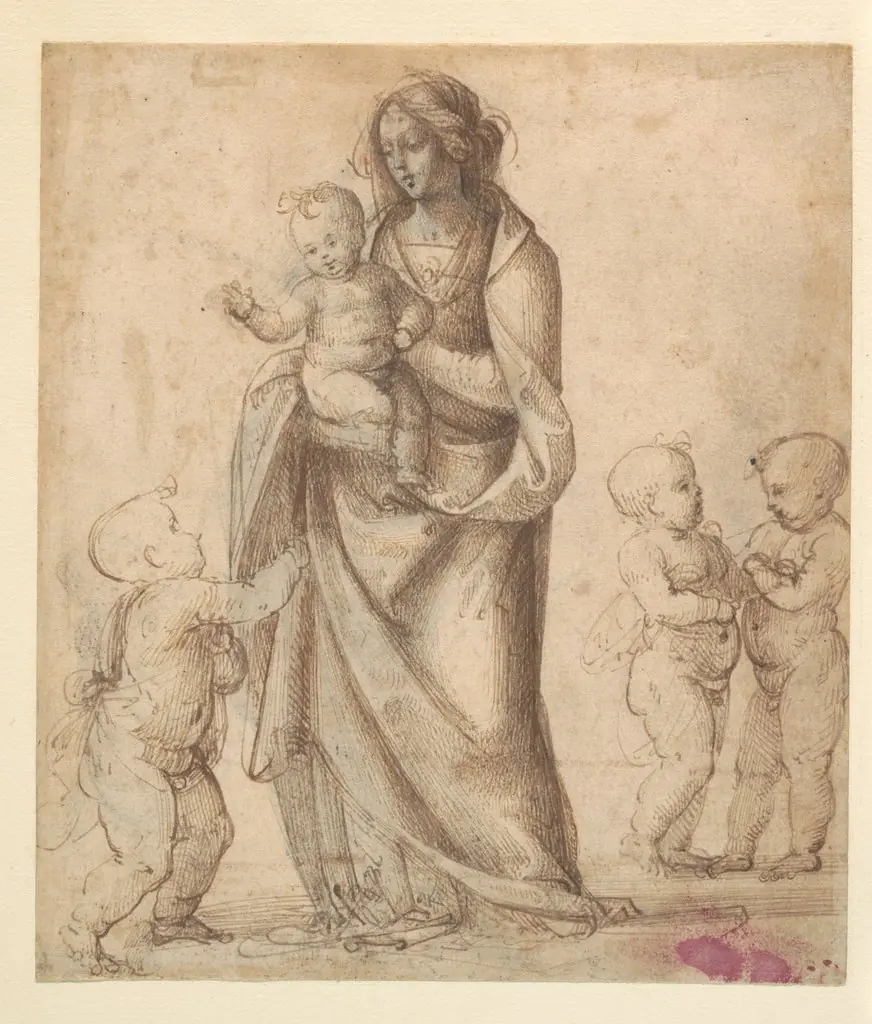 Madonna and Child with the Infant Saint John the Baptist and Two Putti (recto); Madonna and Child with the Infant Saint John the Baptist and a Putto (verso)
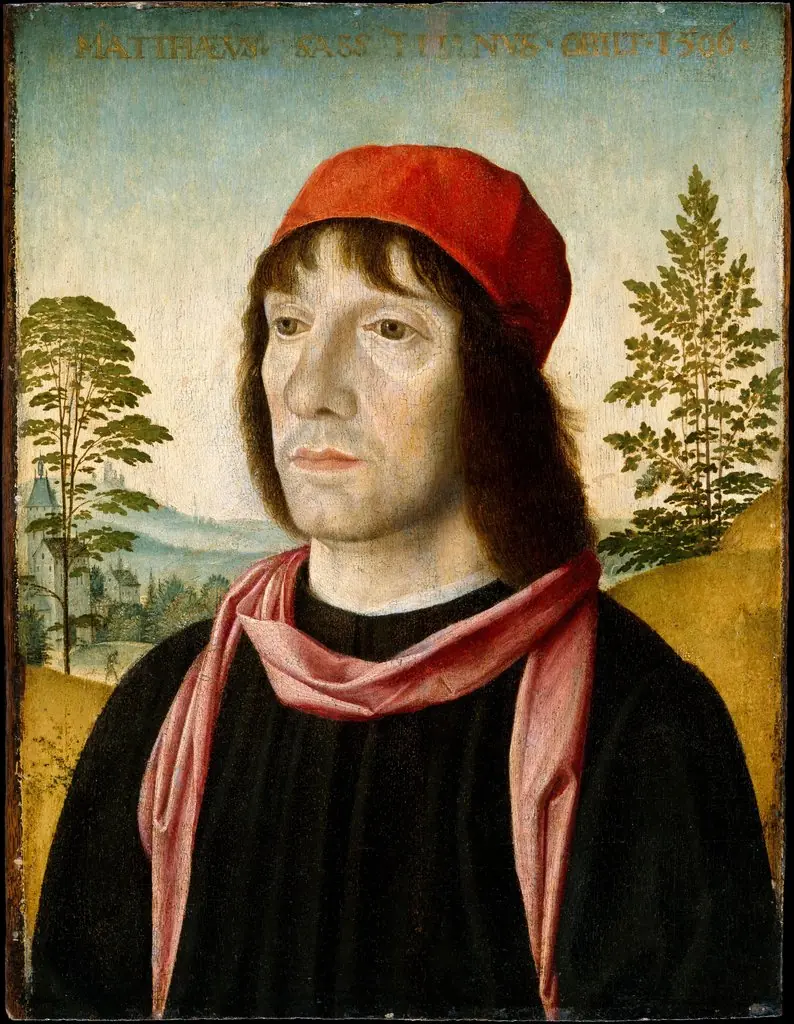 Portrait of a Man
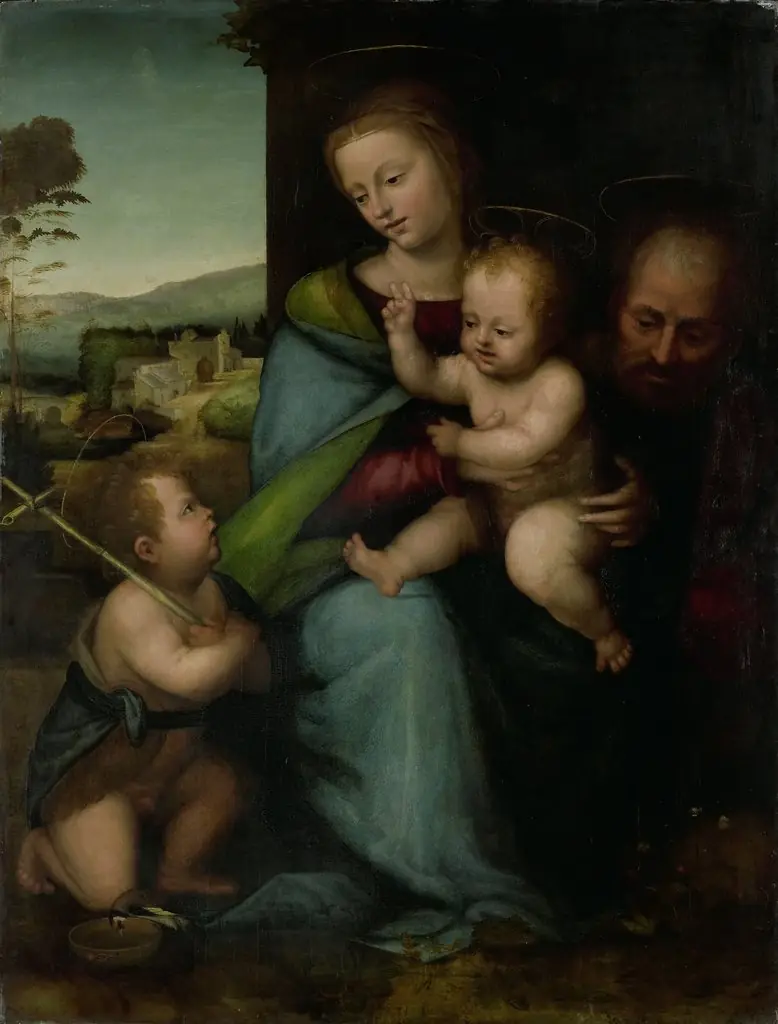 The Holy Family with the Infant John the Baptist
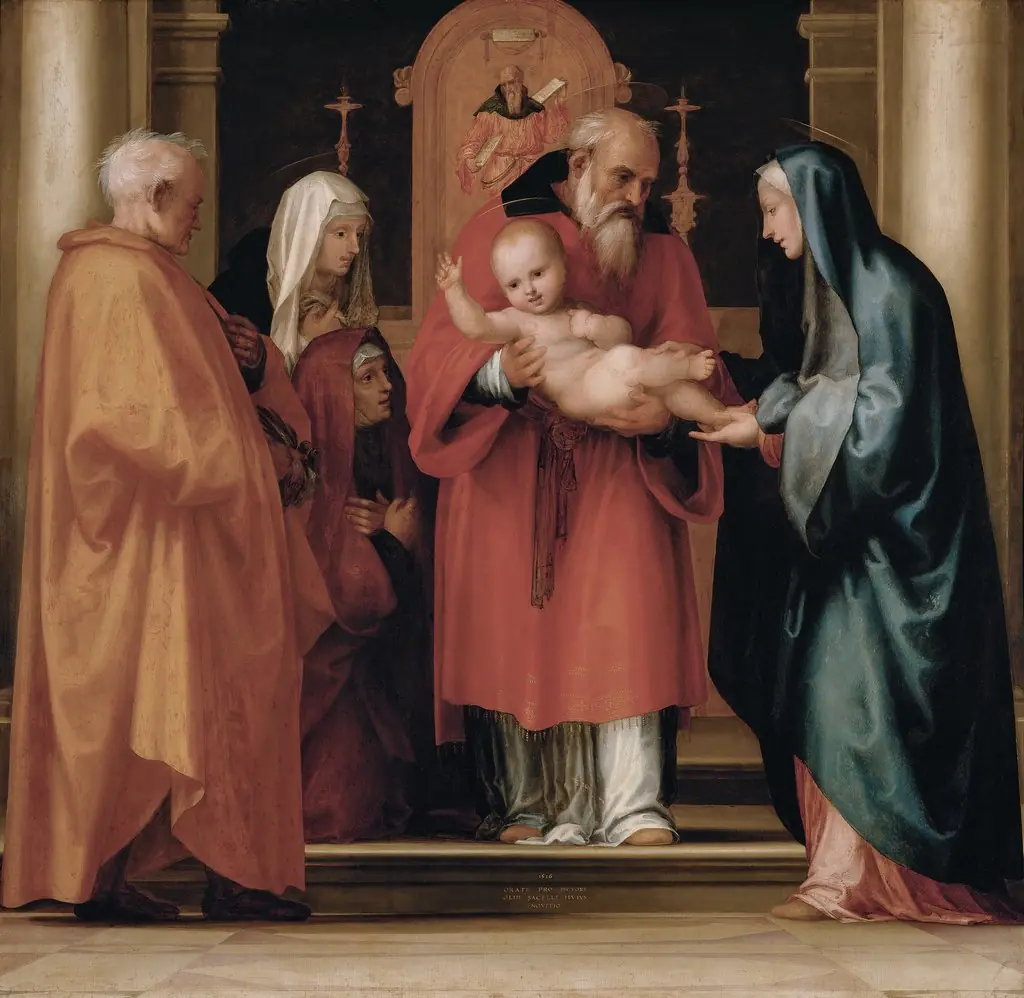 Presentation of Christ in the Temple
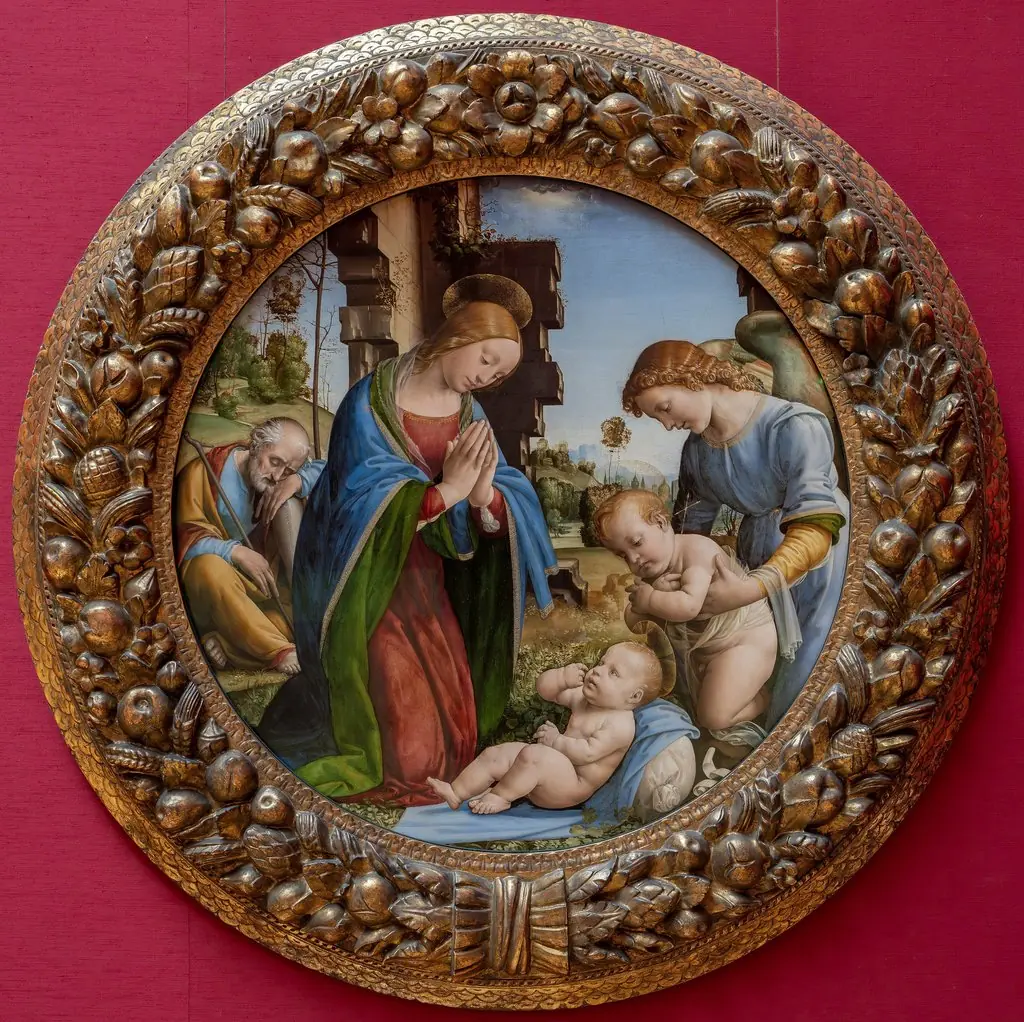 Adoration of the Child - Holy Family with child St. John
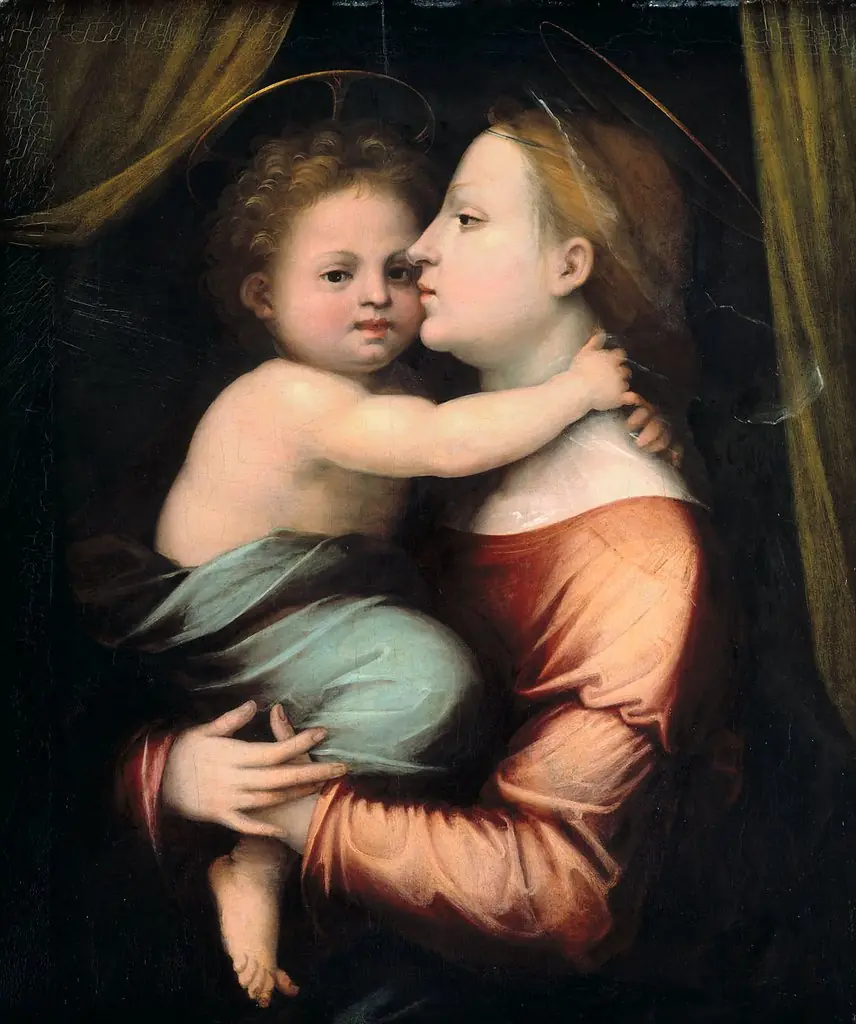 Madonna and Child
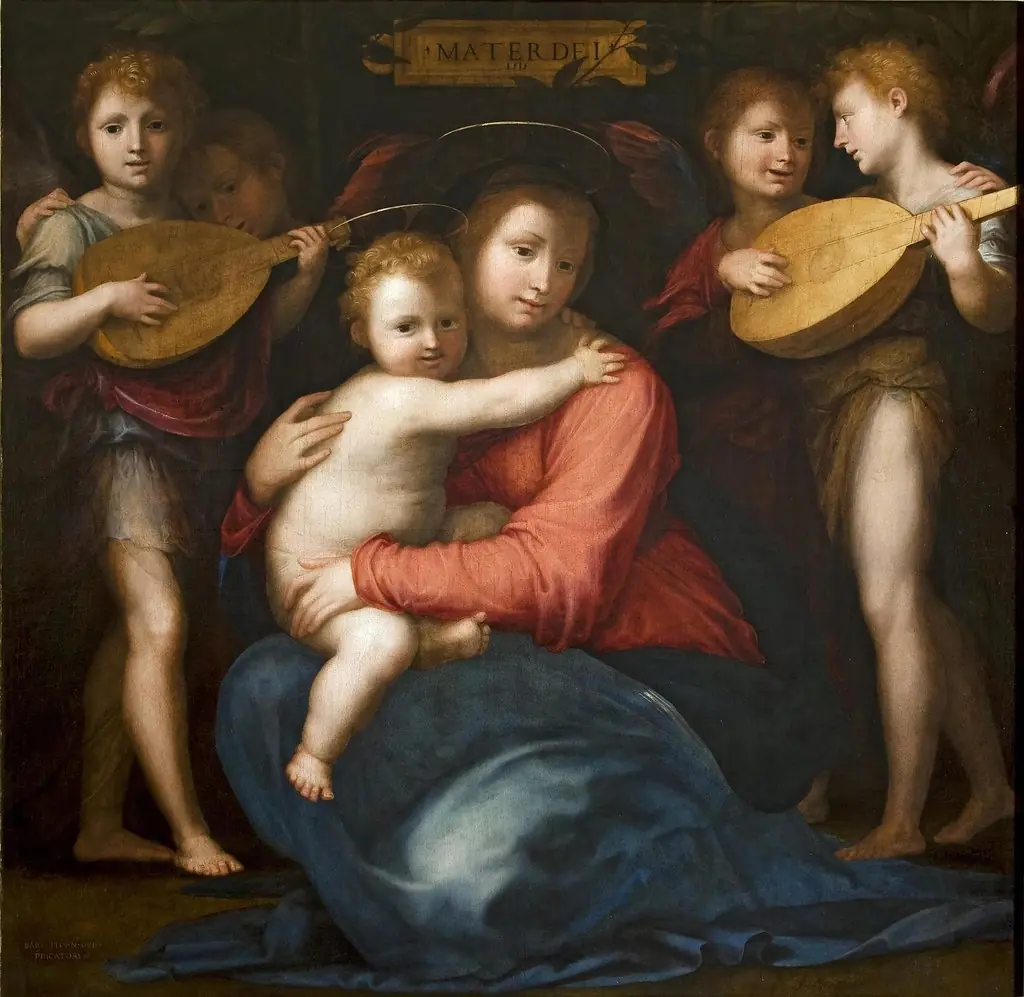 Madonna and Child with Four Angels
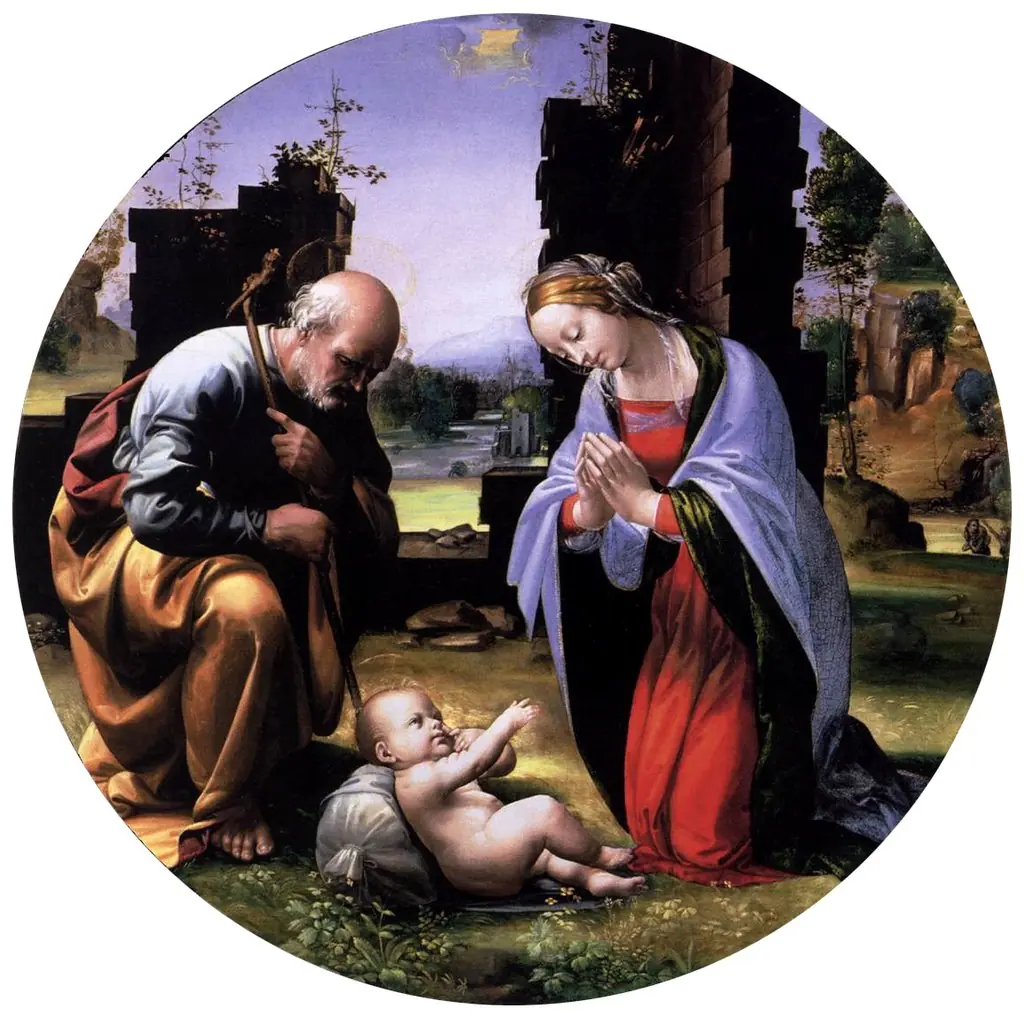 The Adoration of the Child
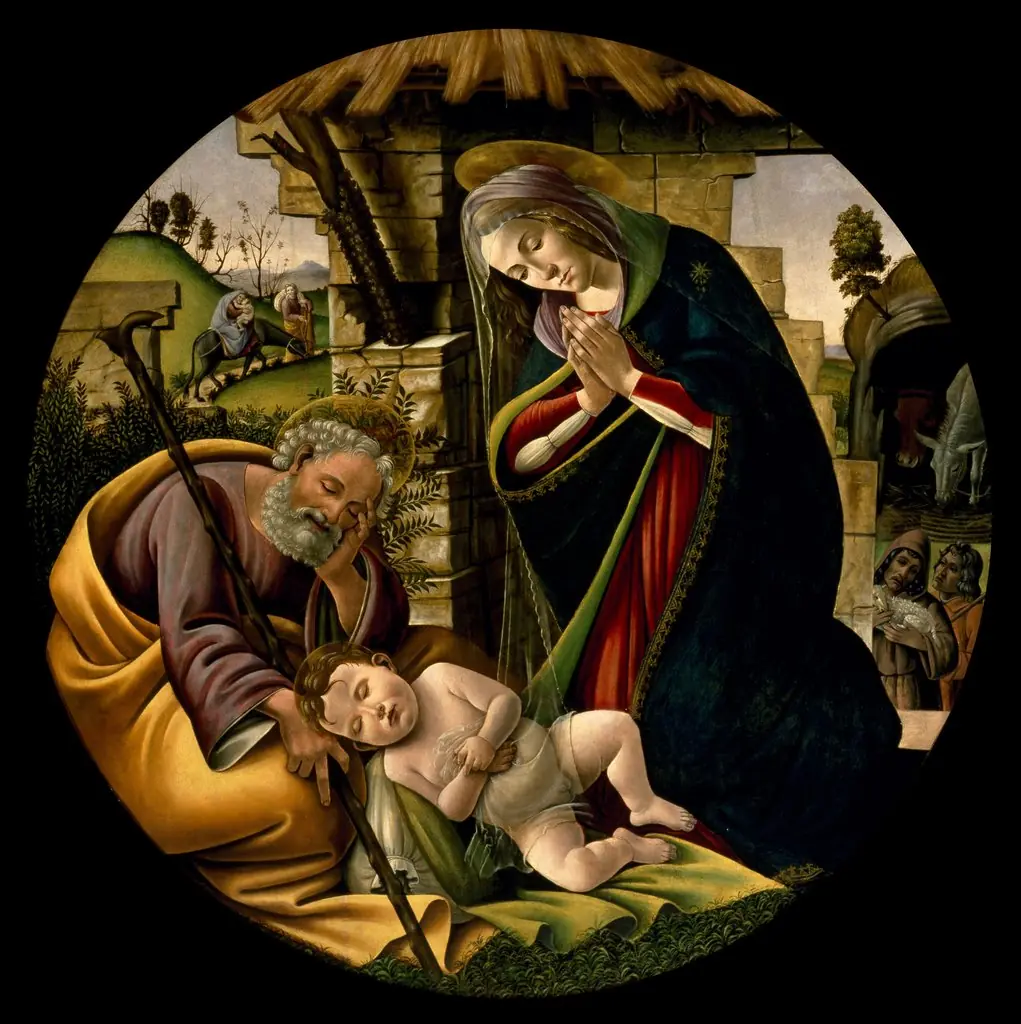 The Adoration of the Christ Child
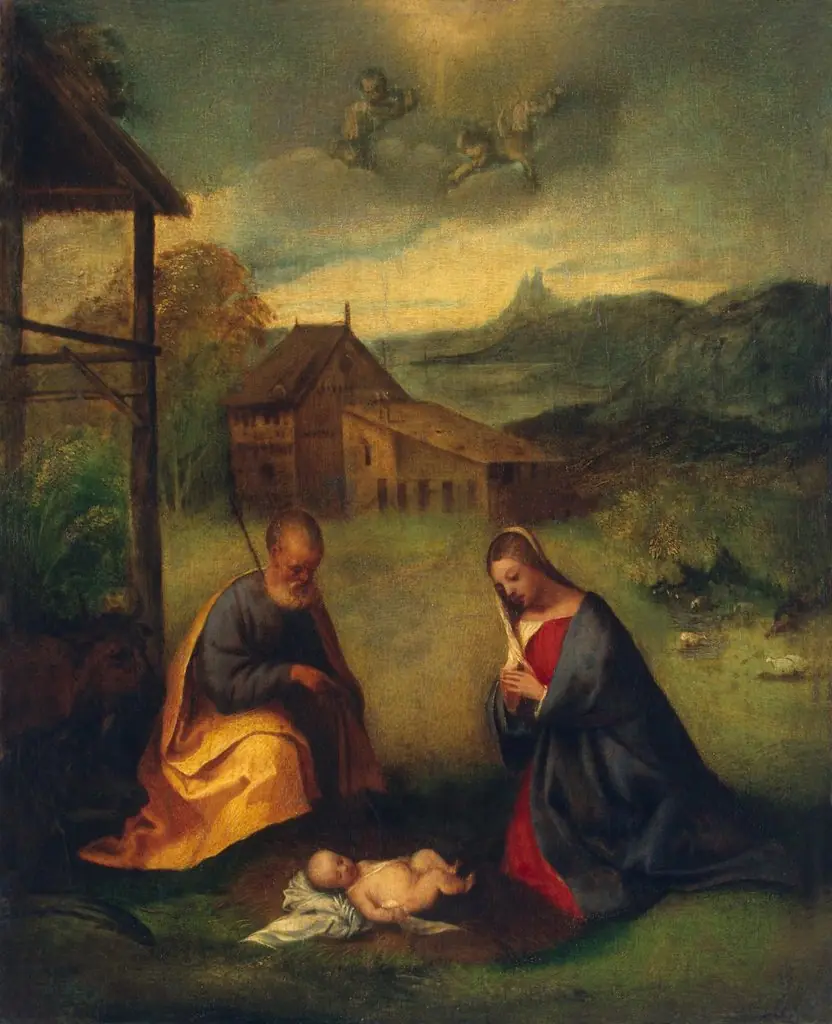 Adoration of the Christ Child
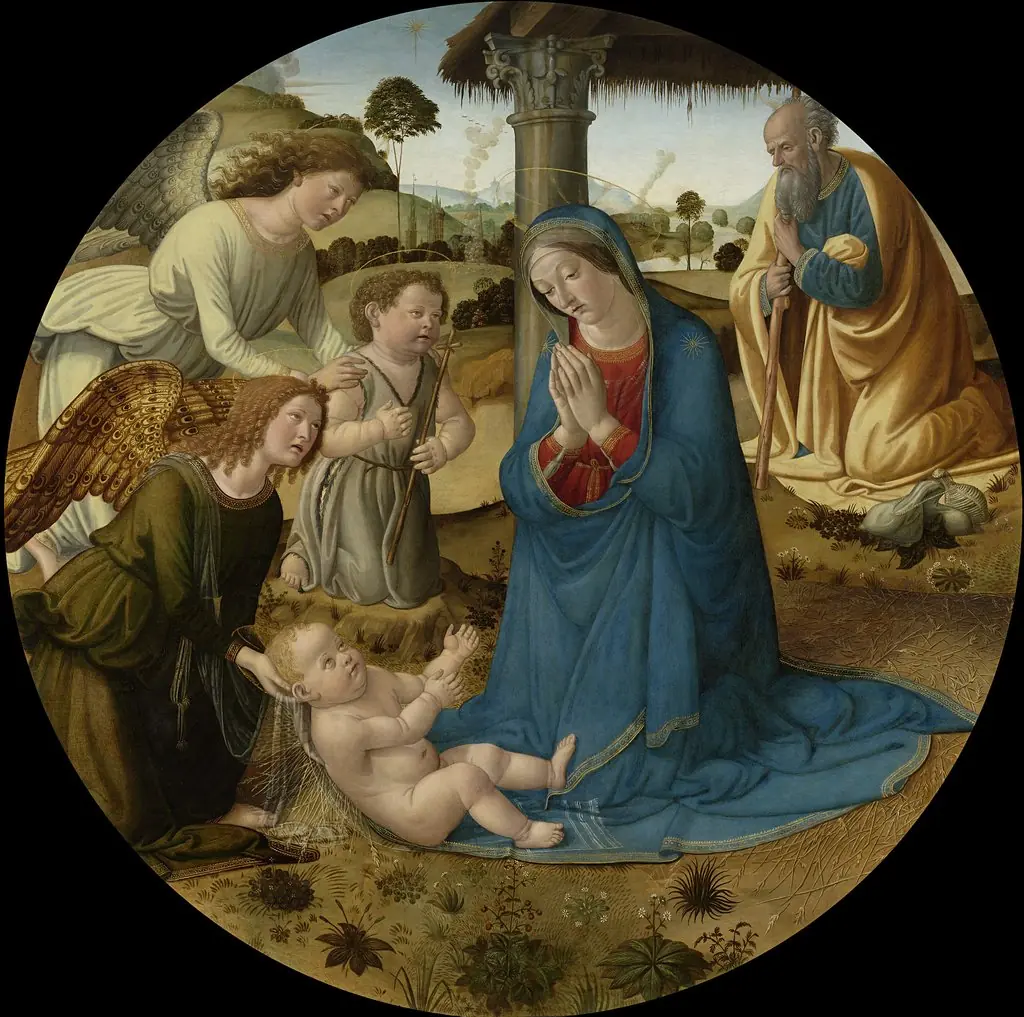 The Adoration of the Christ Child
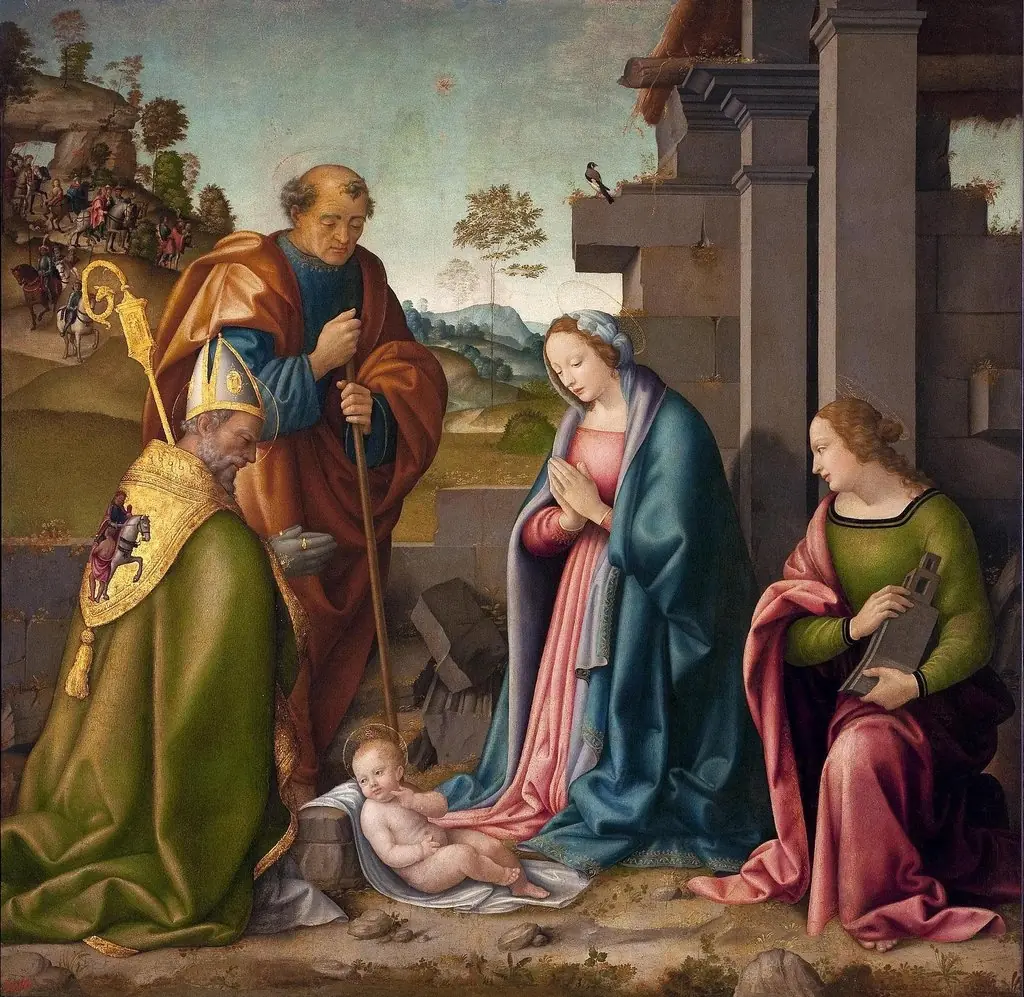 Adoration of the Christ Child, with Sts Barbara and Martin
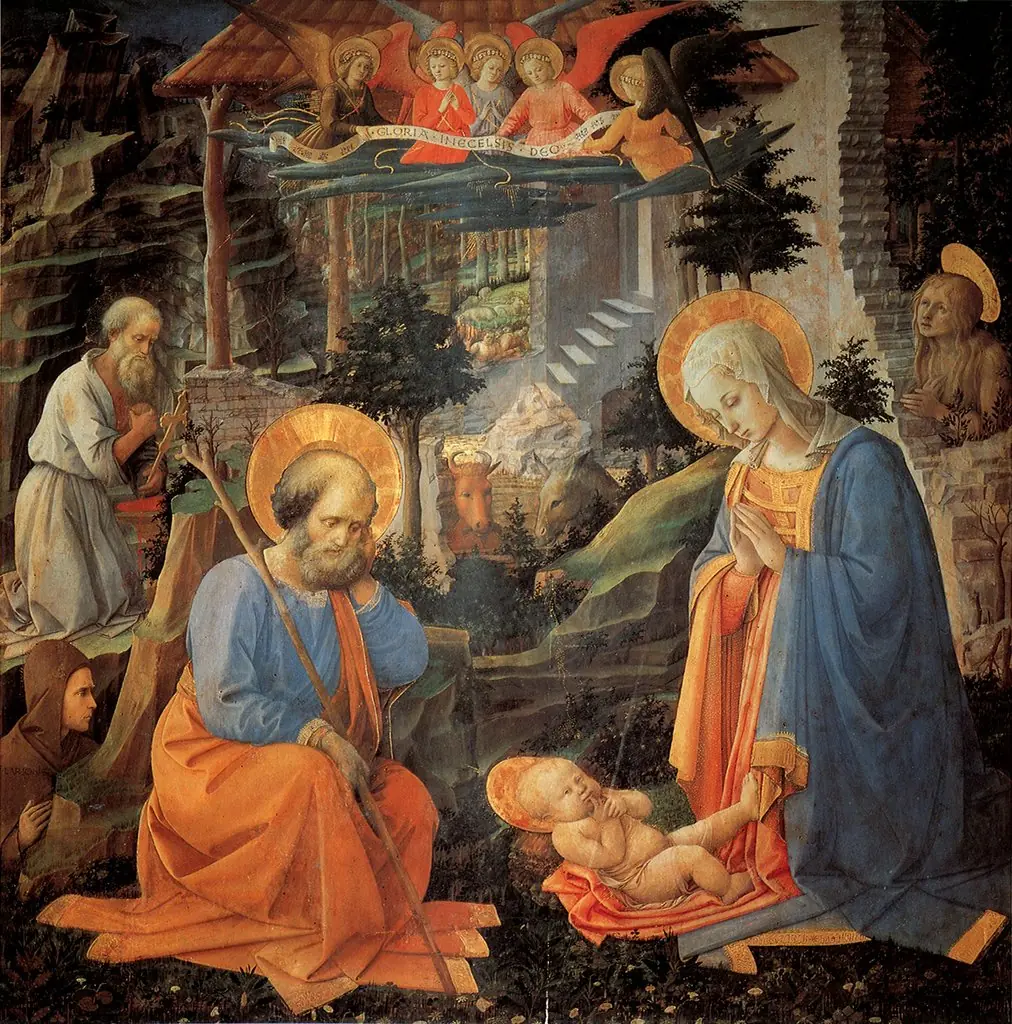 Adoration of the Child with SS. Joseph, Jerome, Hilarion, Magdalena and angels
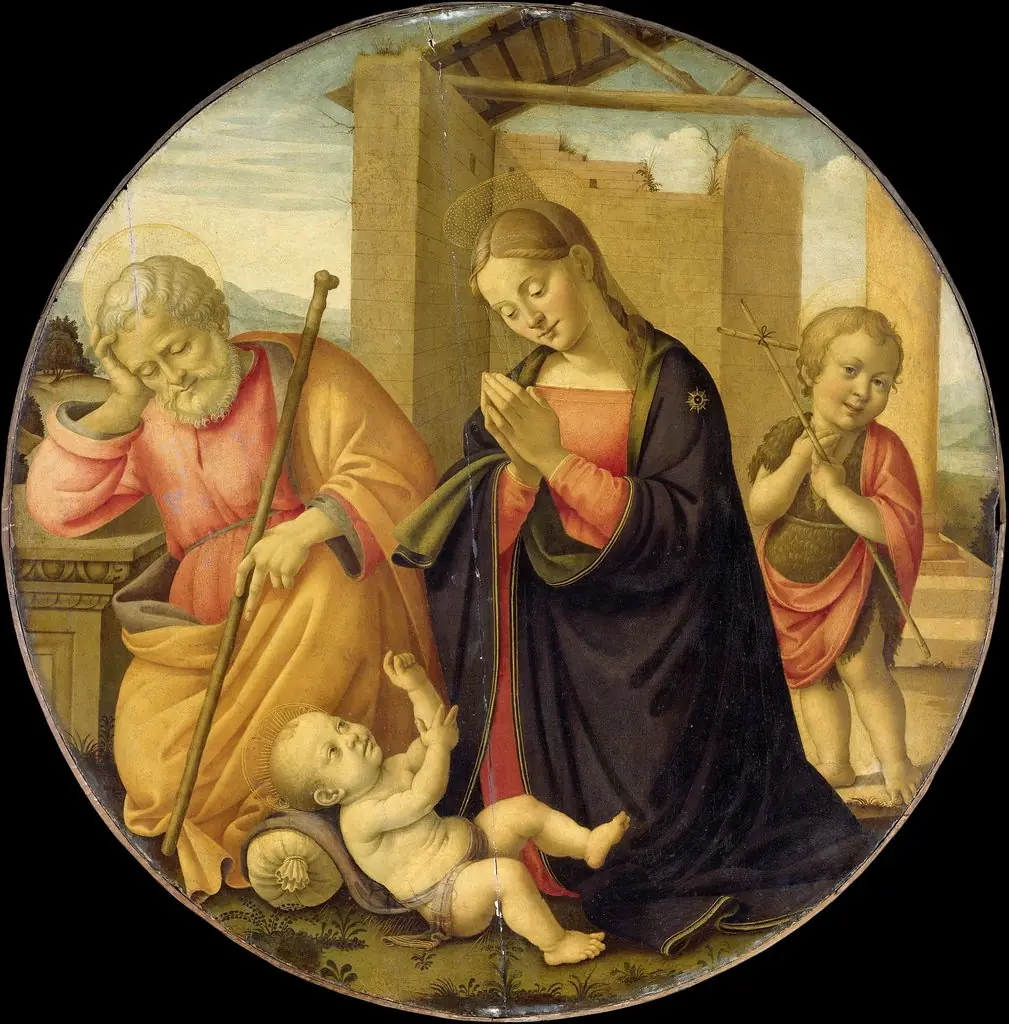 Worshipping the Christ Child
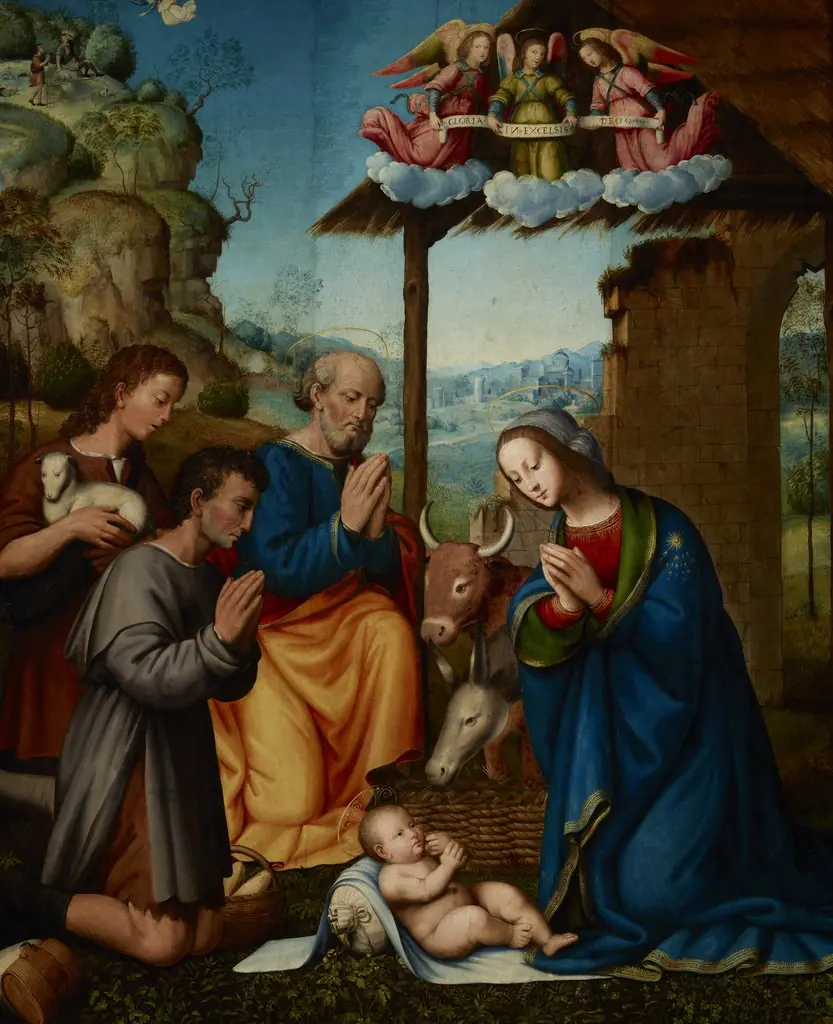 Adoration of the Shepherds (Adoration of the Child by Mary, St Joseph and Shepherds)