Artwork
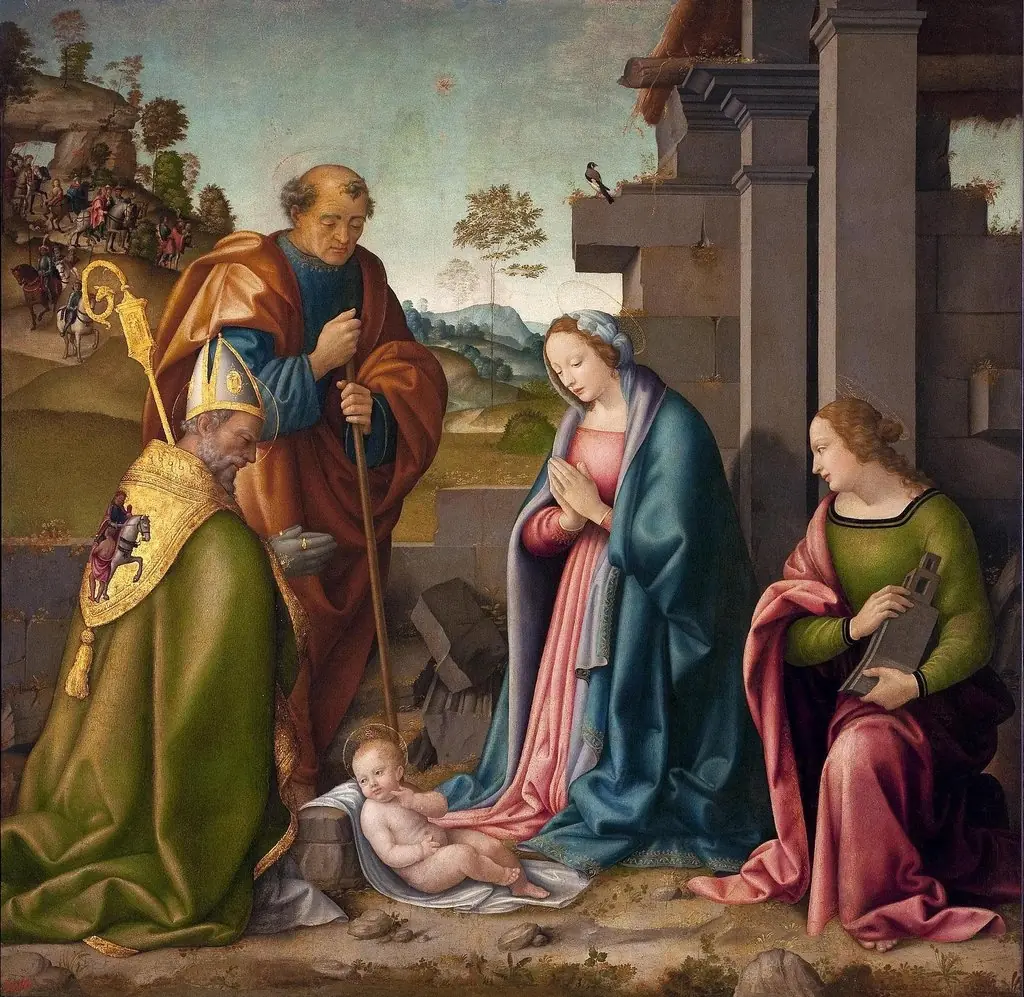
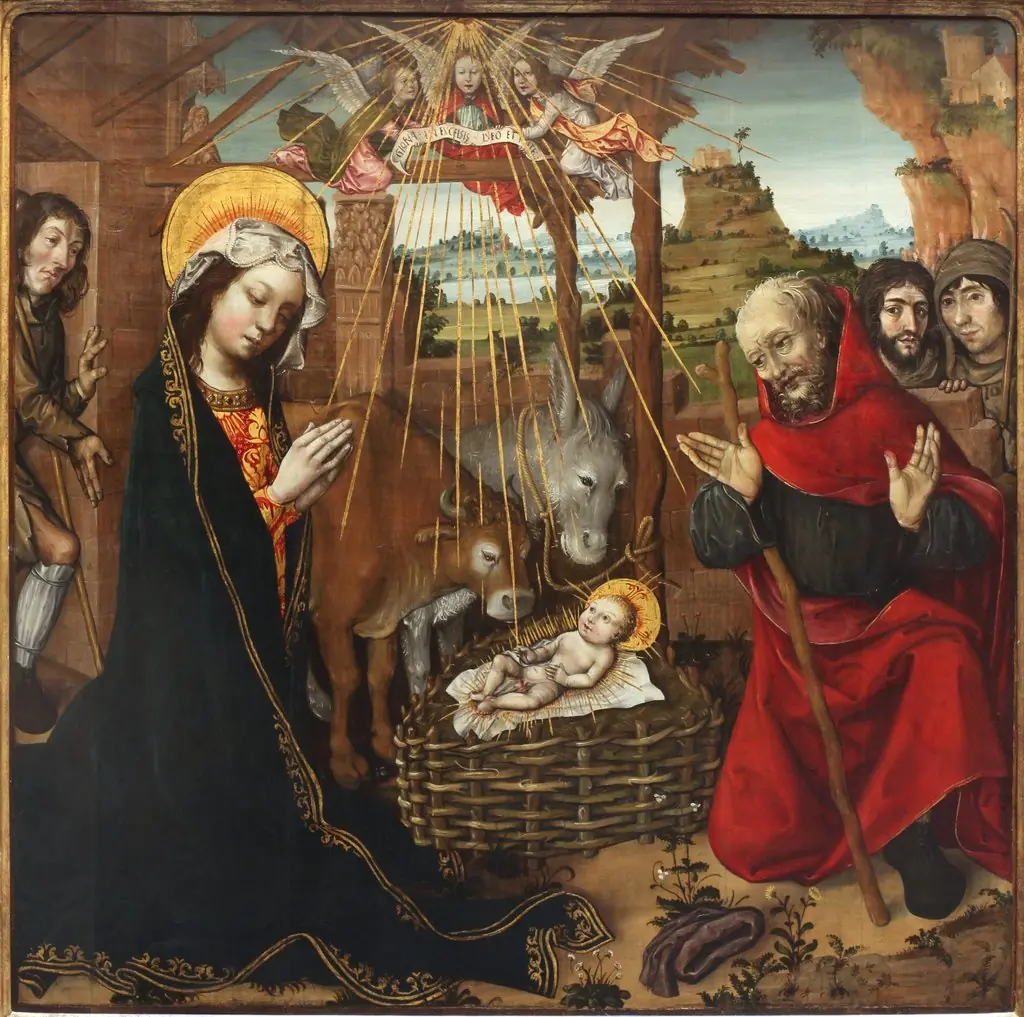
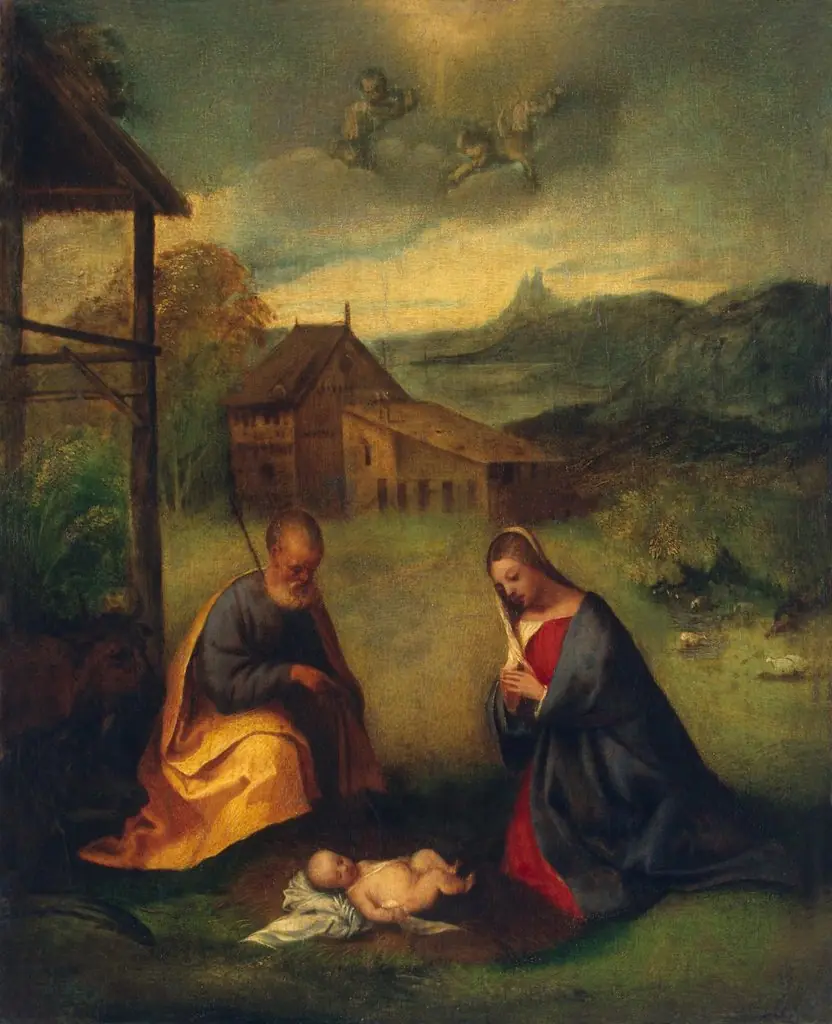
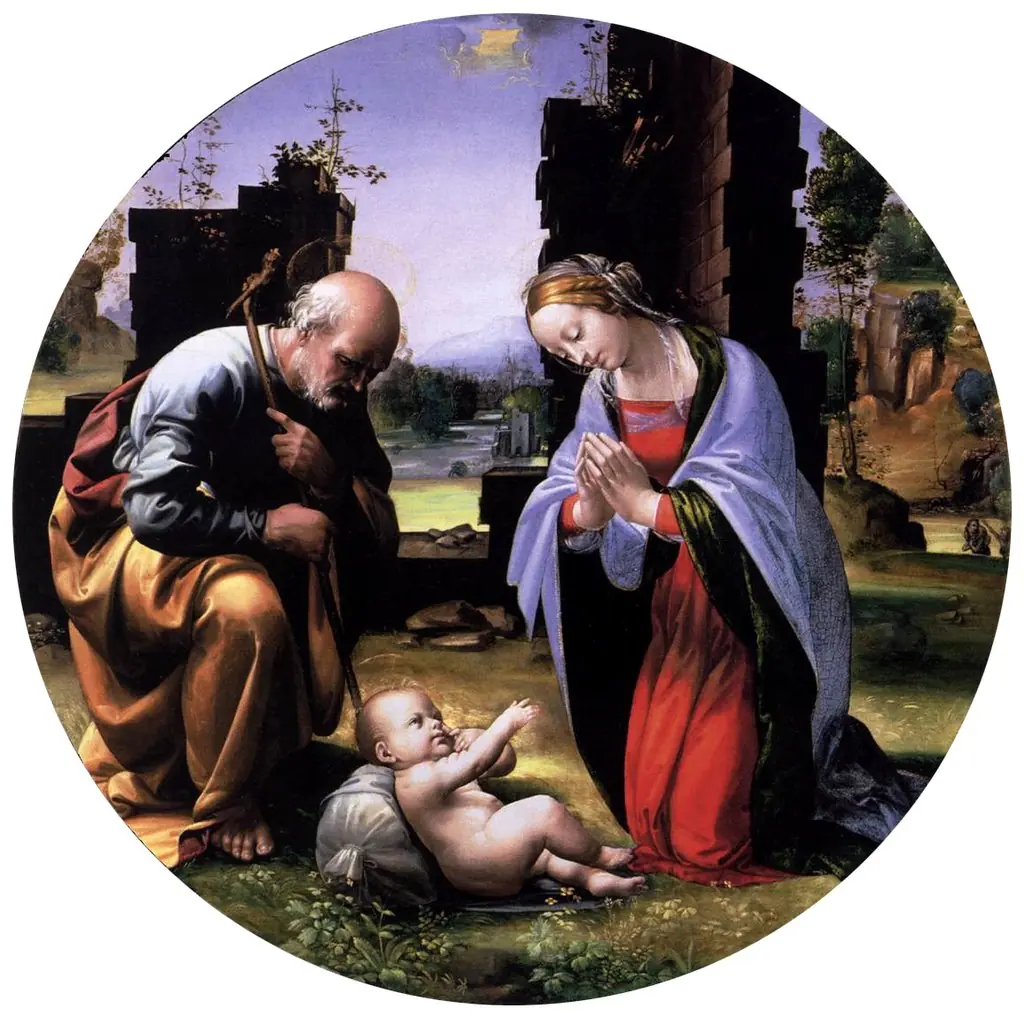
Adoration of the Child with SS. Joseph, Jerome, Hilarion, Magdalena and angels
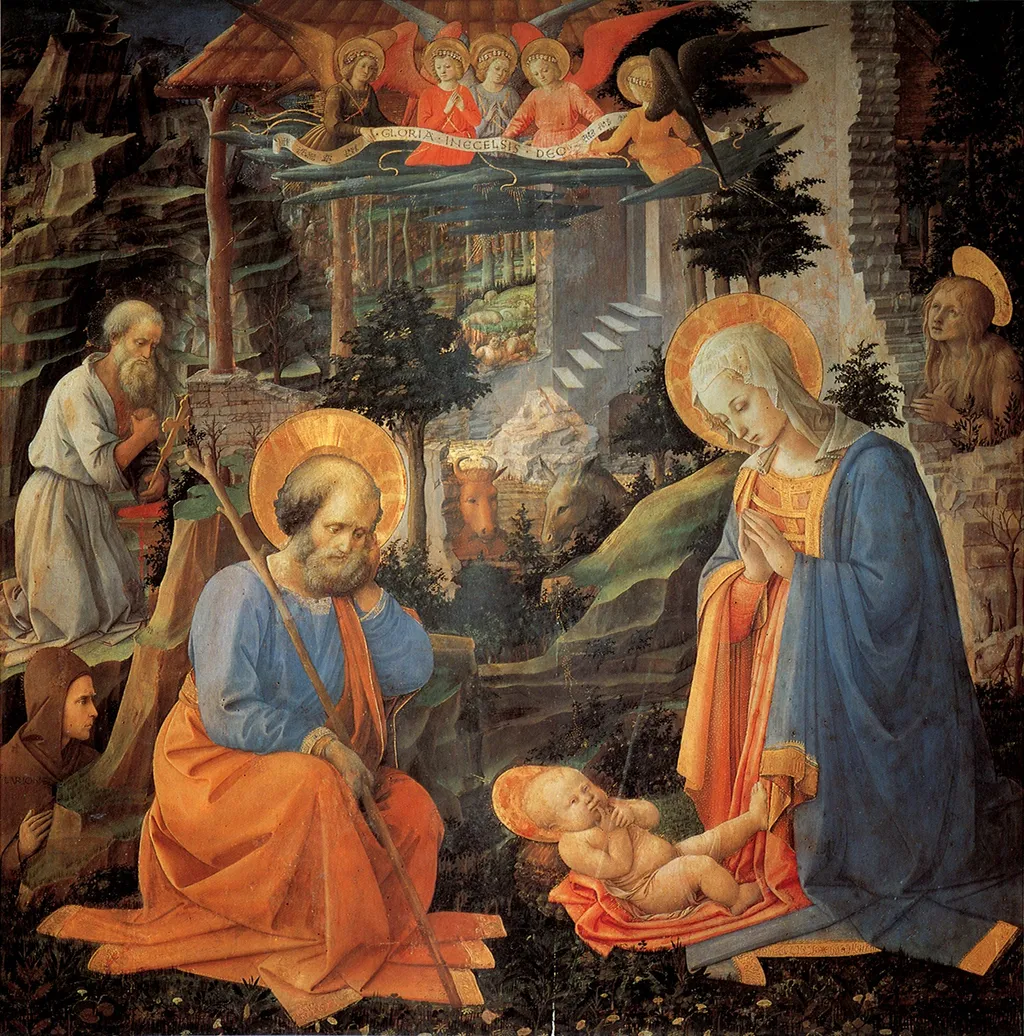
Adoration of the Child with SS. Joseph, Jerome, Hilarion, Magdalena and angels is a tempera painting by the Early Renaissance artist Filippo Lippi. It dates from 1455 and is held in the collection of the Uffizi Gallery.
About this work
Overview
The work is part of the Uffizi Gallery’s collection and exemplifies the early Renaissance’s emphasis on balanced, serene religious imagery.
Created in 1455 by the Florentine painter Filippo Lippi, this tempera panel presents a devotional gathering around the infant Christ. The composition includes the Virgin Mary, Saint Joseph, Saint Jerome, Saint Hilarion, Saint Magdalena and a host of angels, all arranged beneath a delicate canopy. The work is part of the Uffizi Gallery’s collection and exemplifies the early Renaissance’s emphasis on balanced, serene religious imagery.
Subject & Meaning
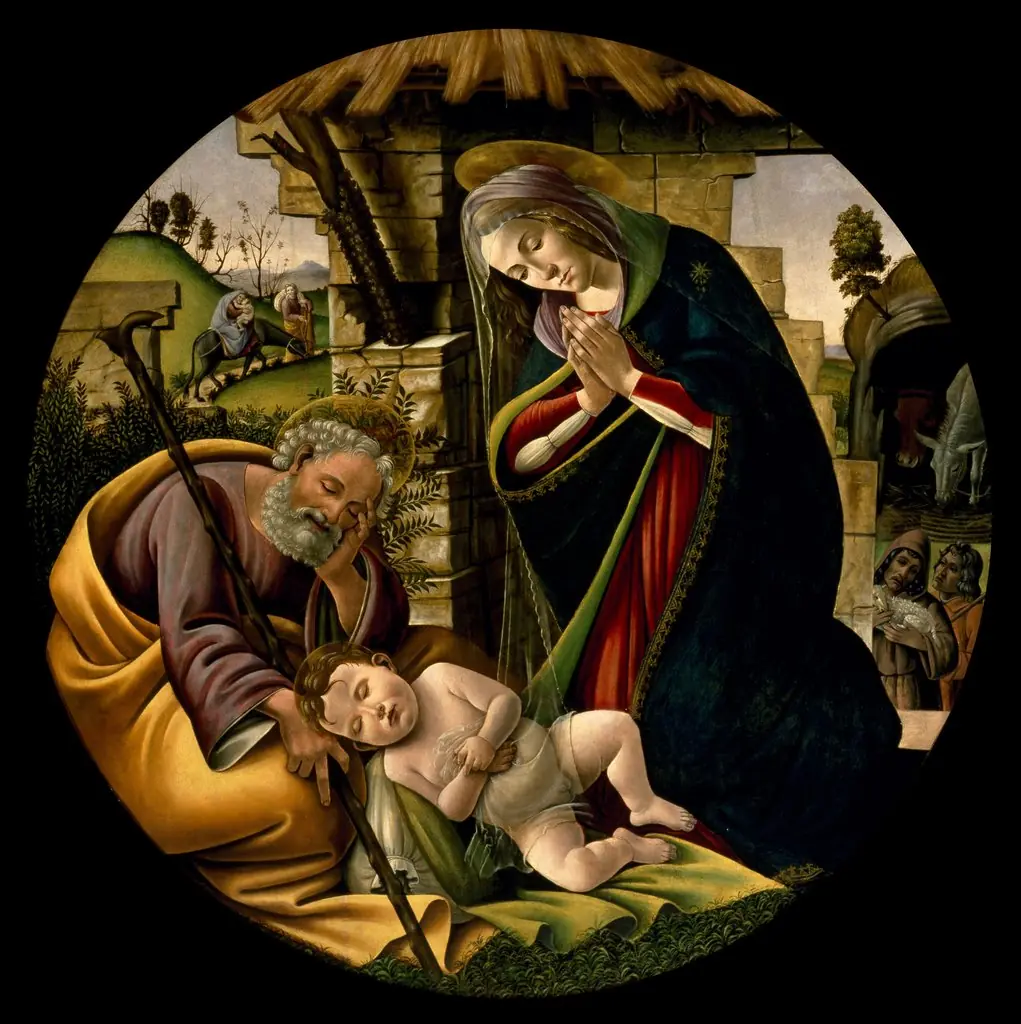
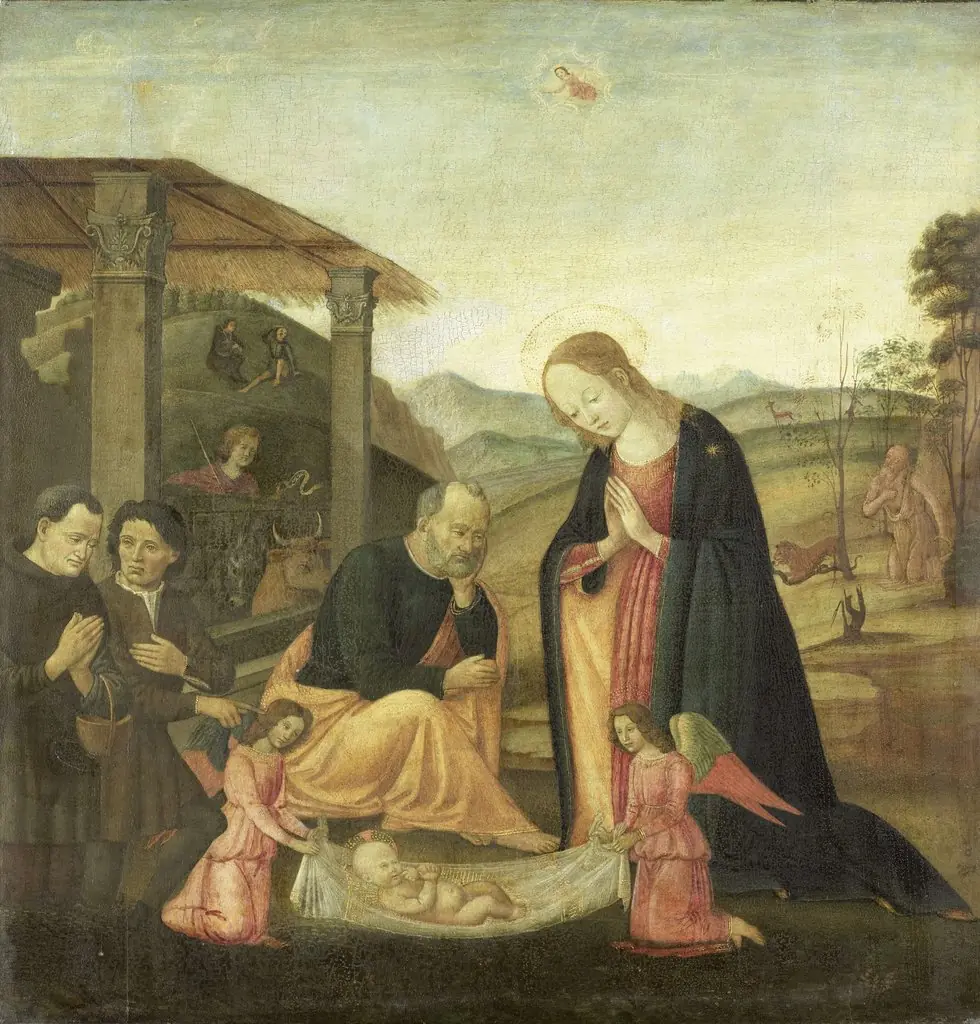
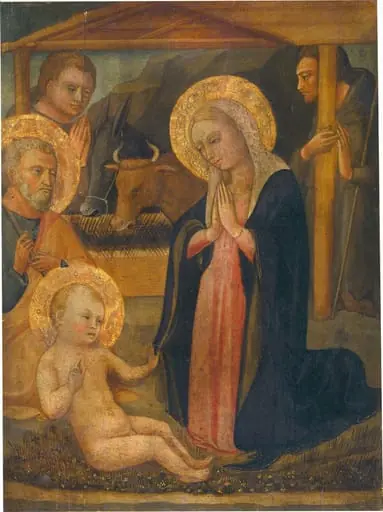
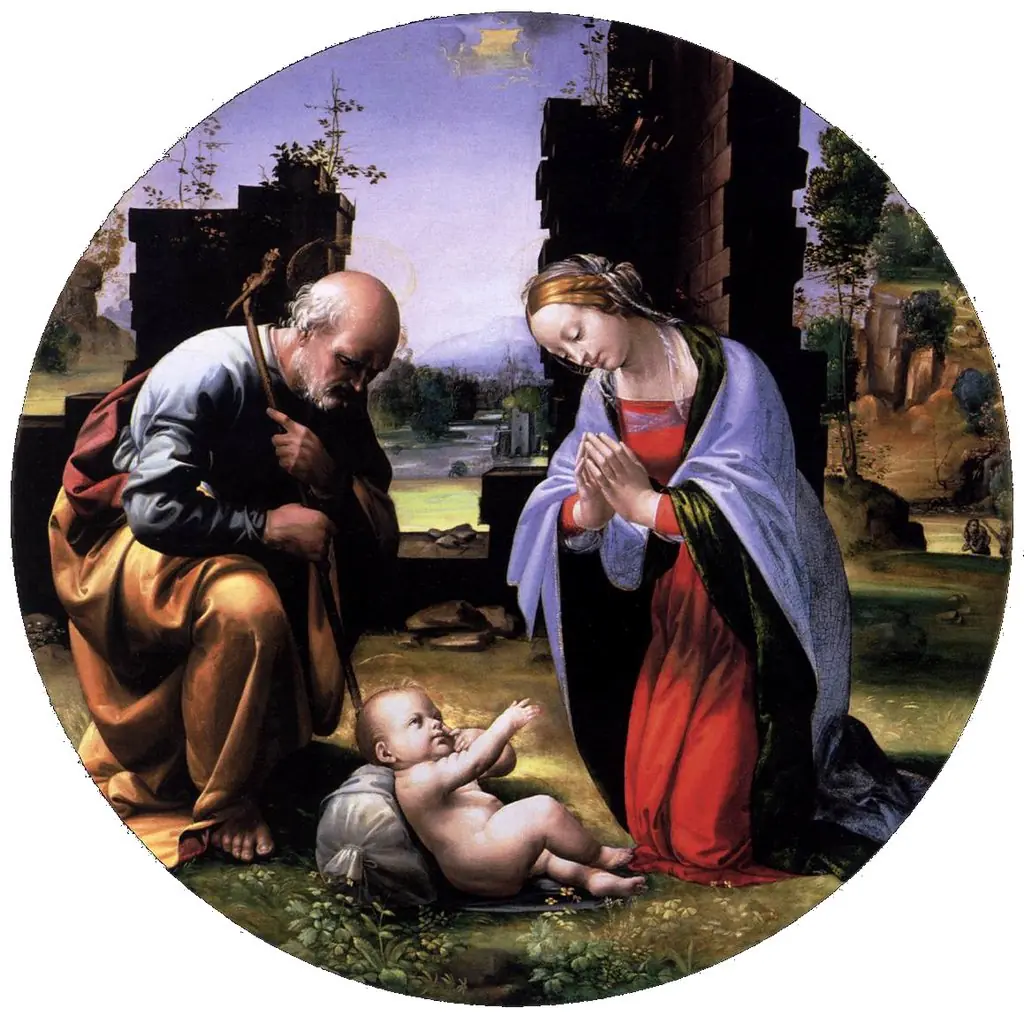
At the centre of the scene the newborn Jesus is cradled by Mary, whose blue gown and halo signify her purity. Flanking the child are saints—Joseph, Jerome, Hilarion, and Magdalena—each identifiable by their distinctive attributes and halos, underscoring their intercessory roles. The surrounding angels, with outstretched wings, reinforce the celestial nature of the adoration and invite contemplation of divine grace.
Technique & Style
Lippi employed egg‑tempera, a medium that yields luminous, matte colors and fine detail. The palette of warm reds, deep blues and golden highlights creates a harmonious, tranquil atmosphere. The composition reflects the Quattrocento aesthetic: clear spatial organization, gentle modeling of figures, and a subtle use of landscape to frame the sacred gathering.
History & Provenance
The painting originated in mid‑15th‑century Florence, a period when Lippi’s workshop was a leading center of artistic production. After its creation, the panel entered the Uffizi’s holdings, where it remains on display. Its provenance traces the movement of Florentine devotional art into the museum’s early collections.
Context
Filippo Lippi, a Carmelite monk turned painter, was a pivotal figure in the transition from Gothic to Renaissance art. His studio trained artists such as Sandro Botticelli and his son Filippino Lippi, who would carry forward his compositional innovations. This work illustrates the devotional trends of the time, merging traditional saintly iconography with emerging naturalism.
Legacy
The panel exemplifies Lippi’s influence on subsequent generations, particularly in the treatment of sacred narratives with intimate, humanized figures. Its presence in the Uffizi offers scholars a reference point for studying the development of tempera technique and the spread of Quattrocento visual language across Italy.
Artist & collection
Artist
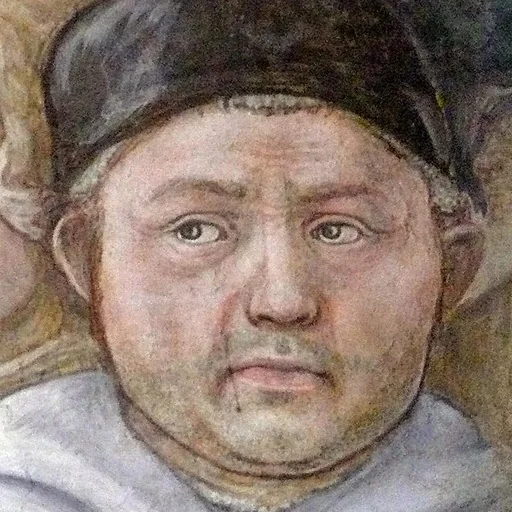
Filippo Lippi (c. 1406 – 8 October 1469), also known as Lippo Lippi, was an Italian Renaissance painter of the Quattrocento (fifteenth century) and a Carmelite priest. He was an early Renaissance master of a painting…

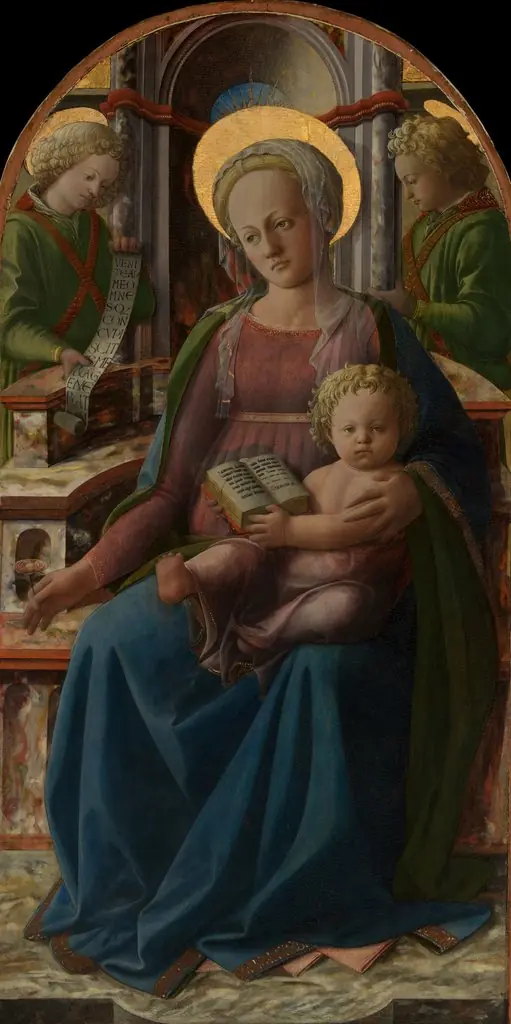 Madonna and Child Enthroned with Two Angels
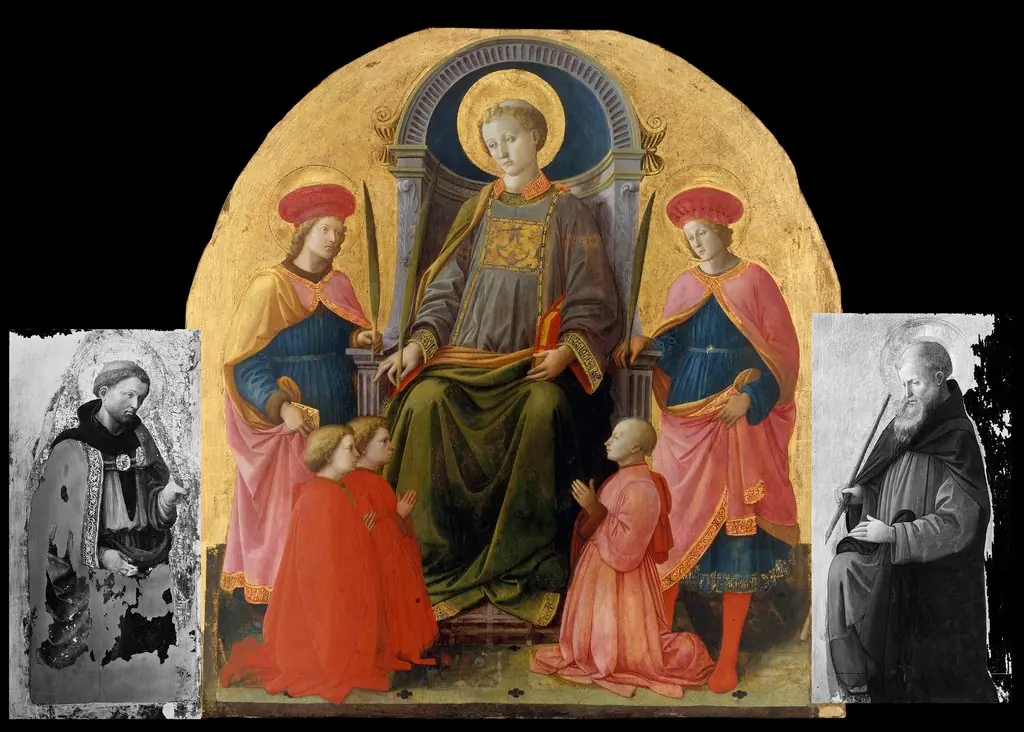 Saint Lawrence Enthroned with Saints and Donors
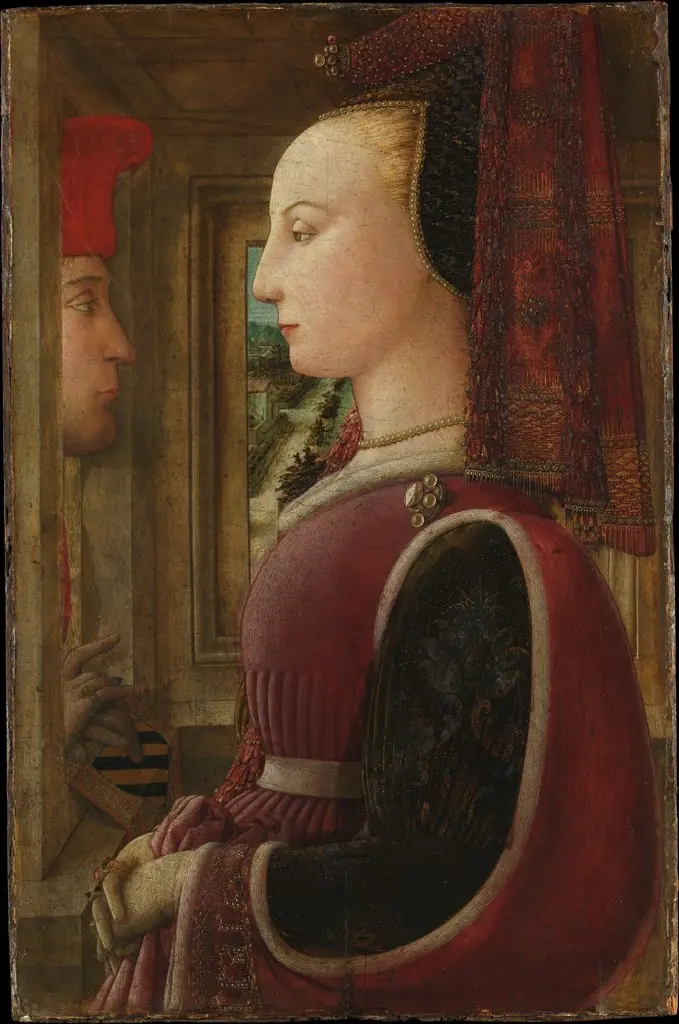 Portrait of a Woman with a Man at a Casement
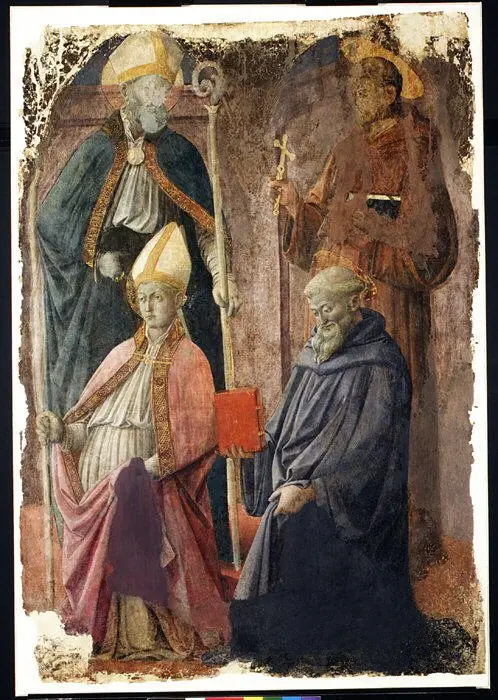 Saints Augustine and Francis, a Bishop Saint, and Saint Benedict
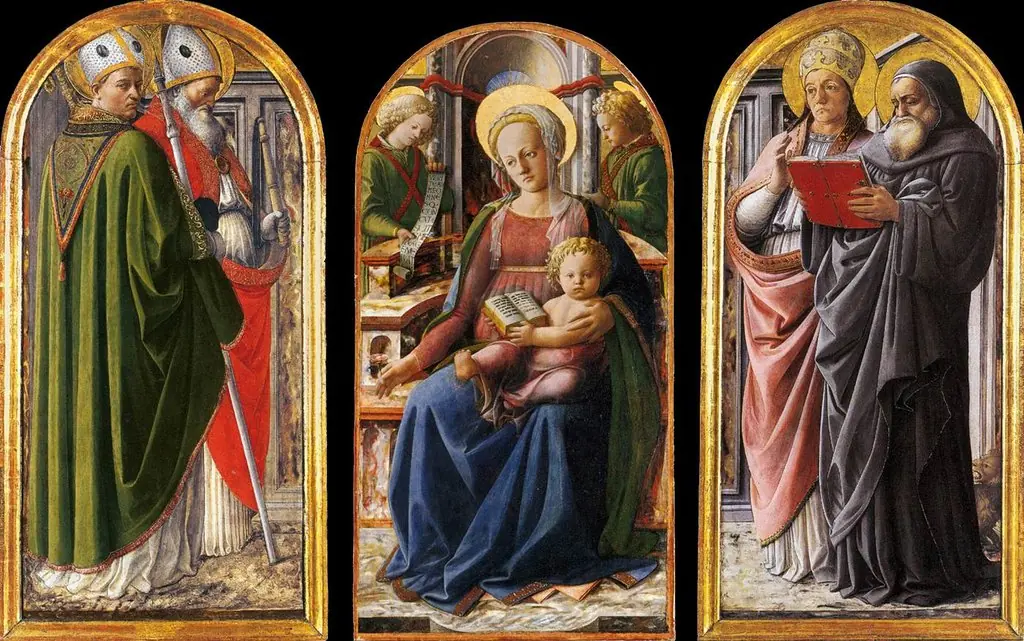 Madonna and Child with Angels and Saints
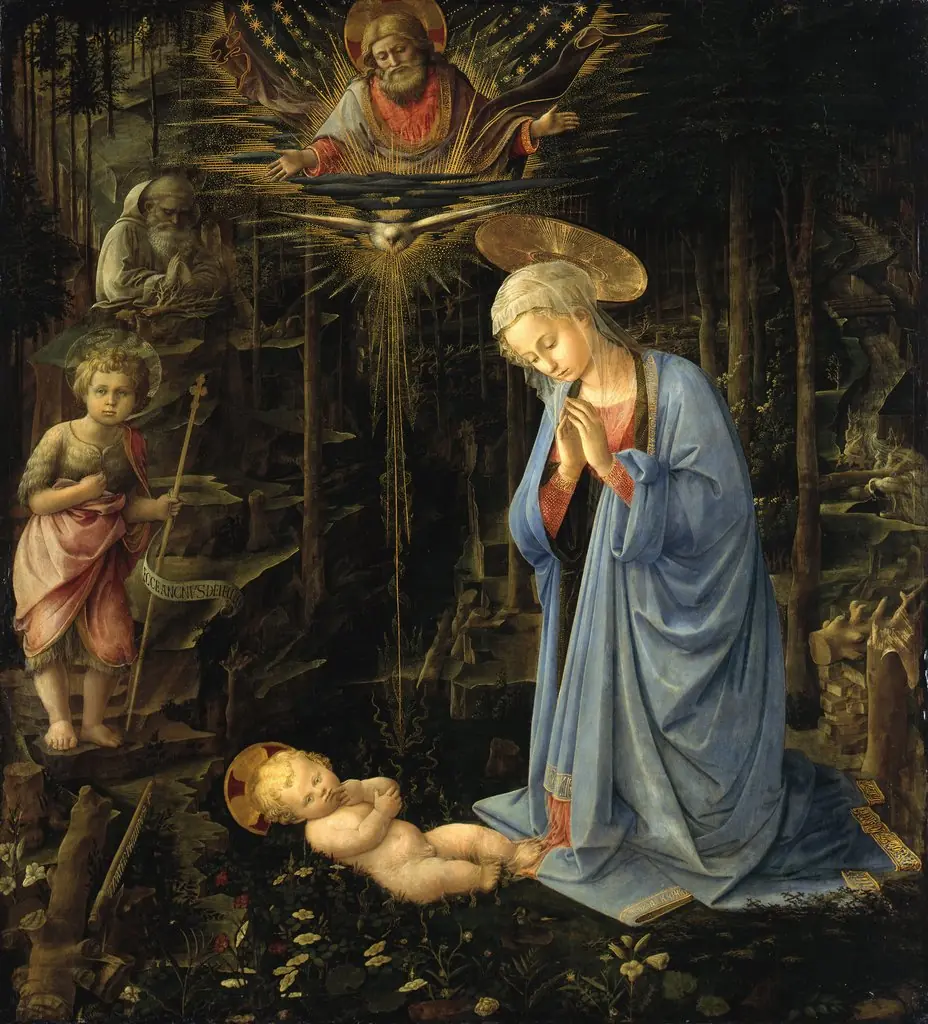 Adoration in the Forest
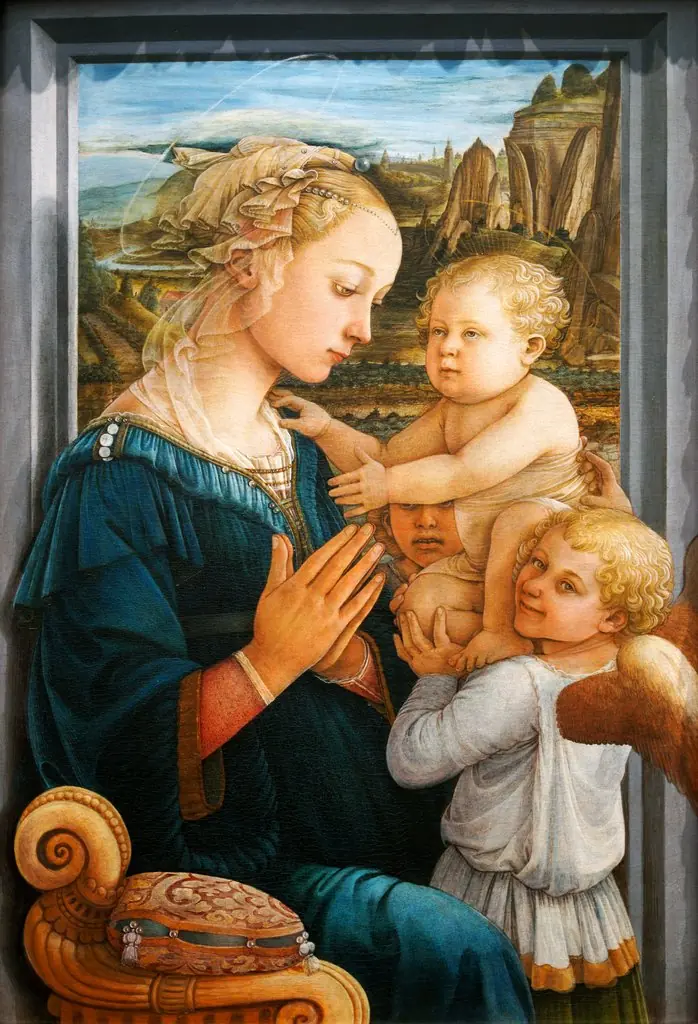 Madonna and Child
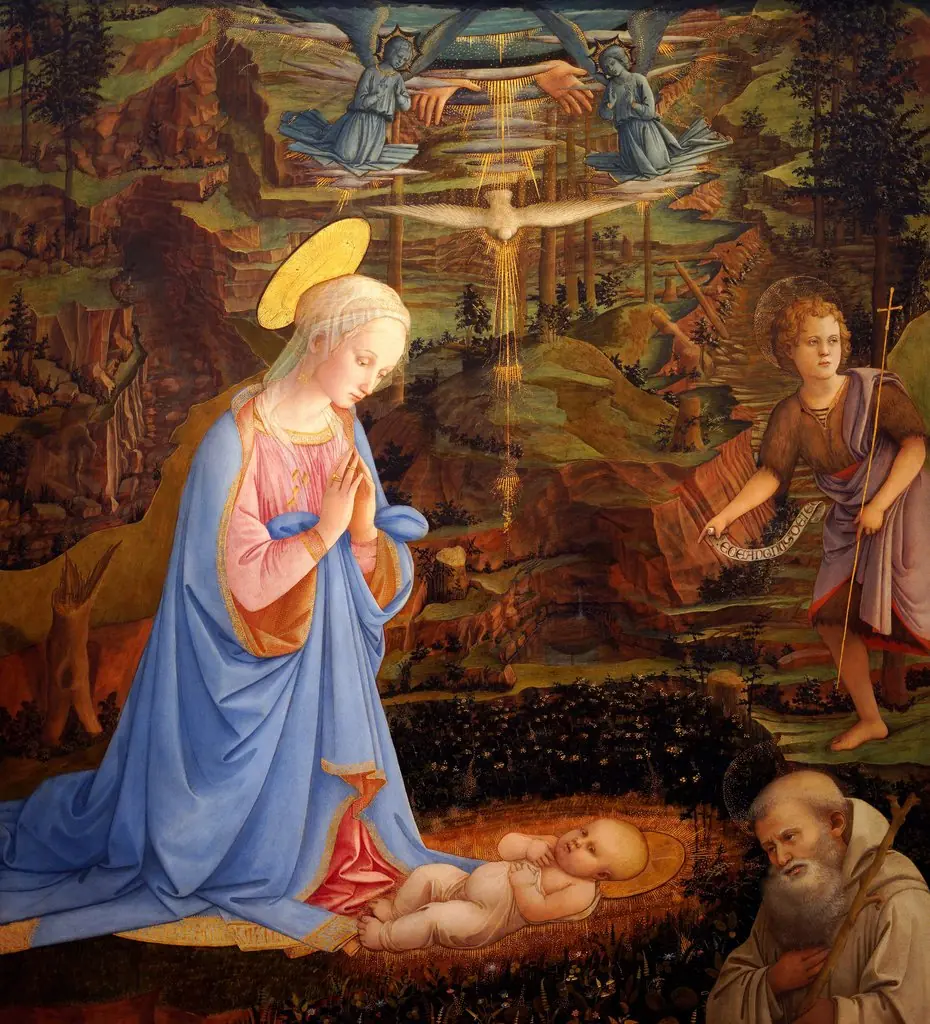 Adoration of Camaldoli