Artwork
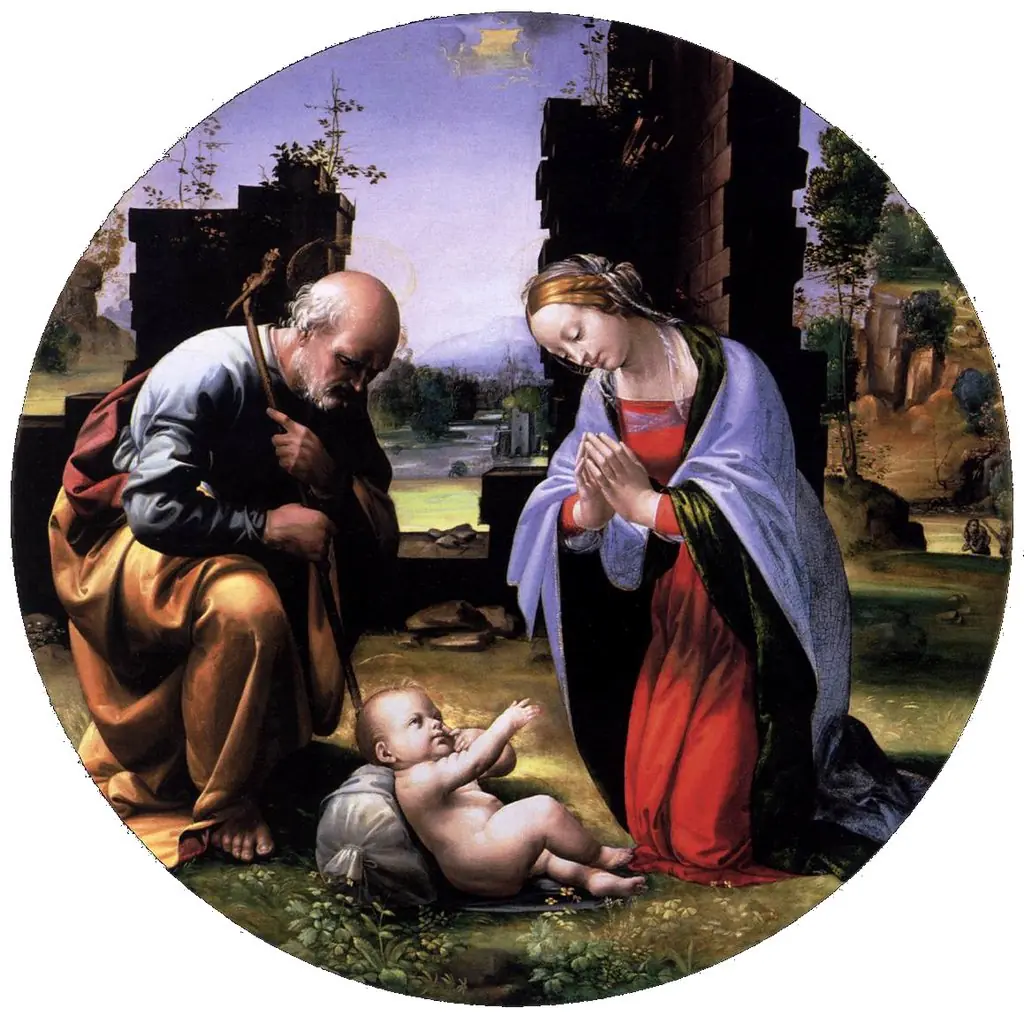
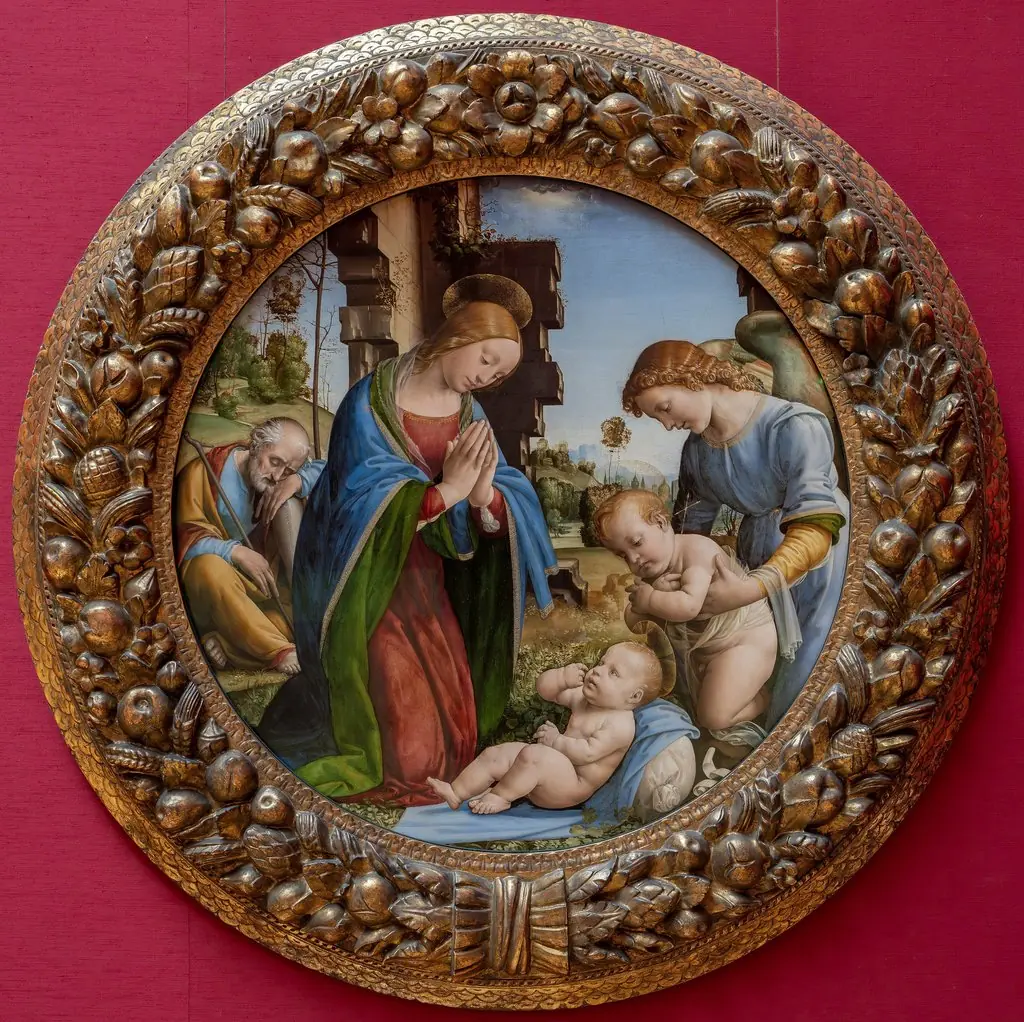
The Adoration of the Child
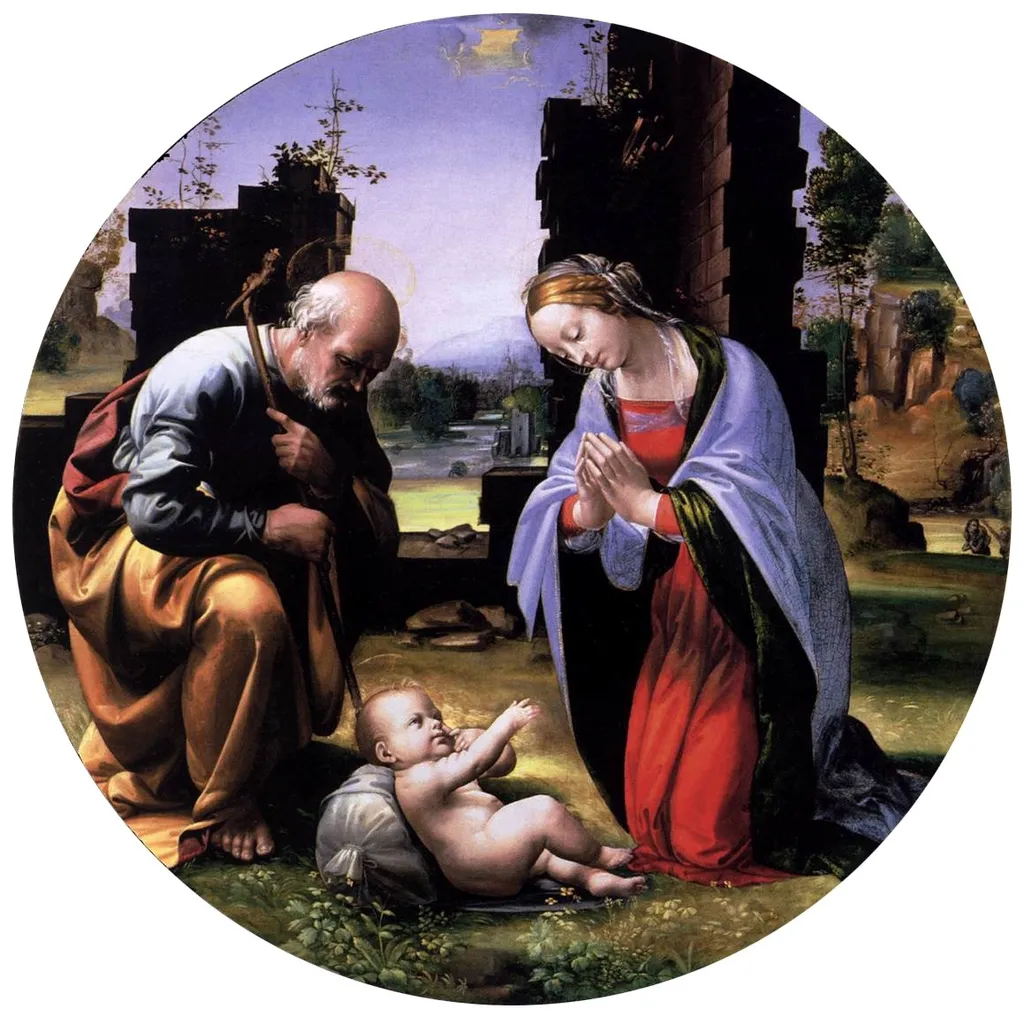
The Adoration of the Child is an oil painting by the High Renaissance artist Fra Bartolomeo. It dates from 1500 and is held in the collection of the Galleria Borghese.
About this work
Overview
Painted in 1500 by Fra Bartolomeo, this oil-on-panel work captures a quiet moment of reverence within the Holy Family. Created during the artist’s transition into Dominican monastic life, the piece reflects his commitment to spiritual themes. It is now part of the Galleria Borghese collection in Rome, where it remains a representative example of early High Renaissance devotional art.
Subject & Meaning
The scene portrays Mary kneeling in prayer before the infant Jesus, who lies on the earth, reaching toward her.
The scene portrays Mary kneeling in prayer before the infant Jesus, who lies on the earth, reaching toward her. Joseph stands nearby, observing with quiet solemnity. The composition emphasizes humility and contemplation, with no grandeur or spectacle. The child’s gesture suggests a tender connection, while the absence of angels or celestial elements grounds the moment in earthly devotion, reinforcing a personal, intimate spirituality.
Technique & Style
Fra Bartolomeo employed oil paint to achieve subtle gradations of light and soft transitions between forms. The figures are rendered with gentle modeling, their contours blending into a calm, atmospheric landscape. The use of chiaroscuro enhances volume without dramatic contrast, contributing to a serene mood. The natural setting—trees, hills, and water—is rendered with restrained detail, harmonizing with the figures rather than competing for attention.
History & Provenance
The painting was completed in the same year Fra Bartolomeo entered the Dominican Order, marking a turning point in his life and artistic focus. Though he had trained under Cosimo Rosselli, his later works became more meditative and less influenced by secular trends. It entered the Borghese collection in the early 17th century, likely acquired during the family’s active patronage of religious art.
Context
Created during the High Renaissance, the work aligns with the period’s emphasis on harmony, balance, and emotional restraint. Unlike Florentine contemporaries who favored dynamic compositions, Fra Bartolomeo favored stillness and introspection, influenced by Dominican spirituality and the teachings of Savonarola. This painting reflects a broader trend among religious artists to prioritize inner piety over theatrical display.
Legacy
Though less widely known than some of his peers, Fra Bartolomeo’s devotional paintings like this one influenced later monastic artists seeking quiet sincerity over spectacle. The work exemplifies how Renaissance techniques could serve contemplative ends, bridging the humanist ideals of the era with the ascetic values of religious life. Its preservation in the Borghese collection ensures continued study of early 16th-century spiritual expression in art.
Artist & collection
Artist
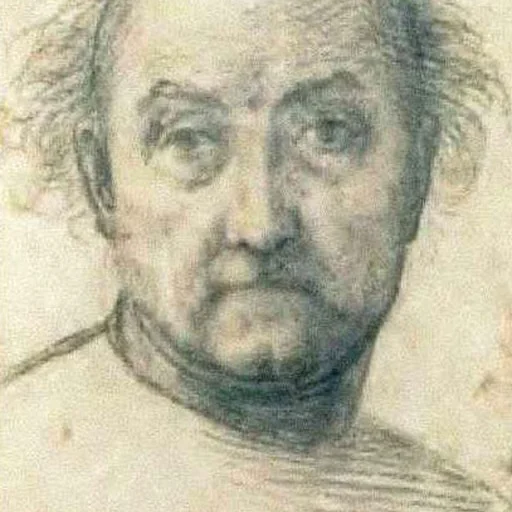
Fra Bartolomeo or Bartolommeo (UK: , US: , Italian: ; 28 March 1472 – 31 October 1517), also known as Bartolommeo di Pagholo, Bartolommeo di San Marco, Bartolomeo di Paolo di Jacopo del Fattorino, and his original…

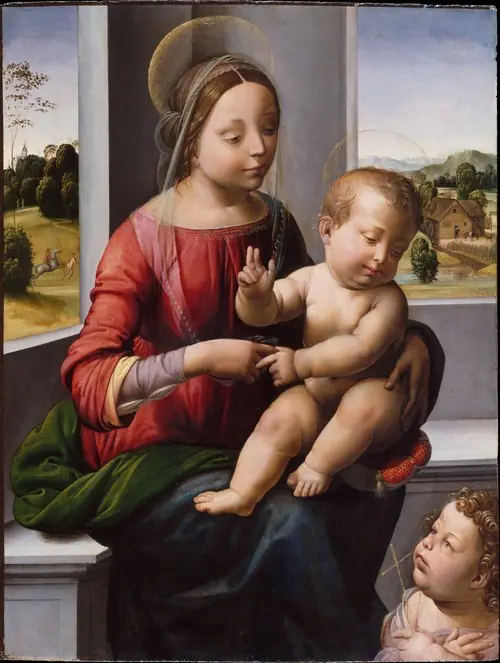 Madonna and Child with the Young Saint John the Baptist
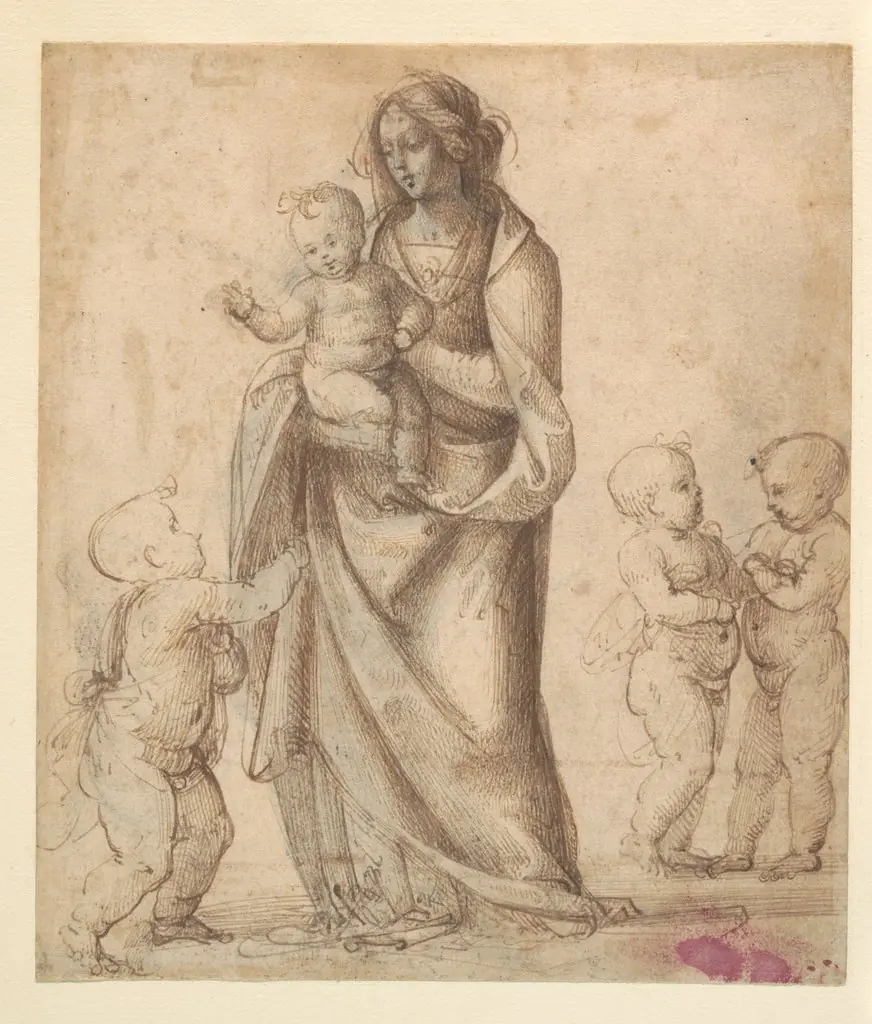 Madonna and Child with the Infant Saint John the Baptist and Two Putti (recto); Madonna and Child with the Infant Saint John the Baptist and a Putto (verso)
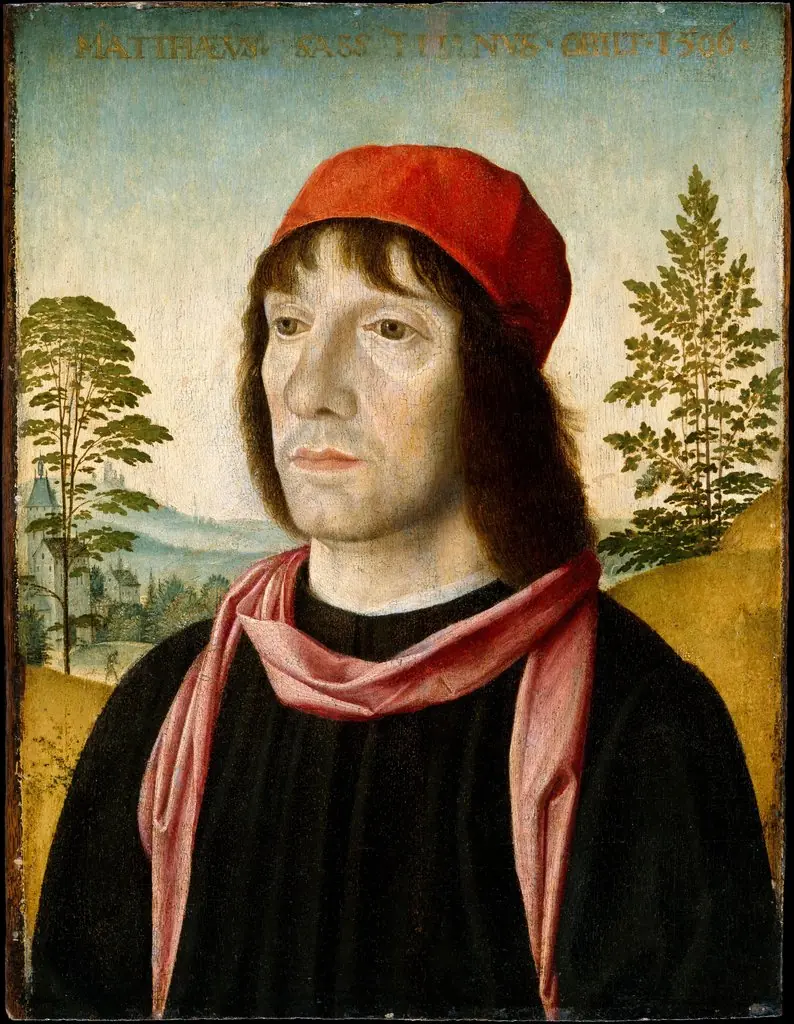 Portrait of a Man
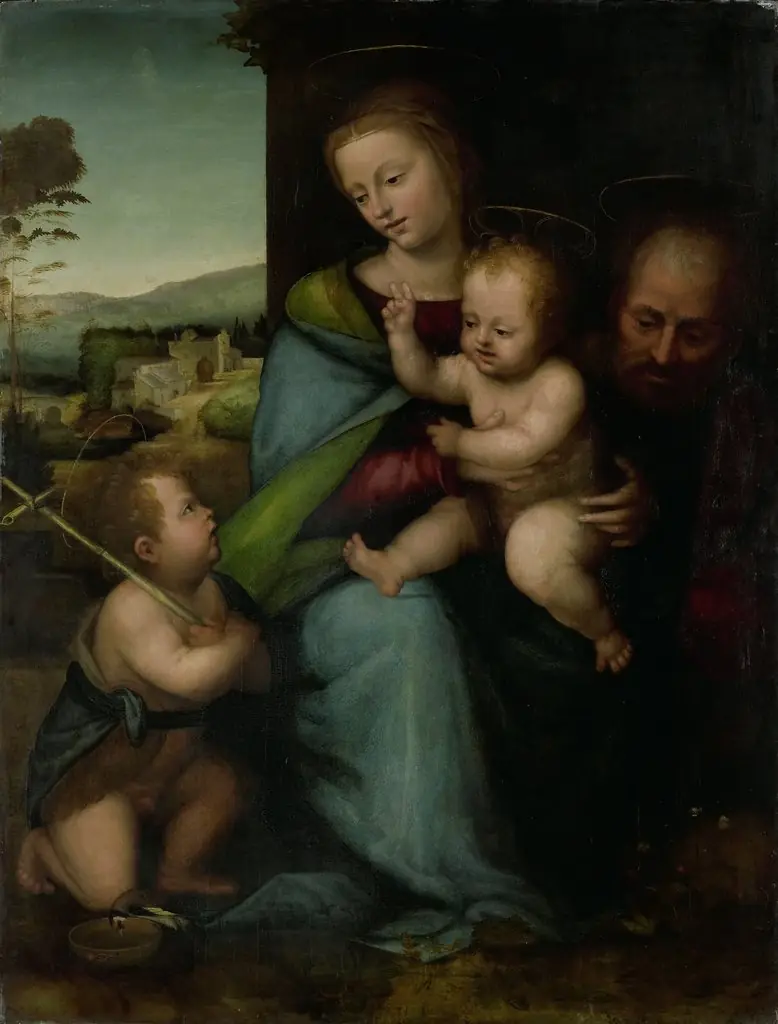 The Holy Family with the Infant John the Baptist
 Presentation of Christ in the Temple
 Adoration of the Child - Holy Family with child St. John
 Madonna and Child
 Madonna and Child with Four Angels