Artwork
The Vision of Saint Bernard
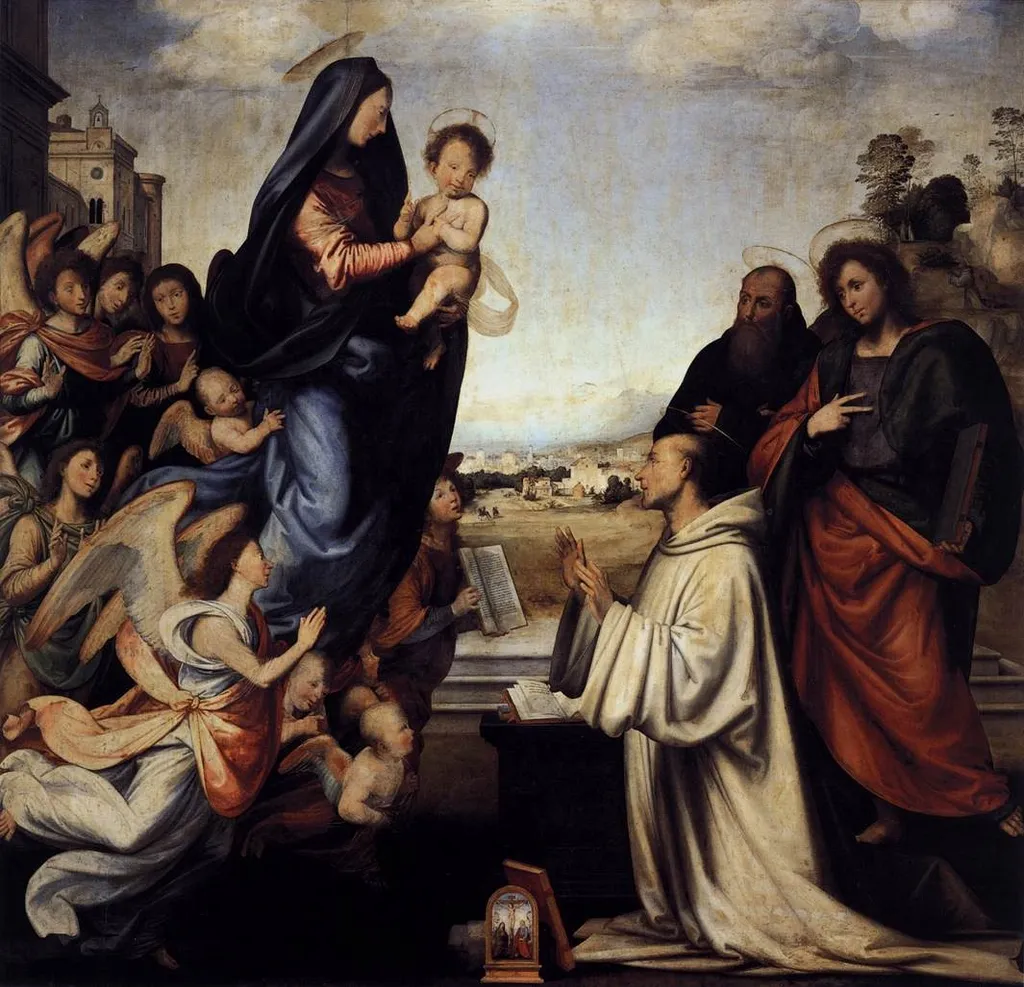
The Vision of Saint Bernard is an oil painting by the High Renaissance artist Fra Bartolomeo. It dates from 1504 and is held in the collection of the Uffizi Gallery.
About this work
This painting shows Saint Bernard deep in prayer. Fra Bartolomeo painted it with oil on wood around 1504–1507. It hangs today in Florence’s Uffizi Gallery.
Bernard’s vision likely includes the Virgin Mary appearing to him. John the Evangelist often appears in scenes like this too. The artist worked in Florence, a hotspot for religious art at the time.
Check out Fra Bartolomeo next.
Overview
The piece reflects the artist’s engagement with religious themes during a period of intense spiritual and artistic activity in the city.
Painted between 1504 and 1507, The Vision of Saint Bernard is an oil-on-panel work by the Florentine monk-painter Fra Bartolomeo. It depicts a mystical encounter central to Christian devotion and remains in the Uffizi Gallery in Florence, where it has been held since the early modern period. The piece reflects the artist’s engagement with religious themes during a period of intense spiritual and artistic activity in the city.
Subject & Meaning
The painting illustrates Saint Bernard of Clairvaux in prayer, reportedly visited by the Virgin Mary and the infant Christ, with John the Evangelist present as a witness. This vision, drawn from medieval hagiography, symbolizes divine favor and the saint’s role as an intercessor. The composition emphasizes contemplation and spiritual revelation, aligning with the devotional practices of the time.
Technique & Style
Fra Bartolomeo employed oil paint on a wooden panel, a technique gaining traction in Florence as artists absorbed Northern European methods. His figures are rendered with calm clarity, balanced proportions, and restrained gestures, reflecting his training under the influence of Savonarola and the High Renaissance emphasis on harmony and serenity over dramatic motion.
History & Provenance
Commissioned for a religious context, likely a monastery or chapel, the painting entered the Medici collections by the late 16th century and was later transferred to the Uffizi. Its continuous presence in Florence’s institutional holdings underscores its recognized importance within the city’s artistic heritage, though its early patrons remain undocumented.
Context
Created during a period when Florence was a center for religious reform and artistic innovation, the work reflects the convergence of Dominican spirituality and Renaissance naturalism. Fra Bartolomeo, a former Dominican friar, infused his paintings with quiet piety, responding to both ecclesiastical demands and the evolving visual language of his peers.
Legacy
Though less widely known than contemporaries like Raphael, Fra Bartolomeo’s work influenced later Florentine painters through its emphasis on spiritual stillness and compositional balance. The Vision of Saint Bernard stands as a testament to the quiet intensity of devotional art in early 16th-century Italy, bridging monastic tradition and Renaissance aesthetics.
Artist & collection
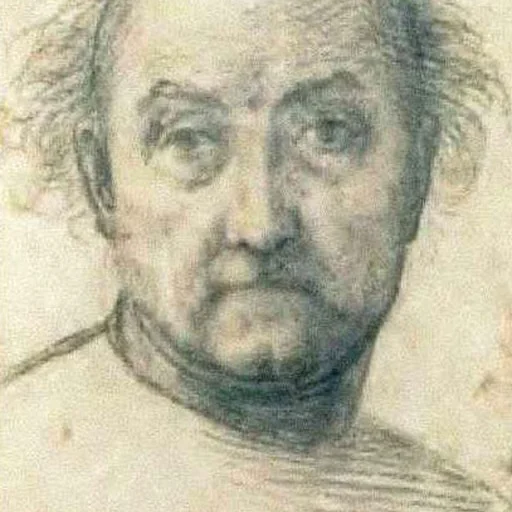
Artist
Fra Bartolomeo or Bartolommeo (UK: , US: , Italian: ; 28 March 1472 – 31 October 1517), also known as Bartolommeo di Pagholo, Bartolommeo di San Marco, Bartolomeo di Paolo di Jacopo del Fattorino, and his original…

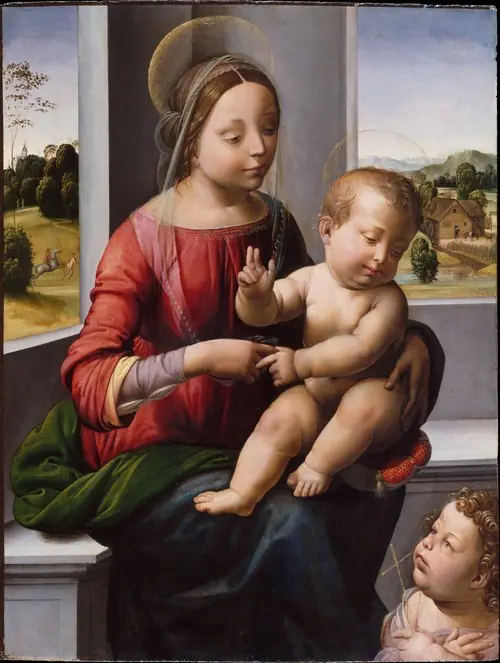 Madonna and Child with the Young Saint John the Baptist
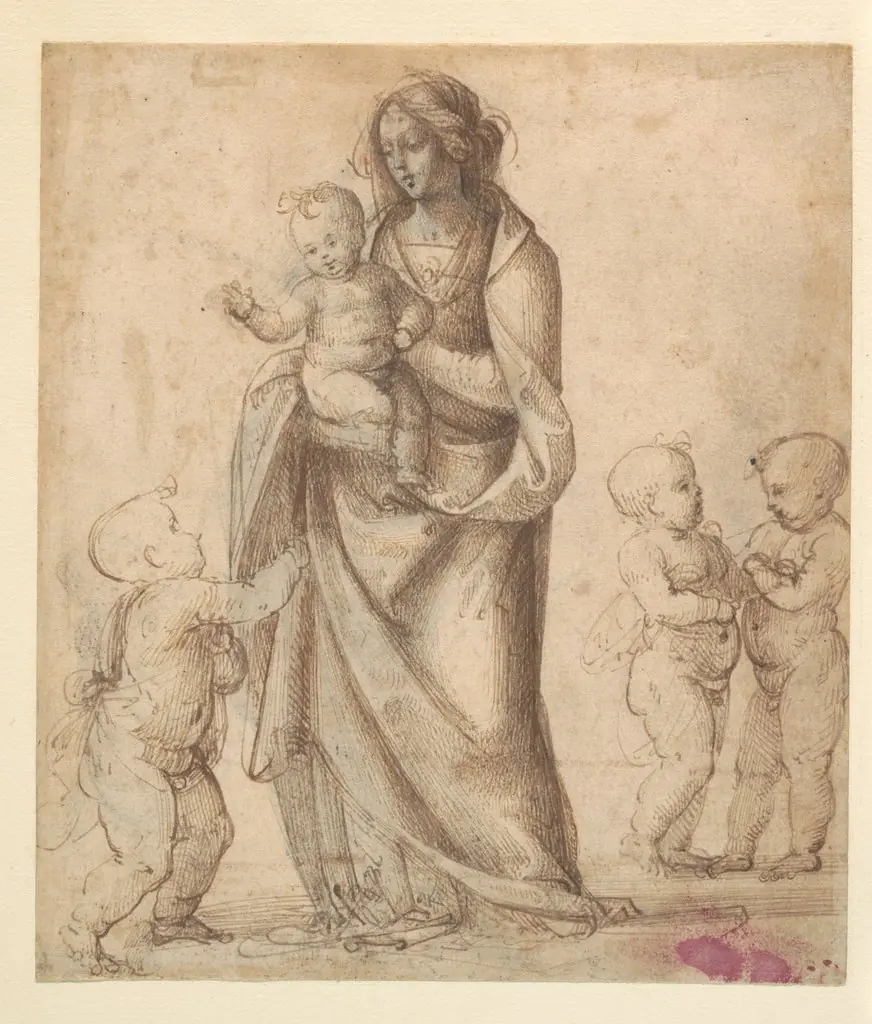 Madonna and Child with the Infant Saint John the Baptist and Two Putti (recto); Madonna and Child with the Infant Saint John the Baptist and a Putto (verso)
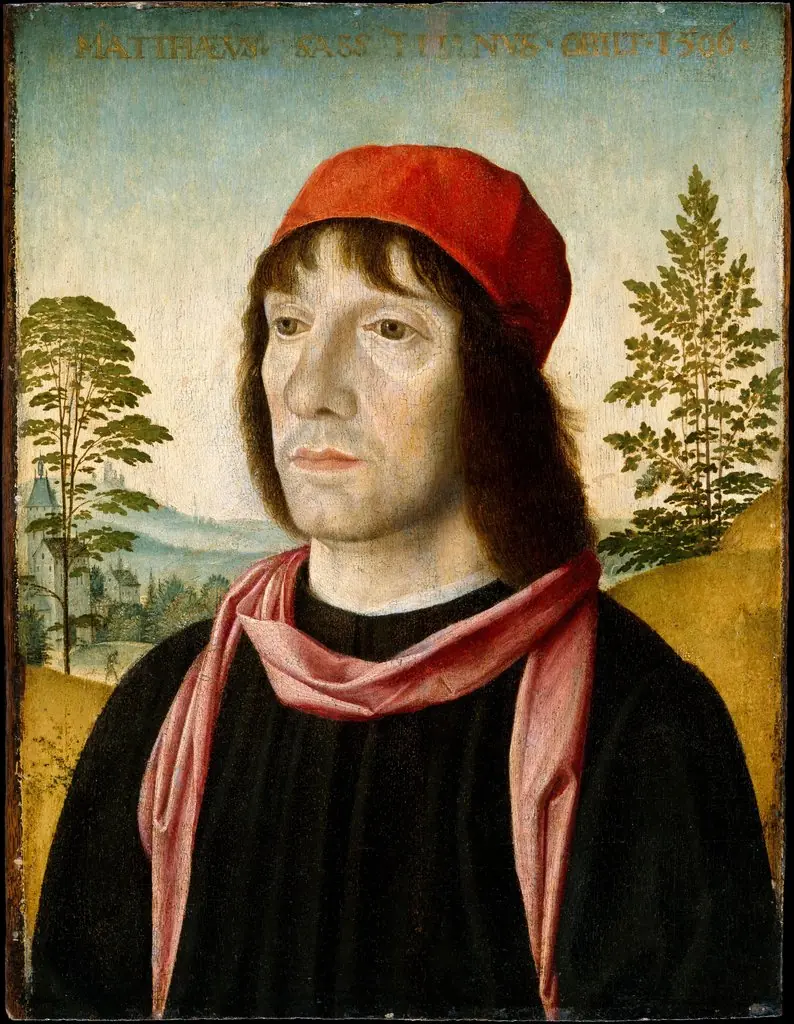 Portrait of a Man
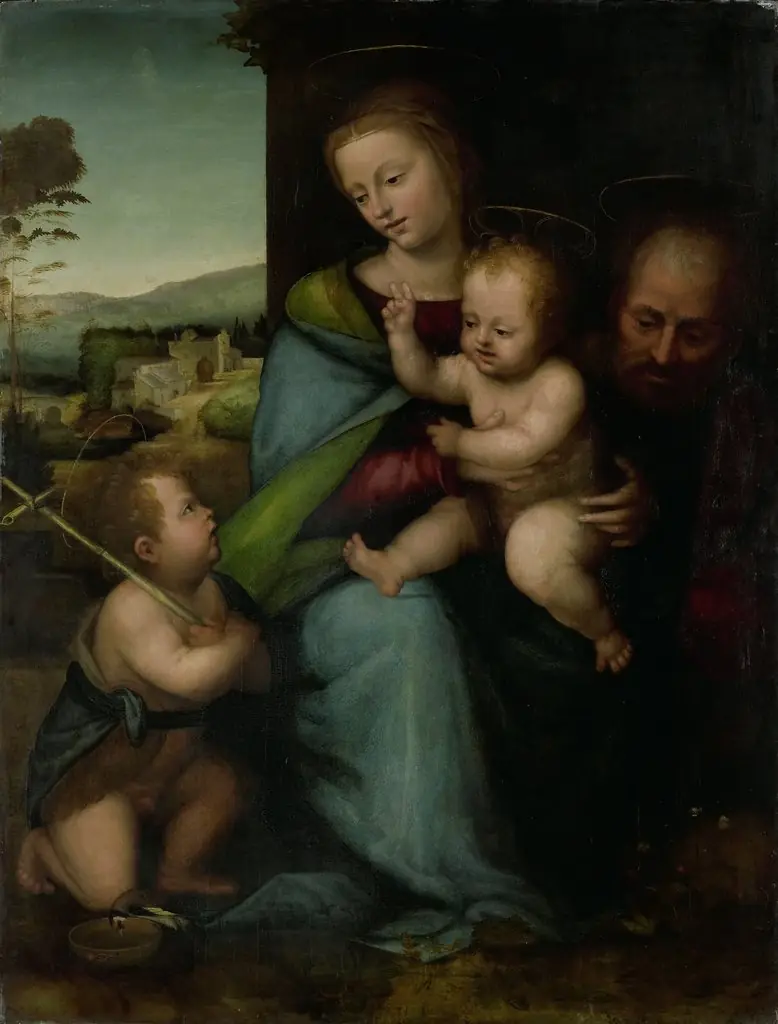 The Holy Family with the Infant John the Baptist
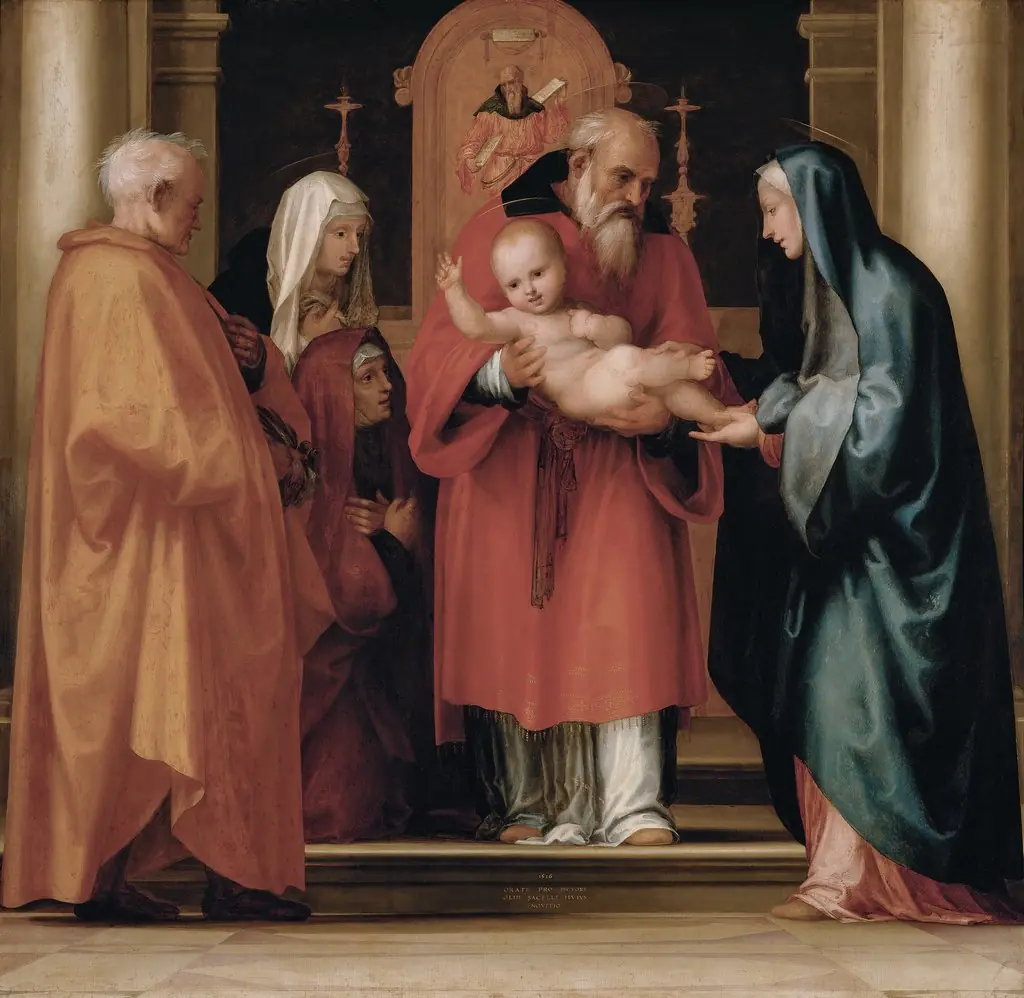 Presentation of Christ in the Temple
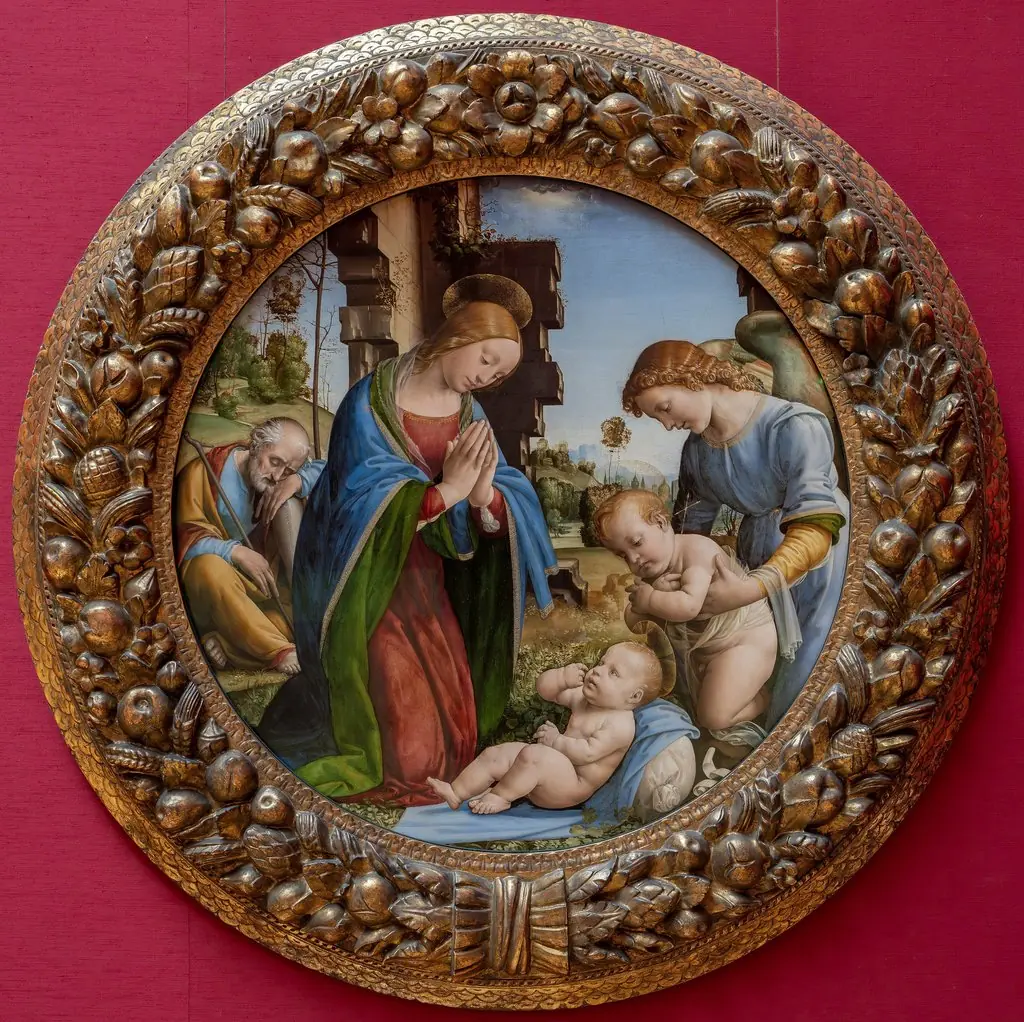 Adoration of the Child - Holy Family with child St. John
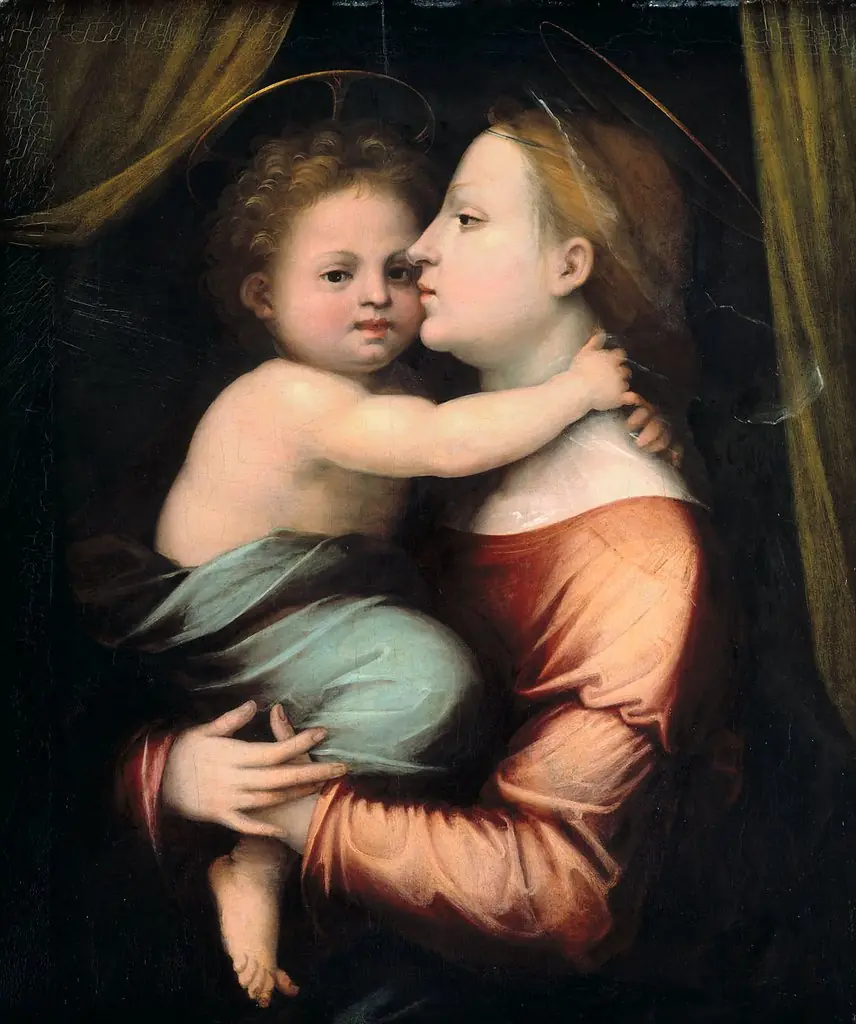 Madonna and Child
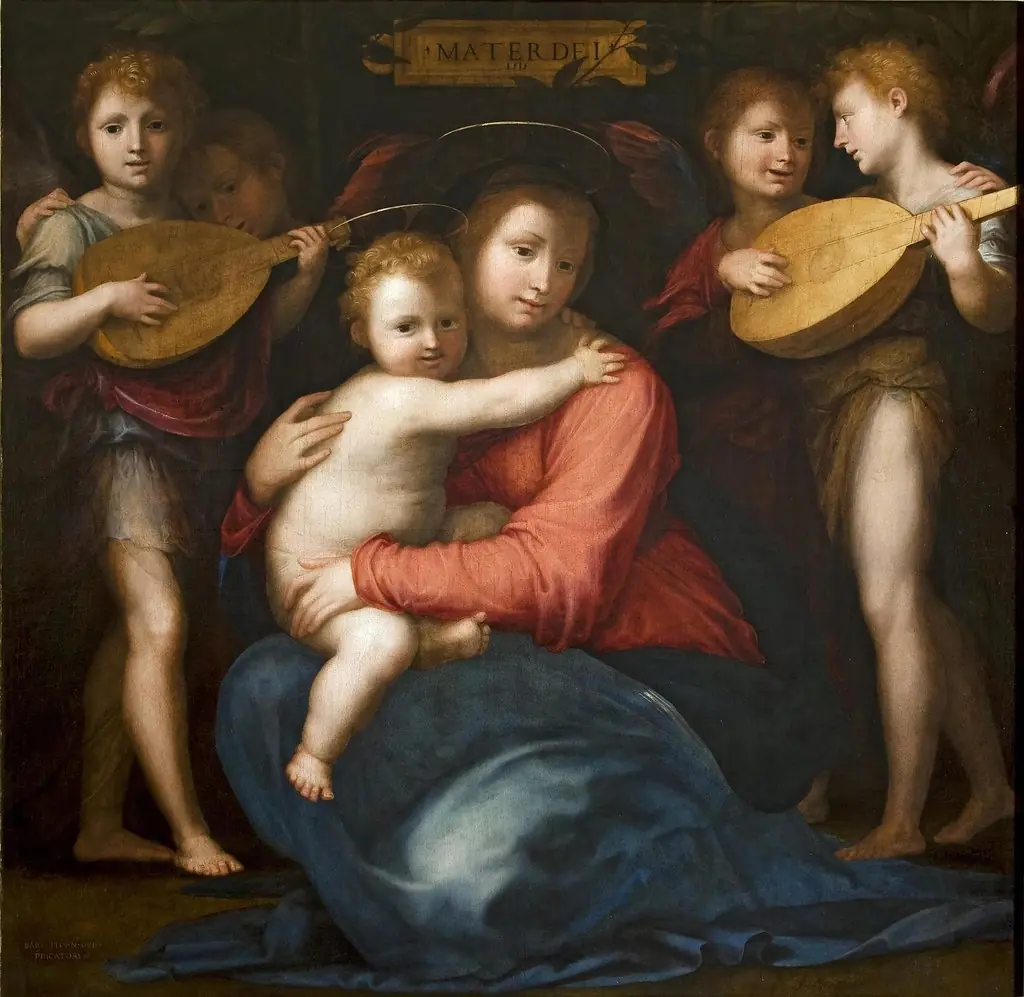 Madonna and Child with Four Angels
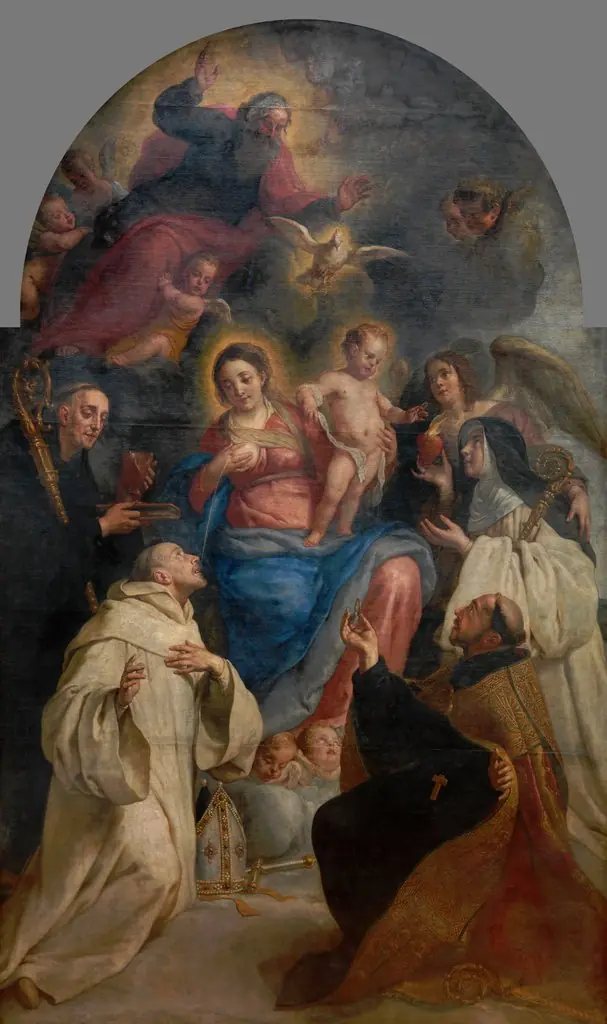 Lactatio of Saint Bernard of Clairvaux
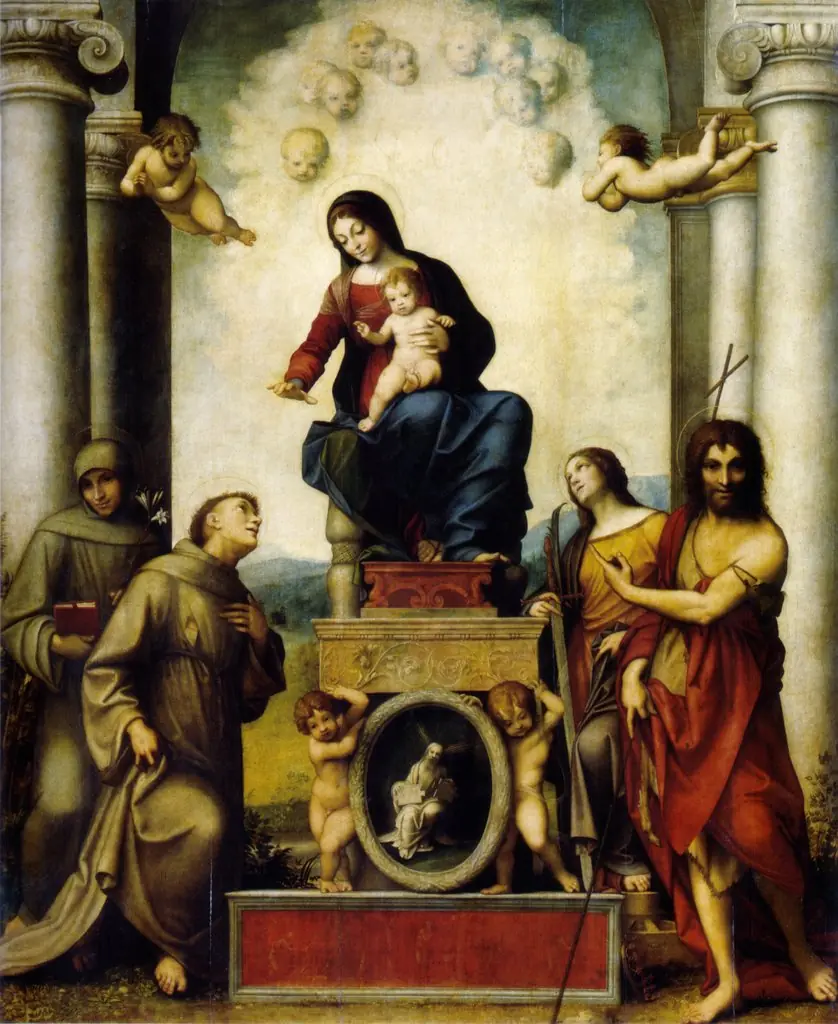 Madonna with St. Francis
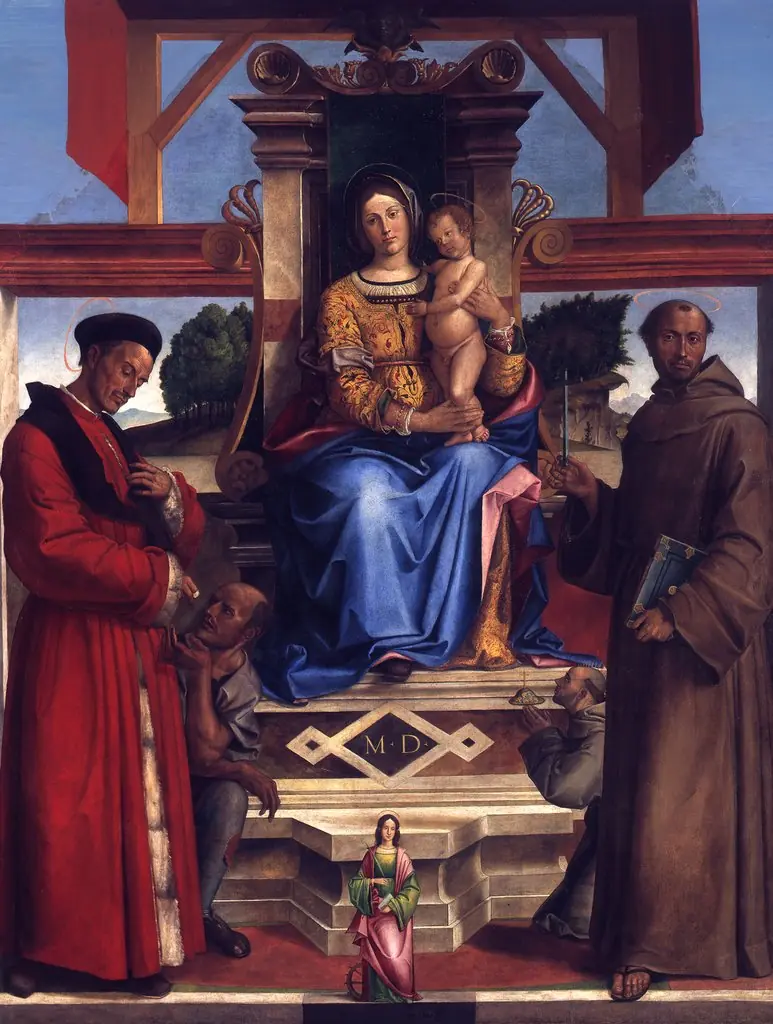 The Virgin and Child Enthroned and St. Homobonus, Francis of Assisi, Catherine of Alexandria and the Donor Bernadino da Feltre (Death 1494)
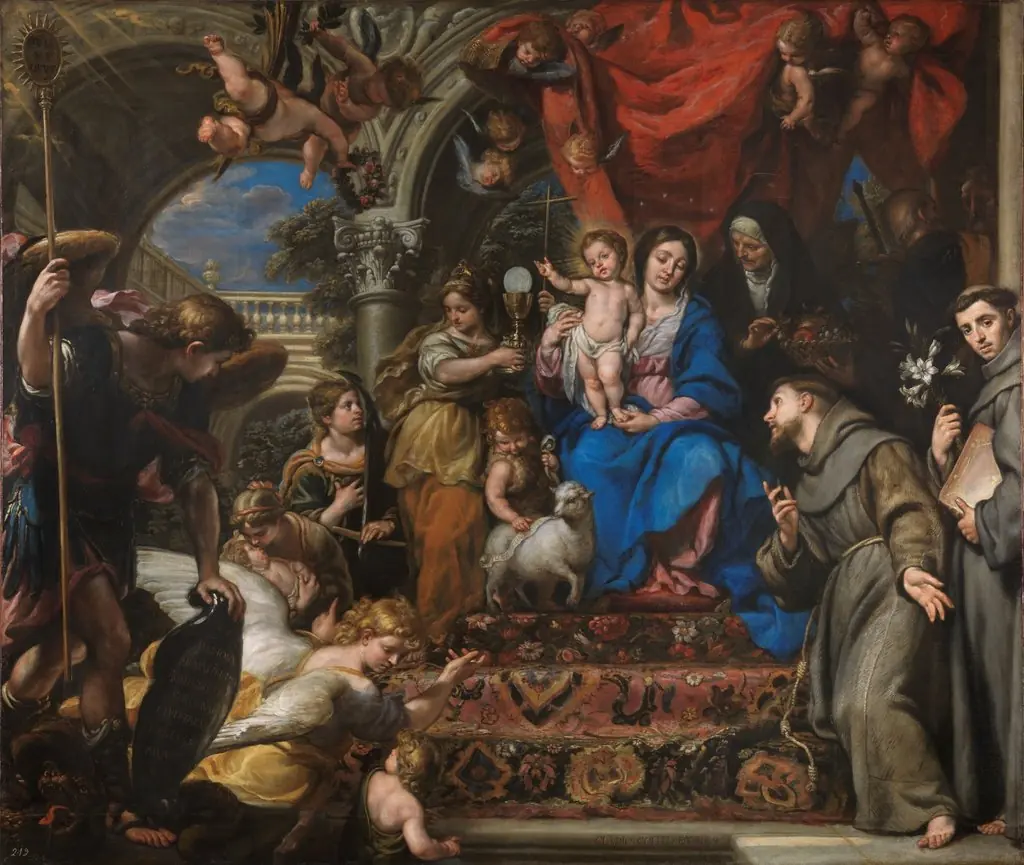 The Virgin and Child between the Theological Virtues and Saints
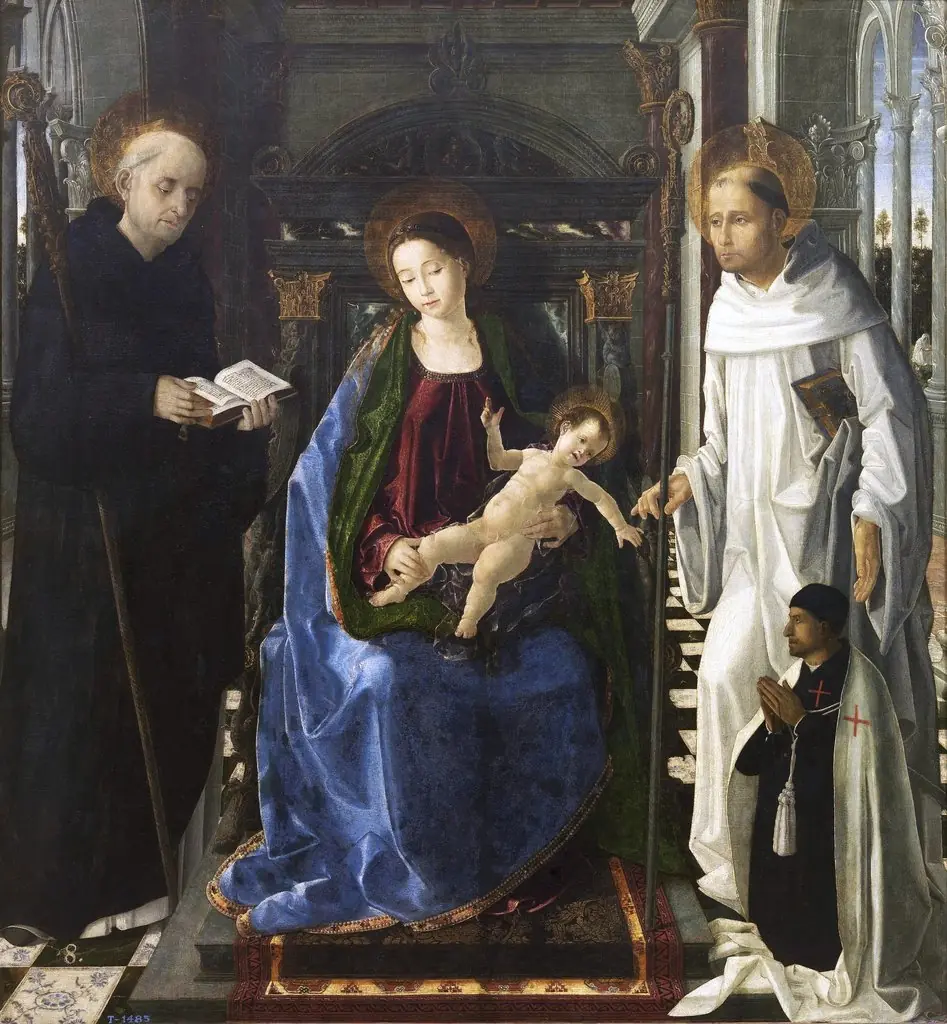 The Virgin of the Knight of Montesa
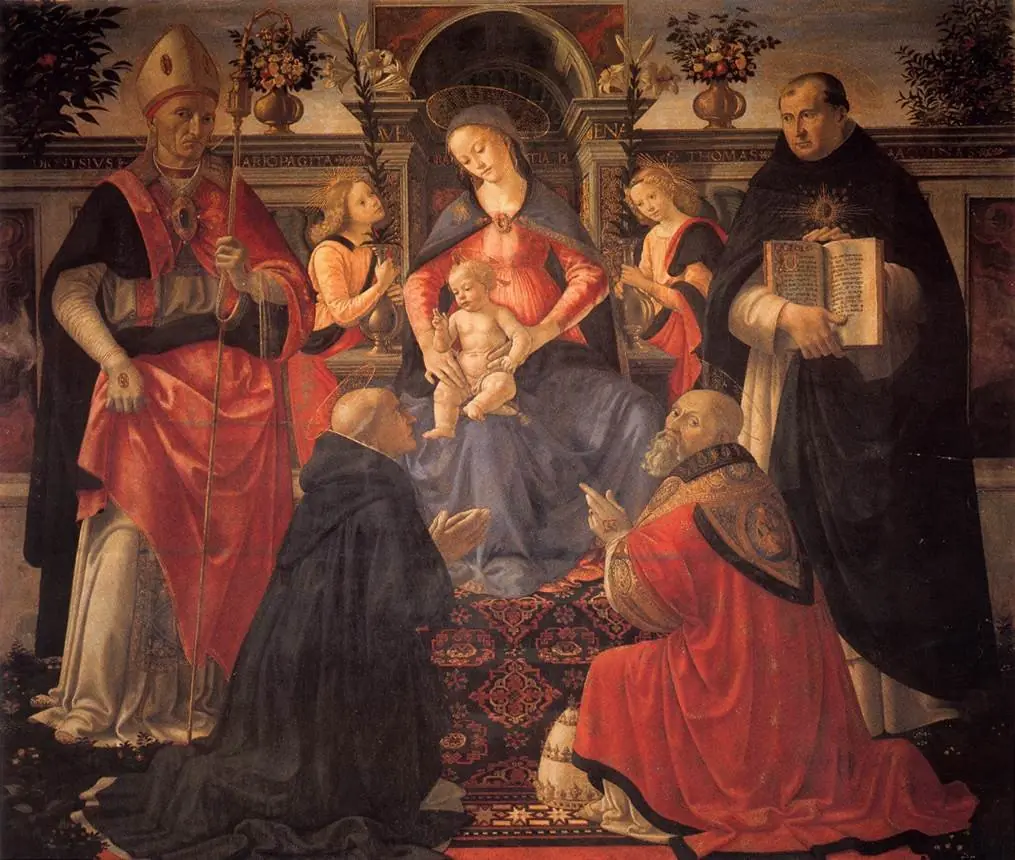 Madonna and Child Enthroned between Angels and Saints
 Madonna and Child with Saints Francis and Dominic and Angels
 Madonna with the Christ Child and Saint Bruno