Artwork
Young Girl and Eros
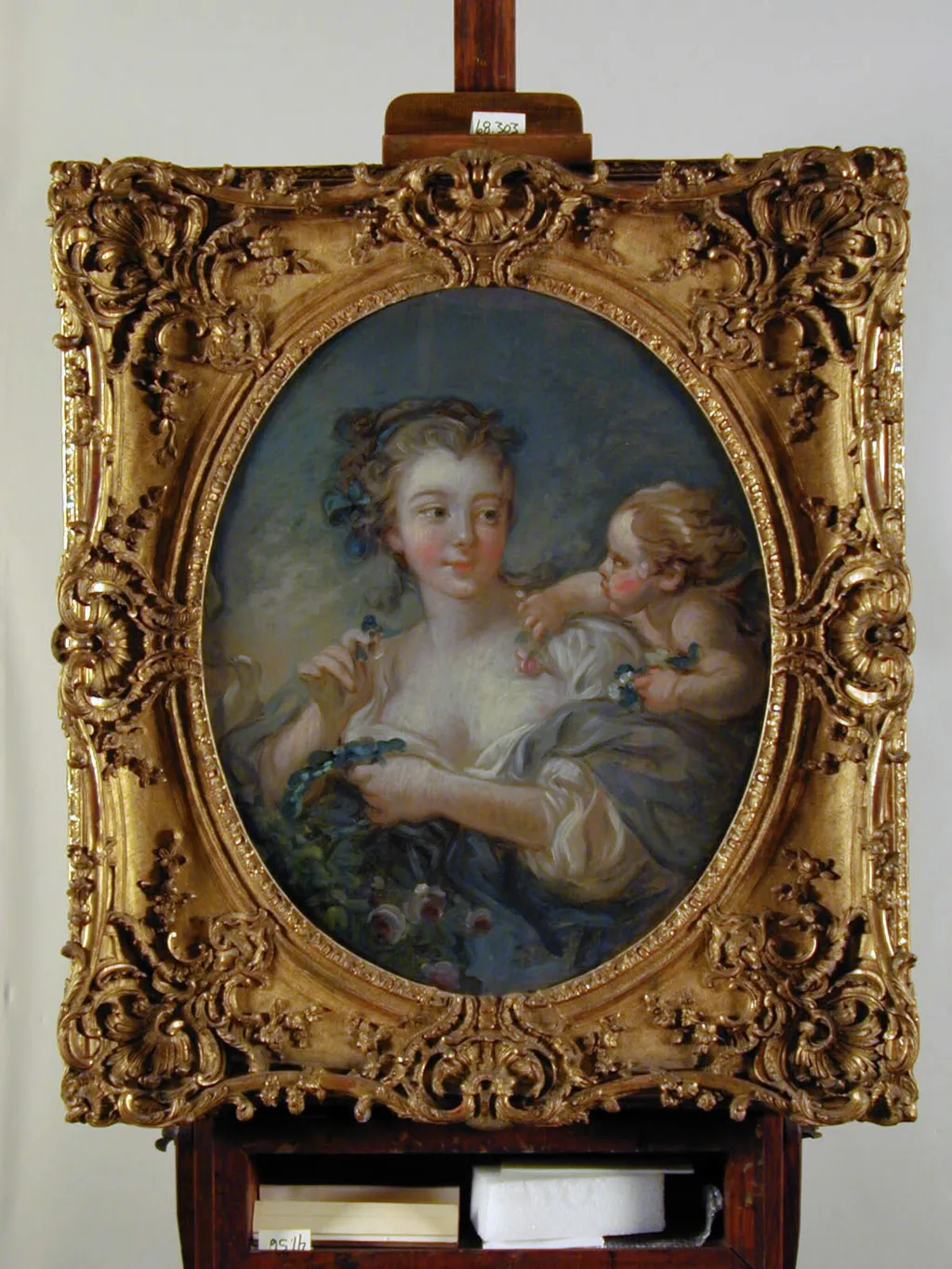
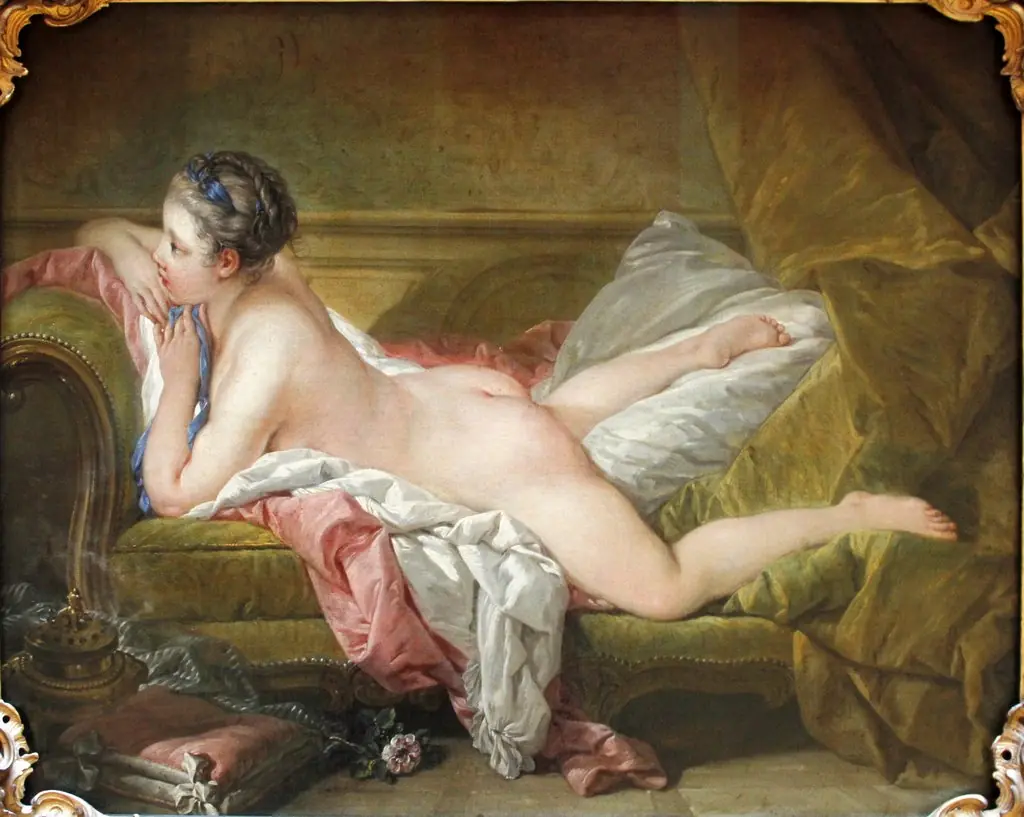
Young Girl and Eros is an oil painting by the Rococo painting artist François Boucher. It dates from 1750 and is held in the collection of the Detroit Institute of Arts.
About this work
Overview
Painted around 1750 by François Boucher, this oil on canvas depicts a young girl and a small child, likely representing a mythological pairing. The work is part of the collection at the Detroit Institute of Arts. Its quiet composition and soft palette reflect the Rococo aesthetic favored in mid-18th-century French art, emphasizing tenderness over drama.
Subject & Meaning
The girl, holding a flower, and the child, gazing upward, are interpreted as a humanized representation of a classical mythological duo—possibly a nymph and Eros. The absence of overt symbolism suggests a poetic, rather than doctrinal, engagement with antiquity. The scene evokes innocence and quiet connection, aligning with contemporary tastes for idealized, gentle narratives.
Technique & Style
Boucher employs delicate brushwork and layered glazes to render the figures’ skin and fabric with a luminous softness. The white garments catch subtle shifts in light, while the muted background recedes gently, focusing attention on the interaction between the two figures. The style is characteristic of Rococo elegance, prioritizing atmosphere and tactile delicacy over structural rigor.
History & Provenance
The painting entered the Detroit Institute of Arts’ collection in the 20th century, though its earlier ownership history remains undocumented. It was likely created for a private French patron, as Boucher frequently produced intimate mythological scenes for aristocratic collectors. No records of its exhibition prior to the 1900s have been confirmed.
Context
In mid-18th-century France, mythological subjects were often reimagined as tender, domestic scenes to suit elite sensibilities. Boucher, a favored painter of Madame de Pompadour, excelled in this mode, blending classical references with contemporary ideals of grace and sentiment. This work reflects a broader cultural shift toward emotional intimacy in art.
Legacy
Though not among Boucher’s most widely reproduced works, the painting exemplifies his skill in translating myth into quiet, human moments. It remains a representative example of Rococo’s poetic turn away from grand narratives toward personal, lyrical expression. Its preservation in a major American museum ensures continued scholarly and public engagement.
Artist & collection

Artist
François Boucher was a French painter, draughtsman and etcher, who worked in the Rococo style.

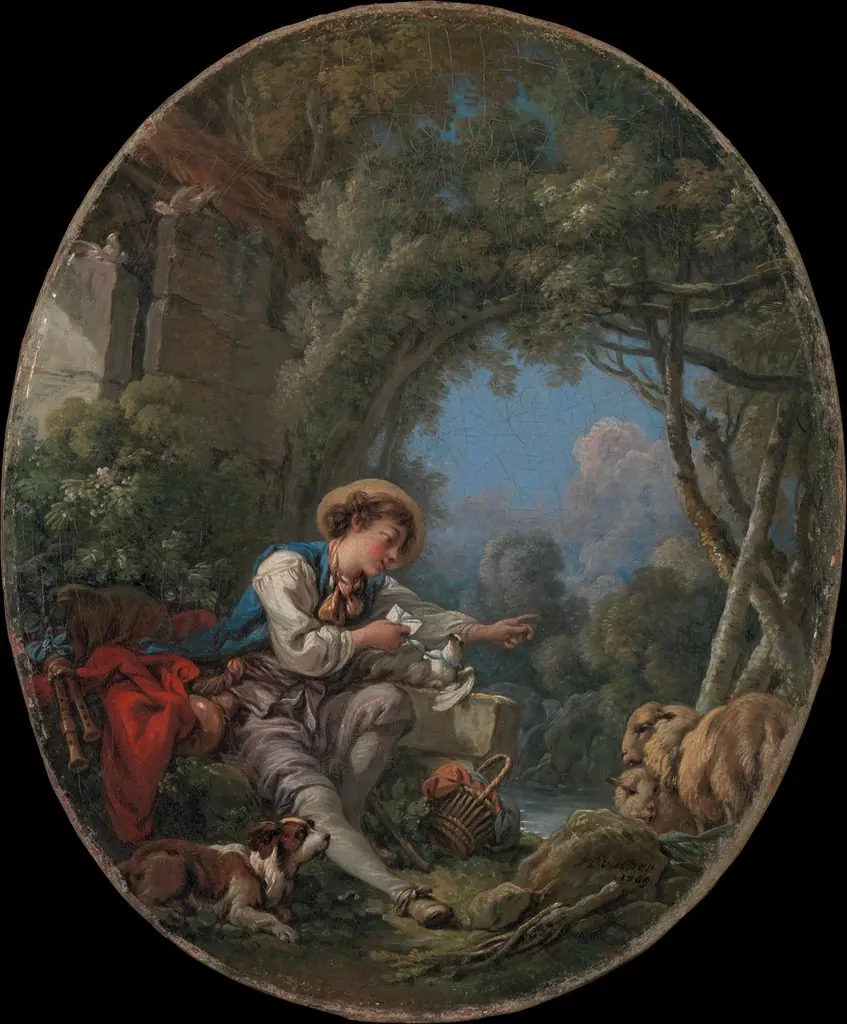
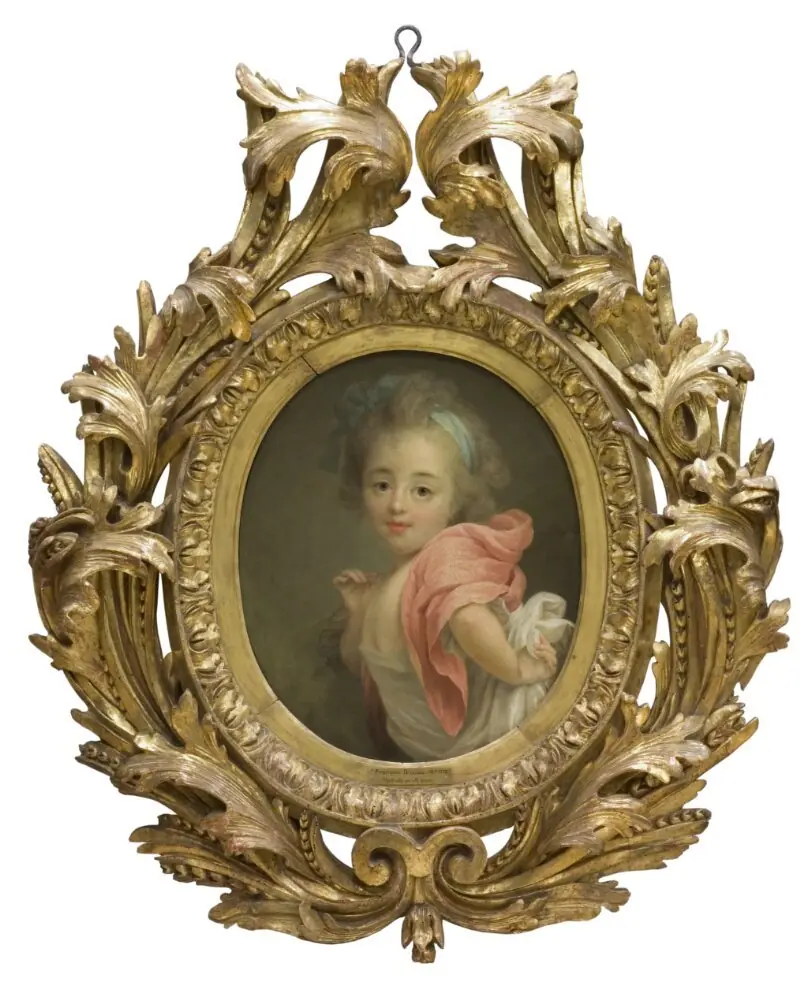 Portrait of a Child
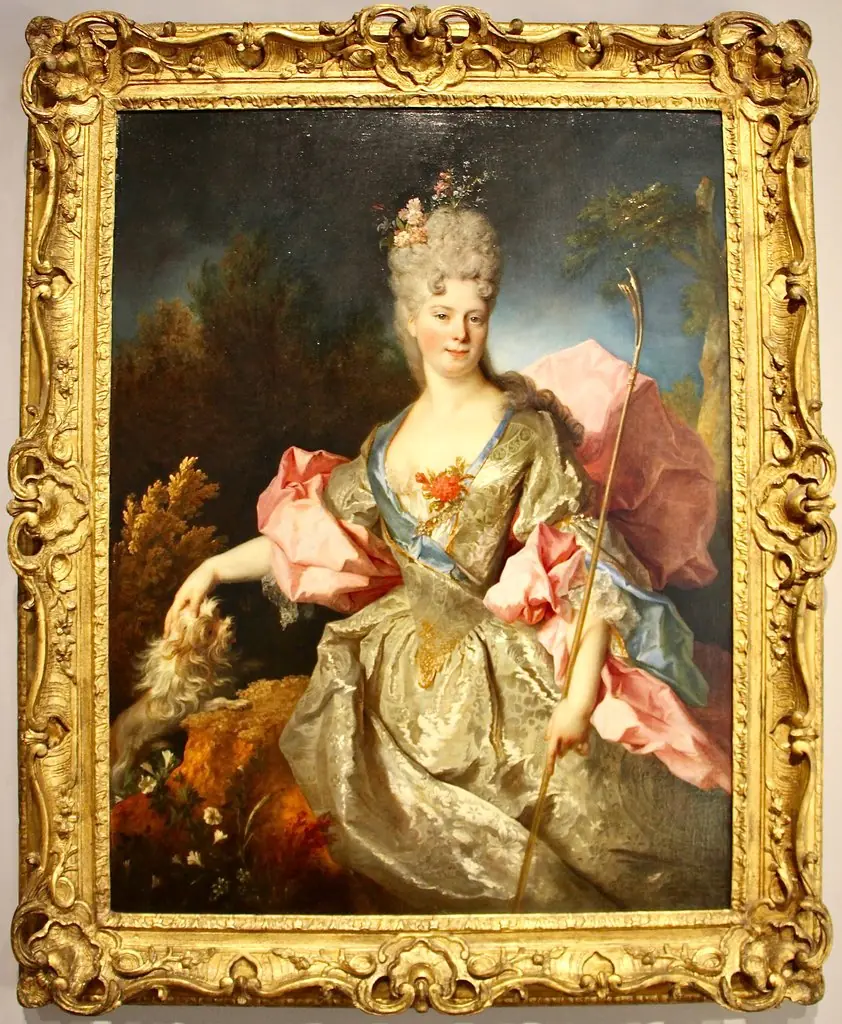 Portrait of a Woman as Astrea, Probably Mary Josephine Drummond, Condesa de Castelblanco
 Marie Antoinette, soția regelui Louis XVI al Franței și Navarrei (în registrul inventar: Portret de femeie)
 Allegorical Figure of a Woman with a Club (Fortitude?)
 The Shepherdess
 Elizabeth Lewis
 Adélaïde Roslin, née Abraham de Tours (b. 1773) and her Eldest Son Abraham (1794-1870)
 Johanna Charlotta, 1682-1750, prinsessa av Anhalt-Dessau
 Okänd flicka
 Mme Dugazon Babet'n roolissa
 Juno and Argus
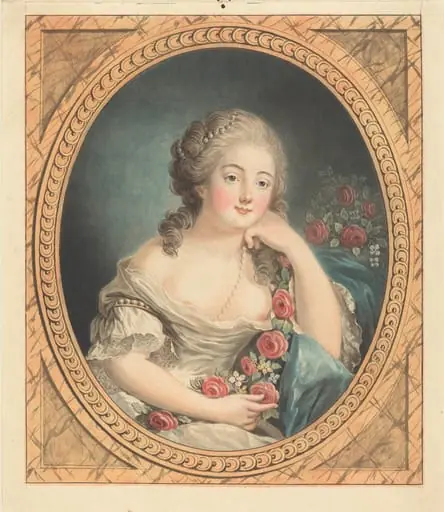 L'agreable neglige