Artwork
The Flight into Egypt
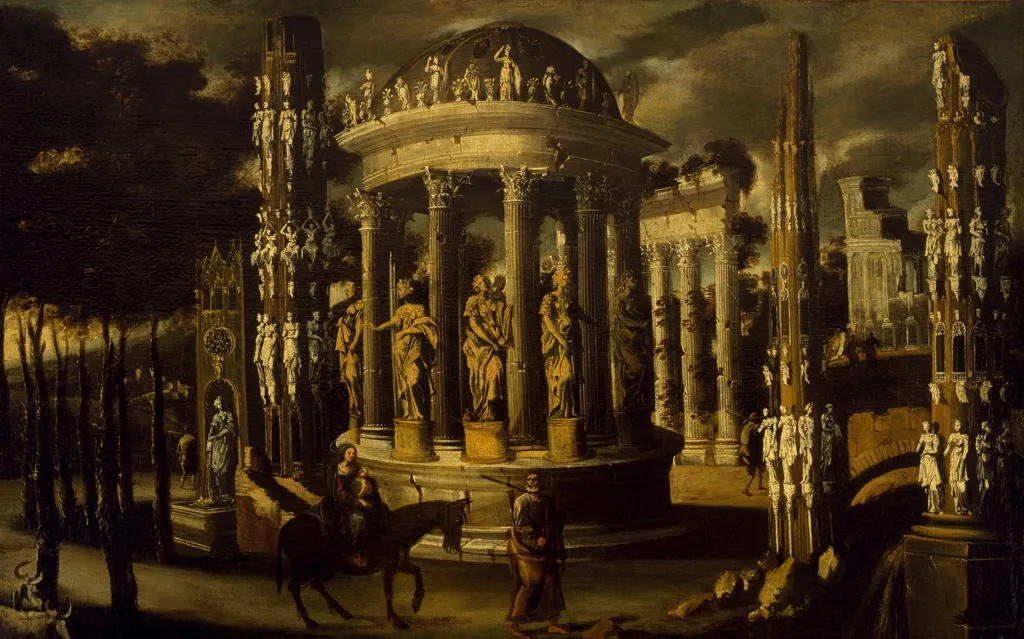
The Flight into Egypt is an oil painting by the Early Baroque Italian artist François de Nomé. It dates from 1625 and is held in the collection of the Museum of Fine Arts, Houston.
About this work
Overview
Painted in 1625 by François de Nomé, this oil-on-canvas work depicts the biblical episode of the Holy Family’s escape into Egypt.
Painted in 1625 by François de Nomé, this oil-on-canvas work depicts the biblical episode of the Holy Family’s escape into Egypt. Executed with meticulous detail and a somber palette, the painting conveys a moment of quiet urgency. It resides in the Museum of Fine Arts, Houston, where its atmospheric composition and architectural grandeur continue to draw attention for its emotional restraint and visual complexity.
Subject & Meaning
The scene illustrates the Virgin Mary, Joseph, and the infant Jesus fleeing persecution, guided by divine warning. Their small figures are dwarfed by a crumbling classical structure, symbolizing the decay of pagan antiquity in the face of the new Christian era. The tension in their posture and the looming shadows suggest imminent danger, reinforcing the narrative of vulnerability and divine protection amid chaos.
Technique & Style
De Nomé employs strong chiaroscuro to heighten the drama, with deep shadows swallowing parts of the landscape while selective light illuminates the figures and architectural fragments. The rendering of stone, fabric, and horseflesh is precise, reflecting a fascination with antiquity. The composition directs the viewer’s eye along the path of flight, using diagonal lines and layered depth to enhance the sense of movement through a desolate, monumental space.
History & Provenance
Created during de Nomé’s active period in southern Italy, the painting reflects his exposure to ruins and classical forms. It entered the Museum of Fine Arts, Houston’s collection in the 20th century, likely through a private acquisition. Little is documented about its early ownership, but its stylistic ties to Italianate Mannerism suggest it was produced for a collector interested in religious allegory and architectural fantasy.
Context
In early 17th-century Europe, depictions of the Flight into Egypt were common among Counter-Reformation artists seeking to evoke emotional devotion. De Nomé’s version diverges by emphasizing ruin and isolation rather than pastoral calm. His architectural settings, inspired by Roman remains, align with a broader trend among Northern artists to merge biblical narrative with imagined classical decay.
Legacy
Though not widely known today, de Nomé’s work influenced later painters interested in the interplay of sacred narrative and architectural ruin. His use of dramatic lighting and monumental decay prefigures elements found in 18th-century capricci and Romantic landscapes. The painting remains a quiet example of how religious themes were reimagined through the lens of antiquarian fascination in the Baroque era.
Own this work as a print
Artist & collection

 Banditti at Rest
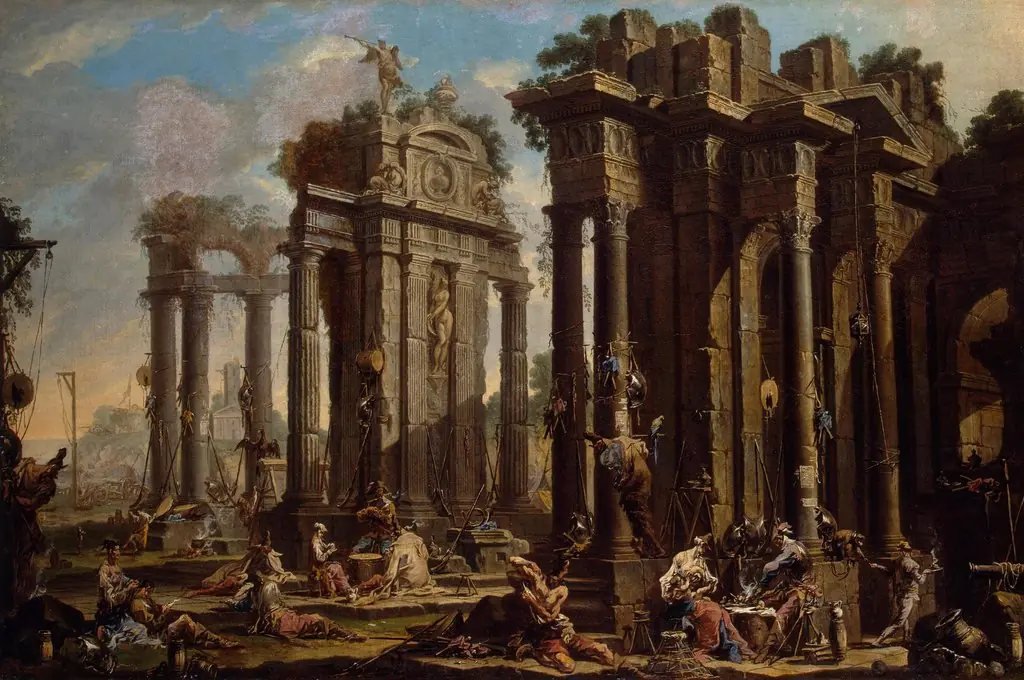 Halt of the Brigands
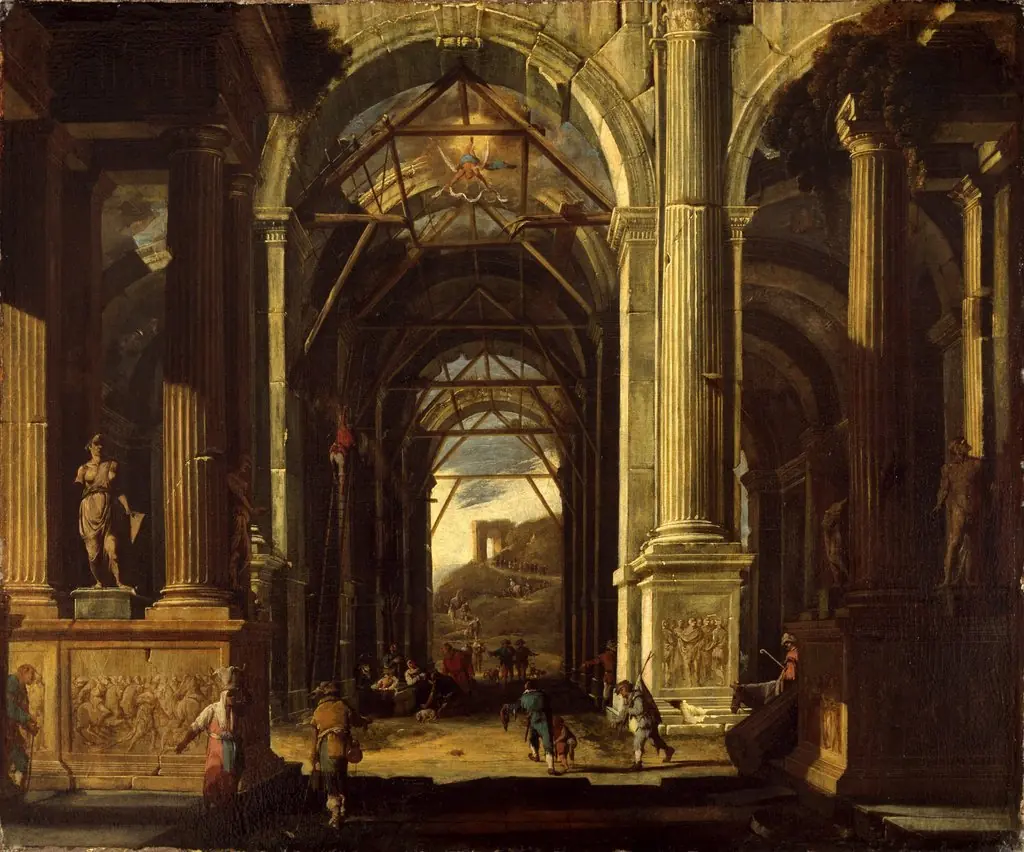 The Adoration of the Shepherds
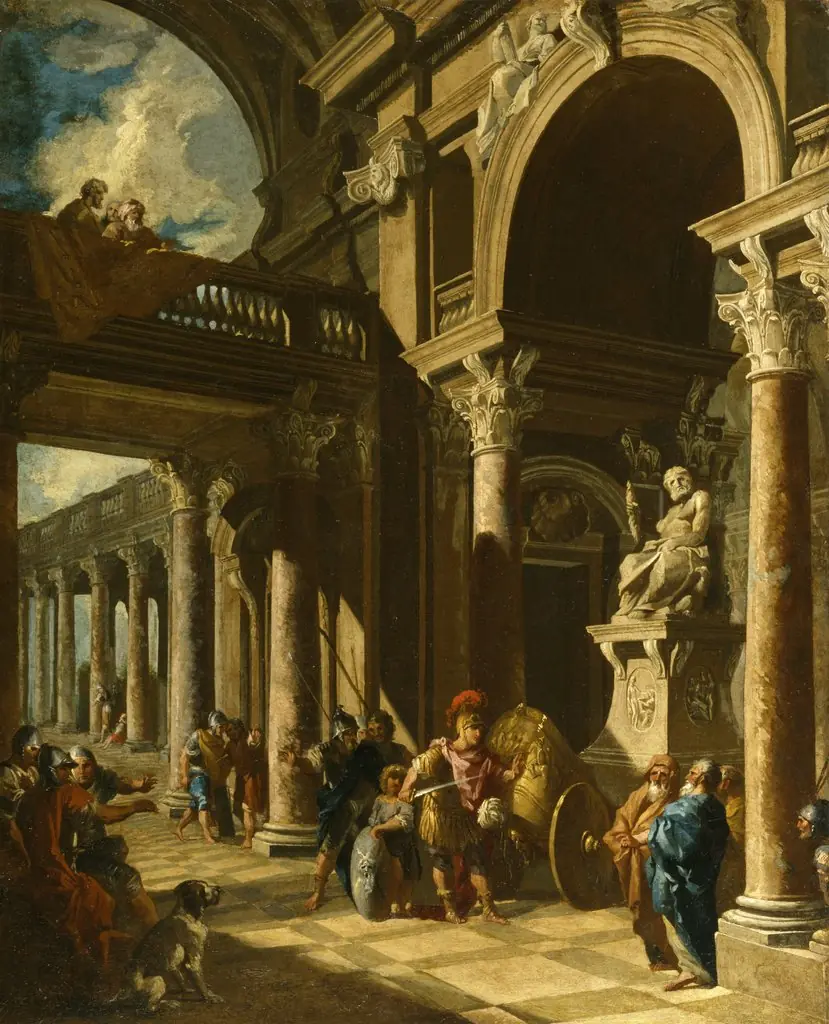 Alexander the Great Cutting the Gordian Knot
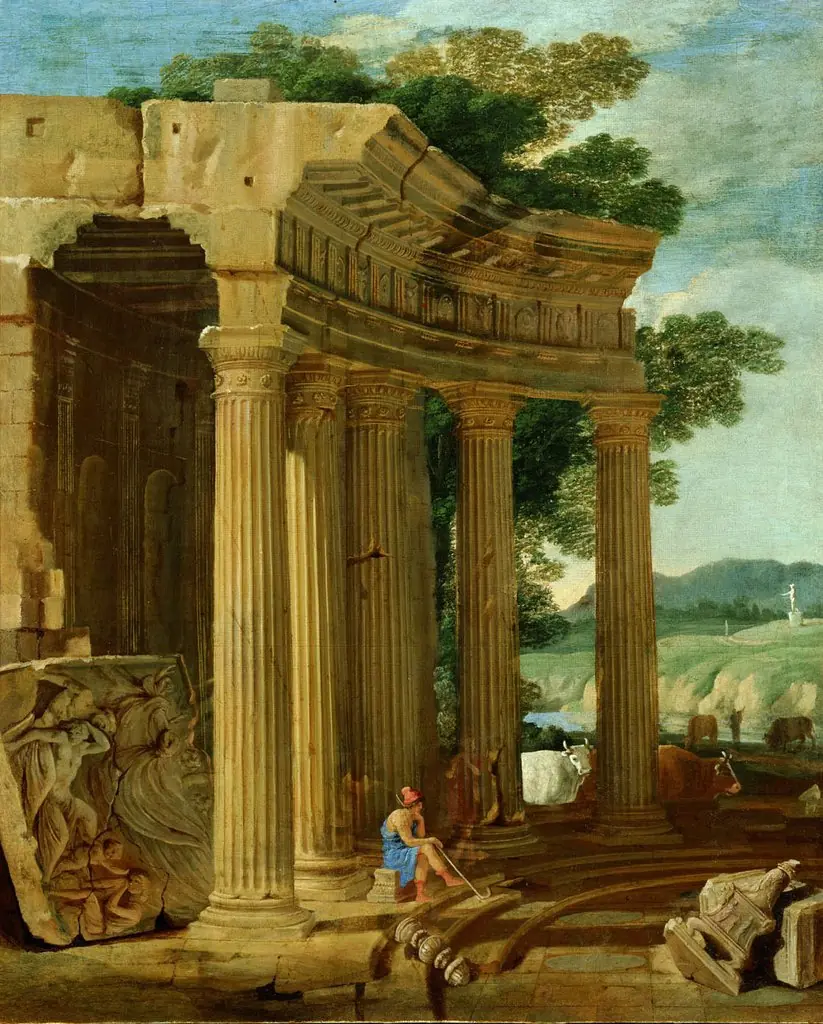 Ruinenlandschaft mit Hirten
 Landscape with a View of Campo Vaccino in Rome
 Landscape with Classical Ruins and Figures
 Maritime Landscape with Ruins
 El juicio de Salomón
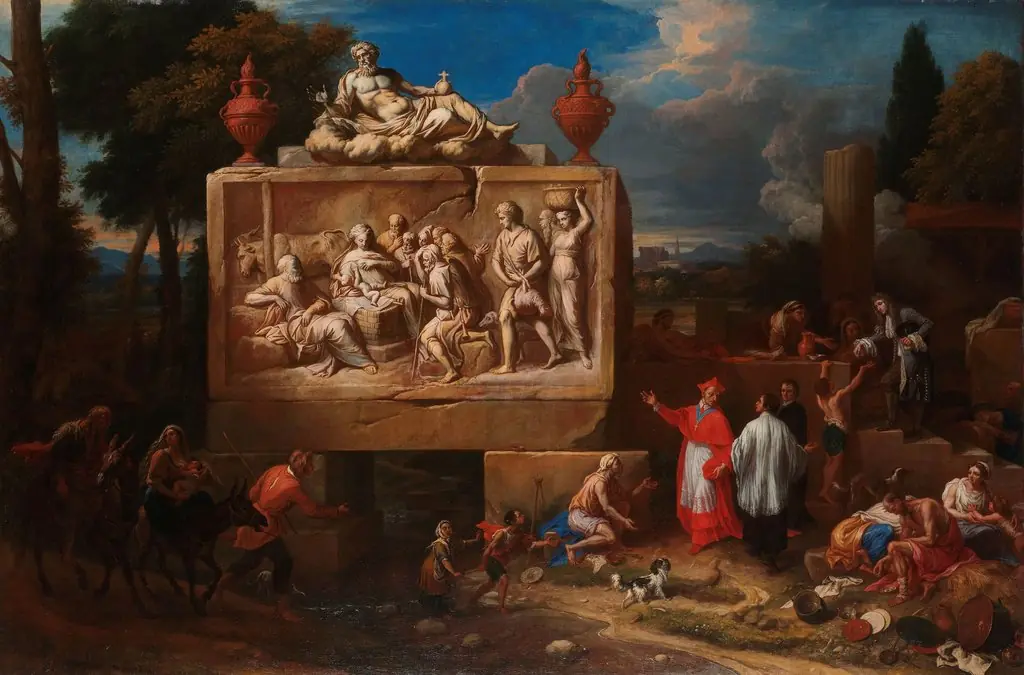 Fantasy landscape with Saint Carlo Borromeo
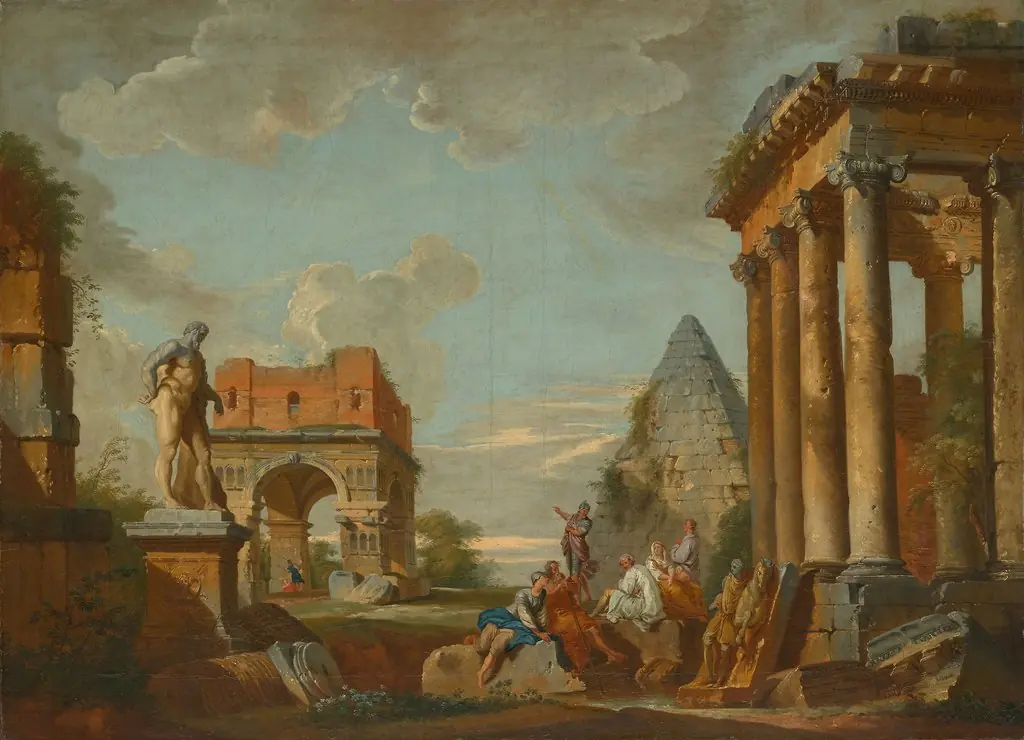 Classical Landscape