Artwork
The Martyrdom of a female Saint
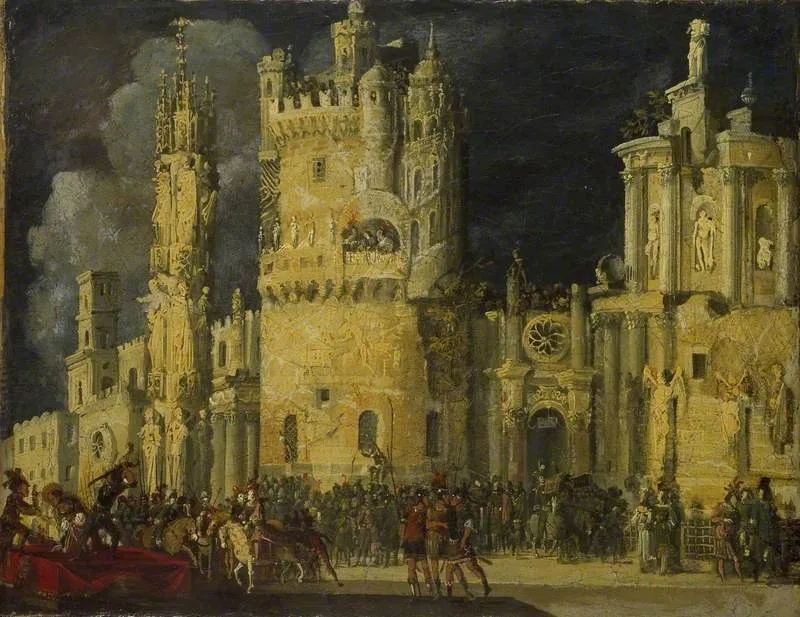
The Martyrdom of a female Saint is an oil painting by François de Nomé. It dates from 1628 and is held in the collection of the Ashmolean Museum.
About this work
Overview
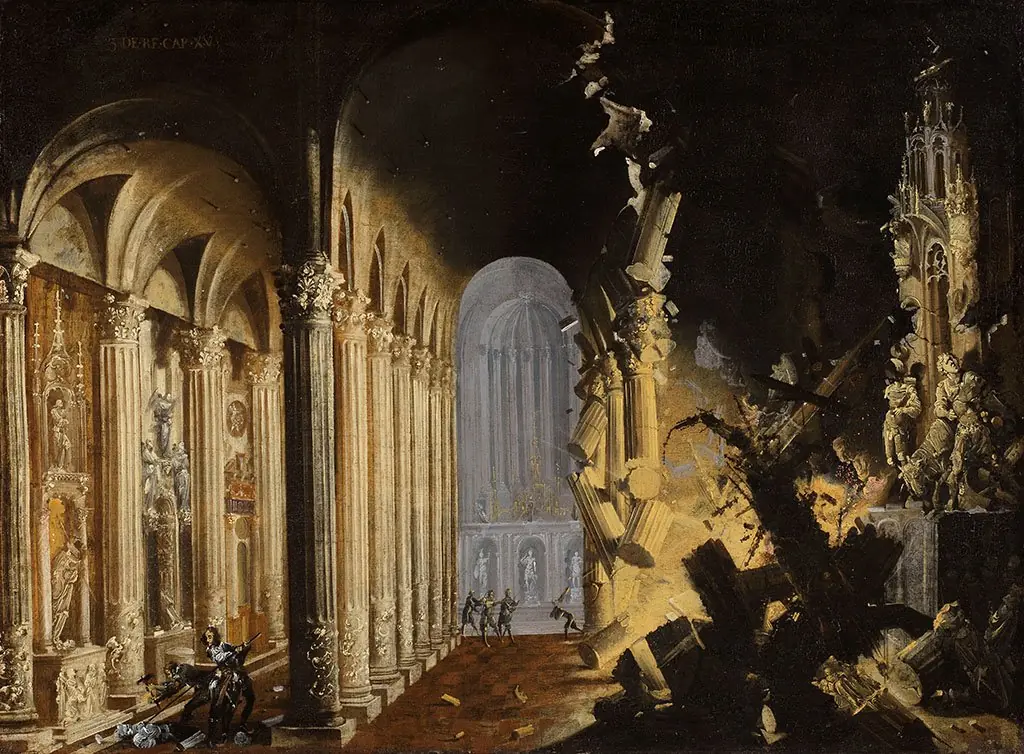
Painted around 1628 by François de Nomé, this oil on canvas work portrays the violent end of a female saint. It resides in the Ashmolean Museum, Oxford, as part of its collection of early modern European religious art. The composition centers on the saint’s suffering figure, surrounded by a agitated crowd and architectural elements that frame the scene with spatial depth and tension.
Subject & Meaning
The painting illustrates the moment of a saint’s execution, likely referencing a historical or apocryphal martyrdom.
The painting illustrates the moment of a saint’s execution, likely referencing a historical or apocryphal martyrdom. Her posture—upright yet wounded—conveys endurance rather than defeat. The surrounding figures, some menacing, others recoiling, reflect varied human responses to divine sacrifice. The scene invites contemplation of faith under persecution, common in Counter-Reformation devotional imagery.
Technique & Style
Nomé employs chiaroscuro to heighten emotional gravity, casting the saint in a narrow band of light against deep shadows. The palette is restrained, dominated by earth tones and muted reds, reinforcing the gravity of the moment. Brushwork is precise in facial expressions and drapery, while the background architecture is rendered with loose, atmospheric strokes to suggest chaos beyond the central drama.
History & Provenance
The painting entered the Ashmolean Museum’s collection in the 19th century, though its earlier ownership remains undocumented. It was likely commissioned for private devotion or a religious institution in southern Europe, given Nomé’s known activity in Italy and Spain. No records of its initial display or patron have survived, but its survival suggests continued reverence for its subject.
Context
Created during the height of the Counter-Reformation, the work reflects Catholic efforts to reinforce spiritual resolve through vivid depictions of martyrdom. Artists like Nomé, influenced by Caravaggio and Spanish tenebrism, used dramatic lighting and emotional intensity to engage viewers emotionally. Such images served both devotional and didactic purposes, especially in regions where religious conflict was acute.
Legacy
Though not widely exhibited outside academic circles, the painting exemplifies the Northern Italian and Spanish-influenced style that flourished in early 17th-century religious art. It contributes to scholarly understanding of how martyrdom was visually codified beyond major centers like Rome or Seville. Its preservation offers insight into the reach of Counter-Reformation iconography in lesser-known collections.
Artist & collection

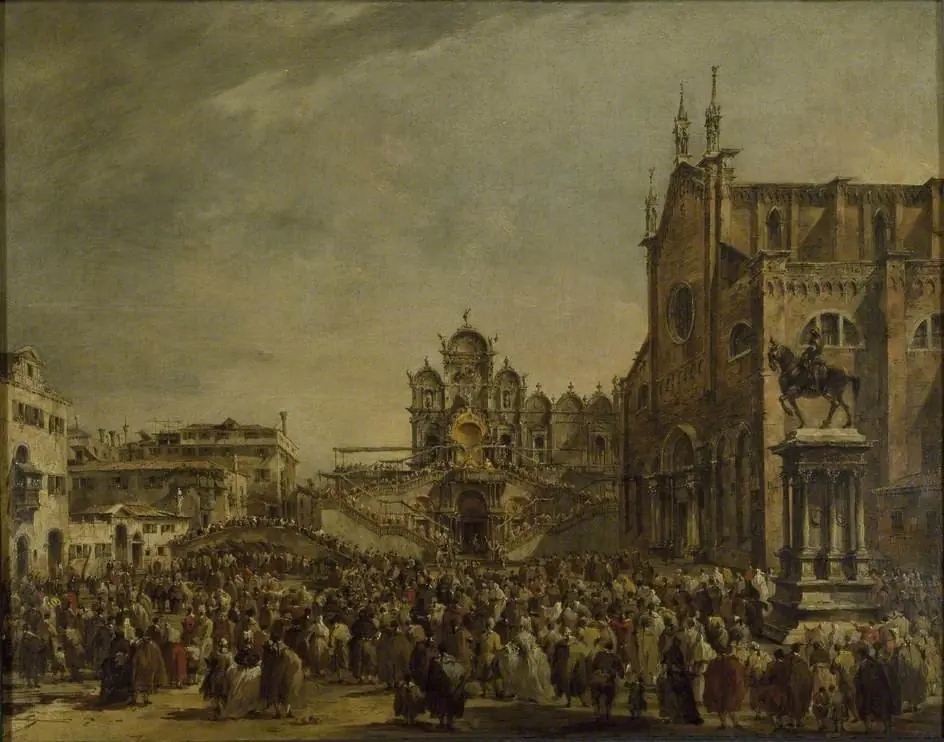 Pope Pius VI blessing the Crowd at Campo SS Giovanni e Paolo, Venice
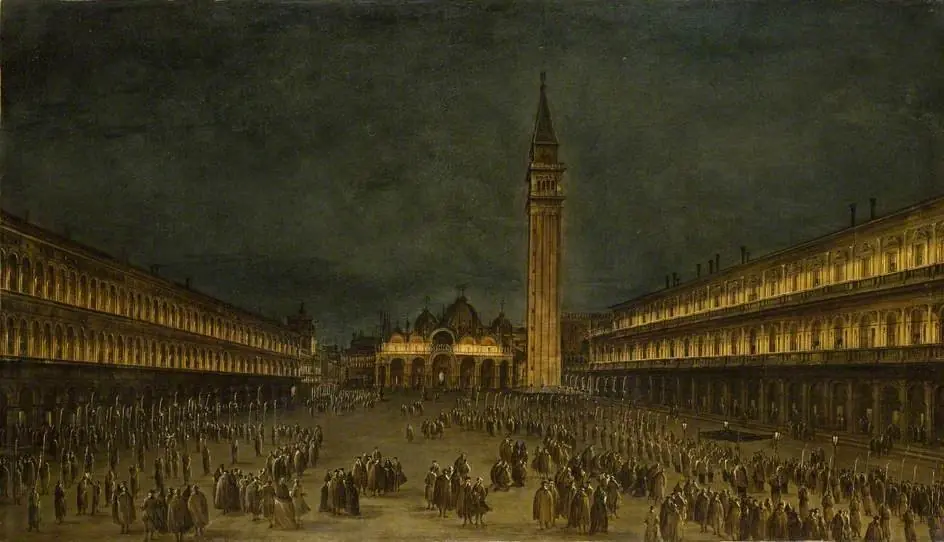 A Night Procession in the Piazza San Marco
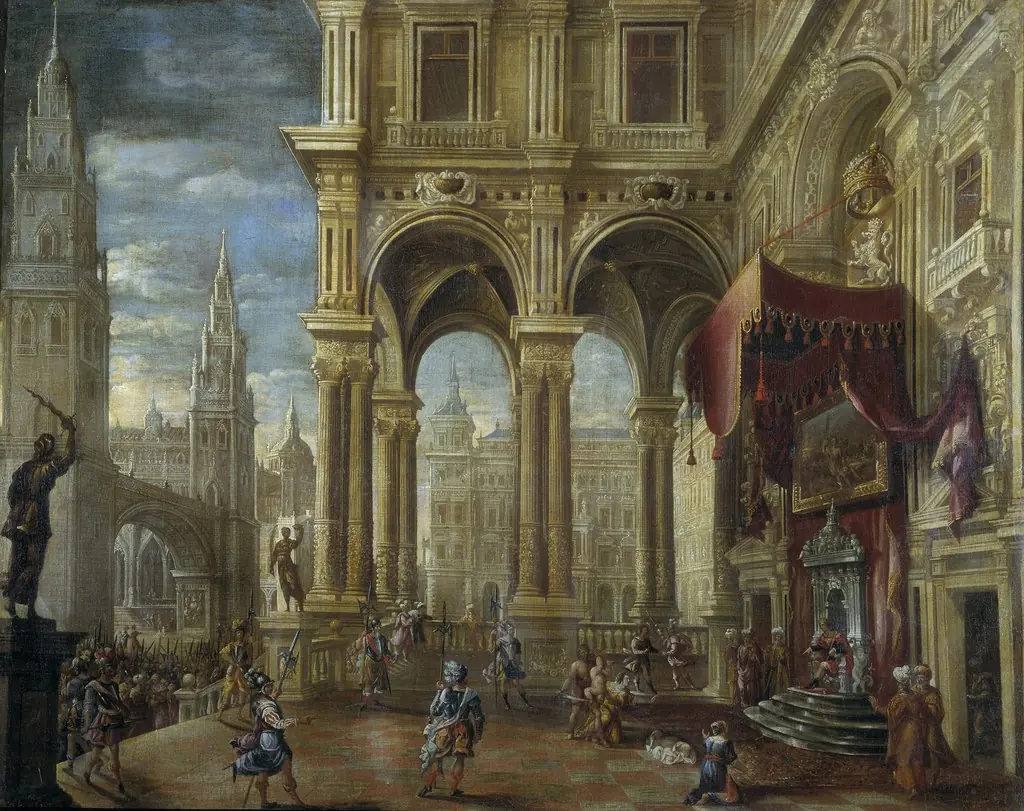 El juicio de Salomón
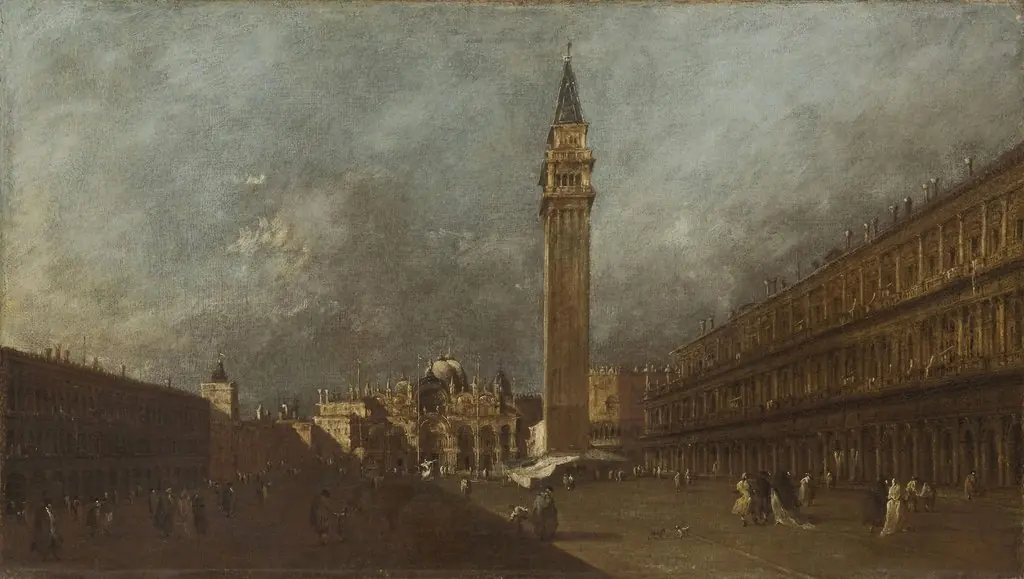 Piazza San Marco
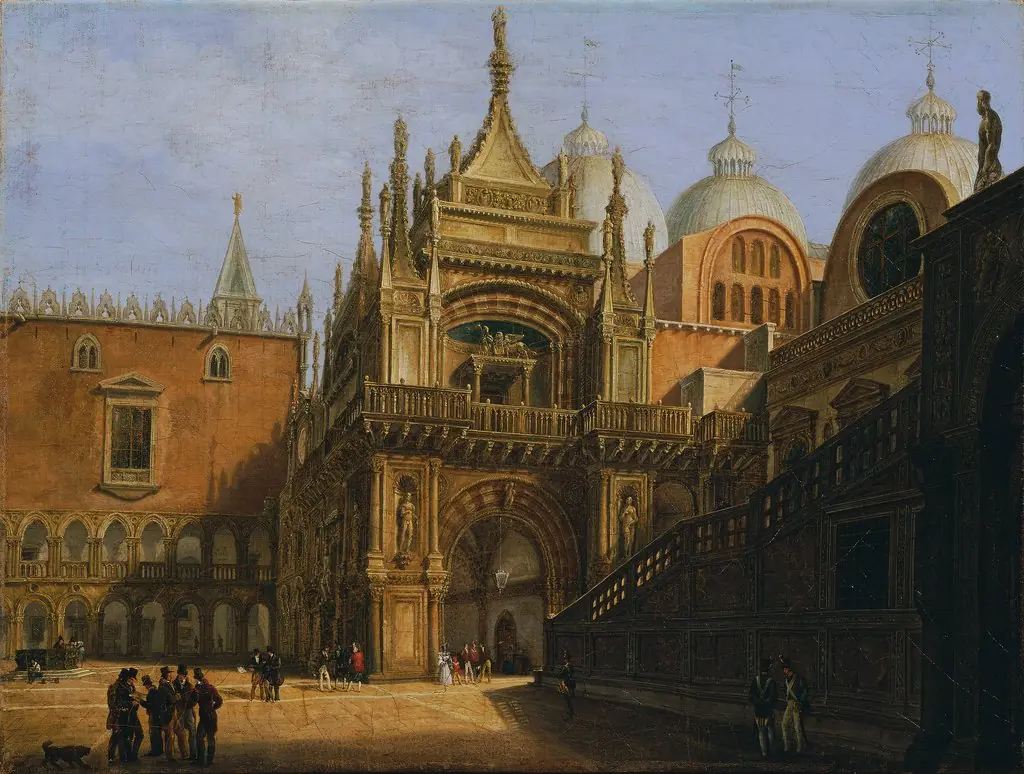 Der Hof des Dogenpalastes
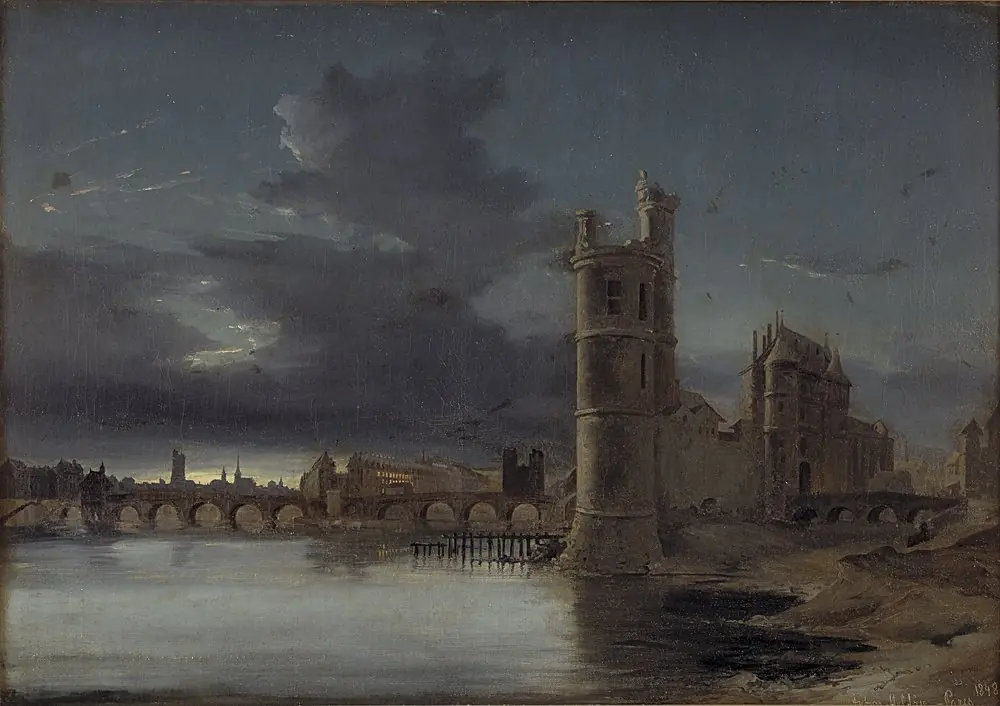 Paris med Tour St. Jacques og Notre Dame. Aftenstemning
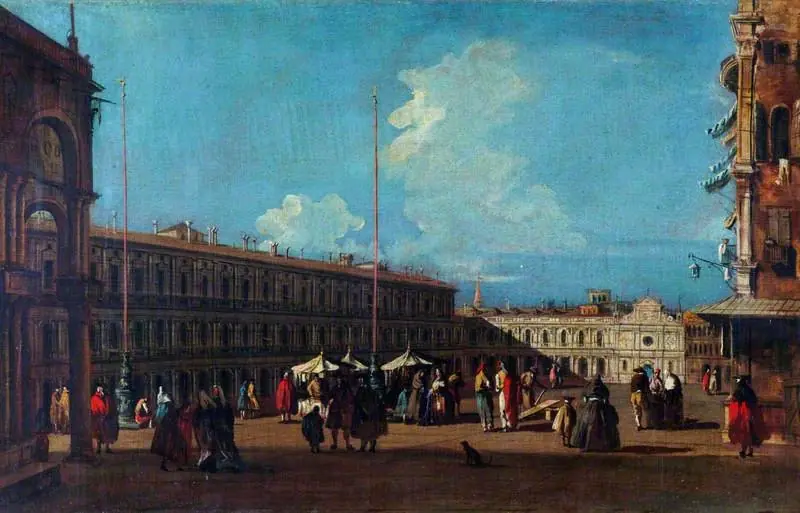 Venice: The Piazza San Marco Looking West
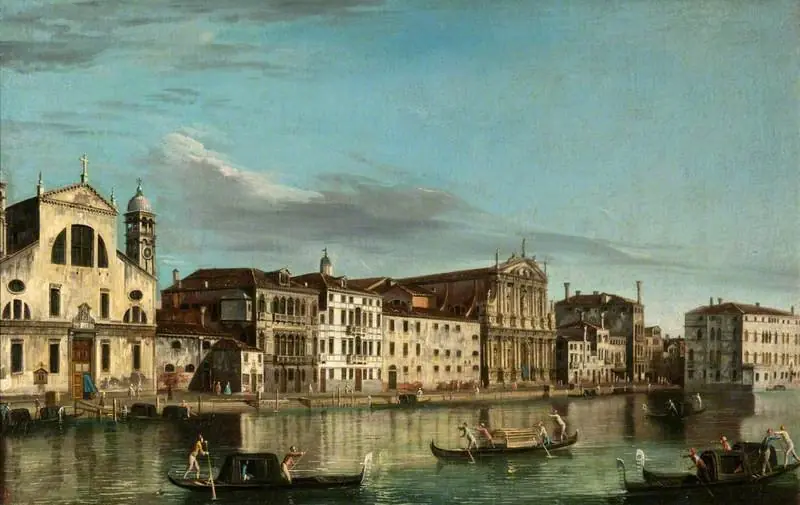 The Grand Canal: Santa Lucia and the Church of the Scalzi, Venice
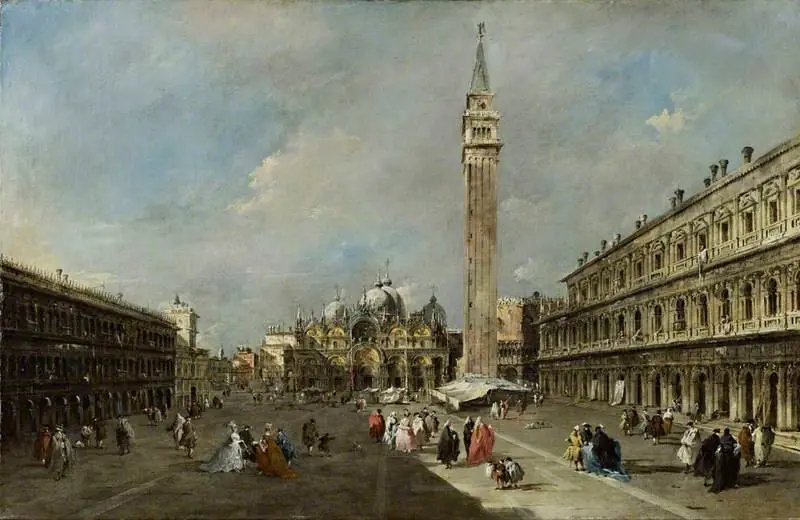 The Piazza San Marco, Venice
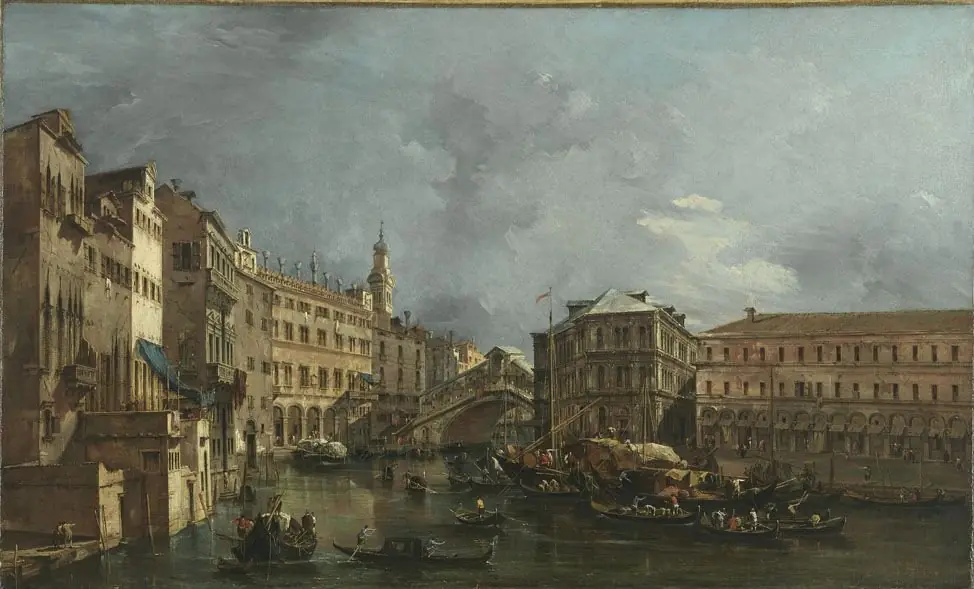 Blick auf den Rialto und den Palazzo dei Camerlenghi