Artwork
Hortense de Beauharnais, Queen of Holland
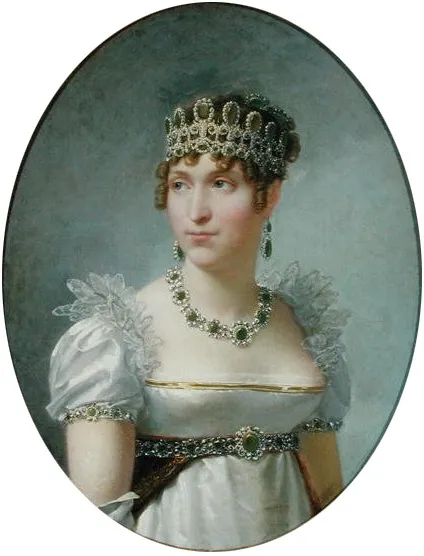
Hortense de Beauharnais, Queen of Holland is an oil painting by the Neoclassicist artist Jean Baptiste Regnault. It dates from 1810 and is held in the collection of the Château de Malmaison. Painted in 1810 by Jean-Baptiste Regnault, this oil portrait captures Hortense de Beauharnais during her tenure as Queen of Holland.
About this work
Overview
The composition presents her in formal court attire, emphasizing her royal status through restrained elegance rather than overt grandeur.
Painted in 1810 by Jean-Baptiste Regnault, this oil portrait captures Hortense de Beauharnais during her tenure as Queen of Holland. The work is part of the collection at the Château de Malmaison, a residence closely associated with her stepfather, Napoleon Bonaparte. The composition presents her in formal court attire, emphasizing her royal status through restrained elegance rather than overt grandeur.
Subject & Meaning
Hortense de Beauharnais, daughter of Joséphine de Beauharnais and stepdaughter of Napoleon, was appointed Queen of Holland in 1806. The portrait affirms her position within the Bonaparte dynasty, using regalia—crown, necklace, and gem-adorned belt—to signal legitimacy and lineage. Her composed gaze to the side suggests introspection, balancing authority with a quiet dignity befitting her role as a political figure in a fragile kingdom.
Technique & Style
Regnault employs a refined, neoclassical approach with smooth brushwork and muted tones. The gray background isolates the figure, directing focus to her white gown and metallic embellishments. The gold trim on her dress and the green gemstones in her jewelry are rendered with subtle highlights, avoiding excessive ornamentation. The texture of fabric and the soft curl of her hair are carefully modeled, reinforcing a sense of quiet refinement over theatrical display.
History & Provenance
Commissioned during Hortense’s brief reign as Queen of Holland, the portrait was likely intended for display at Malmaison, her primary residence after her marriage to Napoleon’s brother Louis ended. It remained in the family’s possession and was later incorporated into the museum collection at Malmaison, where it continues to serve as a tangible link to the Napoleonic era’s familial and political networks.
Context
Created in 1810, the portrait coincides with the height of Napoleon’s imperial ambitions and the consolidation of family members into European thrones. Hortense’s role was both symbolic and administrative, as she governed Holland under her brother-in-law’s directives. The portrait reflects the era’s practice of using portraiture to legitimize dynastic claims, especially for women whose authority derived from marriage rather than birthright.
Legacy
Regnault’s depiction of Hortense remains one of the few formal portraits of her in public collections. It contributes to historical understanding of how women in the Napoleonic sphere were visually represented—as figures of dignity and lineage rather than power. The painting endures as a quiet testament to the intersection of personal identity and political expectation in early 19th-century Europe.
Artist & collection


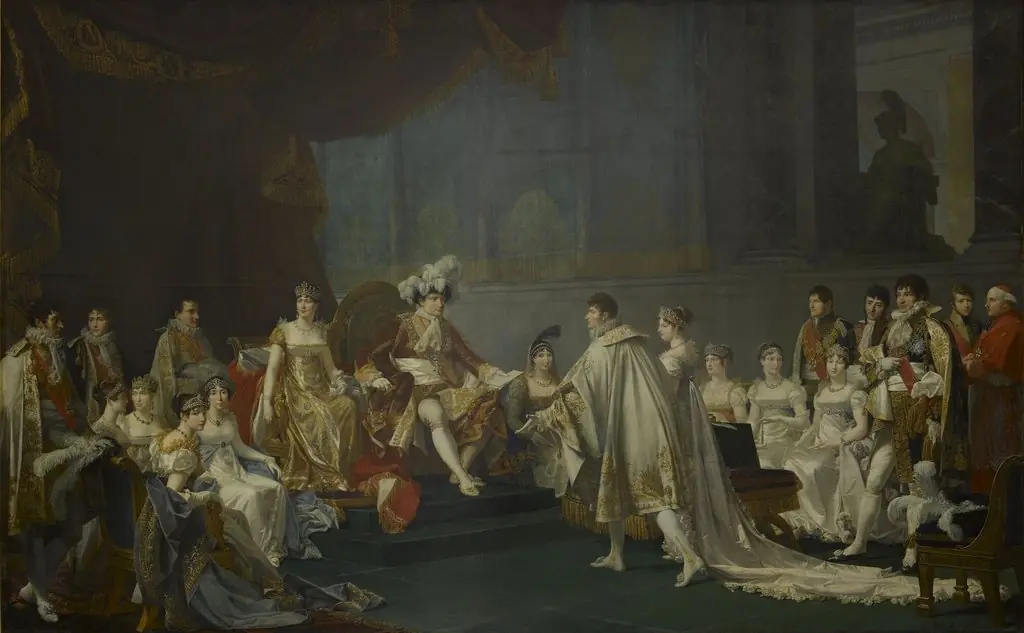 Wedding of Prince Jérôme Bonaparte and Princess Frédérique-Catherine of Wurtemberg, August 22, 1807
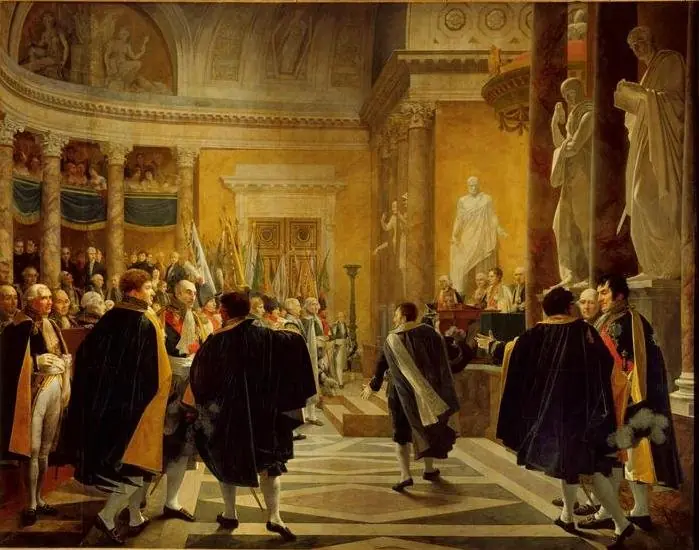 The Senate-Conservative receives the flags taken during the Austrian campaign, January 1, 1806
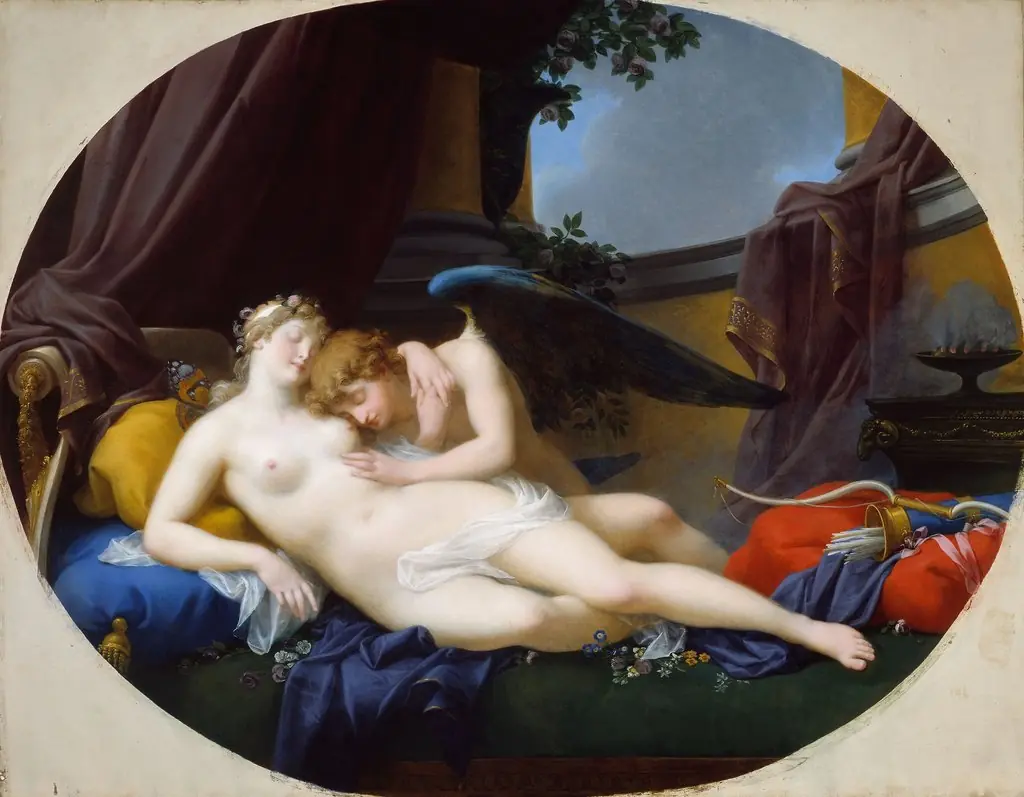 Cupid and Psyche
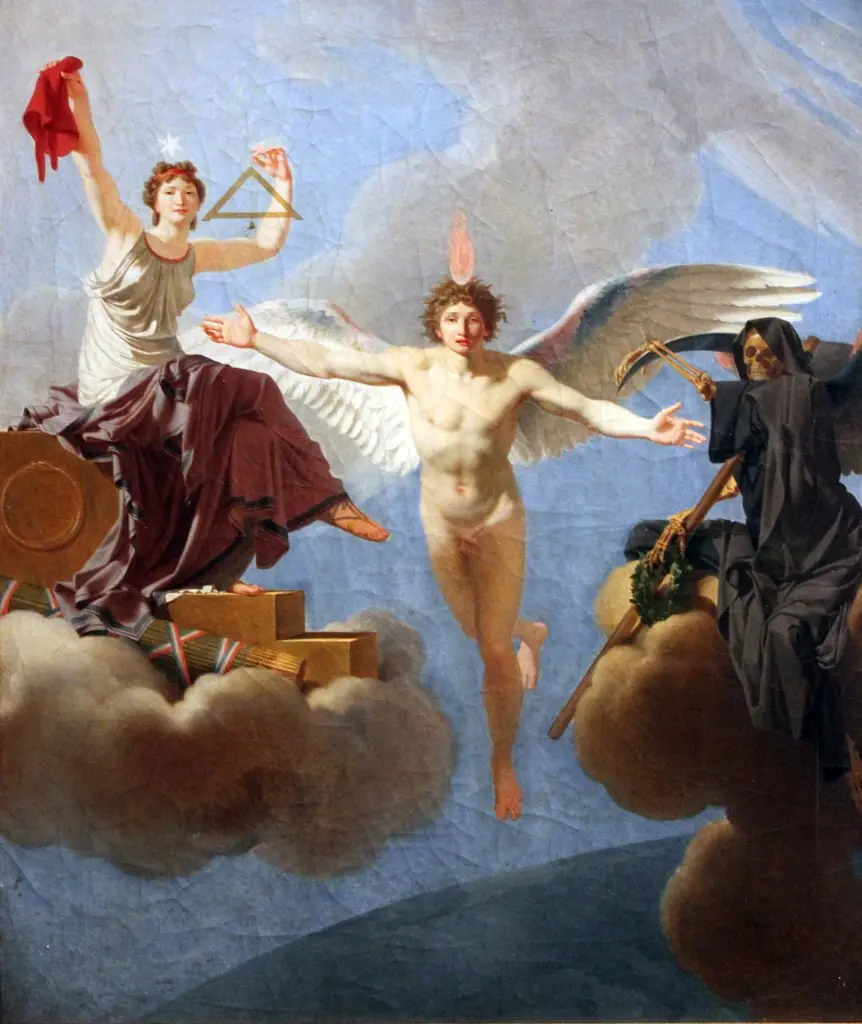 The Genius of France between Freedom and Death
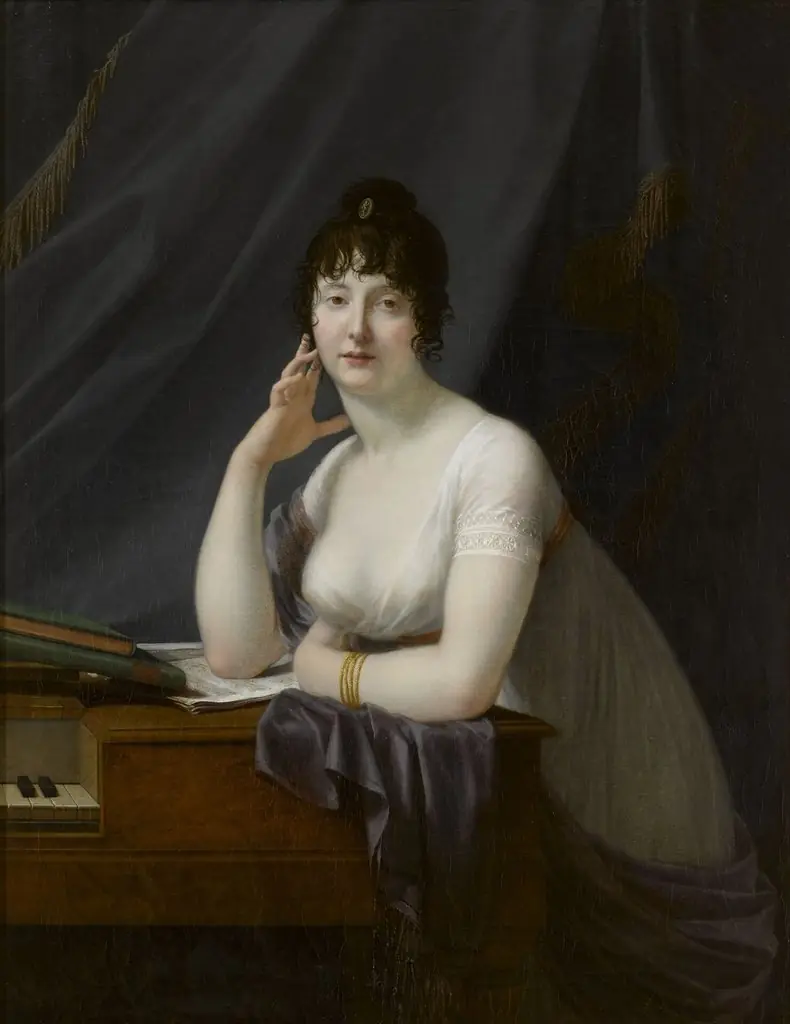 Madame Antoine Arnault
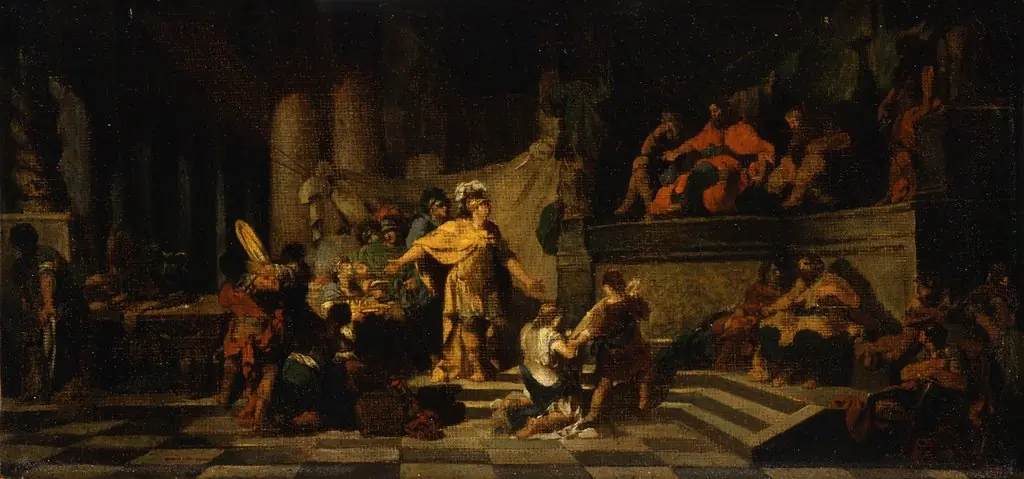 Aeneas Offering Presents to King Latinus and Asking Him for the Hand of His Daughter
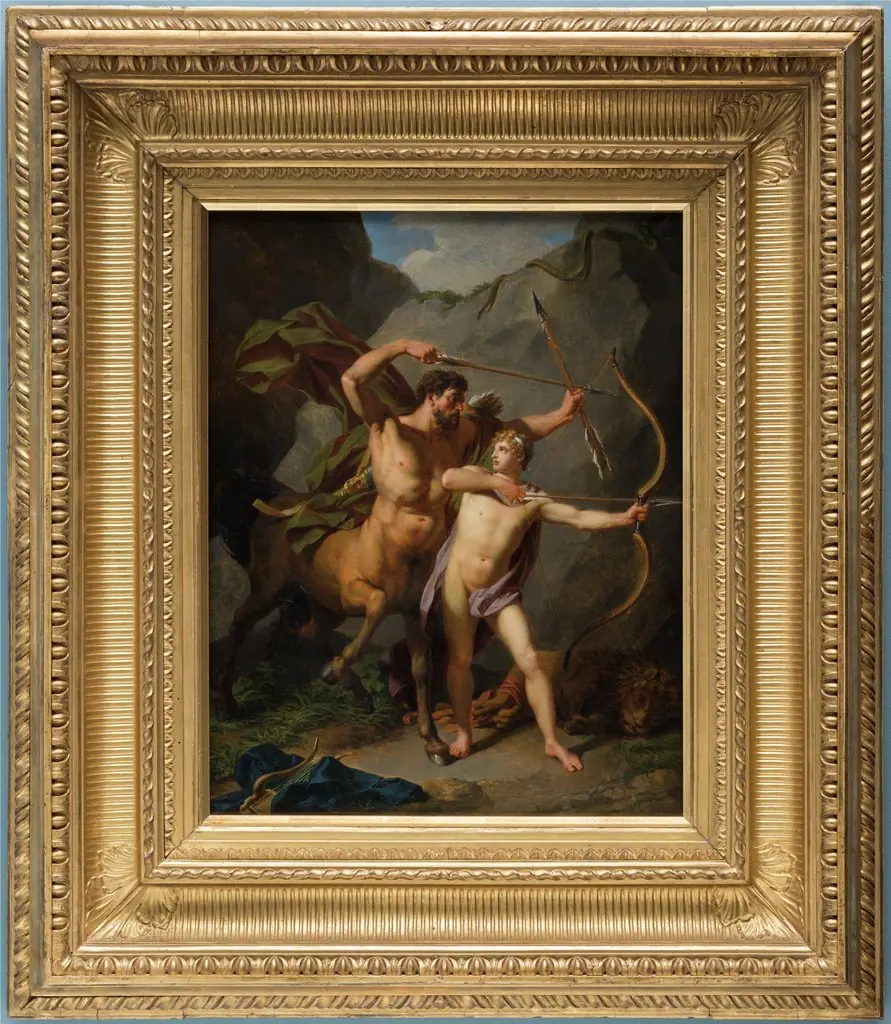 Education of Achilles
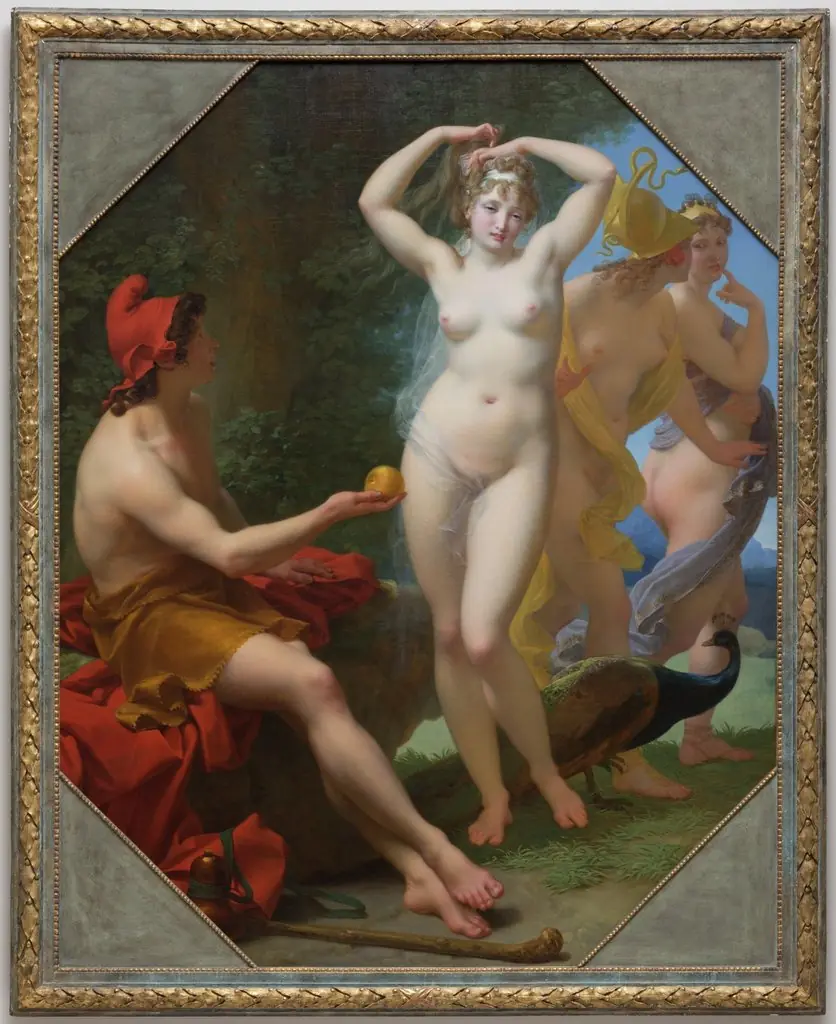 The Judgment of Paris
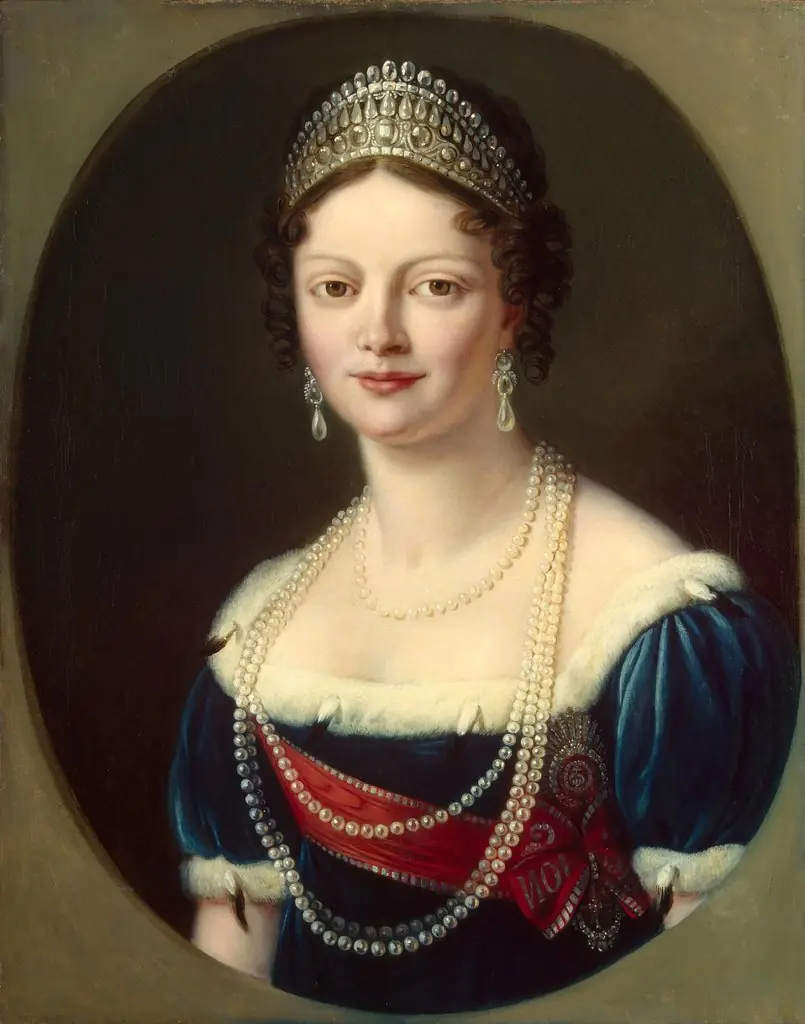 Portrait of Grand Duchess Ekaterina Pavlovna
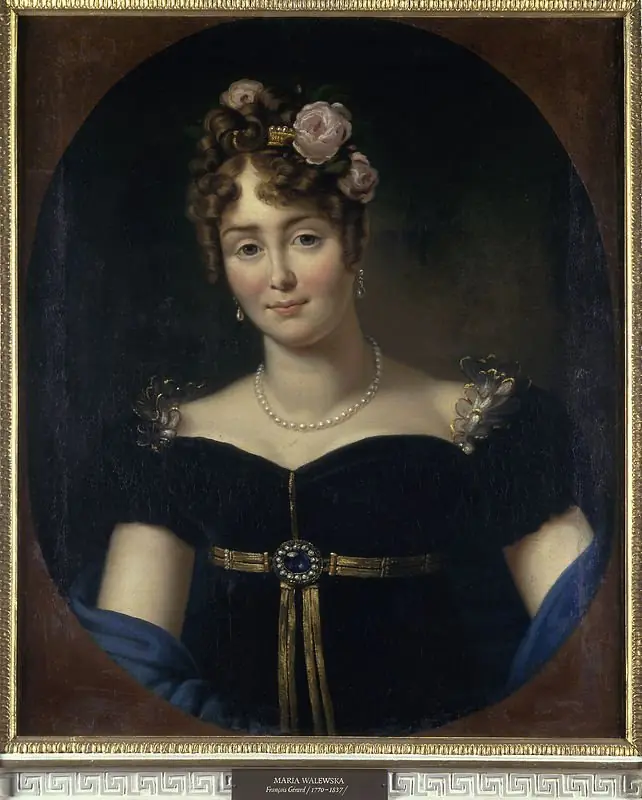 Portrait of Maria Walewska (1786–1817)
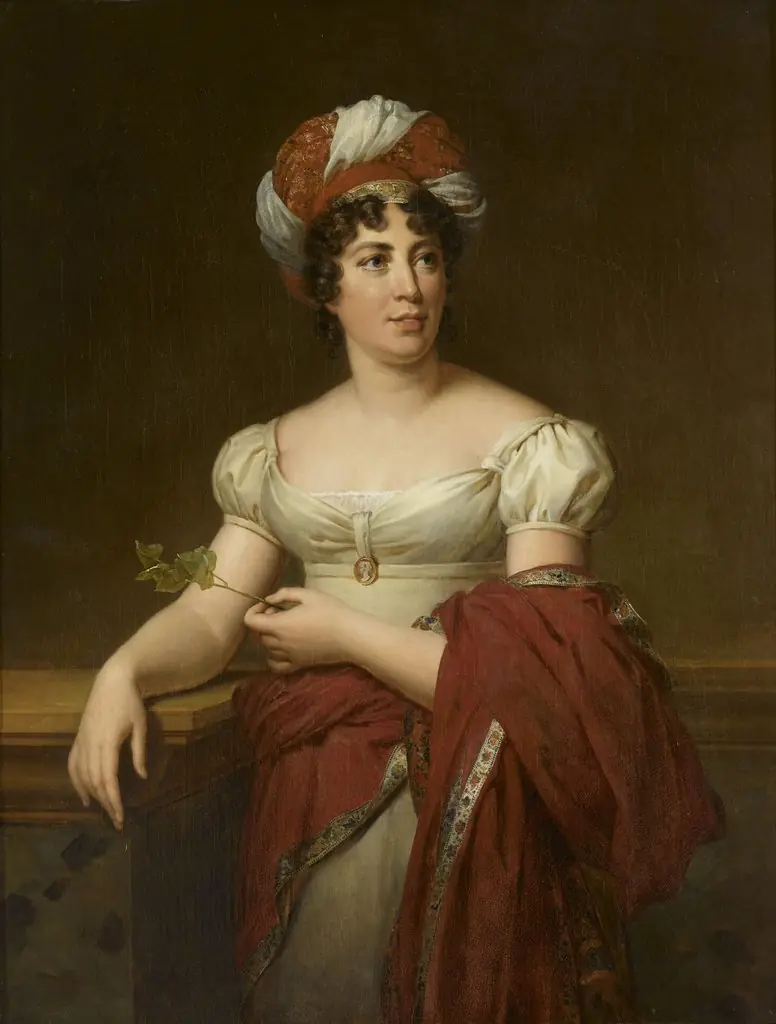 Portrait of Mme de Staël
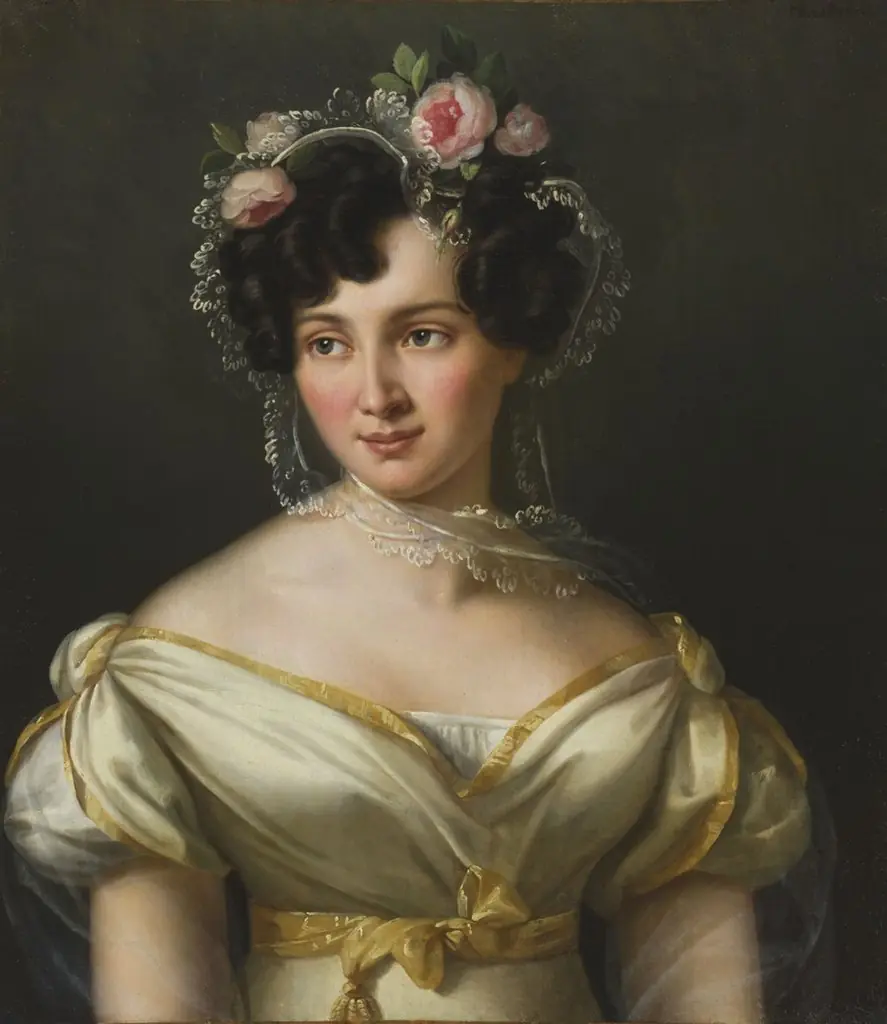 Portrait of Princess Anna Nikolayevna
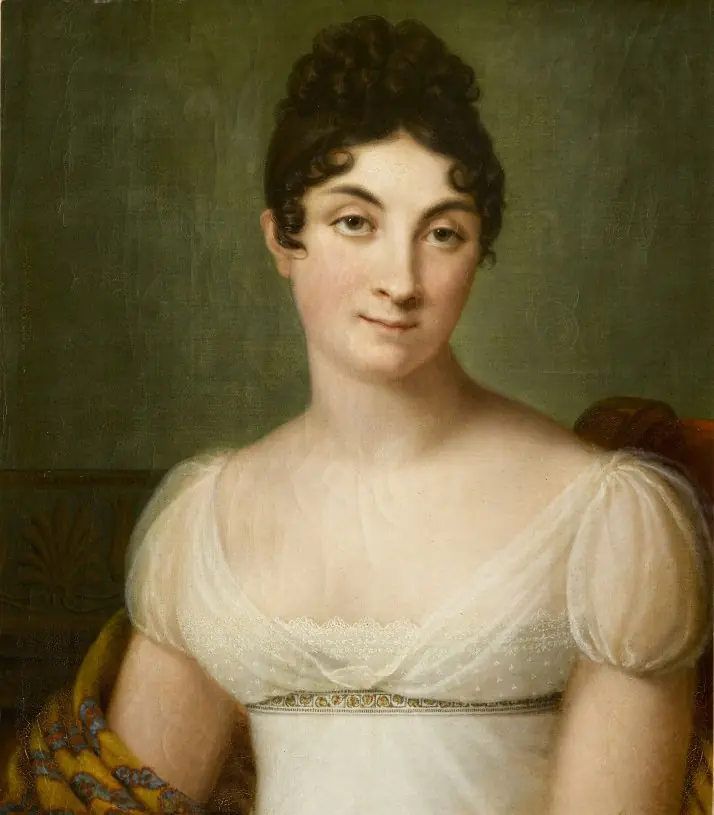 Portrait de Claire Élisabeth de Vergennes, Comtesse de Rémusat
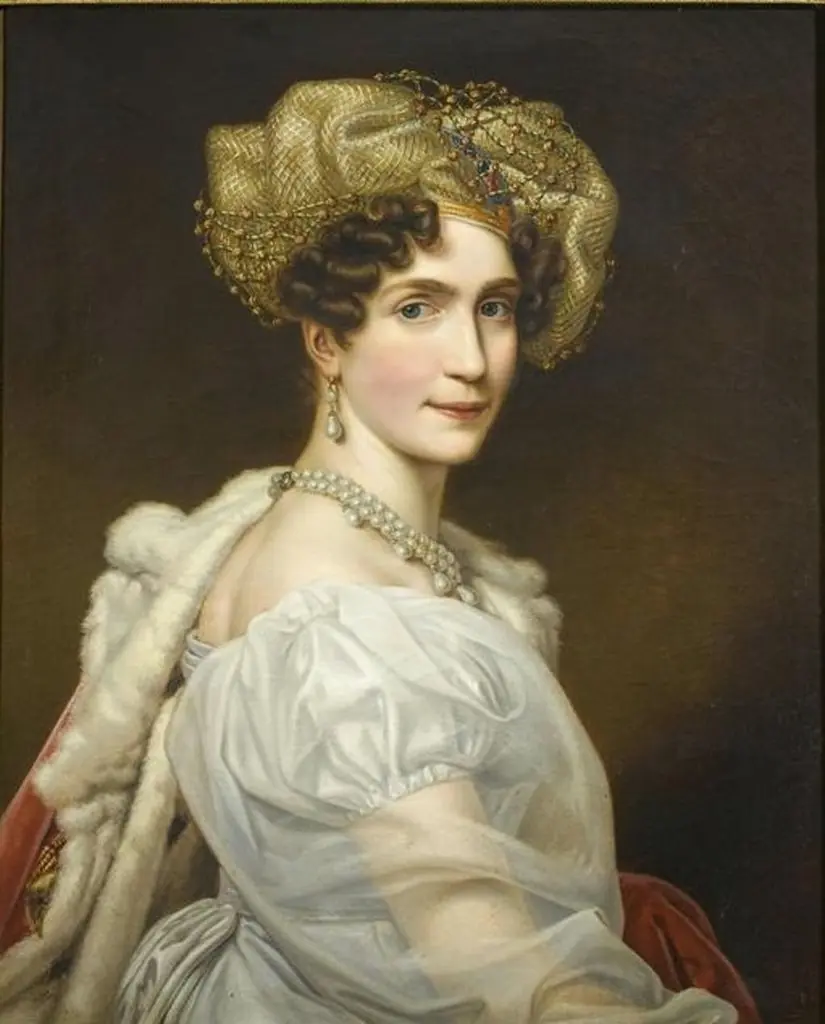 Augusta of Bavaria, Duchess of Leuchtenberg
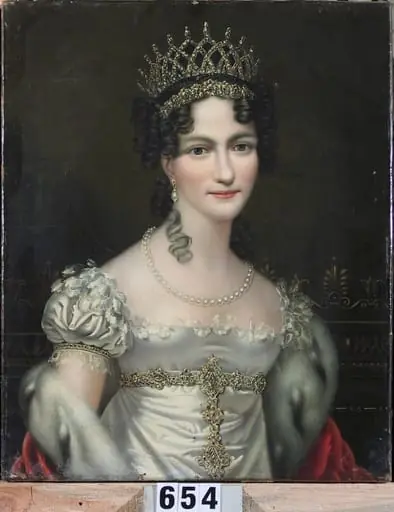 Carolina Augusta, soția împăratului austriac Franz I
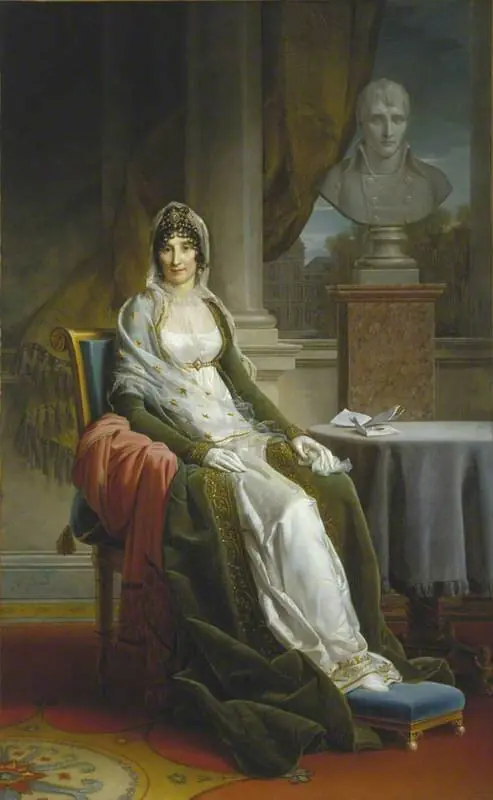 Madame Mère (Maria Laetitia Ramolino Bonaparte, 1750 - 1836)
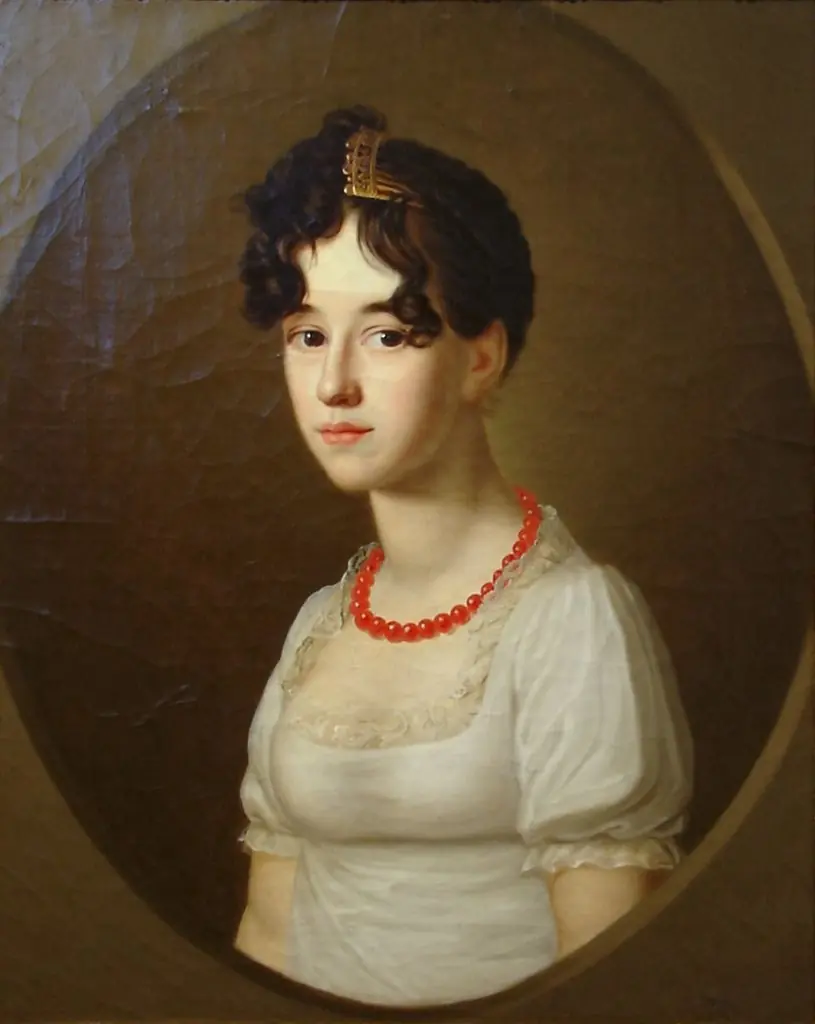 Portrait of Konstanzia Nákó