Artwork
Eugène de Beauharnais (1781-1824), duc de Leuchtenberg, dit le prince Eugène, vice-roi d'Italie
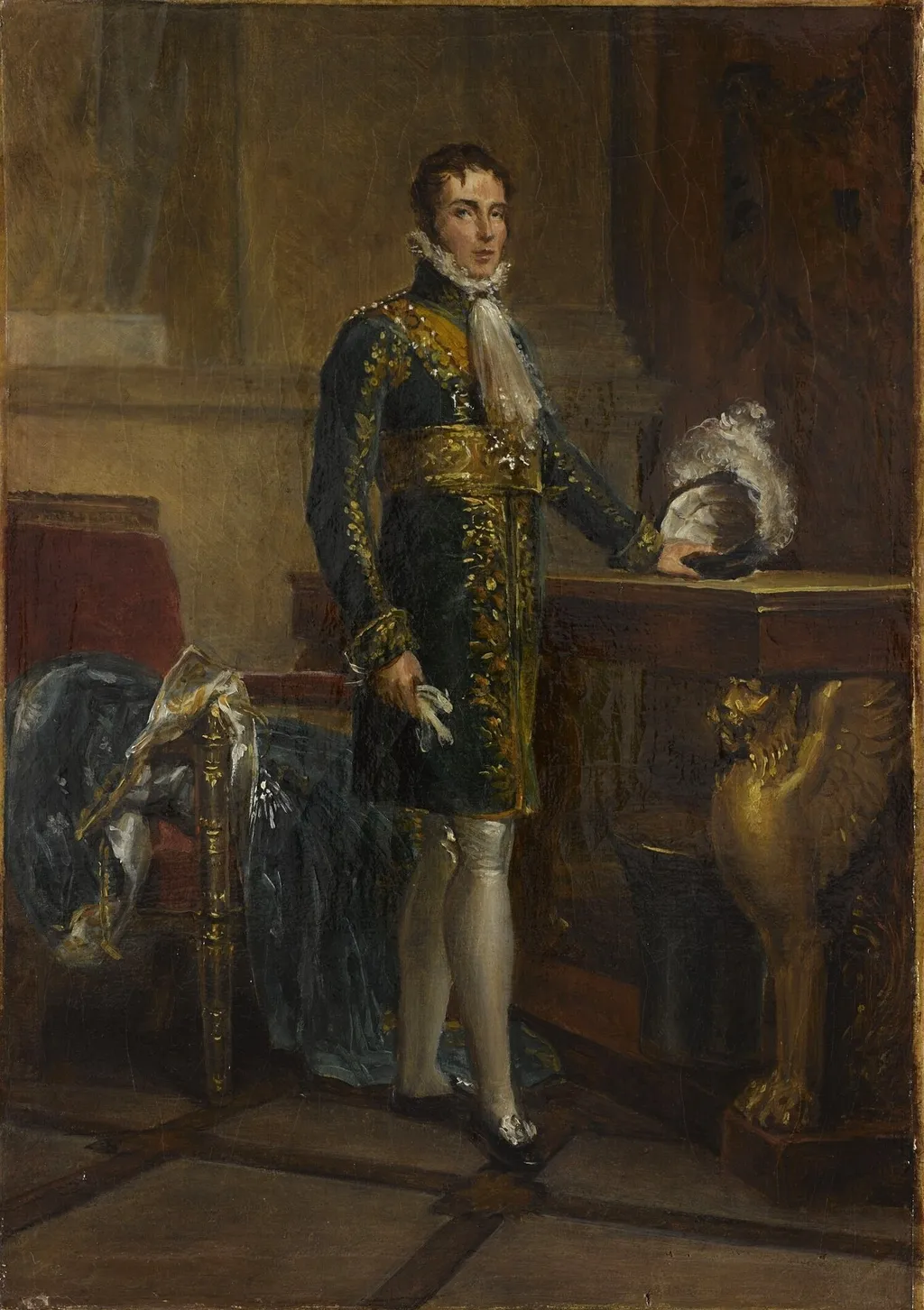
Eugène de Beauharnais (1781-1824), duc de Leuchtenberg, dit le prince Eugène, vice-roi d'Italie is an oil painting by the Neoclassicist artist François Gérard. It dates from 1812 and is held in the collection of the Palace of Versailles.
About this work
Overview
The work reflects the formal aesthetic favored by imperial elites, emphasizing dignity and authority through controlled composition and refined detail.
Painted in 1812 by François Gérard, this oil portrait captures Eugène de Beauharnais, stepson of Napoleon Bonaparte and Viceroy of Italy. Gérard, trained under Jacques-Louis David, was a prominent portraitist during the First French Empire. The work reflects the formal aesthetic favored by imperial elites, emphasizing dignity and authority through controlled composition and refined detail. It remains part of the Palace of Versailles collection.
Subject & Meaning
Eugène de Beauharnais, though not of royal birth, held significant political power as Viceroy of Italy under Napoleon. His portrayal here conveys legitimacy and composure: the formal attire, poised stance, and gloved hand suggest ceremonial duty rather than personal expression. The absence of overt symbols of power—like crowns or scepters—shifts focus to his bearing, reinforcing his role as a trusted administrator within the imperial hierarchy.
Technique & Style
Gérard employed smooth brushwork and muted tonal contrasts to achieve a polished, lifelike presence. The dark blue coat with gold embroidery stands out against the warm brown wall, while the white glove in his left hand draws attention to his gesture. The composition is symmetrical and restrained, typical of neoclassical portraiture, with the figure centered and the background minimized to avoid distraction, emphasizing the subject’s stillness and poise.
History & Provenance
Commissioned during the height of the Napoleonic Empire, the portrait was likely intended to affirm Eugène’s status as a key figure in the imperial administration. After Napoleon’s fall, the painting remained in royal collections, eventually entering the Palace of Versailles. Its preservation there reflects its continued association with French state authority, even after the empire’s collapse.
Context
In early 19th-century France, portraiture served political ends, especially for figures tied to Napoleon’s regime. Gérard’s style—elegant, idealized, and emotionally restrained—aligned with imperial propaganda. Eugène’s position as Viceroy required public visibility, and this portrait functioned as a visual assertion of loyalty and legitimacy within a shifting political landscape.
Legacy
The portrait endures as a representative example of imperial-era French portraiture, illustrating how art reinforced social and political hierarchies. Gérard’s approach influenced later court painters, and the work remains a reference for understanding the visual language of power during the transition from revolutionary to monarchical France.
Own this work as a print
Artist & collection
Artist
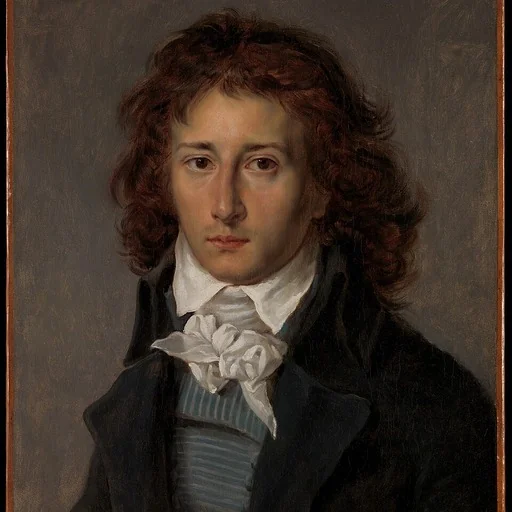
François Pascal Simon Gérard (French pronunciation: , 4 May 1770 – 11 January 1837), titled as Baron Gérard in 1809, was a French painter.

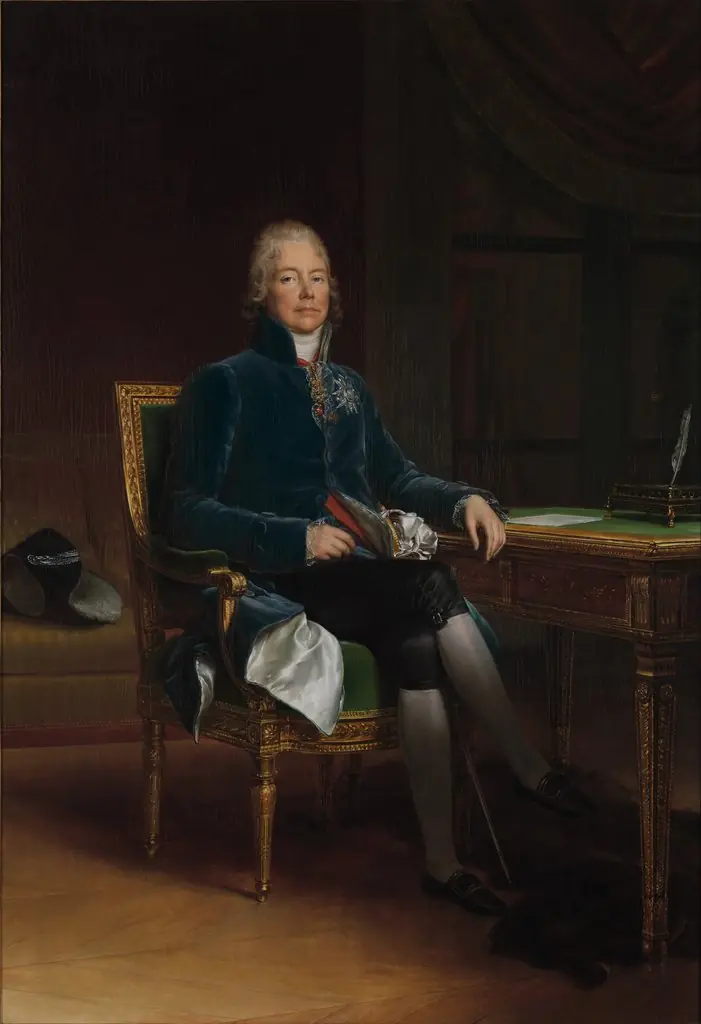 Charles Maurice de Talleyrand Périgord (1754–1838), Prince de Bénévent
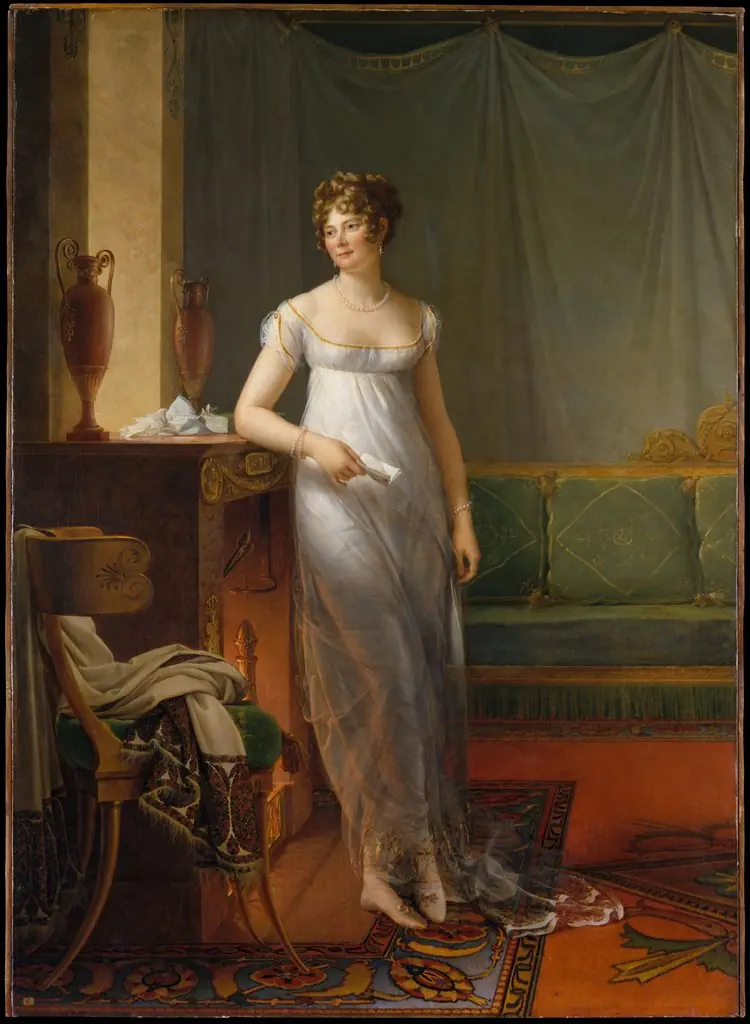 Madame Charles Maurice de Talleyrand Périgord (1761–1835)
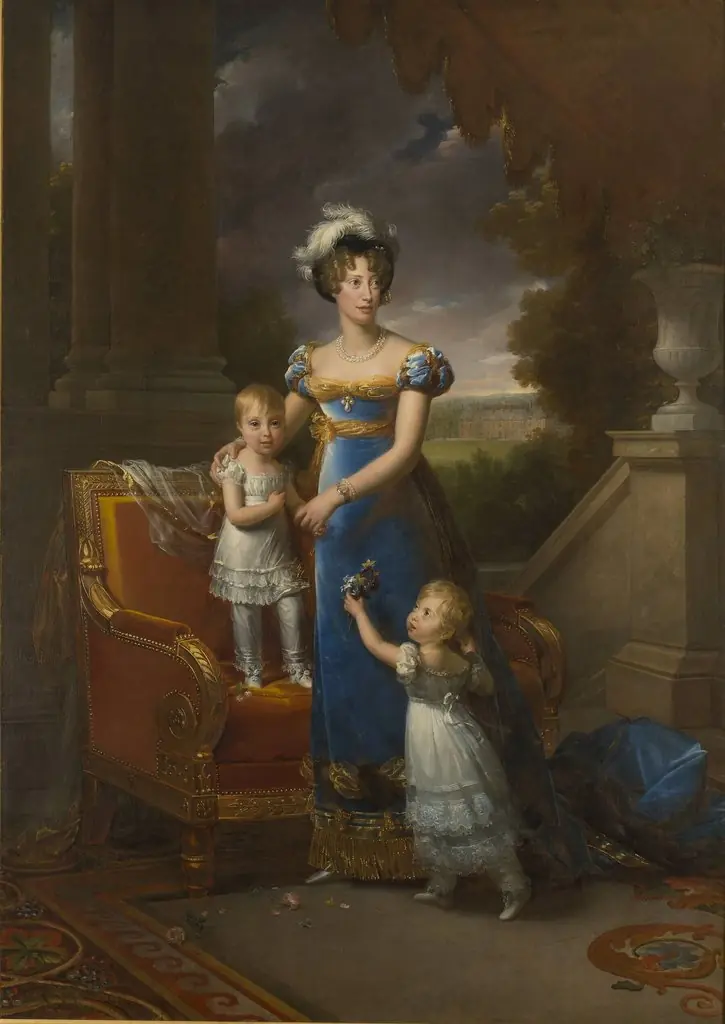 The Duchess of Berry and her Children
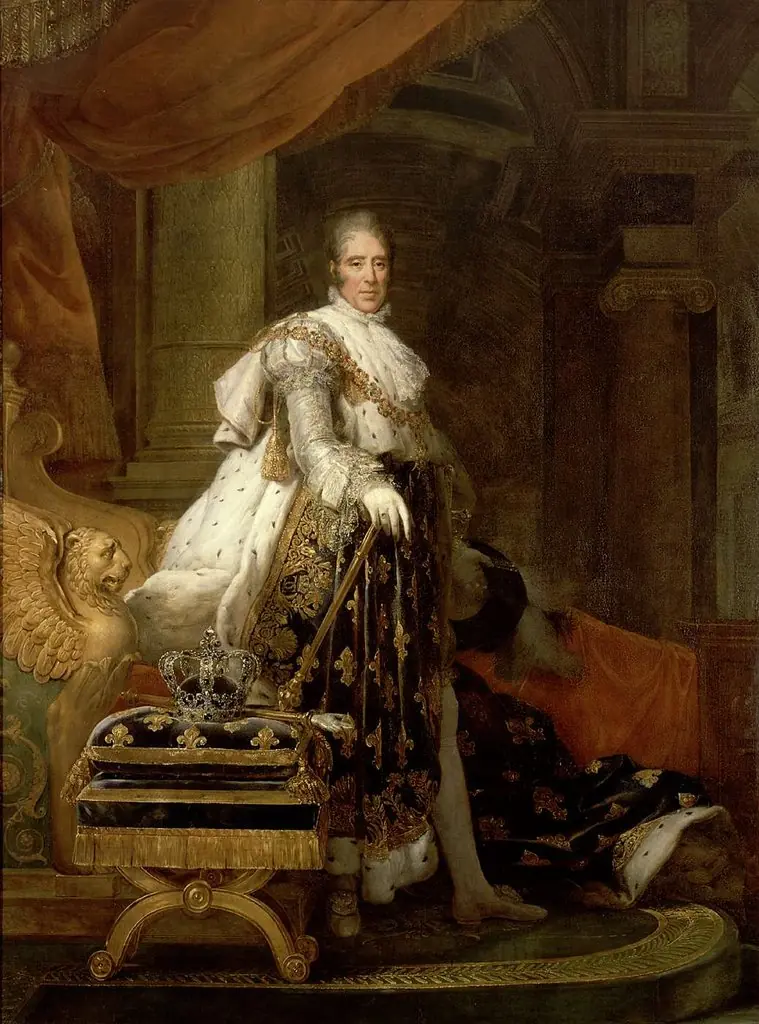 Charles X of France
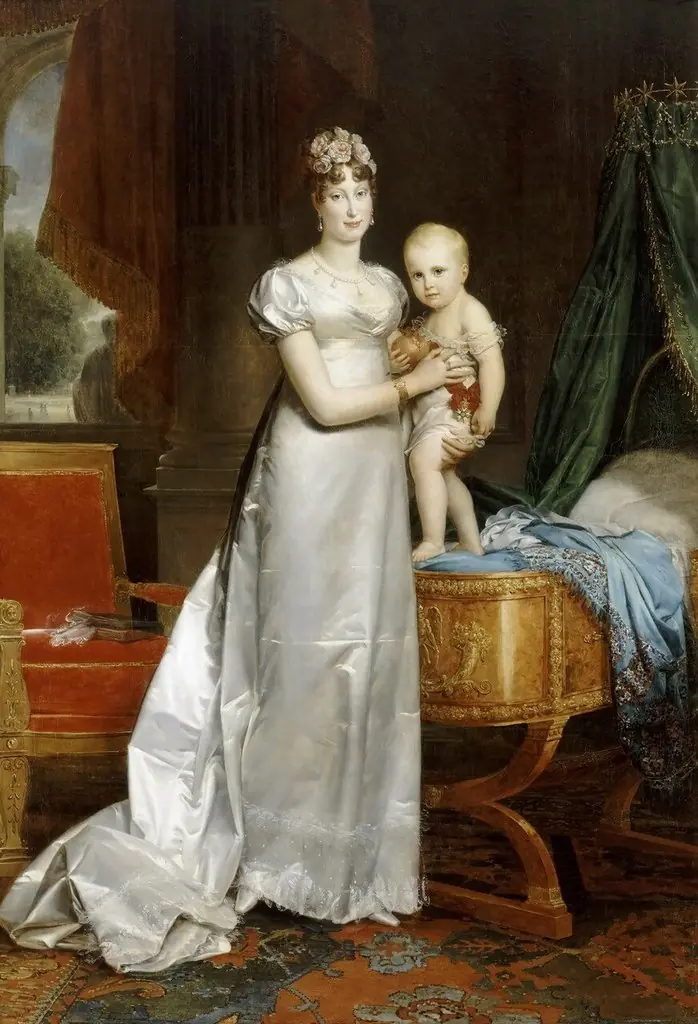 Marie-Louise, Empress of the French, and the Roi de Rome
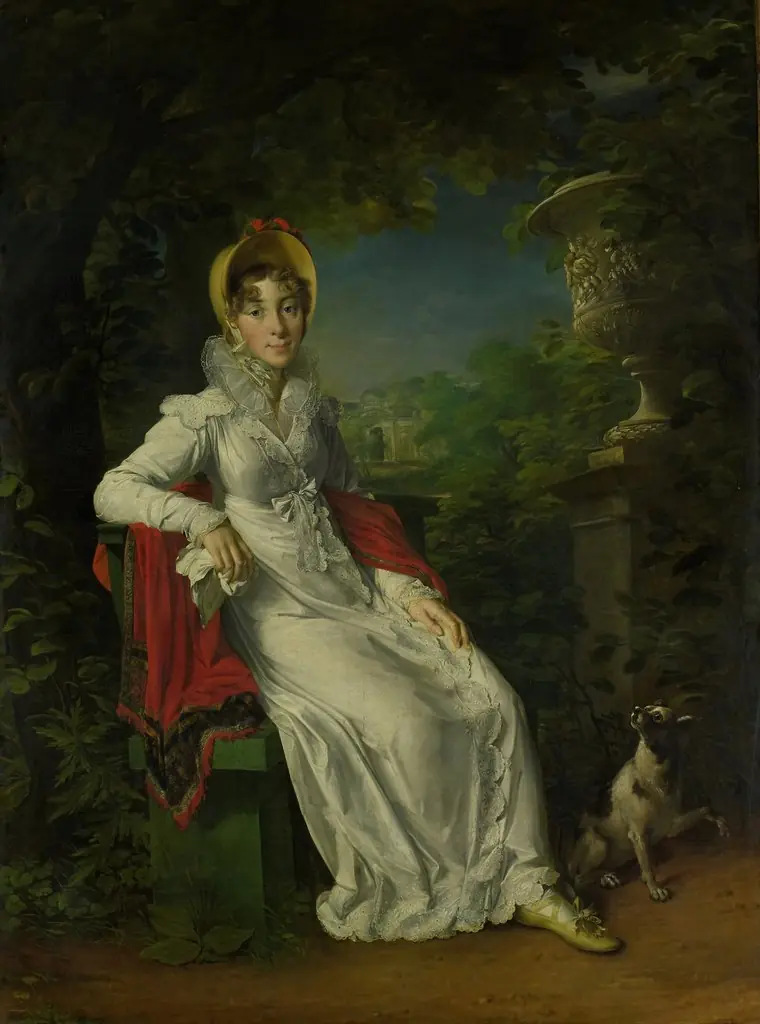 Portrait of Marie Caroline Ferdinande Louise de Naples, Wife of Charles Ferdinand, Duke de Berry, in the Park de Bagatelle in the Bois de Boulogne, Paris
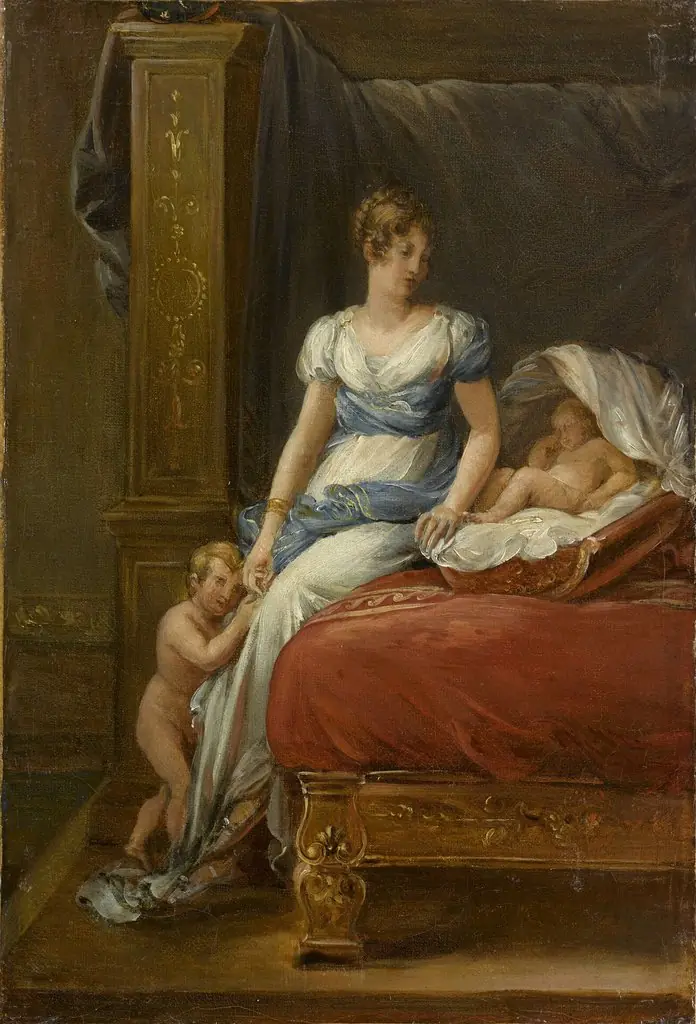 Marie-Annunciade-Caroline Bonaparte, Queen of Naples and her children
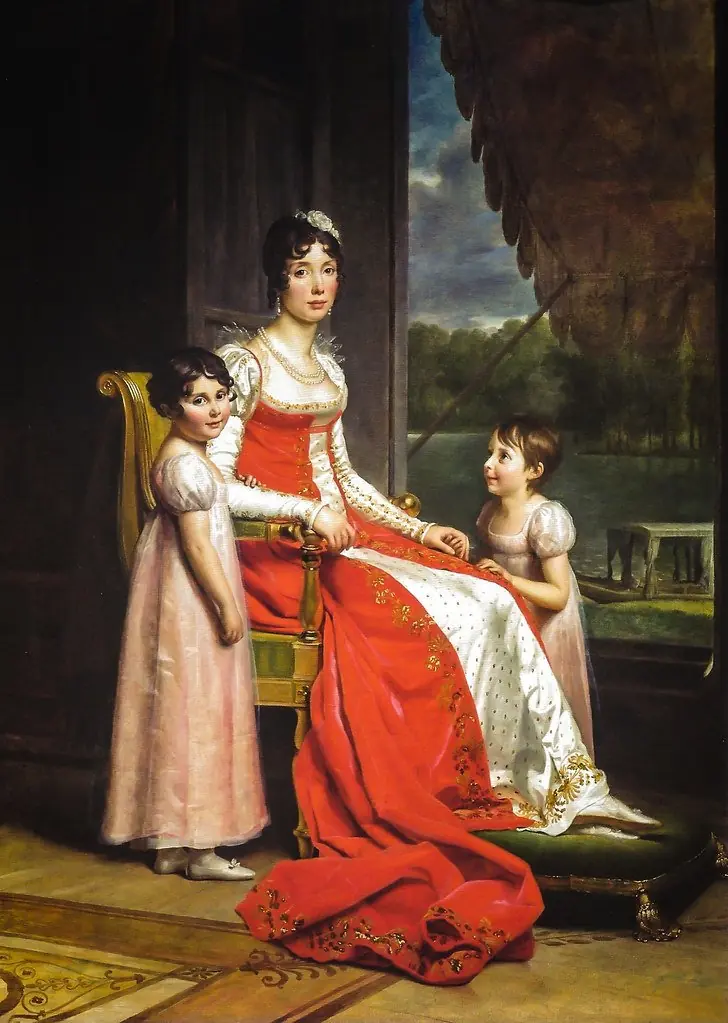 Julie Bonaparte as Queen of Spain with her Daughters, Zénaïde and Charlotte
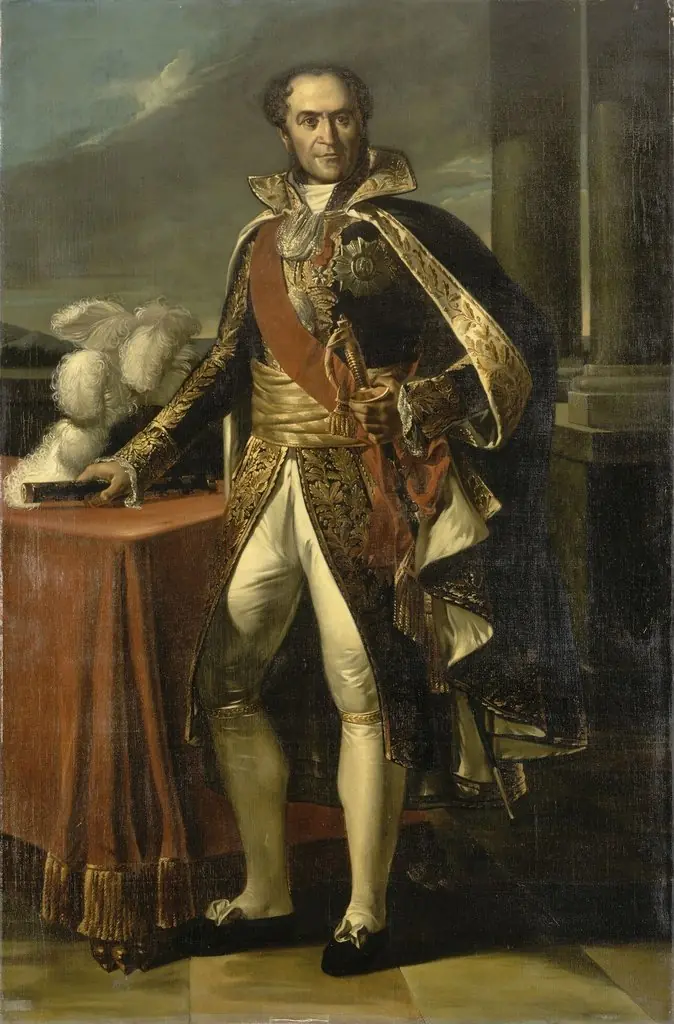 Guillaume-Marie-Anne, maréchal Brune
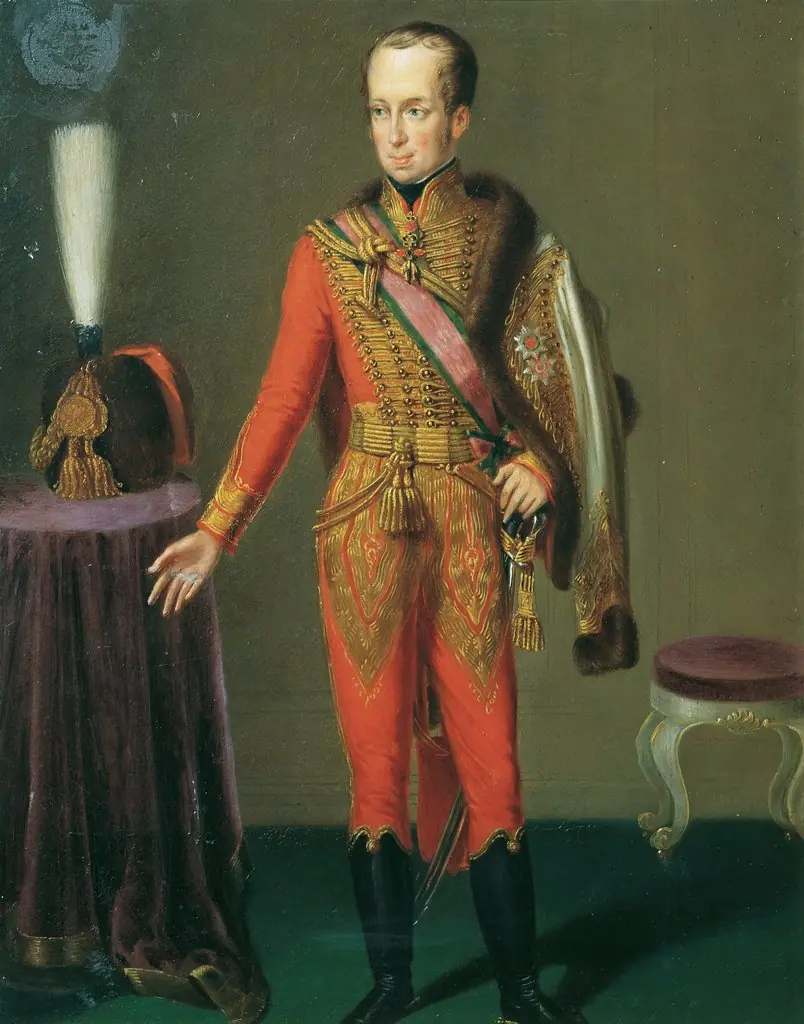 Kaiser Ferdinand I.
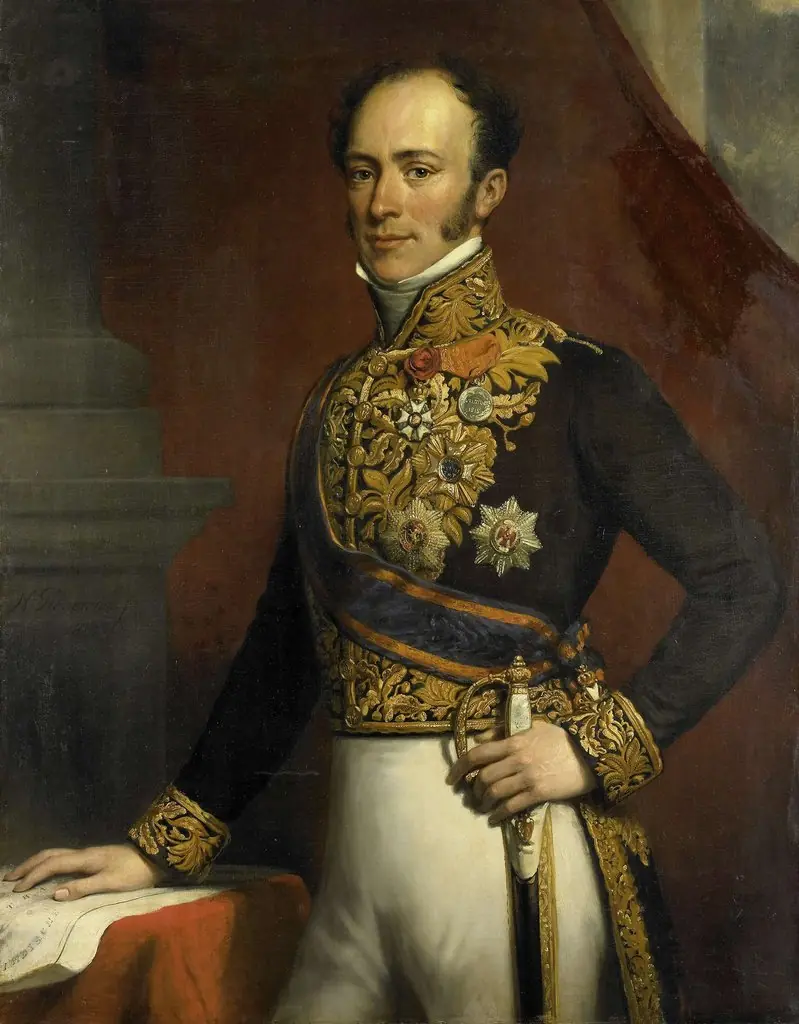 Portrait of Jan Jacob Rochussen, Governor-General of the Dutch East Indies
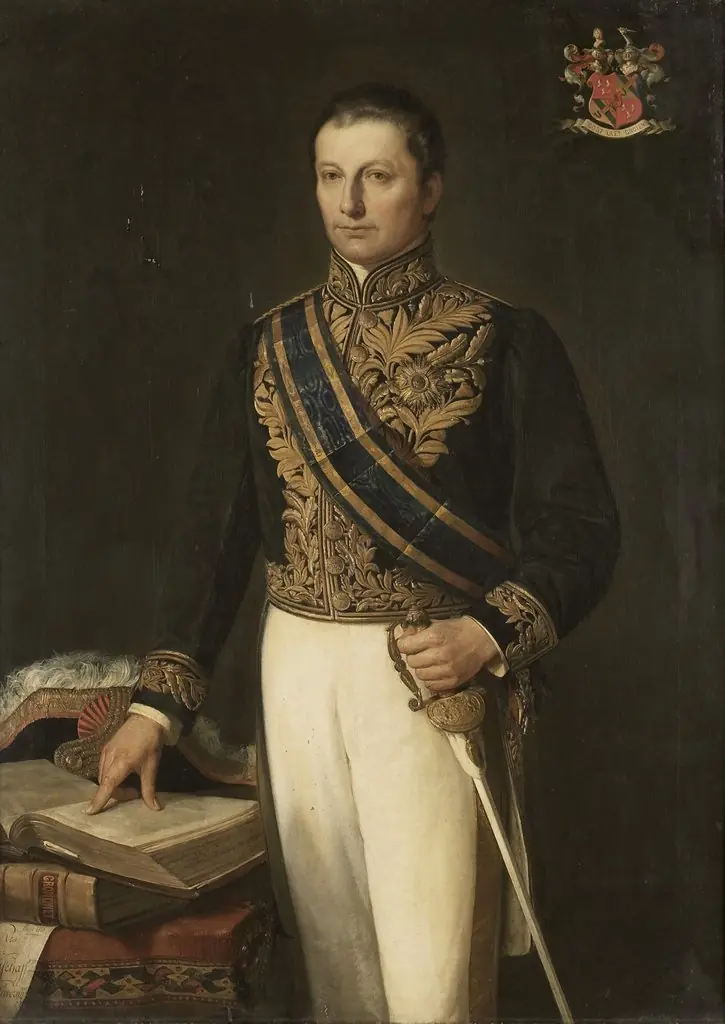 Portrait of Cornelis Theodorus Elout
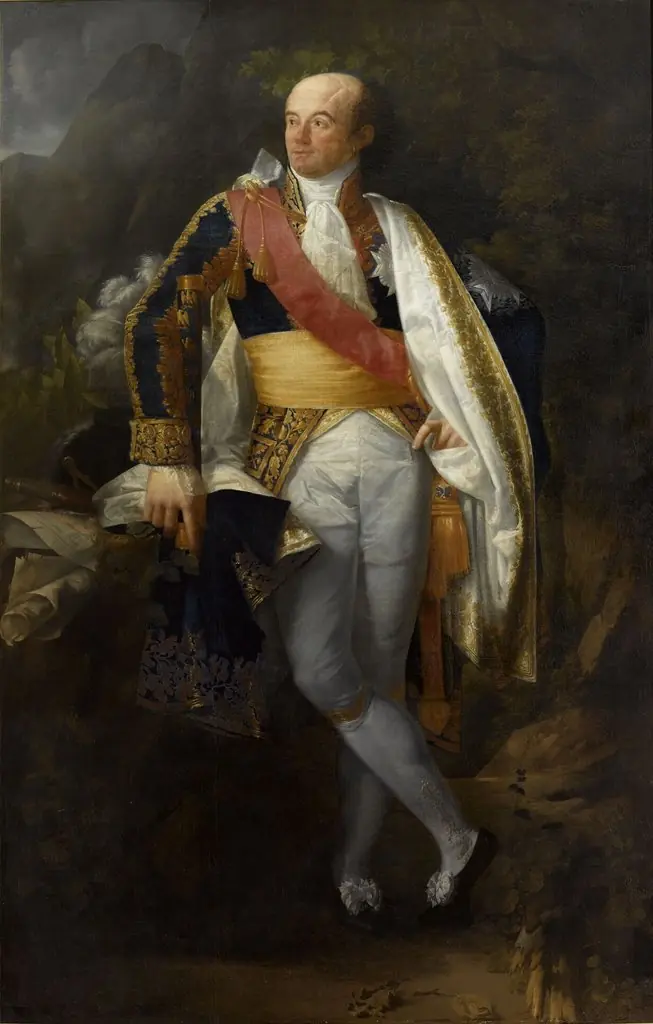 Dominique-Catherine, marquis Pérignon, maréchal de France (1754-1818)
 Portrait of Jan Jacob Rochussen, Governor-General of the Dutch East Indies
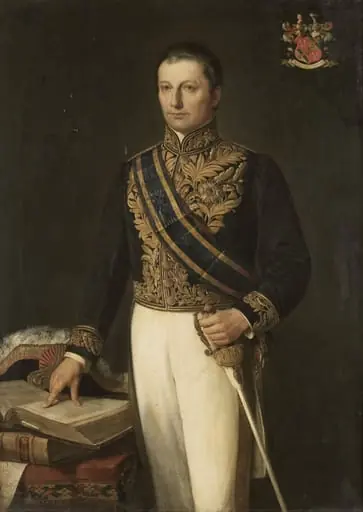 Untitled
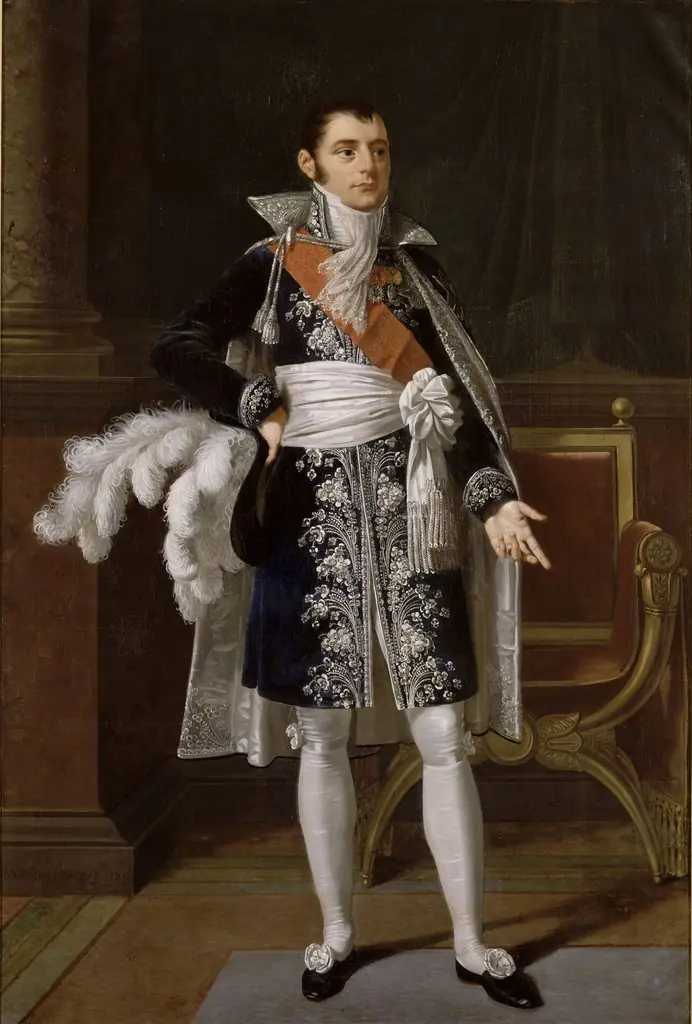 Portrait of Anne-Jean-Marie-René Savary, Duke of Rovigo (1774-1833)
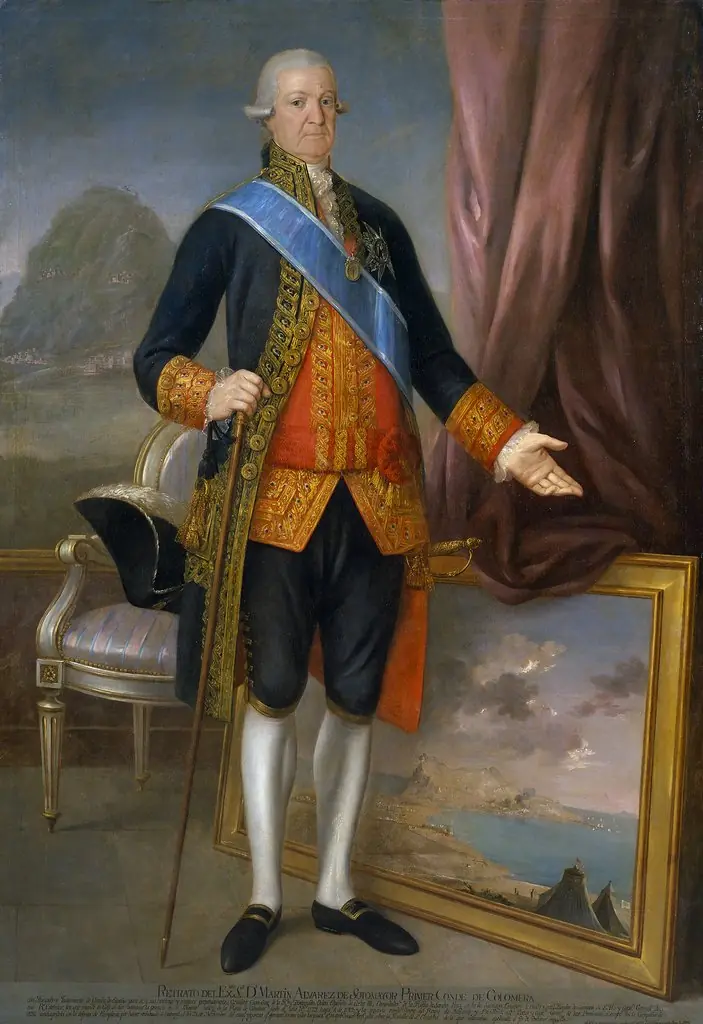 Martín Antonio Álvarez de Sotomayor y Soto-Flores, Count of Colomera
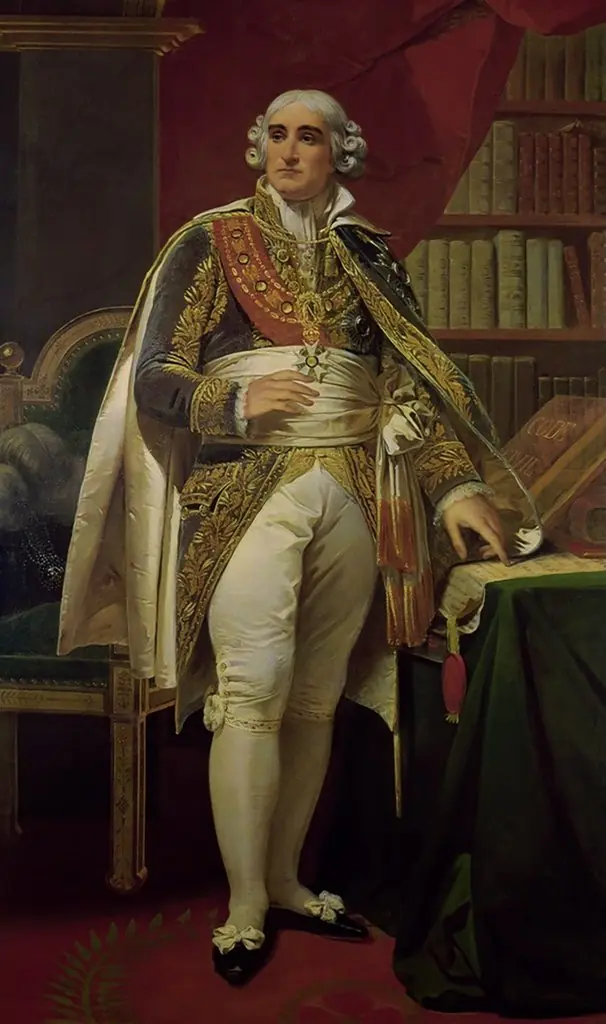 Portrait de Parme, duc de Cambacérès, Archichancelier de l'Empire
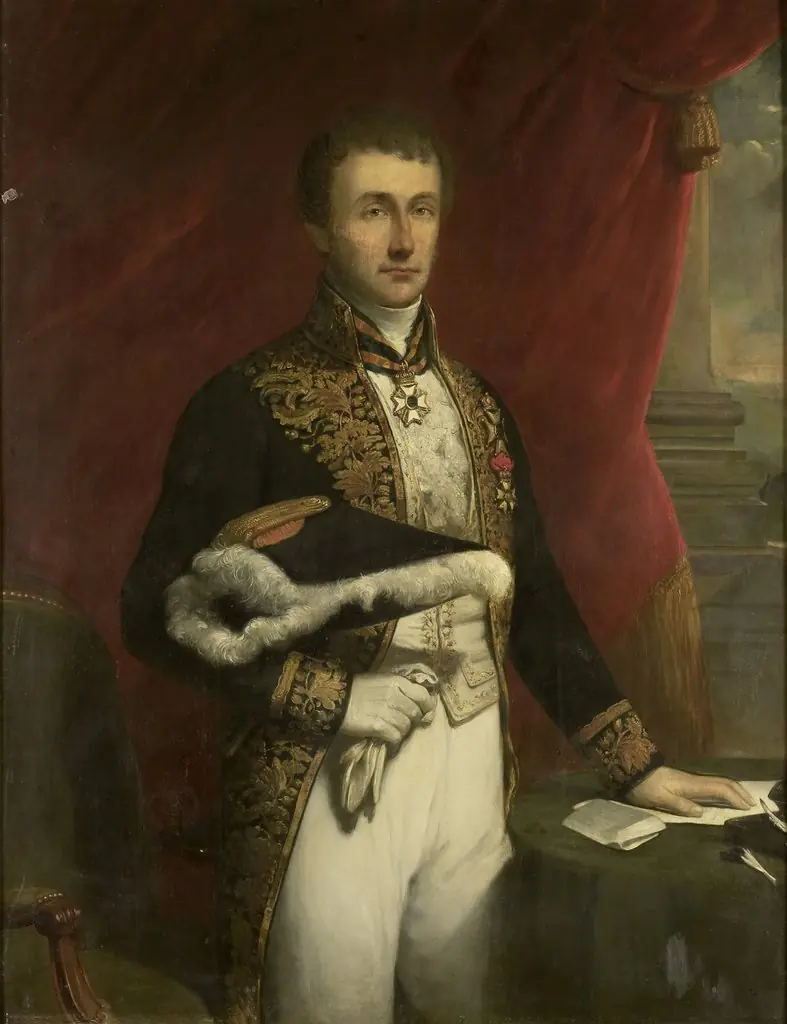 Pieter Merkus (1787–1844). Gouverneur-generaal (1841–1844)
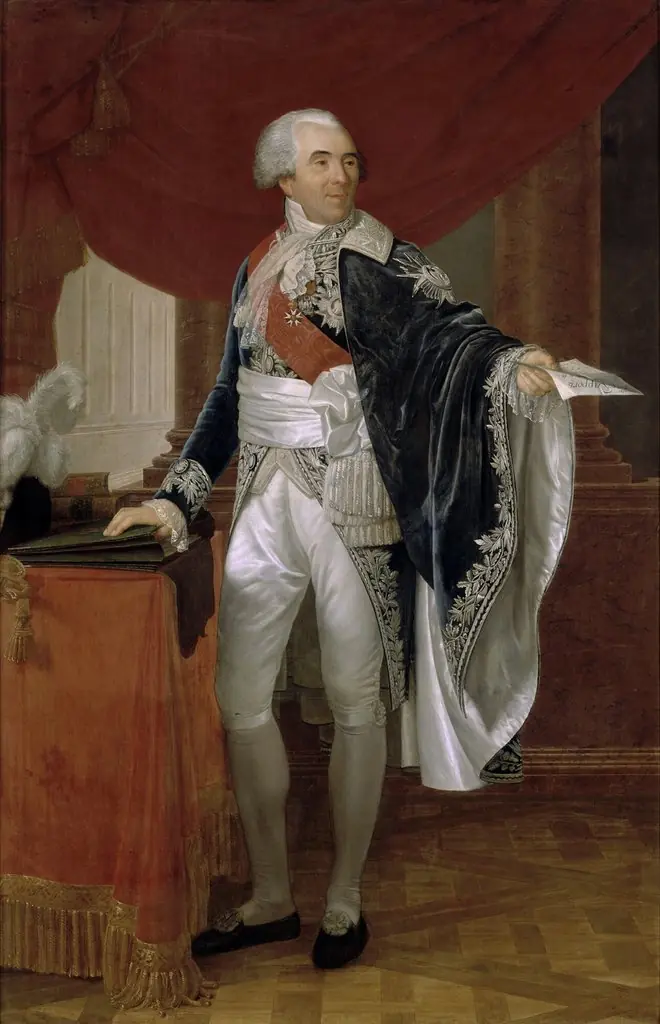 Jean-Gérard Lacués, count of Cessac (1752-1841)