Artwork
Marie-Joséphine Lafont-Porcher
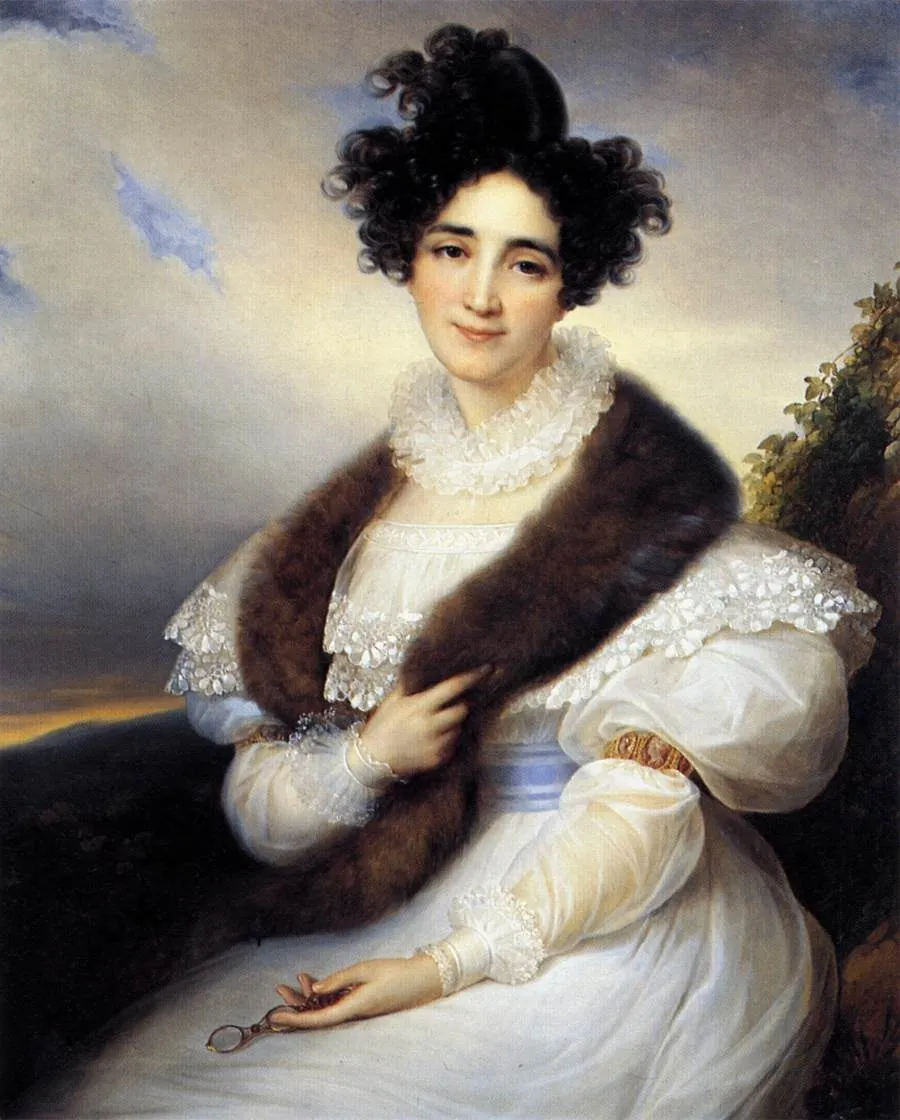
Marie-Joséphine Lafont-Porcher is an oil painting by the French Romanticist artist François Kinson. It dates from 1835 and is held in the collection of the Groeningemuseum.
About this work
Overview
The work is now part of the Groeningemuseum’s collection, where it stands as a quiet example of mid-19th-century bourgeois representation in Northern Europe.
Painted in 1835 by Belgian artist François-Joseph Kinson, this oil portrait captures Marie-Joséphine Lafont-Porcher, a woman of refined social standing. Kinson, trained in Bruges and active in Paris, applied the conventions of French Romantic portraiture to render his subject with psychological nuance. The work is now part of the Groeningemuseum’s collection, where it stands as a quiet example of mid-19th-century bourgeois representation in Northern Europe.
Subject & Meaning
Marie-Joséphine Lafont-Porcher is depicted in a moment of stillness, her calm expression and faint smile suggesting introspection rather than performance. Her attire—a white dress with lace and a brown fur shawl—signals both modesty and affluence. The small object in her left hand, likely spectacles, implies literacy or intellectual engagement, subtly reinforcing her identity beyond mere social status. The composition avoids theatricality, favoring dignity over spectacle.
Technique & Style
Kinson employed chiaroscuro to model the subject’s form, softening transitions between light and shadow to enhance three-dimensionality. The brushwork is precise yet fluid, particularly in the rendering of lace and fur, which contrast with the broader, atmospheric sky behind her. The muted palette of white, brown, and pale blues grounds the figure in a serene environment, while the cloudy backdrop avoids distraction, focusing attention on her poised demeanor and delicate features.
History & Provenance
Commissioned in 1835, the portrait remained in private hands until entering the Groeningemuseum’s collection. Kinson, though not widely known today, was active in Parisian artistic circles during the 1830s, producing portraits for the Belgian and French bourgeoisie. The painting’s survival and institutional acquisition reflect its enduring value as a record of individual identity within a period of shifting social norms in post-Napoleonic Europe.
Context
In the 1830s, portraiture in France and the Low Countries increasingly emphasized personal character over aristocratic grandeur. Kinson’s work aligns with Romanticism’s interest in inner life, even as it retains classical restraint. The inclusion of everyday details—spectacles, a fur shawl—signals a broader cultural shift toward valuing private virtue and intellectual refinement among the rising middle class.
Legacy
Though not widely exhibited beyond regional collections, the portrait endures as a thoughtful example of how Romantic ideals were adapted in smaller-scale portraiture. It offers insight into the visual language of middle-class identity in early 19th-century Europe, where elegance was expressed through subtlety rather than ornament. Its preservation in the Groeningemuseum ensures continued access to this quiet, intimate moment from the past.
Artist & collection
Artist
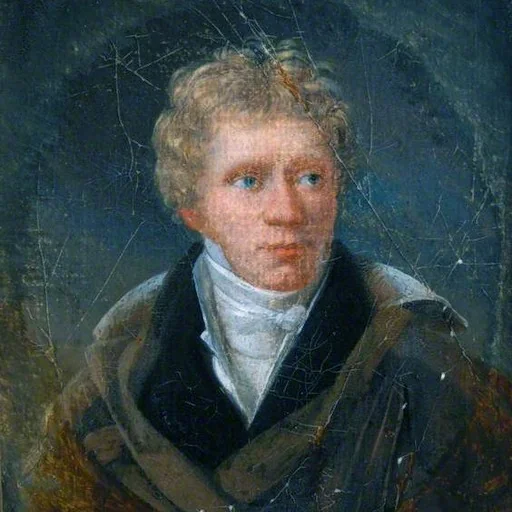
François-Joseph Kinson (Dutch: Franciscus Josephus Kinsoen) (29 January 1770 in Bruges - 18 October 1839 in Bruges), was a Belgian painter.

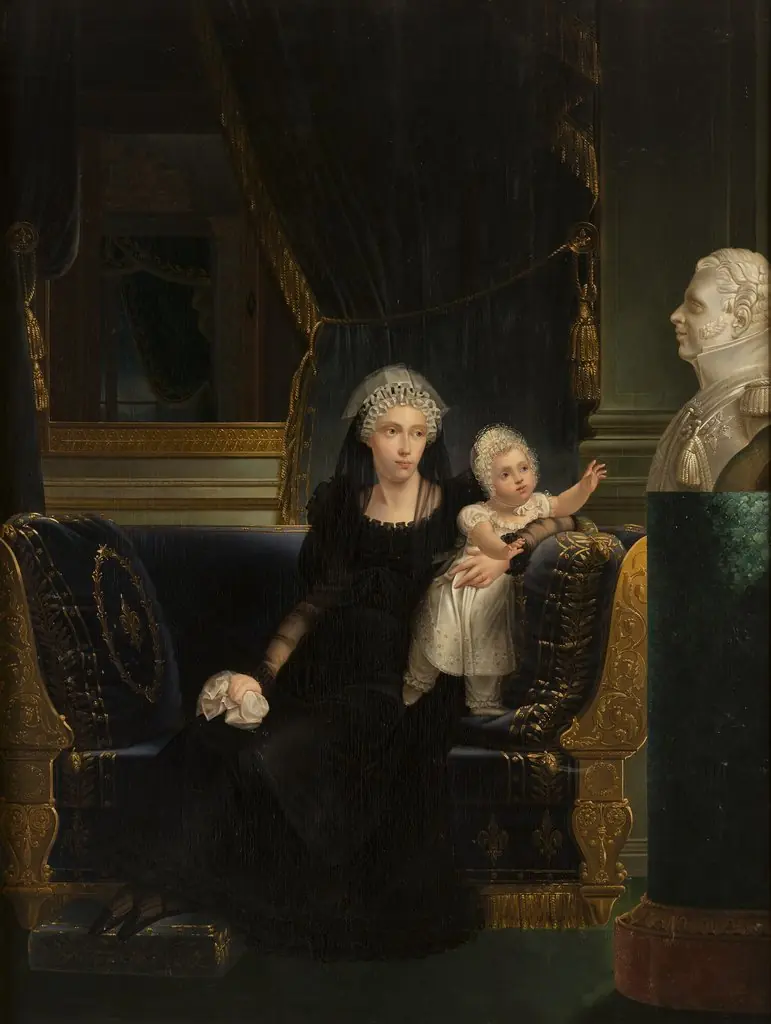 Marie-Caroline de Bourbon-Sicile, Duchess of Berry and her daughter Louise-Marie-Thérèse
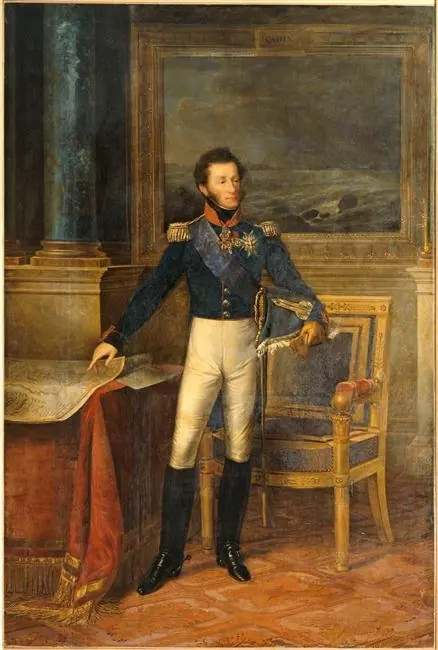 Louis-Antoine d'Artois, Duke of Angoulême (1775-1844)
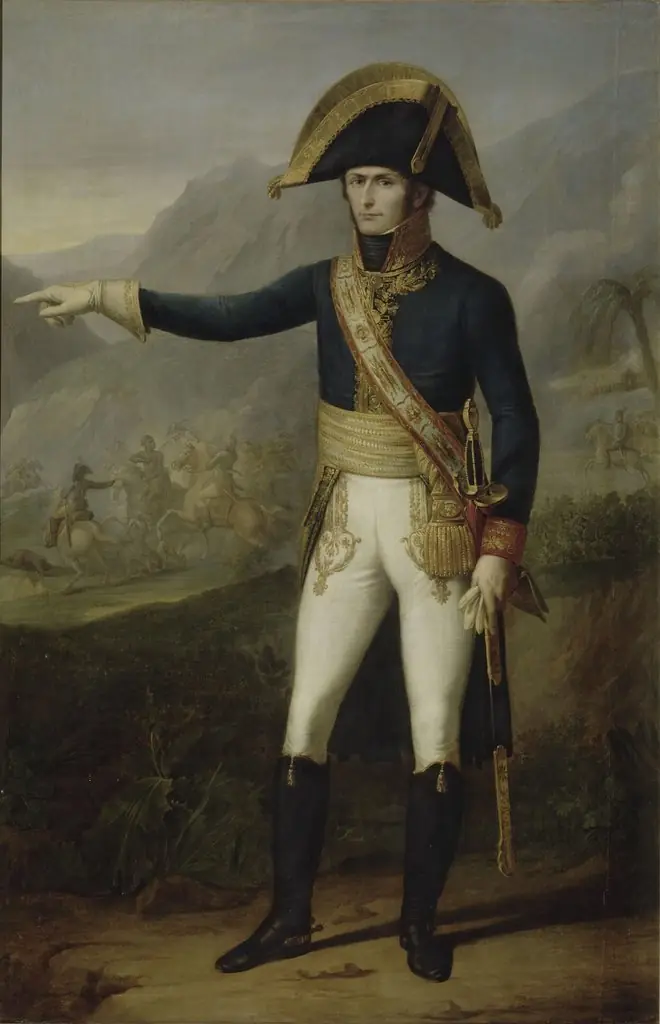 Charles-Emmanuel Leclerc, general-in-chief of the army of Saint-Domingue (1772-1802)
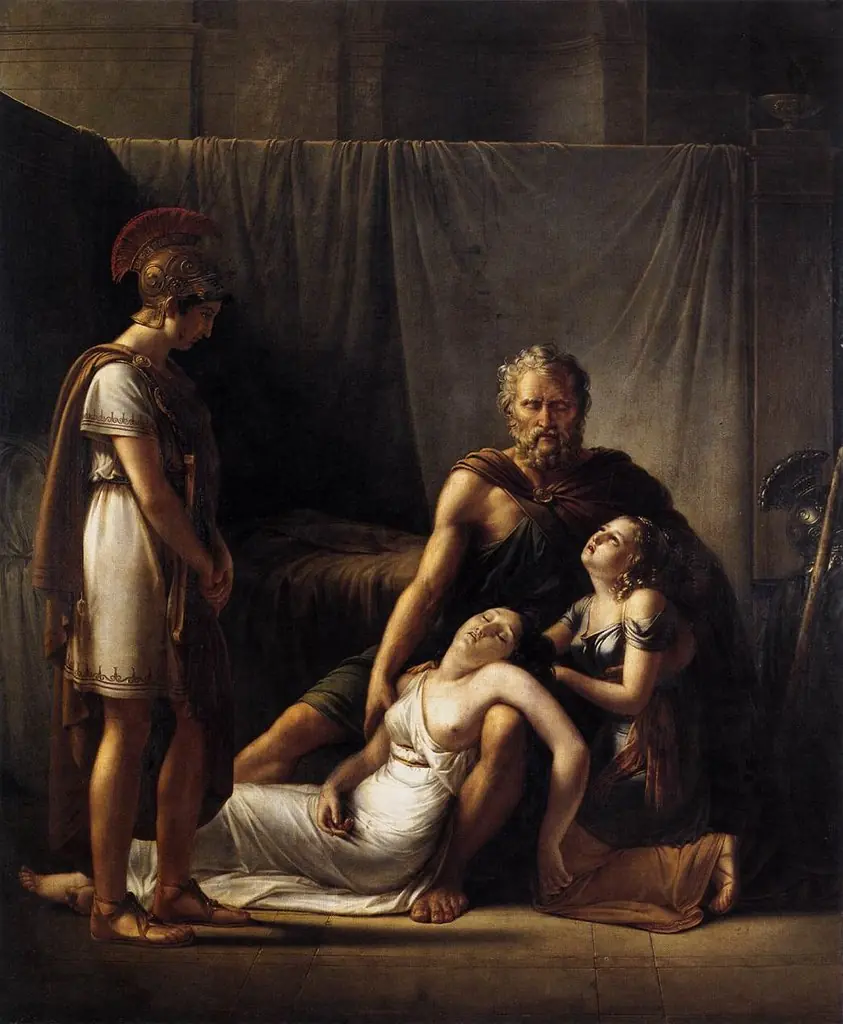 The Death of Belisarius' Wife
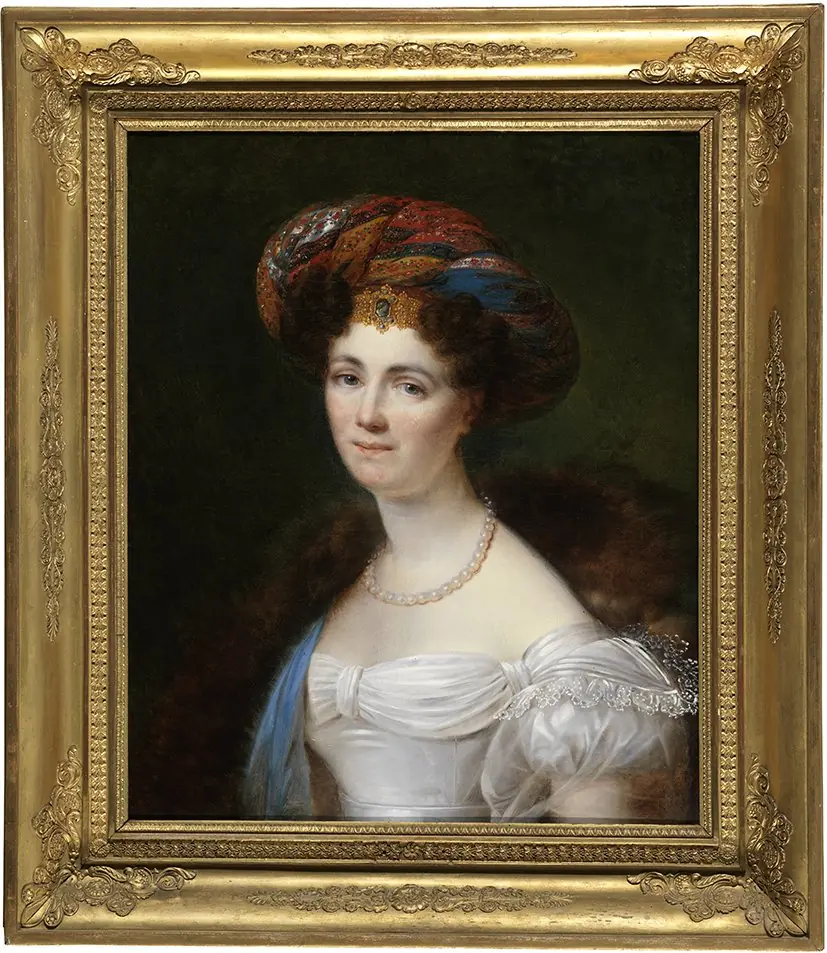 Portret van Joséphine Victoire Meslier-Duvey
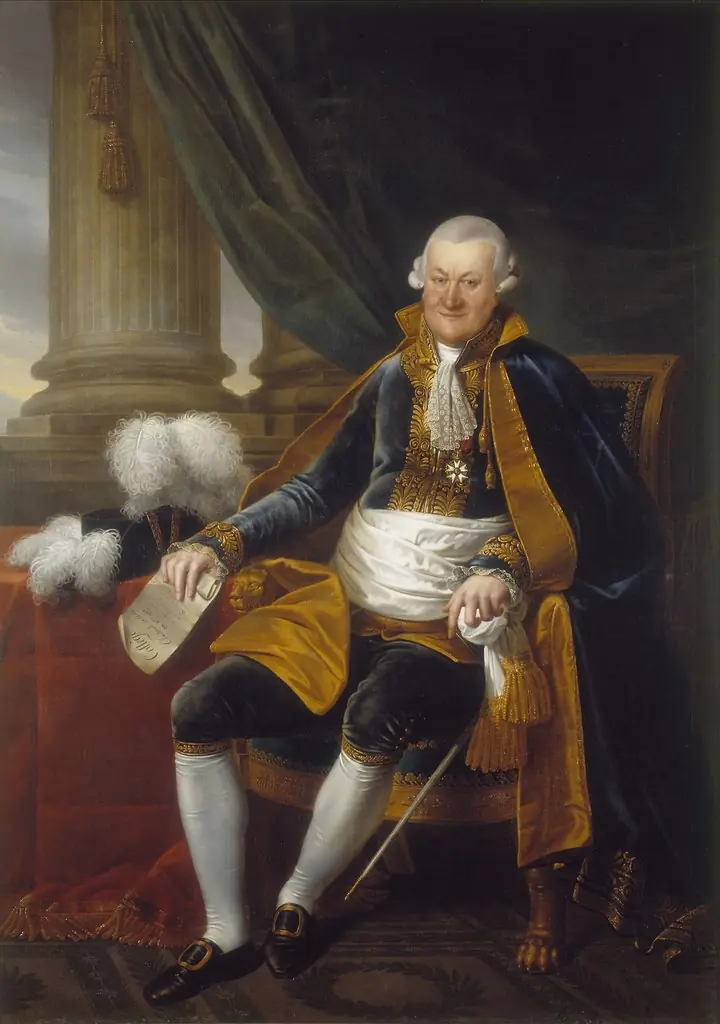 Portrait of François Joseph de Viry
 Portret van een vrouw met haar twee kinderen
 Portret van Jeanne Bauwens-van Peteghem
 Portrait of a Lady (Possibly Mrs. Patrick Campbell, Neé Fitzgerald)
 Portrait of Konstanzia Nákó
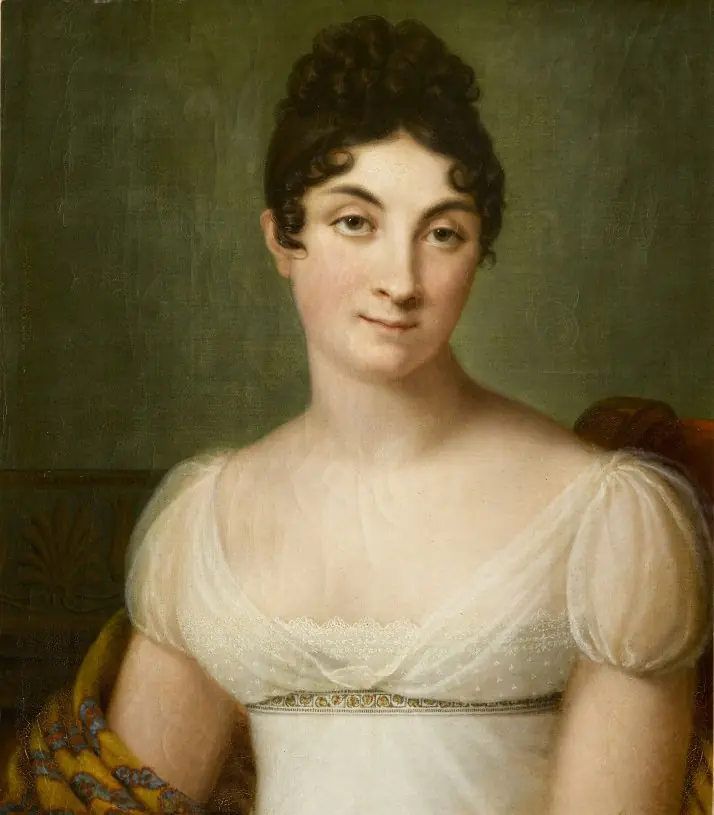 Portrait de Claire Élisabeth de Vergennes, Comtesse de Rémusat
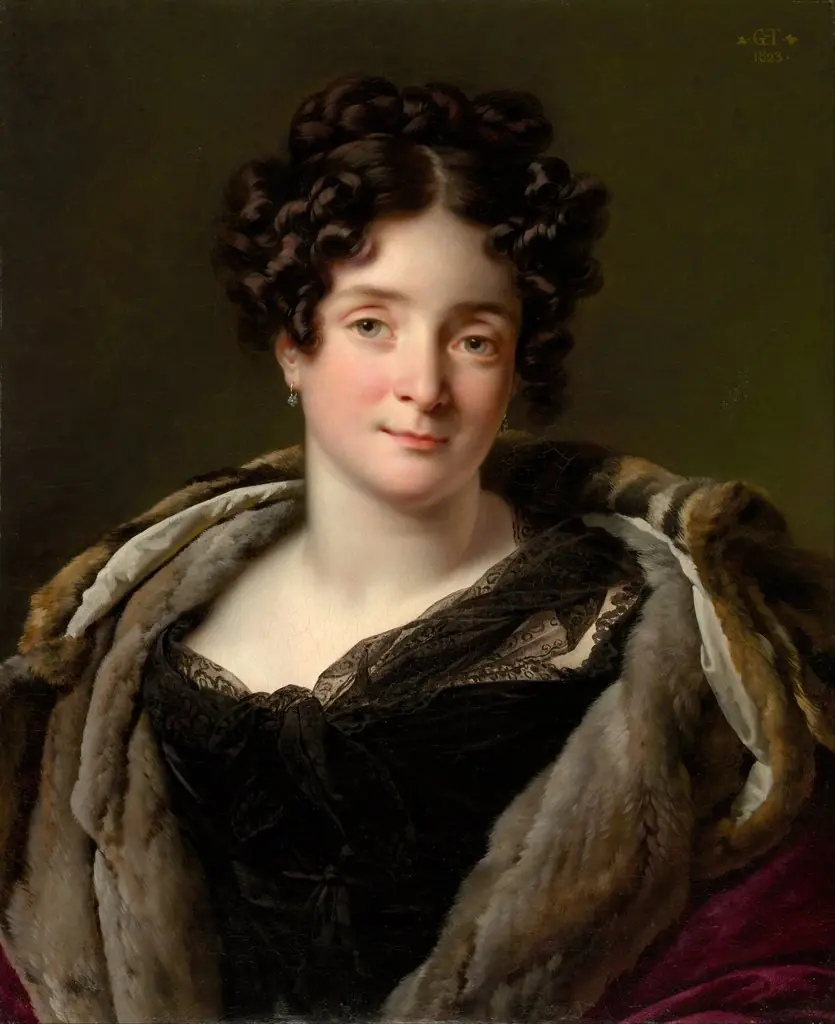 Madame Jacques-Louis-Étienne Reizet (Colette-Désirée-Thérèse Godefroy, 1782–1850)
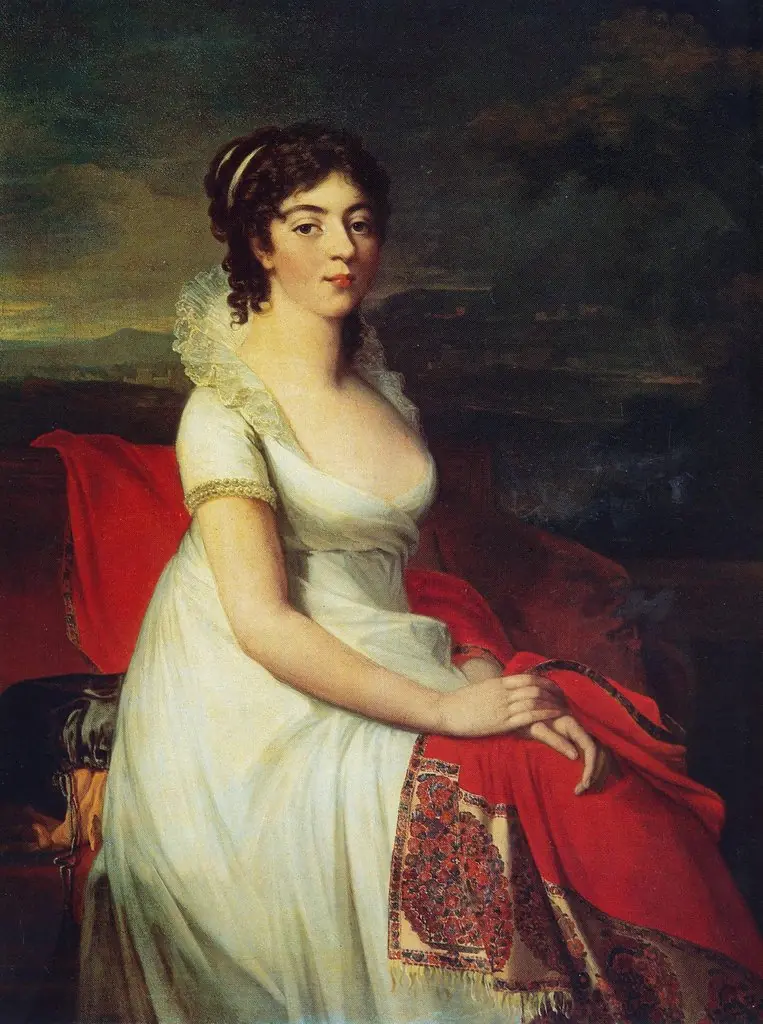 Princess Yelizaveta Shakhovskaya
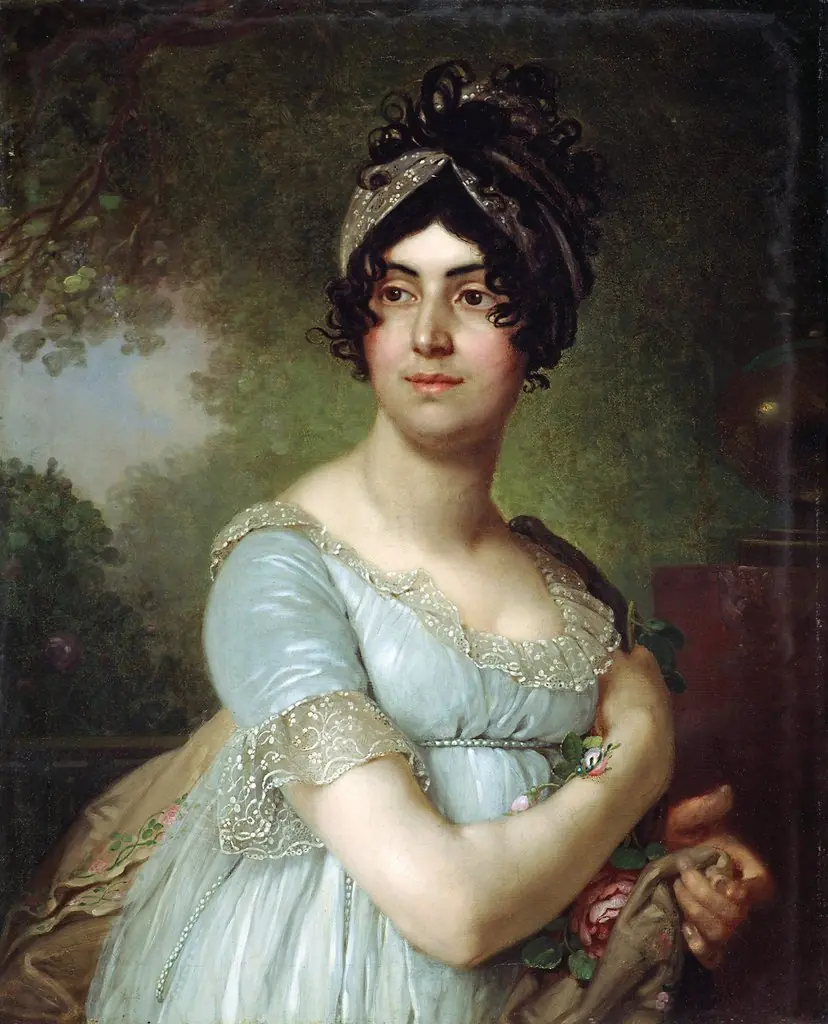 Портрет Д.С. Яковлевой
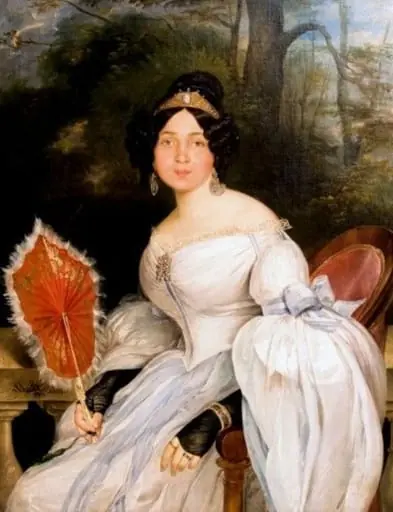 Portret de femeie cu evantai
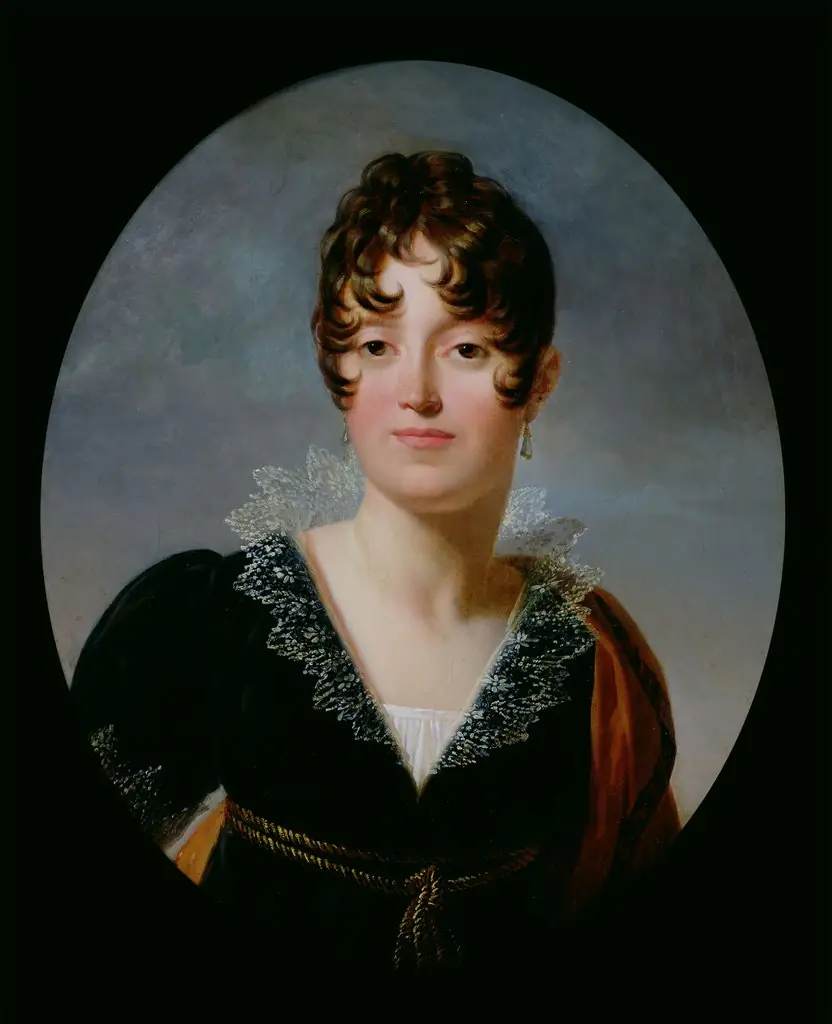 Désirée Clary
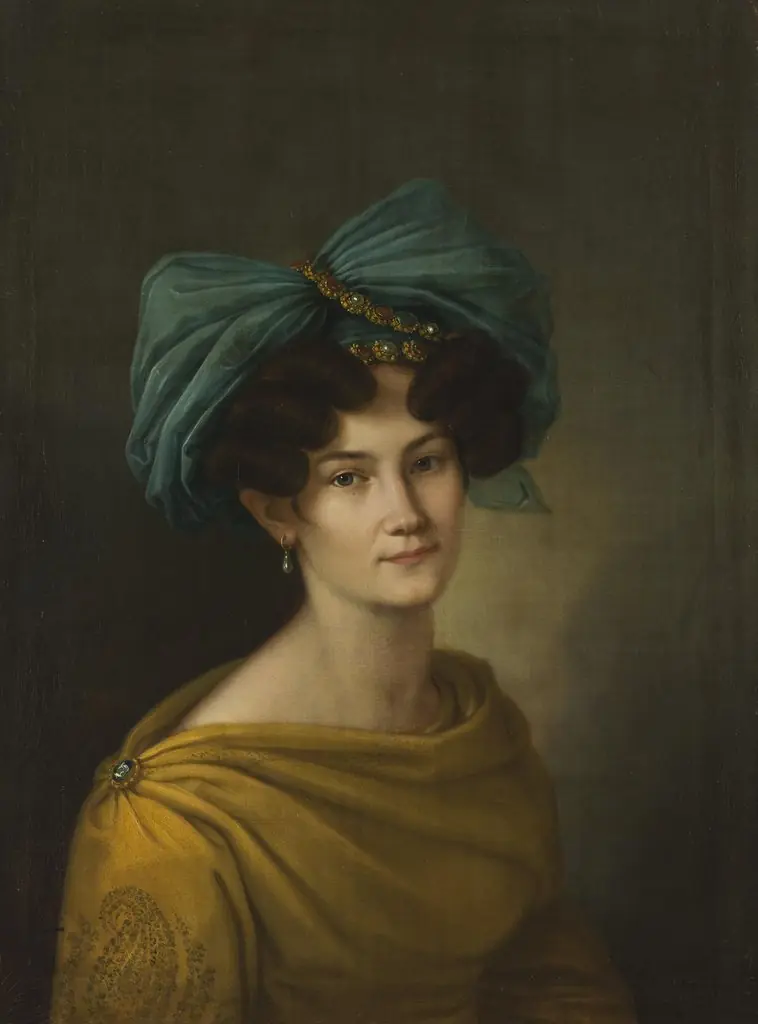 Portrait of Anastasia Vadkovskaya
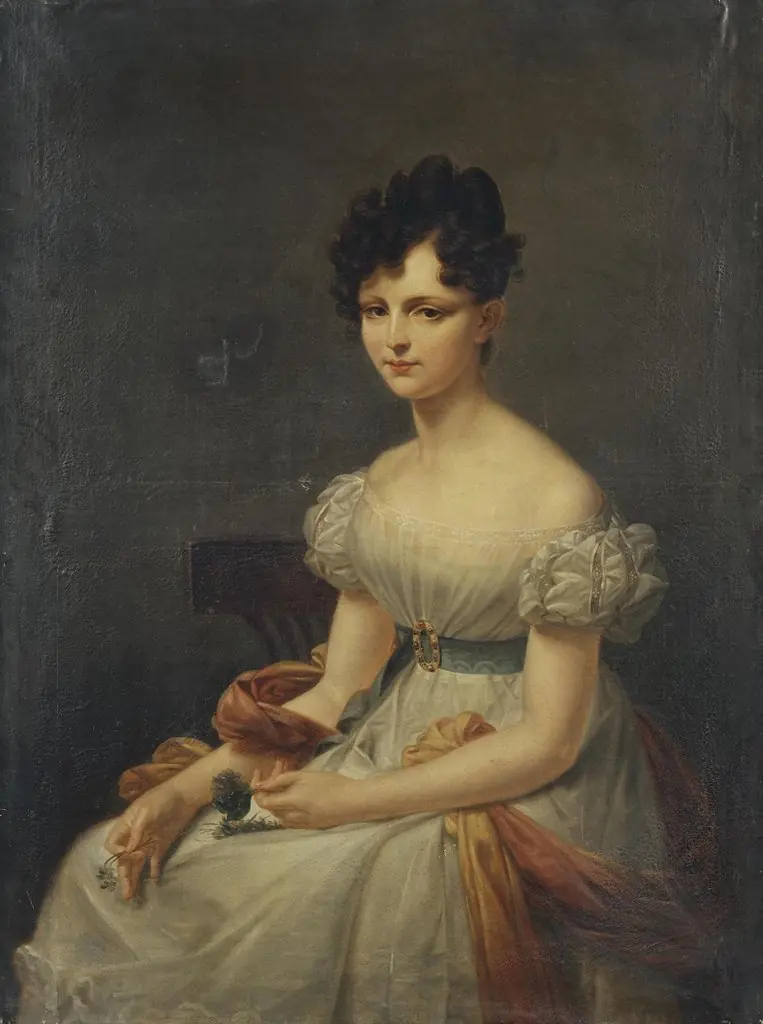 Portrait of Princess Anna Nikolayevna Golitsyna (?)
 Portrait of Praskovia Kovalyova-Zhemchugova, Countess Sheremeteva (1768-1803)
 Portrait of Princess Anna Nikolayevna