Artwork
Princess Yelizaveta Shakhovskaya
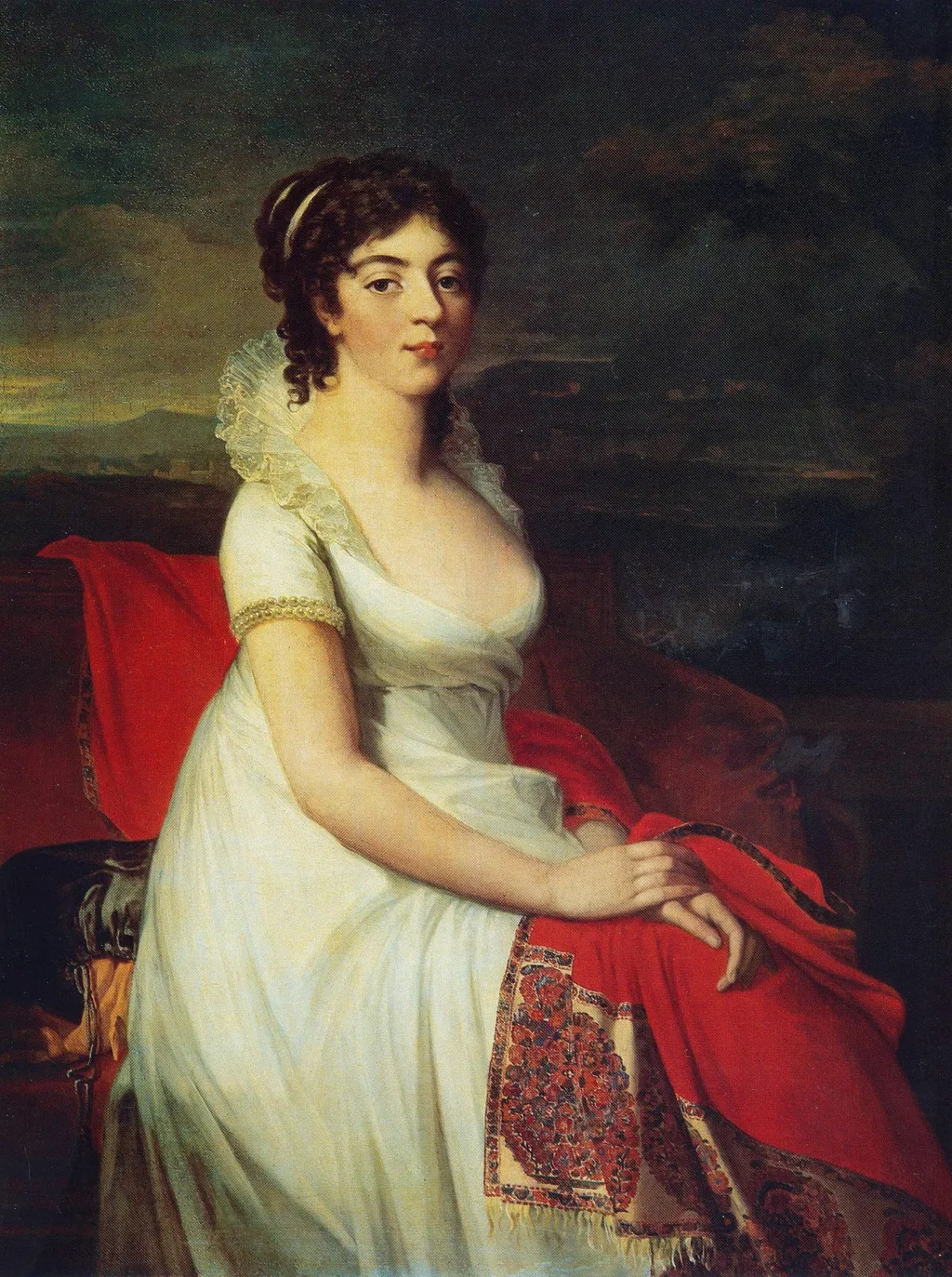
Princess Yelizaveta Shakhovskaya is an oil painting by Jean-Laurent Mosnier. It dates from 1806 and is held in the collection of the Hermitage Museum.
About this work
Overview
Painted in 1806 by Jean-Laurent Mosnier, this oil portrait captures Princess Yelizaveta Shakhovskaya, a Russian noblewoman connected to the imperial court.
Painted in 1806 by Jean-Laurent Mosnier, this oil portrait captures Princess Yelizaveta Shakhovskaya, a Russian noblewoman connected to the imperial court. Mosnier, originally trained in Paris, had relocated to St. Petersburg by this time, serving as a portraitist for Russian aristocracy. The work is part of the State Hermitage Museum’s collection, reflecting the cultural exchange between French artistic traditions and Russian elite patronage during the early 19th century.
Subject & Meaning
The princess is portrayed with quiet dignity, her composed expression and refined attire signaling her social standing. The white dress and headband suggest modesty and elegance, while the red shawl introduces a deliberate contrast, drawing attention without overt flamboyance. The subtle landscape behind her implies a connection to estate or lineage, common in aristocratic portraiture of the period. The image conveys status through restraint rather than ostentation.
Technique & Style
Mosnier employed chiaroscuro to model the princess’s form with soft gradations of light and shadow, enhancing the three-dimensionality of her face and hands. Fine brushwork renders the lace trim on her sleeves and neckline with precision, while the red shawl is painted with looser, more atmospheric strokes. The dark background isolates the figure, focusing attention on her presence. The palette remains restrained, with color used selectively to guide the viewer’s eye.
History & Provenance
Commissioned during Mosnier’s tenure in St. Petersburg under Tsar Alexander I, the portrait was likely created for the Shakhovskaya family’s private collection. It entered the Hermitage’s holdings in the 19th century, possibly through state acquisition or donation. Its preservation reflects the museum’s early efforts to document the visual culture of the Russian nobility, particularly those with ties to foreign-trained artists.
Context
In early 19th-century Russia, European-trained painters like Mosnier were sought after to portray the imperial elite, blending French Rococo refinement with emerging Neoclassical ideals. Portraits such as this served both personal and political functions—affirming lineage, taste, and alignment with Western cultural norms. The subdued setting and intimate scale distinguish it from grand ceremonial portraits, suggesting a more personal commission.
Legacy
Mosnier’s portrait of Princess Shakhovskaya exemplifies the transnational nature of artistic practice in post-Revolutionary Europe. It stands as a record of how French techniques were adapted to Russian aristocratic sensibilities. While not widely exhibited, the work remains a significant example of court portraiture in the Hermitage, illustrating the quiet sophistication of elite identity in early imperial Russia.
Own this work as a print
Artist & collection
Artist
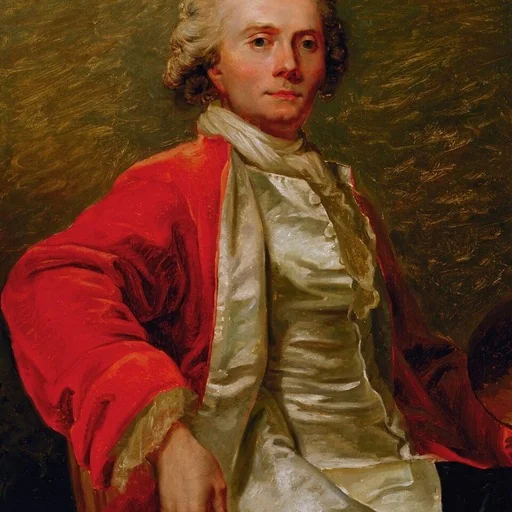
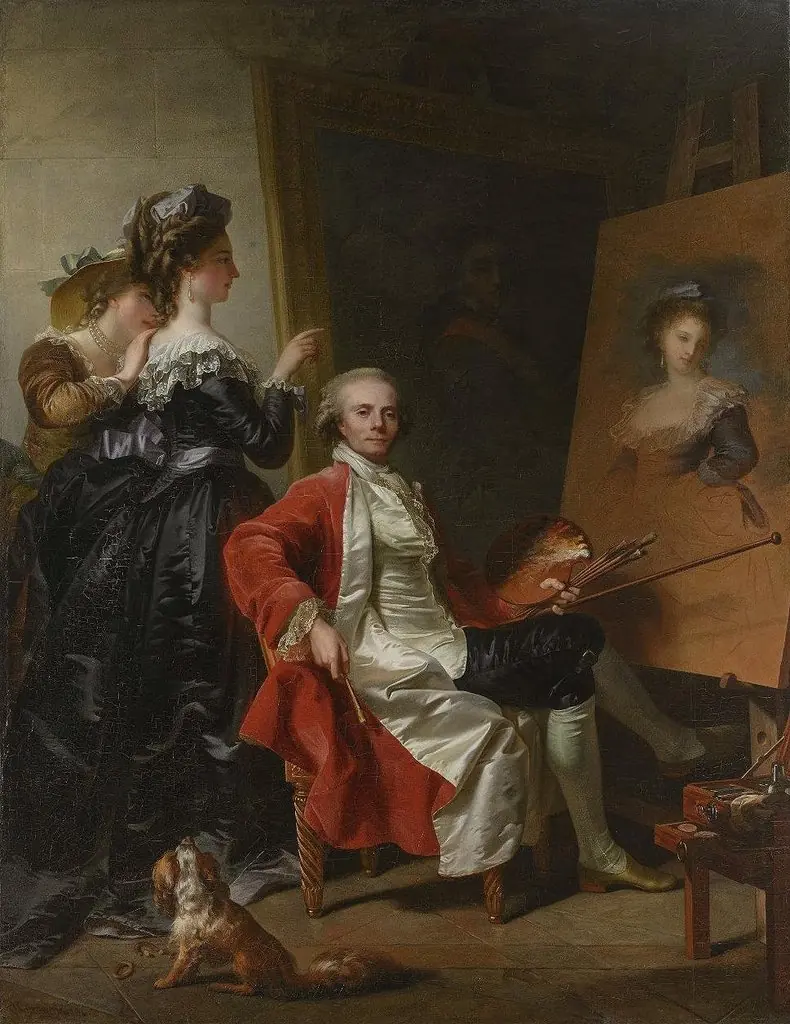
Jean-Laurent Mosnier (French: ; 1743 – 10 April 1808) was a French painter, active in Paris during the Ancien Régime's last decades and then in St.

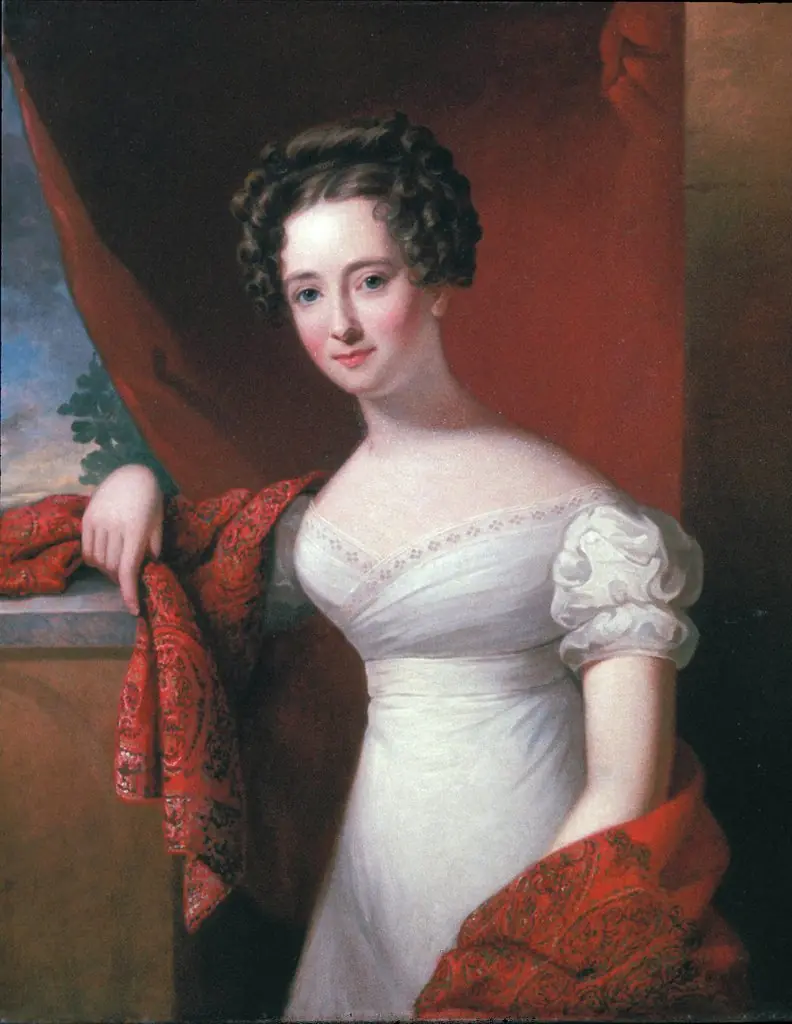 Isabella Hodgkiss Norvell
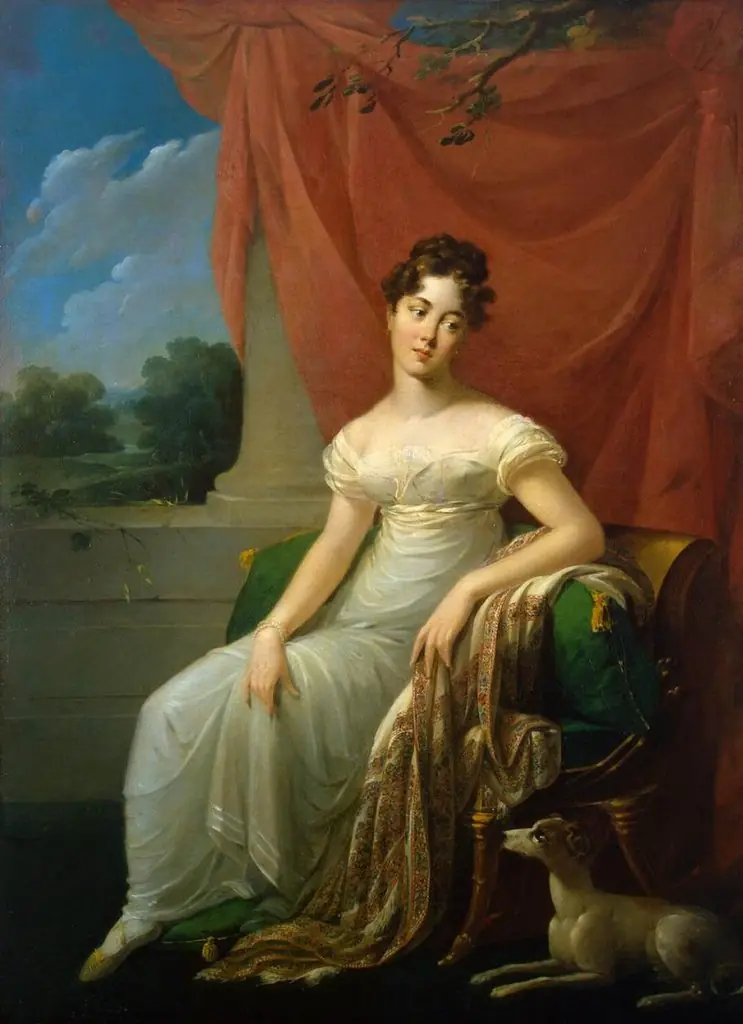 Portrait of Sofia Apraxina
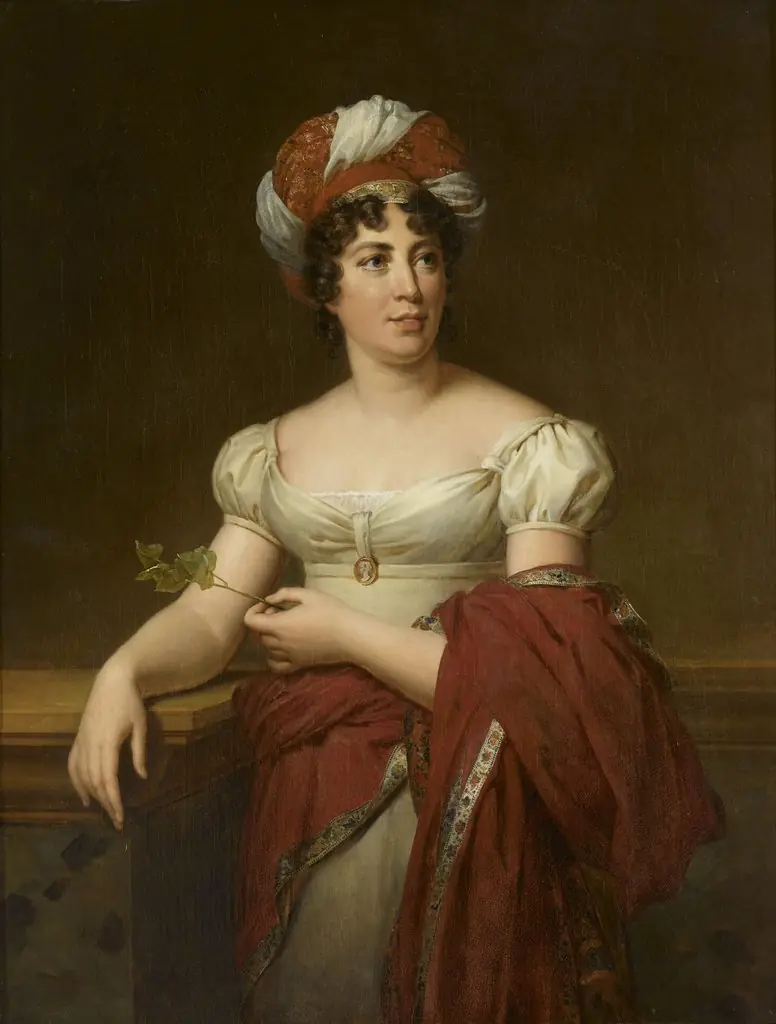 Portrait of Mme de Staël
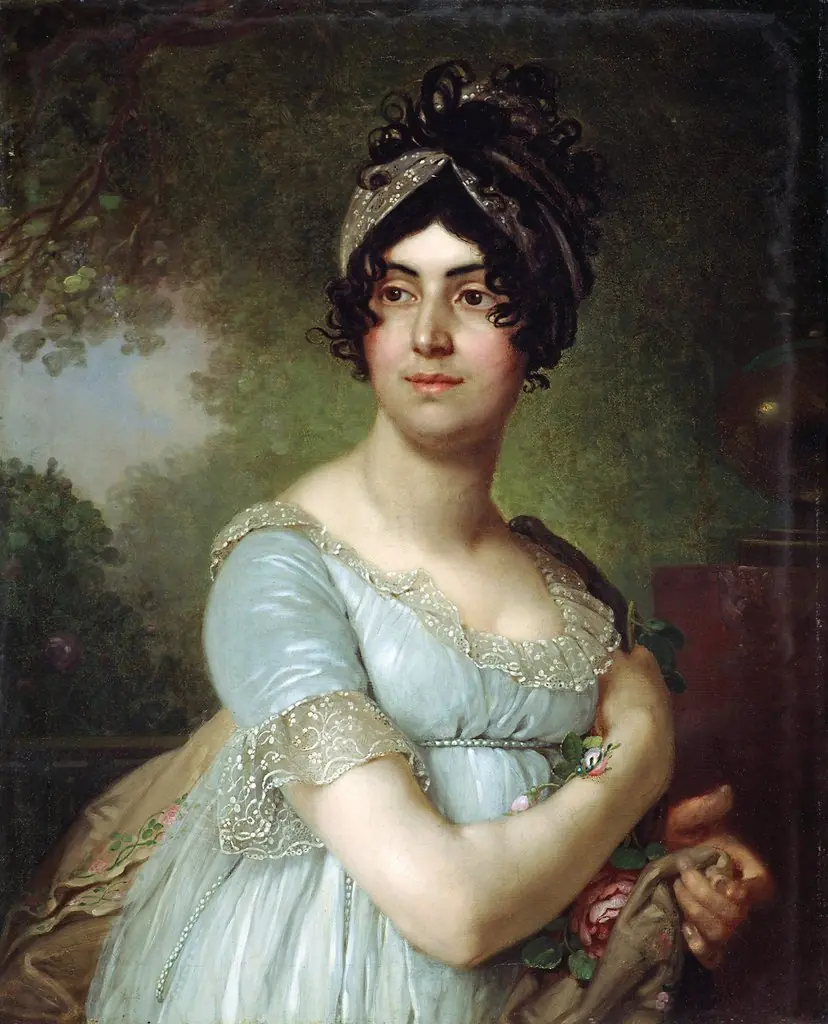 Портрет Д.С. Яковлевой
 Marie-Joséphine Lafont-Porcher
 Portrait de Claire Élisabeth de Vergennes, Comtesse de Rémusat
 Portrait of a Young Woman
 Portrait of Grand Duchess Maria Pavlovna
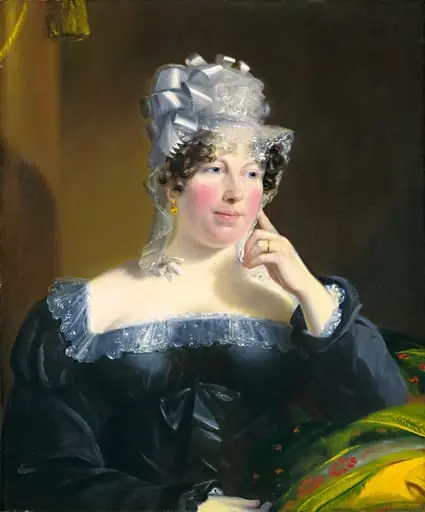 Portrait of a Lady
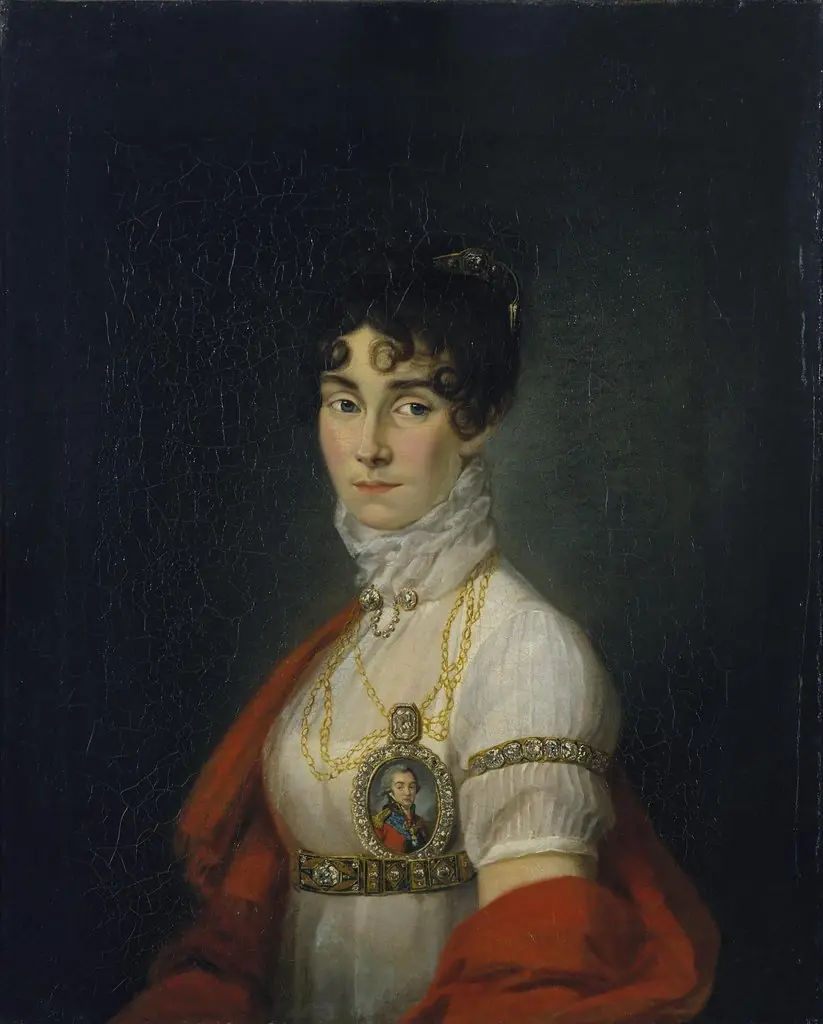 Portrait of Praskovia Kovalyova-Zhemchugova, Countess Sheremeteva (1768-1803)
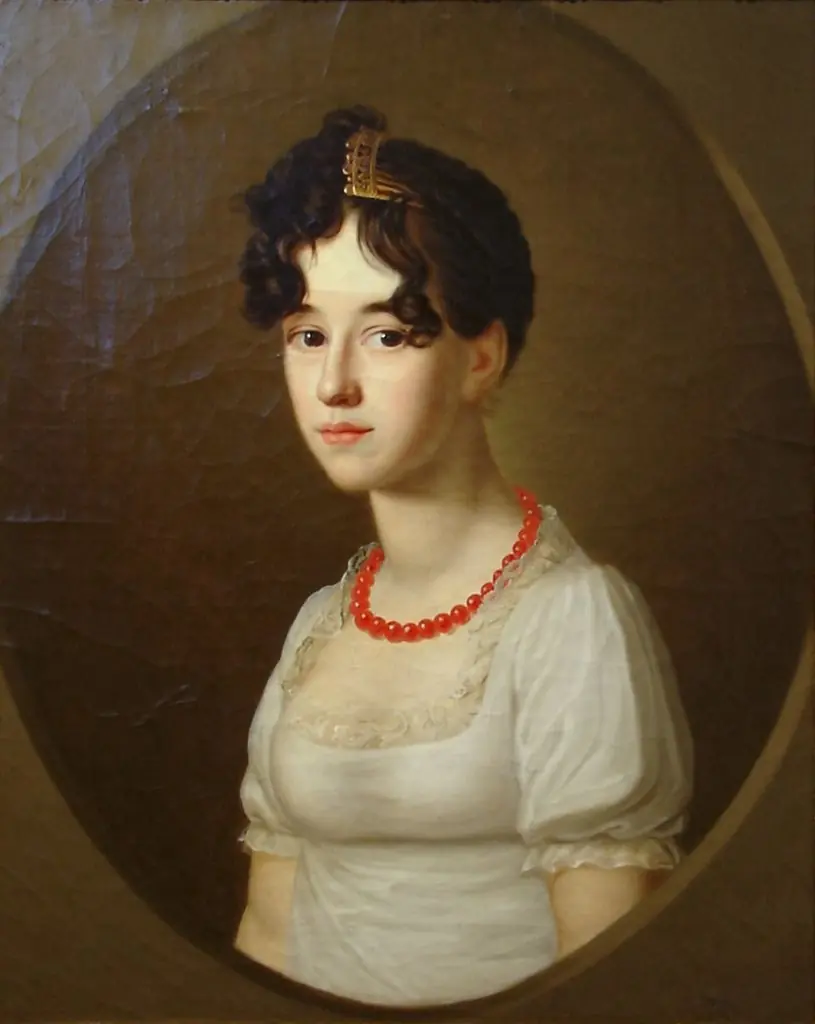 Portrait of Konstanzia Nákó
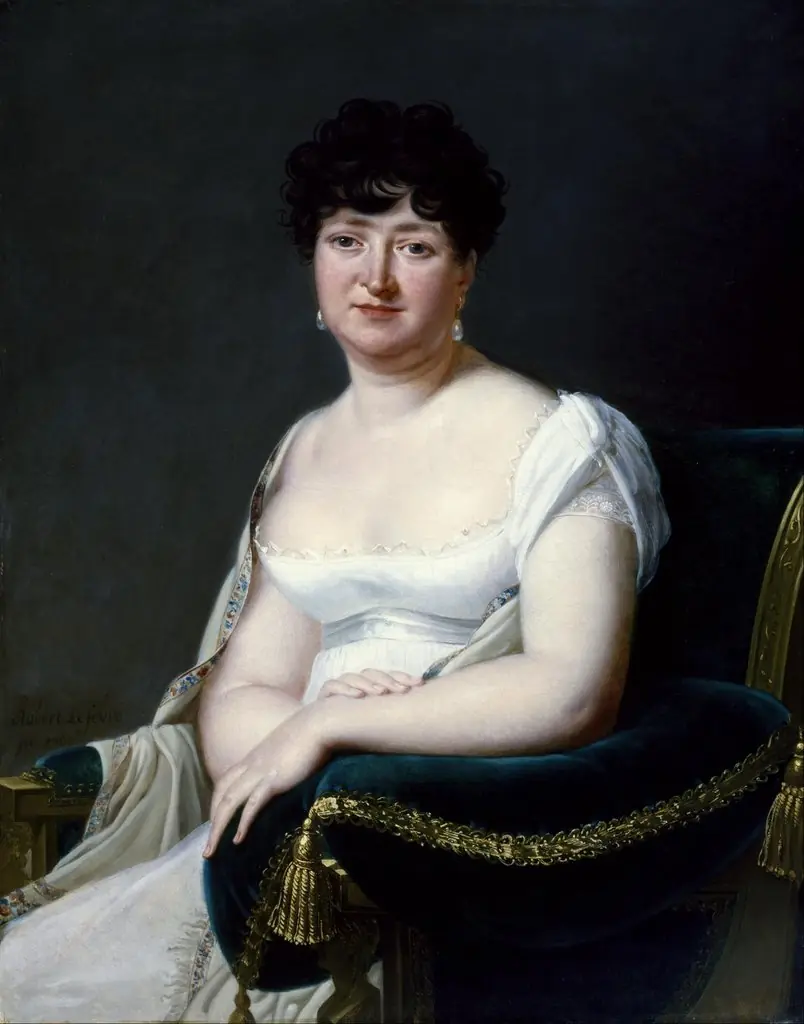 Portrait of a Woman