Artwork
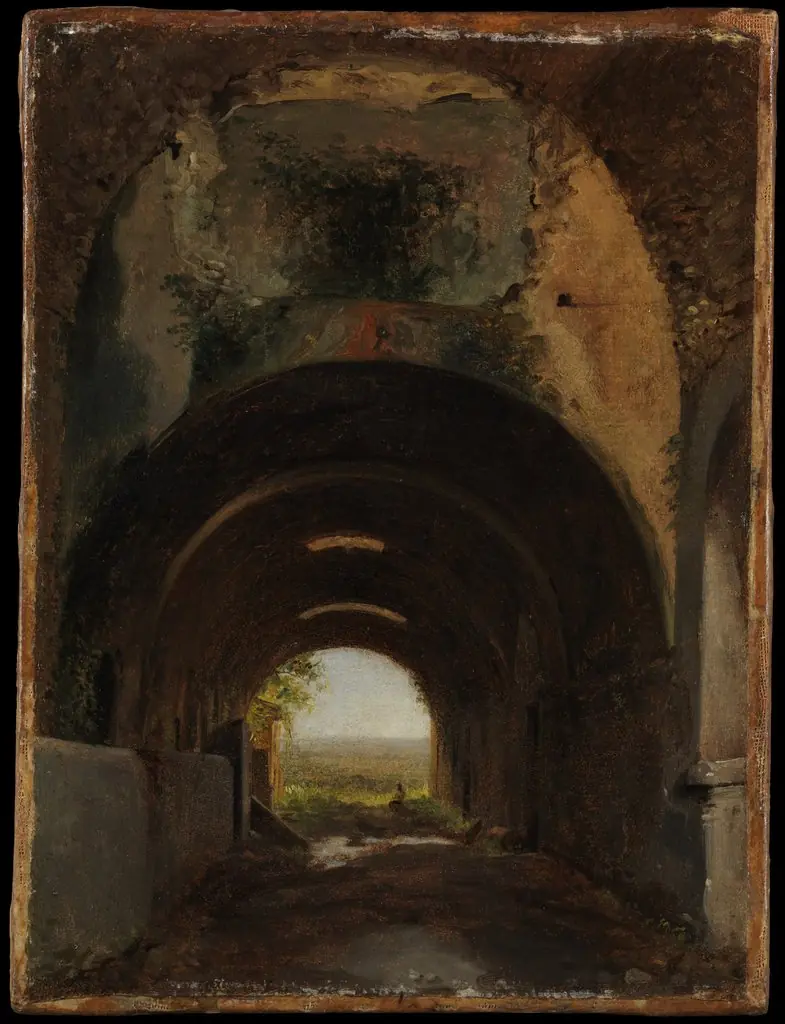
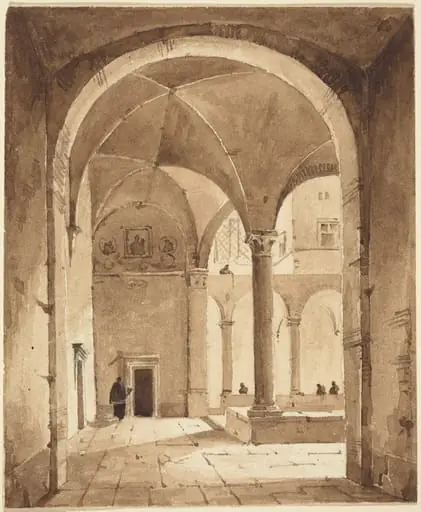
A View of a Garden, seen from within a Roman Vault
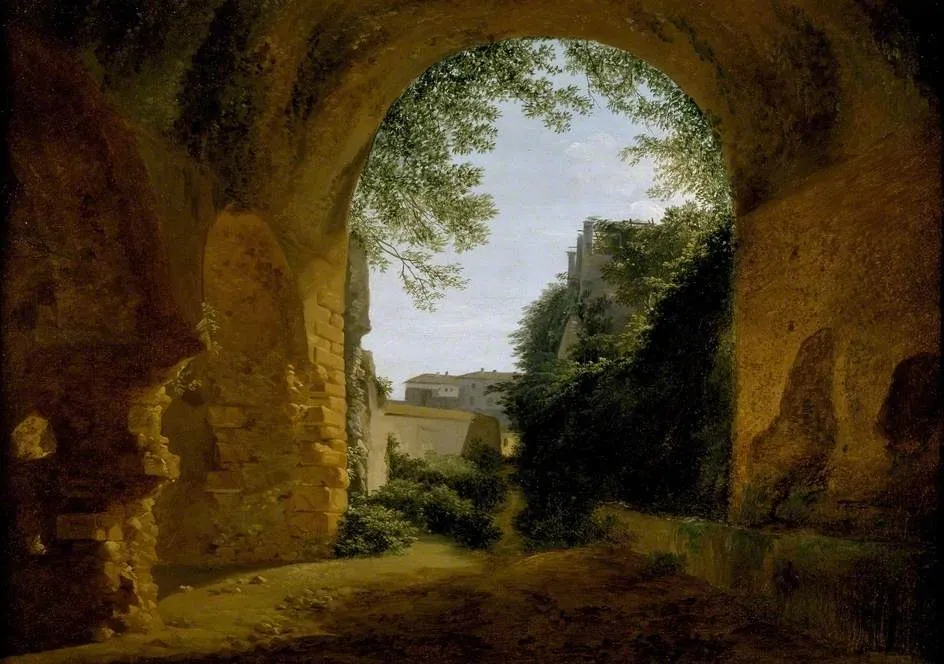
A View of a Garden, seen from within a Roman Vault is an oil painting by François Marius Granet. It dates from 1813 and is held in the collection of the Ashmolean Museum.
About this work
Overview
Painted in 1813 by François Marius Granet, this oil on canvas depicts a garden seen through the arched opening of a Roman-style vault. The composition frames a tranquil outdoor scene within a structured architectural space. The work is part of the Ashmolean Museum’s collection, where it is noted for its quiet atmosphere and careful handling of light and form.
Subject & Meaning
The painting presents a secluded garden viewed from within a shadowed, ancient vault. The contrast between the enclosed, cool stone interior and the sunlit, verdant landscape beyond suggests a contemplative transition between human construction and natural growth. It evokes a sense of stillness and introspection, inviting the viewer to pause between the past and the living world.
Technique & Style
Granet employs chiaroscuro to define the vault’s rugged stonework and to model the soft contours of foliage. The dark, muted tones of the arch contrast deliberately with the warmer greens and golds of the garden. Textures are rendered with subtle brushwork—rough stone against smooth leaves—enhancing the tactile quality of the scene without overt detail.
History & Provenance
Created during Granet’s time in Rome, the painting reflects his engagement with classical architecture and the Italian landscape. It entered the Ashmolean Museum’s collection in the 19th century, likely through a private donation or acquisition. Its preservation has allowed continued study of early 19th-century French artists’ responses to Roman antiquity.
Context
Granet painted this during a period when French artists were drawn to Italy’s ruins and pastoral scenes. The work aligns with a broader trend of romanticizing antiquity through intimate, atmospheric views rather than grand historical narratives. It reflects a shift toward personal, meditative landscapes within academic painting traditions.
Legacy
Though not widely exhibited, the painting remains a quiet example of Granet’s ability to merge architectural precision with natural serenity. It contributes to understanding how 19th-century painters used framing devices to explore perception and mood, influencing later artists interested in spatial ambiguity and atmospheric tone.
Artist & collection
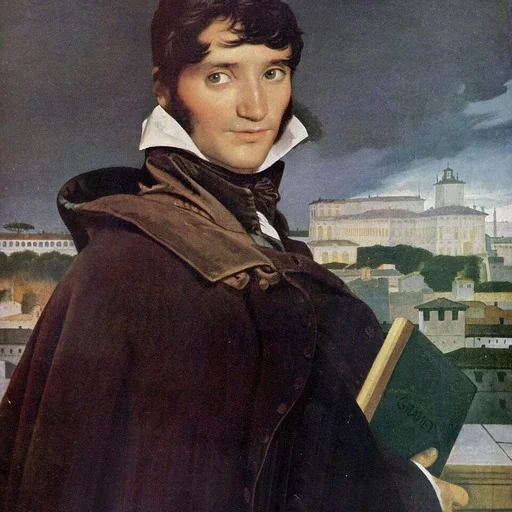
Artist
François Marius Granet (1775–1849) was an artist, born in Aix-en-Provence.

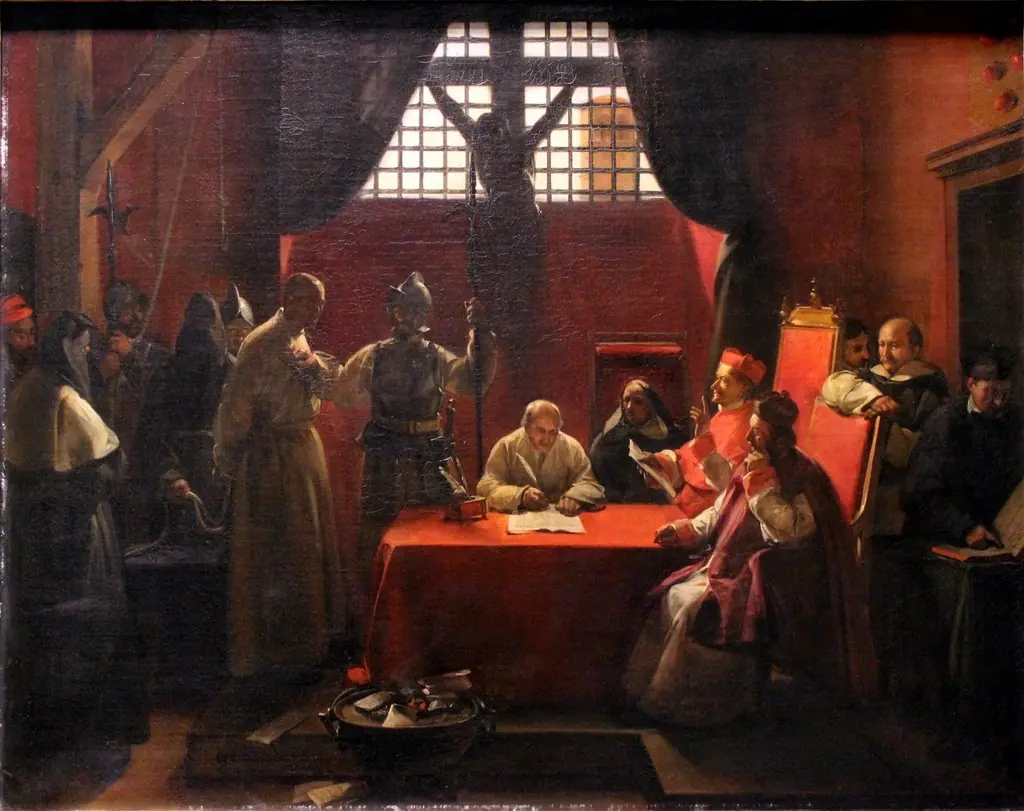
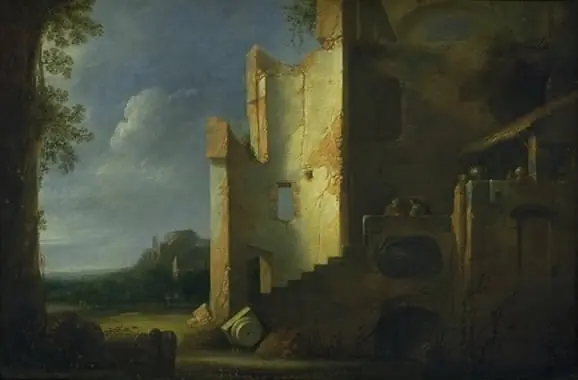 Landskab med ruiner
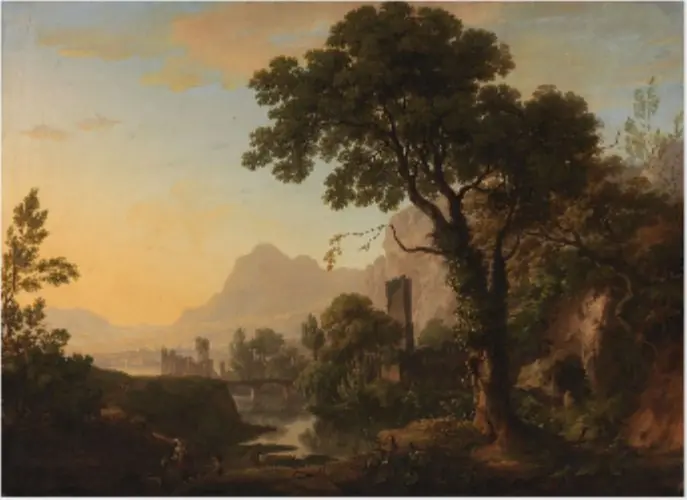 An Idyllic Landscape
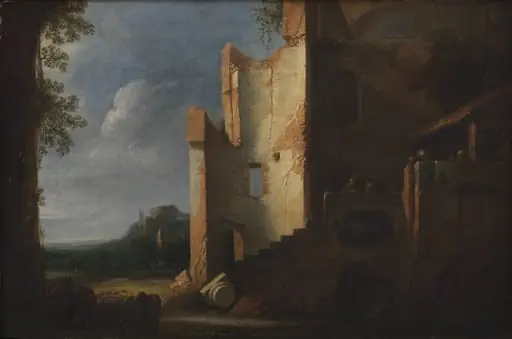 Landskab med ruiner
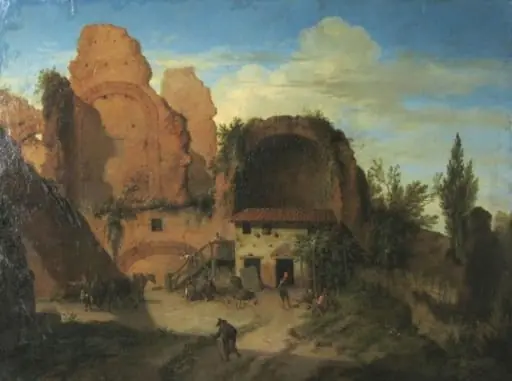 Ruină cu cârciumă țărănească
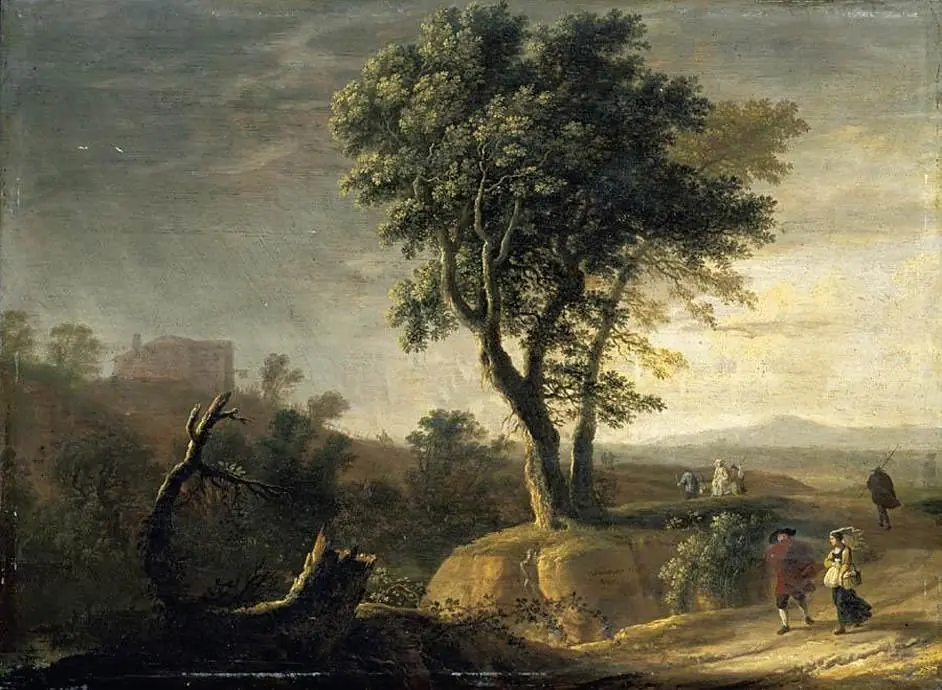 Thunderstorm
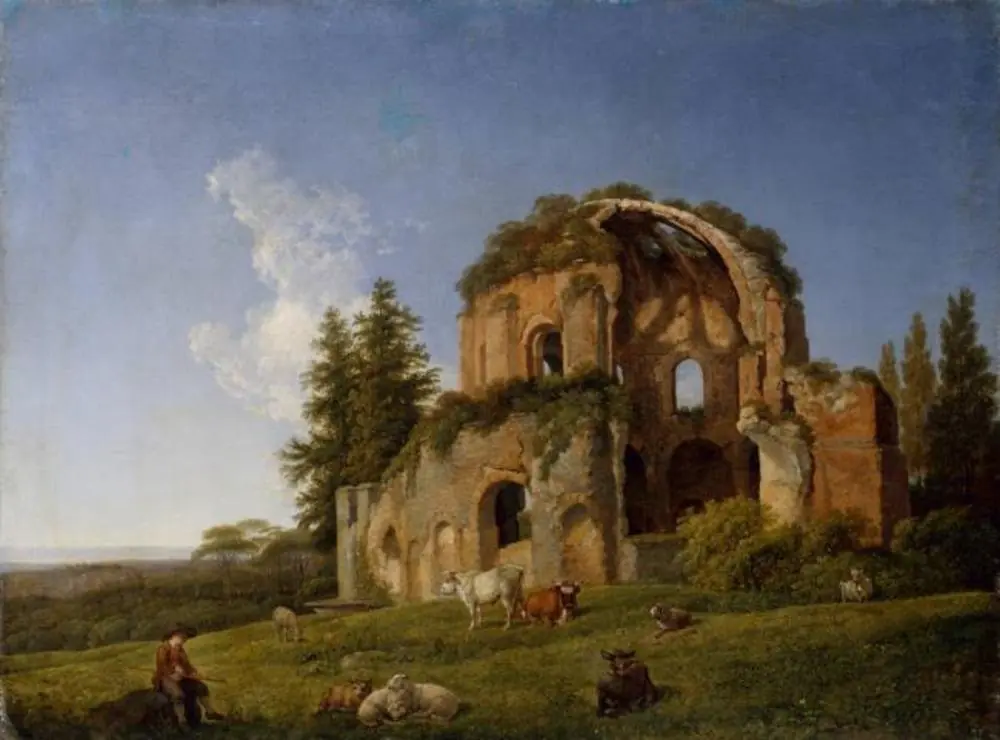 Landscape with the Minerva Medica ruin near Rome
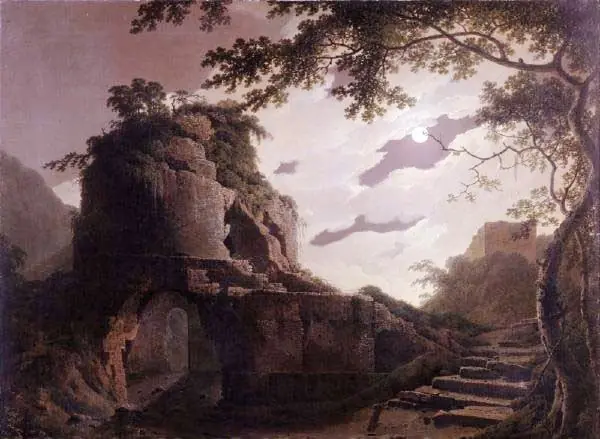 Virgil's Tomb
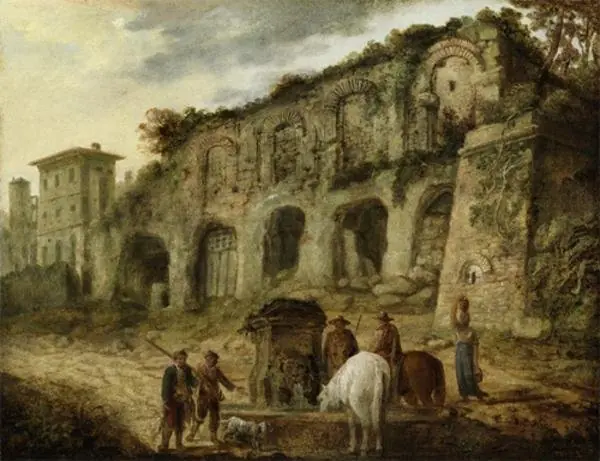 Peasants and Horses Standing By A Fountain: The Curia Ostilia and the Basilica Porzia on the Palatine Hill Beyond
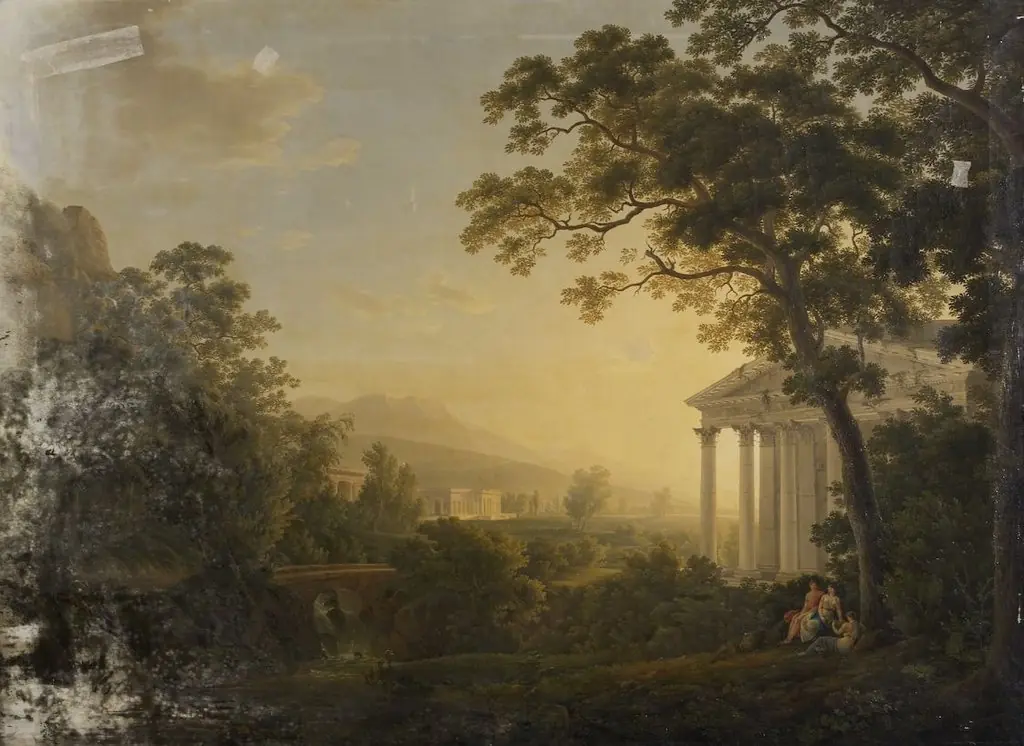 Ideal Landscape with Temple Buildings