Artwork
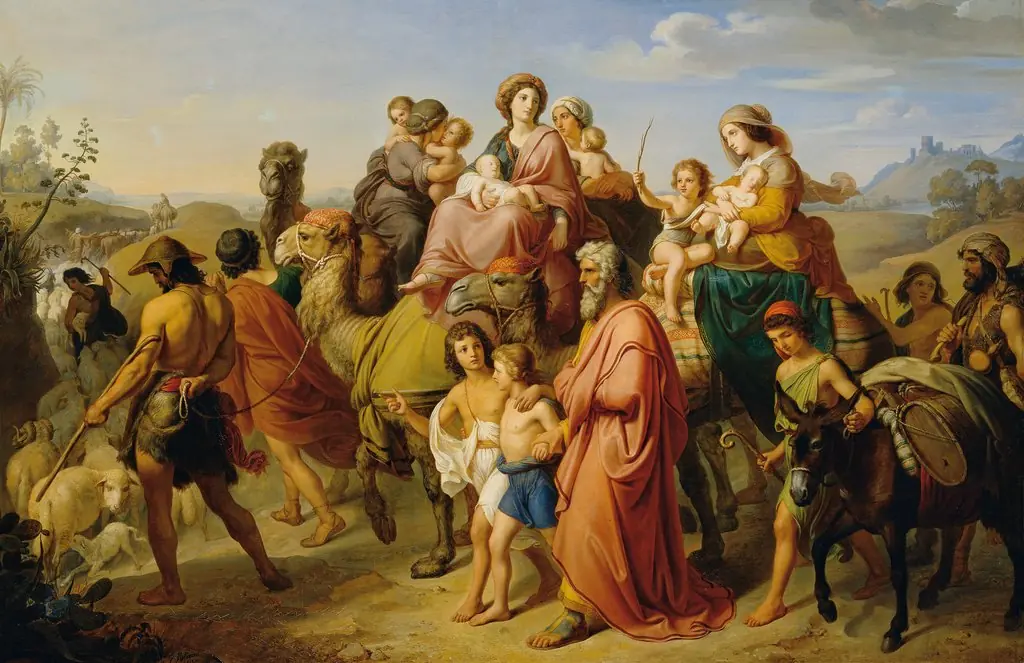
Tobias and his wife say goodbye to his in-laws in order to return to his father
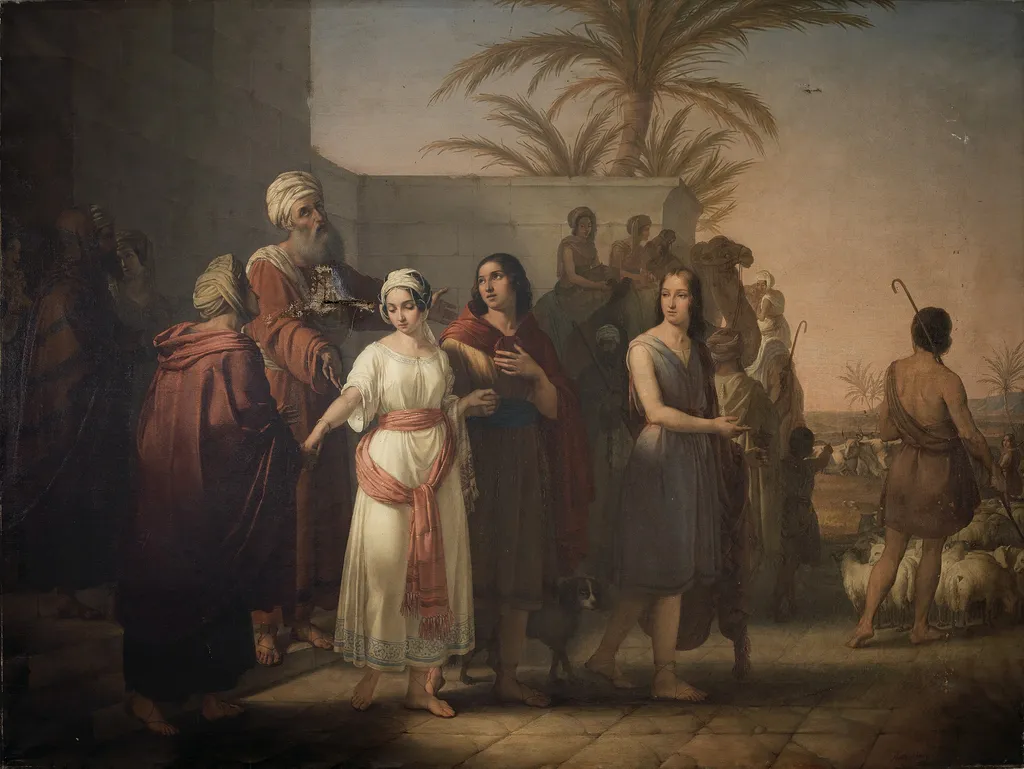
Tobias and his wife say goodbye to his in-laws in order to return to his father is an oil painting by the Biedermeier artist Francesco Antonibon di Venezia. It dates from 1840 and is held in the collection of the Kunsthistorisches Museum.
About this work
Overview
Francesco Antonibon di Venezia’s 1840 oil painting, titled *Tobias and his wife say goodbye to his in‑laws in order to return to his father*, is part of the collection of the Kunsthistorisches Museum. The work presents a small group gathered in a courtyard, rendered in warm, earthy tones and illuminated by soft, diffused light that lends the scene a quiet, intimate atmosphere.
Subject & Meaning
The composition centers on the biblical figure Tobias, accompanied by his wife as they bid farewell to the wife’s parents before journeying to Tobias’s own father. The narrative, drawn from the Book of Tobit, underscores themes of familial duty, departure, and the blessings associated with a pious voyage.
Technique & Style
Antonibon employs a restrained chiaroscuro, allowing the figures to emerge from a gently shaded background of palm trees and stone walls. The palette leans toward ochres, muted reds, and blues, while the arrangement of bodies—some facing forward, others turned away—creates a dynamic yet balanced grouping that guides the viewer’s eye through the scene.
History & Provenance
Executed in 1840, the painting entered the holdings of the Kunsthistorisches Museum, where it remains on display. Its acquisition history is not extensively documented, but the work reflects the artist’s engagement with religious subjects popular in early‑19th‑century Venetian circles.
Context
The work belongs to a broader tradition of 19th‑century religious genre painting in Venice, where biblical narratives were rendered in domestic, relatable settings. By placing the farewell in a courtyard rather than a grand biblical landscape, Antonibon aligns the sacred story with everyday human experience, a characteristic of the period’s devotional art.
Own this work as a print
Artist & collection
Artist
Francesco Antonibon di Venezia
Francesco Antonibon di Venezia (1809–1883) was an artist, born in Bassano del Grappa.

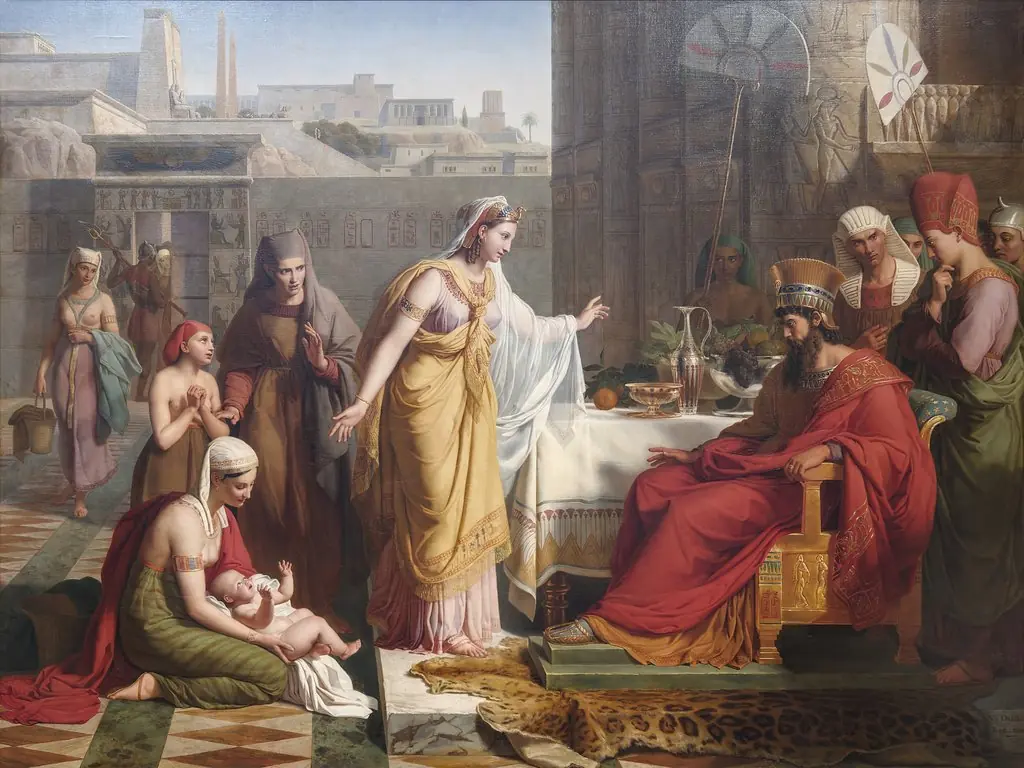 Moïse enfant présenté à Pharaon
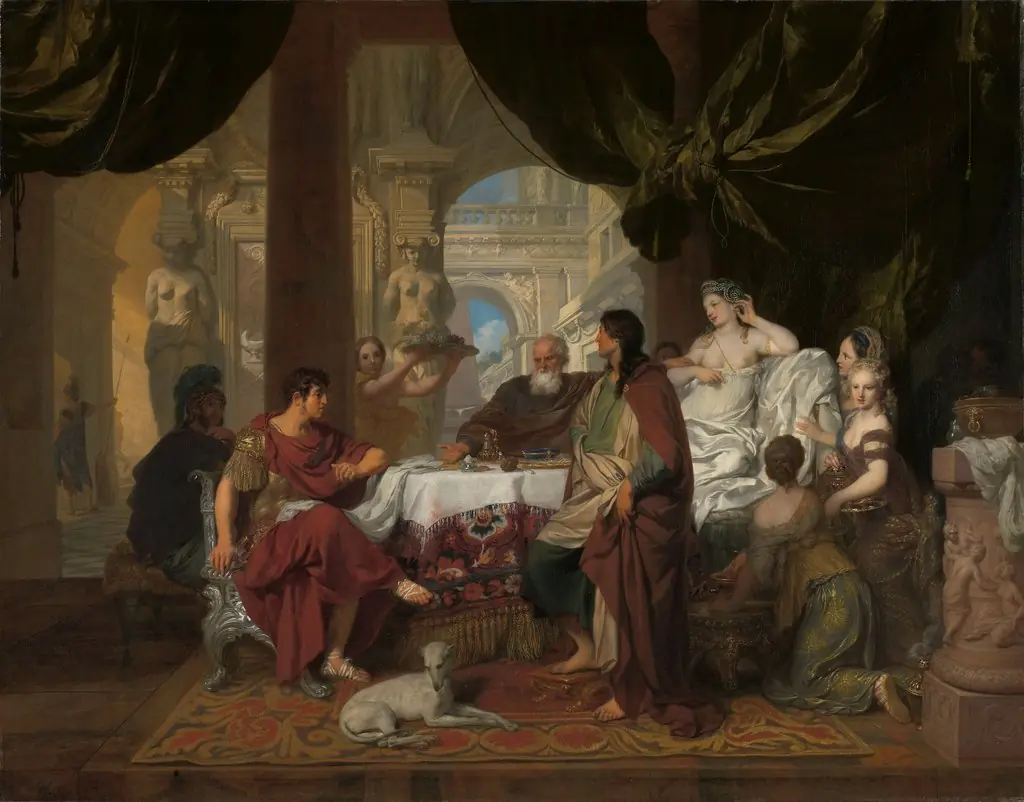 The Banquet of Cleopatra
 Cleopatra’s Banquet
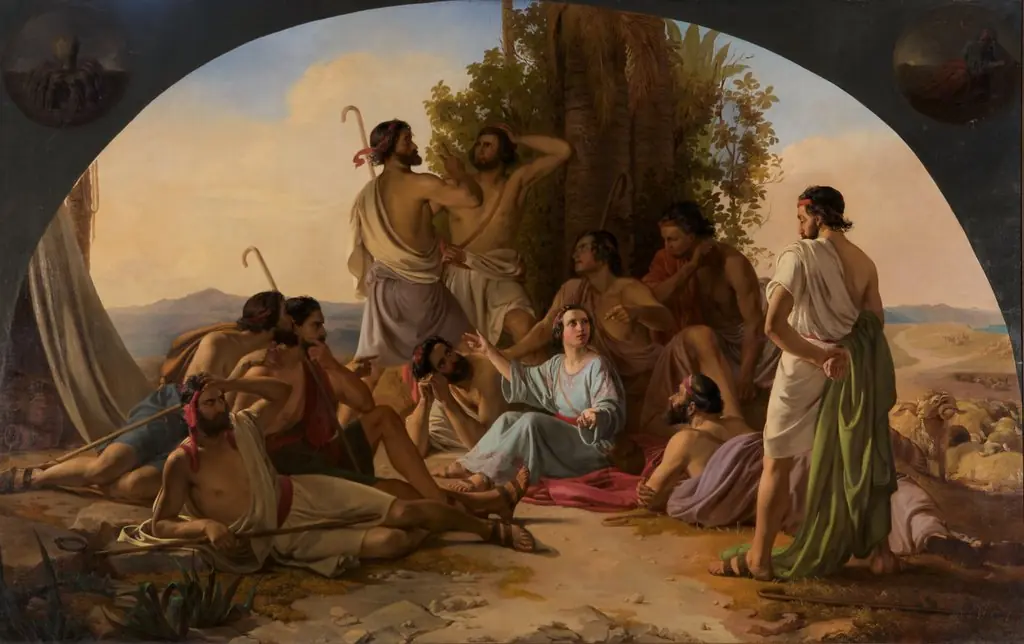 Joseph tells his dream
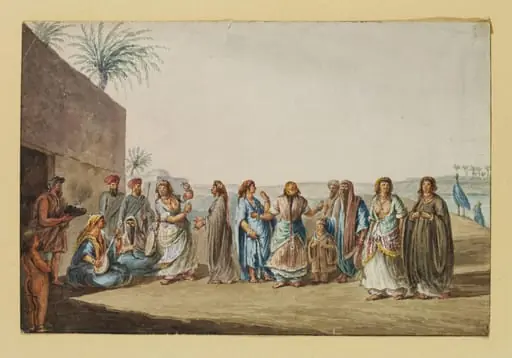 An Egyptian Ball, At Ned Sili
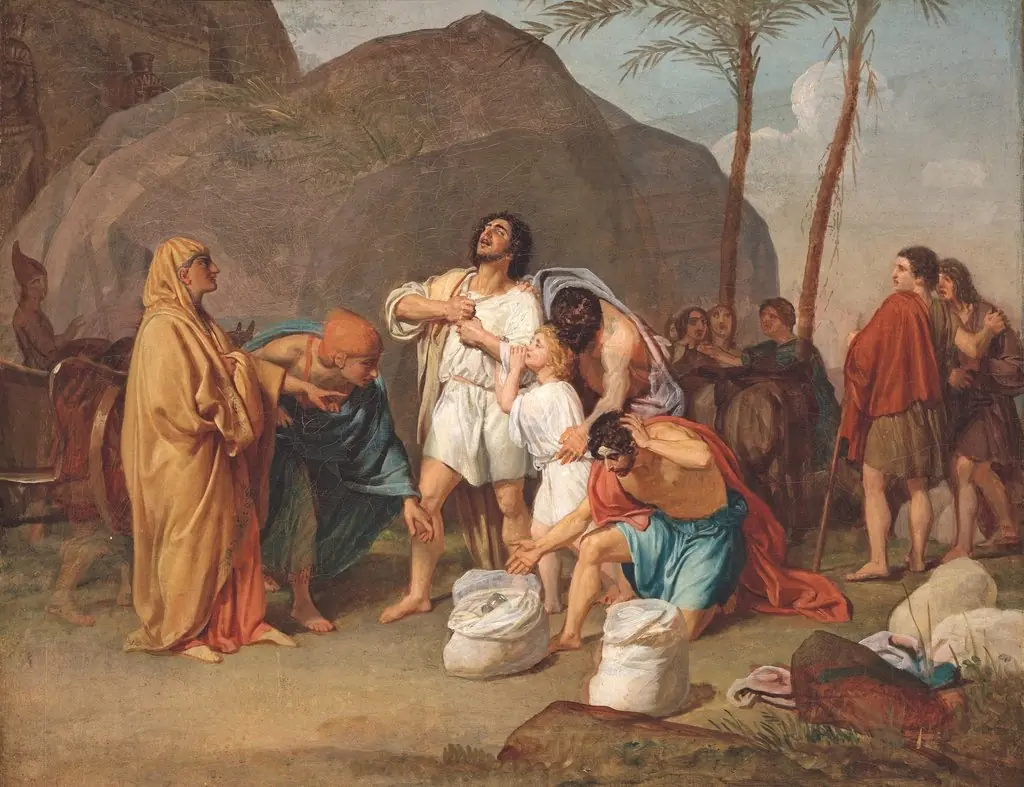 Joseph's Brothers Find the Silver Goblet in Benjamin's Pack.
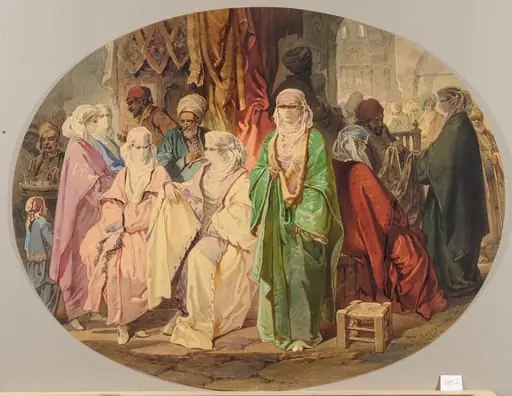 Bazar
Bazar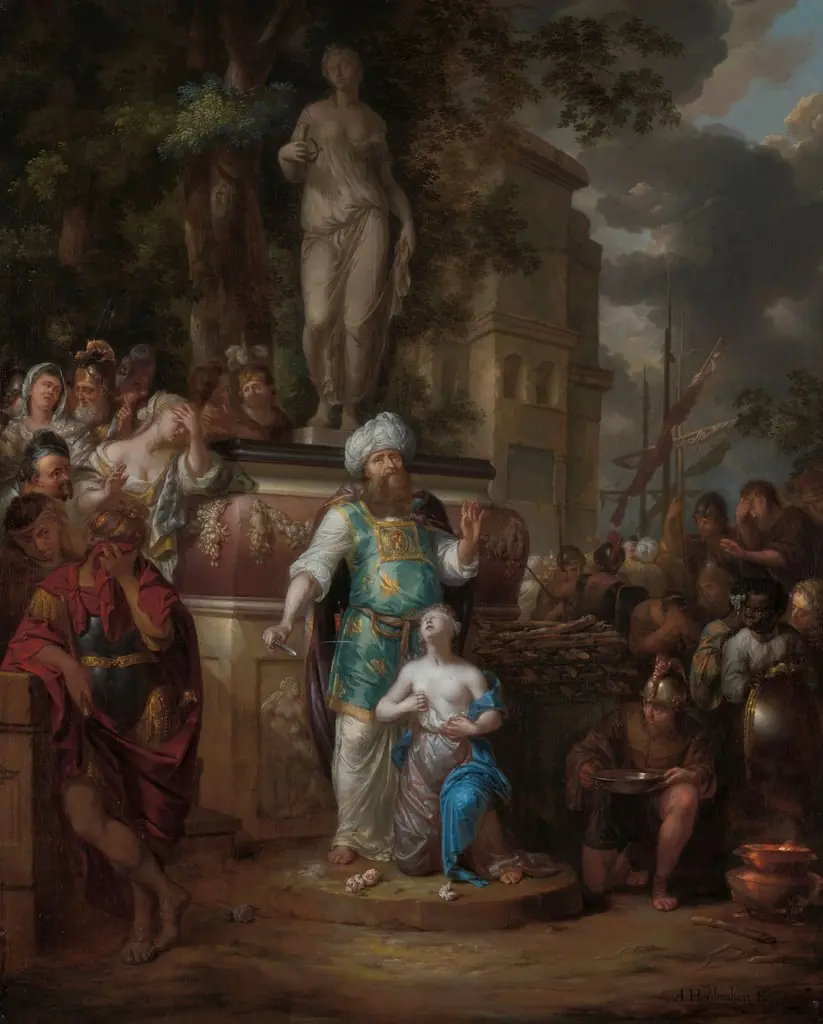 Sacrifice of Iphigenia
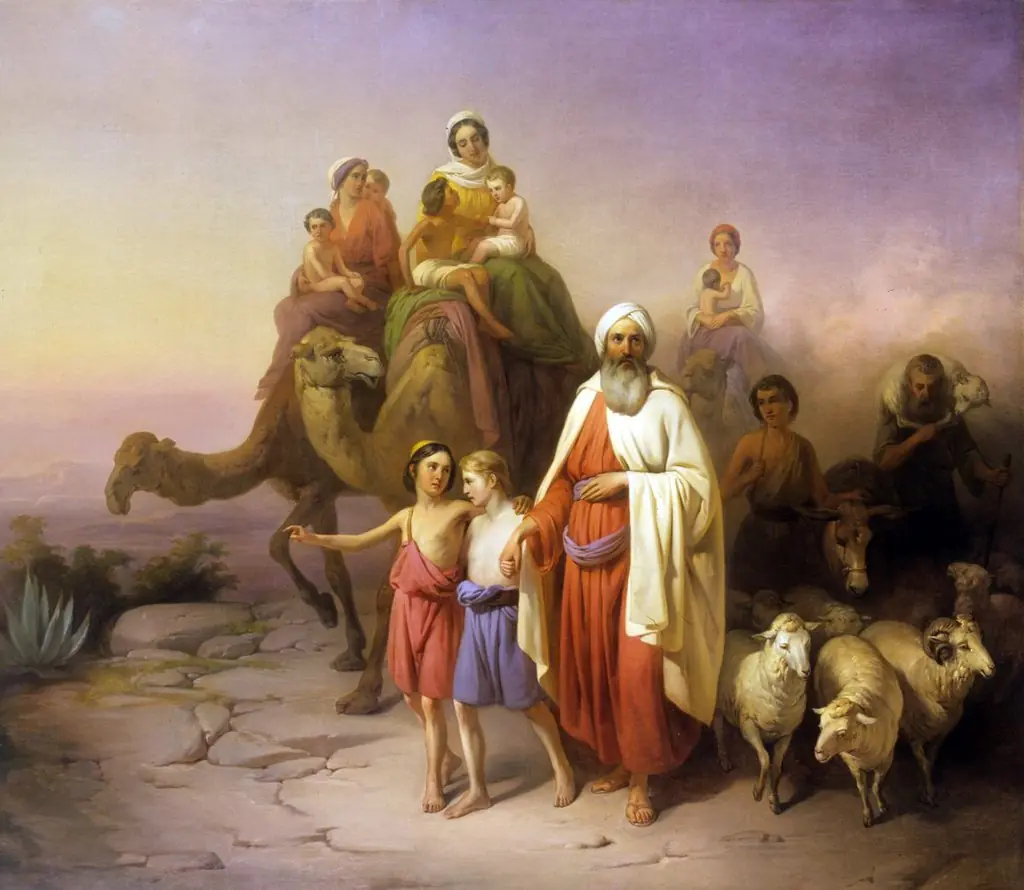 The Departure of Abraham
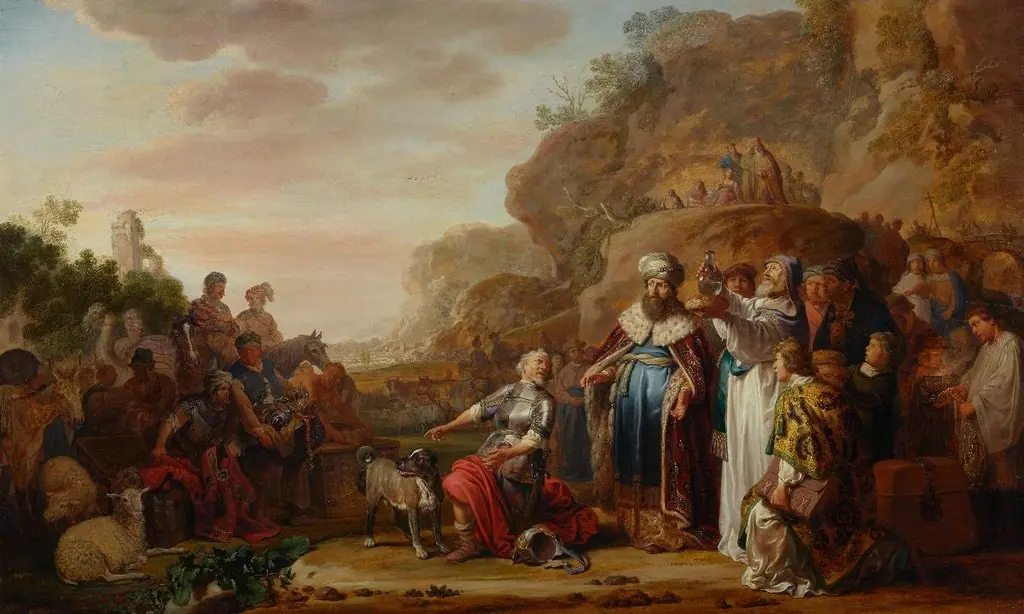 Abraham und Melchisedek
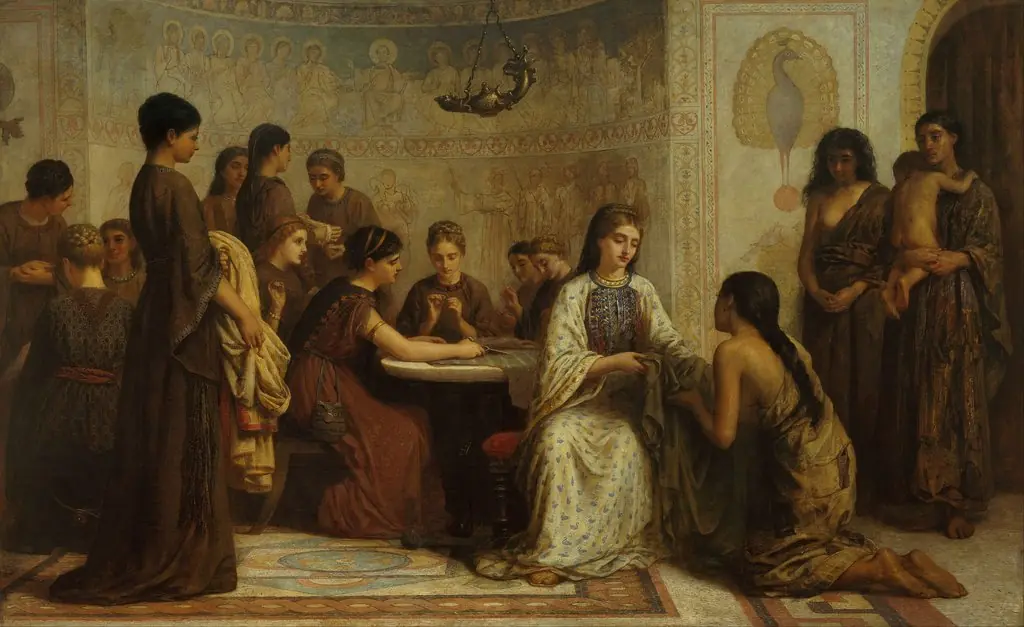 A Dorcas meeting in the 6th century
 Jacob's homecoming