Artwork
King's Theatre Pantheon
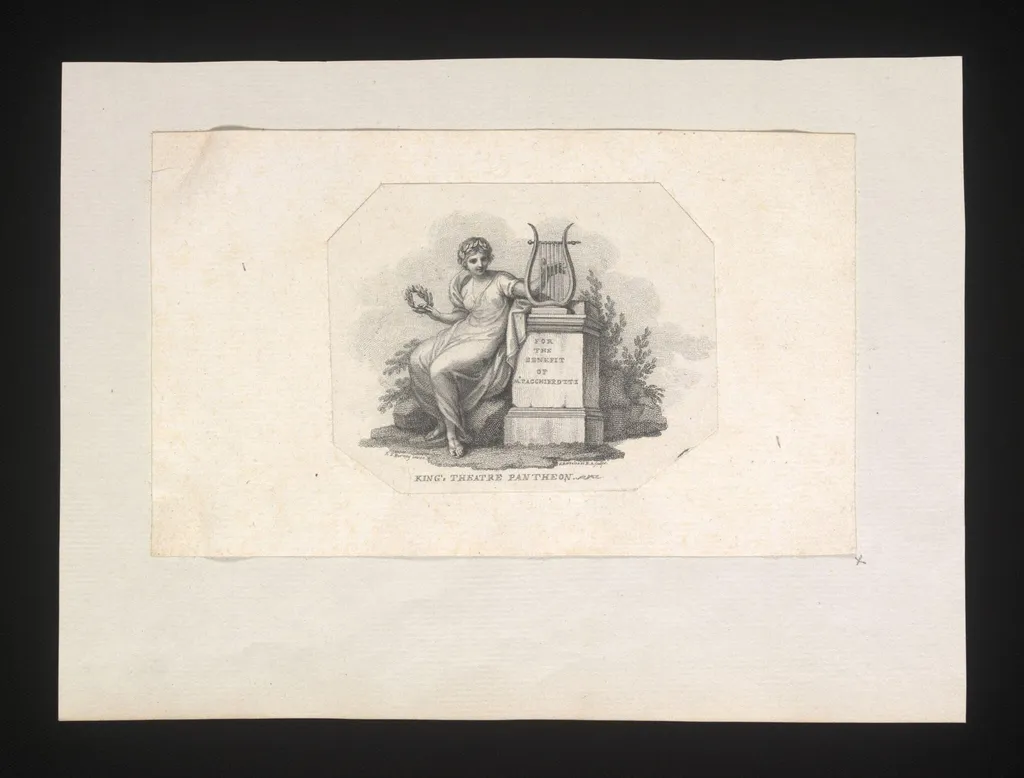
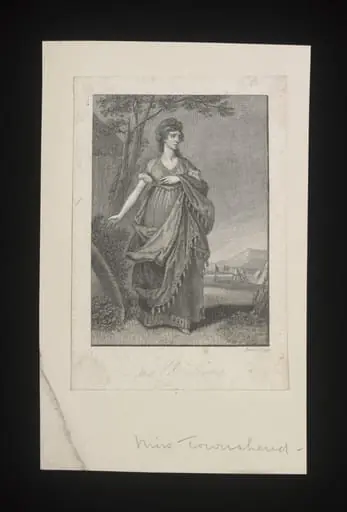
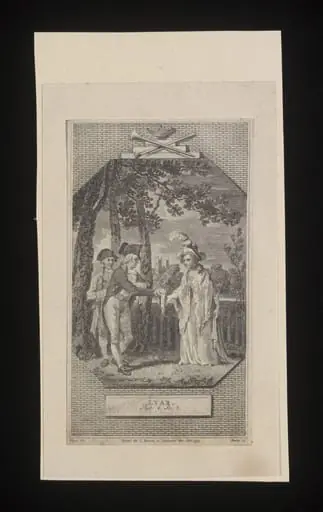
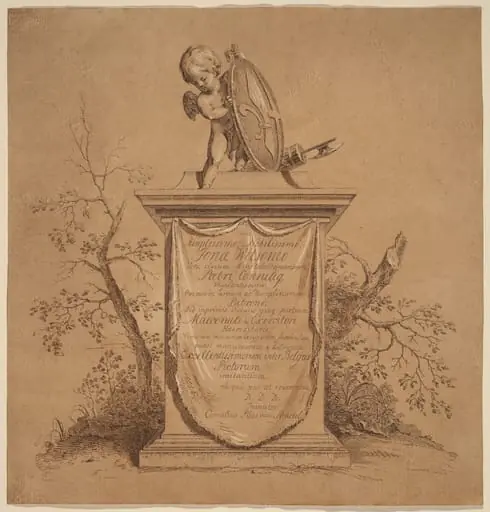
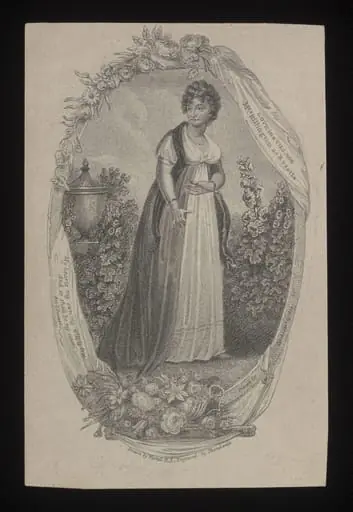
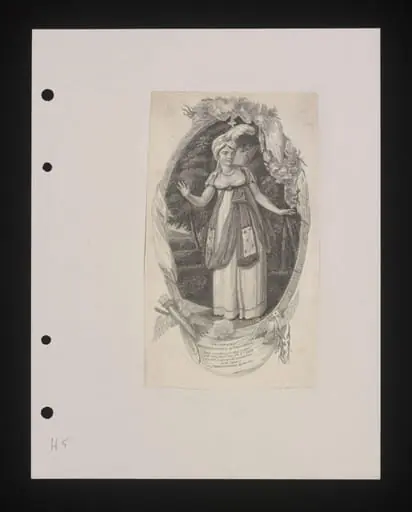
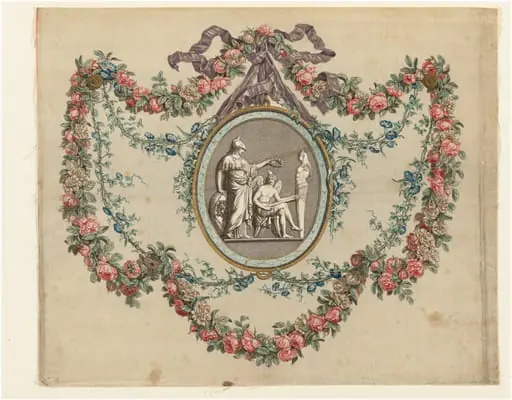
King's Theatre Pantheon is a print by Francesco Bartolozzi. It dates from 1750 and is held in the collection of the Victoria and Albert Museum. This 18th-century print depicts the King’s Theatre Pantheon in London, produced as part of the Harry Beard Collection.
About this work
This print shows the King’s Theatre Pantheon as it looked in the 18th century. Francesco Bartolozzi made it—he was British but born in Italy. The print is part of the Harry Beard Collection.
Bartolozzi worked in London as a printmaker. He turned drawings into prints for people to buy and hang at home.
Next time you’re in London, look up the Victoria and Albert Museum.
Overview
This 18th-century print depicts the King’s Theatre Pantheon in London, produced as part of the Harry Beard Collection.
This 18th-century print depicts the King’s Theatre Pantheon in London, produced as part of the Harry Beard Collection. Created by Francesco Bartolozzi, an Italian-born artist active in Britain, the work is an example of reproductive printmaking—translating existing designs into multiple copies for domestic decoration. It reflects the era’s growing market for affordable visual records of public architecture.
Subject & Meaning
The print captures the King’s Theatre Pantheon, a prominent cultural venue in Georgian London, known for opera and public performances. Its depiction served not only as architectural documentation but also as a symbol of urban refinement. For middle-class households, such images offered a tangible connection to the city’s artistic life, reinforcing social aspirations through visual culture.
Technique & Style
Francesco Bartolozzi employed stipple engraving, a technique using fine dots to create tonal gradations and delicate textures. This method, refined in London, allowed for soft shadows and intricate detail, ideal for rendering architectural surfaces and atmospheric perspective. The print’s precision and clarity reflect Bartolozzi’s mastery in translating drawn compositions into reproducible form for widespread distribution.
History & Provenance
The print originates from the Harry Beard Collection, assembled in the 19th century by a noted enthusiast of British theatrical history. Bartolozzi, who settled in London in the 1760s, produced numerous prints for publishers and collectors. This piece likely circulated during the late 1700s, when interest in documenting London’s evolving urban landscape was rising among the educated public.
Context
In 18th-century London, prints like this were common in middle-class homes, functioning as both decoration and cultural affirmation. The King’s Theatre Pantheon, though later demolished, was a hub for elite entertainment. Bartolozzi’s work contributed to a broader trend of visual archiving, where architecture and performance were recorded for public consumption beyond the physical site.
Legacy
The print survives today as part of the Victoria and Albert Museum’s holdings, preserving a record of a lost building and the printmaking practices of its time. Bartolozzi’s influence extended through his students and the popularization of stipple engraving in Britain. This work remains a quiet testament to the intersection of art, commerce, and urban memory in Georgian England.
Artist & collection
Artist
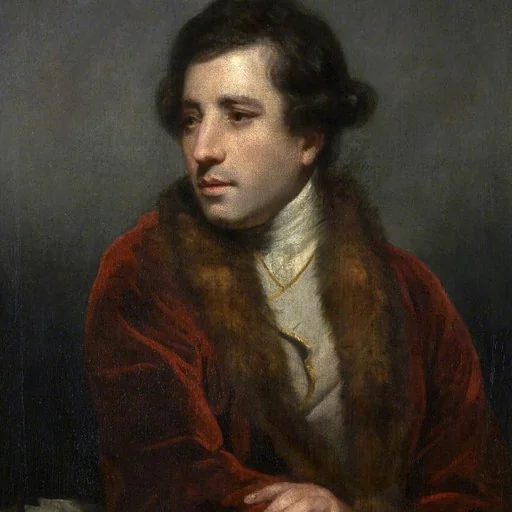
Francesco Bartolozzi (21 September 1727 – 7 March 1815) was an Italian engraver, whose most productive period was spent in London. He is noted for popularizing the "crayon" method of engraving.