Artwork
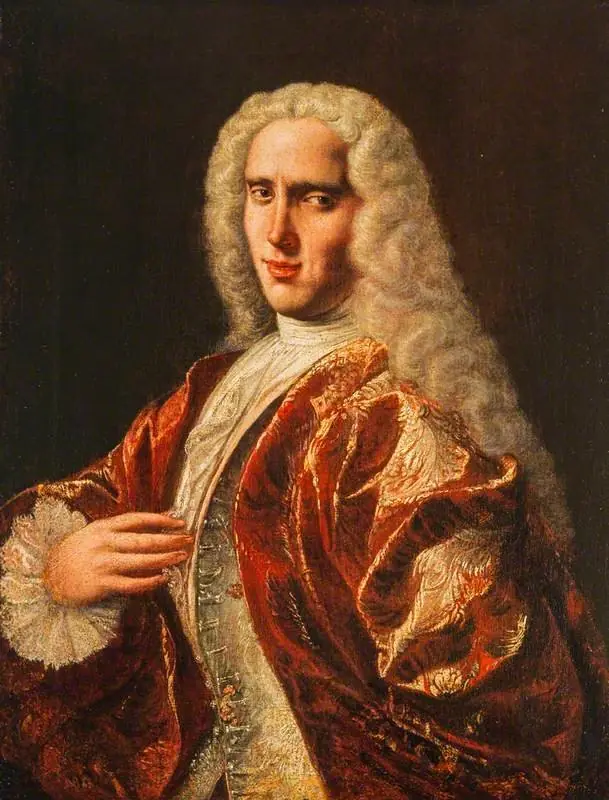
Portrait of Count James Joseph O'Mahoney, Lieutenant-General in the Neapolitan Service. Knight of St Januarius
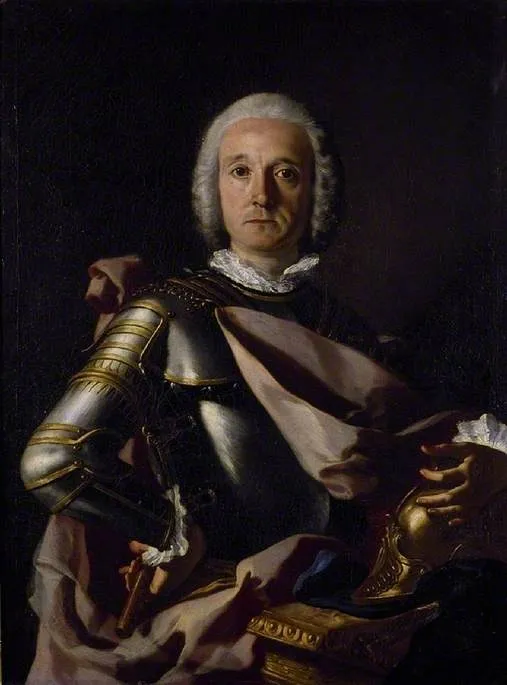
Portrait of Count James Joseph O'Mahoney, Lieutenant-General in the Neapolitan Service. Knight of St Januarius is an oil painting by the Rococo painting artist Francesco de Mura. It dates from 1748 and is held in the collection of the Fitzwilliam Museum.
About this work
Overview
It is now part of the Fitzwilliam Museum’s collection, where it stands as a representative example of aristocratic military representation in southern Italy.
Painted in 1748 by Francesco de Mura, this oil portrait depicts James Joseph O'Mahoney, a high-ranking officer in the Neapolitan military and a member of the Order of St Januarius. Executed during de Mura’s mature period, the work reflects the refined elegance of mid-18th-century Neapolitan portraiture. It is now part of the Fitzwilliam Museum’s collection, where it stands as a representative example of aristocratic military representation in southern Italy.
Subject & Meaning
O'Mahoney, an Irish-born officer serving the Bourbon court of Naples, is portrayed with solemn authority. His attire—black and gold armor over a white shirt—signals his military rank and noble status, while the Order of St Januarius badge affirms his loyalty to the Neapolitan monarchy. The unsmiling gaze and upright posture convey duty and gravitas. The ambiguous golden object in his hand may reference a ceremonial item or insignia, reinforcing his institutional role without overt symbolism.
Technique & Style
De Mura employs chiaroscuro to model the armor and fabric with subtle gradations of light and shadow, enhancing the three-dimensionality of the figure. The gold detailing on the armor is rendered with delicate brushwork, contrasting against the dark, receding background. The composition is tightly focused, minimizing distraction and emphasizing the subject’s presence. While the Rococo influence appears in the ornate surface details, the overall tone remains restrained, avoiding frivolity.
History & Provenance
Commissioned during O'Mahoney’s service in Naples, the portrait likely served to affirm his status within the Bourbon court. It remained in private hands until entering the Fitzwilliam Museum’s collection, though its exact path from Naples to Cambridge is undocumented. The painting’s preservation reflects its continued recognition as a significant example of 18th-century Italian portraiture, valued for its historical and artistic merit rather than celebrity.
Context
In mid-18th-century Naples, military elites of foreign origin—like O'Mahoney—were often integrated into the Bourbon administration, receiving honors and commissions. Portraits such as this reinforced political alliances and social hierarchy. De Mura, trained in the Baroque tradition, adapted his style to accommodate aristocratic tastes, blending dramatic lighting with decorative precision. The work aligns with broader European trends in military portraiture, where dignity and rank were visually codified.
Legacy
Though not widely exhibited, the portrait remains a key reference for understanding the intersection of military identity and artistic representation in southern Italy. De Mura’s handling of texture and light influenced later Neapolitan painters, and this work exemplifies how portraiture functioned as both personal commemoration and political statement. Its presence in a major British museum underscores its role in cross-cultural artistic exchange during the Enlightenment era.
Artist & collection
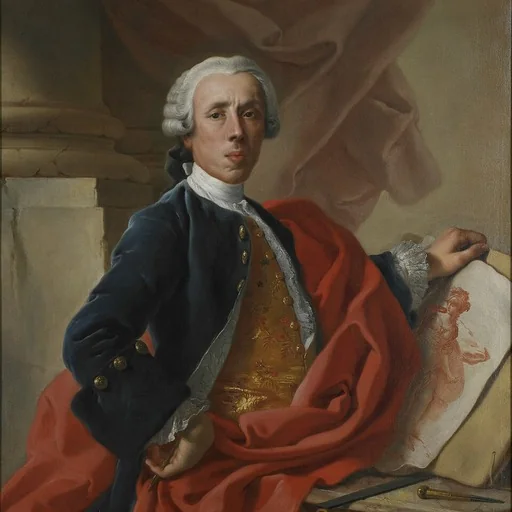
Artist
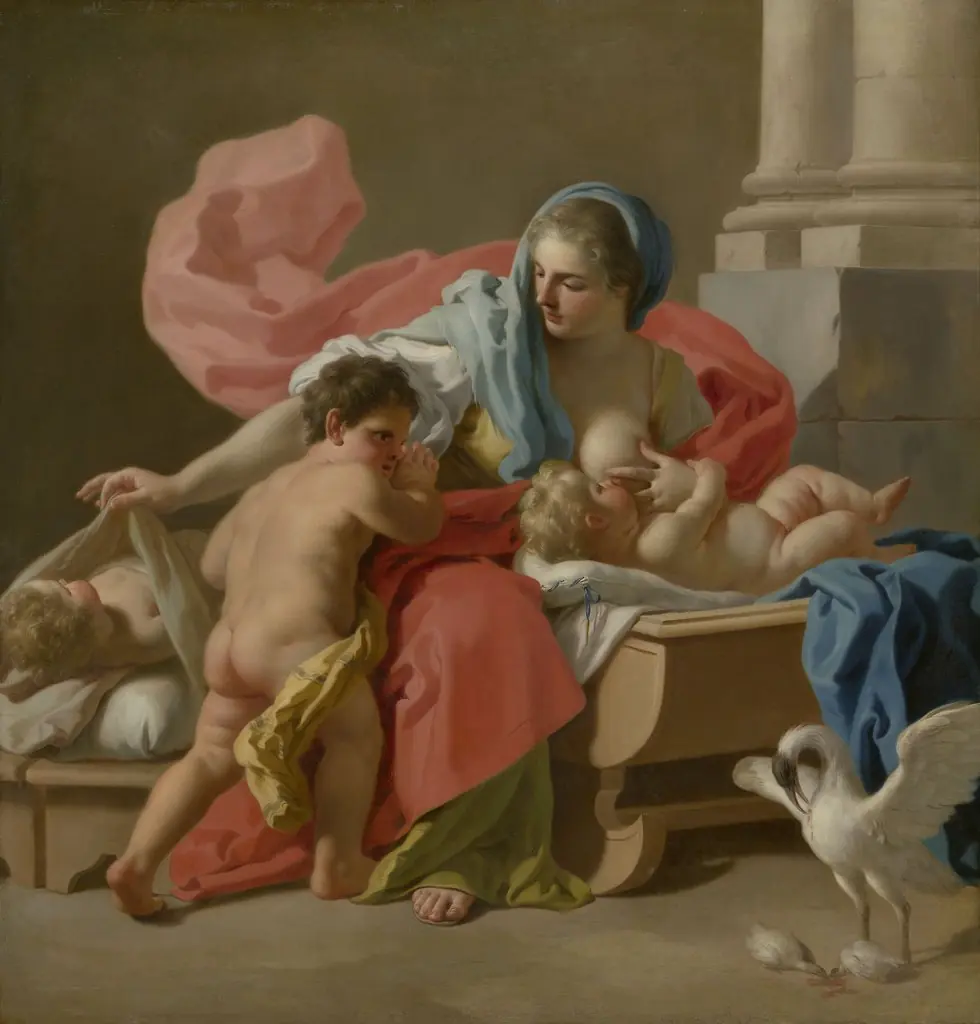
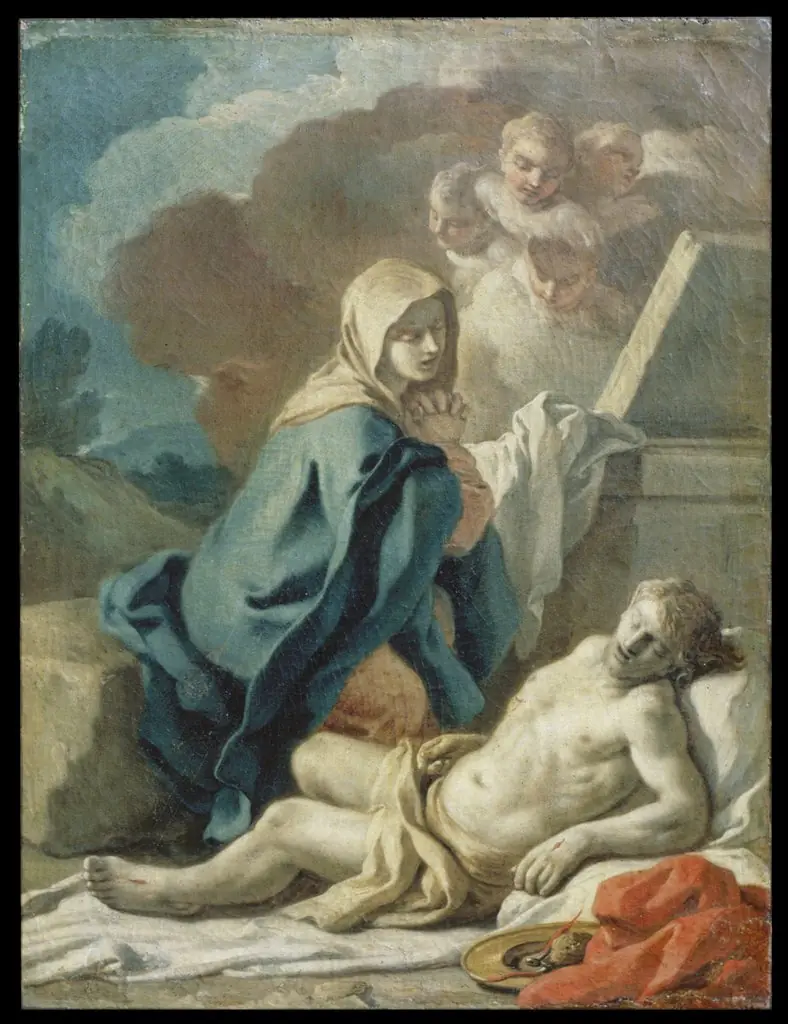
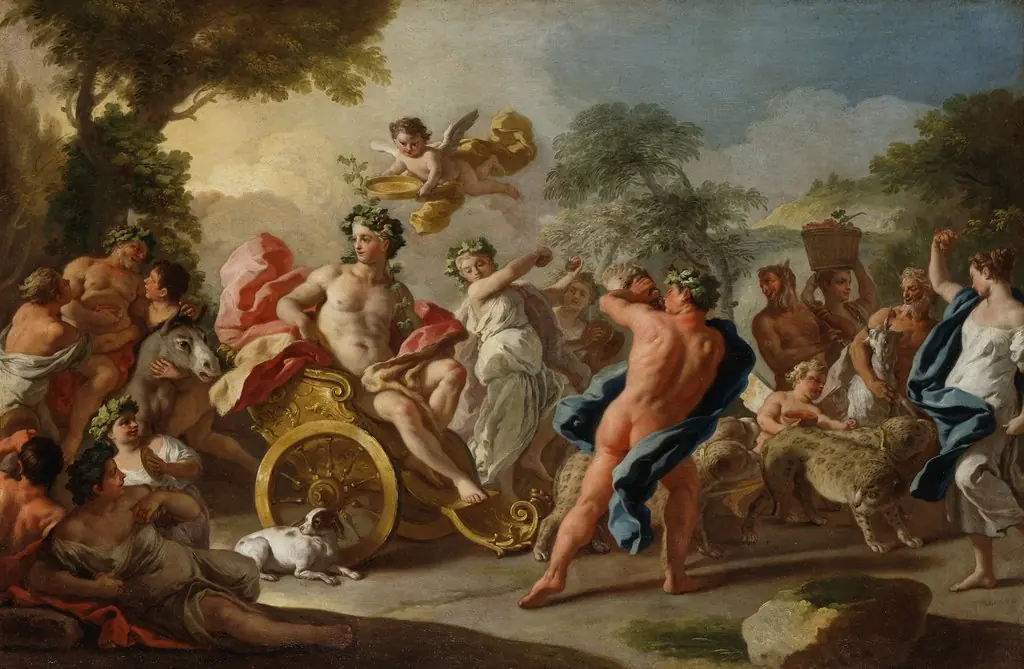
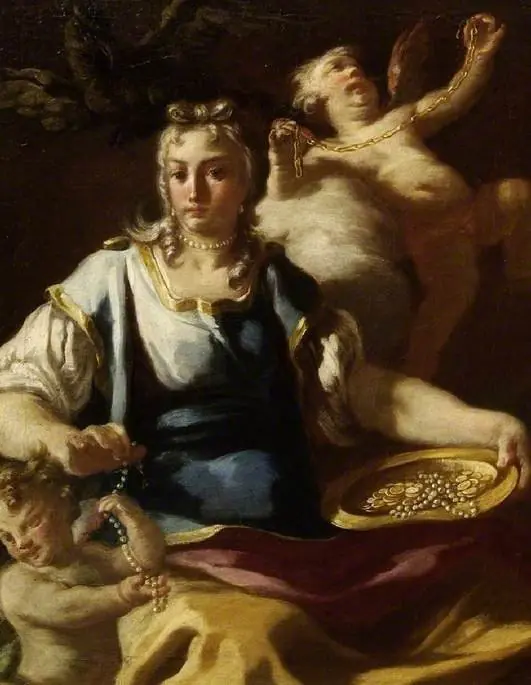
Francesco de Mura (21 April 1696 – 19 August 1782) was an Italian painter of the late-Baroque period, active mainly in Naples and Turin. His late work reflects the style of neoclassicism.

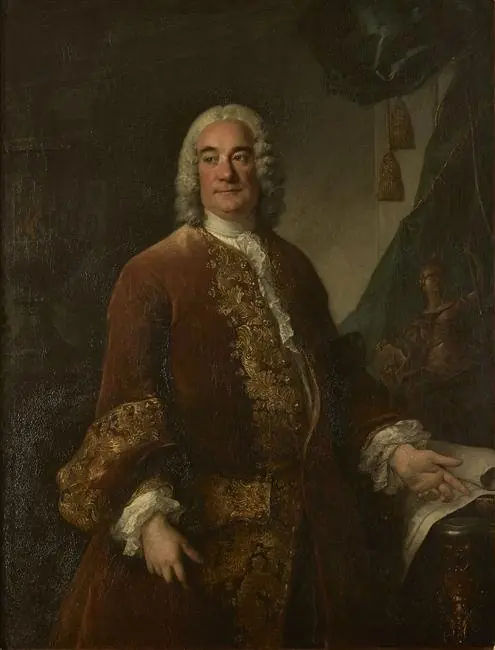 Portrait of Charles François Paul Le Normant de Tournehem (1684-1751)
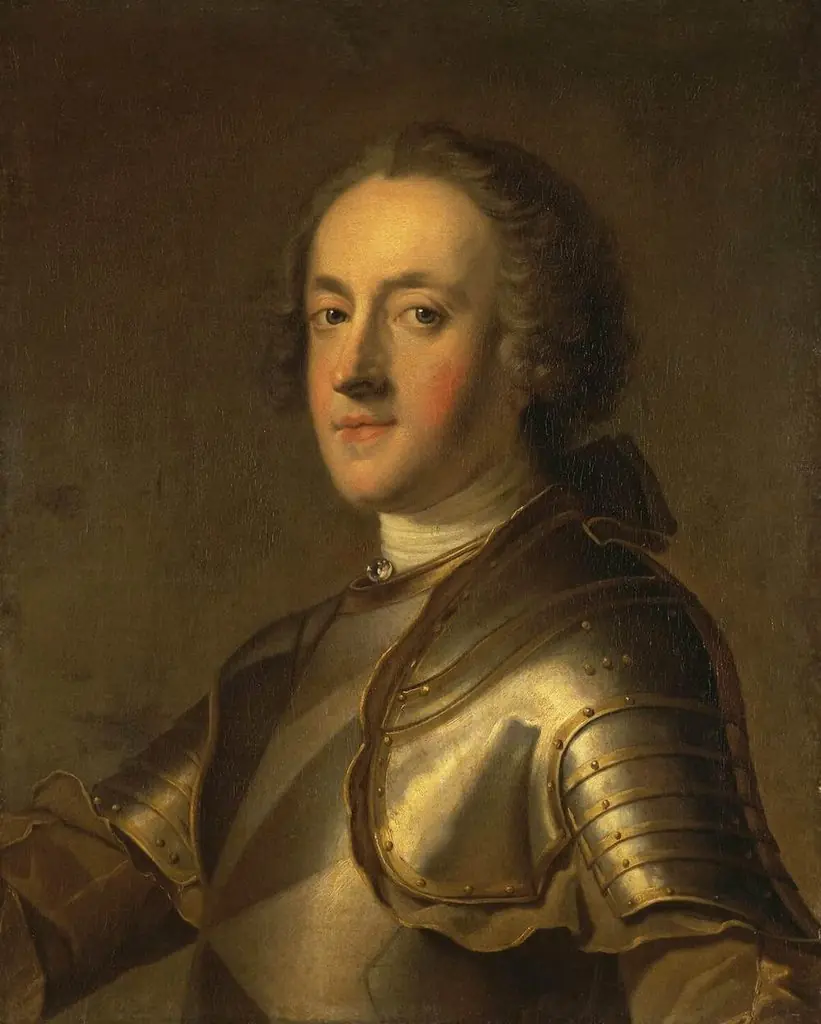 Portrait of Admiral D'Orvilliers
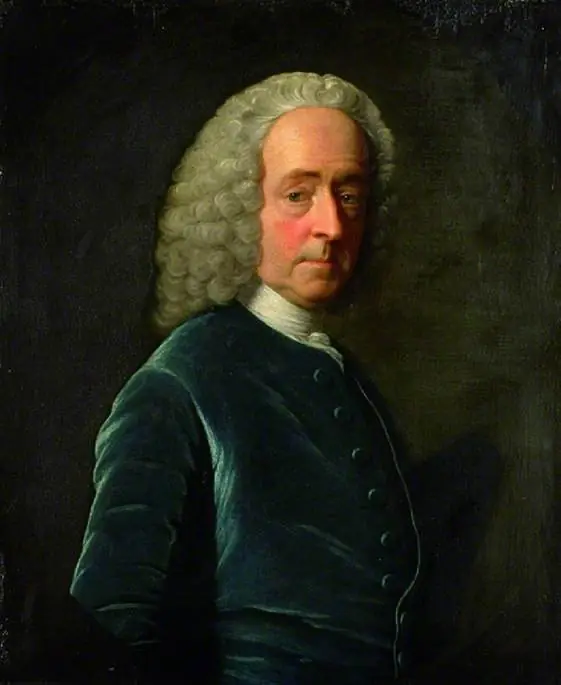 Portrait of James Haughton Langston
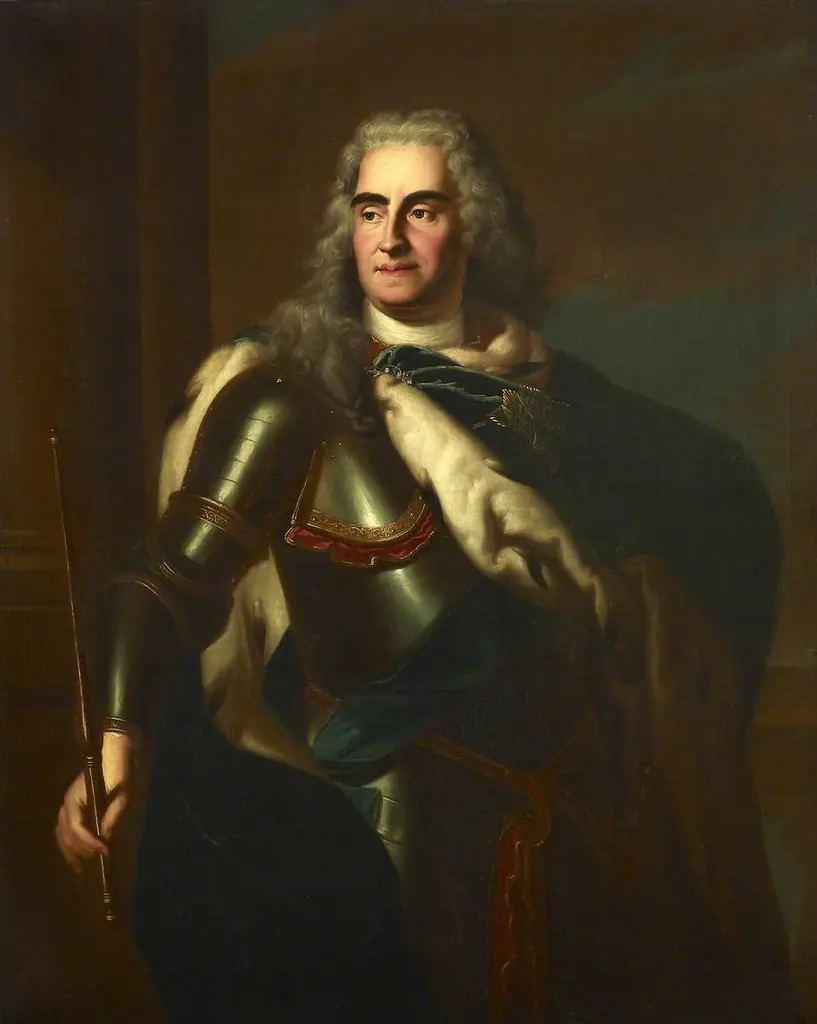 Augustus II 'The Strong' (1670–1733), King of Poland and Elector of Saxony
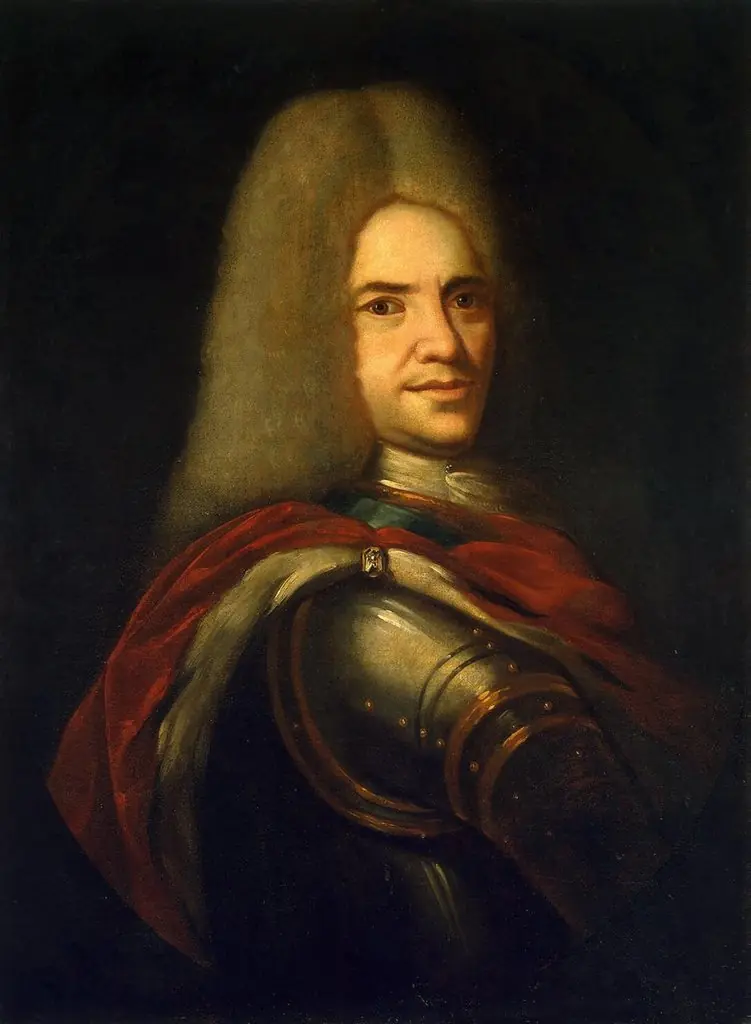 Portrait of Grigory Dolgoruky
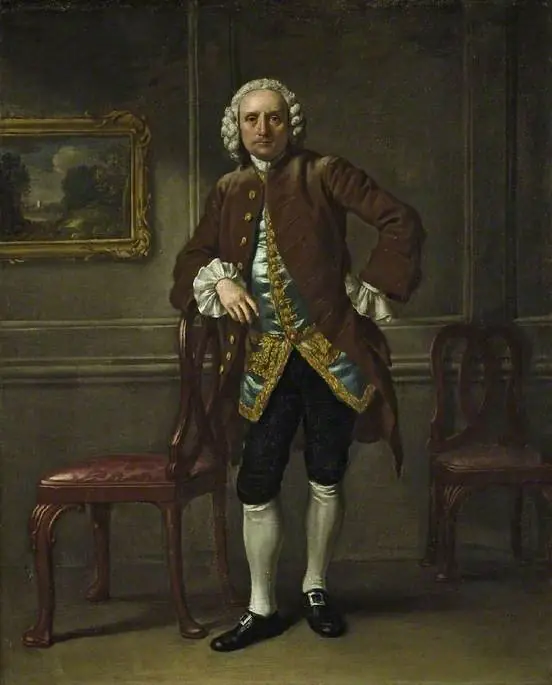 George Dance
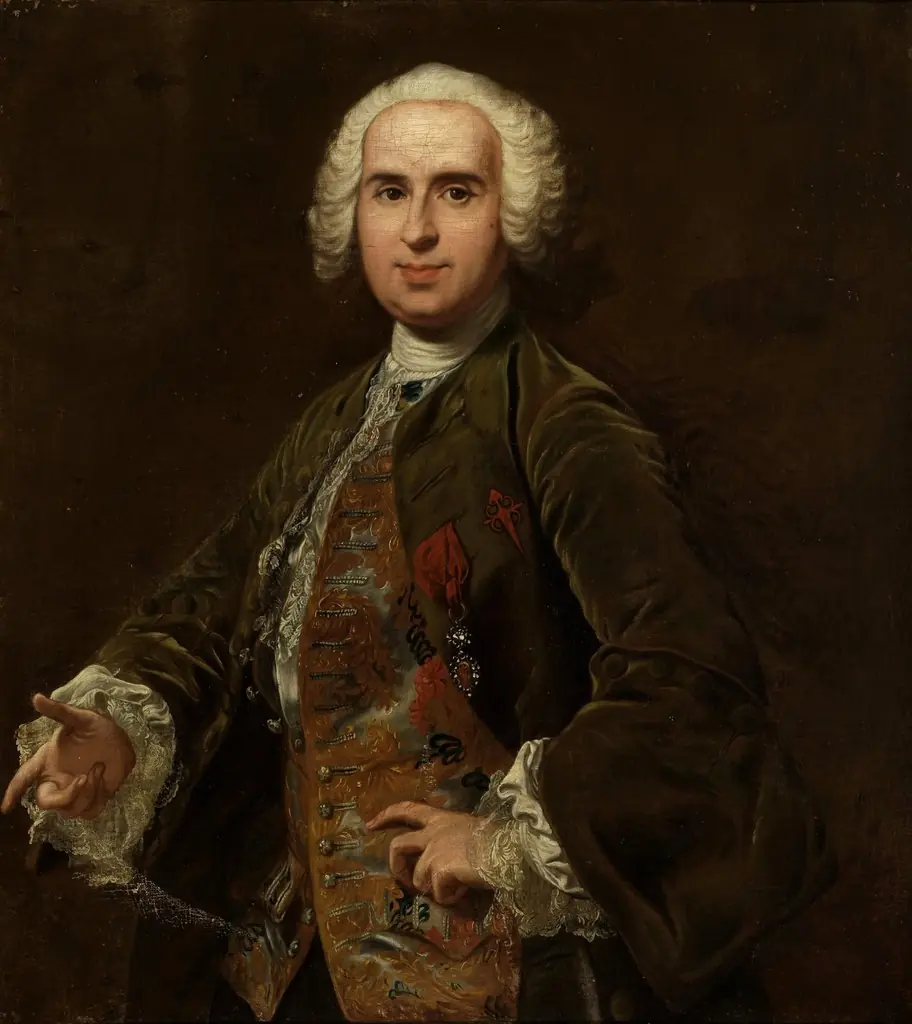 Portrait of a Knight of the Order of Santiago
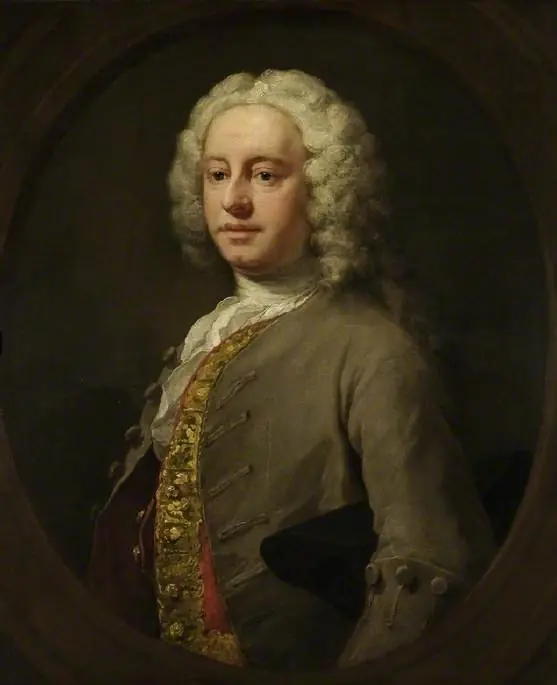 Portrait of an Unknown Man
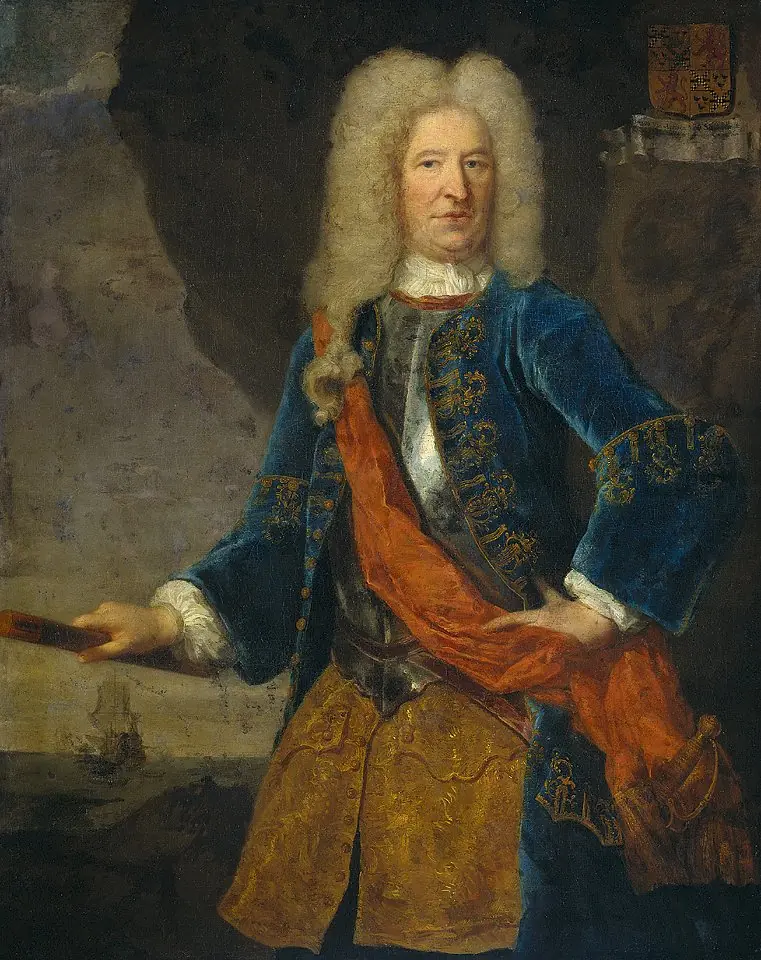 Portrait of François van Aerssen, Lord of Sommelsdijk, Vice-Admiral of Holland and West-Friesland
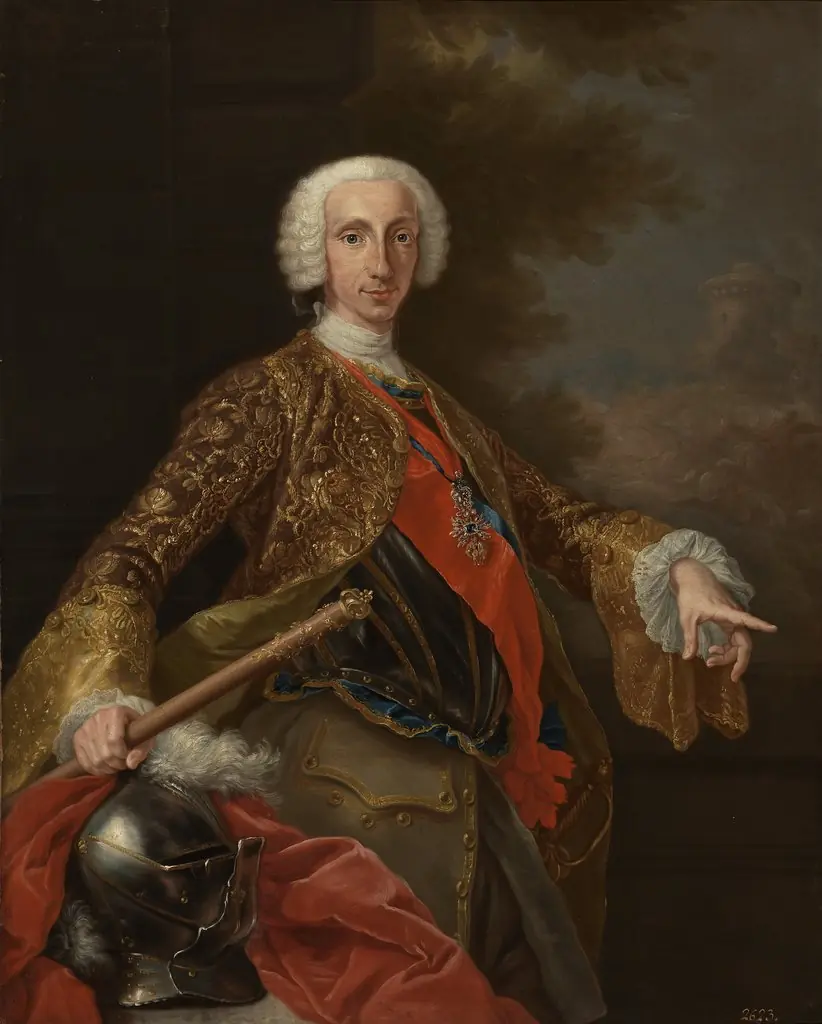 Carlos de Borbón rey de las Dos Sicilias
 Portrait of a Man
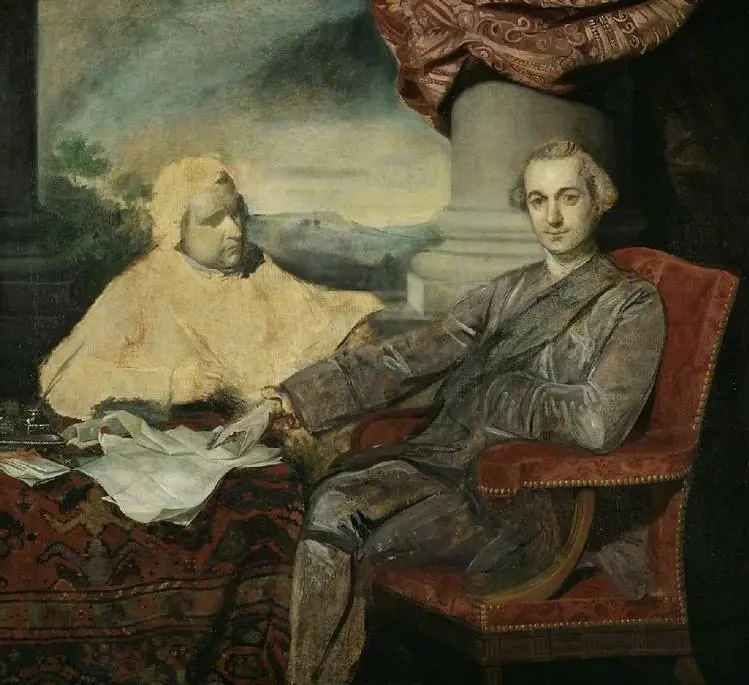 Lord Rockingham and Edmund Burke