Artwork
Portrait of Admiral D'Orvilliers
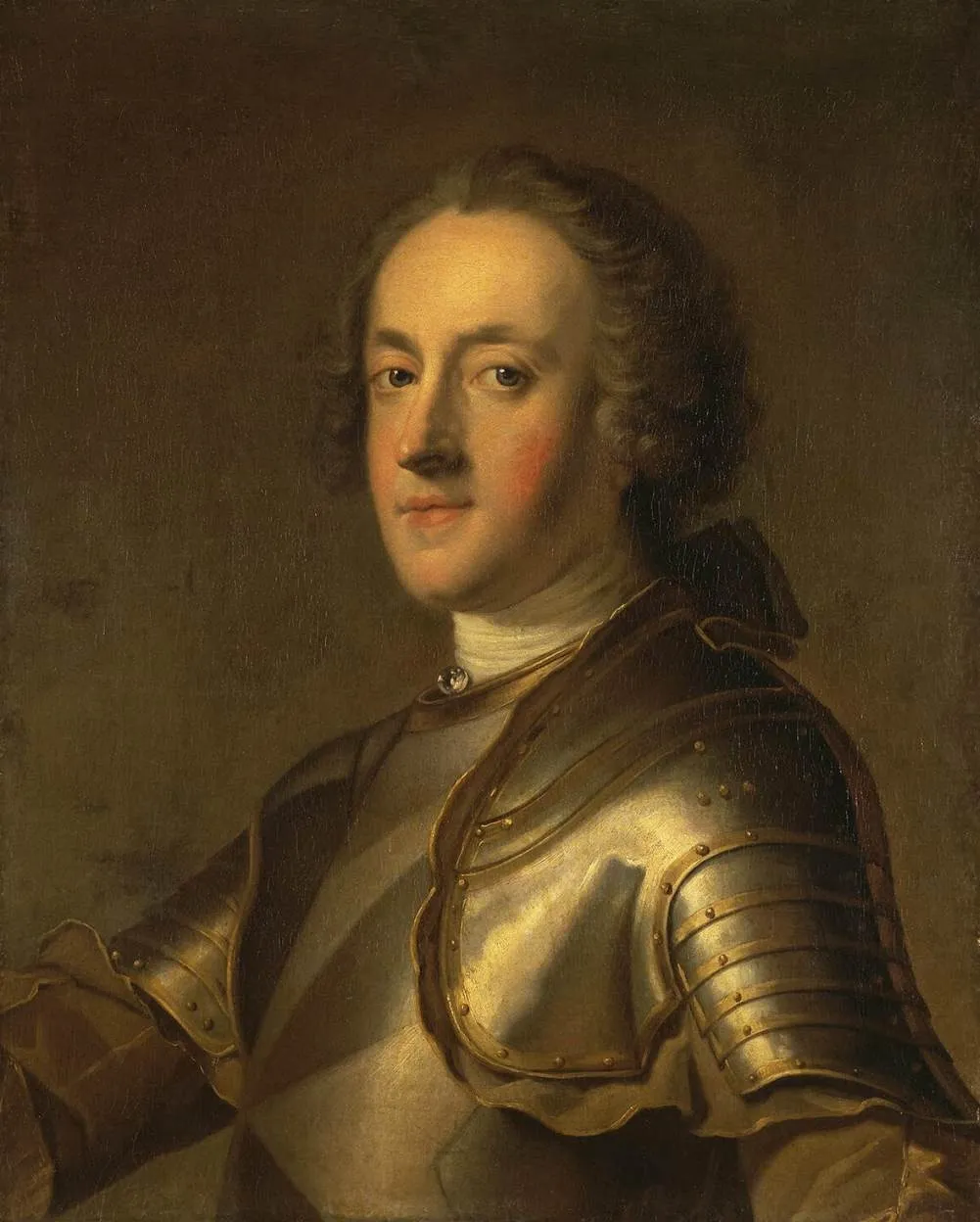
Portrait of Admiral D'Orvilliers is an oil painting by Charles André van Loo. It dates from 1750 and is held in the collection of the Hermitage Museum.
About this work
Overview
Painted around 1750 by Charles André van Loo, this oil portrait captures Louis Guillouet, comte d'Orvilliers, a French naval officer.
Painted around 1750 by Charles André van Loo, this oil portrait captures Louis Guillouet, comte d'Orvilliers, a French naval officer. The work is part of the State Hermitage Museum’s collection in Saint Petersburg. It presents its subject in a restrained, formal manner, emphasizing dignity and military bearing without ornate surroundings. The composition focuses tightly on the figure, isolating him against a dark, undefined space.
Subject & Meaning
The portrait depicts Admiral d'Orvilliers, a respected commander in the French Royal Navy. His attire—a combination of civilian coat and polished armor—signals both his naval rank and readiness for command. The solemn expression and direct gaze convey authority and gravitas. The absence of naval symbols or background elements shifts focus to his personal presence, suggesting character over ceremony.
Technique & Style
Van Loo employs chiaroscuro to model the admiral’s face and chest, drawing attention to his features through controlled contrasts of light and shadow. The armor is rendered with precise detail, its metallic surfaces catching highlights that distinguish it from the matte fabric of his jacket. The dark background enhances the three-dimensionality of the figure, a hallmark of 18th-century portraiture rooted in academic tradition.
History & Provenance
The painting entered the Hermitage Museum’s collection during the 18th or early 19th century, likely acquired through royal or diplomatic channels. Its presence in Russia reflects the broader cultural exchange between France and the Russian court. No significant alterations or reworkings are recorded, and the work has remained in stable condition since its acquisition.
Context
Created during the height of the Ancien Régime, the portrait aligns with French academic portraiture that valued restraint and psychological presence over flamboyance. Naval officers like d'Orvilliers were increasingly depicted as disciplined leaders, reflecting France’s growing investment in its maritime power. Van Loo, a favored court painter, adapted his style to suit the dignity expected of high-ranking officials.
Legacy
The portrait endures as a representative example of mid-18th-century French military portraiture. It illustrates how artists balanced individual likeness with institutional authority, avoiding overt symbolism in favor of subtle cues. While not widely reproduced, it remains a key reference for understanding the visual language of naval leadership in Enlightenment-era France.
Artist & collection
Artist
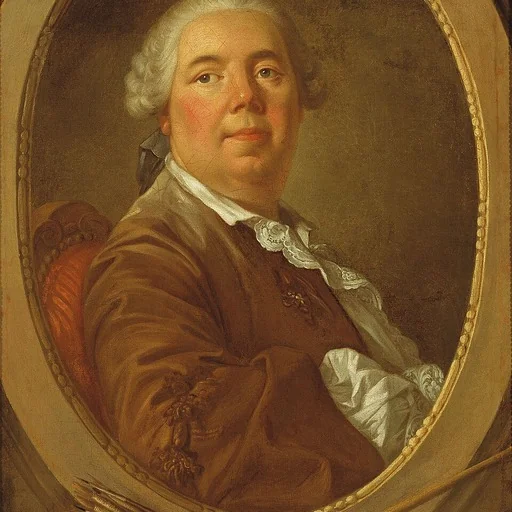
Carle or Charles-André van Loo (French pronunciation: ; 15 February 1705 – 15 July 1765) was a French painter, son of the painter Louis-Abraham van Loo, a younger brother of Jean-Baptiste van Loo and grandson of Jacob van Loo.

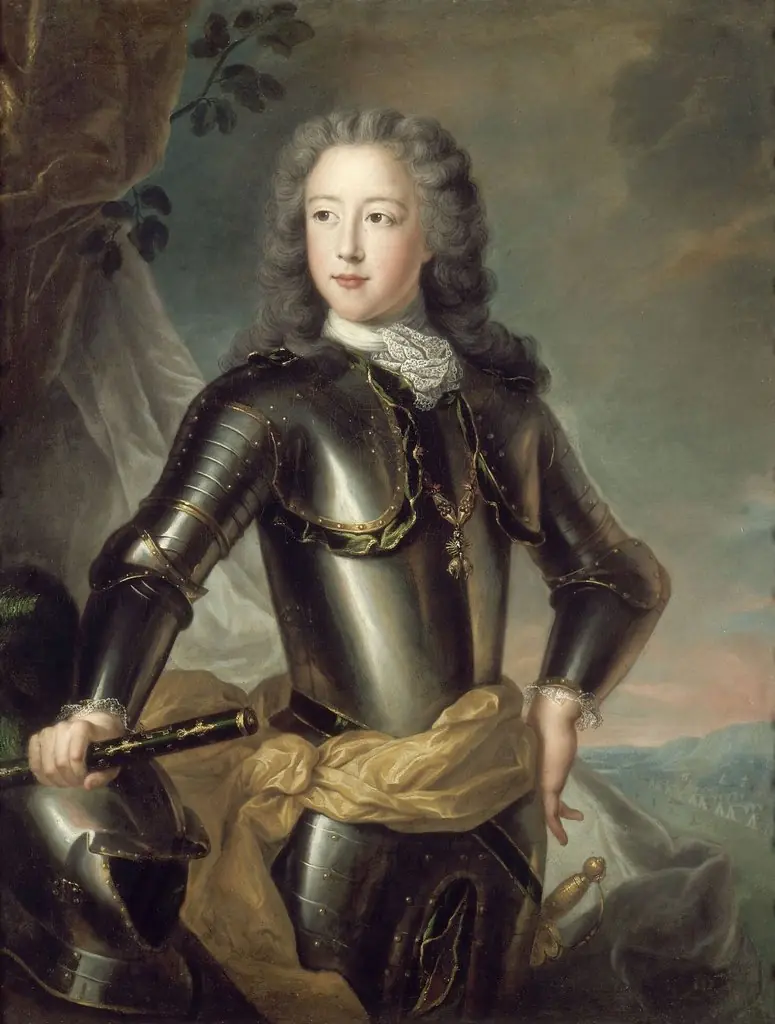 Portrait of Léopold Clément (1707-1723), Hereditary Prince of Lorraine
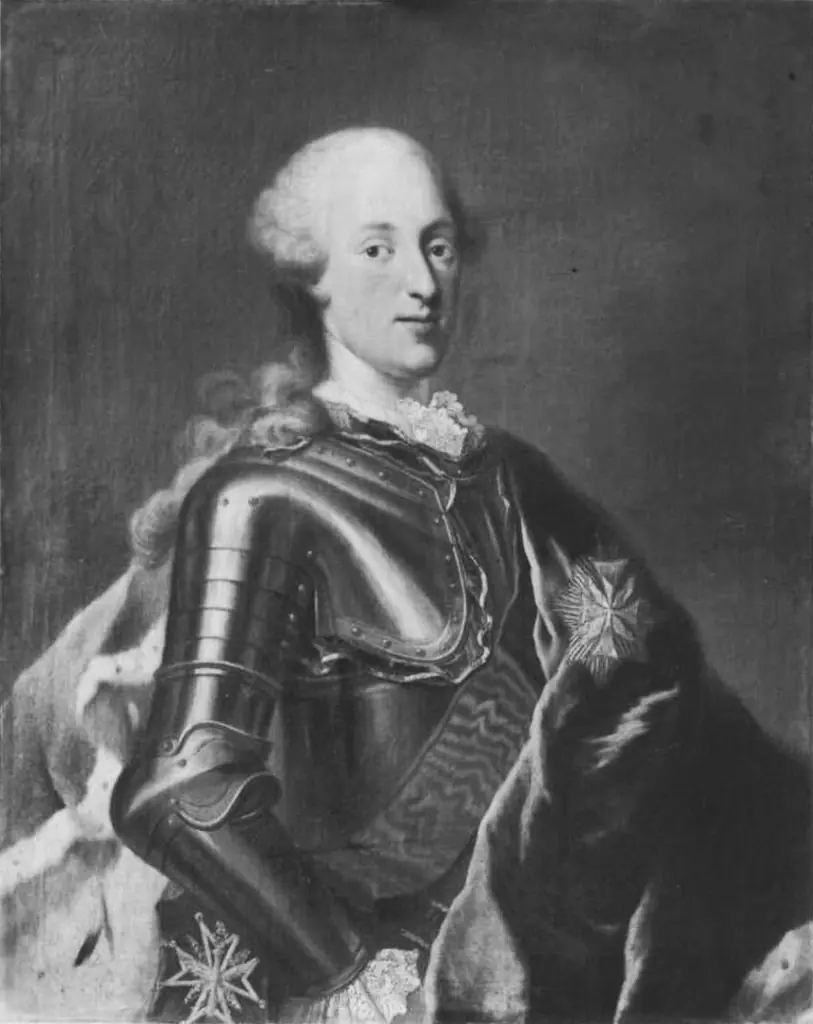 Bildnis eines sächsischen Prinzen
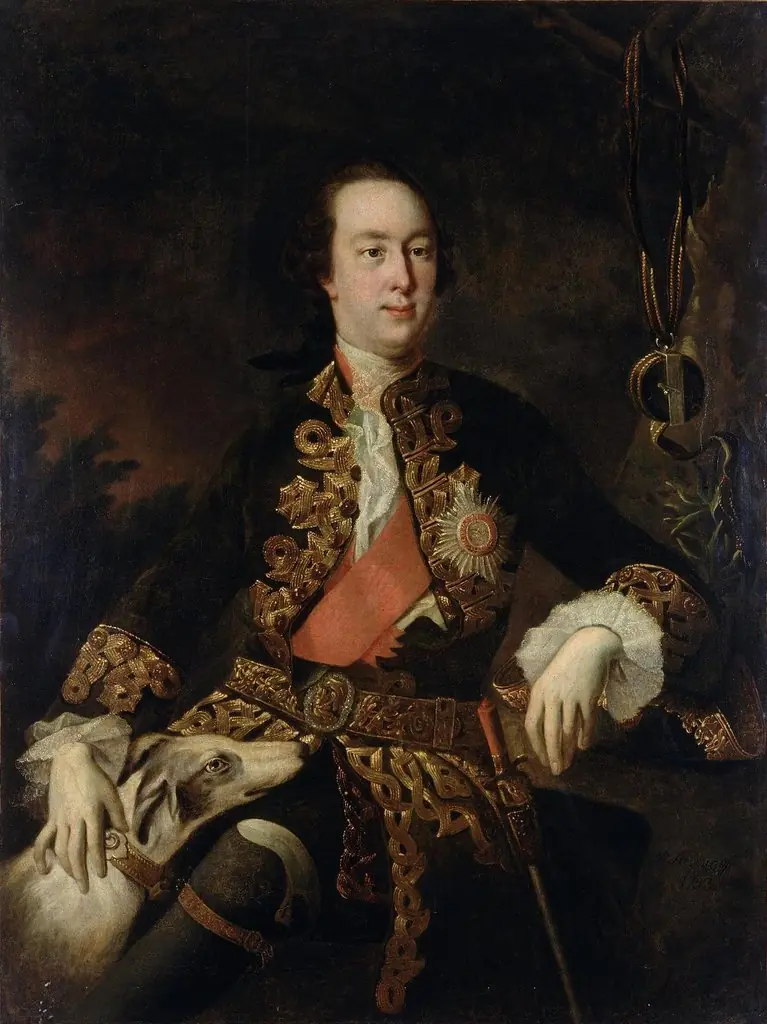 Portrait of P.B. Sheremetev
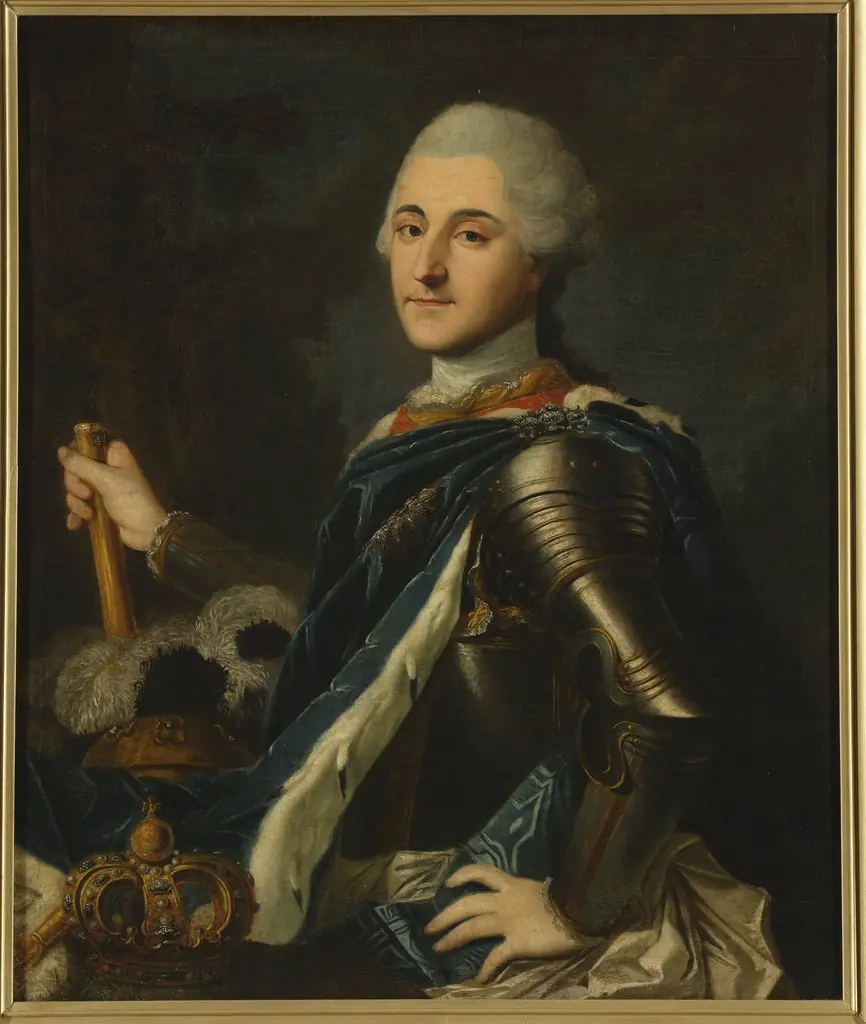 Portrait of king Stanisław August in armour
 Portrait of Count Jørgen Scheel (1721-1786)
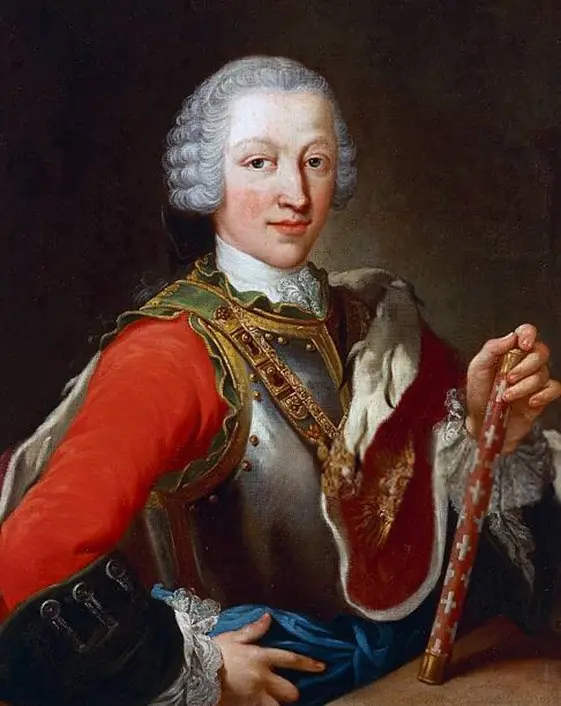 Porträt des Victor Amadeus III of Sardinia (1726-1796)
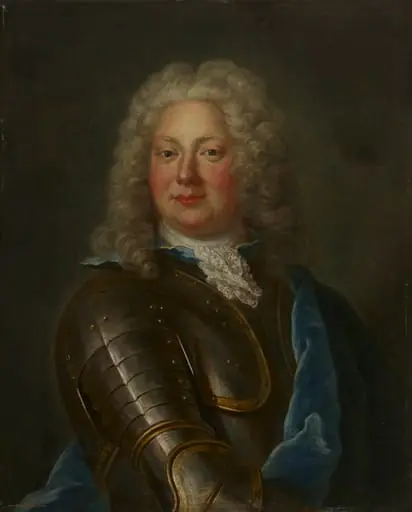 Hovimarsalkka Gustaf Jakob Horn af Rantzien
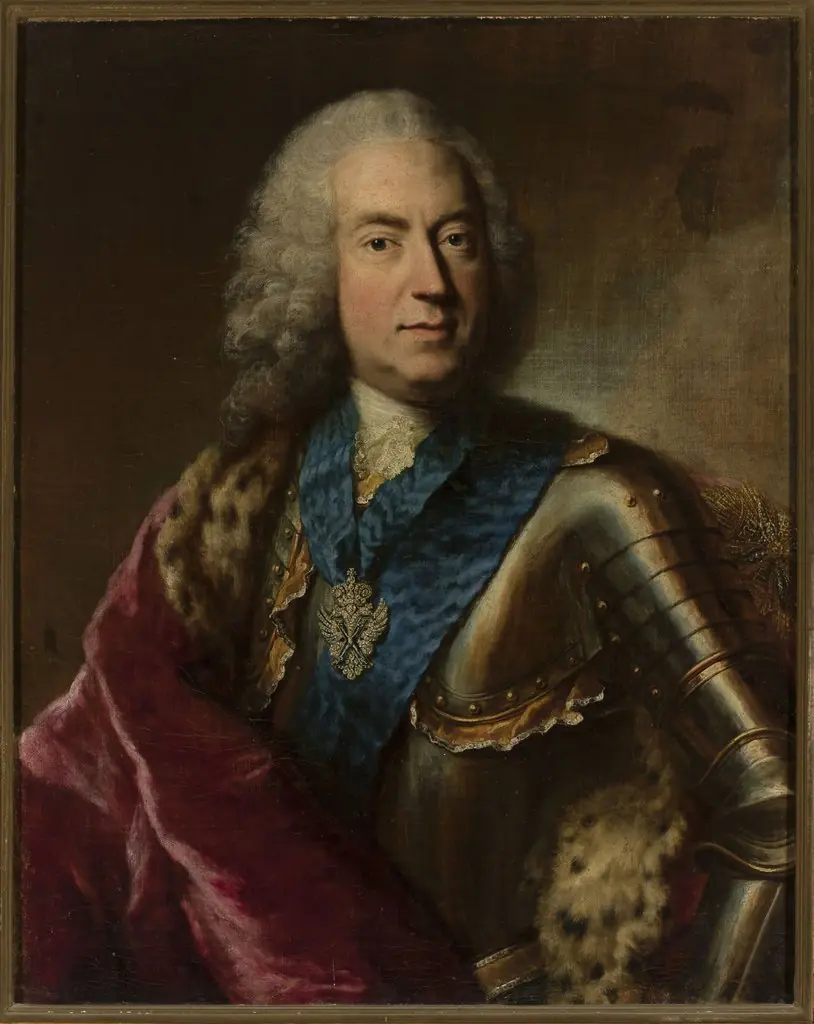 Portrait of Karl August Rex, Saxon minister
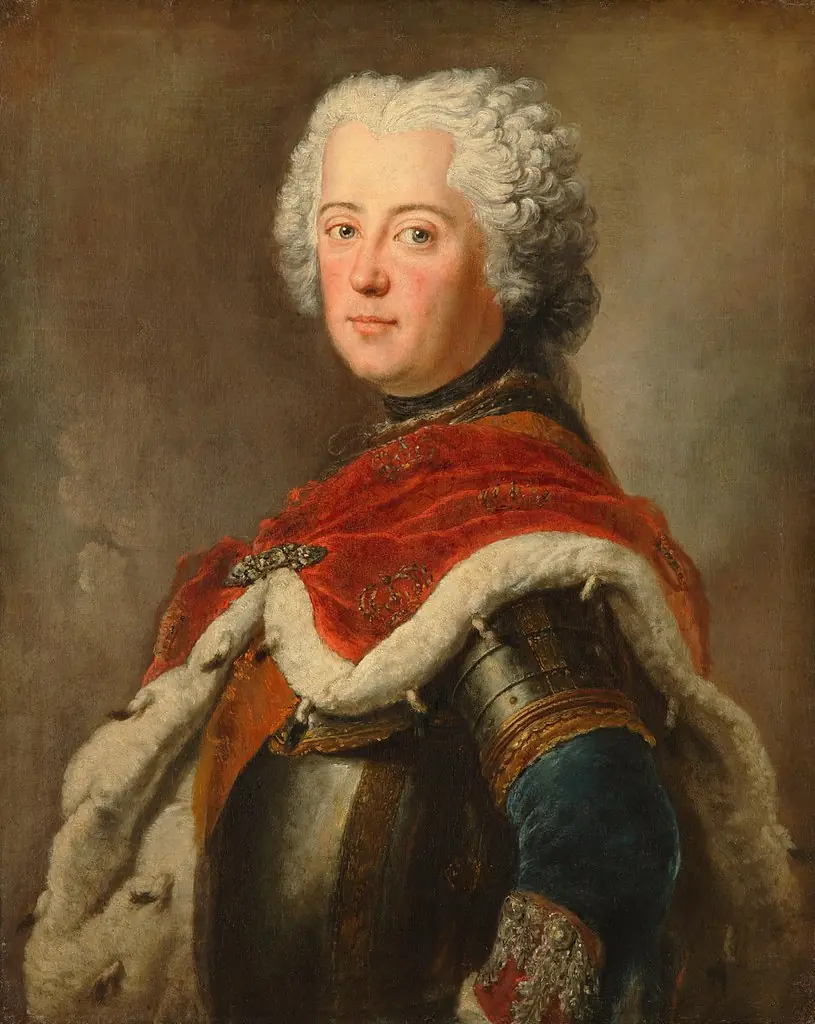 Crown prince Frederik de Great in Armour
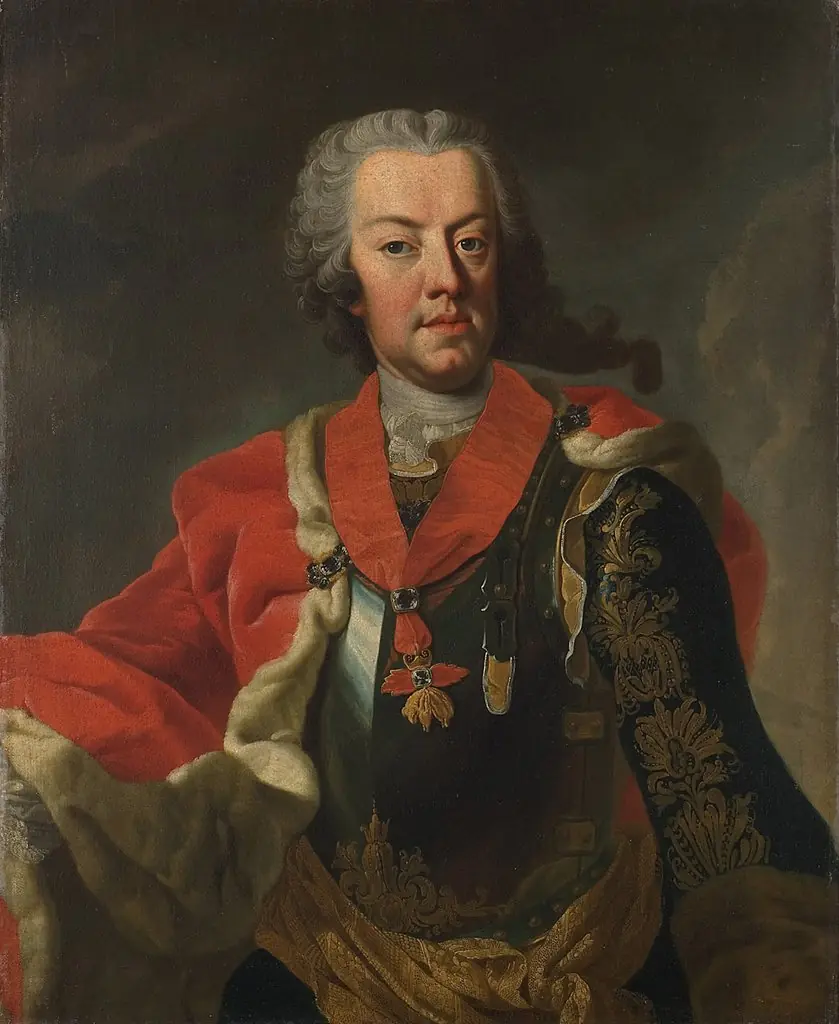 Herzog Karl Alexander von Lothringen (1712-1780), Brustbild
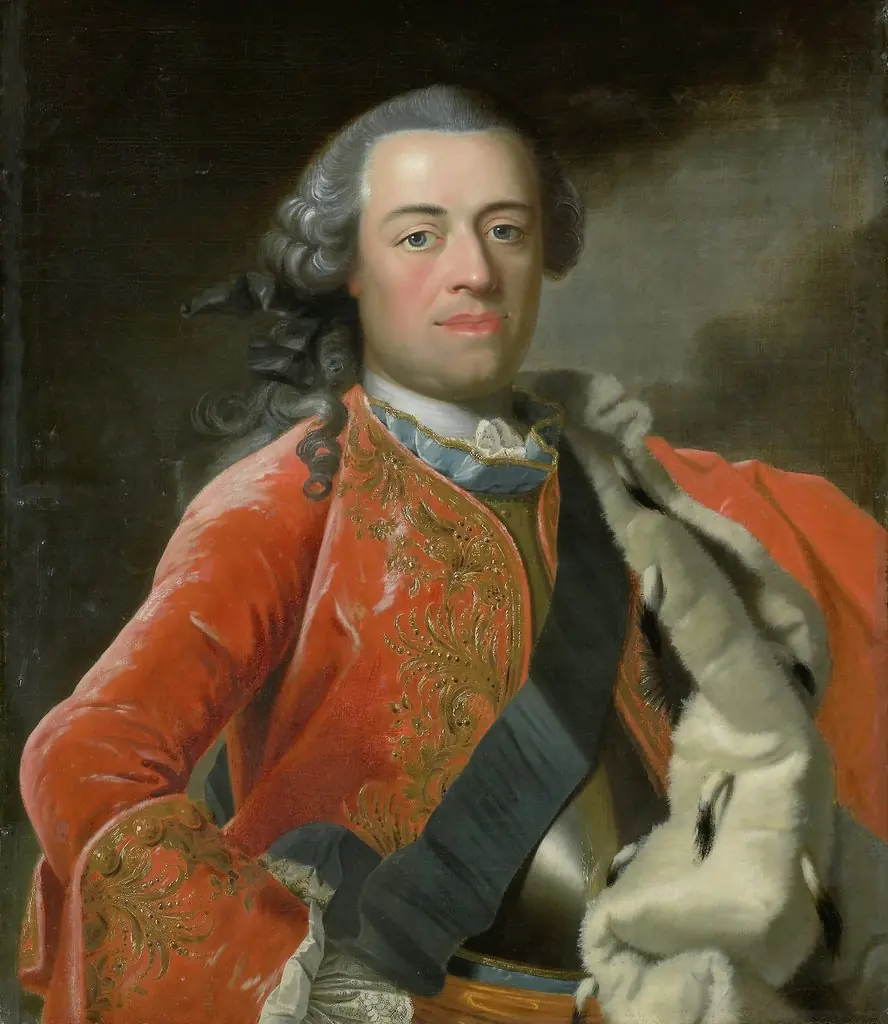 Portrait of Willem IV van Oranje-Nassau (1711-1751)
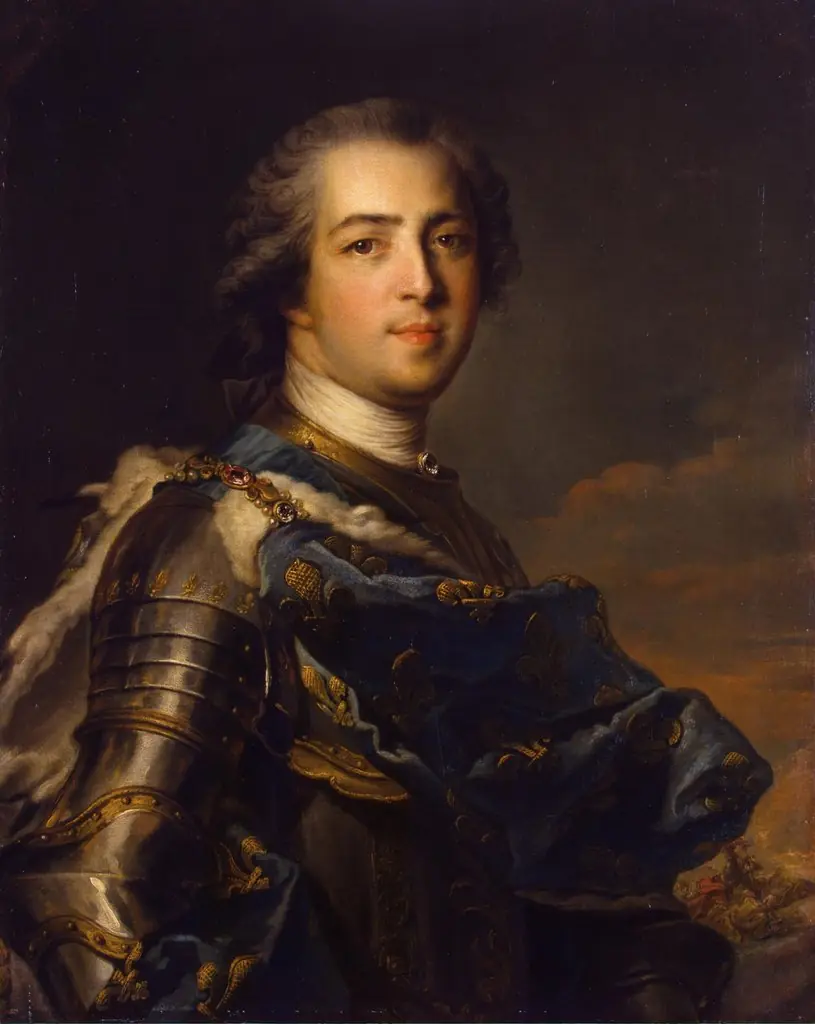 Portrait of Louis XV of France