Artwork
Augustus II 'The Strong' (1670–1733), King of Poland and Elector of Saxony
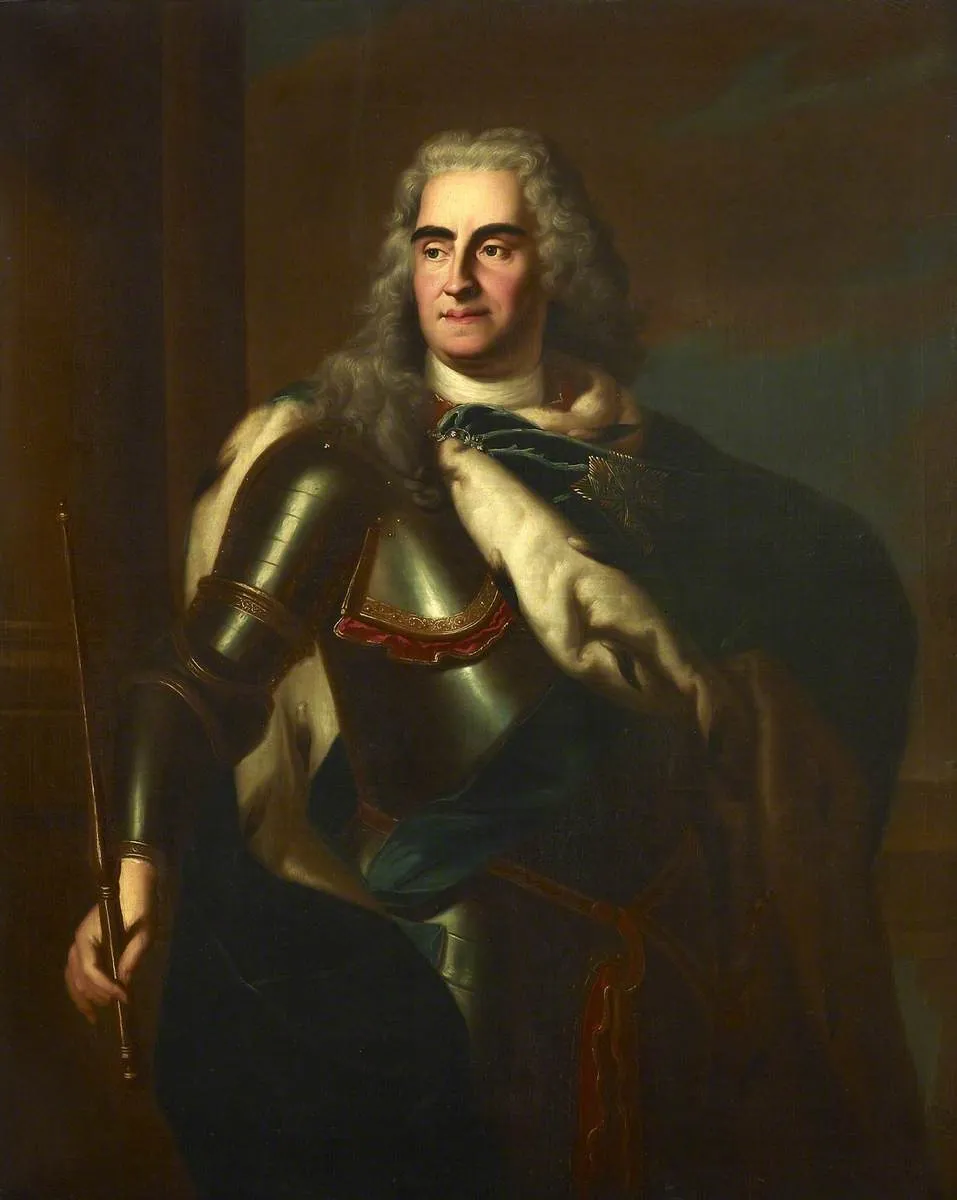
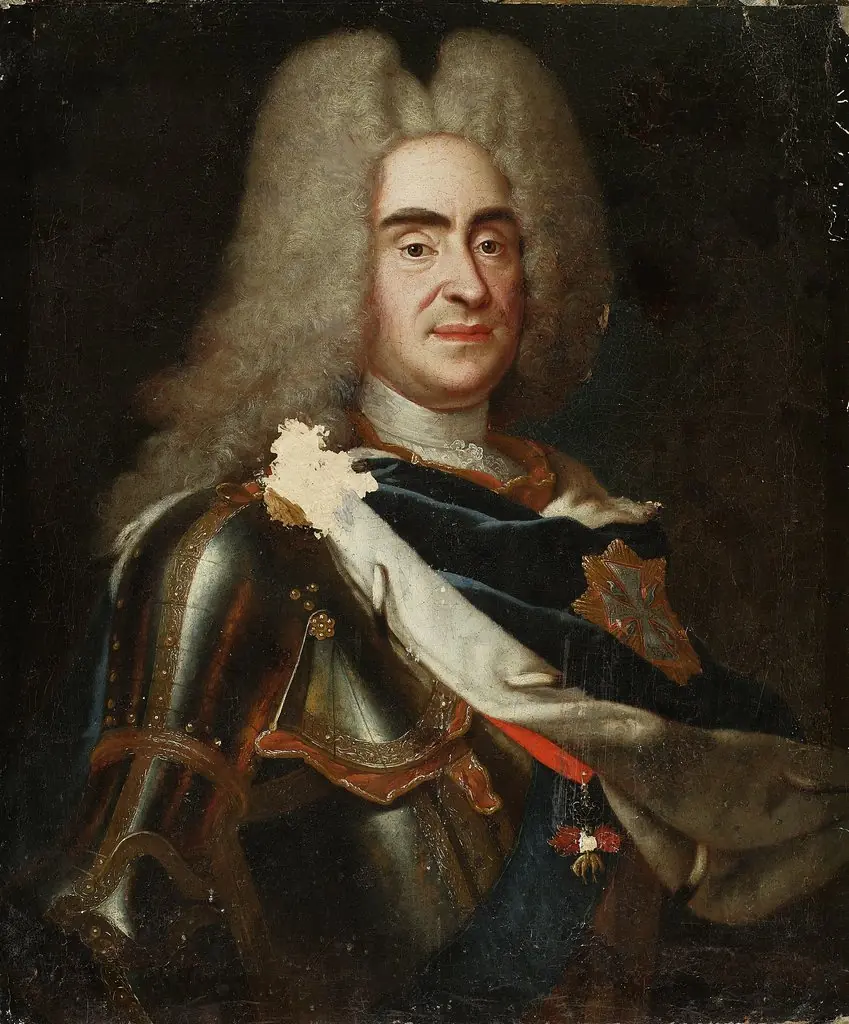
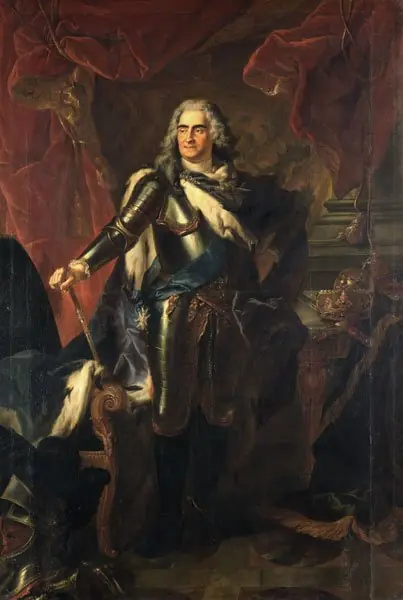
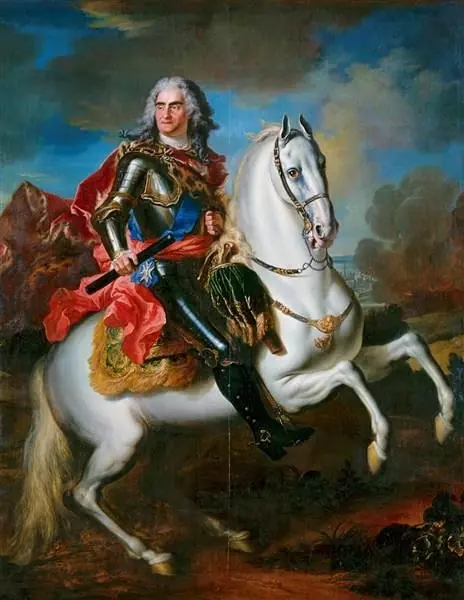
Augustus II 'The Strong' (1670–1733), King of Poland and Elector of Saxony is an oil painting by the Rococo painting artist Louis de Silvestre. It dates from 1725 and is held in the collection of the British Museum.
About this work
Overview
This oil portrait, created circa 1725 by Louis de Silvestre, captures Augustus II 'The Strong', who simultaneously held the titles of King of Poland and Elector of Saxony. The work is characteristic of the Rococo movement and adheres to the portraiture conventions of its time.
Subject & Meaning
Augustus II is portrayed in formal, symbolic attire, including armor and a dark cloak, with a sword in his right hand. His serious expression and direct gaze at the viewer convey authority and power, typical of royal portraiture from the period.
Technique & Style
De Silvestre employed chiaroscuro to create a pronounced sense of depth and volume, focusing attention on the king's face and armor. The dark background further emphasizes the subject, highlighting the intricacies of his attire and the intensity of his gaze.
History & Provenance
Originally part of the court of Augustus II, where de Silvestre was a prominent artist and later director of the Royal Academy of Arts in Dresden, the portrait is now part of the British Museum's collection.
Context
Painted during the Rococo era, the portrait reflects the artistic trends of the time, with de Silvestre's involvement in the Dresden court influencing the work's style and subject matter.
Artist & collection
Artist
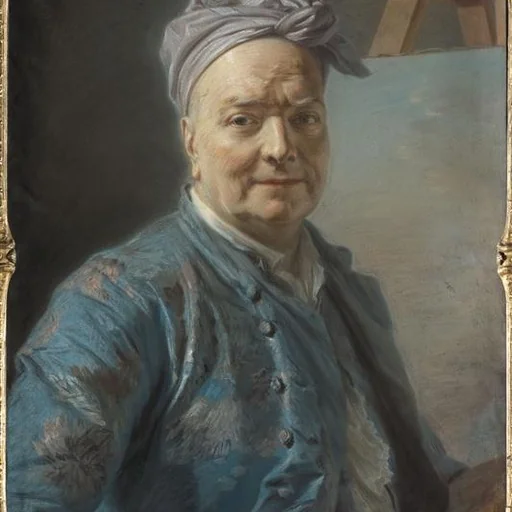
Louis de Silvestre (23 June 1675 – 11 April 1760), also known as Louis de Silvestre the Younger, was a French portrait and history painter.

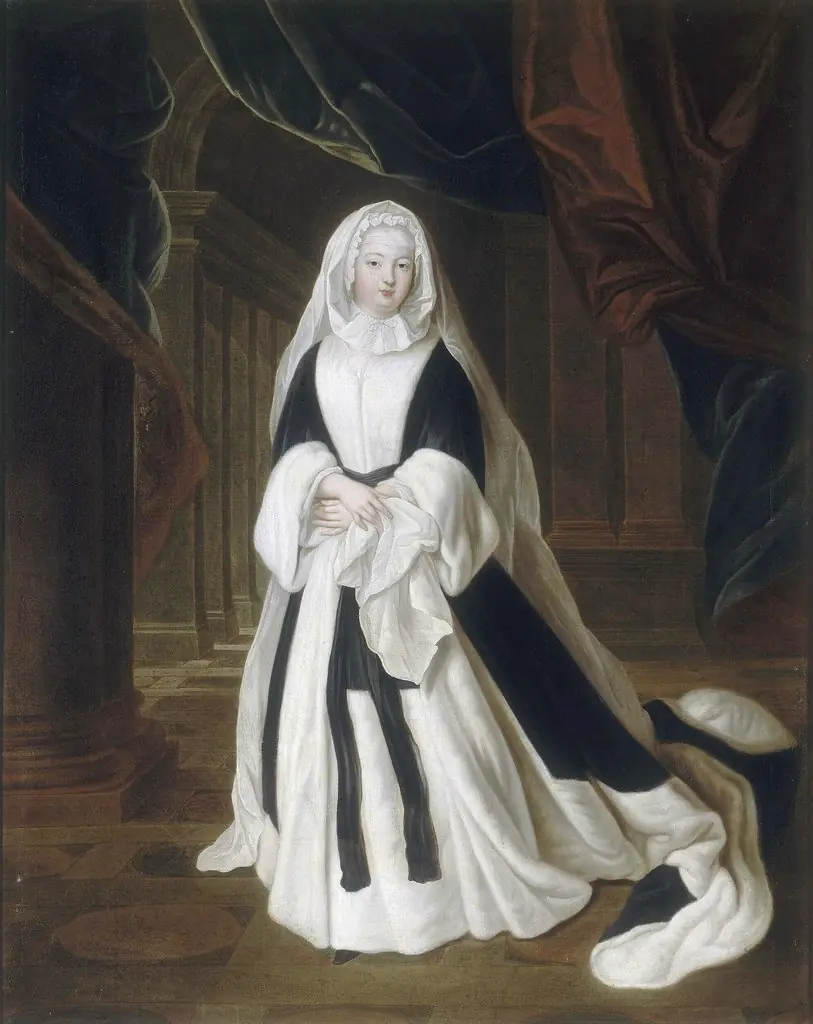 Louise Françoise de Bourbon, Duchess of Bourbon
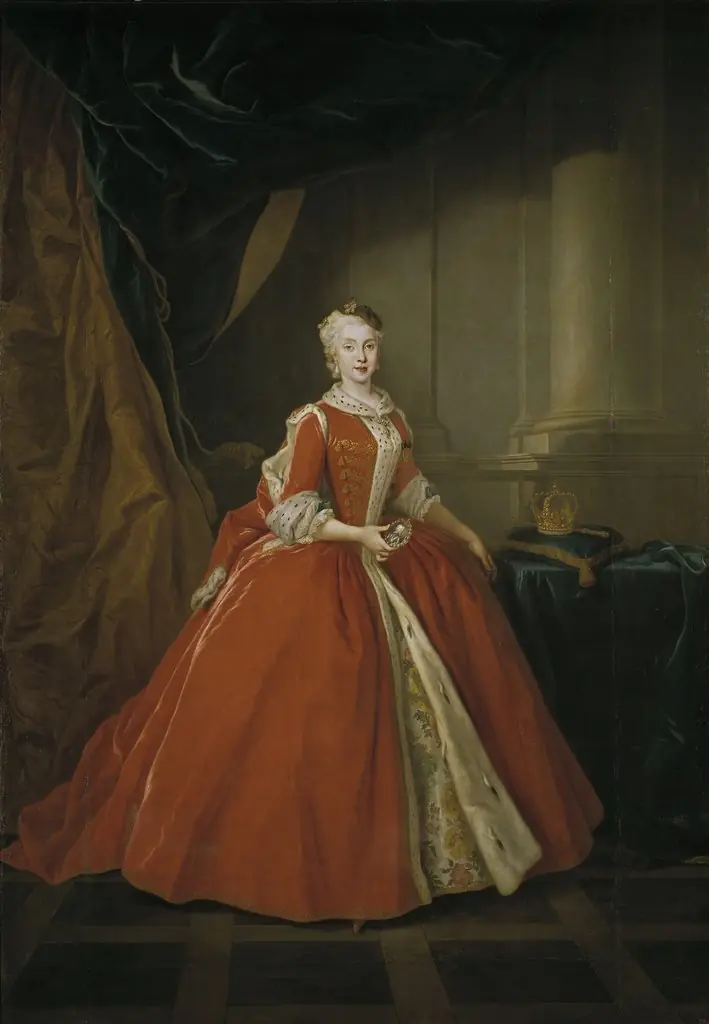 Maria Amalia de Saxony
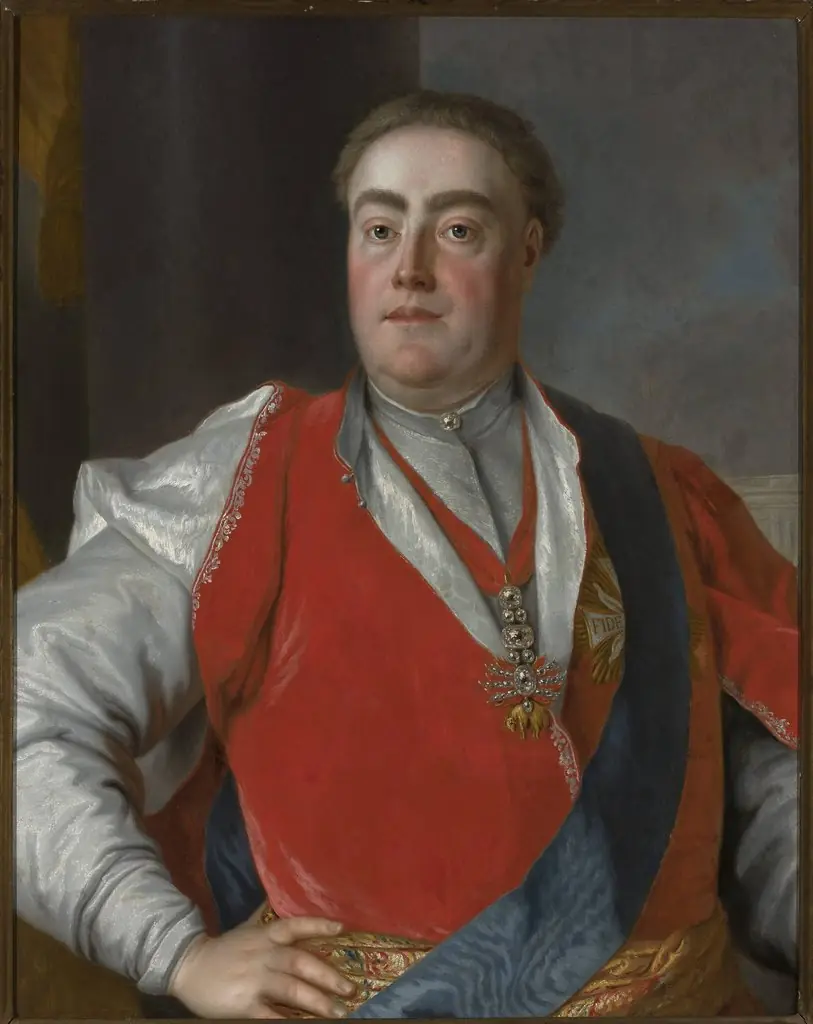 Portrait of Augustus III (1696–1763), King of Poland
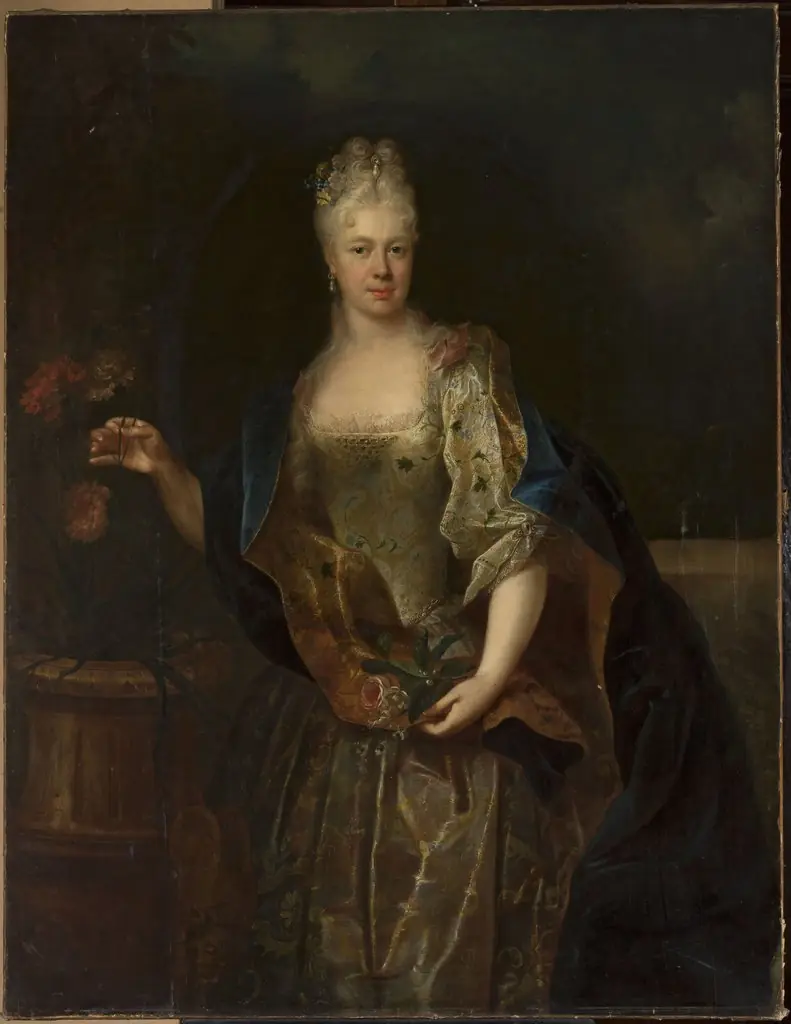 Portrait of Ludwika Amalia Lubomirska (1722–1778)
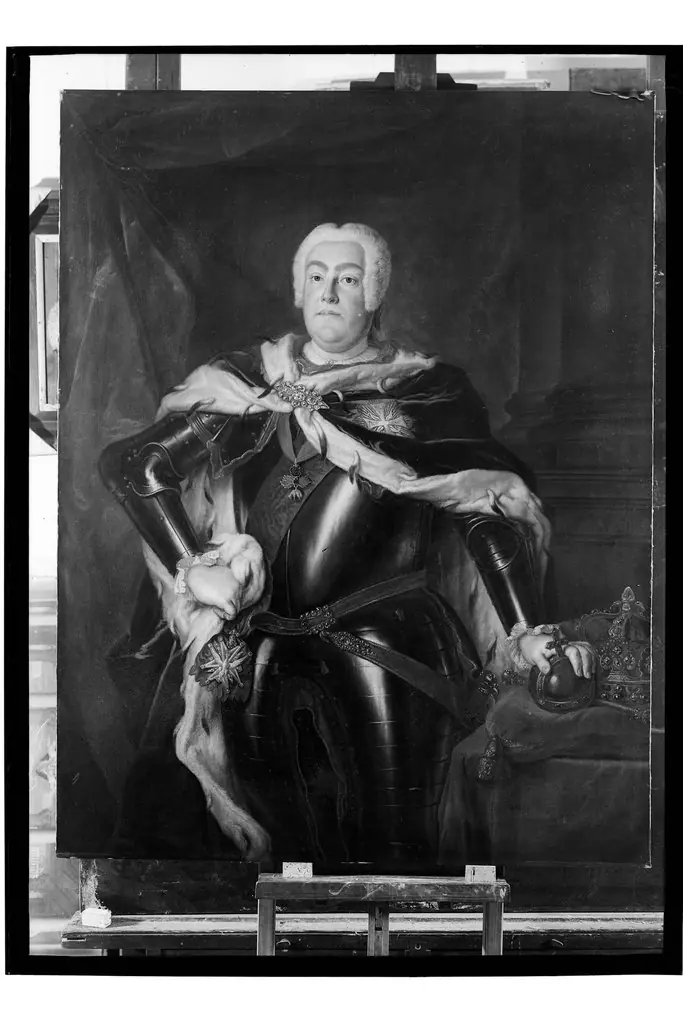 Portrait of Augustus III (1696–1763)
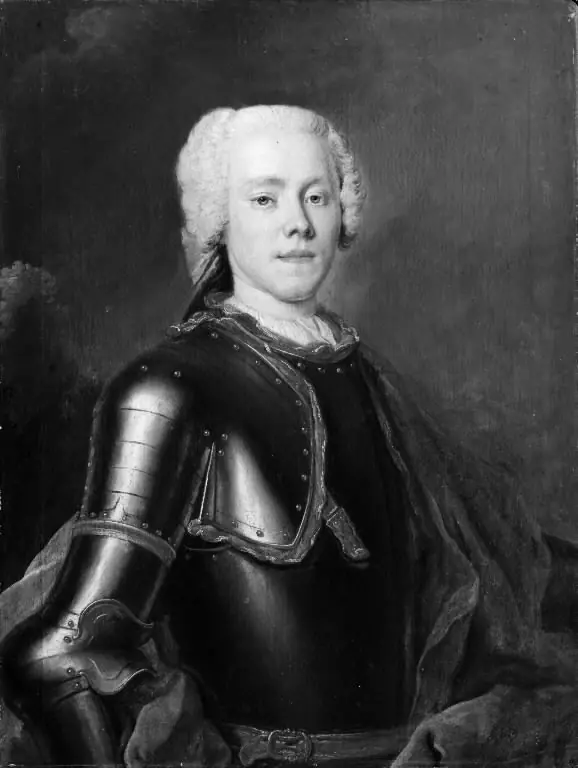 Portrait of Count Jørgen Scheel (1721-1786)
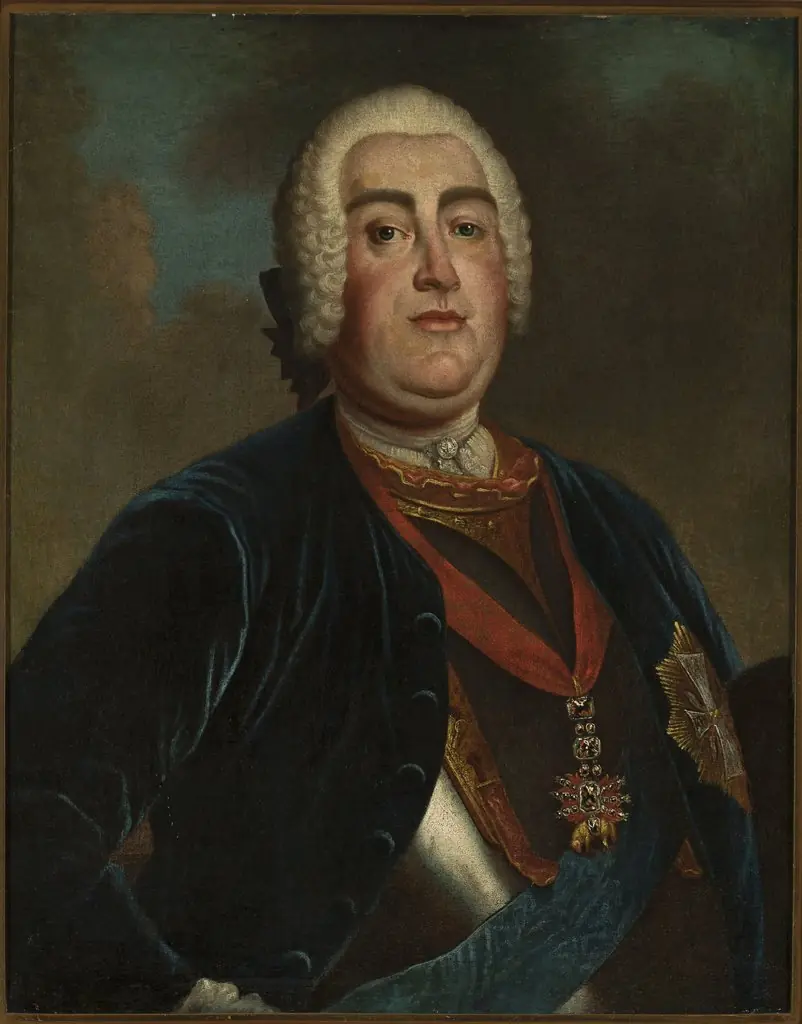 Portrait of Augustus III
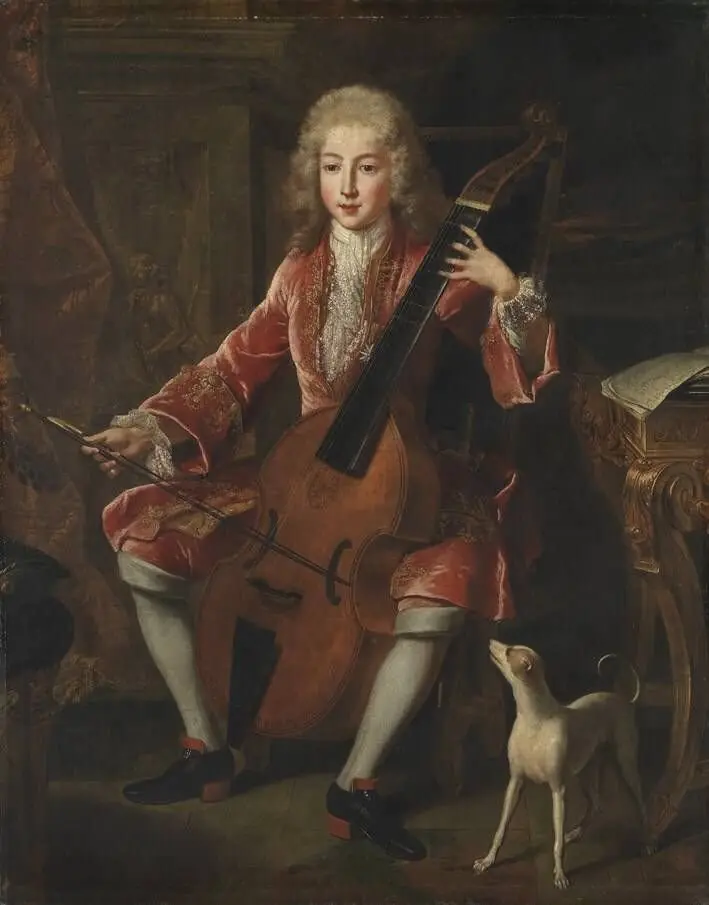 Maximilien-Emmanuel, Chevalier de Bavière