Artwork
The Right Honorable Lady Mary Radcliffe (1732-98), Wife of Francis Eyre, Esq.
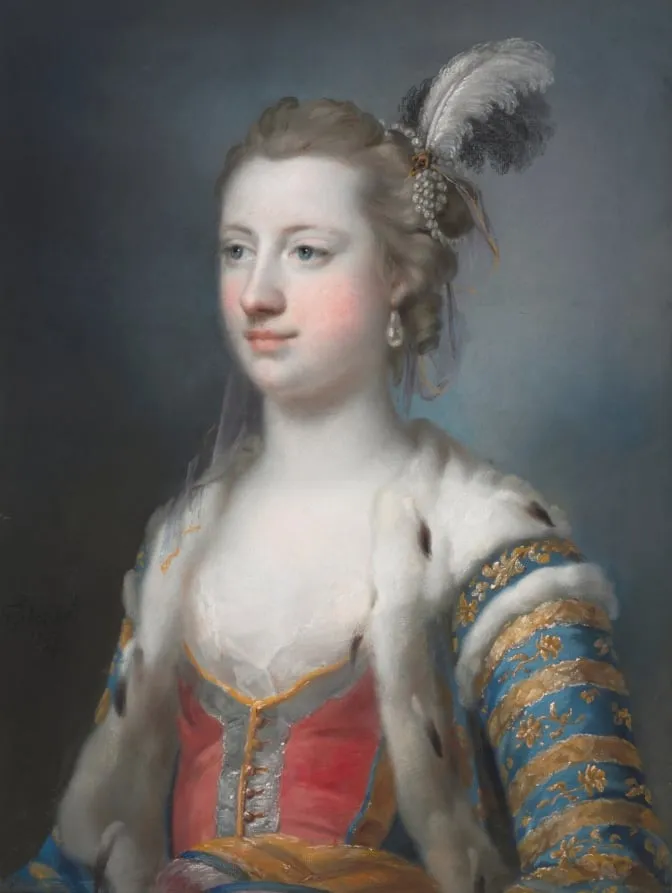
The Right Honorable Lady Mary Radcliffe (1732-98), Wife of Francis Eyre, Esq. is a drawing by the Romanticist artist Samuel Cotes. It dates from 1755 and is held in the collection of the Cleveland Museum of Art. Francis Cotes created this pastel portrait of Lady Mary Radcliffe shortly after her marriage to Francis Eyre.
About this work
The blue cloak isn’t just fancy—it’s a Turkish-style robe, a trendy touch in 1700s England.
A young woman sits in a peacock-blue cloak lined with white fur. Gold trim glints, pearls dangle from her ears, and a red dress peeks through the folds. Her hair is piled high with feathers.
This is Lady Mary Radcliffe’s marriage portrait. The blue cloak isn’t just fancy—it’s a Turkish-style robe, a trendy touch in 1700s England. The artist, Francis Cotes, helped make pastel portraits popular before oil took over.
To see more of this style, look up *england, 18th century*.
Overview
Francis Cotes created this pastel portrait of Lady Mary Radcliffe shortly after her marriage to Francis Eyre. As one of the earliest British artists to champion pastel as a serious medium, Cotes captured her with delicate precision, blending the immediacy of the medium with the formality expected of aristocratic portraiture in mid-18th-century England.
Subject & Meaning
Lady Mary Radcliffe is depicted in a Turkish-inspired peacock-blue mantle, a fashionable exoticism among British elites. The ermine trim, pearls, and feathered headdress signal status and refinement, while the scarlet bodice beneath underscores her youth and vitality. The ensemble reflects not only personal taste but also the era’s fascination with Orientalist aesthetics as markers of cosmopolitan identity.
Technique & Style
Cotes employed soft pastel strokes to render textures with remarkable subtlety—the sheen of gold embroidery, the softness of ermine, the luminosity of skin. His handling of light and color avoids harsh outlines, creating a gentle, atmospheric effect. The composition centers the figure against a neutral background, focusing attention on costume and expression rather than setting.
History & Provenance
Painted around 1755, the portrait was commissioned to commemorate Lady Mary’s marriage. It remained within the Eyre family for generations before entering public collection. Cotes’s reputation as a leading pastellist grew rapidly after this period, though his career was cut short by his early death in 1770.
Context
In 1750s England, pastel portraiture was gaining ground as an alternative to oil, favored for its speed and luminous finish. Turkish-style garments, inspired by diplomatic and trade contacts with the Ottoman Empire, became popular in aristocratic circles. Cotes’s work reflects this blend of cultural curiosity and social display among the upper classes.
Legacy
Cotes’s portrait of Lady Mary Radcliffe exemplifies the transition in British portraiture from formal oil paintings to more intimate, textured pastel works. His influence helped establish pastel as a legitimate medium for high-society portraiture, paving the way for later artists like Rosalba Carriera’s followers and eventually the rise of Thomas Gainsborough.
Artist & collection
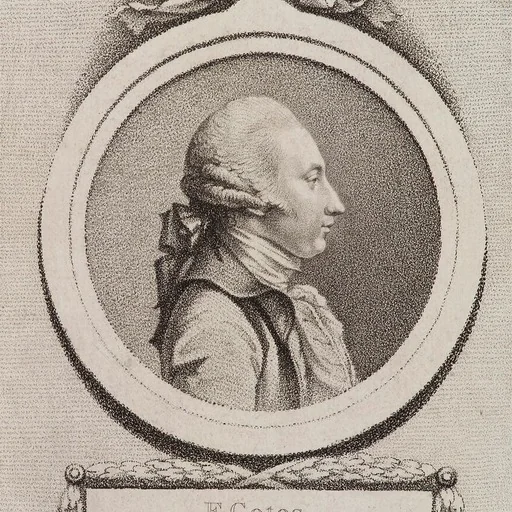
Artist
Francis Cotes (20 May 1726 – 16 July 1770) was an English painter who was one of the pioneers of English pastel painting and co-founded the Royal Academy in 1768.

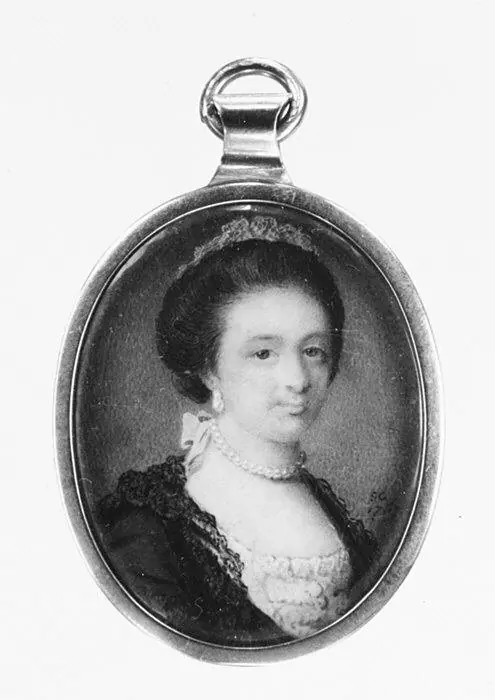 Portrait of a Woman
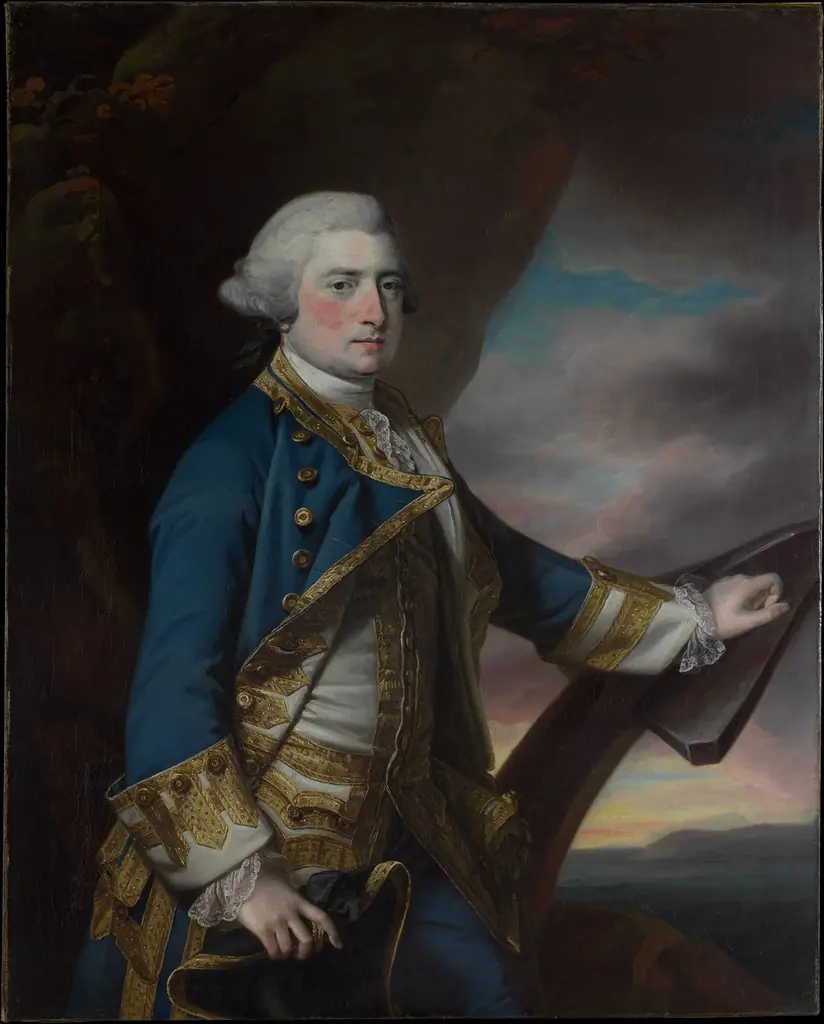 Admiral Harry Paulet (1719/20–1794), Sixth Duke of Bolton
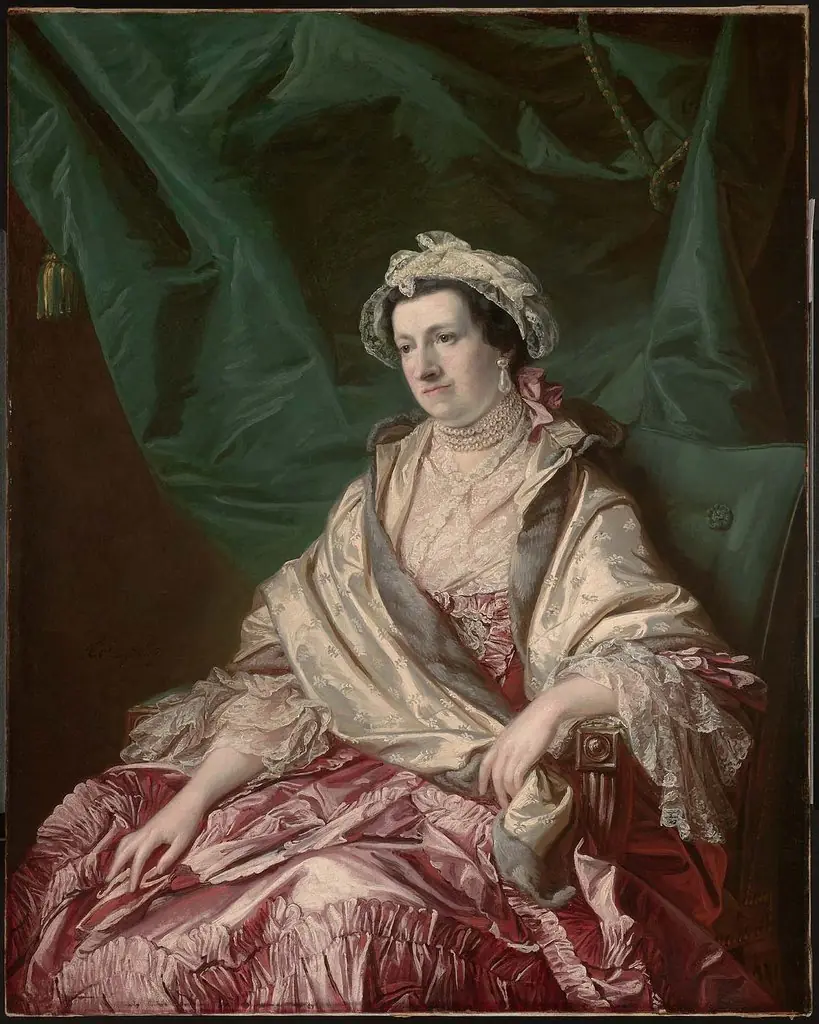 Hannah Vaughan
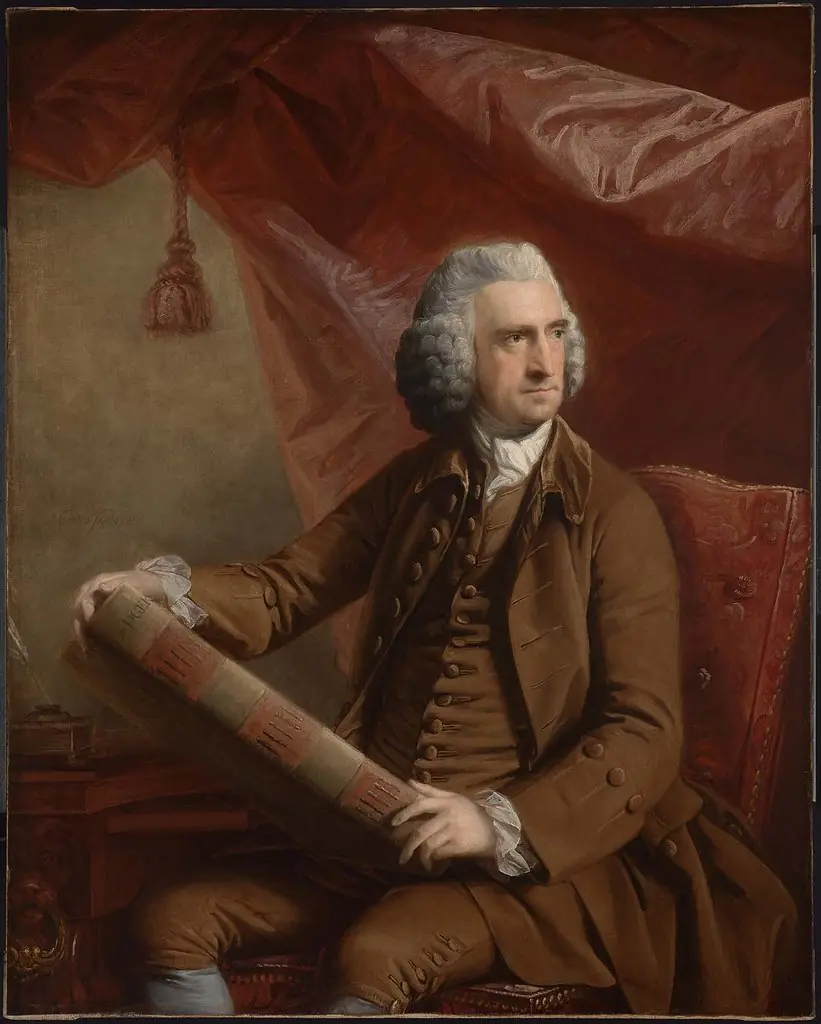 Benjamin Vaughan
 Portrait of Anne Hamilton, Countess of Donegall (1731-1780)
 Portrait of Maria Gunning, Countess of Coventry (1733-1760), Wife of the 6th Earl
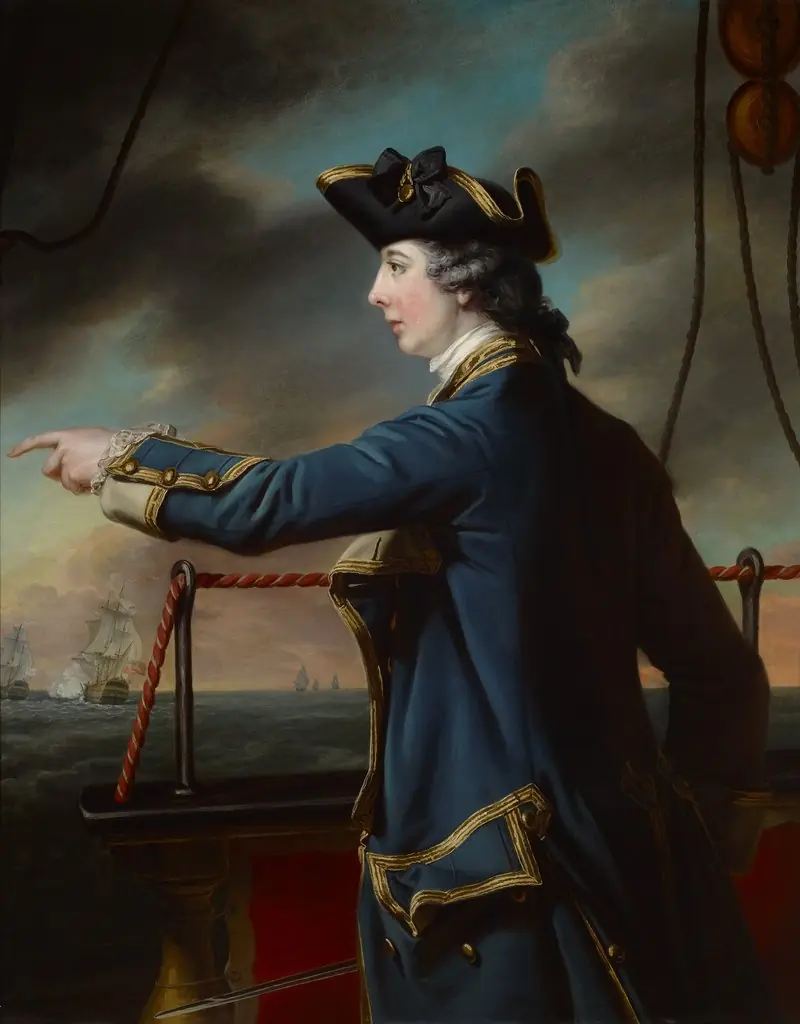 Portrait of Captain Edward Knowles, R.N. (1742-1762)
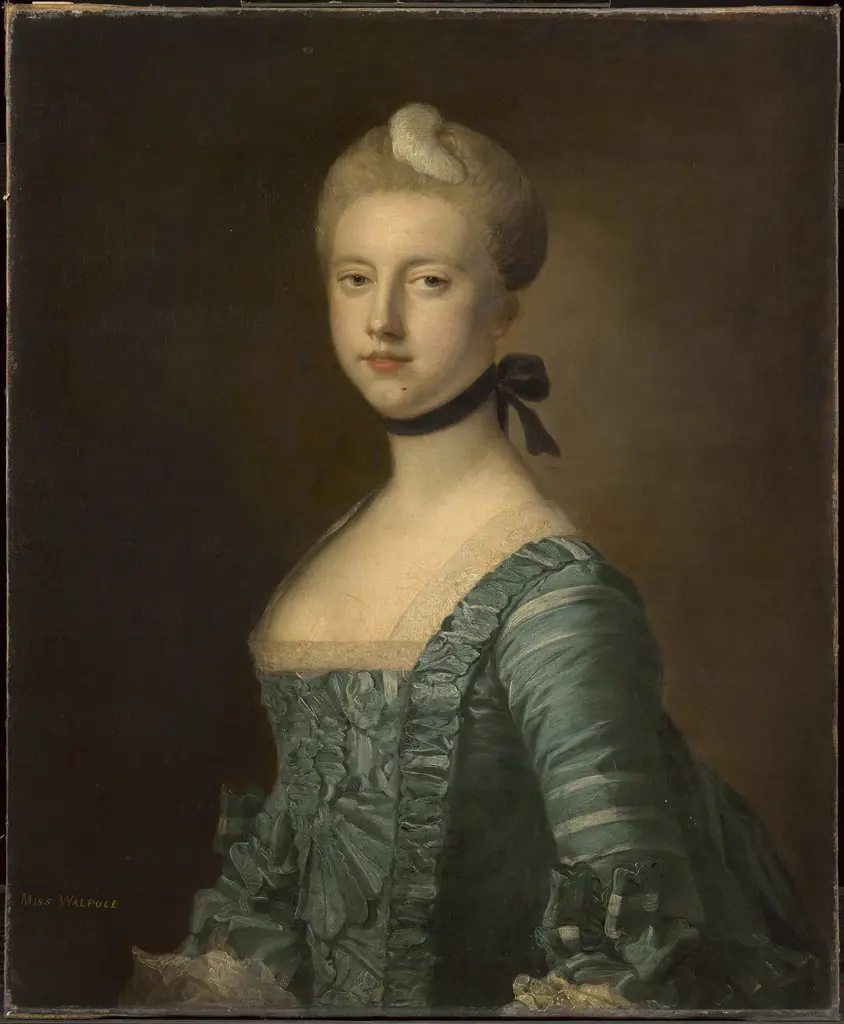 Miss C. Walpole, Afterwards Countess Dysart (one of pair)
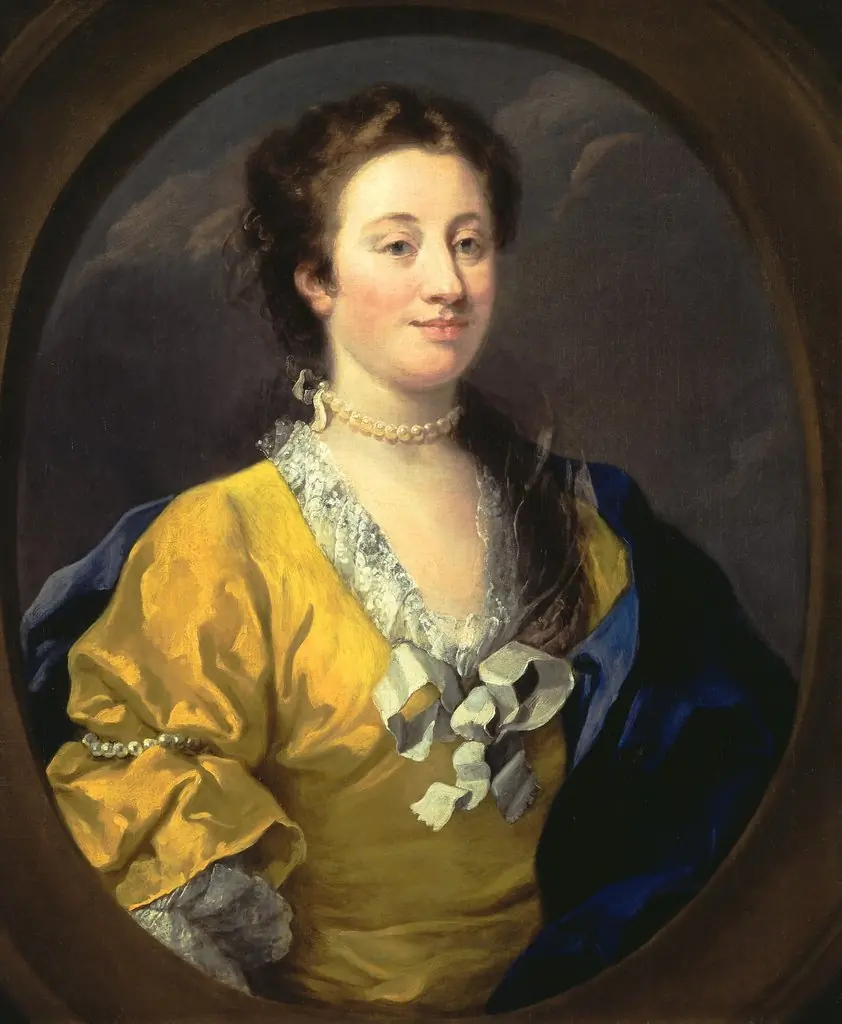 Portrait of a Lady
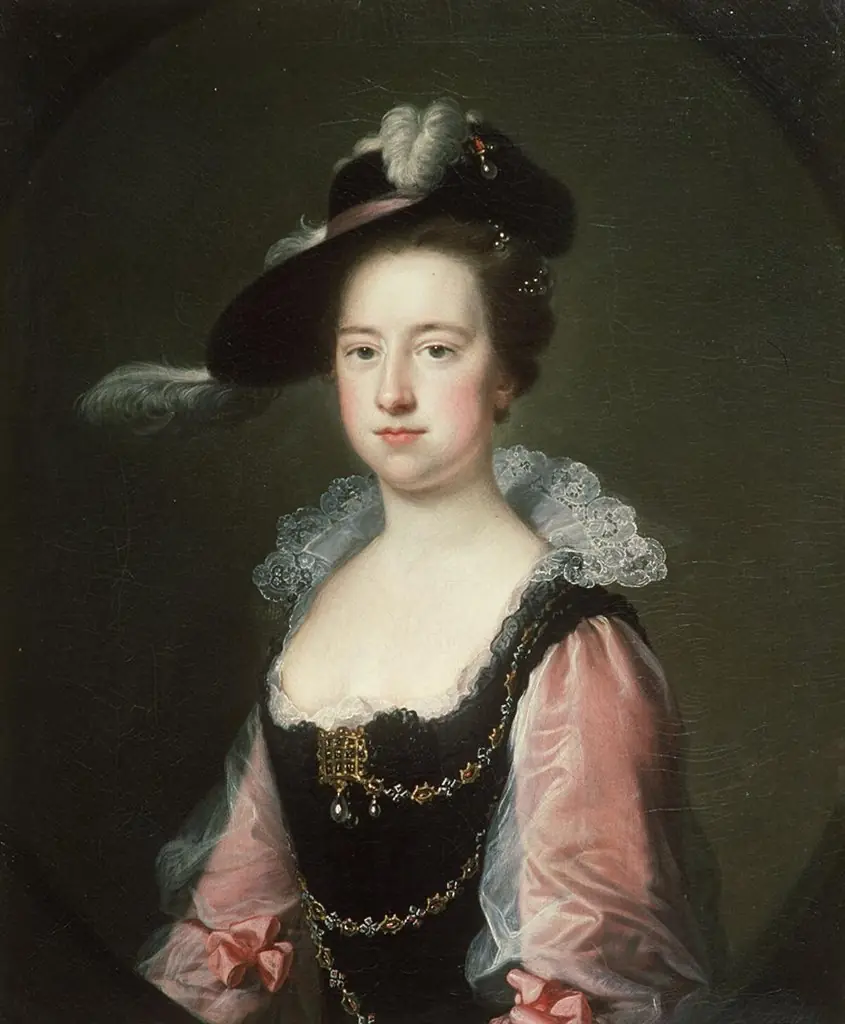 Bridget Williams
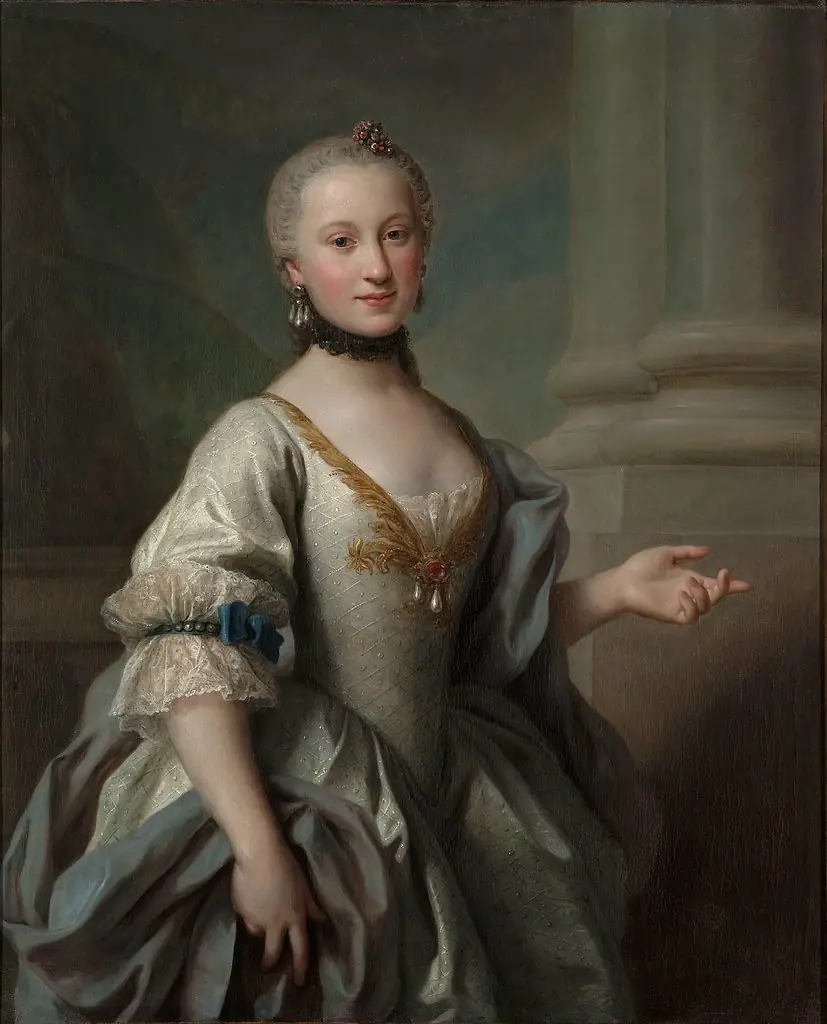 Portrait of Maria Amalia Fryderyka Mniszech née Brühl (1737–1772)
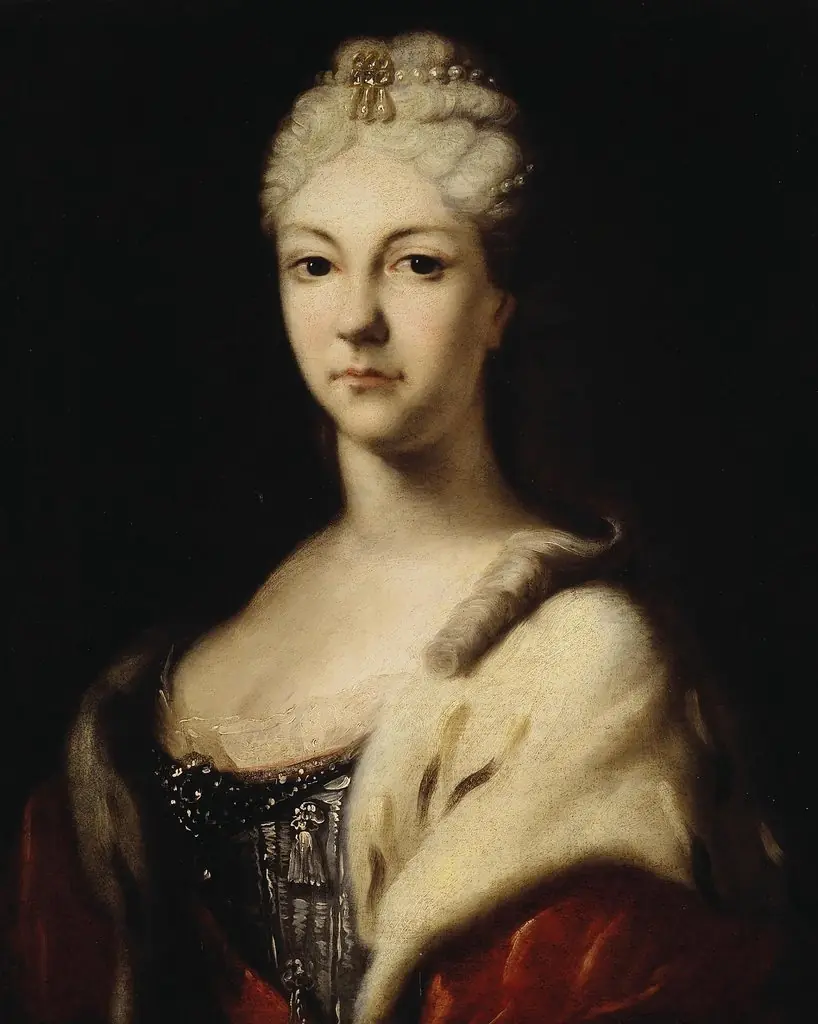 Portrait of Tsarevna Natalia Alexeyevna
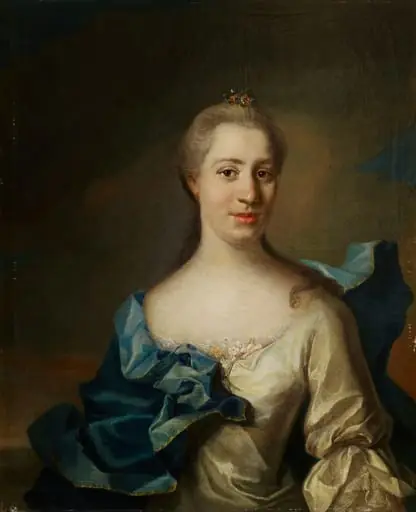 Maria Charlotta Silfverstjerna
 Anna Dorothea Amiga
 Portrait of a Lady
 Portrait of Susannah Walker
 Bildnis eines jungen Mädchens in blauem Kleid
 Kreivitär Ulrika Eleonora von Fersen
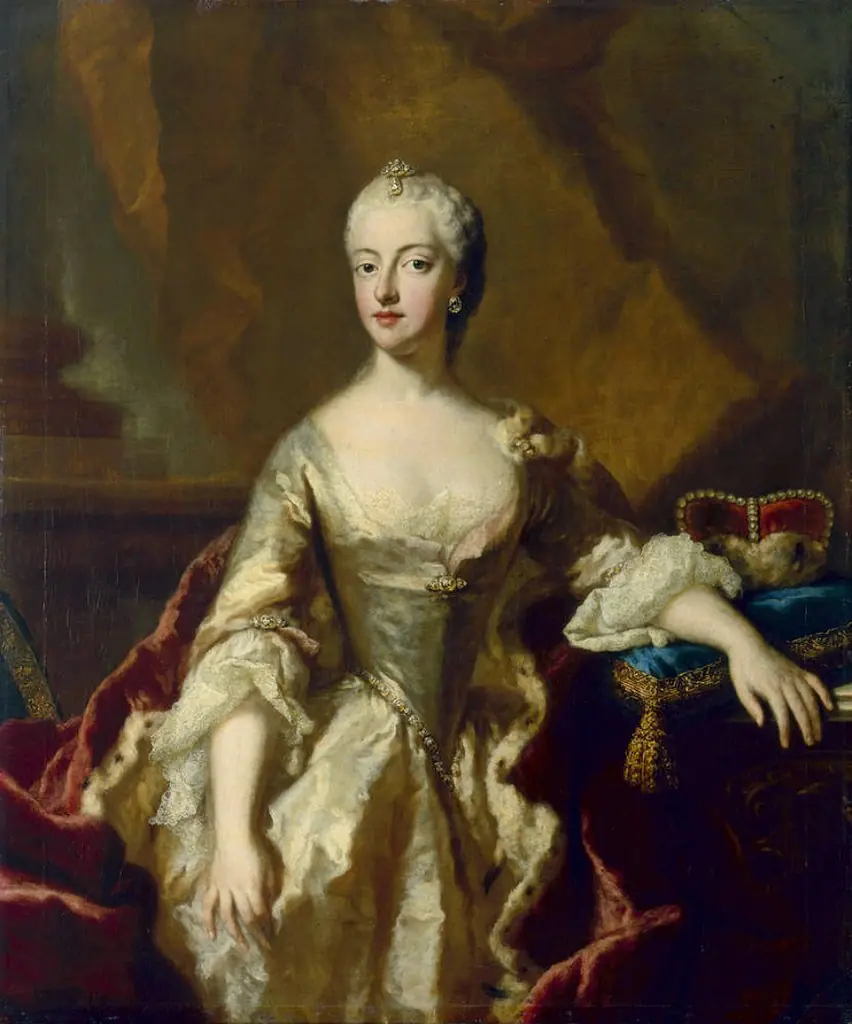 Margravine Maria Anna Josepha of Baden-Baden
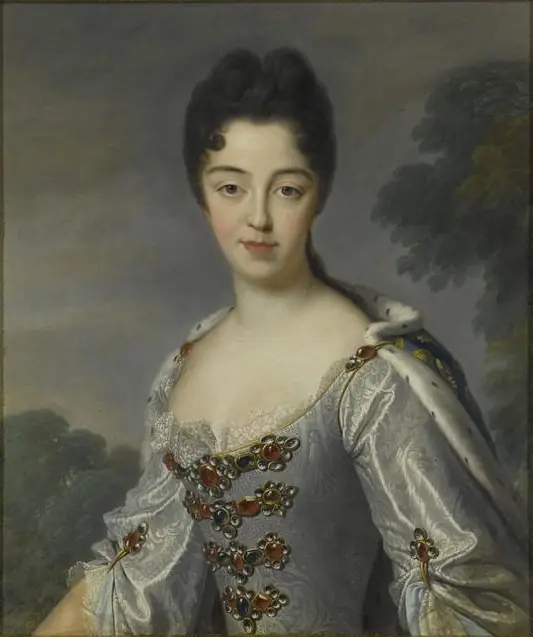 Marie Adélaïde of Savoy, Duchess of Burgundy