Artwork
The Botanical Magazine or Flower Garden Displayed: Plate 966, Erica Elegans. Elegant Heath [Erica glauca]
![The Botanical Magazine or Flower Garden Displayed: Plate 966, Erica Elegans. Elegant Heath [Erica glauca], by Francis Sansom](https://artifactworldgallery.com/img/francis-sansom--the-botanical-magazine-or-flower-garden-displayed-plate-966--b9381ec4a3e97cd7-w1024.webp)
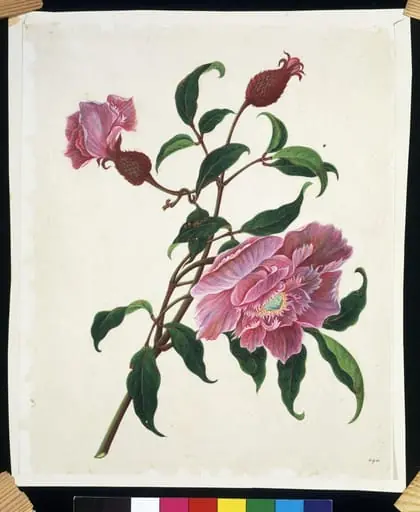
The Botanical Magazine or Flower Garden Displayed: Plate 966, Erica Elegans. Elegant Heath [Erica glauca] is a print by the Romanticist artist Francis Sansom. It is held in the collection of the Cleveland Museum of Art. This 1806 botanical print, Plate 966 from The Botanical Magazine, depicts Erica glauca, commonly known as elegant heath.
About this work
Overview
This 1806 botanical print, Plate 966 from The Botanical Magazine, depicts Erica glauca, commonly known as elegant heath.
This 1806 botanical print, Plate 966 from The Botanical Magazine, depicts Erica glauca, commonly known as elegant heath. Created by Francis Sansom, it is a hand-colored engraving intended for scientific documentation and public education. The work is part of a long-running series that combined horticultural accuracy with aesthetic presentation. It is currently held in the collection of The Cleveland Museum of Art.
Subject & Meaning
The illustration focuses on a single sprig of Erica glauca, a low-growing heath native to western Europe. Its clustered pink flowers and slender, glossy leaves are rendered with precision to aid botanical identification. The image serves a didactic purpose, reflecting the 19th-century interest in cataloging plant species for both scientific and amateur gardening audiences. No symbolic or allegorical meaning is implied; the subject is presented as a specimen of natural order.
Technique & Style
The plate is a hand-colored engraving, with fine lines defining the plant’s structure and subtle washes of color capturing its delicate tones. The background is left unadorned in a pale beige, isolating the specimen to emphasize form and texture. Details such as the translucence of petals and the fine veining of leaves reflect the precision typical of botanical illustration of the period, prioritizing clarity over artistic flourish.
History & Provenance
Produced in 1806 as part of William Curtis’s Botanical Magazine, this plate was one of many issued monthly to subscribers. The magazine was widely distributed among naturalists, gardeners, and collectors across Britain and Europe. The Cleveland Museum of Art acquired the print as part of its broader collection of scientific illustrations, preserving it as an artifact of early 19th-century botanical publishing.
Context
During the early 1800s, botanical illustration flourished alongside imperial exploration and the expansion of horticulture. The Botanical Magazine was among the most accessible platforms for disseminating new plant discoveries. Erica glauca, though not exotic, was valued for its hardiness and ornamental appeal in British gardens, making it a fitting subject for public education in domestic horticulture.
Legacy
This print exemplifies the enduring role of botanical art in bridging science and public engagement. While later photographic methods replaced hand-colored engravings, works like this one remain vital records of plant morphology and historical gardening practices. It continues to inform studies in the history of science and the cultural reception of nature during the Romantic era.
Artist & collection

![The Botanical Magazine or Flower Garden Displayed: Plate 929, Symphyum Asperrim. Prickley Comfrey. [Symphytum asperum], by Francis Sansom](https://artifactworldgallery.com/img/francis-sansom--the-botanical-magazine-or-flower-garden-displayed-plate-929--35fcf24fe6d7acee-w320.webp) The Botanical Magazine or Flower Garden Displayed: Plate 929, Symphyum Asperrim. Prickley Comfrey. [Symphytum asperum]
The Botanical Magazine or Flower Garden Displayed: Plate 929, Symphyum Asperrim. Prickley Comfrey. [Symphytum asperum]![The Botanical Magazine or Flower Garden Displayed: Plate 931, Phytolacca Decandra. Virginian Poke. [Phytolaca Americana], by Francis Sansom](https://artifactworldgallery.com/img/francis-sansom--the-botanical-magazine-or-flower-garden-displayed-plate-931--48fc90ee9c4aee5c-w320.webp) The Botanical Magazine or Flower Garden Displayed: Plate 931, Phytolacca Decandra. Virginian Poke. [Phytolaca Americana]
The Botanical Magazine or Flower Garden Displayed: Plate 931, Phytolacca Decandra. Virginian Poke. [Phytolaca Americana]![The Botanical Magazine or Flower Garden Displayed: Plate 892, Althaea Flexuosa. Seringapatam A Hollyhock . [Althea rosea], by Francis Sansom](https://artifactworldgallery.com/img/francis-sansom--the-botanical-magazine-or-flower-garden-displayed-plate-892--4abb4a5b7cb4bcd5-w320.webp) The Botanical Magazine or Flower Garden Displayed: Plate 892, Althaea Flexuosa. Seringapatam A Hollyhock . [Althea rosea]
The Botanical Magazine or Flower Garden Displayed: Plate 892, Althaea Flexuosa. Seringapatam A Hollyhock . [Althea rosea]![The Botanical Magazine or Flower Garden Displayed: Plate 944, Dillwynia Glaberrima. Smooth-Leaved Dillwynnia. [Dillwynia ericifolia gaberrima], by Francis Sansom](https://artifactworldgallery.com/img/francis-sansom--the-botanical-magazine-or-flower-garden-displayed-plate-944--842a60310bc6a2eb-w320.webp) The Botanical Magazine or Flower Garden Displayed: Plate 944, Dillwynia Glaberrima. Smooth-Leaved Dillwynnia. [Dillwynia ericifolia gaberrima]
The Botanical Magazine or Flower Garden Displayed: Plate 944, Dillwynia Glaberrima. Smooth-Leaved Dillwynnia. [Dillwynia ericifolia gaberrima]![The Botanical Magazine or Flower Garden Displayed: Plate 933, Protea mucronifolia. Dagger-Leaved Protea. [Protea odorata], by Francis Sansom](https://artifactworldgallery.com/img/francis-sansom--the-botanical-magazine-or-flower-garden-displayed-plate-933--9d09d428455c51aa-w320.webp) The Botanical Magazine or Flower Garden Displayed: Plate 933, Protea mucronifolia. Dagger-Leaved Protea. [Protea odorata]
The Botanical Magazine or Flower Garden Displayed: Plate 933, Protea mucronifolia. Dagger-Leaved Protea. [Protea odorata]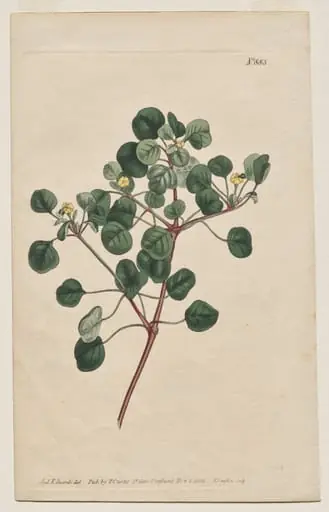 The Botanical Magazine or Flower Garden Displayed: Plate 883, Euphorbia Petiolaris. Long -Stalked Spurge
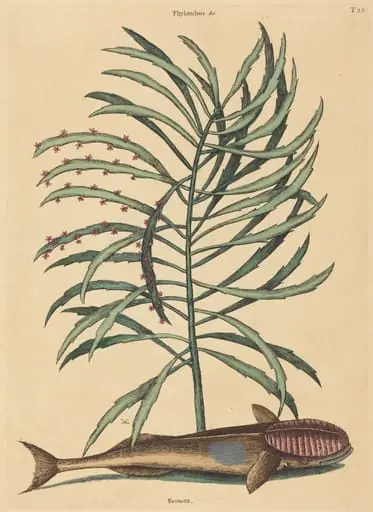 The Sucking Fish (Echeneis Naucratis)
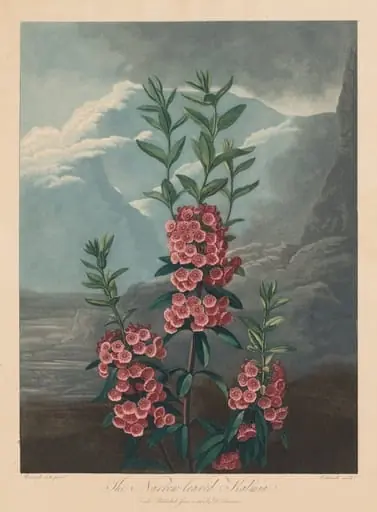 The Temple of Flora, or Garden of Nature: The Narrow-leaved Kalmia, Mountain Laurel
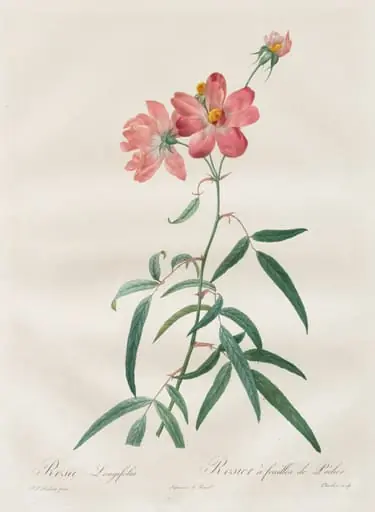 Les Roses: Rosa Longifolia
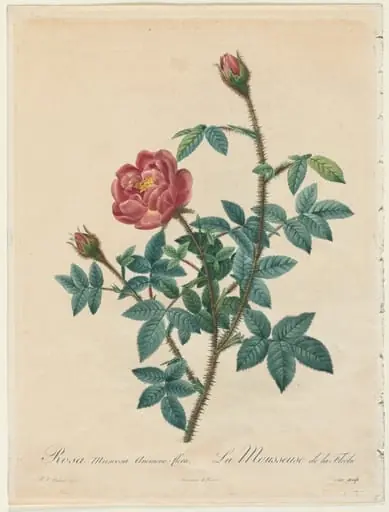 Moss Rose
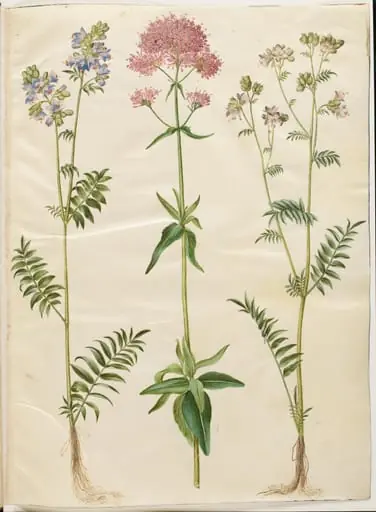 Polemonium caeruleum (almindelig jakobsstige); Centranthus ruber (rød sporebaldrian)
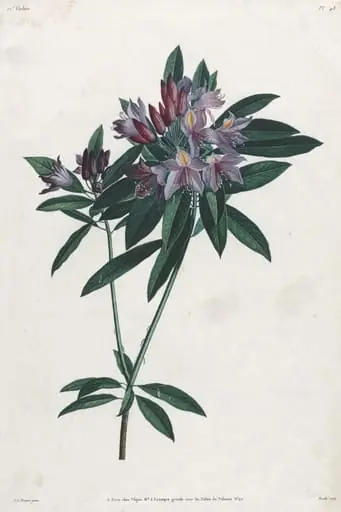 Pontic Rhododendron
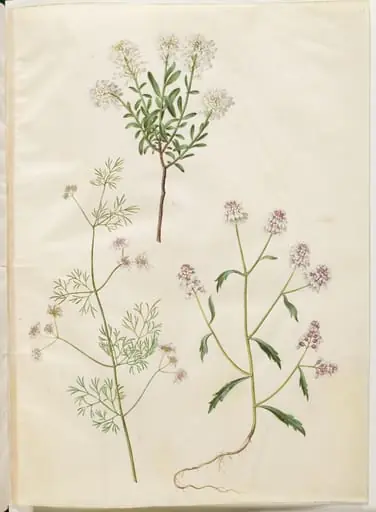 Iberis sempervirens (snepude); Coriandrum sativum (almindelig koriander); Iberis amara (bitter sløjfeblomst)
 Chinese rose