Artwork
The Betrothal of the Virgin
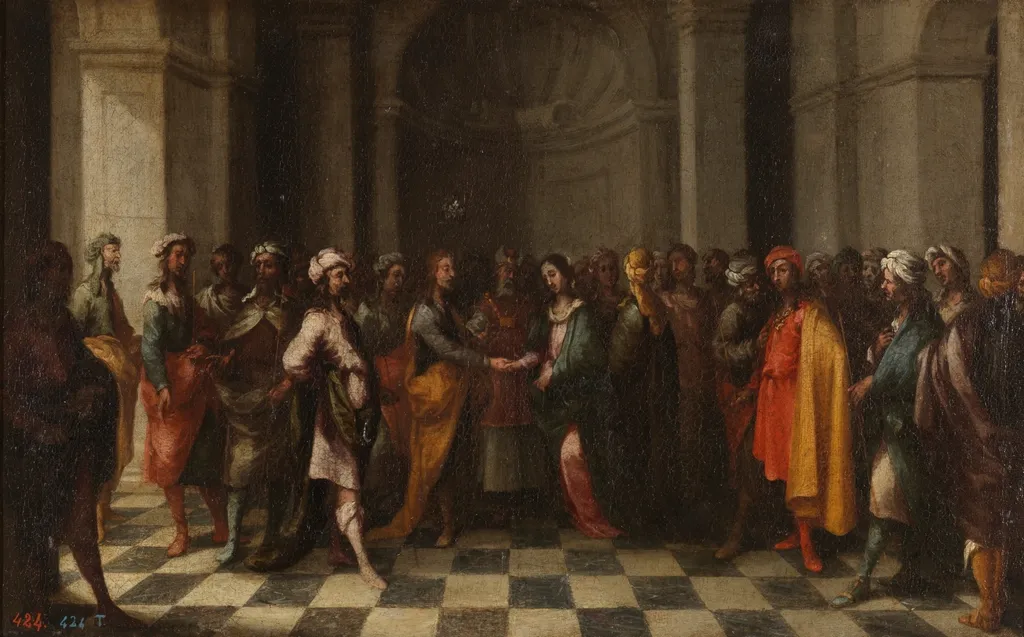
The Betrothal of the Virgin is an oil painting by the Early Baroque Italian artist Francisco Antolínez. It dates from 1601 and is held in the collection of the Museo del Prado.
About this work
Overview
Francisco Antolínez’s *The Betrothal of the Virgin* is an oil painting executed in 1601. The work presents a solemn gathering within a dimly lit interior, its figures arranged around a central male figure who holds a small object, suggesting the moment of marital agreement. The composition is framed by tall columns and a checkerboard floor, creating a structured yet intimate setting.
Subject & Meaning
The scene portrays the traditional Christian narrative of Mary’s betrothal to Joseph, a moment often associated with divine providence and the beginning of the Holy Family. The varied costumes—bright reds and yellows beside muted blues and grays—emphasize the social diversity of the witnesses, while the central figure’s gesture underscores the contractual nature of the marriage.
Technique & Style
Antolínez employs a pronounced chiaroscuro, allowing deep shadows to model the figures and accentuate their expressions. The contrast between illuminated faces and the surrounding gloom creates a three‑dimensional effect typical of early Baroque painting. The careful rendering of textures—from the sheen of fabrics to the polished tiles—demonstrates the artist’s mastery of oil as a medium.
History & Provenance
Born in Seville and later active in Madrid, Antolínez was influenced by the Sevillian school, particularly the works of Bartolomé Murillo. Though little documentation survives, the painting is known to have remained in private collections before entering a public museum in the early twentieth century, where it has been catalogued as a representative example of Spanish Baroque religious genre.
Context
Created at the turn of the seventeenth century, the work reflects the Counter‑Reformation’s emphasis on clear, emotionally resonant religious imagery.
Created at the turn of the seventeenth century, the work reflects the Counter‑Reformation’s emphasis on clear, emotionally resonant religious imagery. Antolínez’s adoption of Italian Baroque conventions—dramatic lighting, dynamic composition—places the painting within a broader European trend of integrating theatricality into devotional art, while retaining a distinctly Spanish sensibility through its color palette and figure types.
Artist & collection
Artist
Francisco Antolínez de Sarabia (1645–1700) was a historical and landscape painter who studied in the school of Murillo, whose style and manner of colouring he followed.

 Christus und die Ehebrecherin
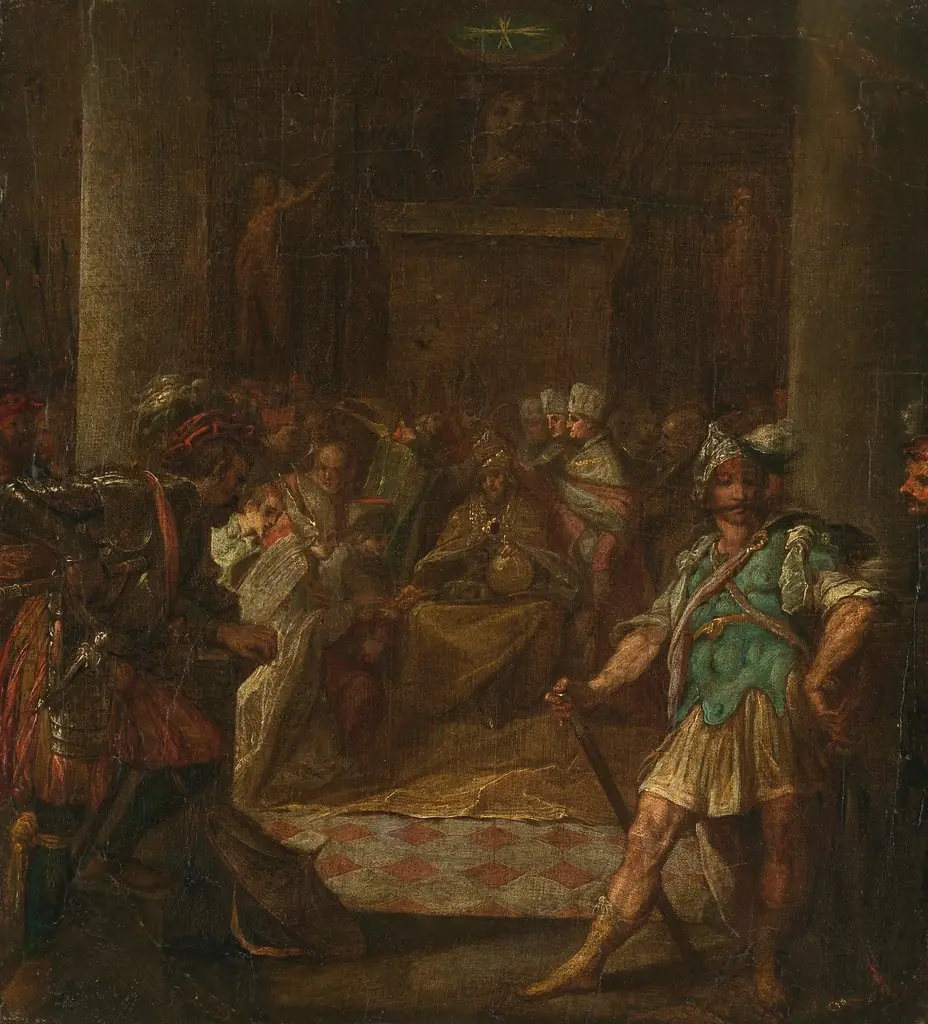 Imperial Coronation
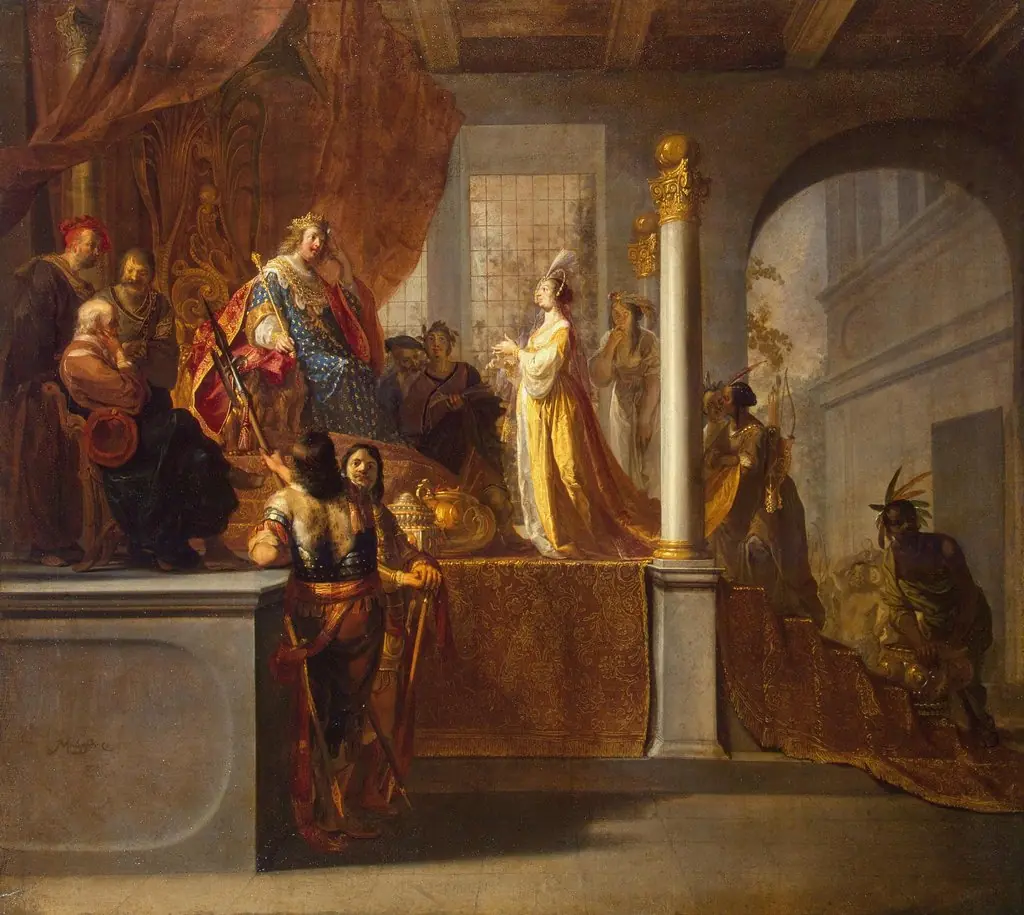 Queen of Sheba before Solomon
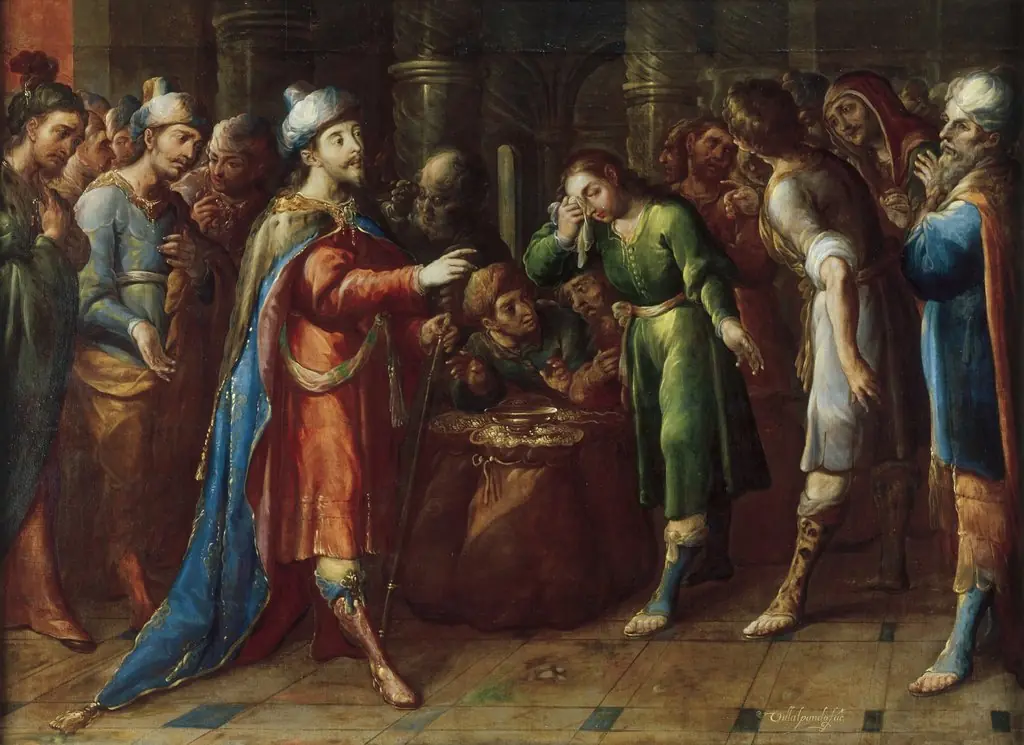 Joseph Claims Benjamin as his Slave
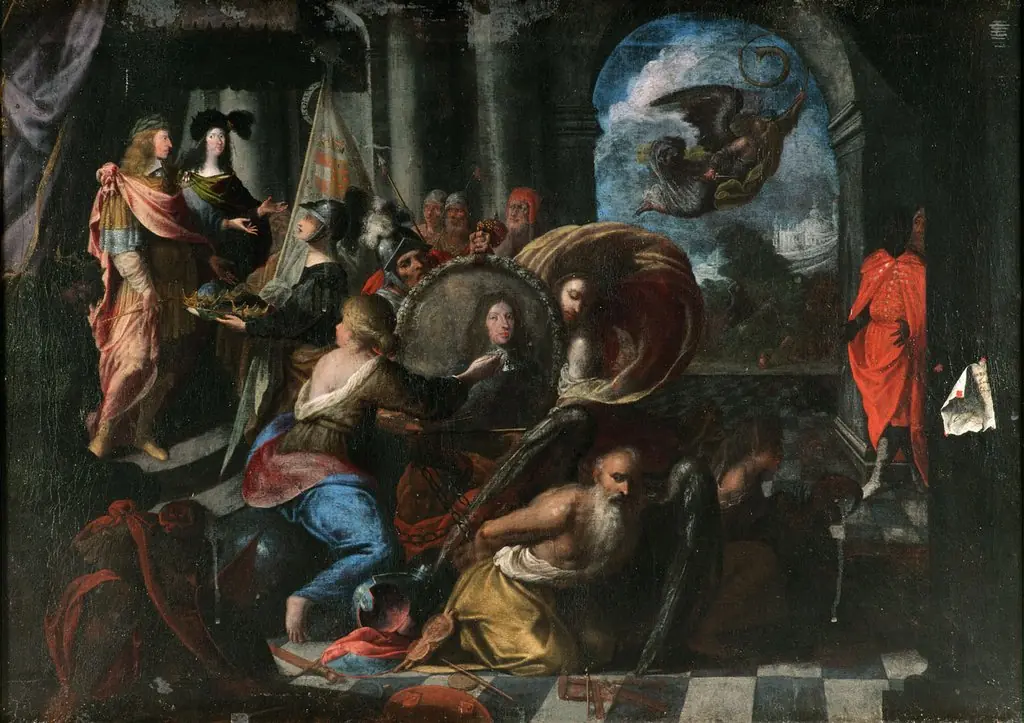 Allegory of the wedding of Archduke Ferdinand Karl and Anna de' Medici
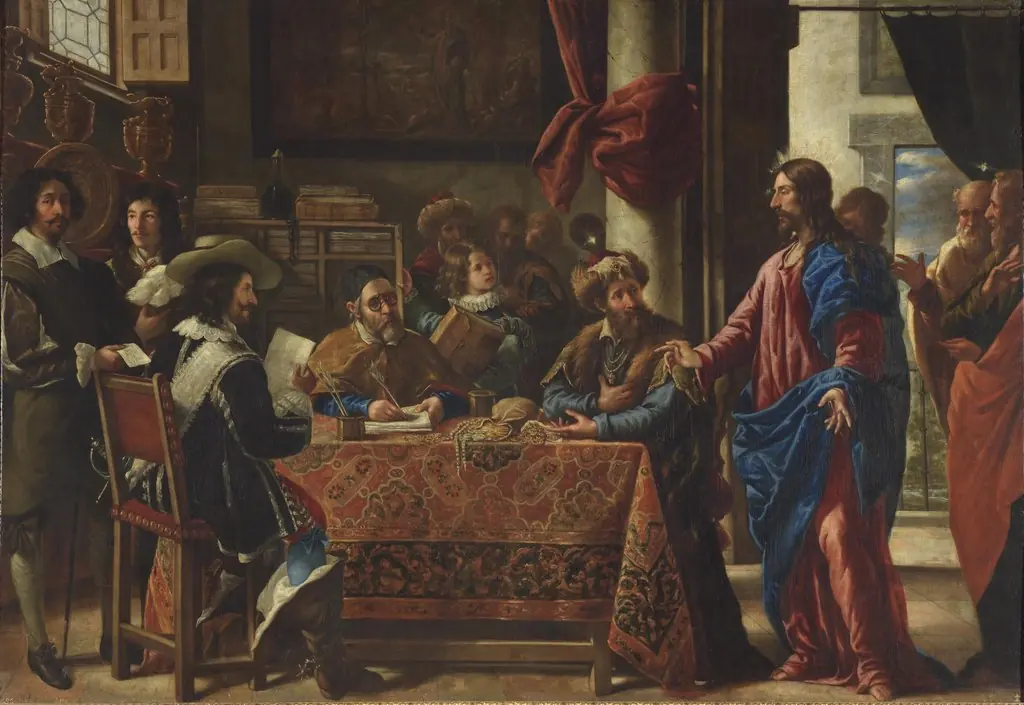 The Calling of Saint Matthew
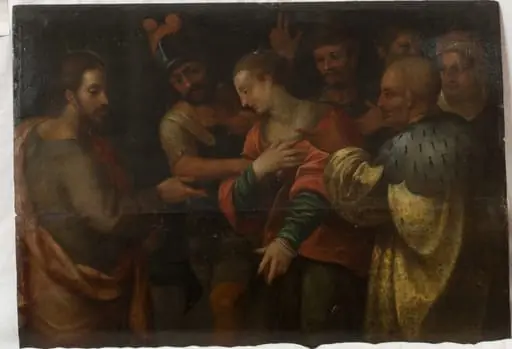 Die Ehebrecherin vor Jesus
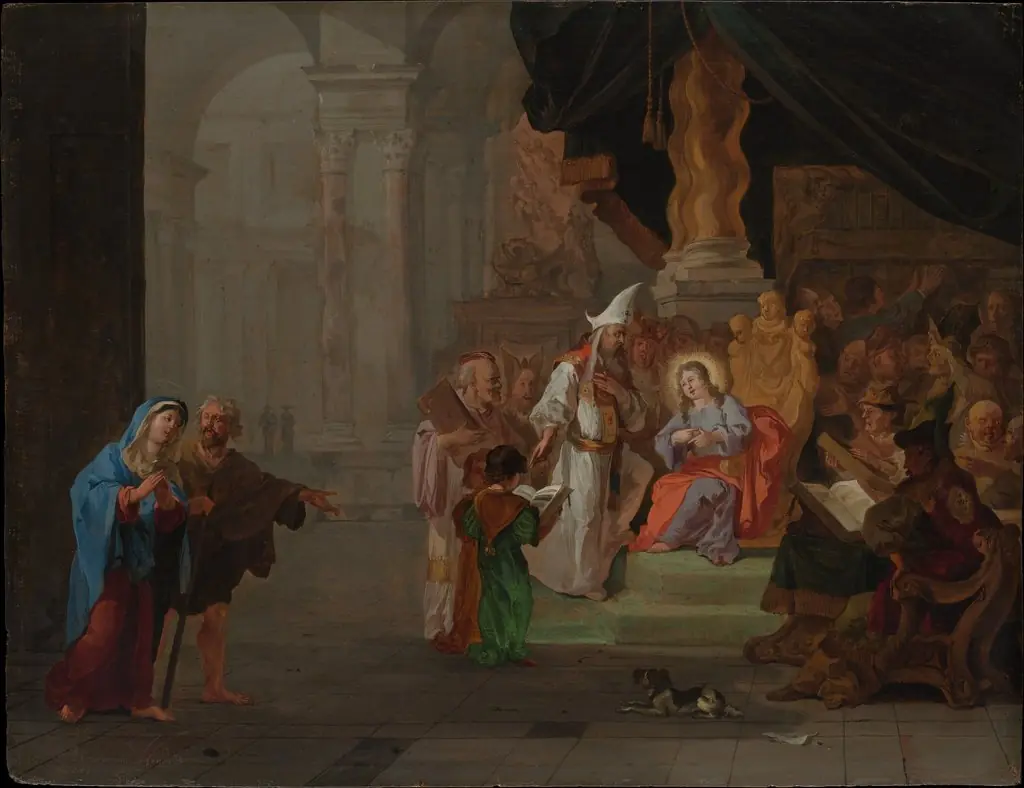 Christ among the Doctors
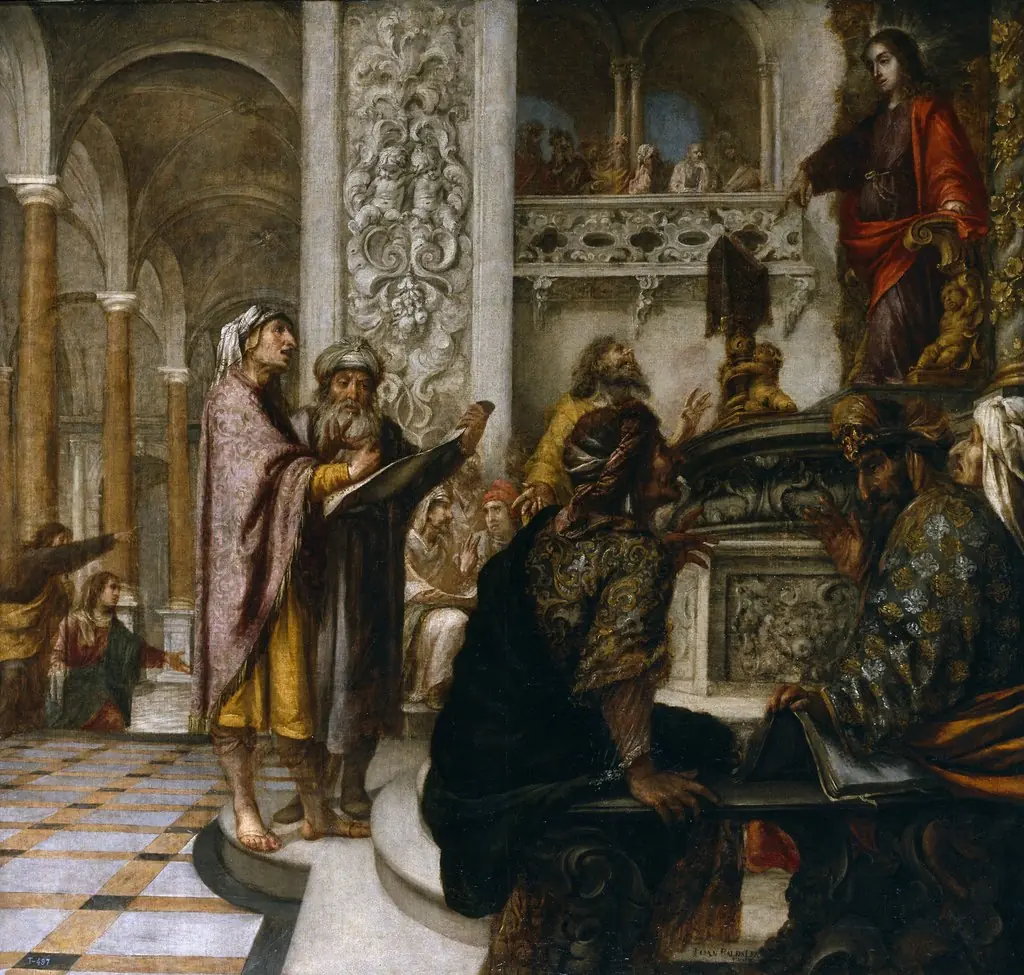 Christ disputing with the Doctors
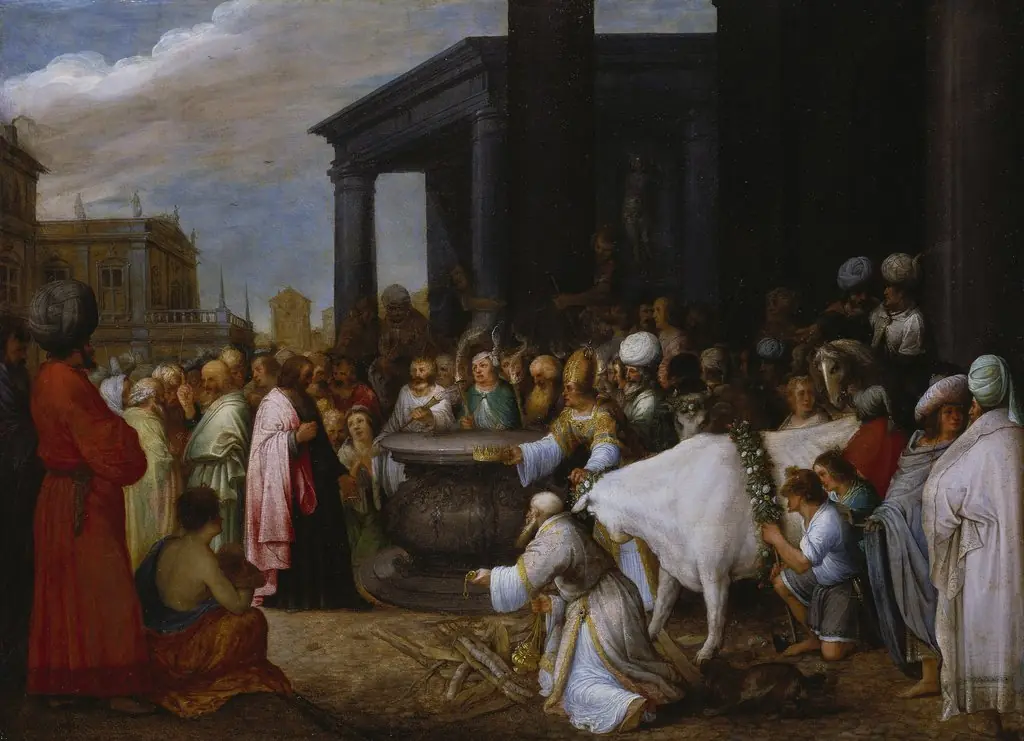 Paul and Barnabas are worshiped as gods in Lystra
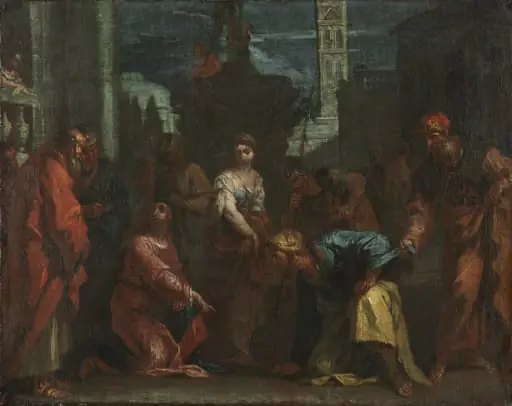 Christ and the Woman Taken in Adultery
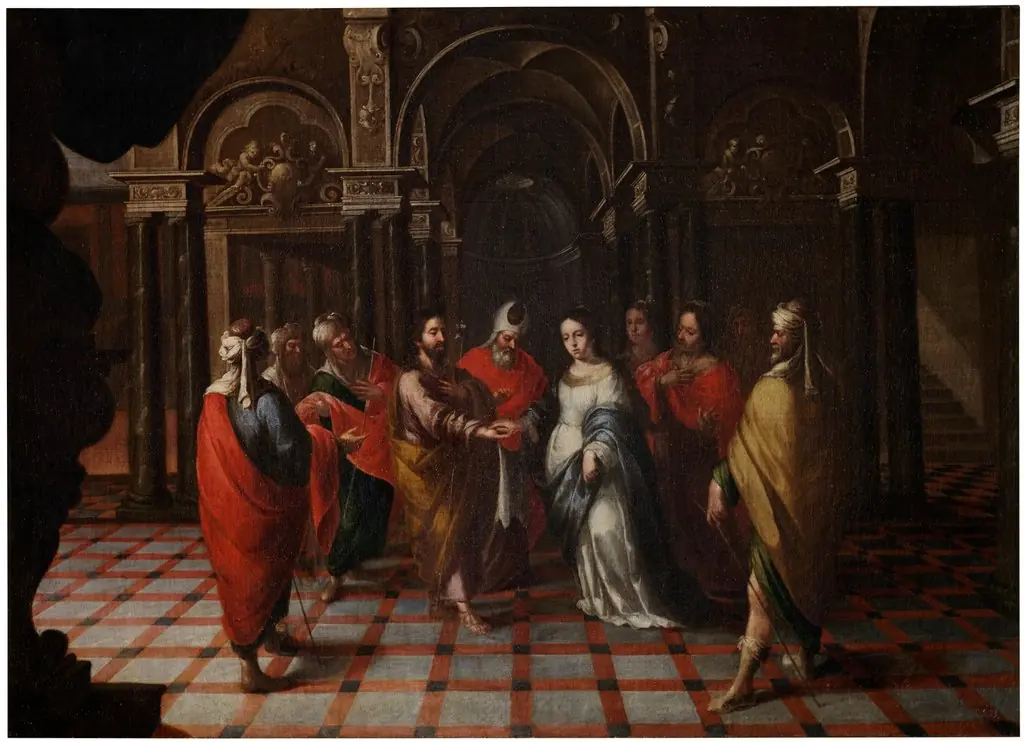 The Betrothal of the Virgin