Artwork
Paisaje
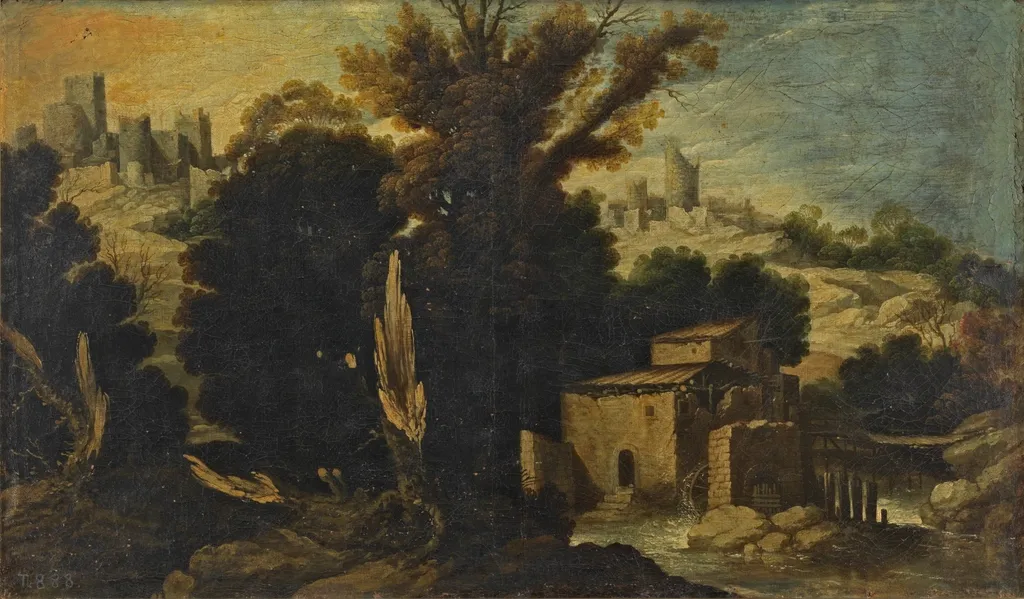
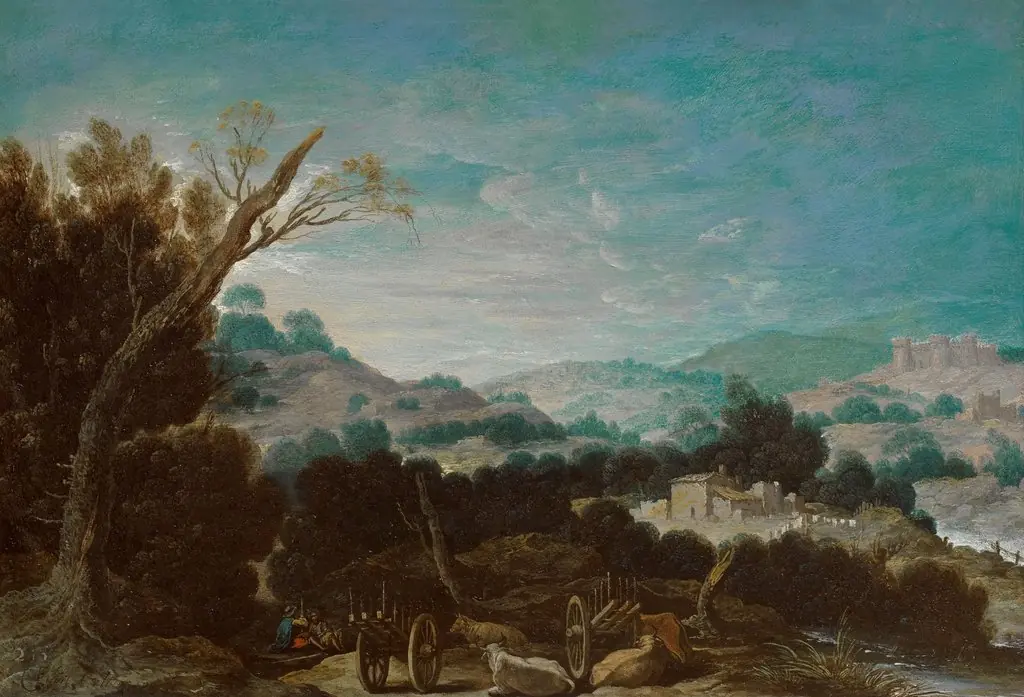
Paisaje is an oil painting by the Early Baroque Italian artist Francisco Collantes. It dates from 1601 and is held in the collection of the Museo del Prado.
About this work
Overview
It belongs to a small but significant body of work in which he explored natural settings, diverging from the more common religious themes of his time.
Francisco Collantes, a Spanish artist active in the early 17th century, produced this oil-on-canvas landscape around 1601. It belongs to a small but significant body of work in which he explored natural settings, diverging from the more common religious themes of his time. The painting is held in the Museo del Prado, Madrid, where it represents an early example of Spanish landscape painting with distinct regional and Italian influences.
Subject & Meaning
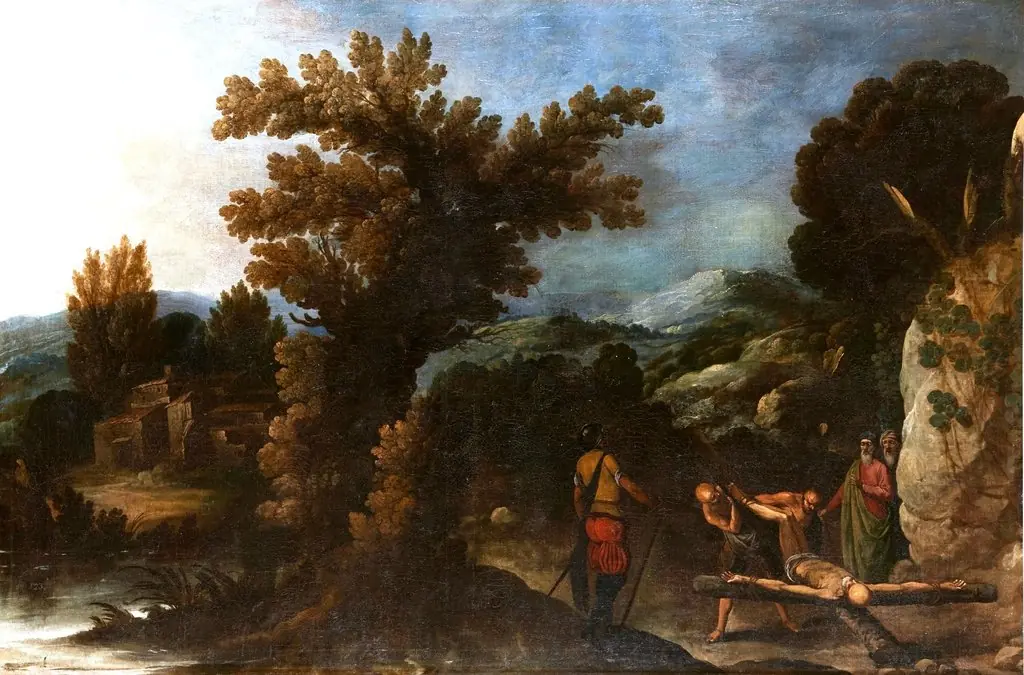
The scene depicts a tranquil, abandoned landscape where stone ruins are slowly reclaimed by nature. A lone, leafless tree anchors the composition, while a narrow stream winds through the foreground. The crumbling architecture and quiet solitude suggest a meditation on time, decay, and the quiet persistence of the natural world. There is no human presence, reinforcing a sense of stillness and abandonment.
Technique & Style
Collantes employed soft, earth-toned pigments—olive greens, ochres, and pale blues—to unify the scene in muted harmony. He used subtle chiaroscuro to model forms, guiding the eye through areas of gentle light and shadow without dramatic contrast. The brushwork is restrained, favoring atmospheric blending over sharp detail, which enhances the painting’s contemplative mood and sense of distance.
History & Provenance
The painting entered the collection of the Museo del Prado in the 19th century, likely as part of a broader acquisition of Spanish Baroque works. Its attribution to Collantes is supported by stylistic comparisons with his other known landscapes and documented records of his activity during the early 1600s. While its exact early ownership is unclear, its preservation in a major institution reflects its recognized place in Spanish art history.
Context
Collantes worked during a period when Spanish painters were increasingly engaging with Italian models, particularly the naturalism of the Neapolitan School and the tonal harmony of Venetian colorists. Unlike the grandiose landscapes of Northern Europe, his work reflects a quieter, more introspective approach, aligned with Spain’s spiritual and cultural climate, where contemplation often outweighed spectacle.
Legacy
Though not widely celebrated in his lifetime, Collantes’s landscapes contributed to the development of a distinctly Spanish approach to natural scenery. His integration of ruin and wilderness influenced later generations who sought to express melancholy and time’s passage through landscape. Today, this painting remains a quiet reference point in the evolution of Spanish painting beyond religious and courtly subjects.
Artist & collection
Artist
Francisco Collantes (1599–1656) was a Spanish Baroque era painter. Collantes was born in Madrid but sought influence from Jusepe de Ribera and the Neapolitan School. He was also influenced by 16th century Venetian…

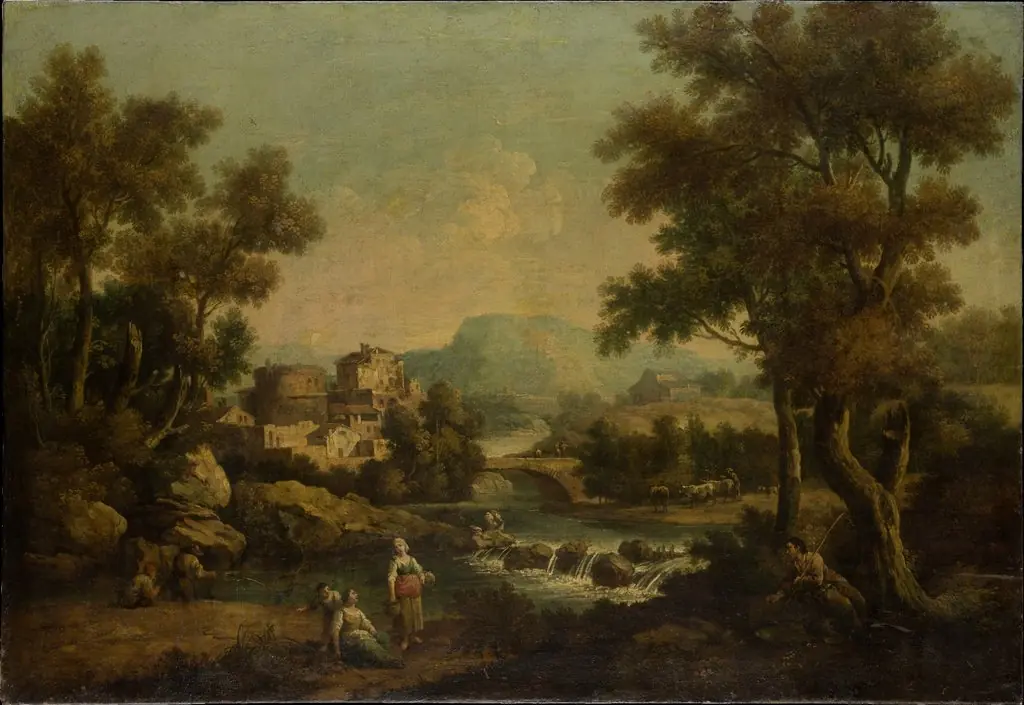 Italian Landscape with a Mountain Stream
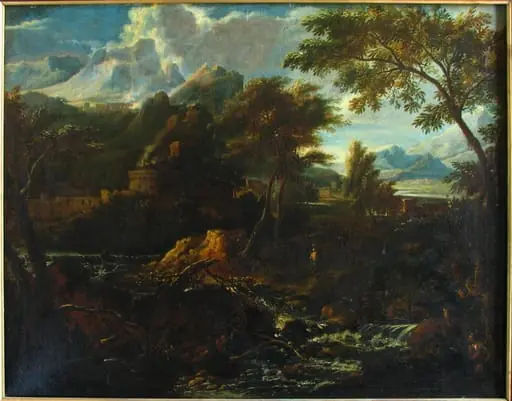 Peisaj cu râu și ruine; pandant: Peisaj cu clădiri vechi
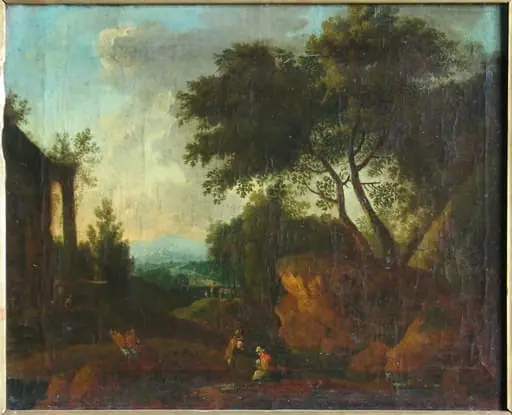 Peisaj cu copaci și ruine antice ; pandant: Peisaj cu copaci și pod
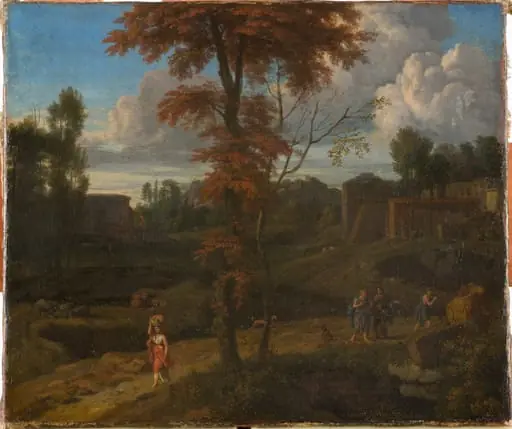 Der Morgen
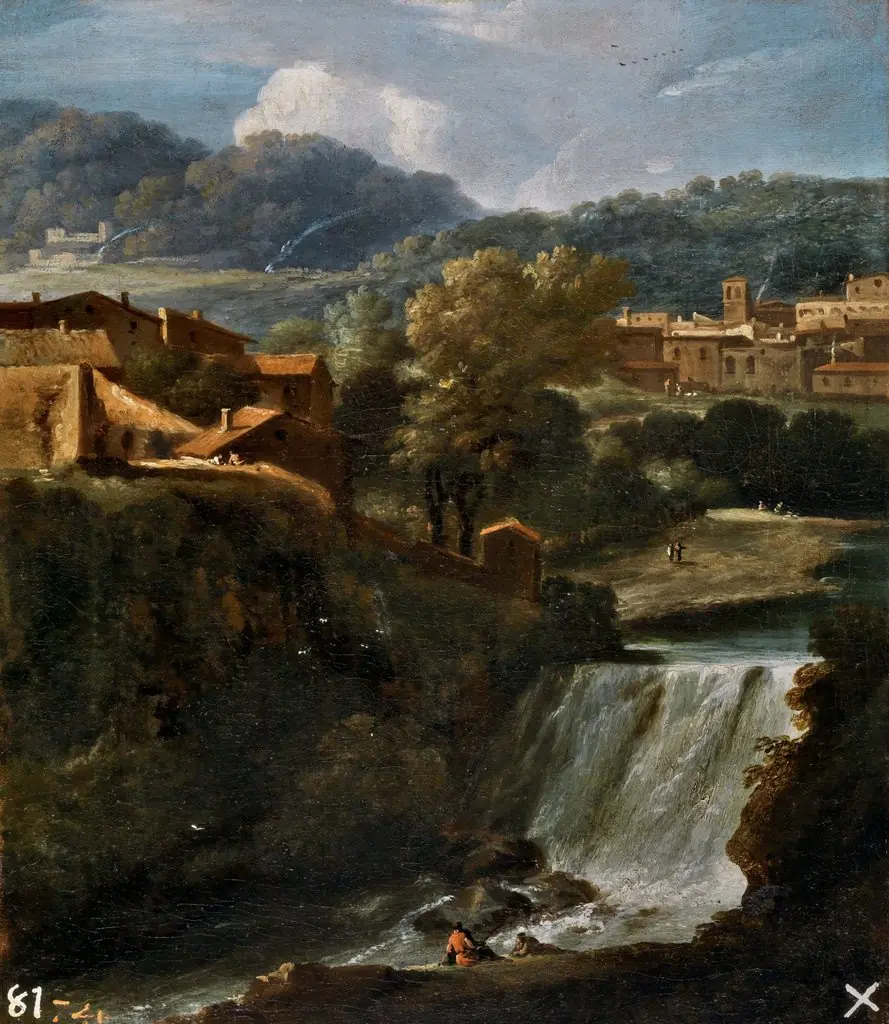 Paisaje con cascada
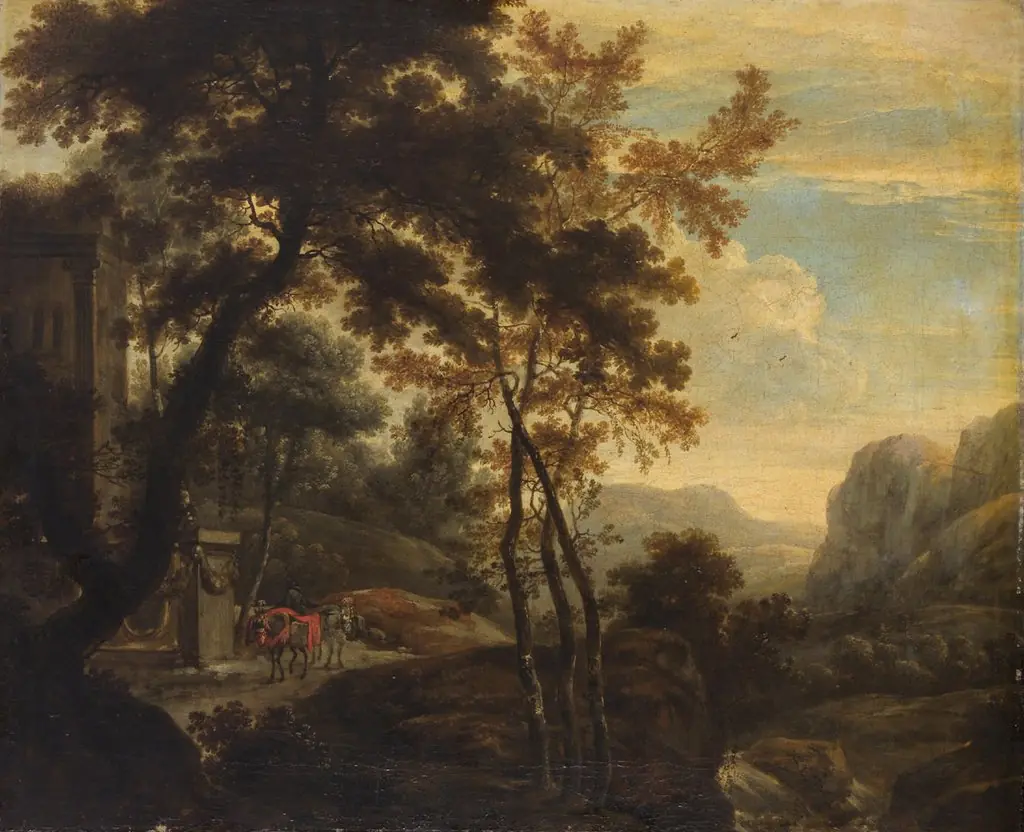 Mountainous landscape
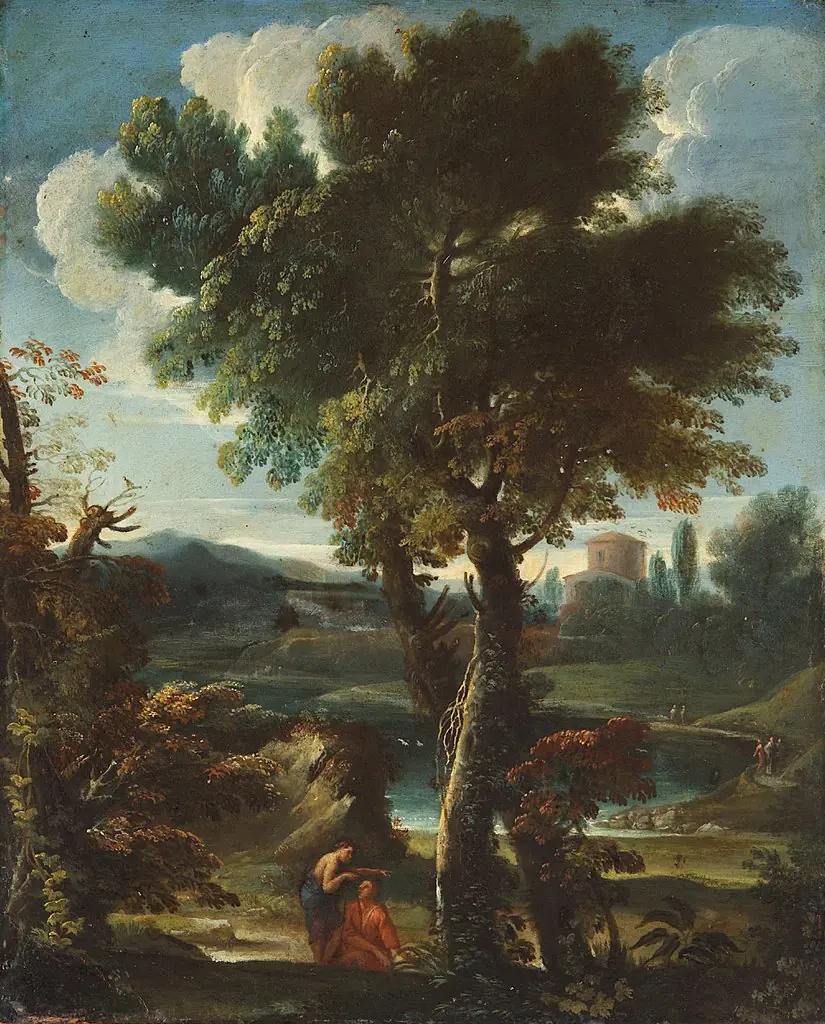 Landschaft mit Hirten
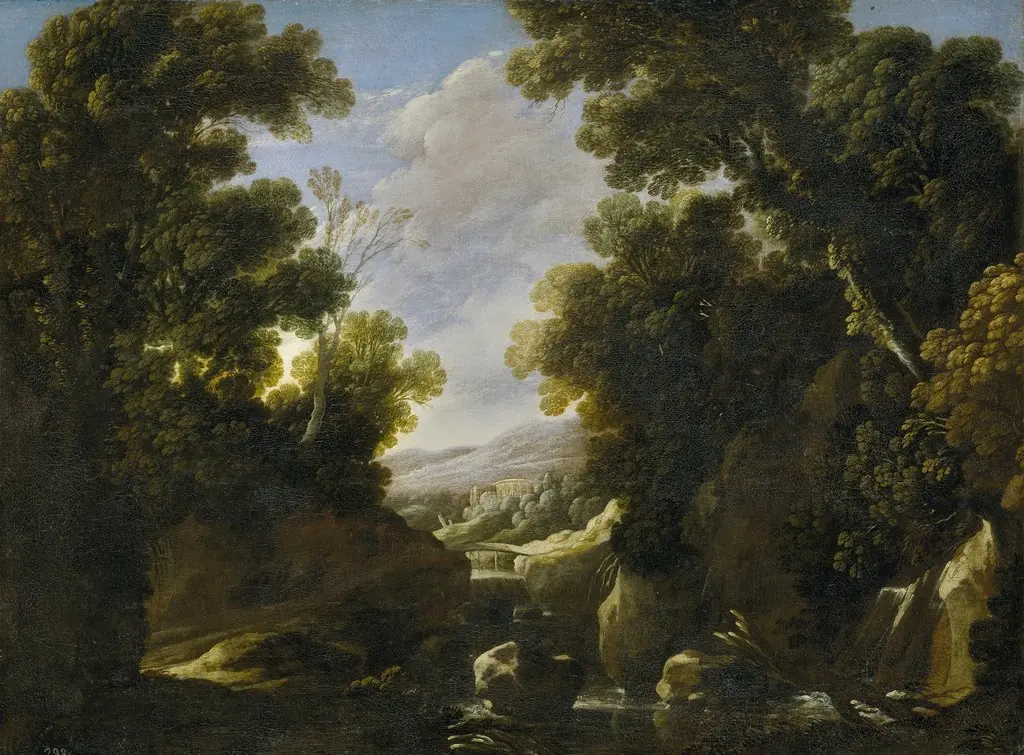 Paisaje frondoso
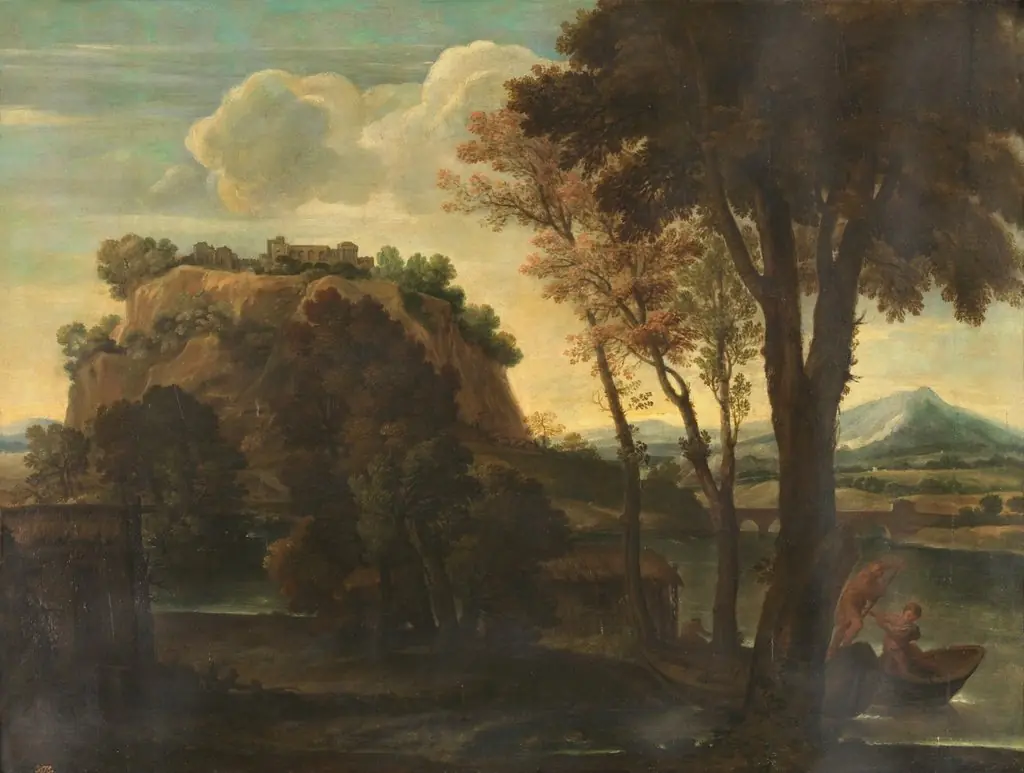 Landscape with River and Boats
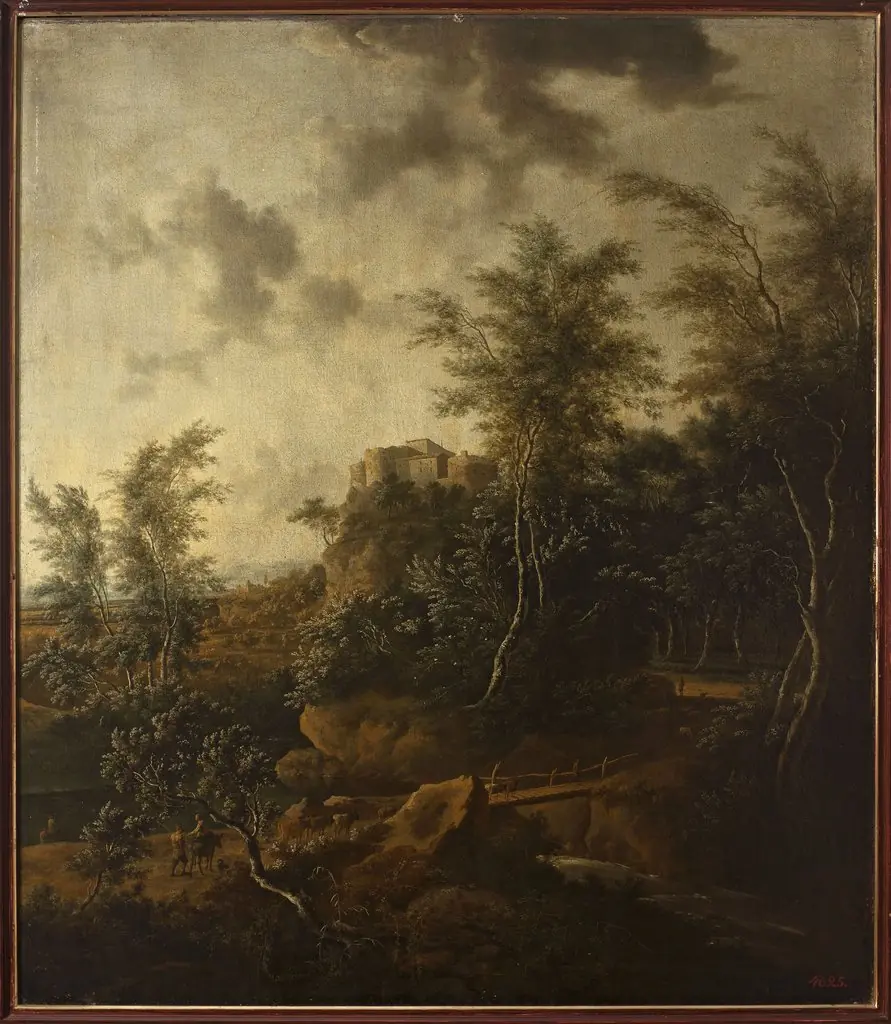 Landscape with a castle
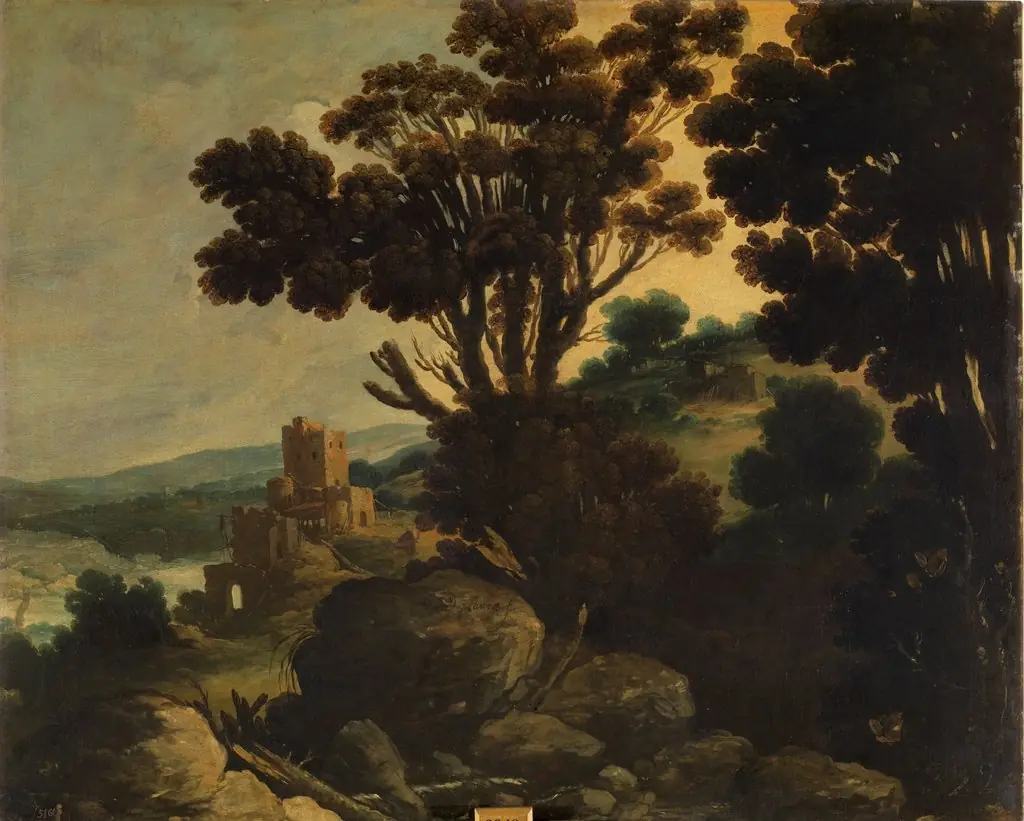 Paisaje