Artwork
Allegory of Charity
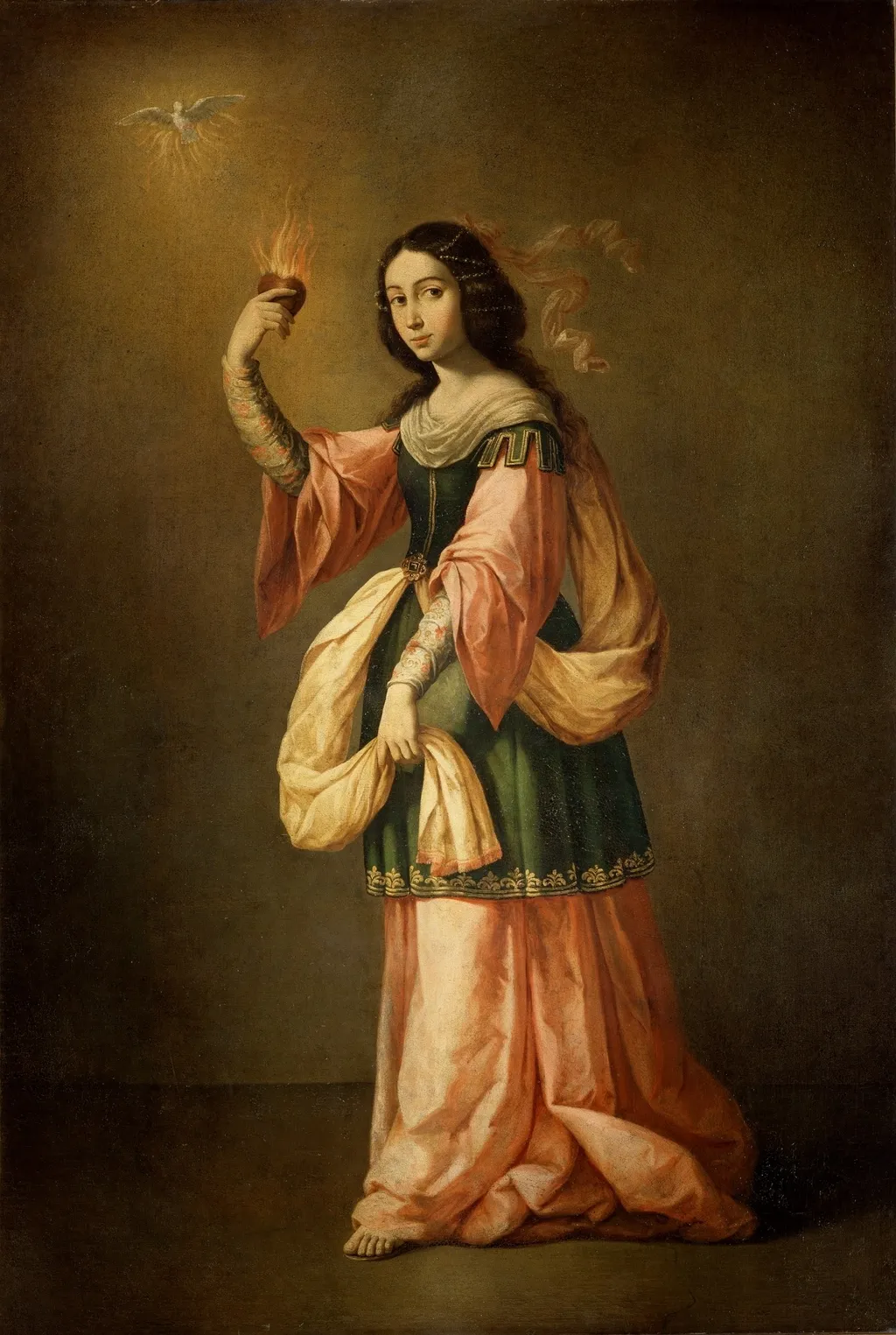
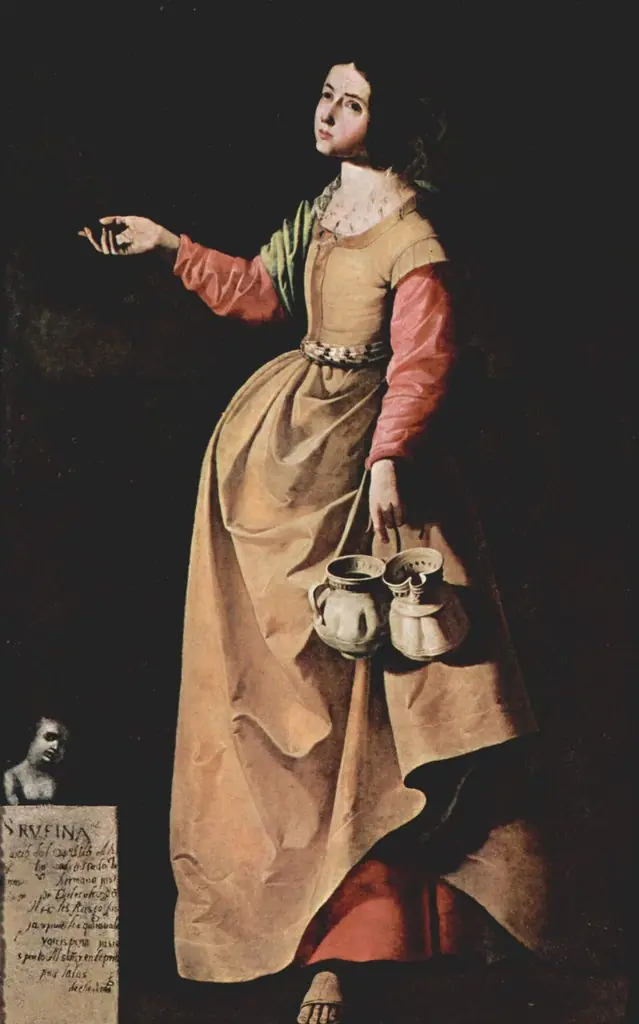
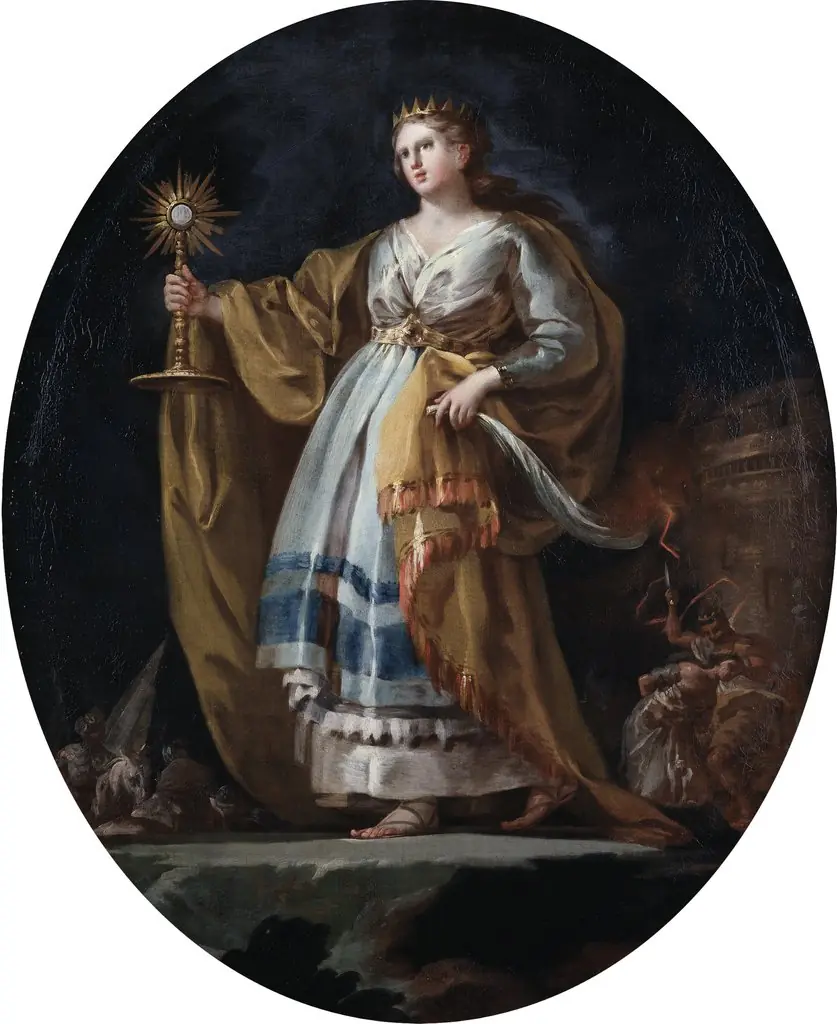
Allegory of Charity is an oil painting by the Early Baroque Italian artist Francisco de Zurbarán. It dates from 1655 and is held in the collection of the Museo del Prado.
About this work
Overview
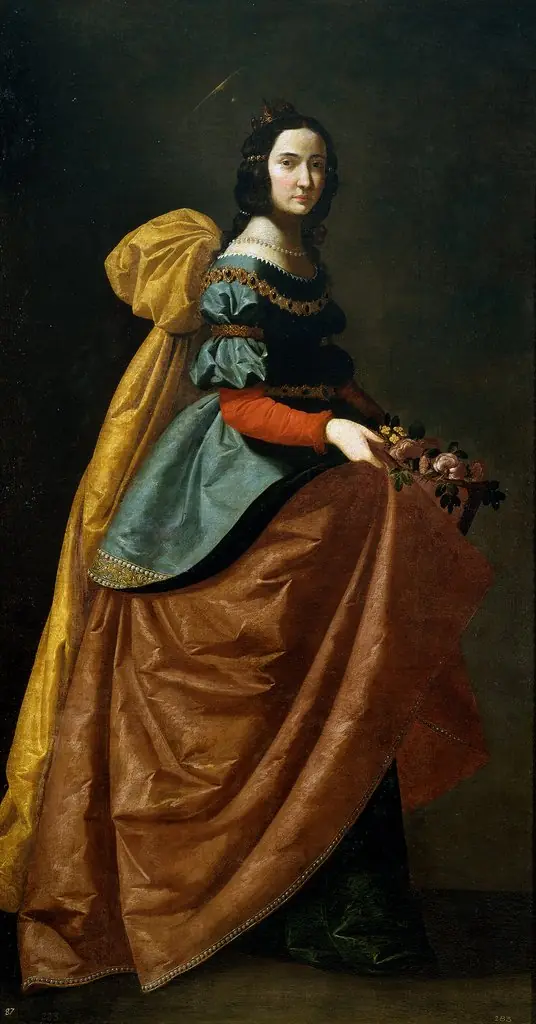
The composition centers on a kneeling woman illuminated against a deep, unbroken background, emphasizing her form through stark contrasts of light and shadow.
Painted in 1655 by Francisco de Zurbarán, this oil work is a single-figure allegory representing Charity. It resides in the Museo del Prado in Madrid. The composition centers on a kneeling woman illuminated against a deep, unbroken background, emphasizing her form through stark contrasts of light and shadow. The painting’s simplicity and intensity reflect Zurbarán’s mastery of devotional imagery rooted in Spanish Counter-Reformation aesthetics.
Subject & Meaning
The figure embodies Charity, a theological virtue, through symbolic elements: the torch signifies the light of generosity, while the white dove above her head alludes to divine purity and the Holy Spirit. The white cloth on her lap may suggest offering or service. Her kneeling posture conveys humility and devotion, aligning the act of giving with spiritual grace. These symbols were conventional in religious art of the period, used to convey moral ideals visually.
Technique & Style
Zurbarán employs chiaroscuro with precision, using deep shadows to isolate the figure and heighten its emotional weight. The folds of her robes—rendered in pink, green, and gold—are modeled with subtle gradations, avoiding ornamental excess. The torch’s flame is rendered with minimal brushwork, yet conveys movement and warmth. The background’s absence of detail focuses attention entirely on the figure, reinforcing the painting’s meditative tone.
History & Provenance
The painting was completed during Zurbarán’s later years, a period marked by a return to restrained, contemplative subjects after earlier commissions for monastic orders. It entered the Museo del Prado’s collection in the 19th century, likely from a Spanish religious institution. Its survival in good condition reflects its continued recognition as a significant example of 17th-century Spanish religious painting.
Context
Created in the mid-17th century, the work aligns with Spain’s Counter-Reformation emphasis on personal piety and moral virtue. Religious allegories like this were intended to inspire devotion among viewers, particularly in monastic and clerical settings. Zurbarán’s style, influenced by Caravaggio’s naturalism but stripped of theatricality, resonated with Spanish spiritual sensibilities that favored austerity and emotional sincerity.
Legacy
Though less widely known than Zurbarán’s still lifes or monastic scenes, this painting exemplifies his ability to convey profound meaning through minimal means. It influenced later Spanish artists who sought to merge spiritual depth with visual restraint. Today, it remains a key reference for understanding how allegorical themes were rendered with psychological gravity in Baroque Spain.
Own this work as a print
Artist & collection
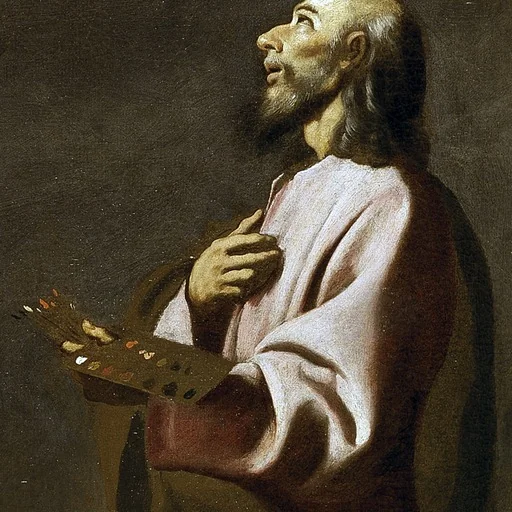
Artist
Francisco de Zurbarán was a Spanish Baroque painter. He is known primarily for his religious paintings depicting monks, nuns, and martyrs, and for his still-lifes. Zurbarán gained the nickname "Spanish Caravaggio",…