Artwork
Allegory of Hope
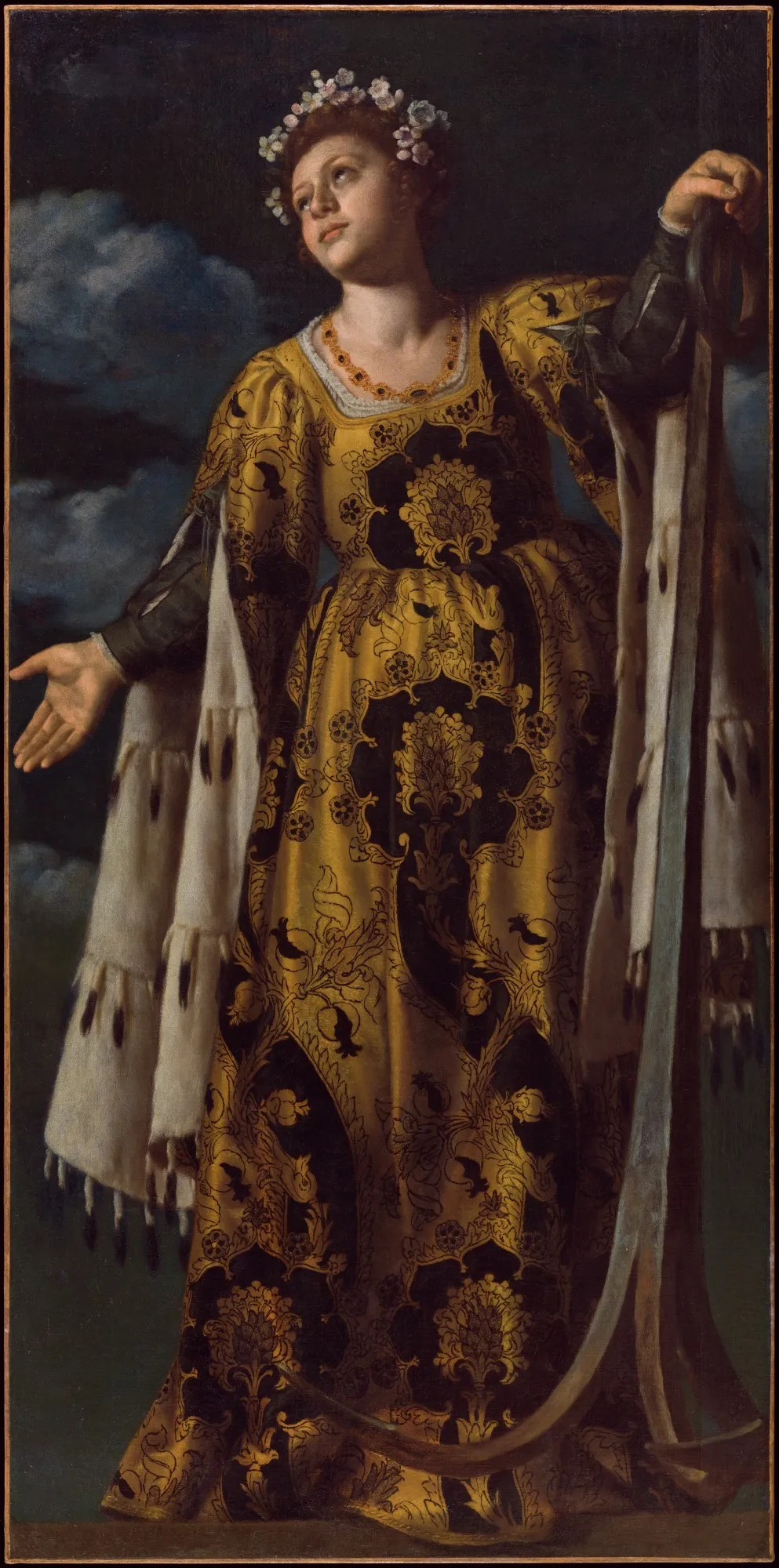
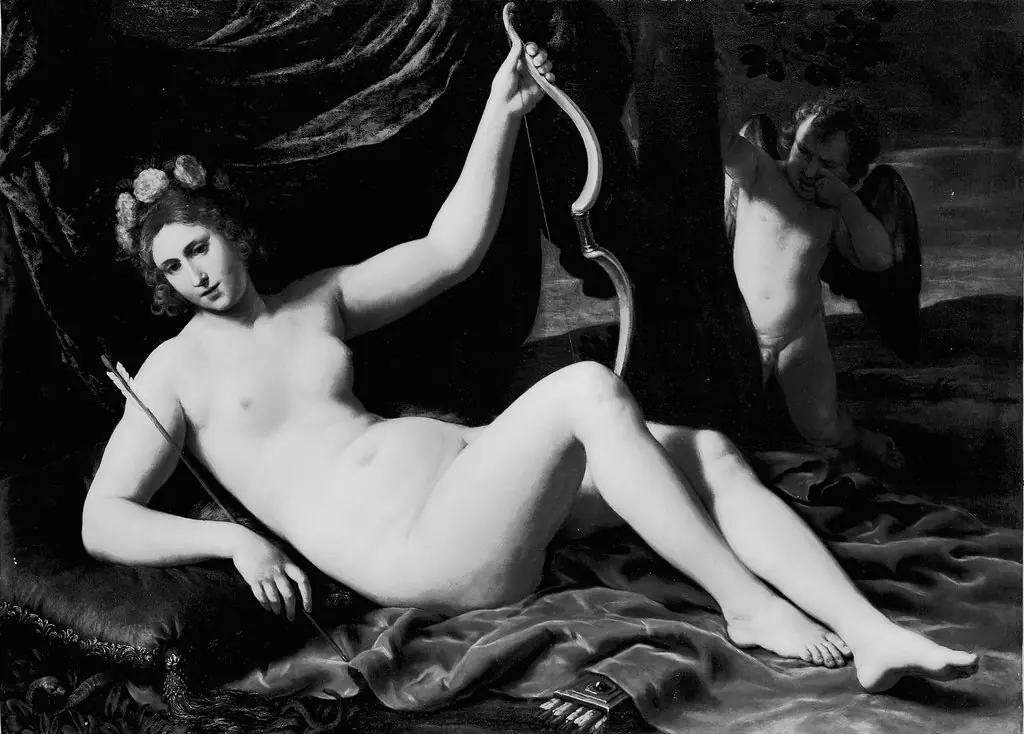
Allegory of Hope is an oil painting by the Early Baroque Italian artist Alessandro Turchi. It dates from 1617 and is held in the collection of the Detroit Institute of Arts.
About this work
Overview
Created in 1617, the oil painting titled *Allegory of Hope* is attributed to the Italian Baroque painter Alessandro Turchi. The work resides in the Detroit Institute of Arts, where it is displayed as a representative example of early‑17th‑century allegorical art.
Subject & Meaning
The composition centers on a female figure clad in an elaborate gold‑and‑black gown, a white shawl with tasselled edges, and a floral wreath atop her head. She extends her right hand outward, her calm expression and poised stance suggesting an embodiment of optimism and forward‑looking expectation, consistent with the traditional personification of hope.
Technique & Style
Turchi employs a layered oil technique that balances soft modeling of flesh with the dramatic chiaroscuro associated with Caravaggist influences. The richly patterned costume is rendered with fine brushwork, while the surrounding sky is treated in deep, cloudy tones that heighten the figure’s luminous presence.
History & Provenance
Born in Verona in 1578, Turchi worked across northern Italy before his later years in Rome. *Allegory of Hope* entered the Detroit Institute of Arts collection through a mid‑20th‑century acquisition, though earlier ownership records are limited.
Context
The painting reflects the early Baroque fascination with moralizing allegories, a genre that merged classical symbolism with contemporary religious sentiment. Turchi’s synthesis of gentle coloration and Caravaggesque lighting places the work within the transitional currents of Italian painting between the late Renaissance and the full Baroque.
Artist & collection
Artist
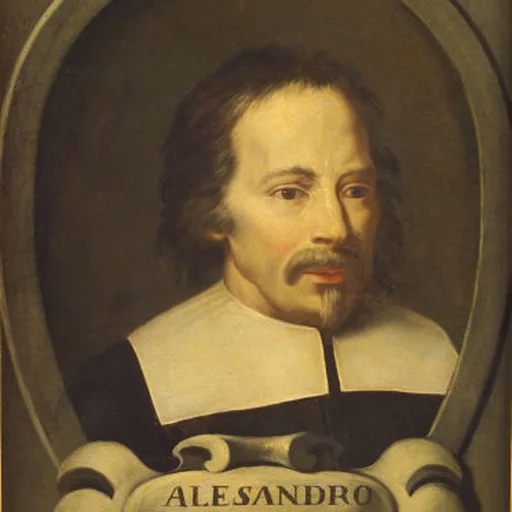
Alessandro Turchi (1578 – 22 January 1649) was an Italian painter of the early Baroque, born and active mainly in Verona, and moving late in life to Rome.

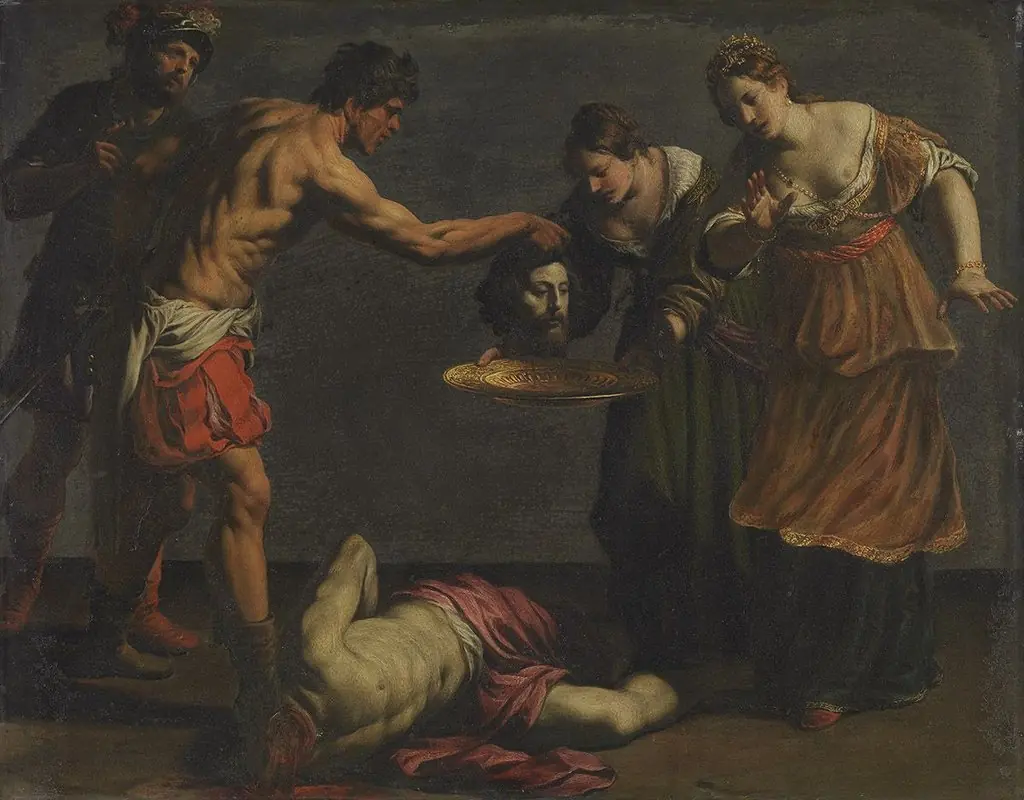
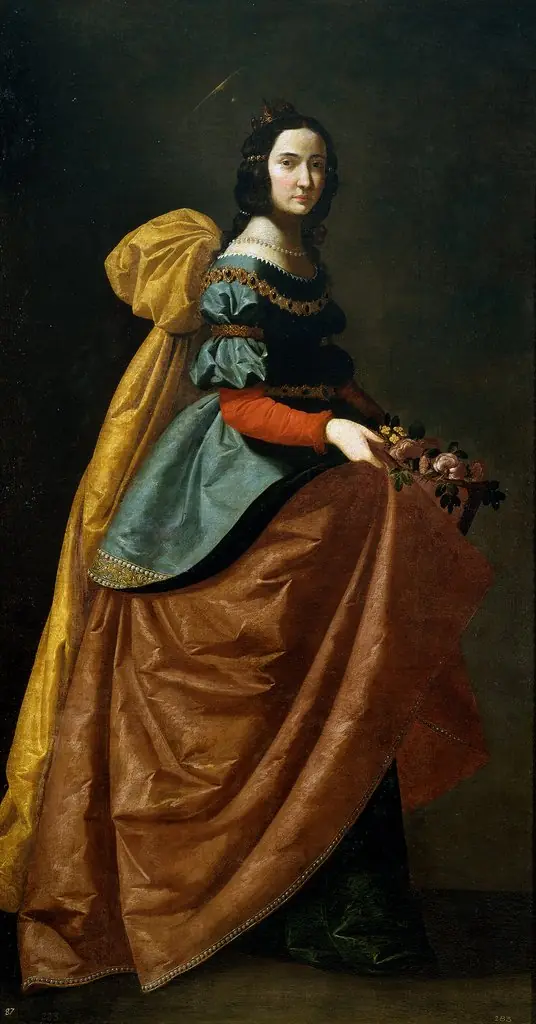 Saint Elizabeth of Portugal
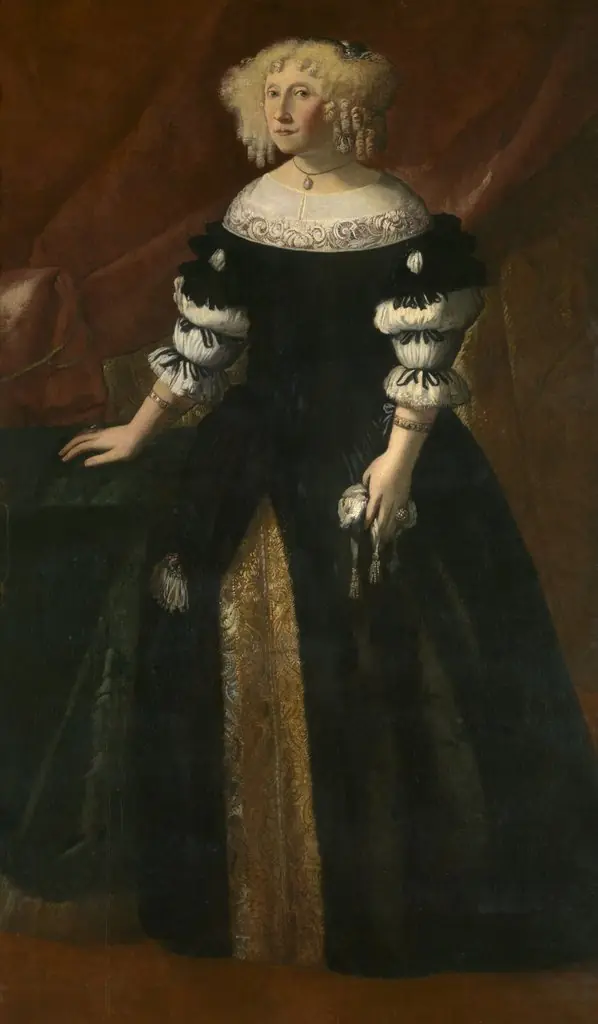 Portrait of a Woman
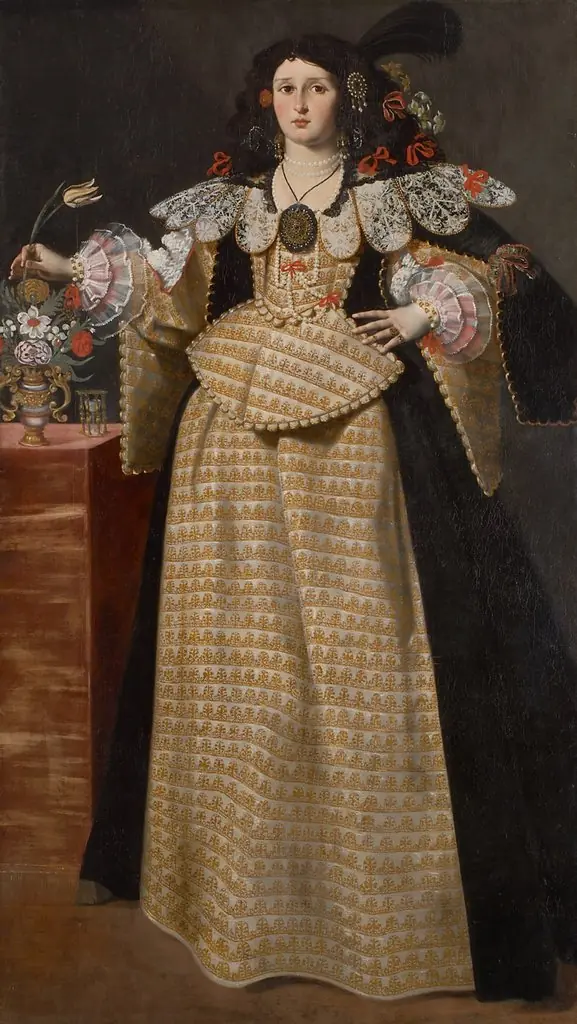 Portrait of a Lady
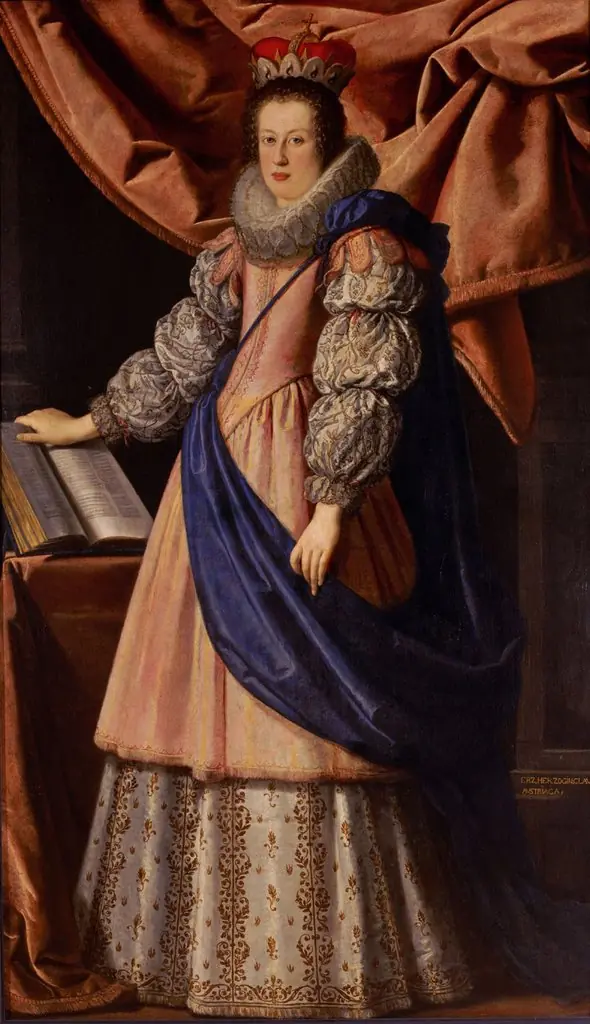 Portrait of Claudia de' Medici
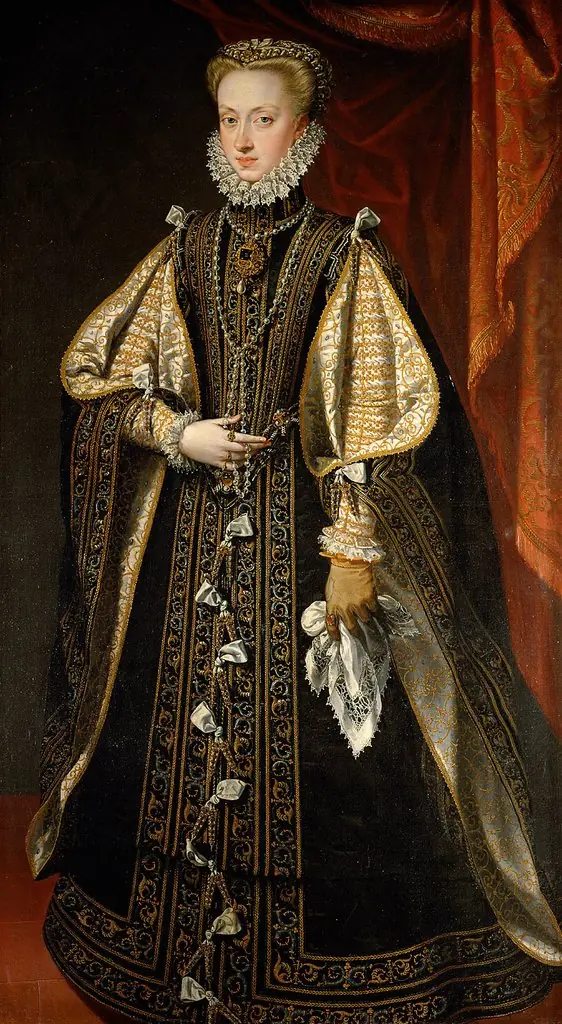 Anna of Austria, Queen of Spain (1549-1580)
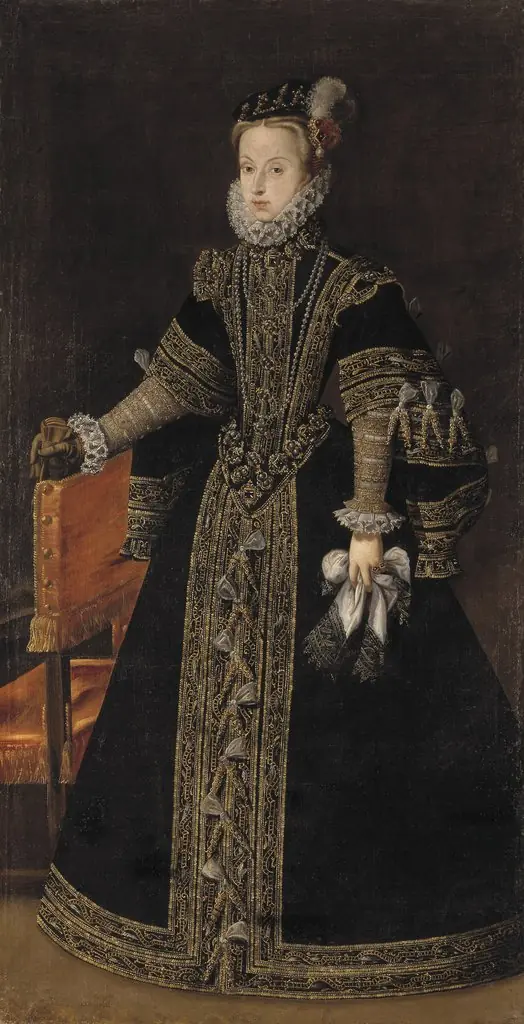 Anna Maria, 1549-1580, ärkehertiginna
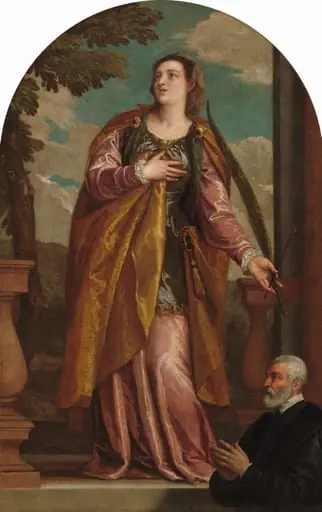 Saint Lucy and a Donor
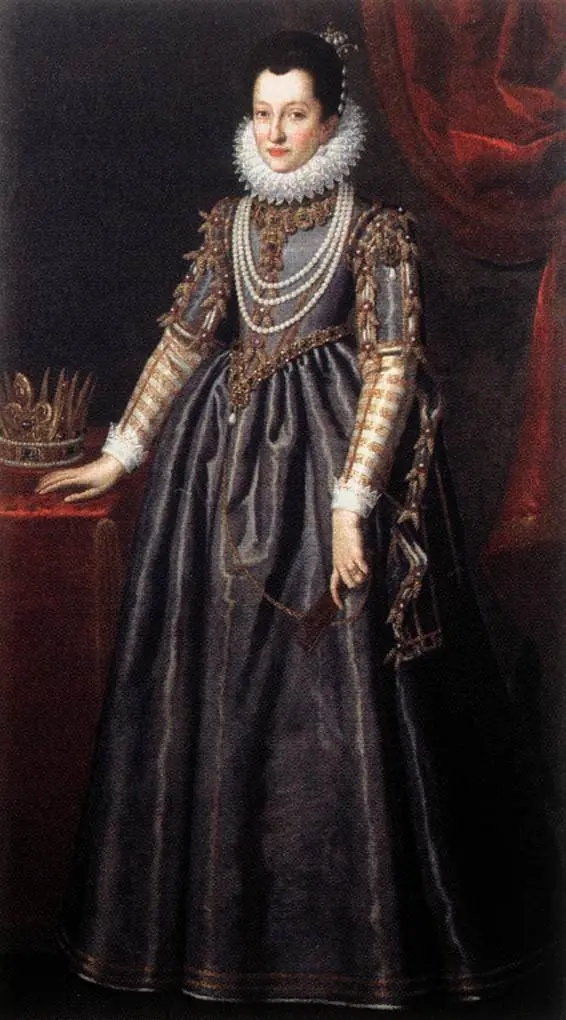 Portrait of Christine of Lorraine
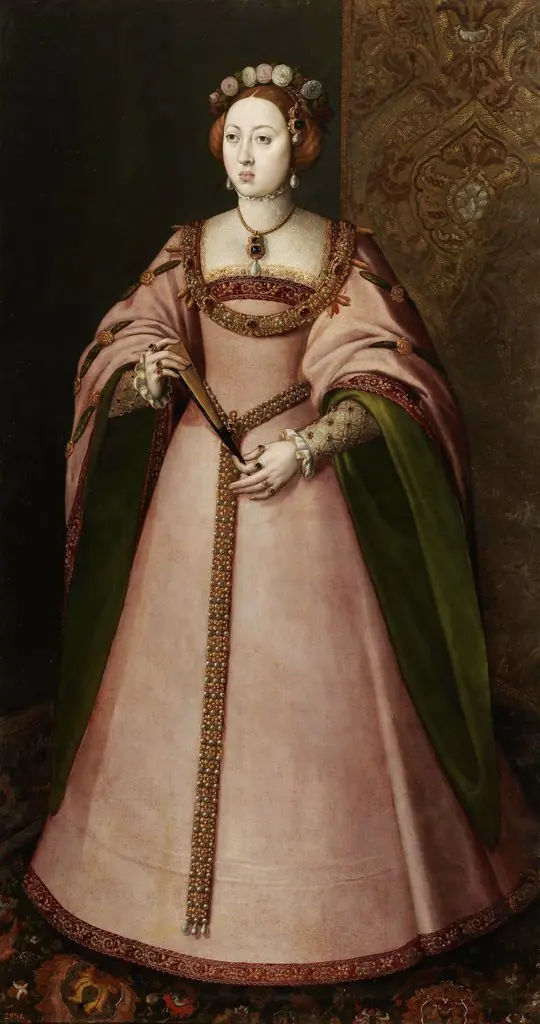 Mary of Portugal (1527–1545)
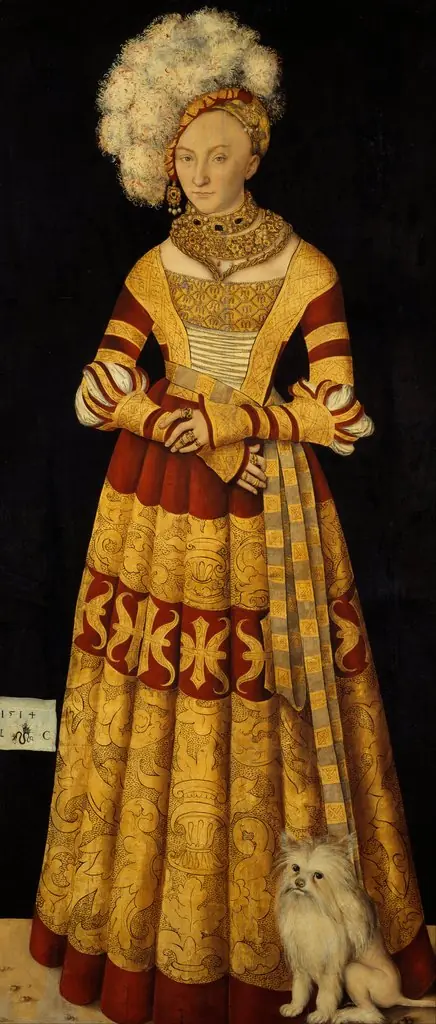 Duchess Katharina of Mecklenburg (1487-1561)
 Don García Aznar; conde de Aragón
 Portrait of Elisabeth of Valois