Artwork
The Meadow of San Isidro
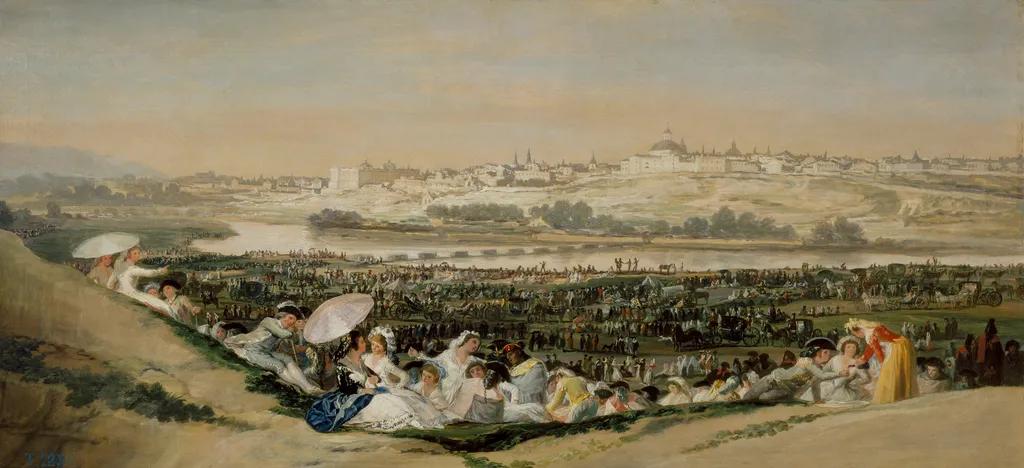
The Meadow of San Isidro is an oil painting by the Rococo painting artist Francisco Goya. It dates from 1794 and is held in the collection of the Museo del Prado.
About this work
Overview
Francisco Goya’s *The Meadow of San Isidro* (1794) is an oil painting that captures a lively outdoor gathering. The composition is dominated by pale tones—whites, beiges and a hazy sky—creating a bright, airy atmosphere. Figures in light clothing populate the foreground, while a distant city and water stretch across the horizon, framing the festive scene.
Subject & Meaning
The work portrays a communal celebration in a meadow, with a carriage, musicians and the emblem of the Golden Fleece suggesting a public festivity tied to local tradition. The participants’ attentive gazes toward the distance imply a shared focus, perhaps a procession or performance, emphasizing collective joy and civic identity.
Technique & Style
Executed in oil on canvas, the painting shows Goya’s early Rococo sensibility through its delicate palette and fluid brushwork. Visible strokes and a slightly textured surface give the scene a tactile quality, while the soft modeling of light enhances the sense of openness and movement among the crowd.
History & Provenance
Created in 1794, the piece belongs to the period when Goya was establishing his reputation for documenting contemporary events. *The Meadow of San Isidro* entered the collection of the Museo del Prado, where it remains on display as part of the museum’s holdings of Spanish art from the late eighteenth century.
Own this work as a print
Artist & collection
Artist
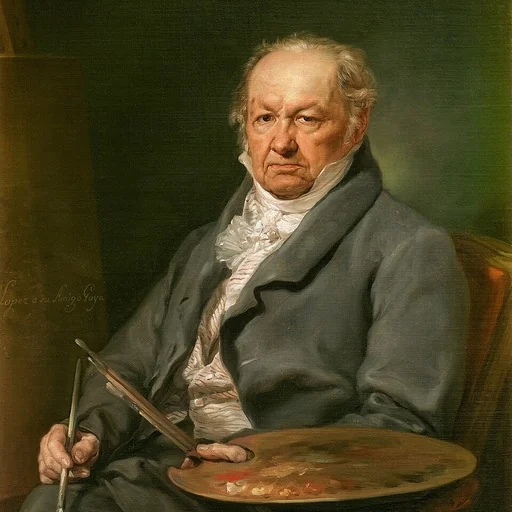
Francisco José de Goya y Lucientes (; Spanish: ; 30 March 1746 – 16 April 1828) was a Spanish romantic painter and printmaker.

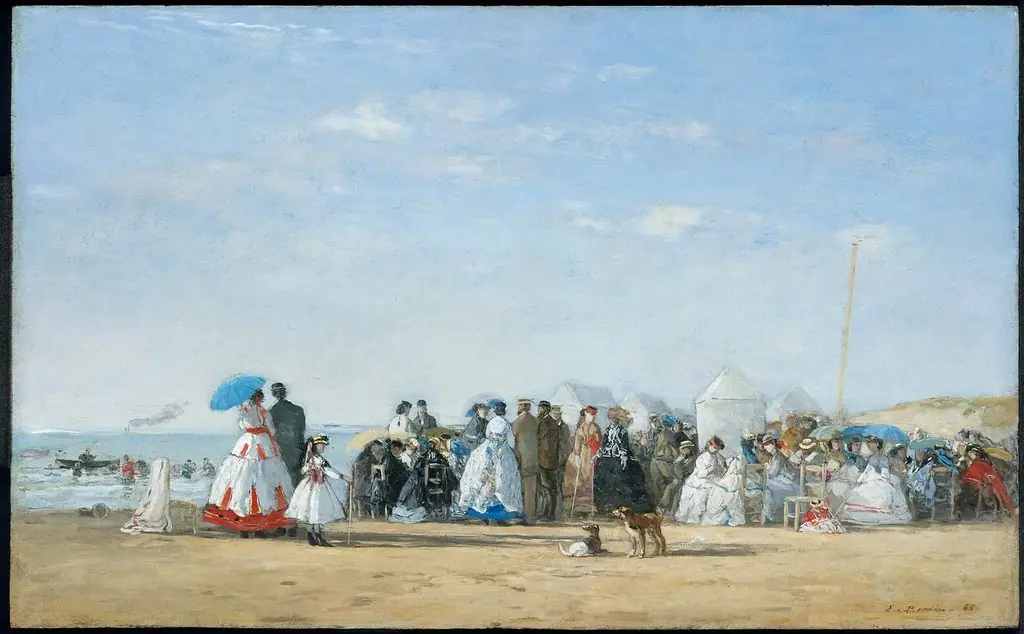 Fashionable Figures on the Beach
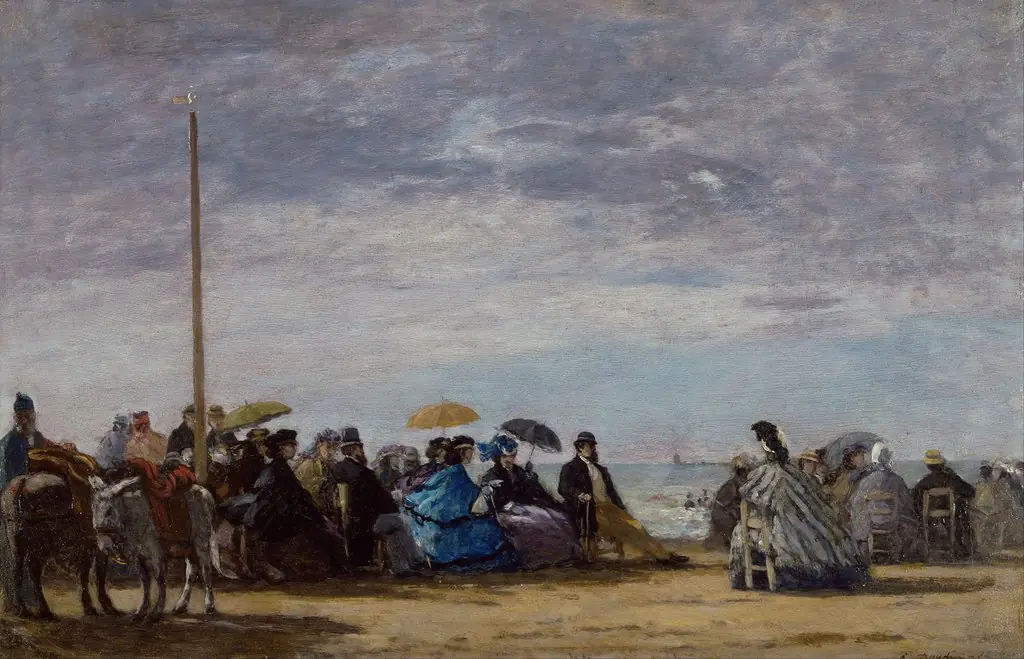 The beach
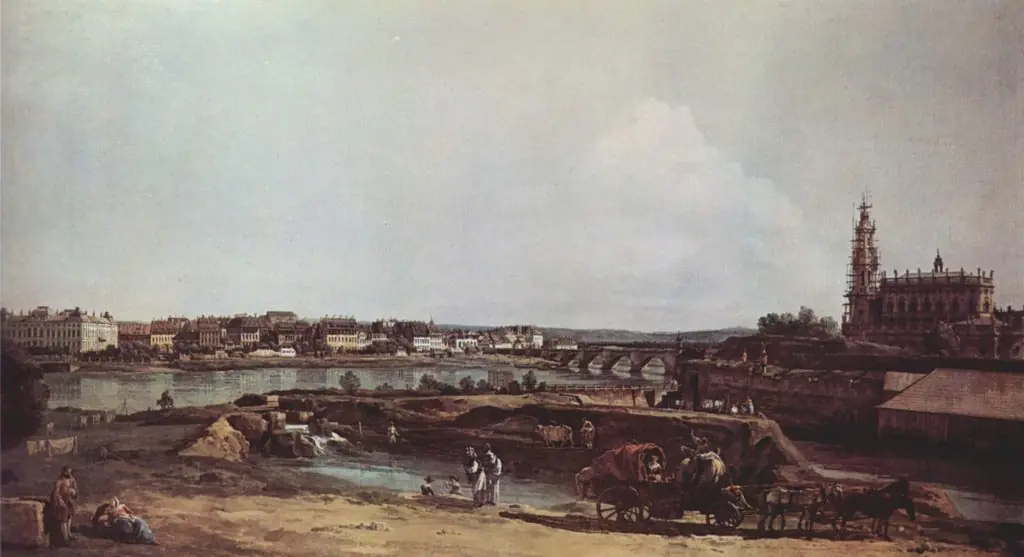 Dresden from the Left Bank of the Elbe, below the Fortifications
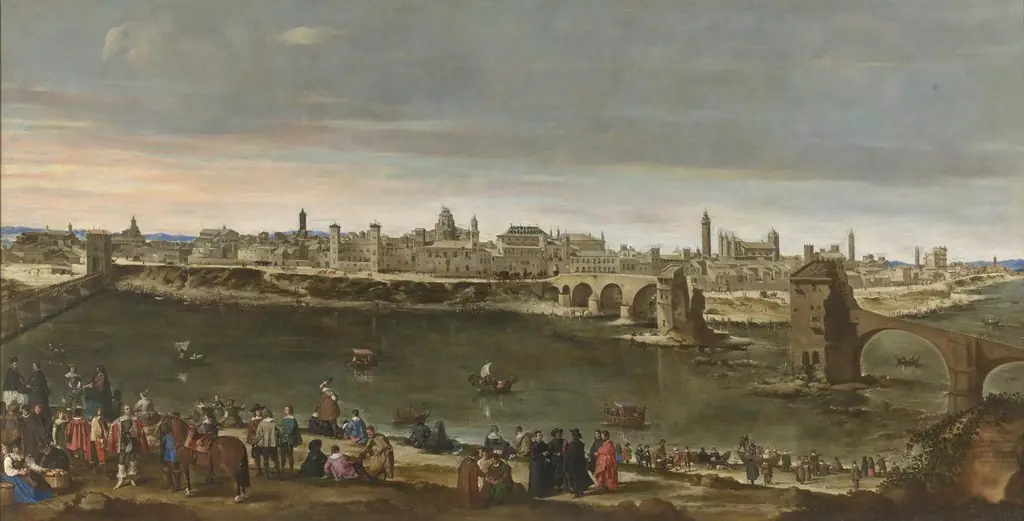 Vista de Zaragoza en 1647
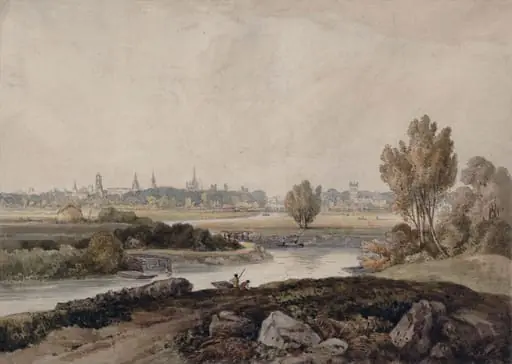 Oxford from Iffley
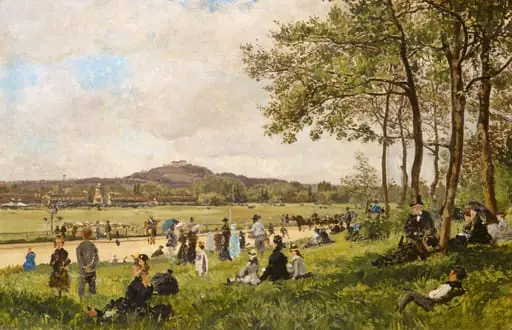 Race Course at Longchamps
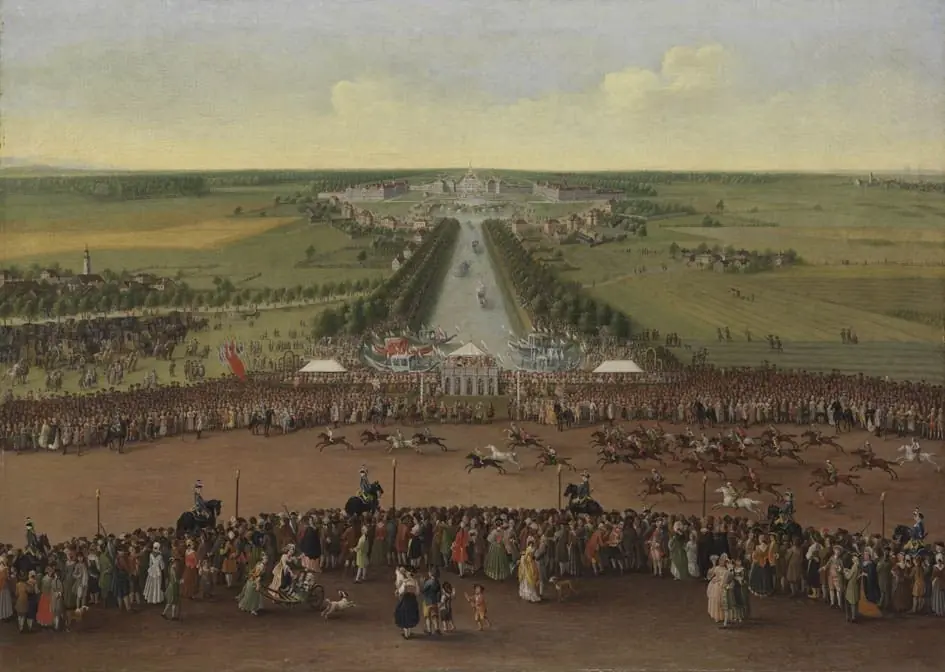 Pferderennen bei Nymphenburg
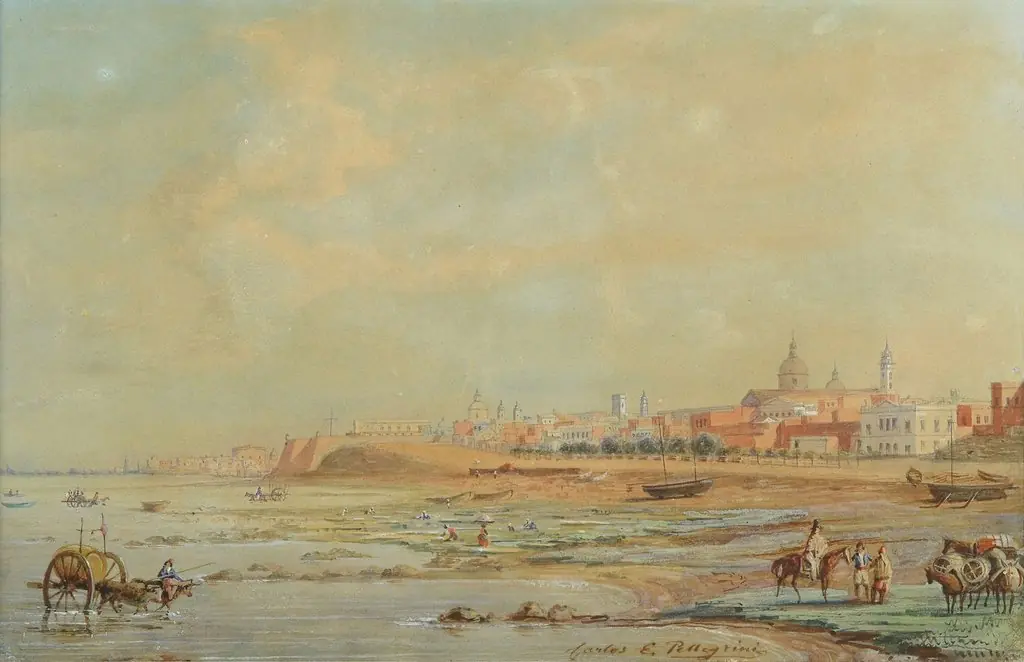 View of Buenos Aires
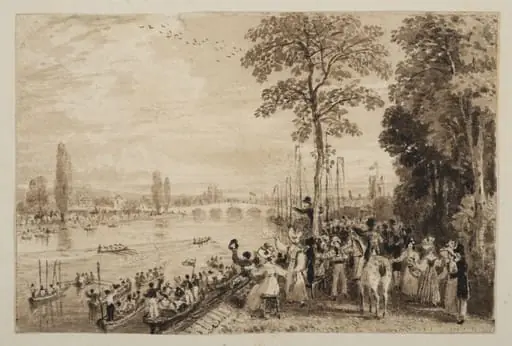 The Oxford and Cambridge Rowing Match at Henley-on-Thames
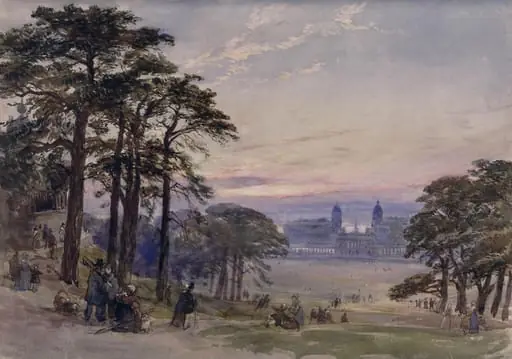 Greenwich Hospital from the Observatory
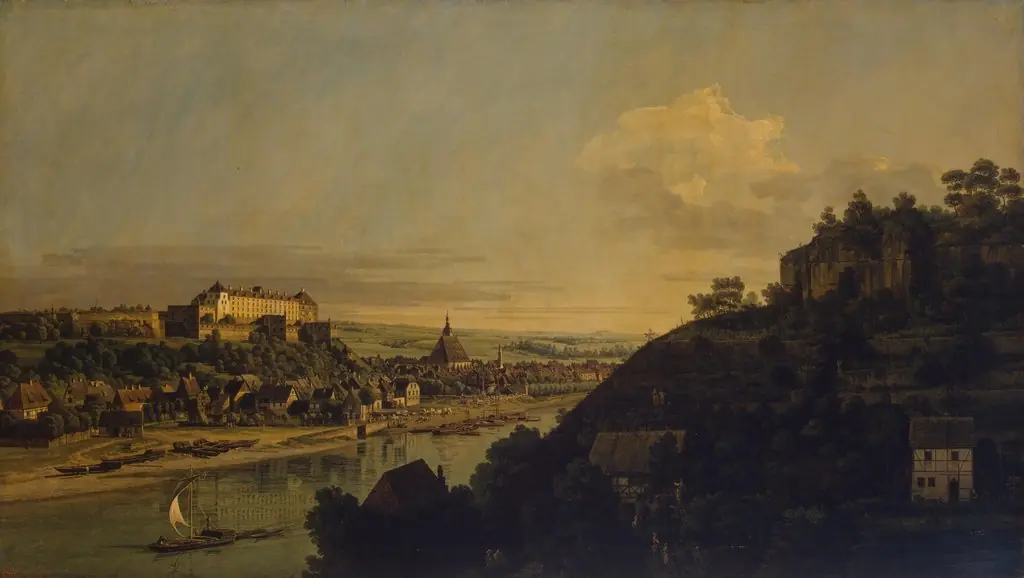 View of Pirna from the Right Bank of the Elba above the Town
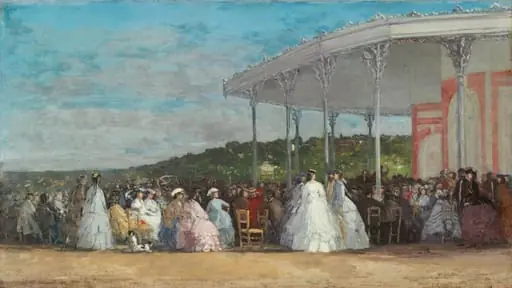 Concert at the Casino of Deauville