Artwork
The wedding
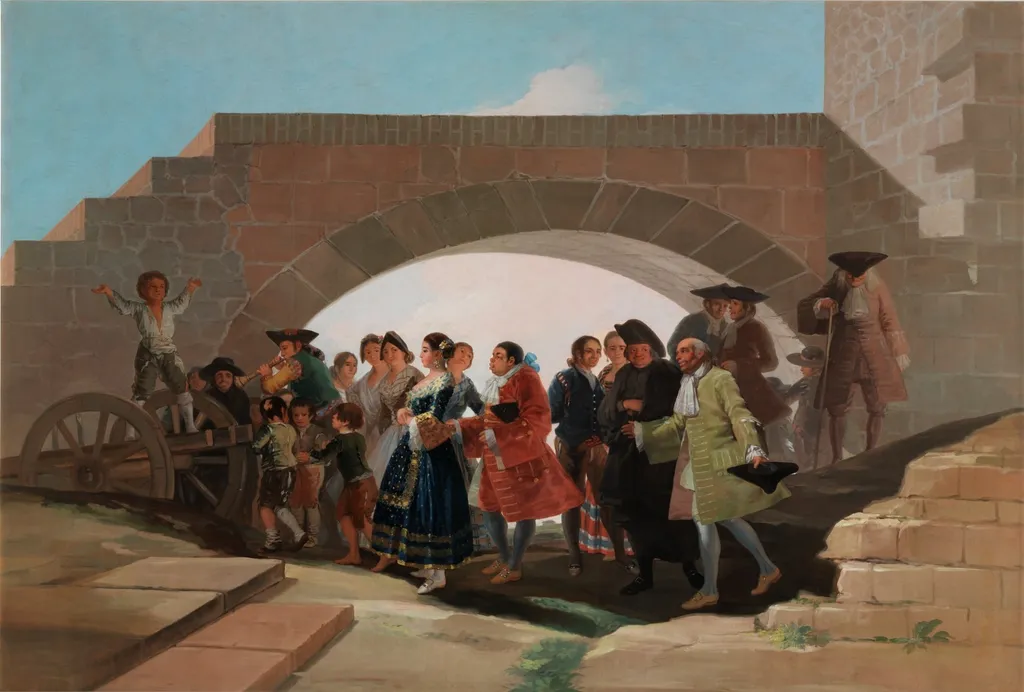
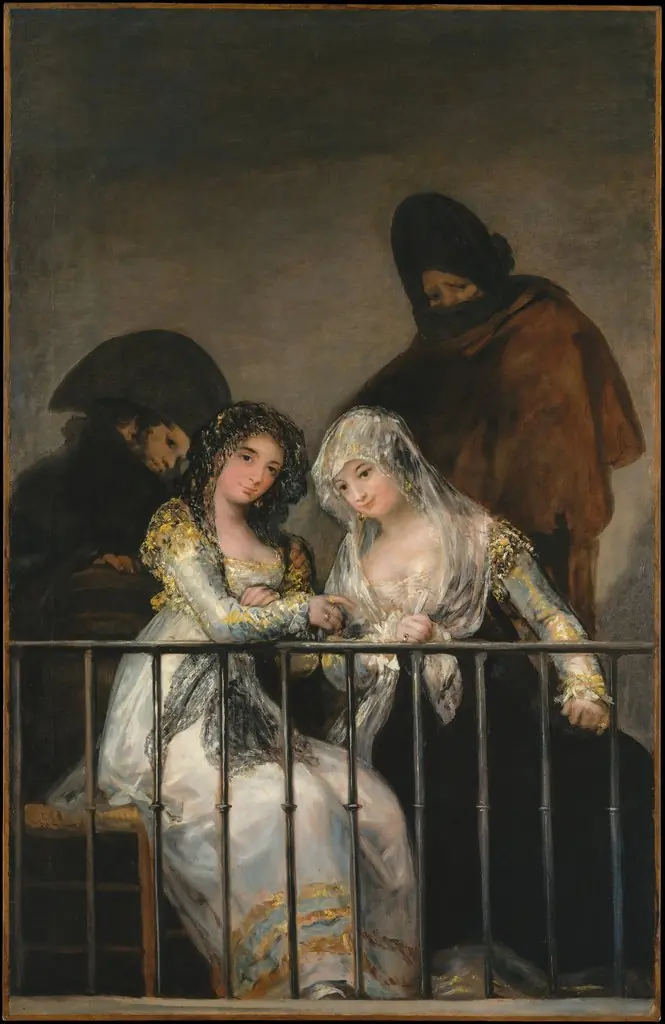
The wedding is an oil painting by Francisco Goya. It dates from 1796 and is held in the collection of the Museo del Prado.
About this work
Overview
Though titled *The Wedding*, the scene does not depict a ceremonial event but rather a group of figures moving beneath an archway, their purpose ambiguous.
Painted in 1796 by Francisco Goya, this oil-on-canvas work captures a quiet moment of everyday life in late 18th-century Spain. Though titled *The Wedding*, the scene does not depict a ceremonial event but rather a group of figures moving beneath an archway, their purpose ambiguous. The painting belongs to the Museo del Prado’s collection and reflects Goya’s shift from courtly commissions toward more observational, socially grounded subjects.
Subject & Meaning
The figures—men, women, and a child—move through a rural or suburban setting, their attire suggesting modest social standing. No wedding rituals are visible; instead, the scene conveys ordinary movement, perhaps a procession or a family outing. The presence of a boy on a cart, observing passively, introduces a note of detachment. Goya avoids narrative clarity, inviting viewers to consider the quiet dignity of common life rather than its ceremonial moments.
Technique & Style
Goya employs a naturalistic style with careful attention to fabric textures, facial expressions, and spatial depth. Chiaroscuro modeling gives volume to the figures and grounds them in a tangible environment. Brushwork is precise yet unpolished, avoiding idealization. The composition directs the eye along the archway’s line, with figures arranged in loose, asymmetrical groupings that echo real-life movement rather than staged composition.
History & Provenance
Created during Goya’s tenure as court painter, the work was likely made outside official commissions, reflecting his personal interest in secular scenes. It entered the Museo del Prado’s collection in the 19th century, following the nationalization of church and aristocratic holdings. Its attribution has remained consistent, though its title was likely assigned later by curators, as no contemporary records identify it as a wedding scene.
Context
In the 1790s, Goya increasingly turned from mythological and royal subjects to scenes of ordinary people, influenced by Enlightenment ideals and Spain’s social upheavals. This painting aligns with his growing focus on human behavior and the subtleties of daily existence. Unlike earlier genre works, it lacks moralizing or humor, presenting life with unembellished observation, a precursor to 19th-century realism.
Legacy
Though less known than Goya’s darker later works, *The Wedding* exemplifies his transition toward modern subject matter. Its unidealized portrayal of common life influenced later realist painters in Spain and beyond. The painting’s quiet ambiguity and psychological nuance mark a departure from traditional narrative painting, positioning Goya as a bridge between 18th-century conventions and the introspective art of the modern era.
Own this work as a print
Artist & collection
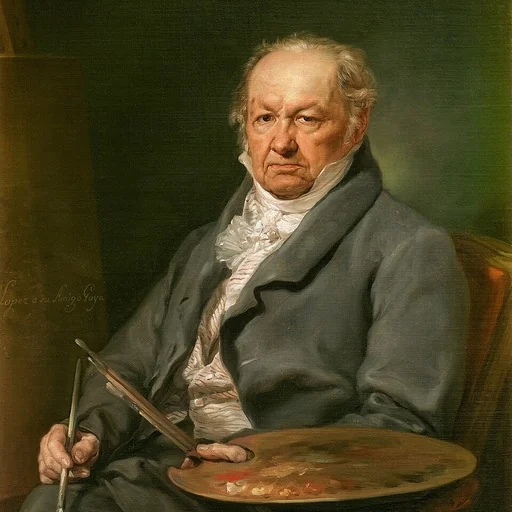
Artist
Francisco José de Goya y Lucientes (; Spanish: ; 30 March 1746 – 16 April 1828) was a Spanish romantic painter and printmaker.

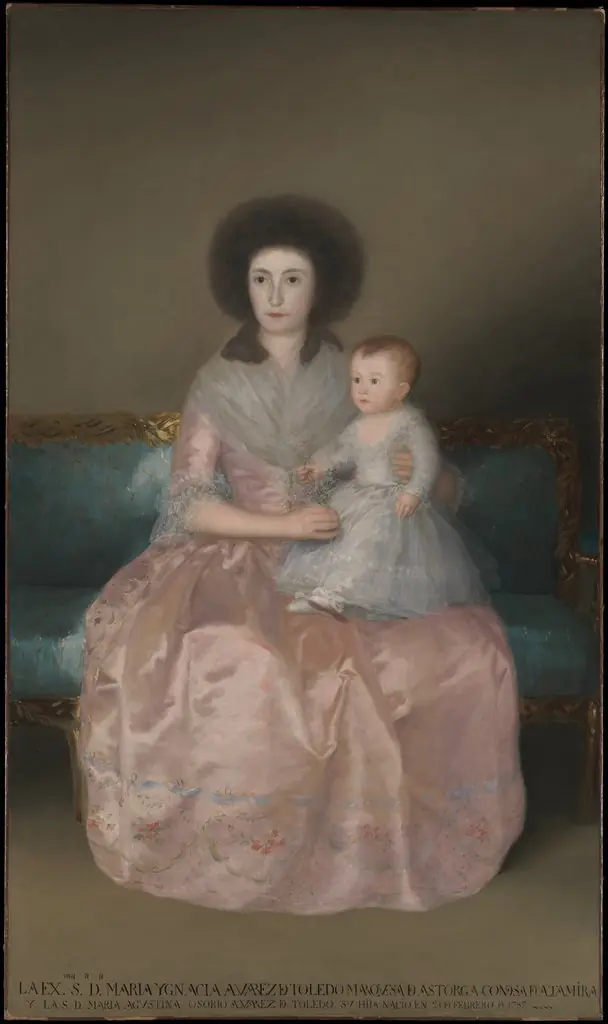
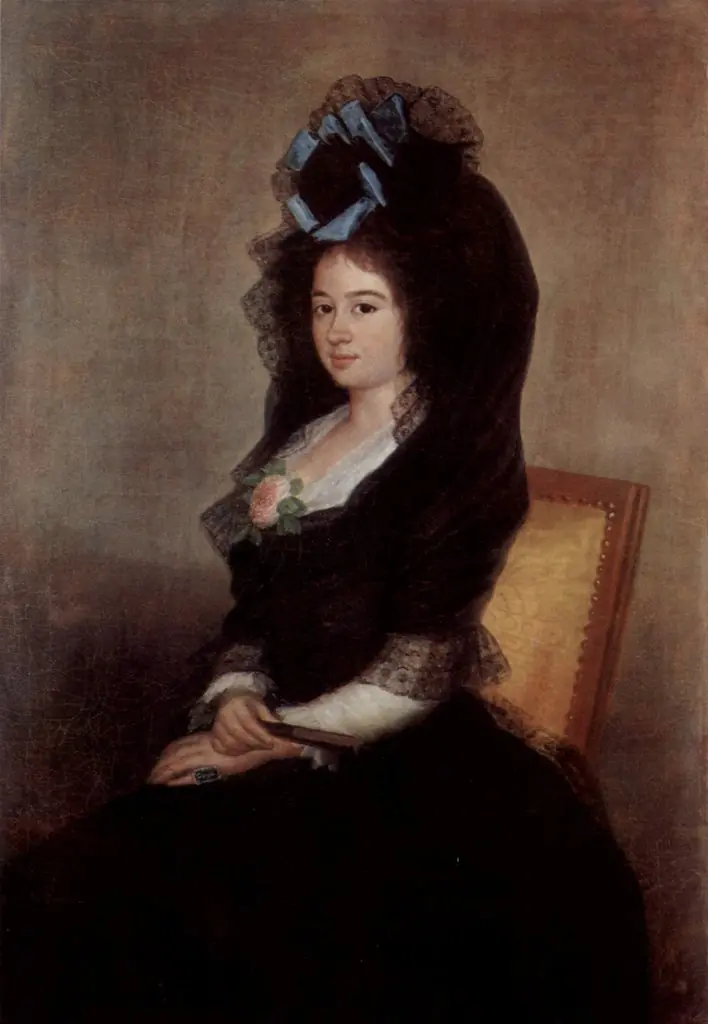
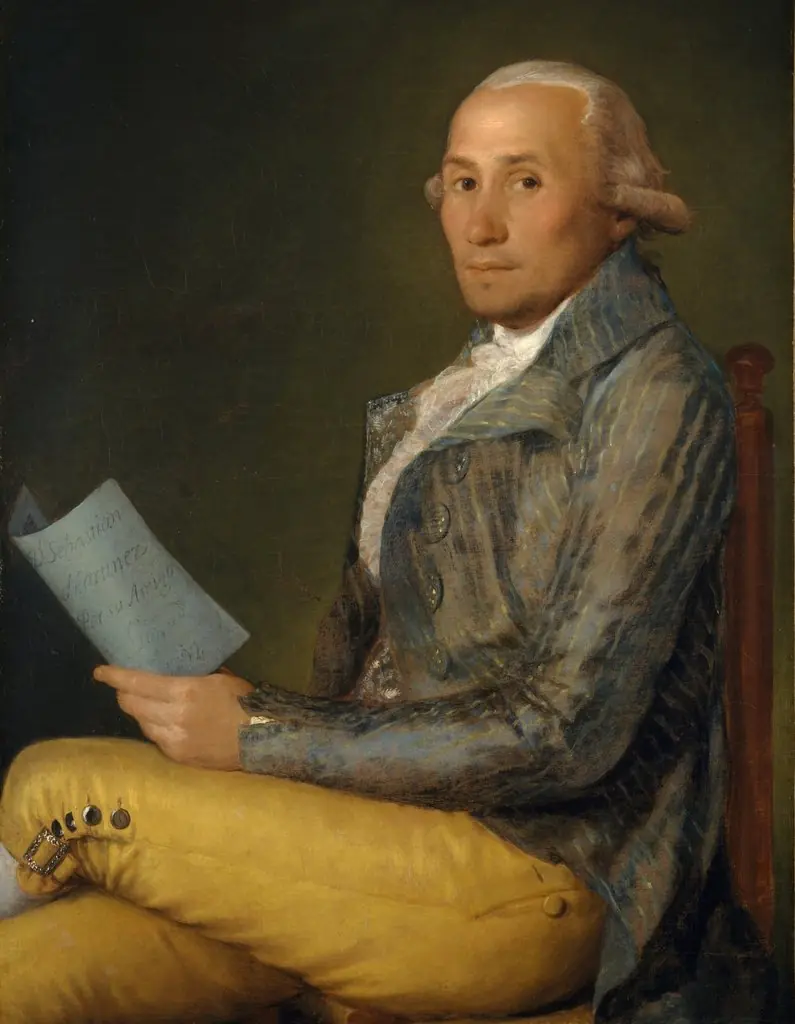
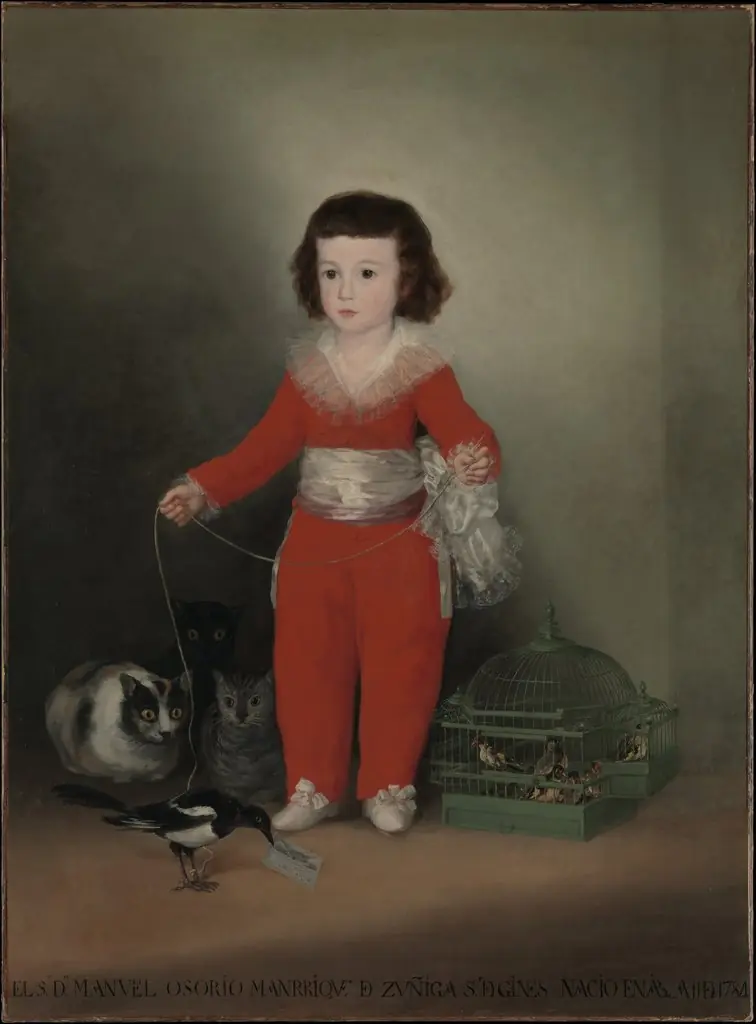
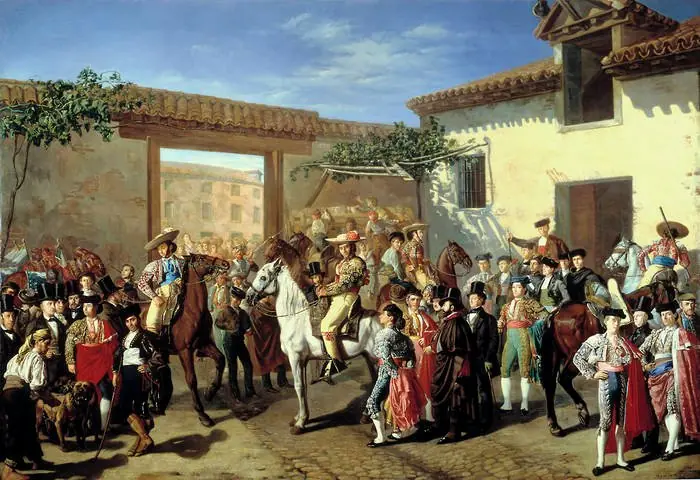 Horses in a Courtyard by the Bullring before the Bullfight, Madrid (detail)
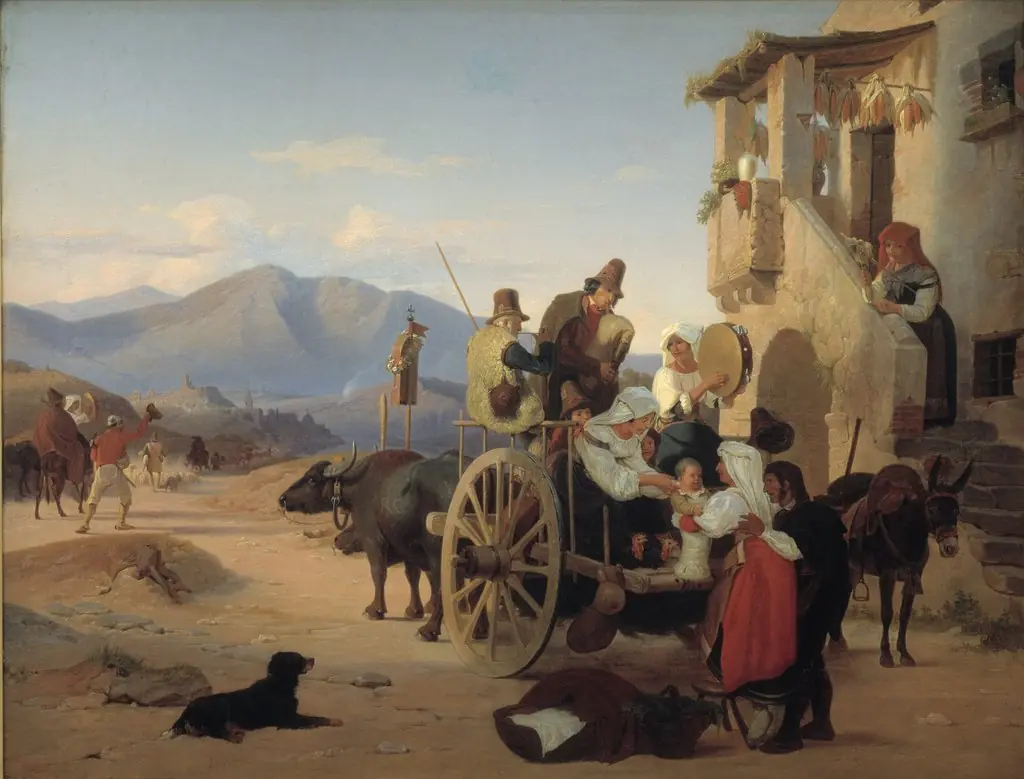 Romerske landfolk drager til marked
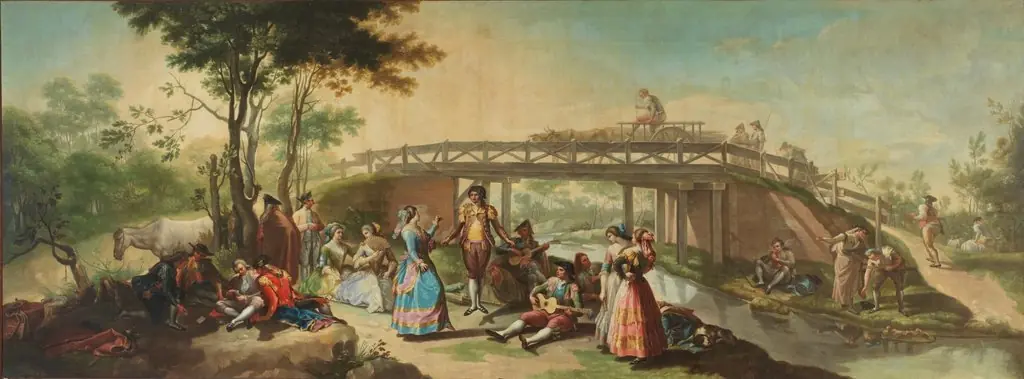 Un baile junto a un puente del canal del Manzanares
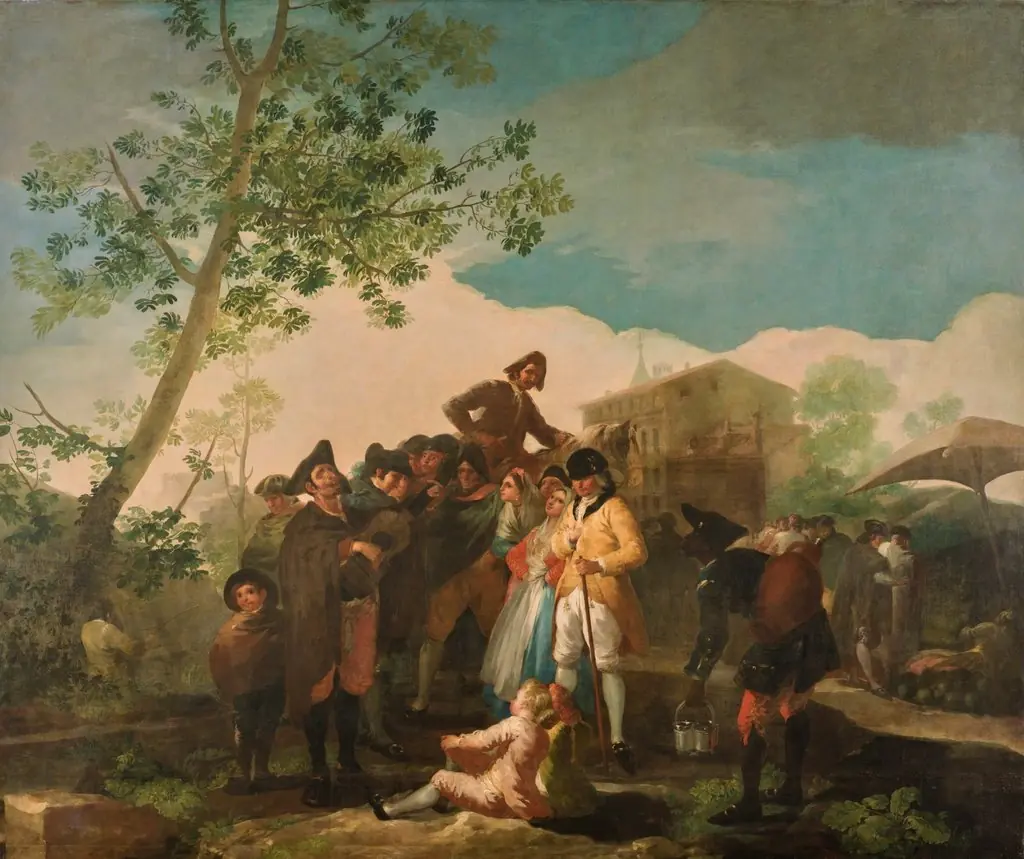 The blind guitarist
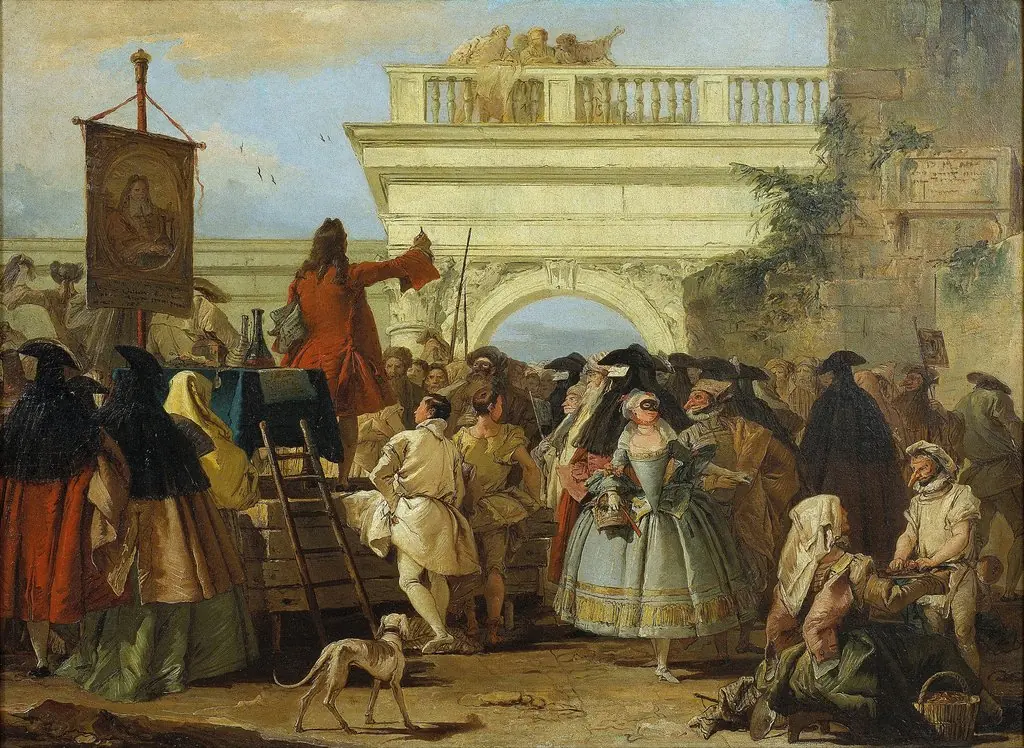 El xarlatà
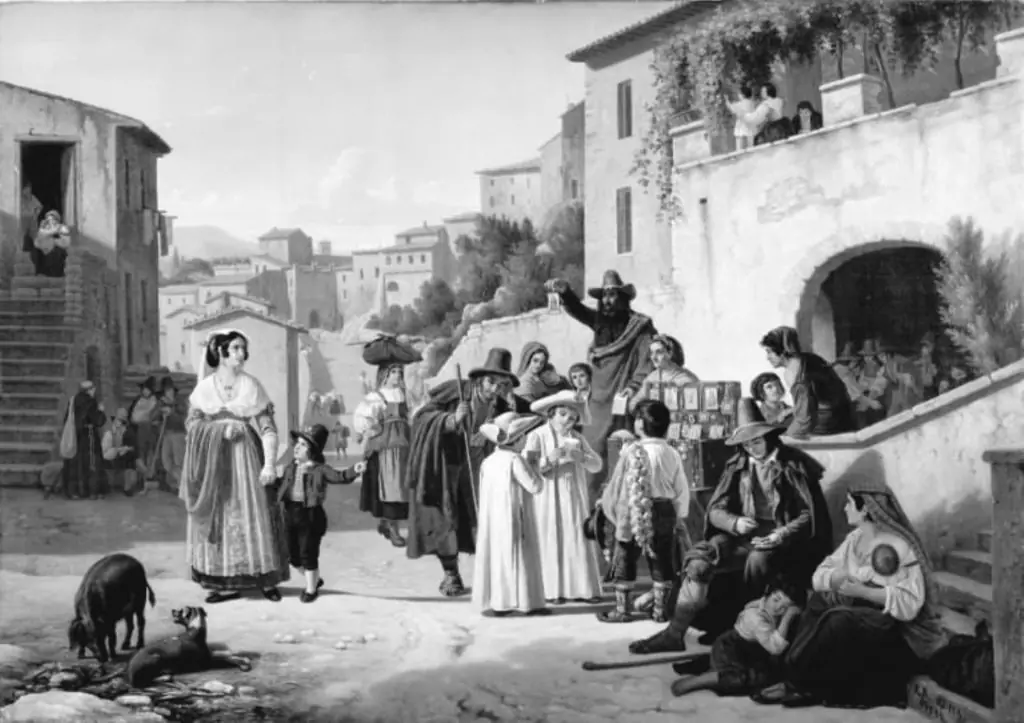 A Relic Dealer in Olevano
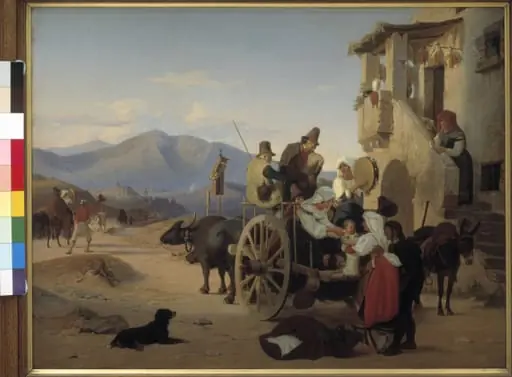 Roman Peasants Going to Market
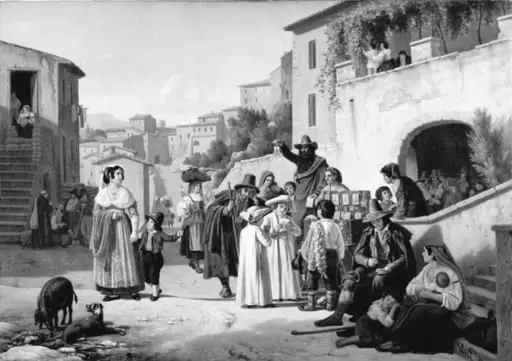 A Relic Dealer in Olevano
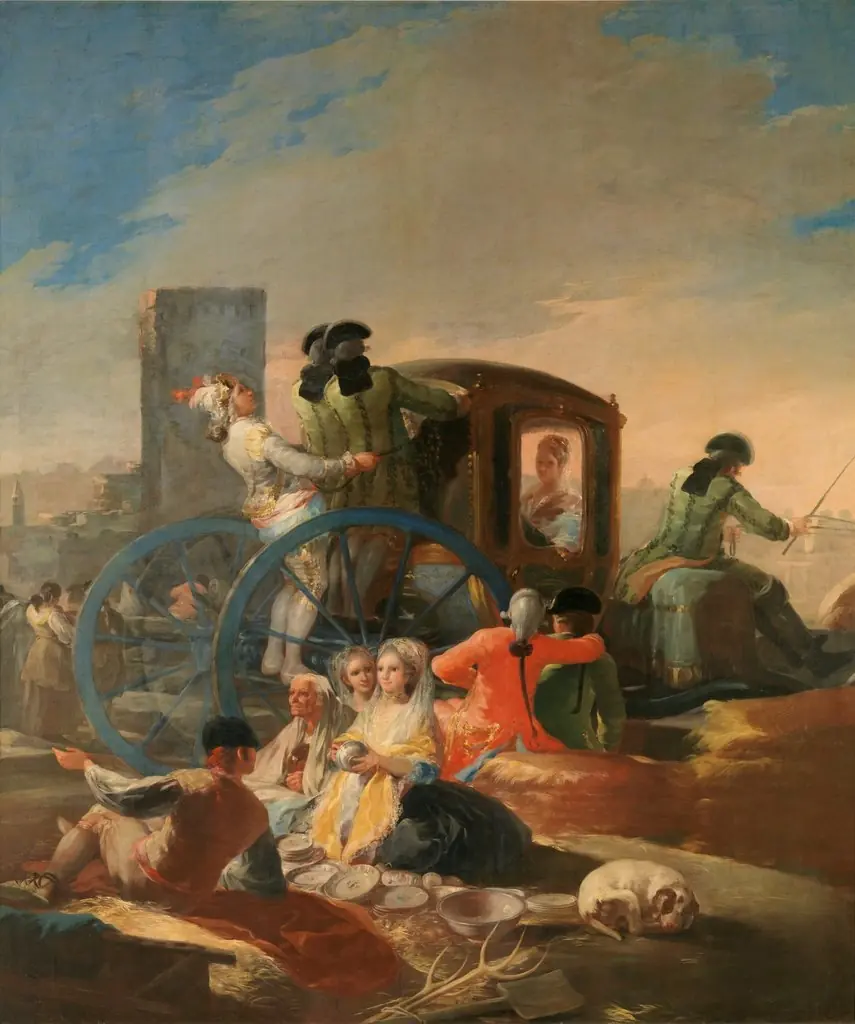 The Crockery Vendor
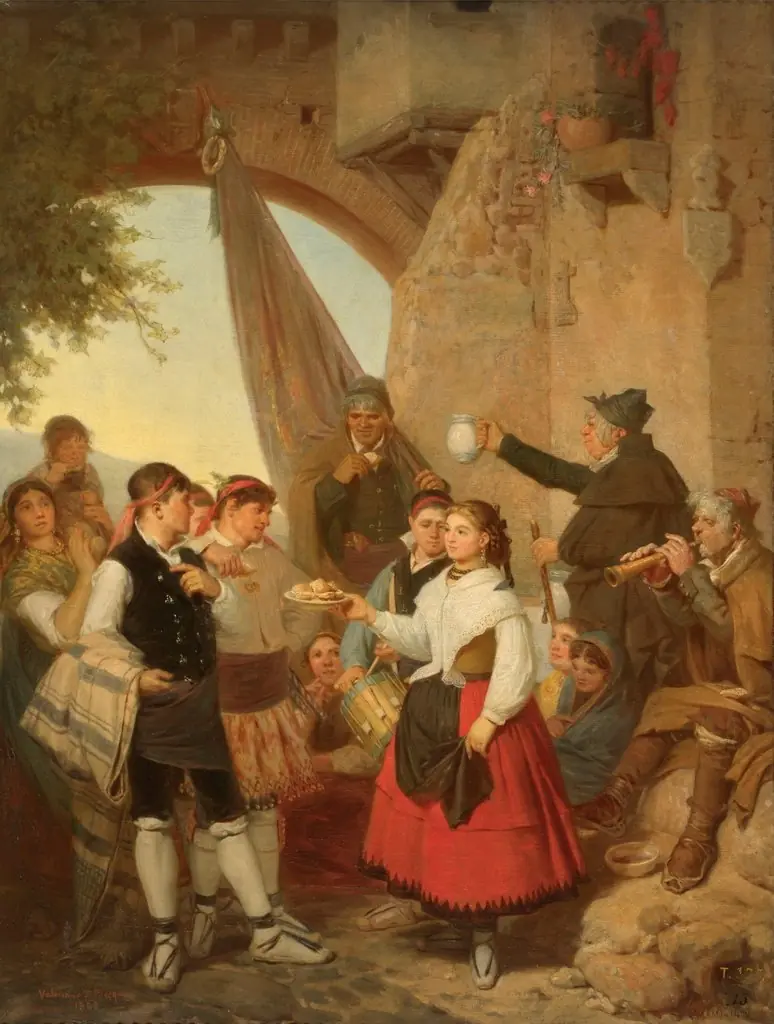 El presente. Fiesta mayor en Moncayo (Aragón) la víspera del santo patrono
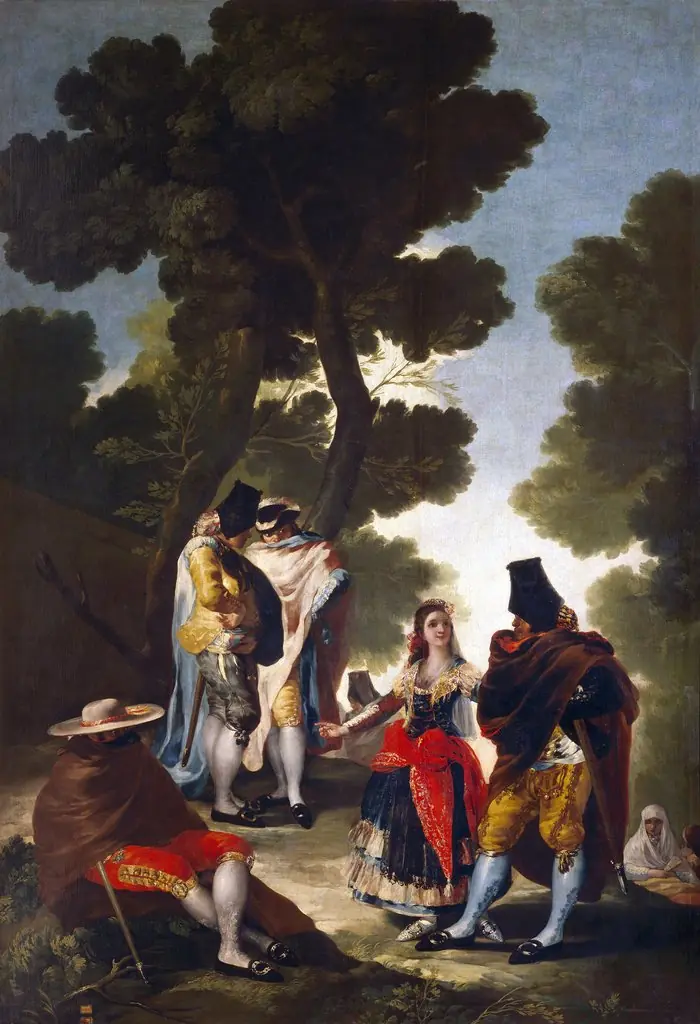 The Pretty Woman and the Masked Men (The Road of Andalusia)
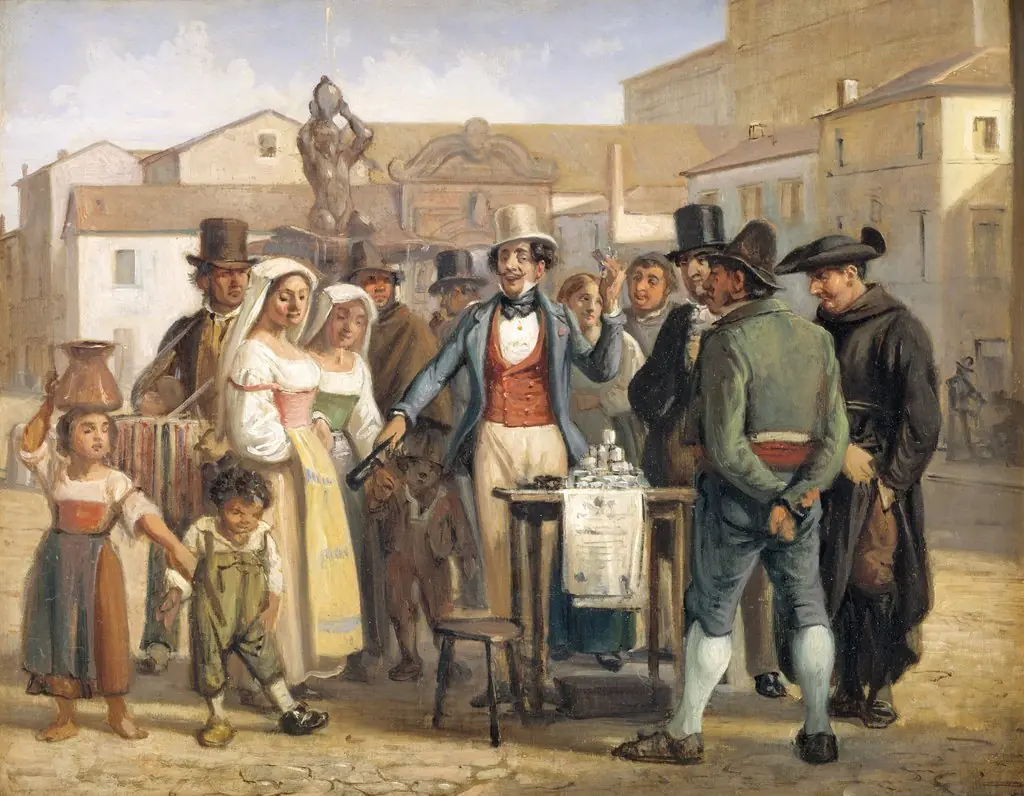 A Charlatan Selling Blacking in the Piazza Barberini in Rome