Artwork
The wounded bricklayer
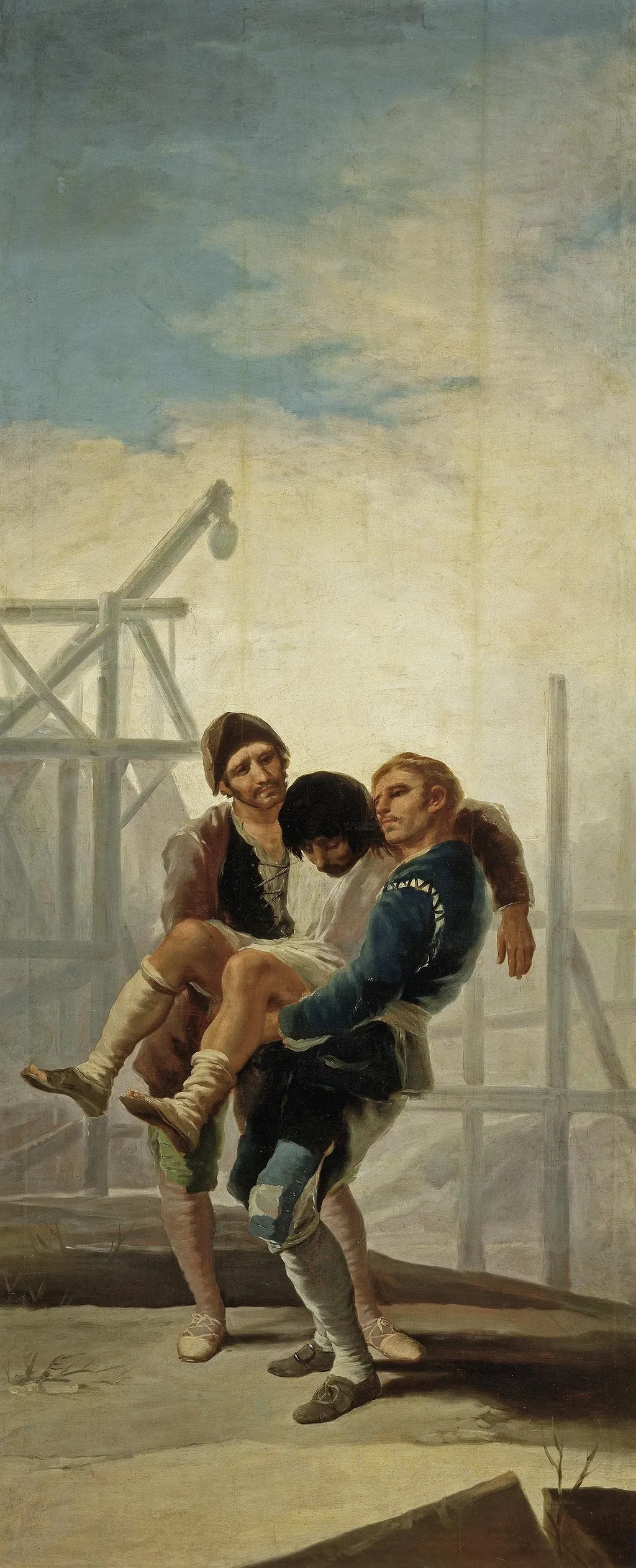
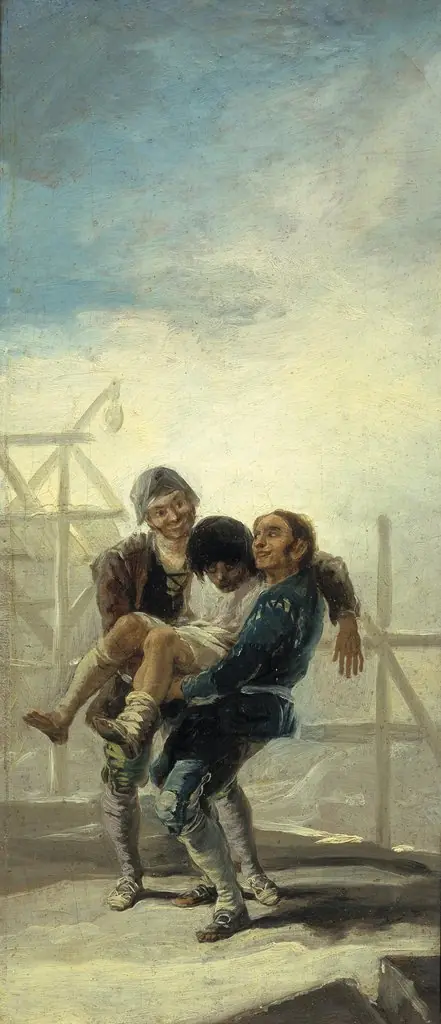
The wounded bricklayer is an oil painting by the Rococo painting artist Francisco Goya. It dates from 1794 and is held in the collection of the Museo del Prado.
About this work
Overview
Created after he recovered from a severe illness that left him deaf, the painting reflects a shift toward intimate, unsentimental portrayals of everyday life.
Painted in 1794, *The Wounded Bricklayer* is one of several small oil works Francisco Goya produced during a period of personal and artistic transition. Created after he recovered from a severe illness that left him deaf, the painting reflects a shift toward intimate, unsentimental portrayals of everyday life. It belongs to a group of genre scenes that mark Goya’s departure from courtly commissions toward more socially grounded subjects.
Subject & Meaning
The painting captures a moment of communal labor and vulnerability: three workers carry a fourth, injured bricklayer, his body limp and burdened. The scene, set near a construction site with a crane in the distance, avoids dramatic flourish, instead emphasizing quiet solidarity among laborers. Goya presents physical suffering without heroism or moralizing, focusing on the unglamorous reality of manual work and its risks.
Technique & Style
Goya employs a restrained palette of earth tones—ochres, grays, and browns—to ground the scene in tangible reality. His brushwork is direct and unadorned, with loose strokes defining fabric, stone, and skin. Chiaroscuro is used subtly to model forms and direct attention to the injured man’s slumped figure, enhancing the emotional weight without theatricality. The composition is unbalanced, mirroring the physical instability of the moment.
History & Provenance
The painting entered the collection of the Museo del Prado in Madrid in the 19th century, likely transferred from royal or state holdings after Goya’s death. It was not widely exhibited during his lifetime, as it was part of a private series rather than a public commission. Its preservation reflects the museum’s early commitment to documenting Spanish artistic developments beyond official portraiture.
Context
Created during Spain’s Enlightenment era, the work aligns with broader intellectual currents that valued observation of ordinary life. Goya’s focus on laborers coincided with rising social awareness and the decline of aristocratic patronage. Unlike idealized classical scenes, this painting presents workers as subjects worthy of serious artistic attention, reflecting a quiet revolution in subject matter.
Legacy
Though not among Goya’s most famous works, *The Wounded Bricklayer* anticipates 19th-century realist movements and the depiction of working-class life in modern art. Its unembellished treatment of injury and labor influenced later artists seeking authenticity over idealization. The painting stands as an early example of art that finds dignity not in grandeur, but in the quiet resilience of daily existence.
Own this work as a print
Artist & collection
Artist
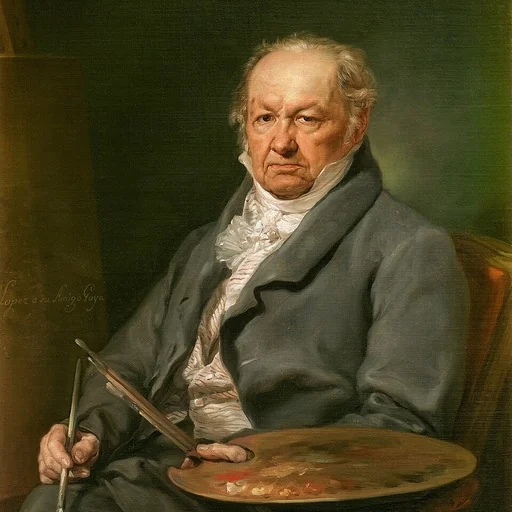
Francisco José de Goya y Lucientes (; Spanish: ; 30 March 1746 – 16 April 1828) was a Spanish romantic painter and printmaker.

 El albañil borracho (boceto)
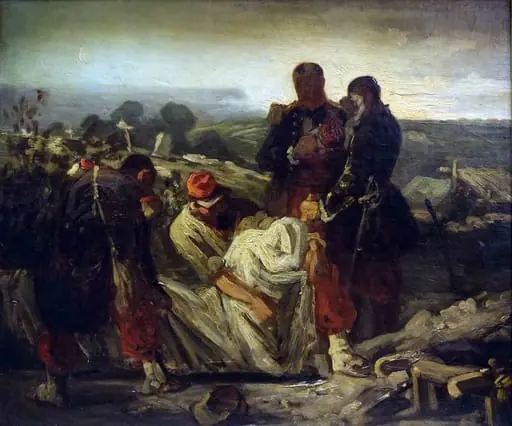 Înmormântarea unui zuav
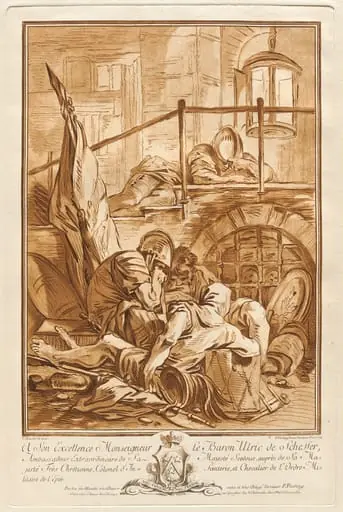 Guardhouse
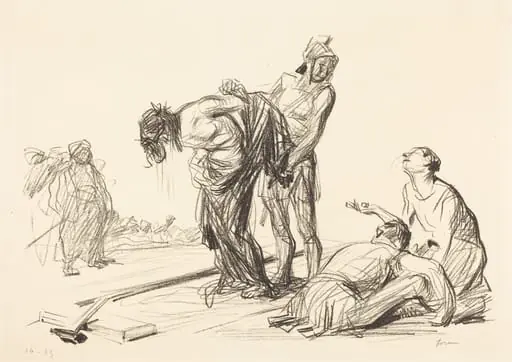 Le Christ dépouillé de se vêtements (Christ Stripped of His Clothes)
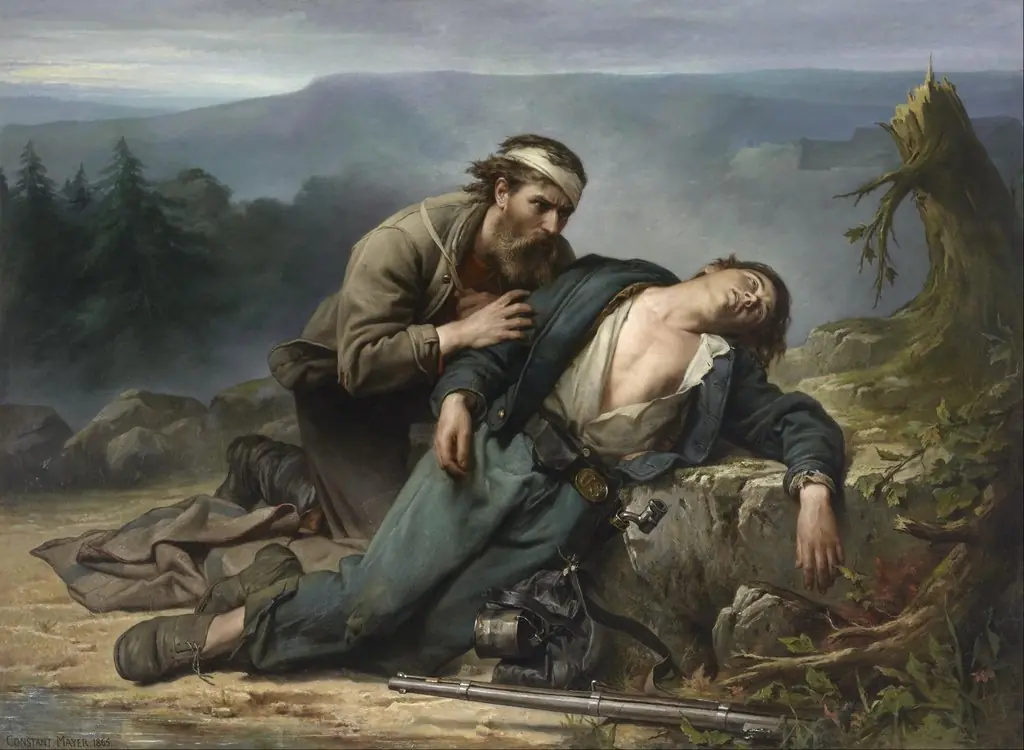 Recognition: North and South
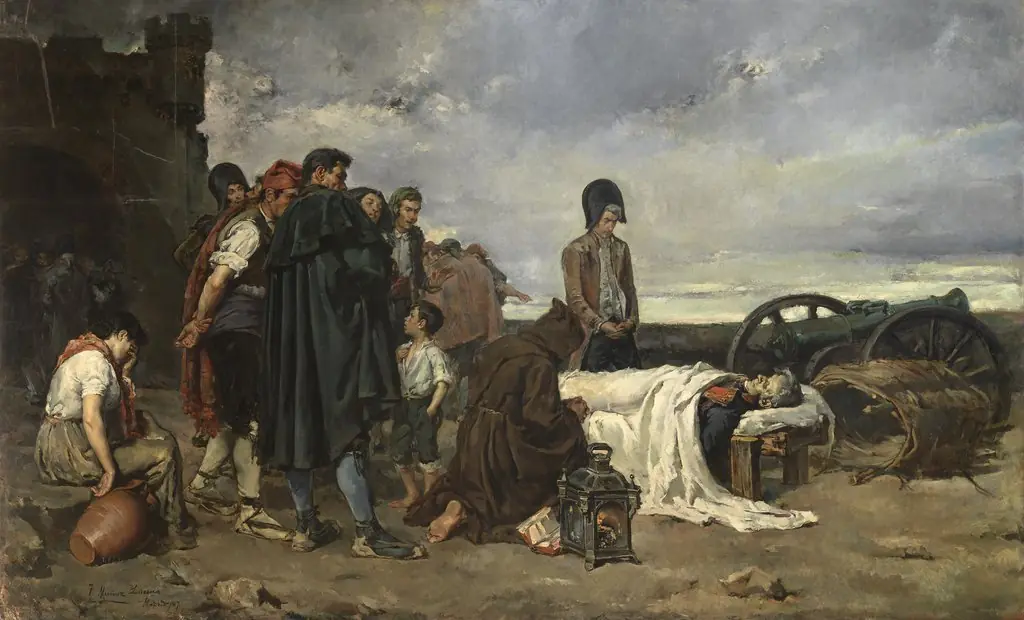 El cadáver de Álvarez de Castro
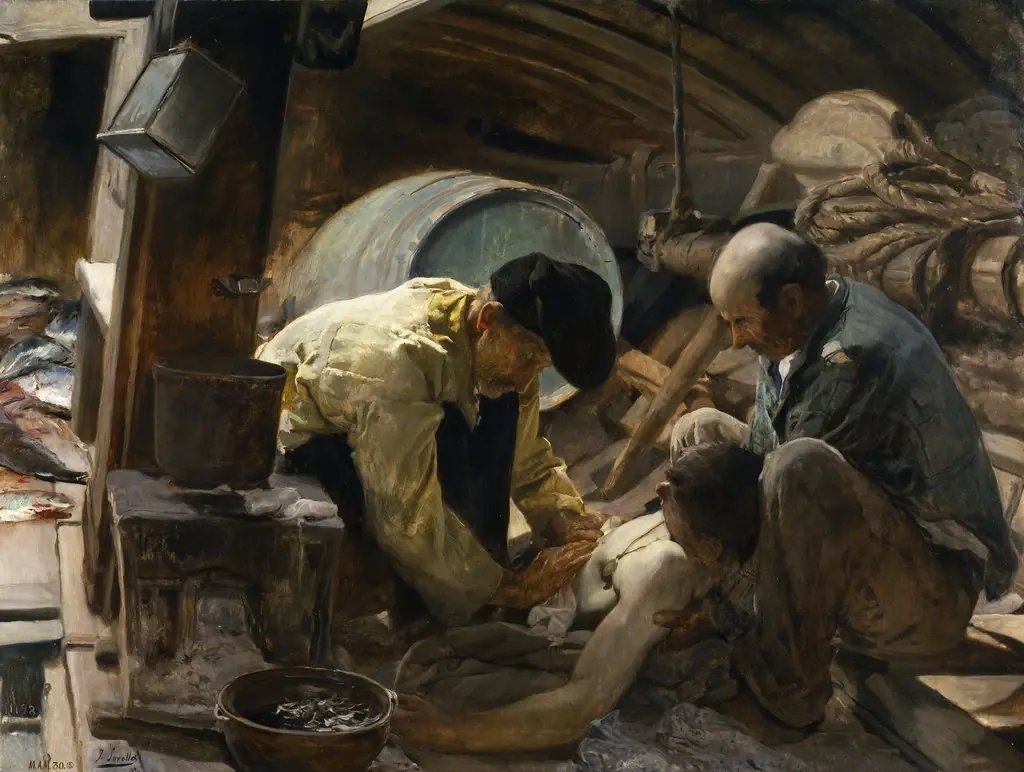 And They Still Say Fish is Expensive!
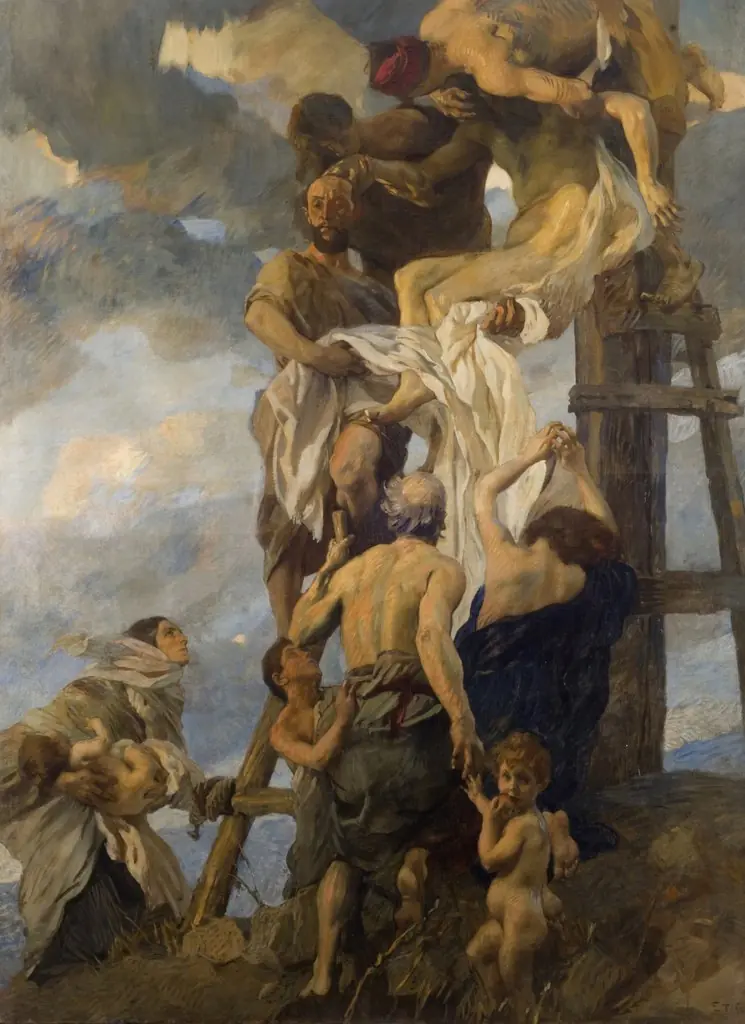 Descent from the cross
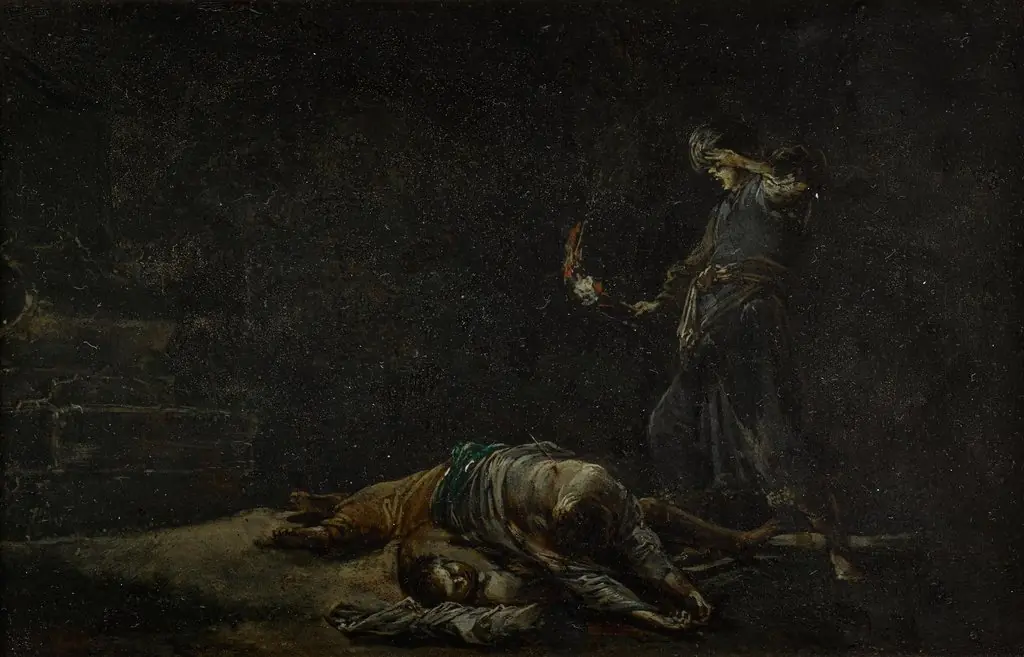 Die Auffindung von Pyramus und Thisbe
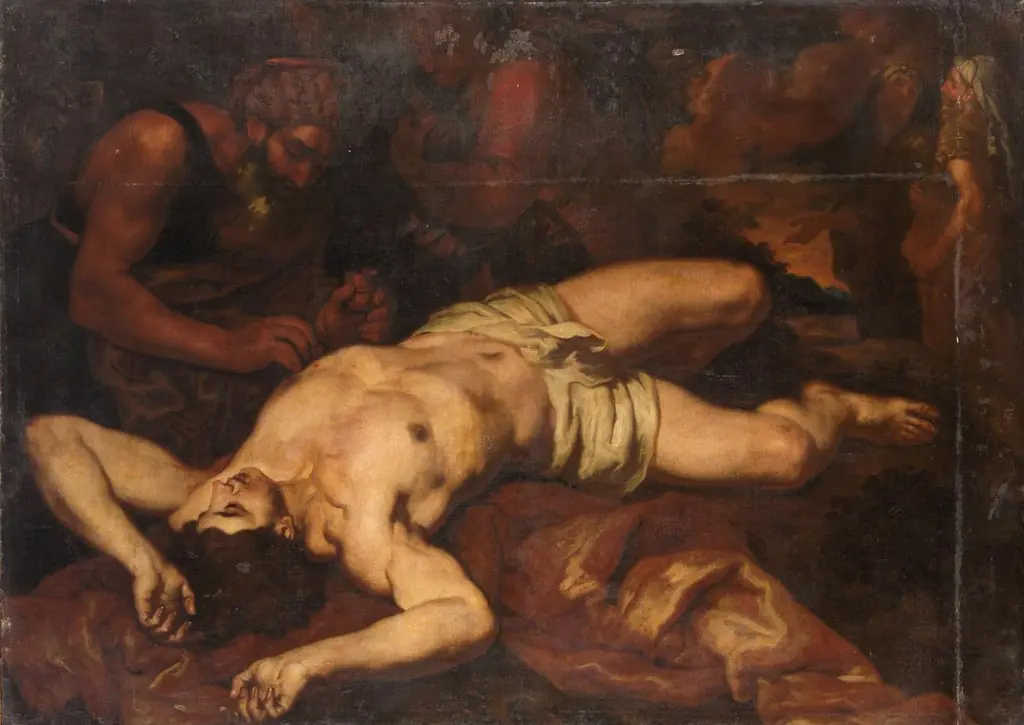 The Good Samaritan
 Fallait pas me tutoyer, j'suis dans...
 The Wounded Poacher