Artwork
Time, Truth and History
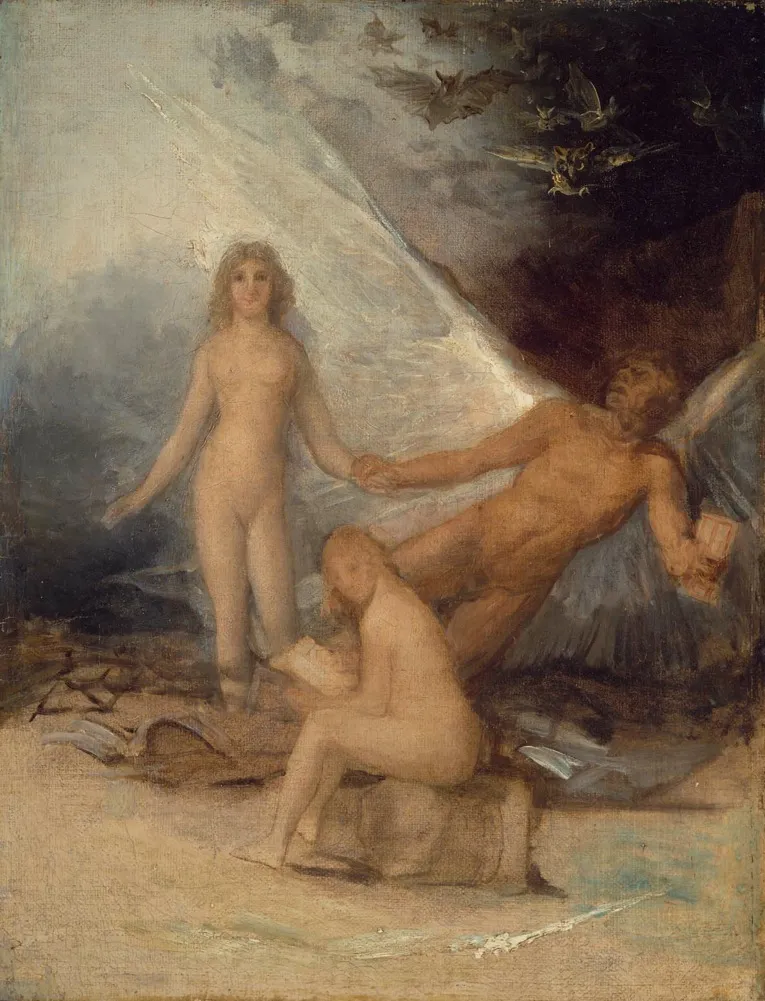
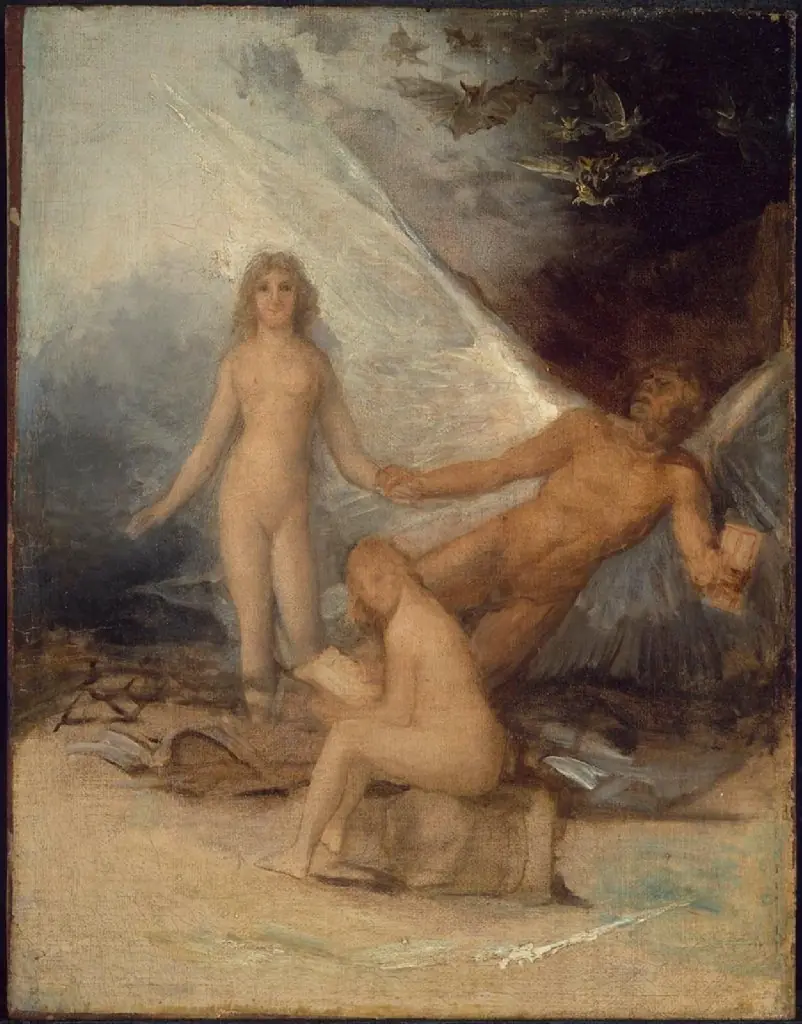
Time, Truth and History is an oil painting by Francisco Goya. It dates from 1800 and is held in the collection of the Museum of Fine Arts Boston.
About this work
The use of chiaroscuro, a technique that uses strong contrasts between light and dark, adds to the dramatic effect of the scene.
The painting "Time, Truth and History" by Francisco Goya, created in 1798, is an oil on canvas work. It features a scene with three figures: a woman, a man with wings, and a bald man. The woman stands on the left, while the winged man reclines on the right, holding a book. The bald man sits in front of them, also holding a book. The background is dark, with a lighter area behind the figures.
A notable detail is the contrast between the light and dark areas, which creates a sense of depth. The use of chiaroscuro, a technique that uses strong contrasts between light and dark, adds to the dramatic effect of the scene.
This painting is reminiscent of the works of Francisco Goya, who was known for his use of chiaroscuro and his exploration of themes such as time, truth, and history.
Overview
Francisco Goya’s oil painting *Time, Truth and History* (c. 1800) presents an allegorical grouping of three figures against a darkened backdrop. The composition is held by the Museum of Fine Arts in Boston and exemplifies Goya’s late‑career interest in personifying abstract ideas through dramatic visual language.
Subject & Meaning
The work assembles a seated bald man, a standing woman, and a reclining winged figure, each holding a book. The arrangement suggests the interplay of temporal passage, veracity, and the recording of events, inviting viewers to contemplate how history is shaped by the forces of time and truth.
Technique & Style
Goya employs pronounced chiaroscuro, allowing illuminated forms to emerge from a tenebrous background. The contrast between light and shadow creates depth and emphasizes the three central figures, while the loose brushwork and muted palette reflect his synthesis of Romantic expressiveness and classical allegory.
History & Provenance
Painted around the turn of the nineteenth century, the canvas entered the collection of the Museum of Fine Arts, Boston, where it remains on display. Its acquisition history traces back to early twentieth‑century European art markets, though precise details of earlier ownership are sparse.
Context
During this period Goya was responding to the political upheavals of Spain, including the aftermath of the French invasion and internal reforms. Allegorical paintings such as this allowed him to comment on contemporary events indirectly, aligning with a broader European tradition of using mythic figures to critique society.
Artist & collection
Artist
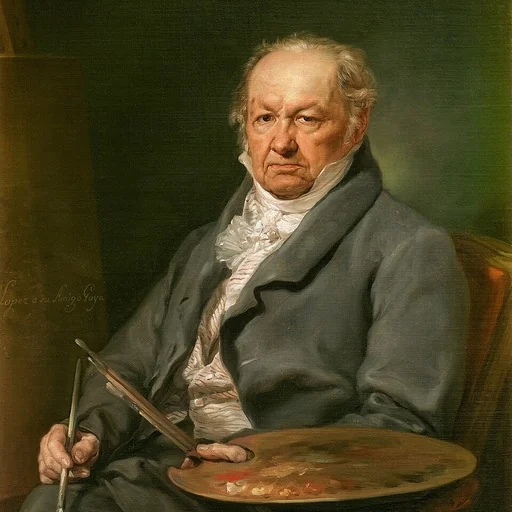
Francisco José de Goya y Lucientes (; Spanish: ; 30 March 1746 – 16 April 1828) was a Spanish romantic painter and printmaker.

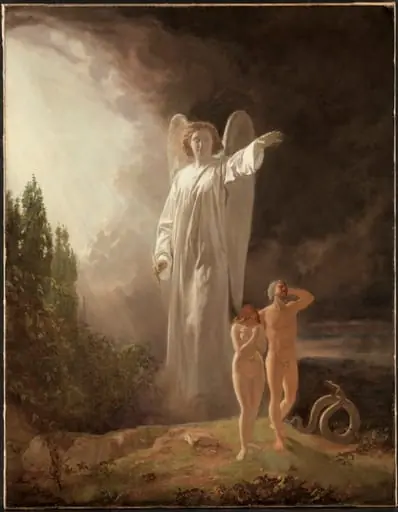 Expulsion of Adam and Eve
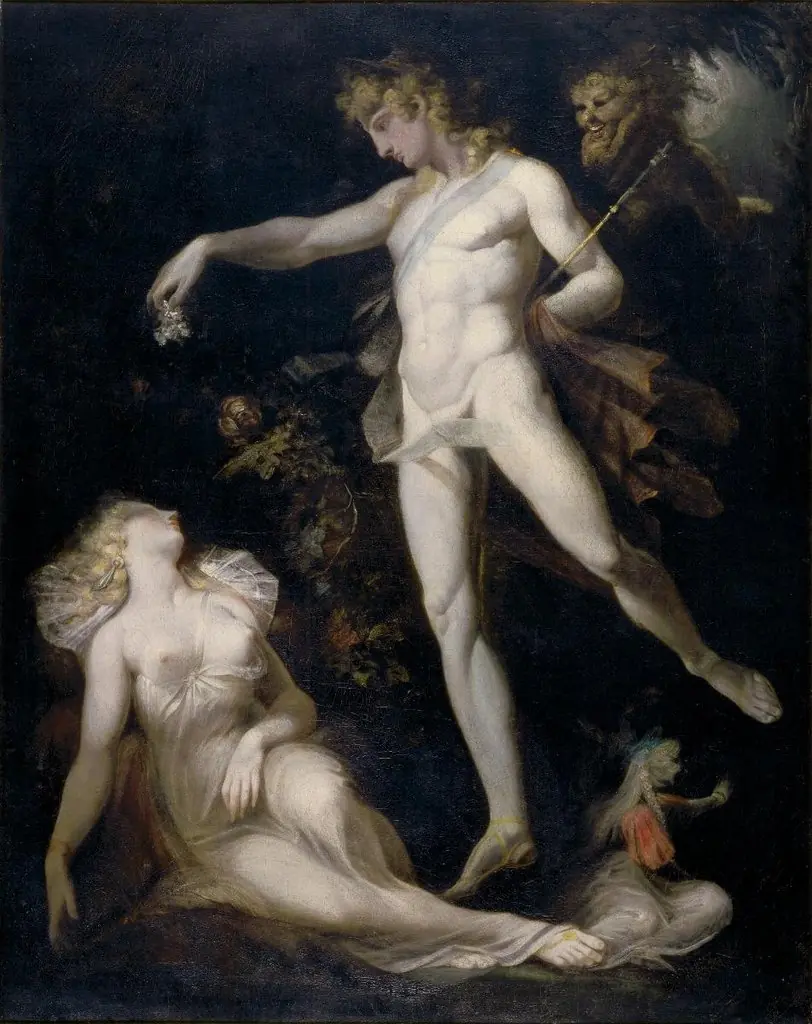 Oberon träufelt Blumensaft auf die Augen der schlafenden Titania
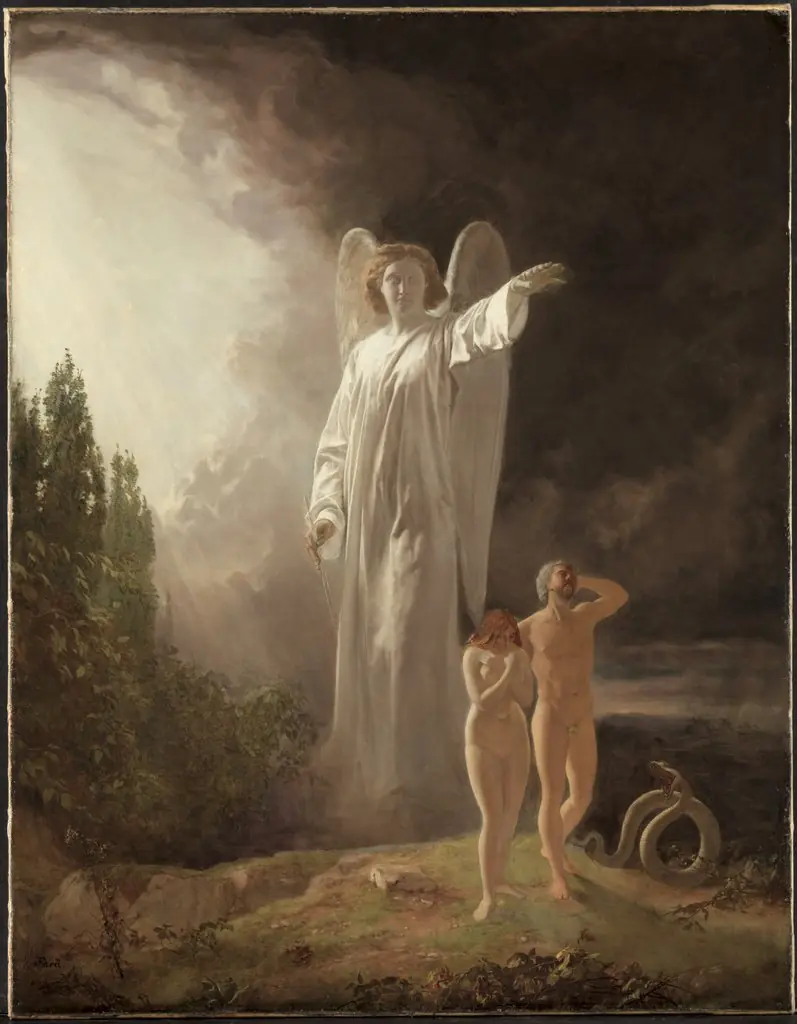 Expulsion of Adam and Eve
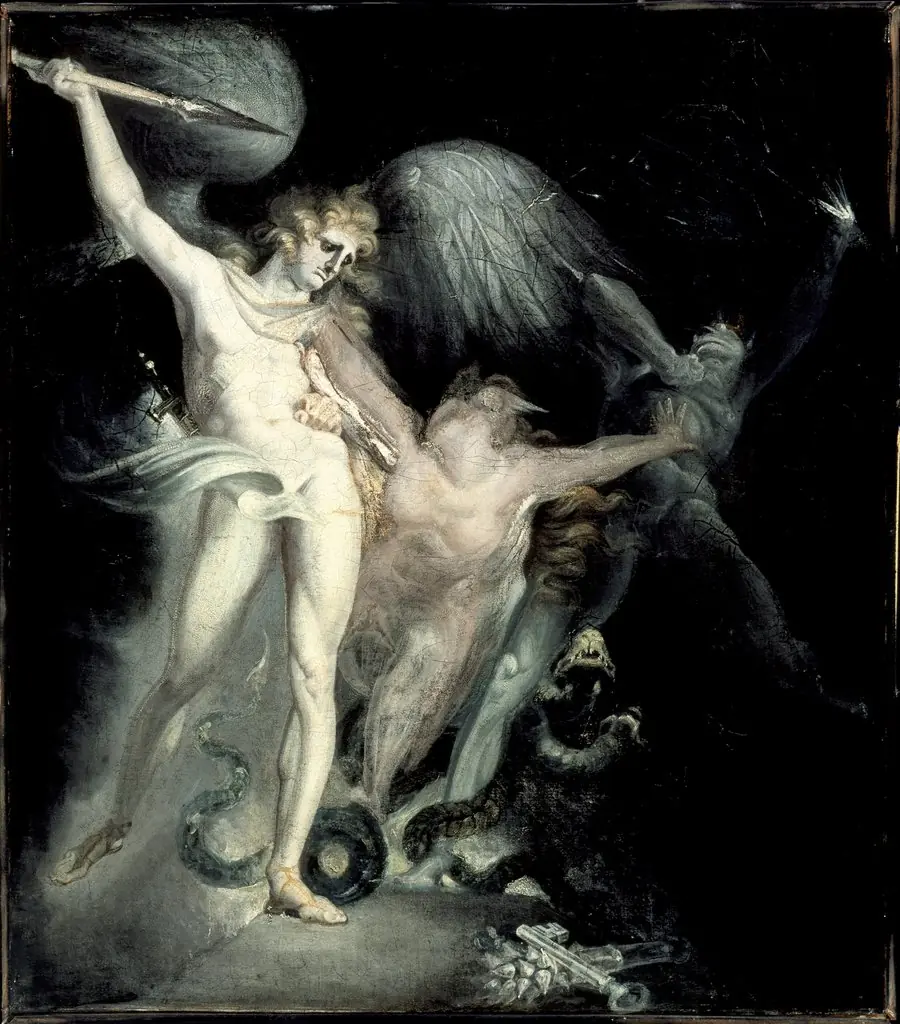 Satan and Death with Sin Intervening
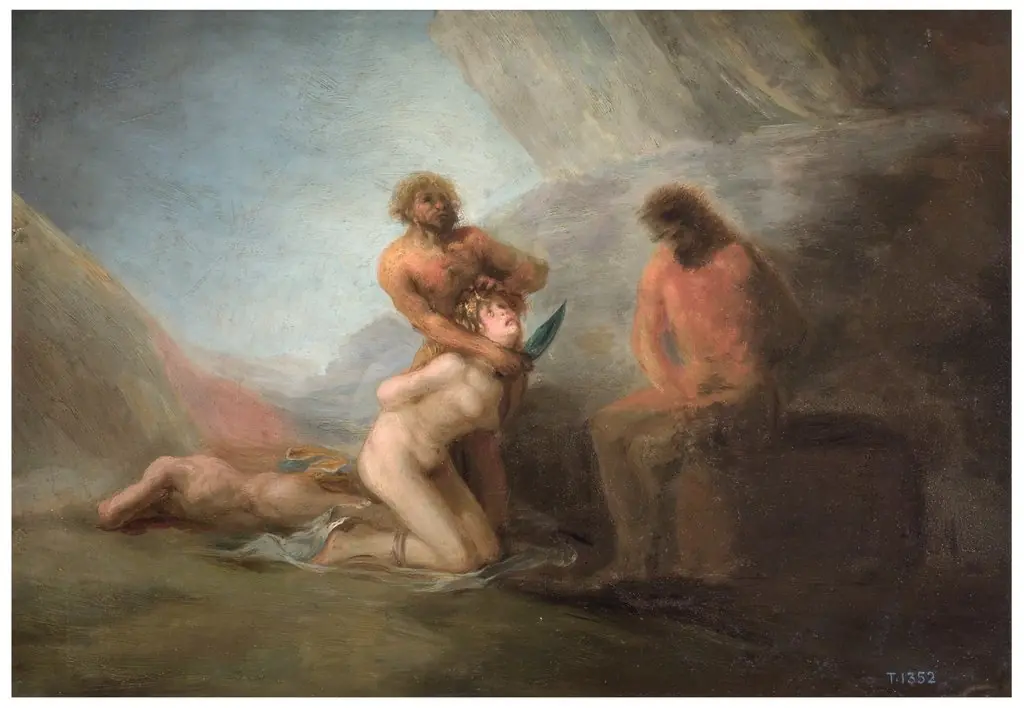 Throat-cutting
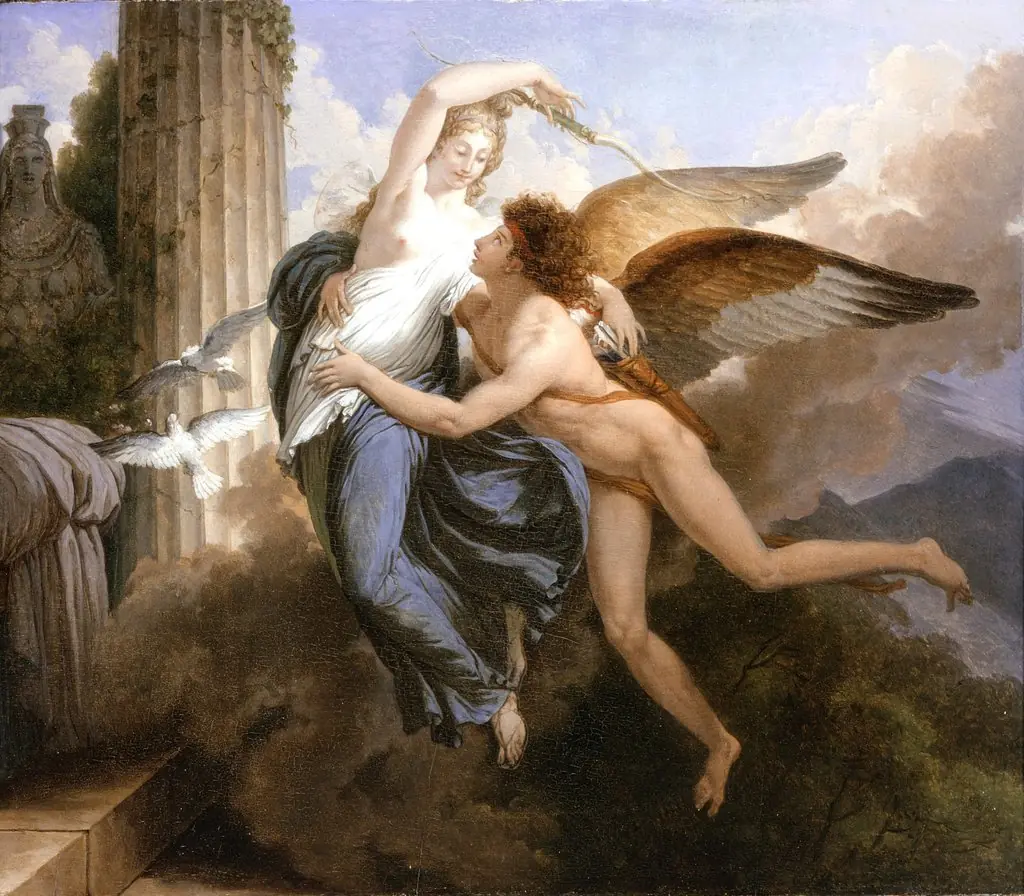 The Reunion of Cupid and Psyche
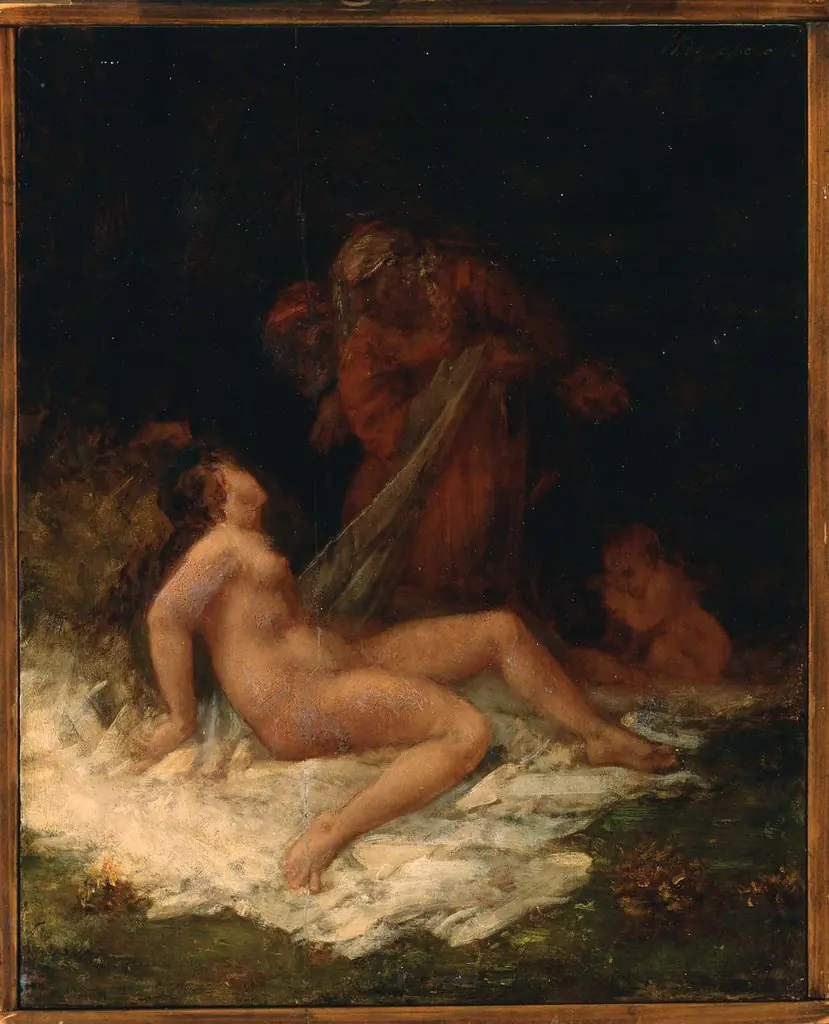 Susanna and the Elders
 Adam și Eva
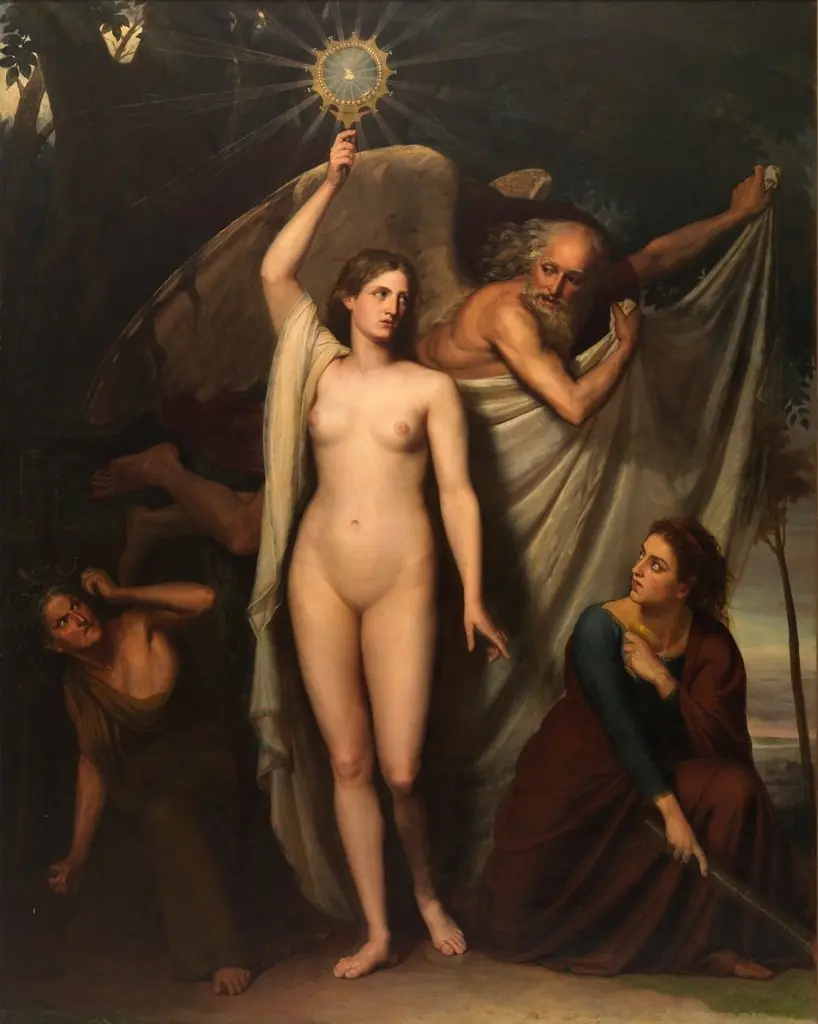 El tiempo descubre la verdad
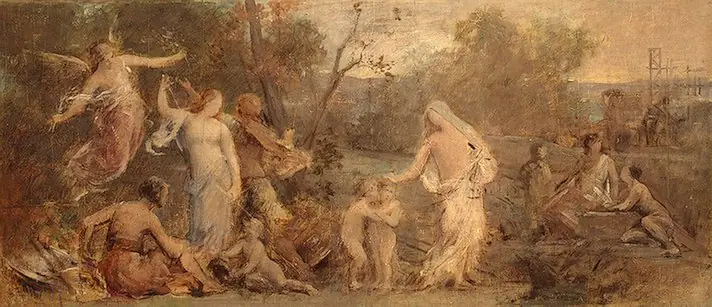 Allegory of Life
 The Brethren of Saturn delivered
 Time, Truth and History