Artwork
The Brethren of Saturn delivered
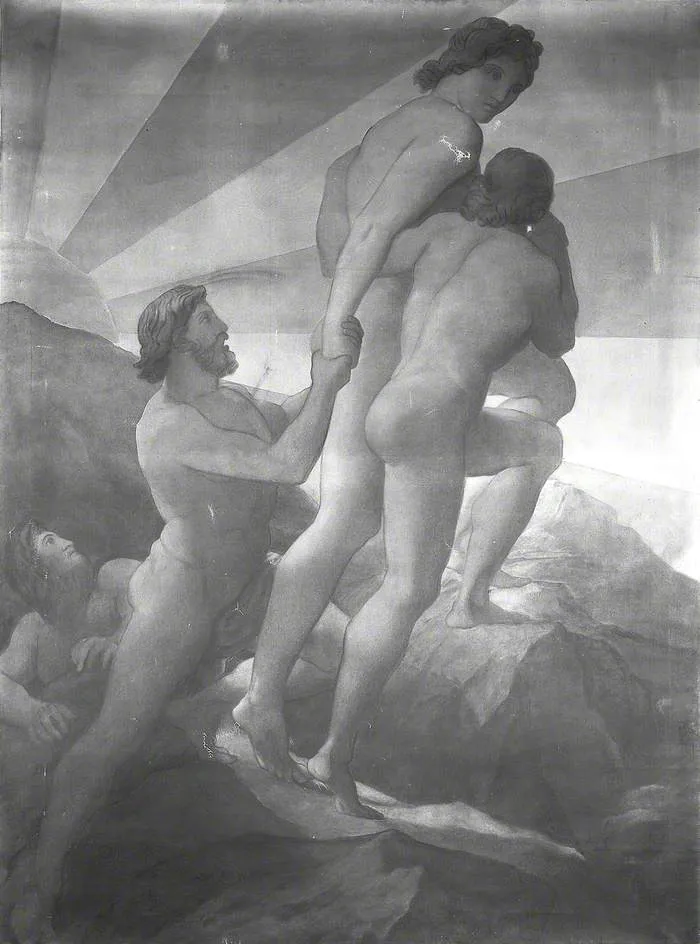
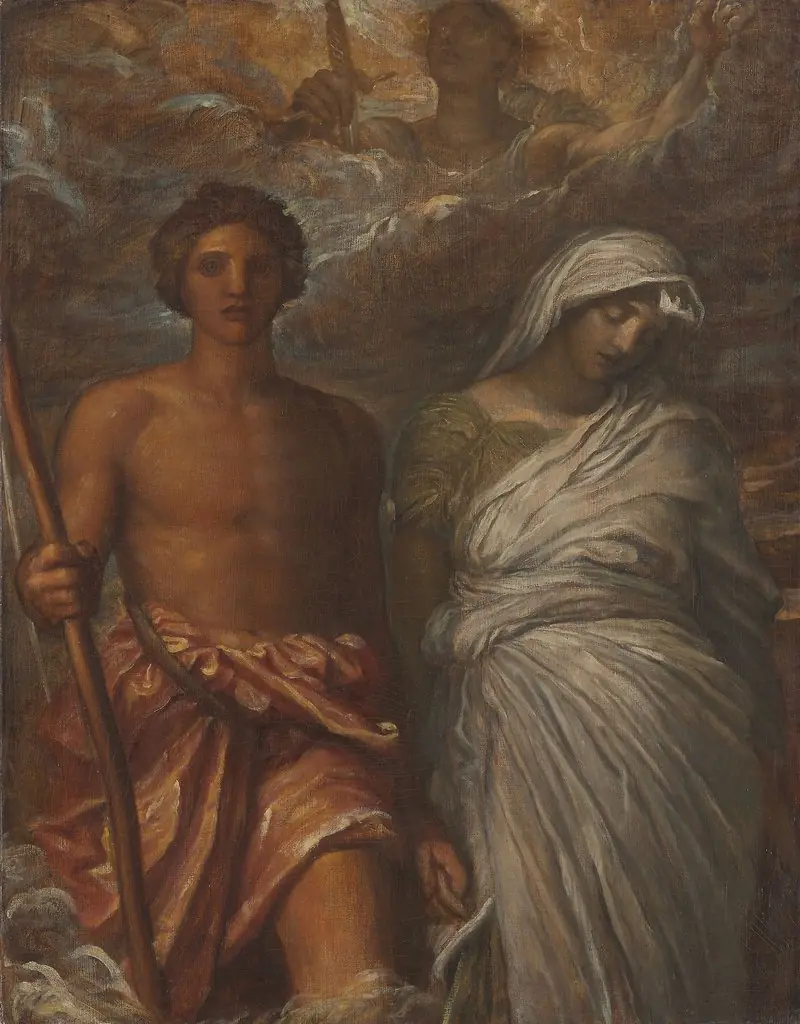
The Brethren of Saturn delivered is an oil painting by George Frederic Watts. It dates from 1867 and is held in the collection of the Ashmolean Museum.
About this work
Overview
The painting is part of the Ashmolean Museum’s collection and reflects Watts’s interest in mythic symbolism over literal narrative.
Painted around 1867 by George Frederic Watts, *The Brethren of Saturn delivered* is an oil-on-canvas work that belongs to his broader project, the 'House of Life,' a series of allegorical compositions exploring human condition and cosmic themes. The painting is part of the Ashmolean Museum’s collection and reflects Watts’s interest in mythic symbolism over literal narrative. Its composition and tone align with Symbolist tendencies, favoring emotional resonance over historical or religious specificity.
Subject & Meaning
The painting presents a group of nude figures in a rugged landscape, suggesting a mythic or allegorical moment of revelation or transition. One figure lifts another, while a third observes from behind, evoking themes of burden, guidance, or initiation. The source of light above may symbolize divine intervention or enlightenment. Watts intended such imagery to convey universal human experiences—struggle, aspiration, and transcendence—rather than a specific story from classical or biblical tradition.
Technique & Style
Watts employed oil paint with careful attention to anatomical detail and expressive gesture. The figures are rendered with naturalistic precision, yet their poses and setting are stylized to amplify symbolic weight. Chiaroscuro is used deliberately to model form and direct focus, enhancing the drama of the scene. The contrast between the dark, textured terrain and the radiant light above creates a sense of spiritual tension, characteristic of Watts’s approach to merging realism with metaphysical intent.
History & Provenance
Completed in the mid-1860s, the painting was never exhibited publicly during Watts’s lifetime and remained in his personal collection until his death. It entered the Ashmolean Museum’s holdings through a bequest, part of a larger group of works donated by the artist’s widow. Its relative obscurity in public discourse reflects its position as an experimental piece within Watts’s more ambitious, unfinished cycle rather than a standalone commission.
Context
Watts worked during a period when British art was shifting from narrative realism toward introspective, symbolic expression. Influenced by Renaissance masters and contemporary philosophical ideas, he sought to elevate painting beyond portraiture or genre scenes. *The Brethren of Saturn delivered* emerged alongside other works in his 'House of Life' series, which aimed to articulate timeless human struggles through mythic imagery, positioning him as a precursor to later Symbolist movements in Europe.
Legacy
Though less known than Watts’s more famous allegories, this painting exemplifies his commitment to visual philosophy. It influenced later artists interested in mythic abstraction and psychological depth, particularly within British Symbolism. Its preservation in the Ashmolean Museum ensures continued scholarly attention, offering insight into how 19th-century painters grappled with spiritual and existential questions outside conventional religious frameworks.
Artist & collection
Artist
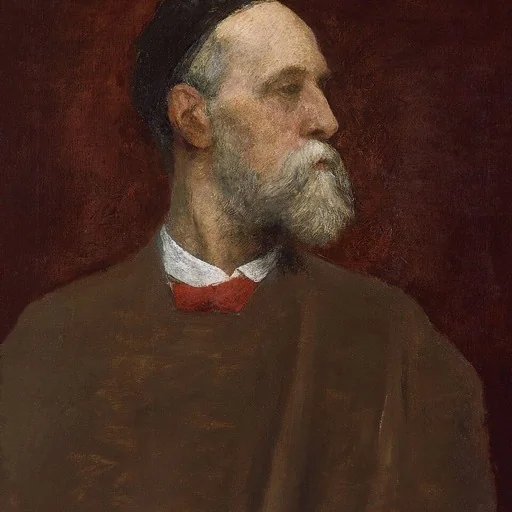
George Frederic Watts (23 February 1817 – 1 July 1904) was a British painter and sculptor associated with the Symbolist movement.

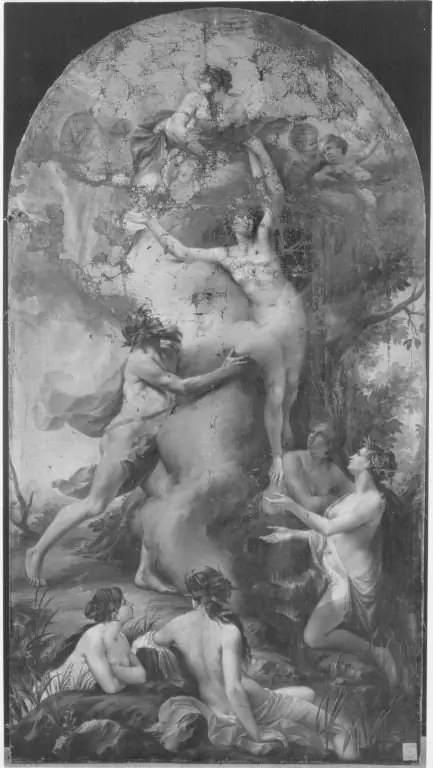 Alpheus und Arethusa
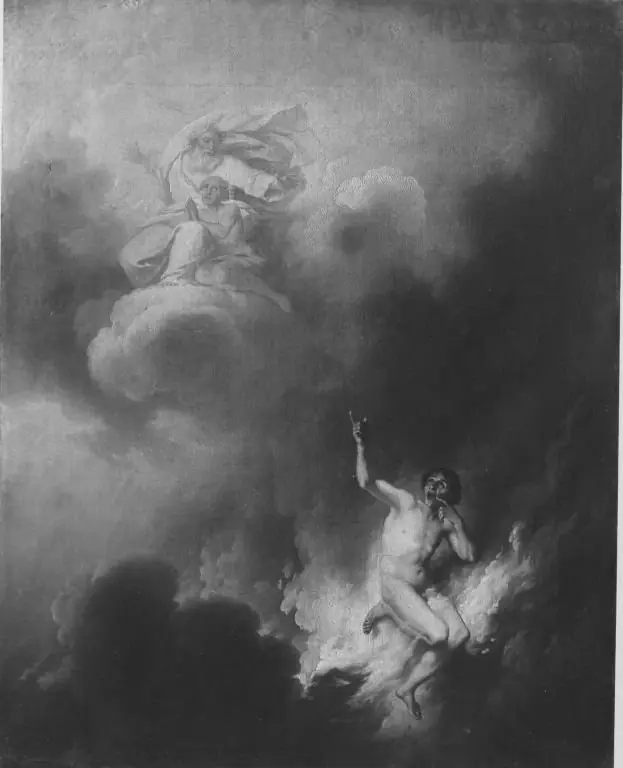 Der arme Lazarus und der reiche Prasser
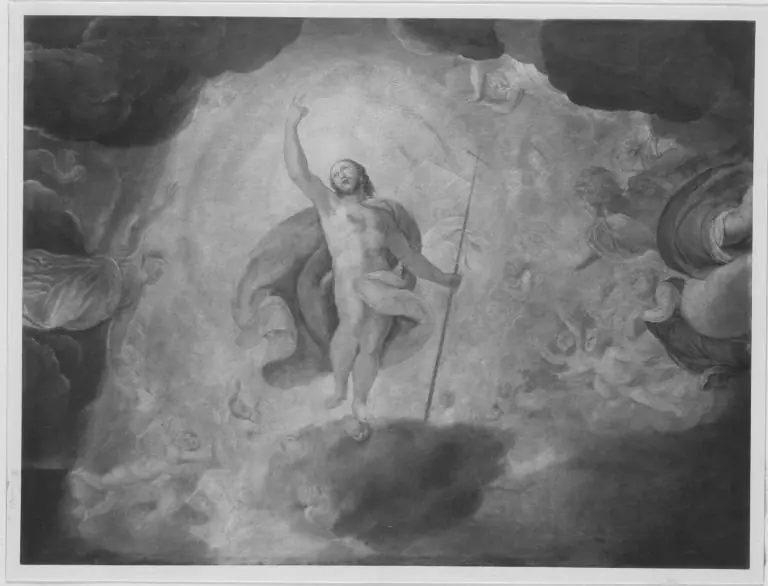 Himmelfahrt Christi
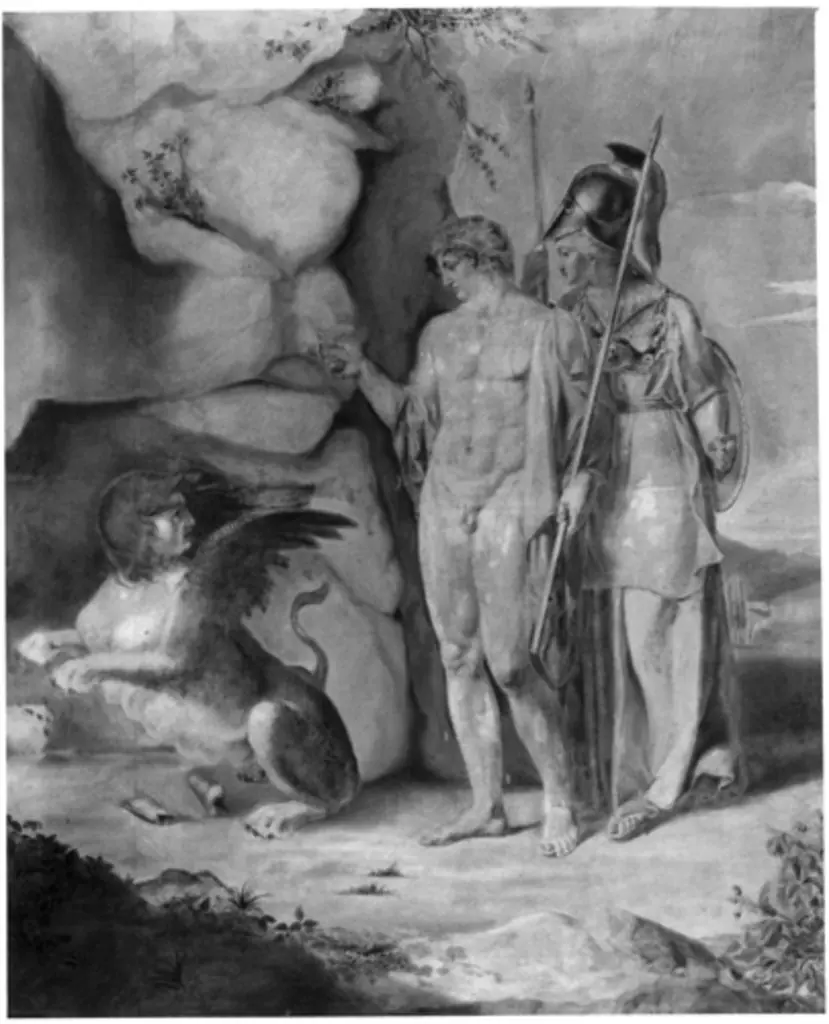 Oedipus und Minerva mit der Sphinx
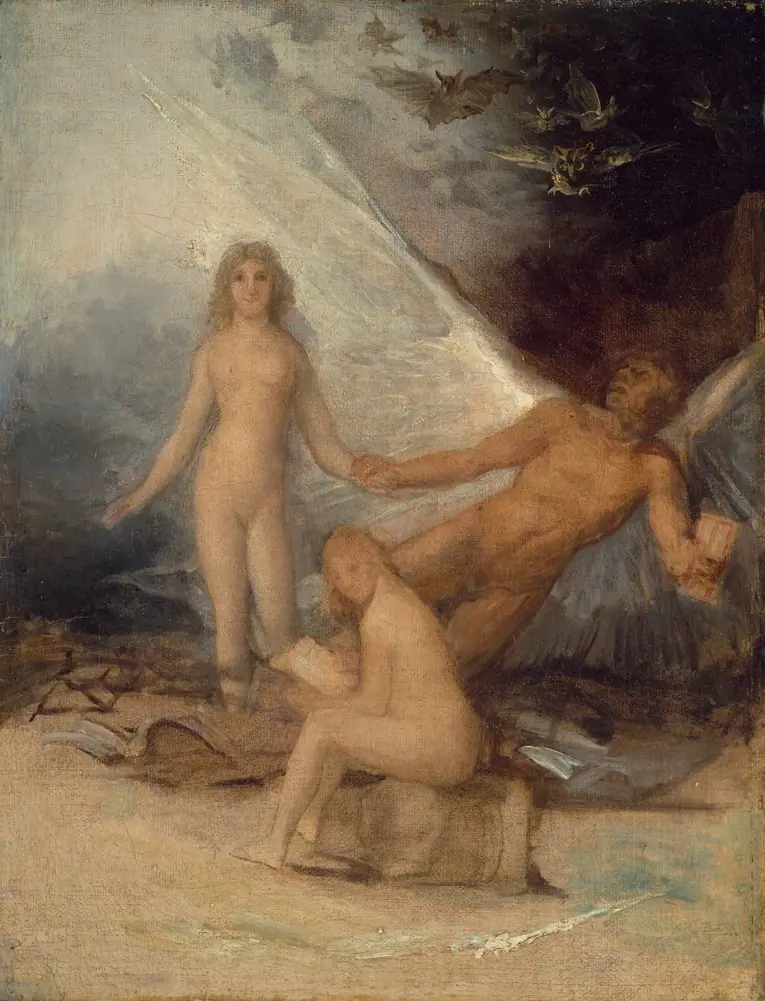 Time, Truth and History
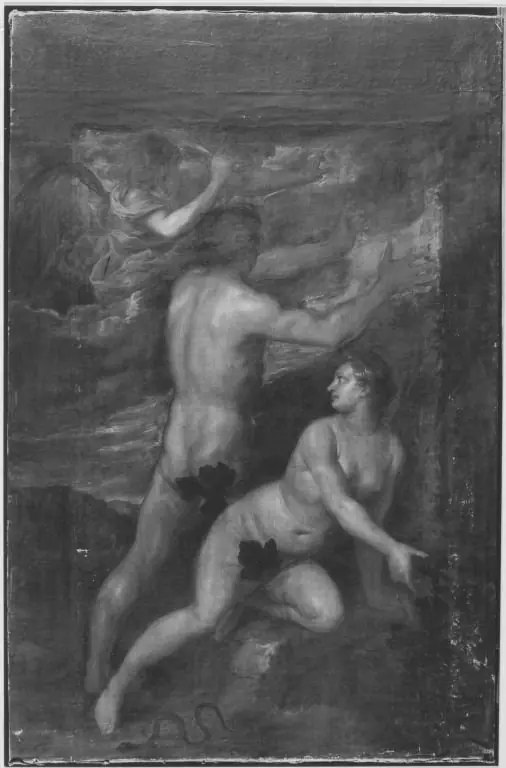 Austreibung aus dem Paradies (?)
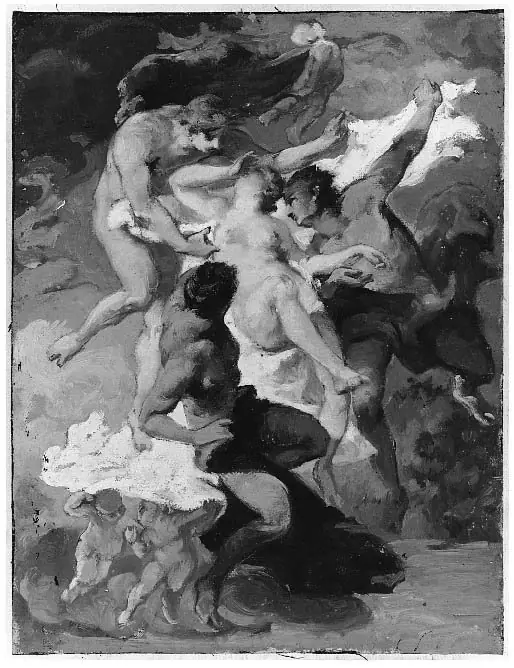 Psyche Carried Away by the Zephyrs
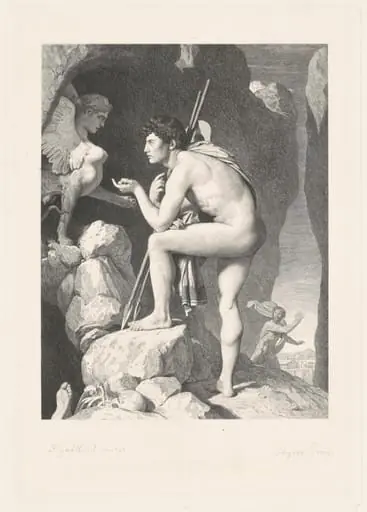 Oedipus (Oedipe)
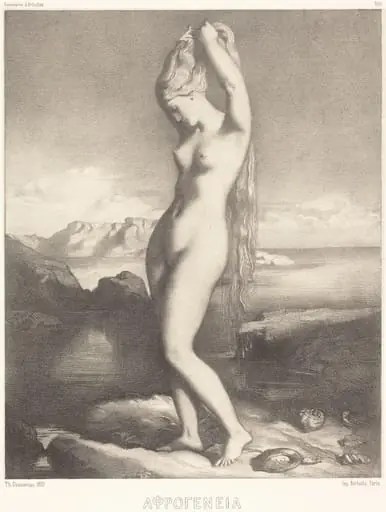 Venus Anadyomene
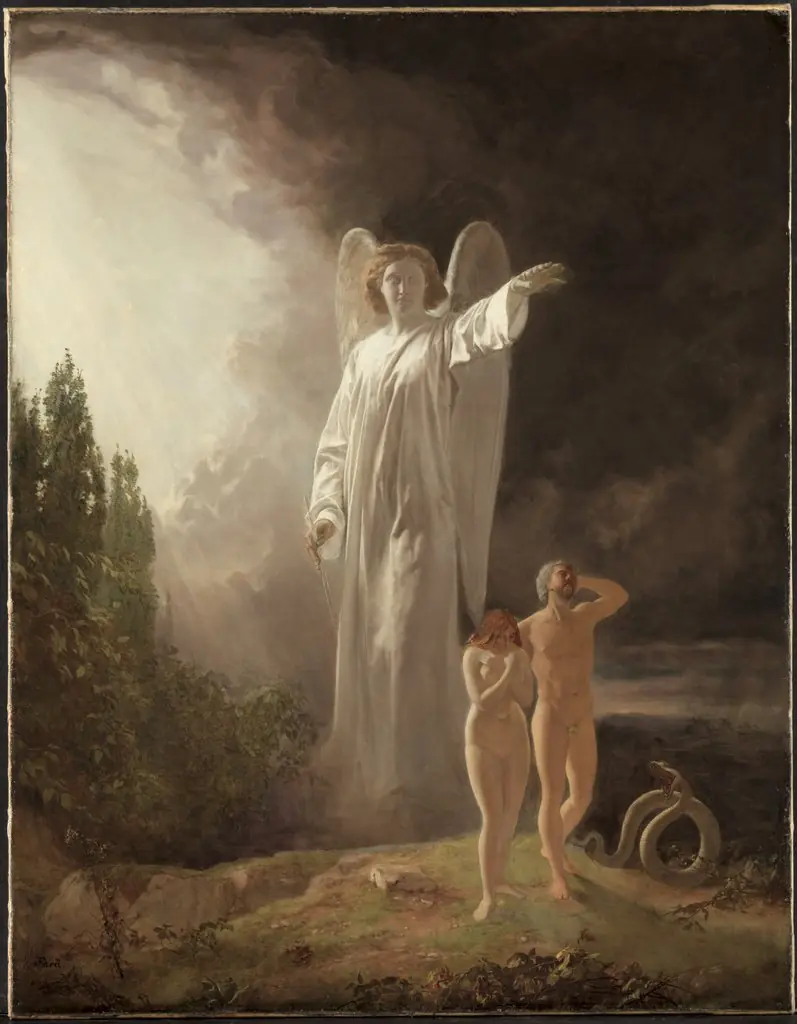 Expulsion of Adam and Eve
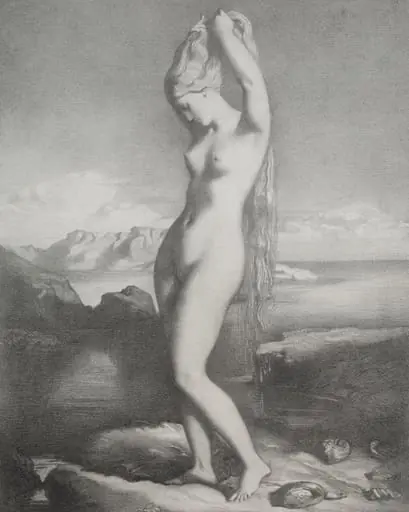 Venus Anadyomène
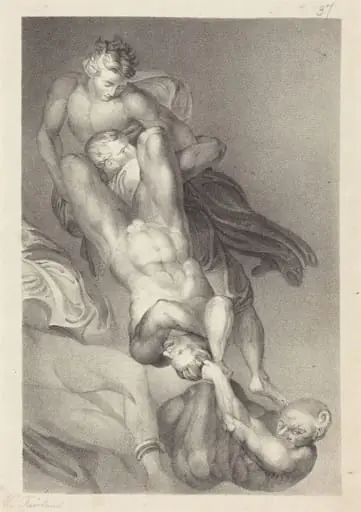 Part of the Last Judgment from Michael Angelo