Artwork
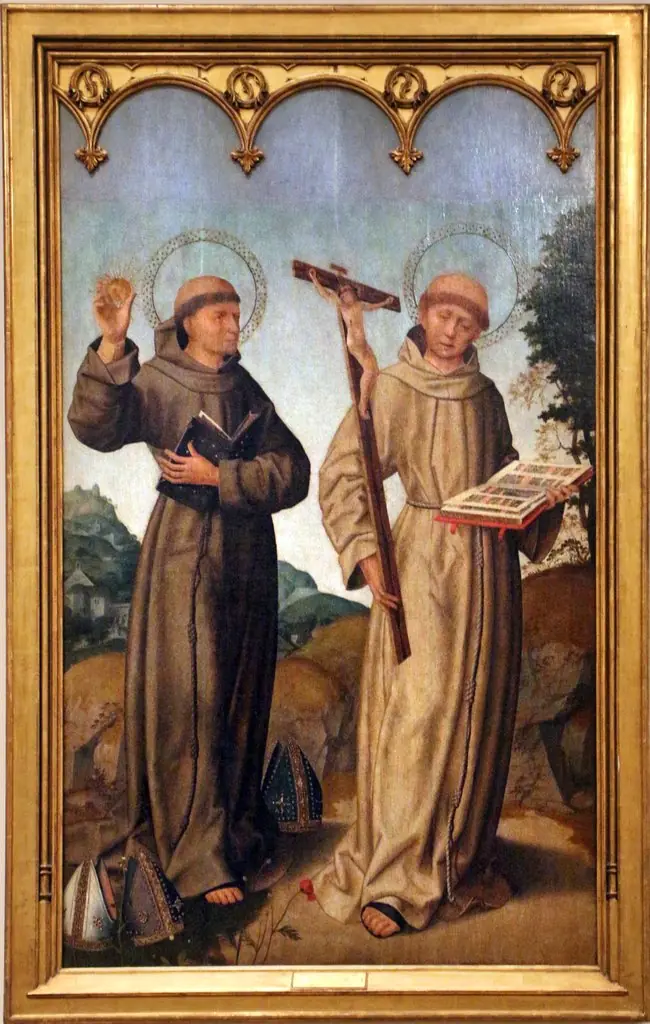
São Boaventura e São Luís de Tolosa
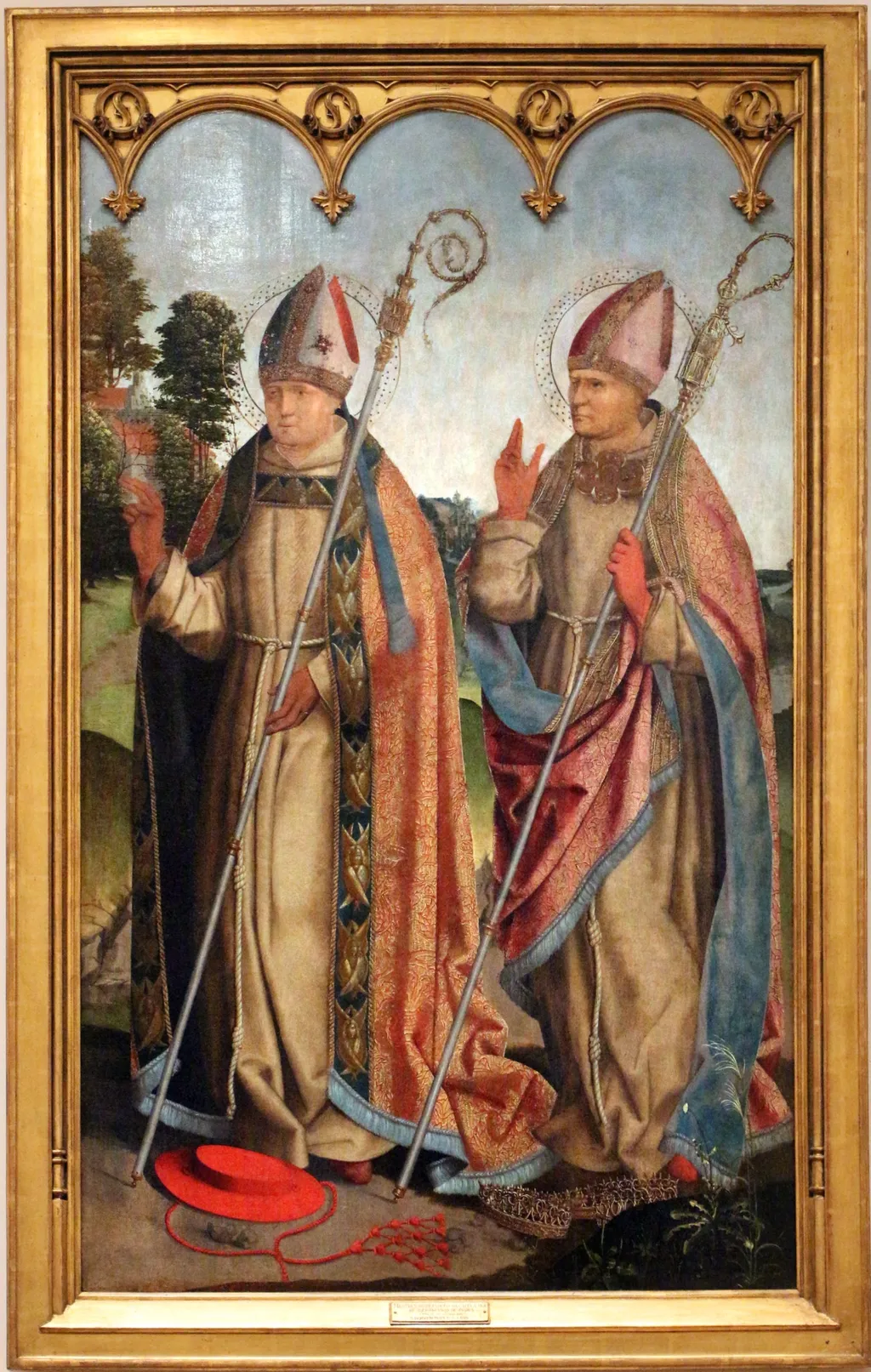
São Boaventura e São Luís de Tolosa is an unspecified painting by the Northern Renaissance artist Francisco Henriques. It dates from 1508 and is held in the collection of the National Museum of Ancient Art.
About this work
Overview
Painted in 1508 by Francisco Henriques, a Flemish artist active in Portugal, this work portrays two Catholic saints in formal, contemplative poses.
Painted in 1508 by Francisco Henriques, a Flemish artist active in Portugal, this work portrays two Catholic saints in formal, contemplative poses. Executed during the early 16th century, it reflects the influence of Northern Renaissance traditions brought to the Iberian Peninsula. The painting remains in the collection of the National Museum of Ancient Art in Lisbon, where it serves as an example of religious art produced under Flemish stylistic influence in Portugal.
Subject & Meaning
The figures are Saint Bonaventure, a Franciscan theologian, and Saint Louis of Toulouse, a royal Franciscan bishop. Their placement side by side suggests a thematic link through their shared devotion and ecclesiastical roles. The staffs they hold signify spiritual authority, while their richly detailed robes and solemn expressions convey reverence. The fallen red hat at their feet may allude to humility or the renunciation of worldly status.
Technique & Style
Henriques employed fine brushwork and meticulous attention to textile patterns, characteristic of Flemish painting. The robes display intricate embroidery rendered in subtle color gradations, while the landscape background is rendered with soft atmospheric perspective. The figures are rendered with naturalistic proportions and quiet dignity, avoiding dramatic gestures in favor of stillness, aligning with Northern Renaissance ideals of quiet devotion and material precision.
History & Provenance
Commissioned during Henriques’s time in Portugal, the painting likely originated in a religious context, possibly for a Franciscan chapel or altar. It entered the National Museum of Ancient Art’s collection in the 19th century as part of efforts to preserve Portugal’s early artistic heritage. Its survival through centuries of religious and political change underscores its enduring cultural significance within Portuguese ecclesiastical art.
Context
In early 16th-century Portugal, Flemish artists were highly sought after for their technical skill and detailed realism. Henriques’s work reflects the broader trend of Northern European styles influencing Iberian religious art, especially in regions with strong trade ties to Flanders. This painting exemplifies how local devotional needs were met through imported artistic conventions, blending Flemish precision with Portuguese spiritual priorities.
Legacy
Though Henriques’s oeuvre is limited, this painting remains one of the few securely attributed works by him. It contributes to the understanding of how Flemish techniques were adapted in Portugal during the transition from medieval to early modern religious art. Scholars continue to study it as a key example of cross-cultural artistic exchange in early Renaissance Iberia.
Artist & collection
Artist
Francisco Henriques (died 1518) was a Flemish Renaissance painter active in Portugal in the early 16th century.

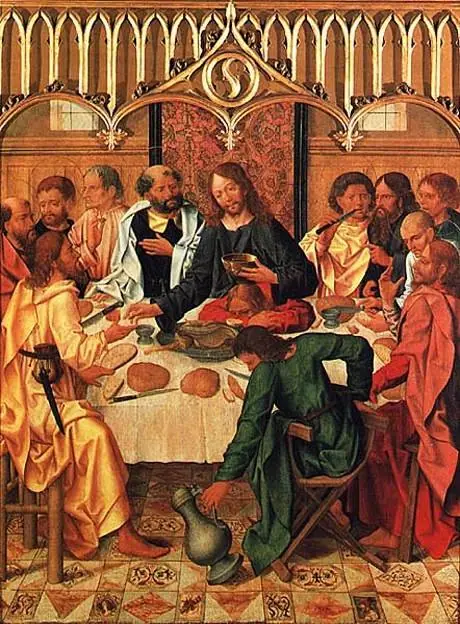
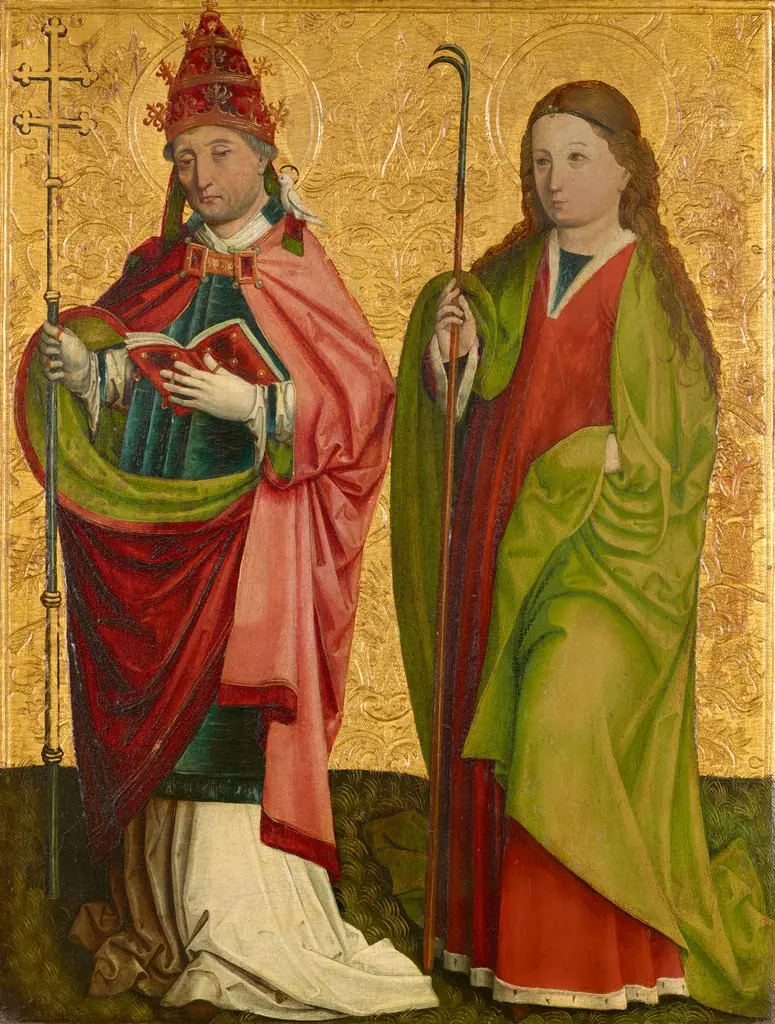 Rechter Flügel des sog. Pretschlaipfer-Triptychons: Hll. Gregor und Agathe (Innenseite); Hll. Erasmus und Barbara (Außenseite)
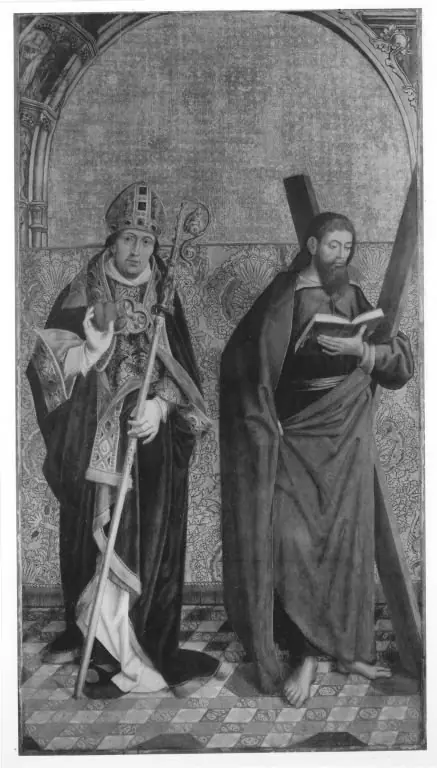 Die hll. Augustinus und Andreas Außenseite: Buße des hl. Hieronymus und kniende Nonne
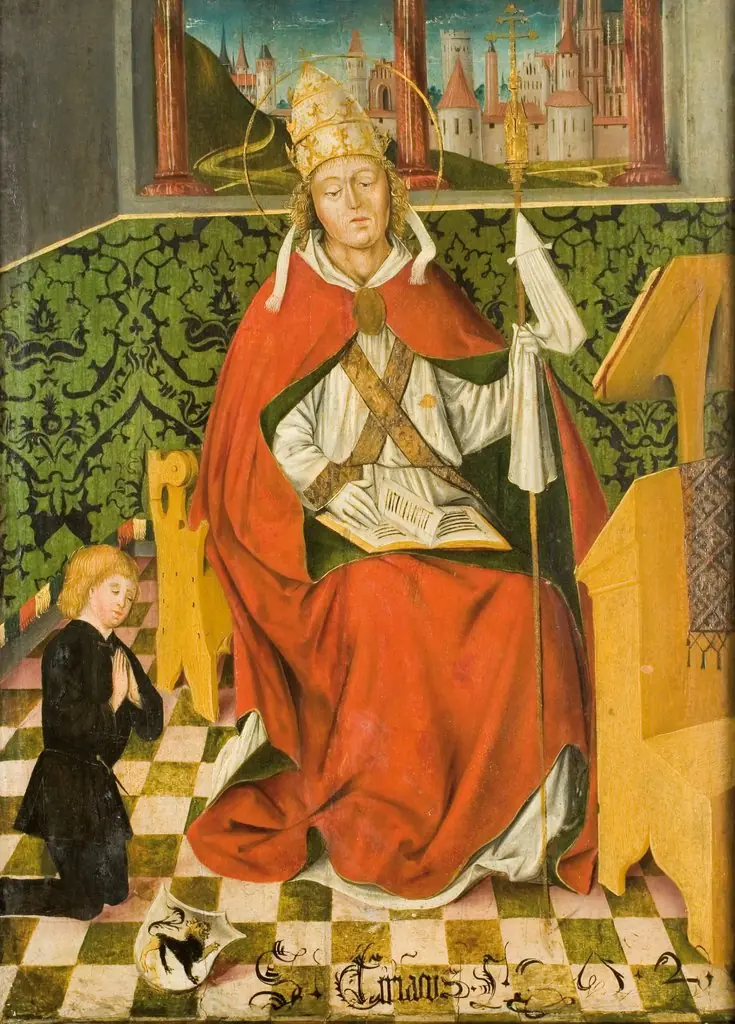 Hl. Cyriakus mit Stifter
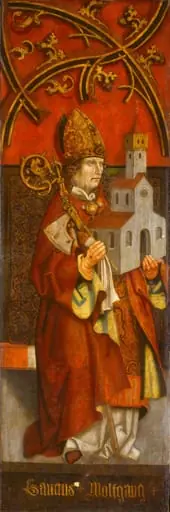 Saint Wolfgang
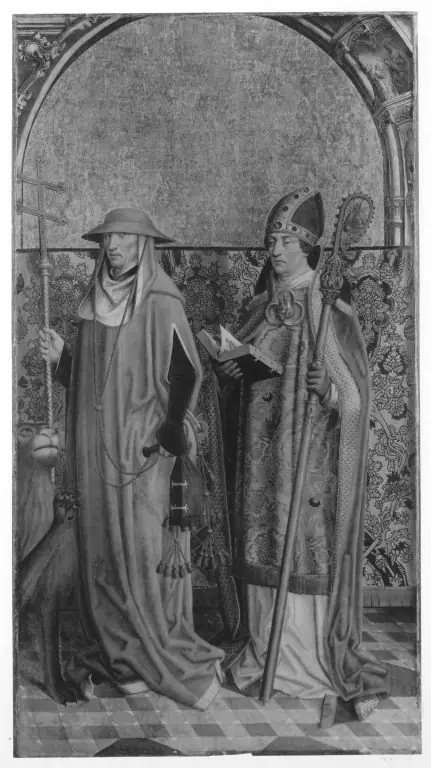 St. Jerome and a bishop
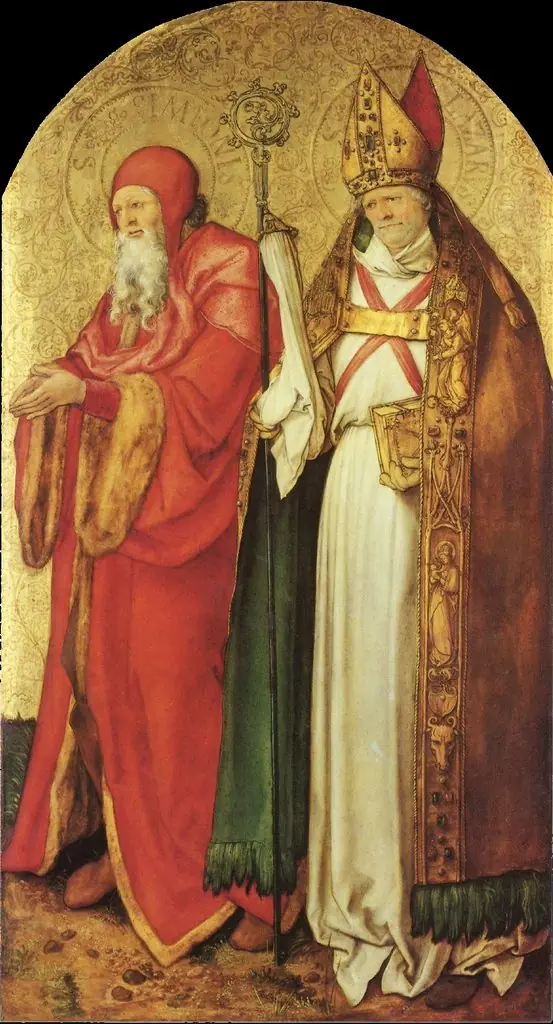 Jabach Altar: Saints Simeon and Lazarus
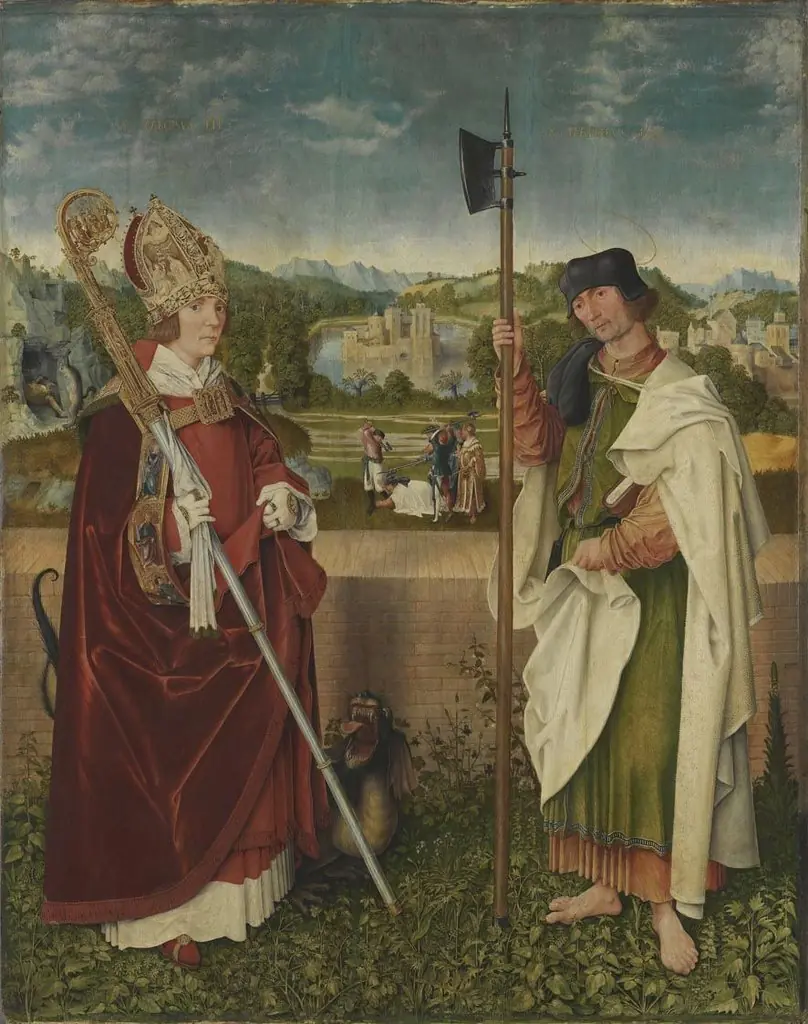 Universitätsaltar: Hll. Narzissus und Mathäus
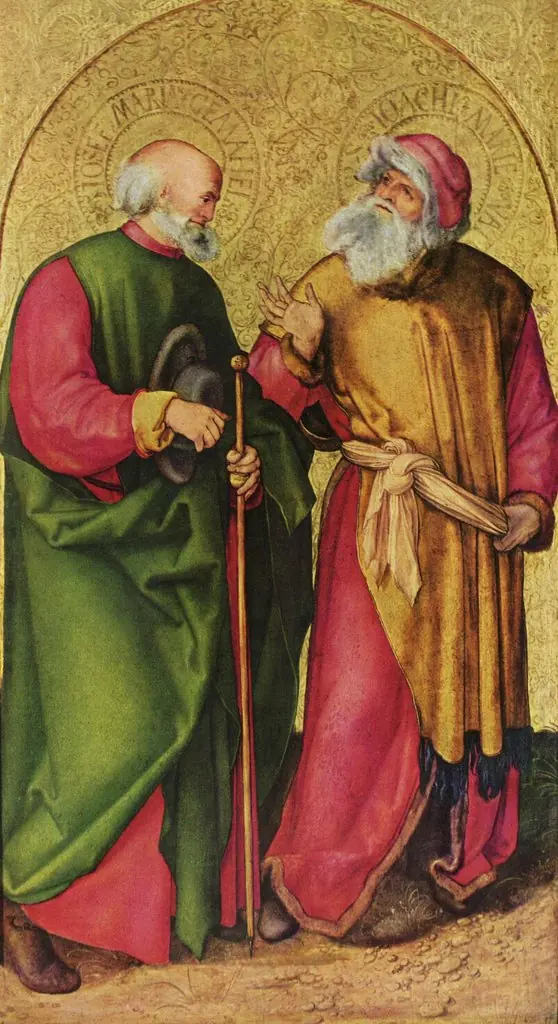 Jabach Altar: Saints Joseph and Joachim
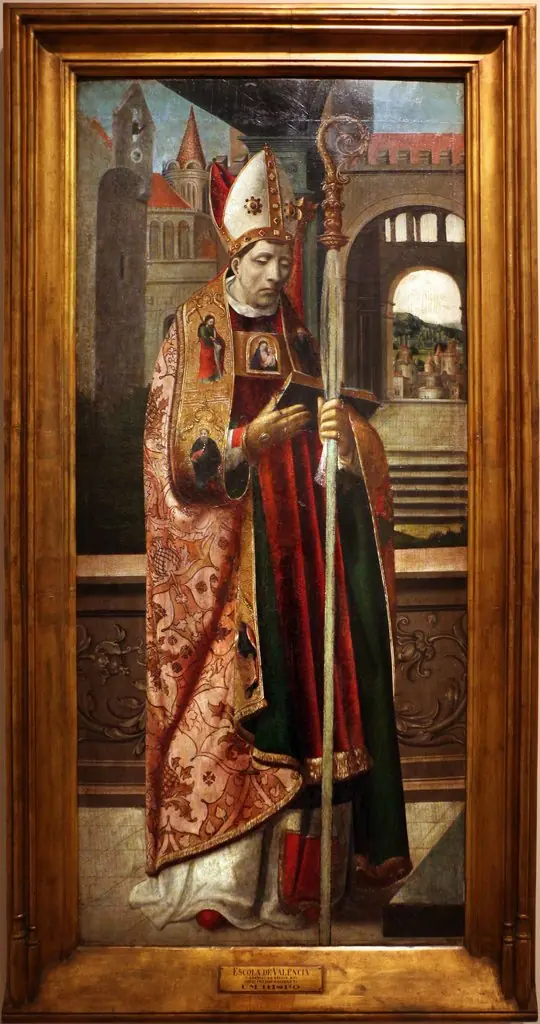 due vescovi
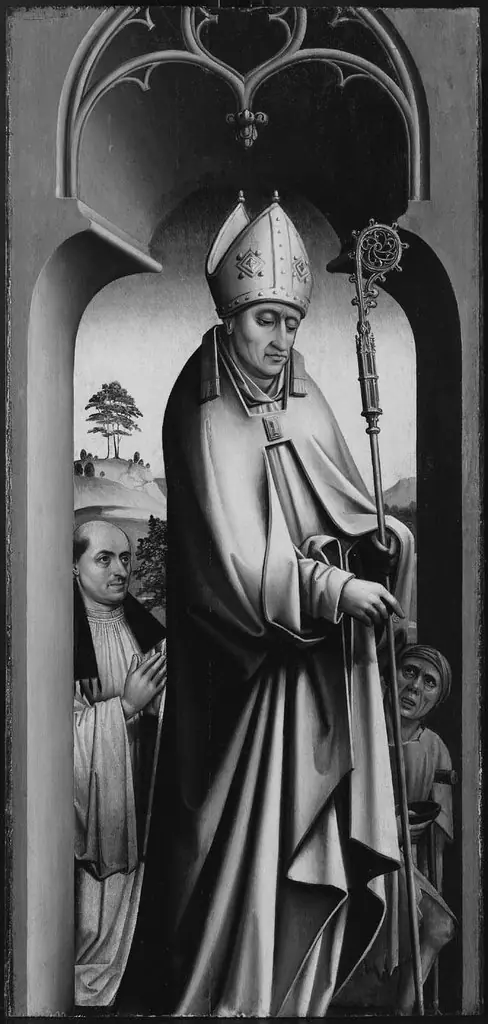 Pilate Washing his Hands and Saint Martin of Tours with a Beggar and the Donor
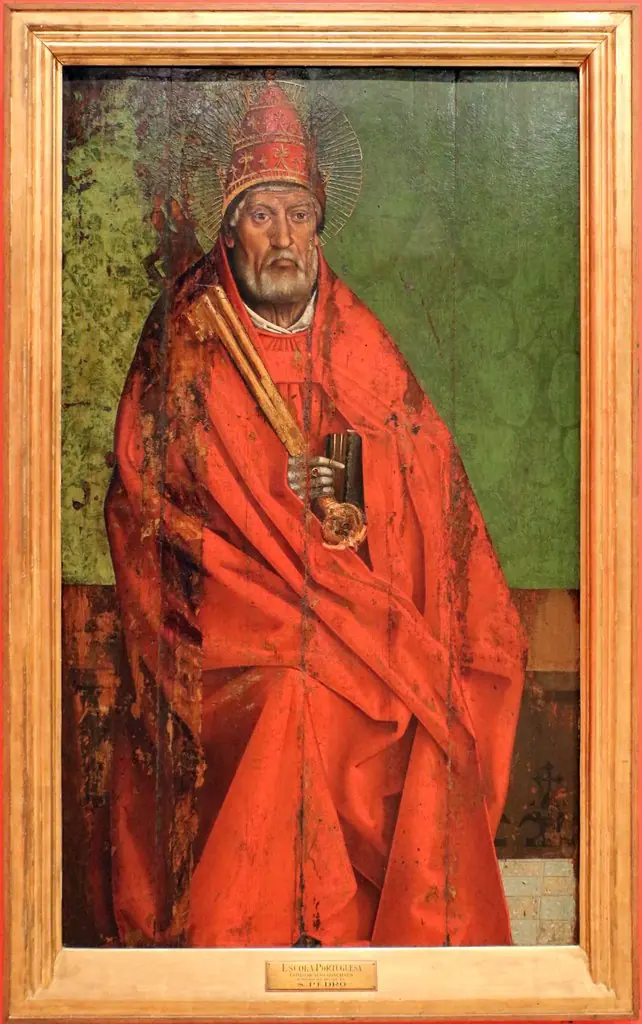 São Pedro