Artwork
Otro modo de cazar a pie (Another Way of Hunting on Foot)
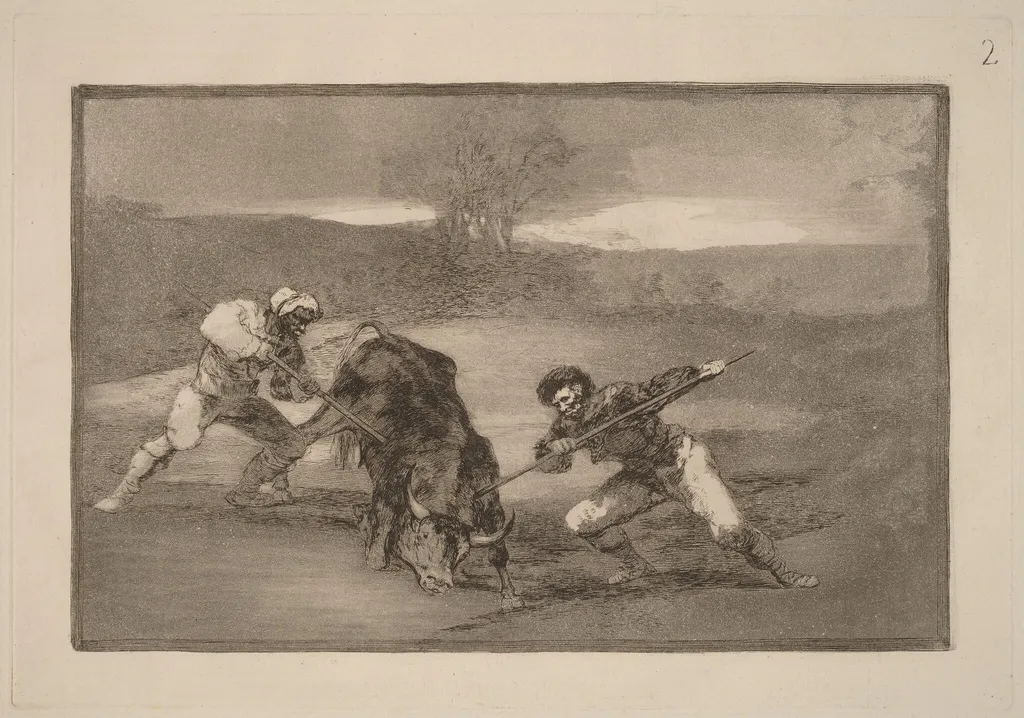
Otro modo de cazar a pie (Another Way of Hunting on Foot) is an ink print by the Romanticist artist Francisco Goya. It dates from 1816 and is held in the collection of the National Gallery of Art.
About this work
Overview
The work belongs to his first edition of prints, produced during a period when Goya turned increasingly toward dark, unflinching subjects.
Created in 1816, *Otro modo de cazar a pie* is a print by Francisco Goya that combines etching, burnished aquatint, drypoint, and burin. It is part of a series reflecting his mature engagement with human behavior and societal violence. The work belongs to his first edition of prints, produced during a period when Goya turned increasingly toward dark, unflinching subjects. Its technical complexity underscores his mastery of graphic media and his shift from decorative to critical imagery.
Subject & Meaning
The scene portrays three men pursuing a bull across an open landscape, each armed with sticks or a spear. The bull, rendered with muscular tension, charges forward as dust rises beneath its hooves. The figures’ frantic movements suggest a ritualized, almost absurd violence. Goya does not glorify the hunt; instead, he presents it as chaotic and primal, possibly critiquing the brutality embedded in Spanish traditions or the irrationality of power.
Technique & Style
Goya employed multiple intaglio techniques to achieve varied textures: etching for fine lines, drypoint for rich, fuzzy shadows, burnished aquatint for tonal gradations, and burin for sharp, incised contours. The rough, energetic strokes convey motion and urgency, while the stark contrast between detailed figures and minimal background heightens the scene’s immediacy. The absence of decorative elements focuses attention on raw physicality and psychological intensity.
History & Provenance
This print was produced during Goya’s later years, following his recovery from a severe illness and amid Spain’s political instability after the Napoleonic Wars. It was included in his private portfolio of prints, later published as *Los Disparates*. Unlike his earlier commissioned works, this piece was not intended for public sale but as a personal commentary. The first edition impression is rare, with few surviving copies held in major institutional collections.
Context
Goya created this work amid Spain’s turbulent transition from absolutism to liberal reform, a time when traditional institutions were being questioned. The bull hunt, a cultural staple, may have served as a metaphor for societal chaos or the futile pursuit of control. His prints from this era often subverted romanticized narratives, replacing them with unsettling truths about human nature, power, and violence.
Legacy
This print exemplifies Goya’s influence on modern graphic art through its emotional rawness and technical innovation. His use of printmaking as a vehicle for social critique paved the way for later artists who embraced the medium for political expression. The work’s unidealized depiction of violence and its psychological depth continue to resonate in contemporary discussions of art’s role in confronting uncomfortable realities.
Own this work as a print
Artist & collection
Artist
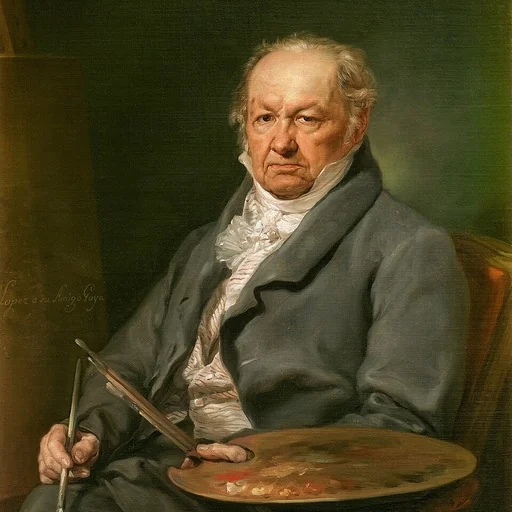
Francisco José de Goya y Lucientes (; Spanish: ; 30 March 1746 – 16 April 1828) was a Spanish romantic painter and printmaker.

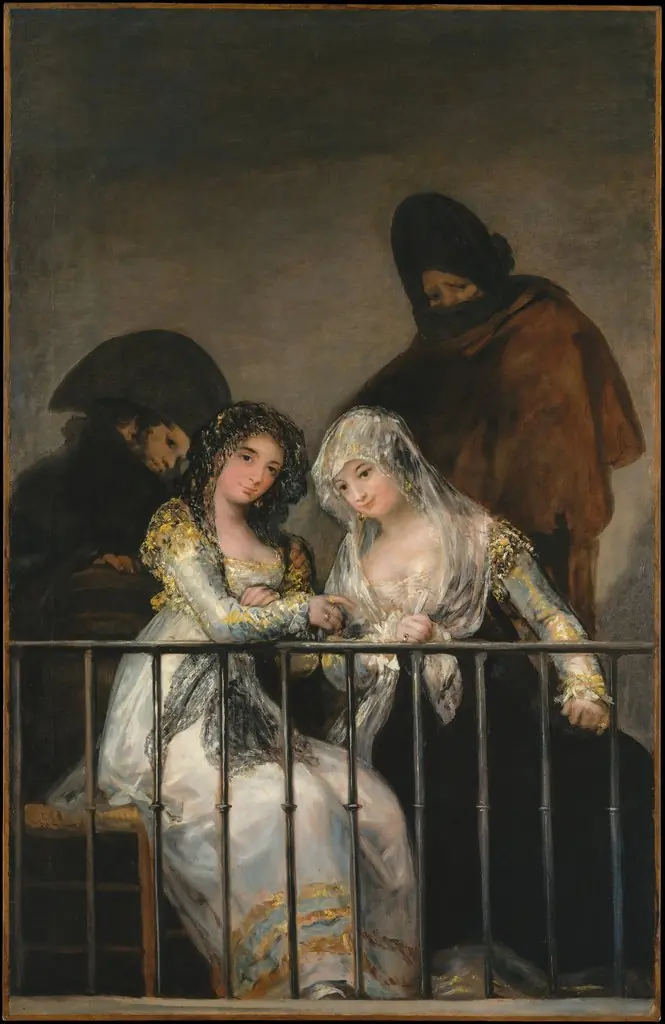
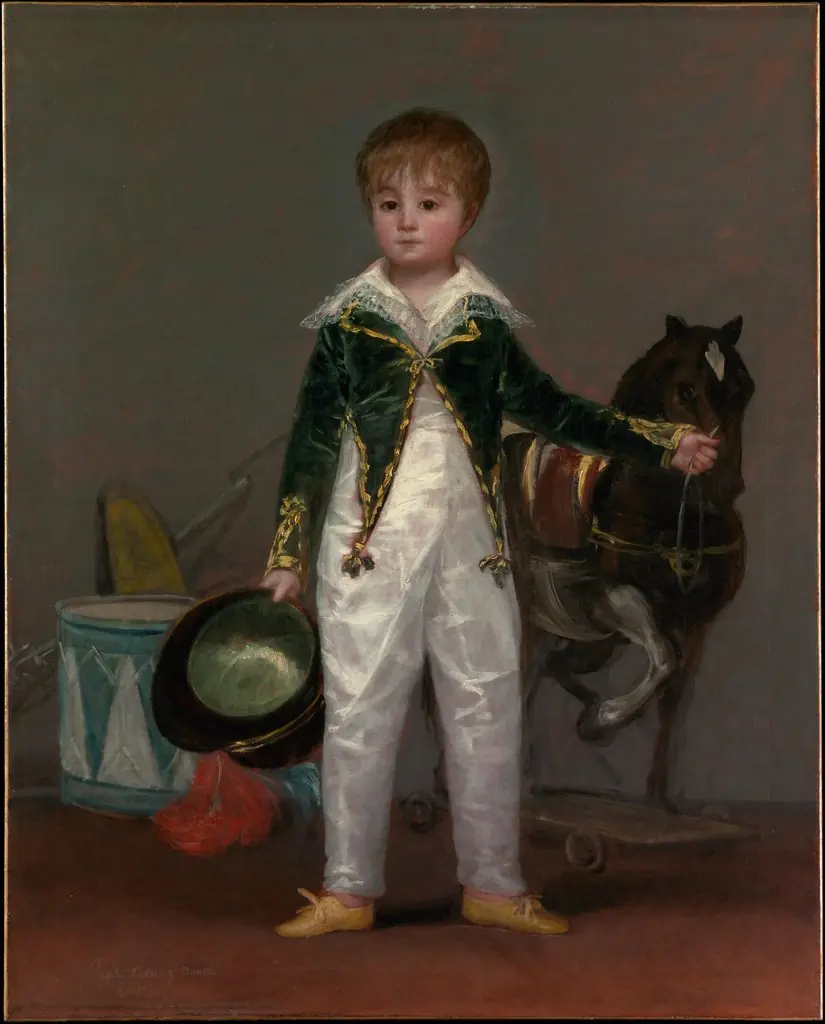
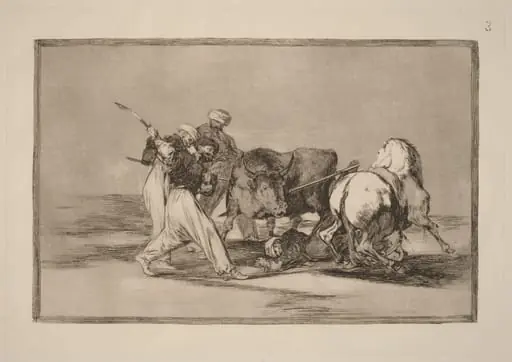 Los moros establecidos en Espana, prescindiendo de las supersticiones de su Alcoran, adoptaron esta caza y arte, y lancean un toro en el campo (The Moors Settled in Spain, Giving up the Superstitions of the Koran, Adopted This Art of Hunting, and Spear a Bull in the Open)
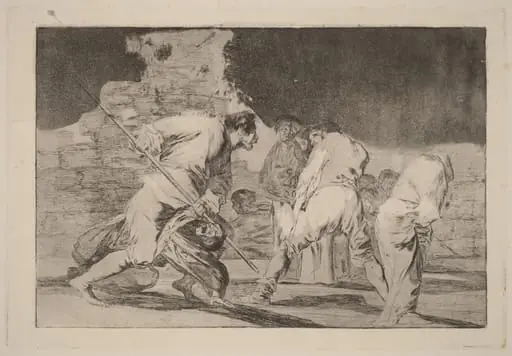 Disparate furioso (Furious Folly)
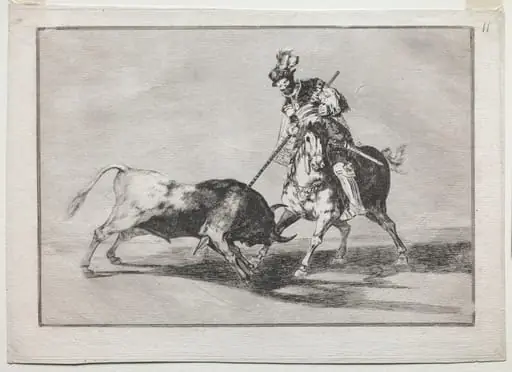 The Cid Campeador Spearing Another Bull
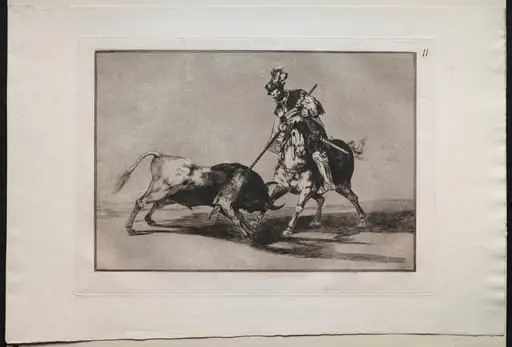 Bullfights: El Cid Campeador Spearing Another Bull
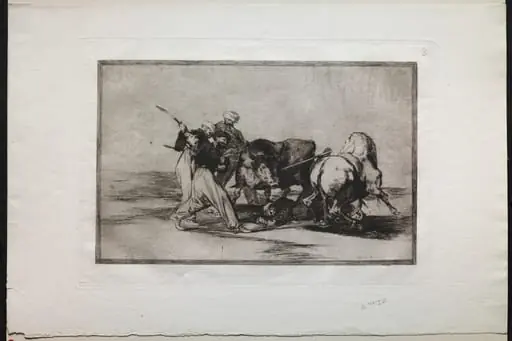 Bullfights: The Moors Settled in Spain, Giving Up the Superstitions of the Qur’an, Adopted this Art of Hunting, and Spear a Bull in the Open
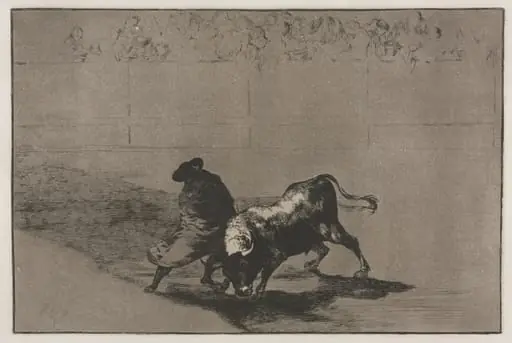 Bullfights: The Very Skilful Student of Falces, Wrapped in his Cape, Tricks the Bull with the Play of his Body
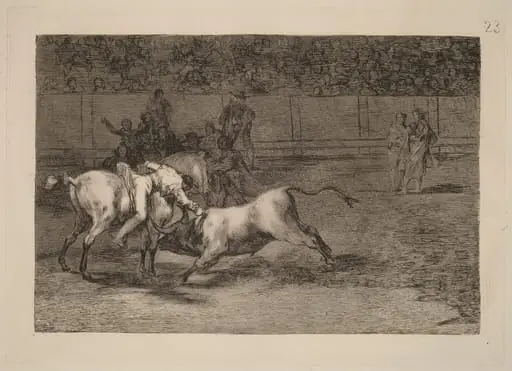 Mariano Ceballos, alias el Indio, mata el toro desde su caballo (Mariano Ceballos, Alias the Indian, Kills the Bull from His Horse)
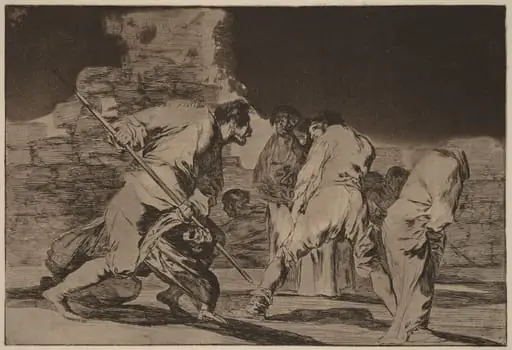 Disparate furioso (Furious Folly)
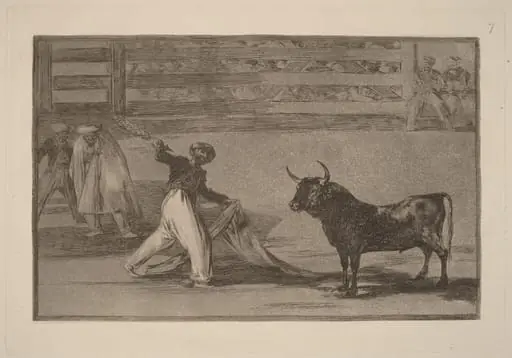 Origen de los arpones o banderillas (Origin of the Harpoons or Banderillas)
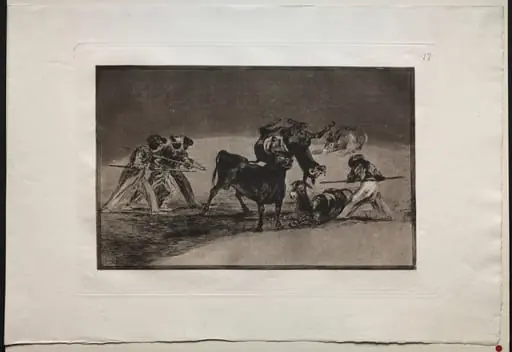 Bullfights: The Moors Use Donkeys as a Barrier to Defend Themselves Against the Bull Whose Horns Have Been Tipped with Balls
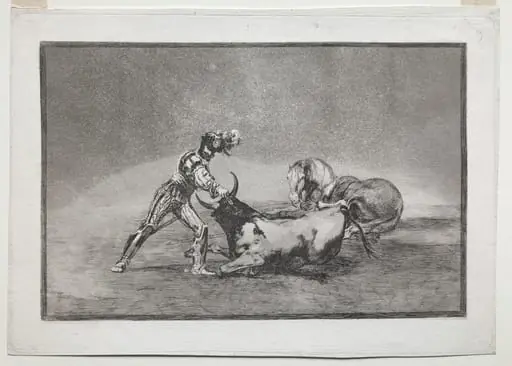 La Tauramaquia: A Spanish Knight Kills the Bull after Having Lost His Horse
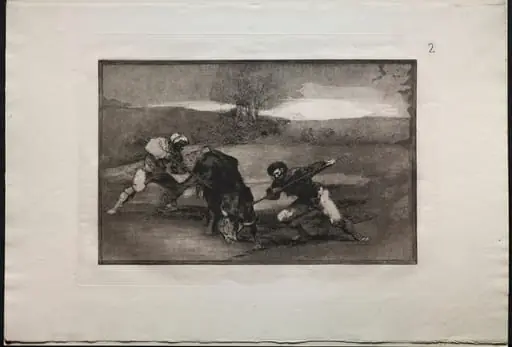 Bullfights: Another Way of Hunting on Foot