Artwork
Noli me tangere
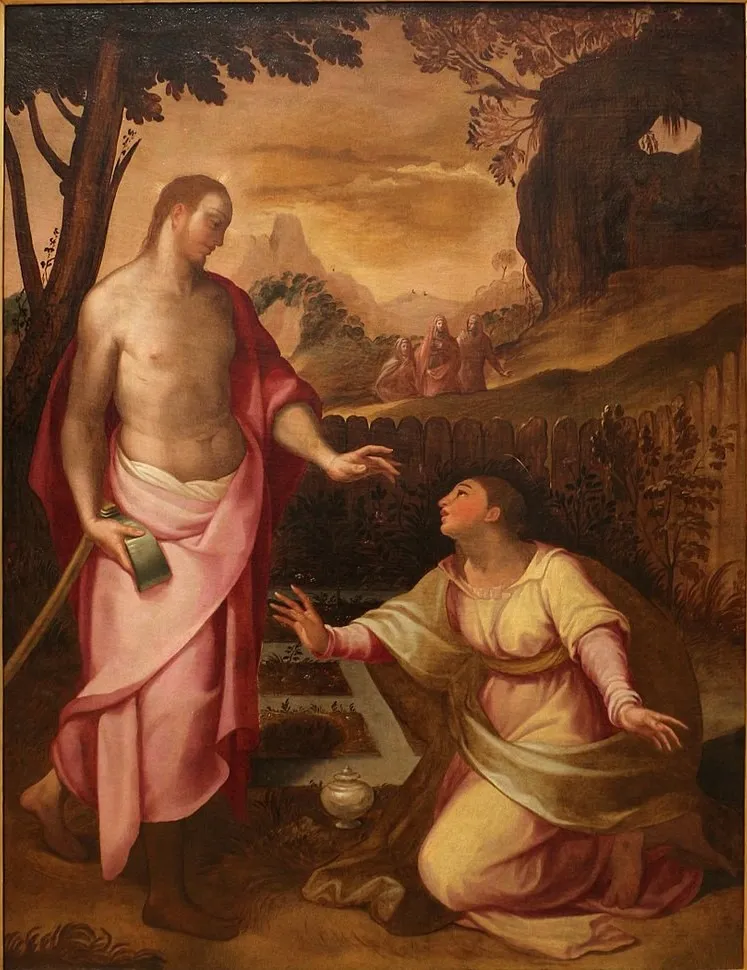
Noli me tangere is an unspecified painting by the Early Baroque Italian artist Francisco Venegas. It is held in the collection of the National Museum of Ancient Art.
About this work
Overview
Executed in a style influenced by early Baroque Italian painting, the work reflects the transitional aesthetic of late 16th-century Iberian religious art.
Painted in 1596 by Francisco Venegas, a Spanish artist working in Portugal, this oil on panel depicts the moment after Christ’s resurrection when he tells Mary Magdalene not to touch him. Executed in a style influenced by early Baroque Italian painting, the work reflects the transitional aesthetic of late 16th-century Iberian religious art. It is now part of the collection at the National Museum of Ancient Art in Lisbon.
Subject & Meaning
The scene illustrates John 20:17, where the risen Christ, appearing to Mary Magdalene in a garden, forbids physical contact as he prepares to ascend. Mary, kneeling in reverence, reaches toward him with open hands, while Christ, standing with gentle gesture, conveys both divine authority and compassion. The moment captures spiritual transition—earthly attachment giving way to transcendent presence.
Technique & Style
Venegas employs soft modeling and muted tones to create a quiet, contemplative mood. Figures are rendered with elongated proportions typical of Mannerism, yet the composition shows emerging Baroque sensitivity to light and emotional nuance. The background landscape, with distant figures and rolling hills, recedes subtly, enhancing the intimacy of the central encounter without distracting from its spiritual weight.
History & Provenance
Commissioned during Venegas’s time in Portugal, the painting likely originated in a religious context, possibly for a monastery or chapel. It entered the National Museum of Ancient Art’s collection in the 19th century as part of a broader effort to preserve Portuguese ecclesiastical art. Its attribution to Venegas is supported by stylistic parallels with his documented works from the 1590s.
Context
In late 16th-century Portugal, religious imagery remained central to artistic production under the Counter-Reformation. Venegas, trained in Spain but active in Lisbon, absorbed Italian innovations through prints and imported works. His adaptation of Baroque naturalism into a restrained, devotional framework reflects the broader trend of blending international styles with local spiritual priorities.
Legacy
Though not widely known outside Portugal, Venegas’s 'Noli me tangere' exemplifies the quiet synthesis of Mannerist form and emerging Baroque emotion in Iberian religious painting. It stands as a representative work of a generation of artists who mediated Italian trends within a distinctly Portuguese devotional culture, preserving a moment of theological stillness in paint.
Artist & collection
Artist
Francisco Venegas (c. 1525 – 1594), was a Spanish painter active in Portugal in the last quarter of the sixteenth century. He was one of the most notable mannerist painters active in the country during that period.

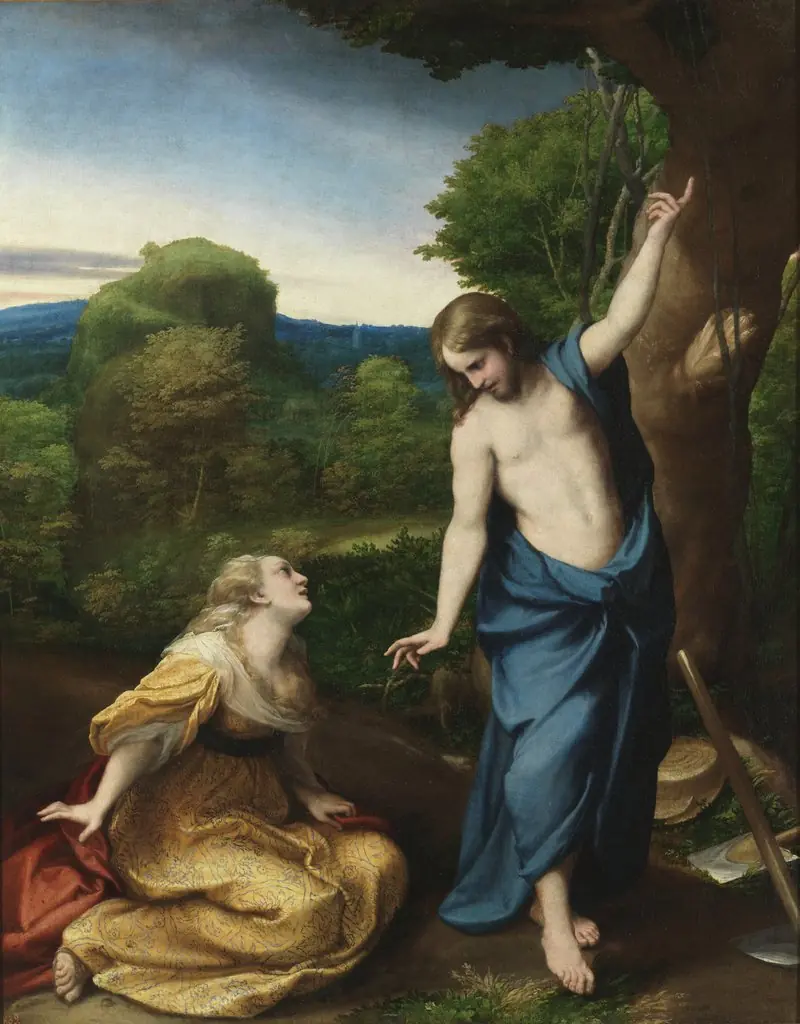 Noli me tangere
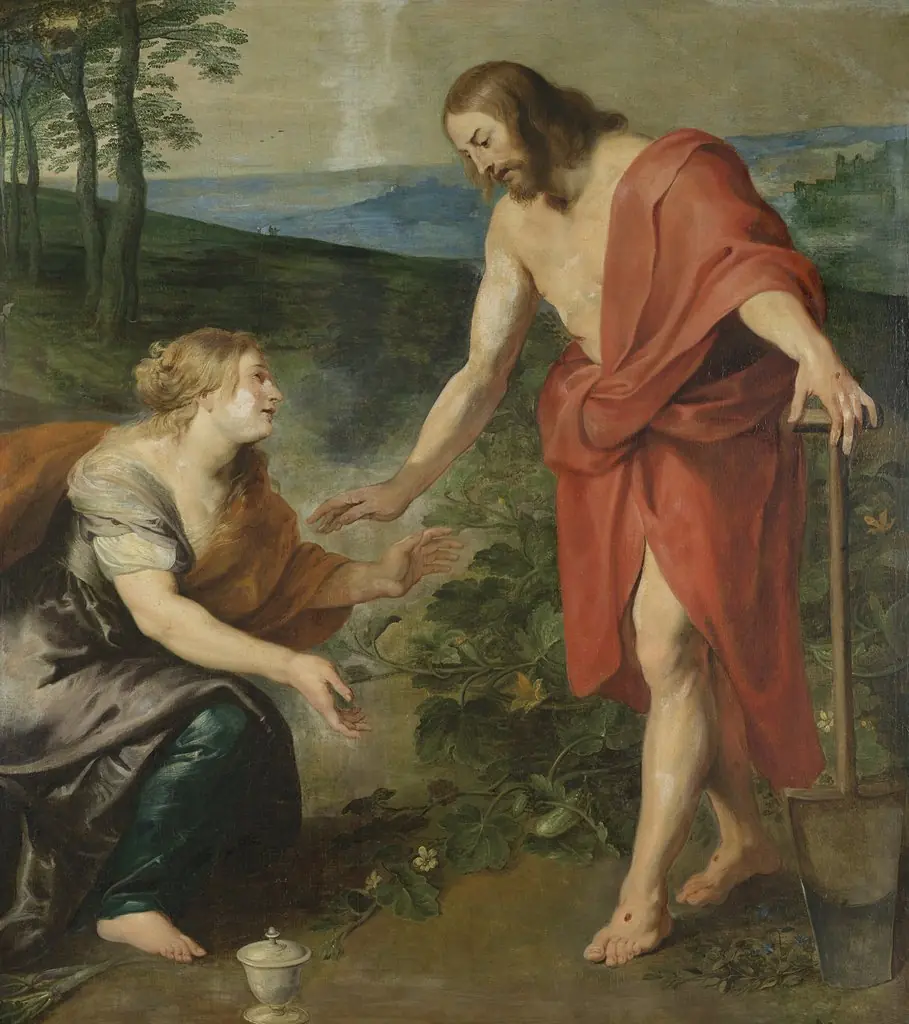 'Noli me tangere': the meeting of Christ and Mary Magdalene
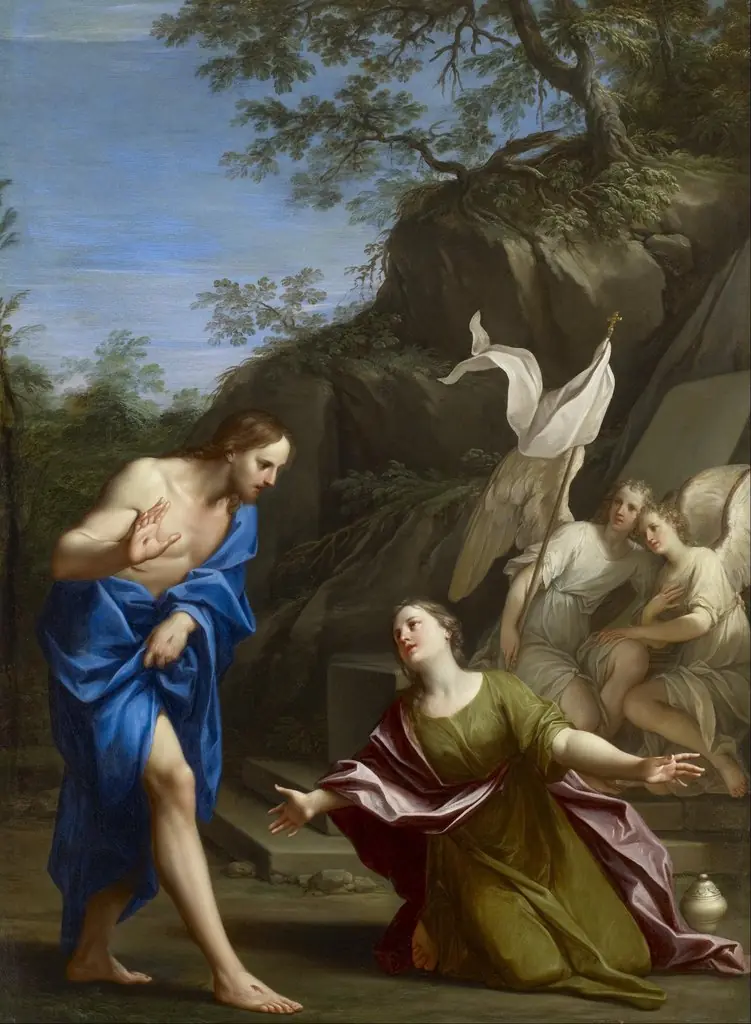 Noli Me Tangere ("Touch me not")
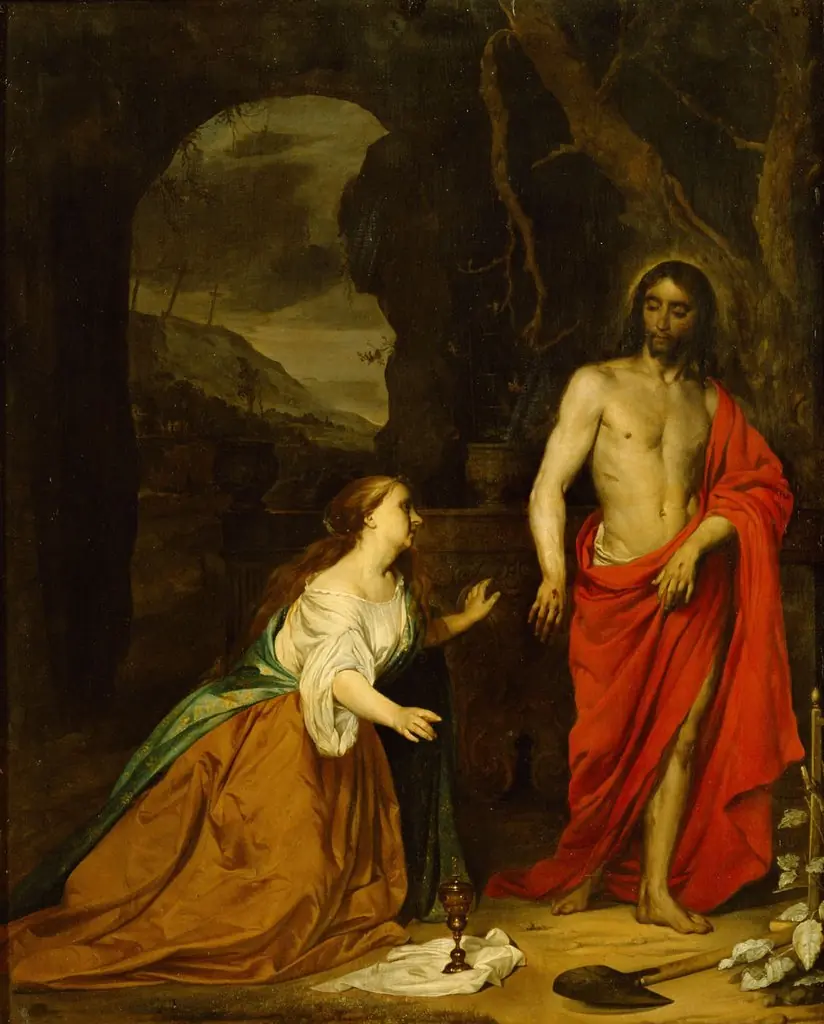 Noli me tangere
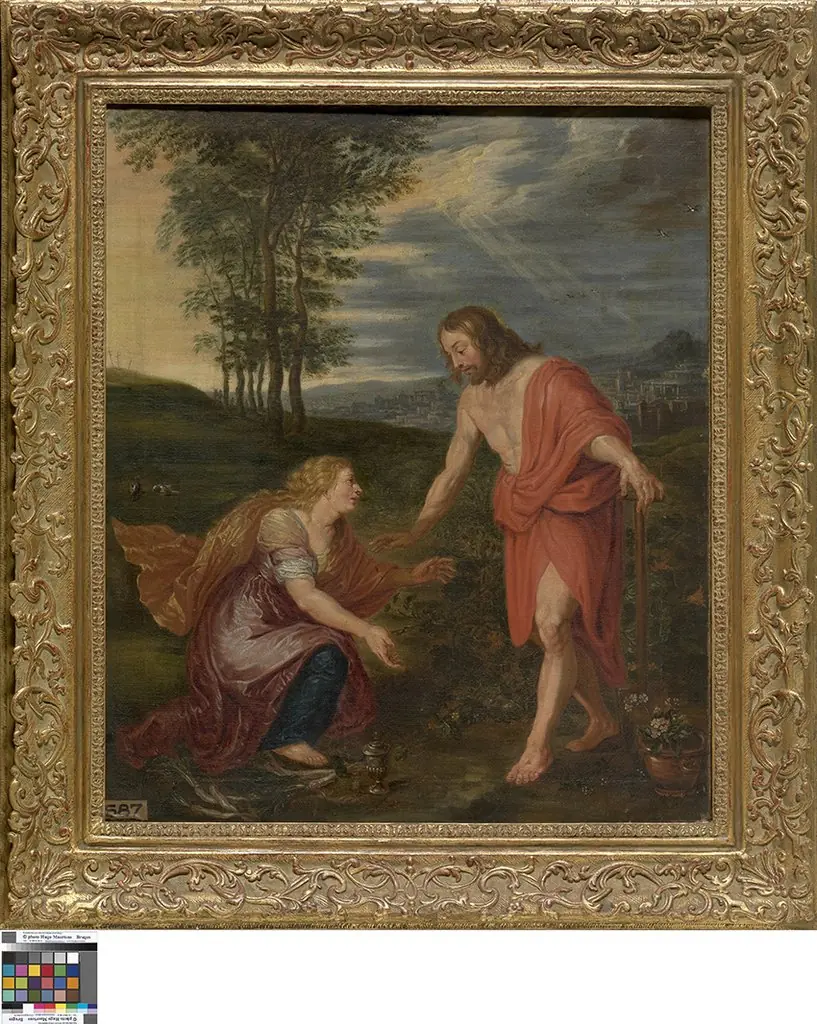 Noli me tangere
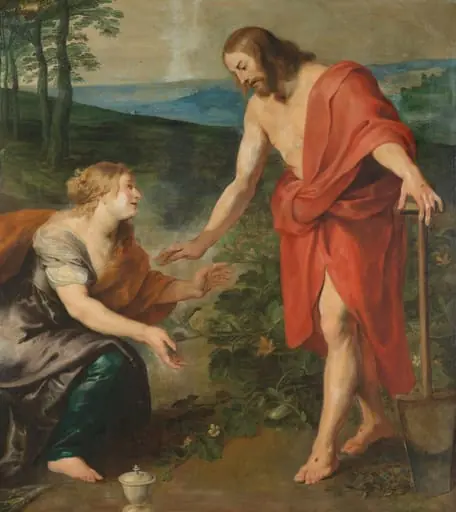 Christ Appearing to Mary Magdalen as a Gardener (Noli me Tangere)
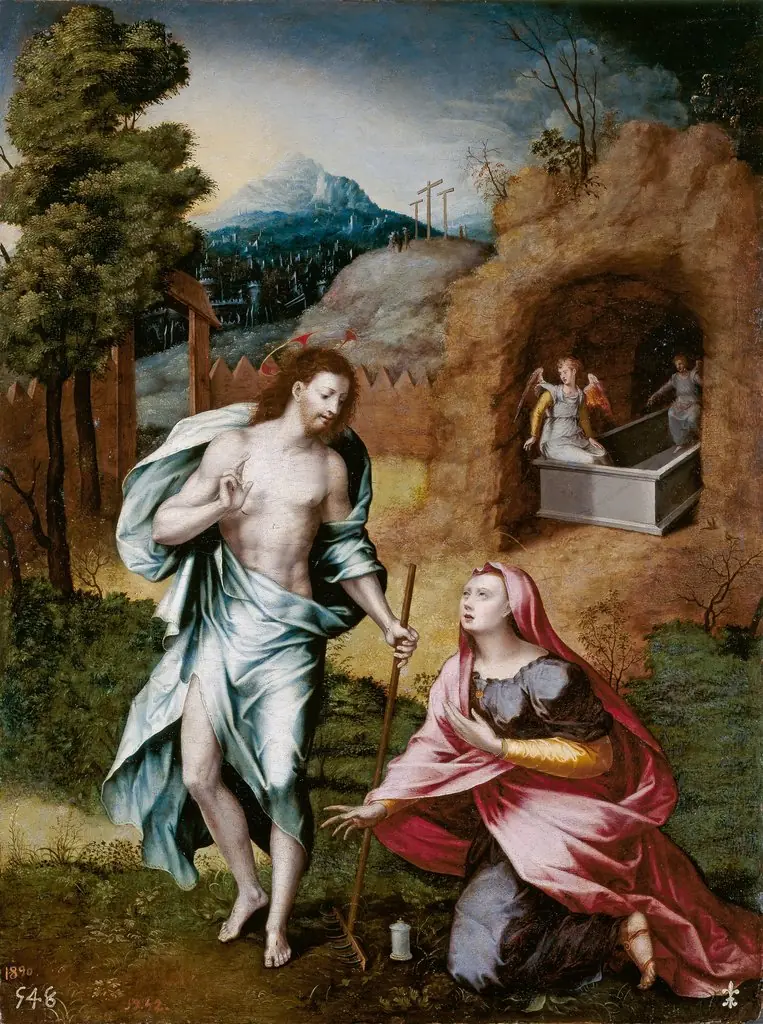 Noli Me Tangere
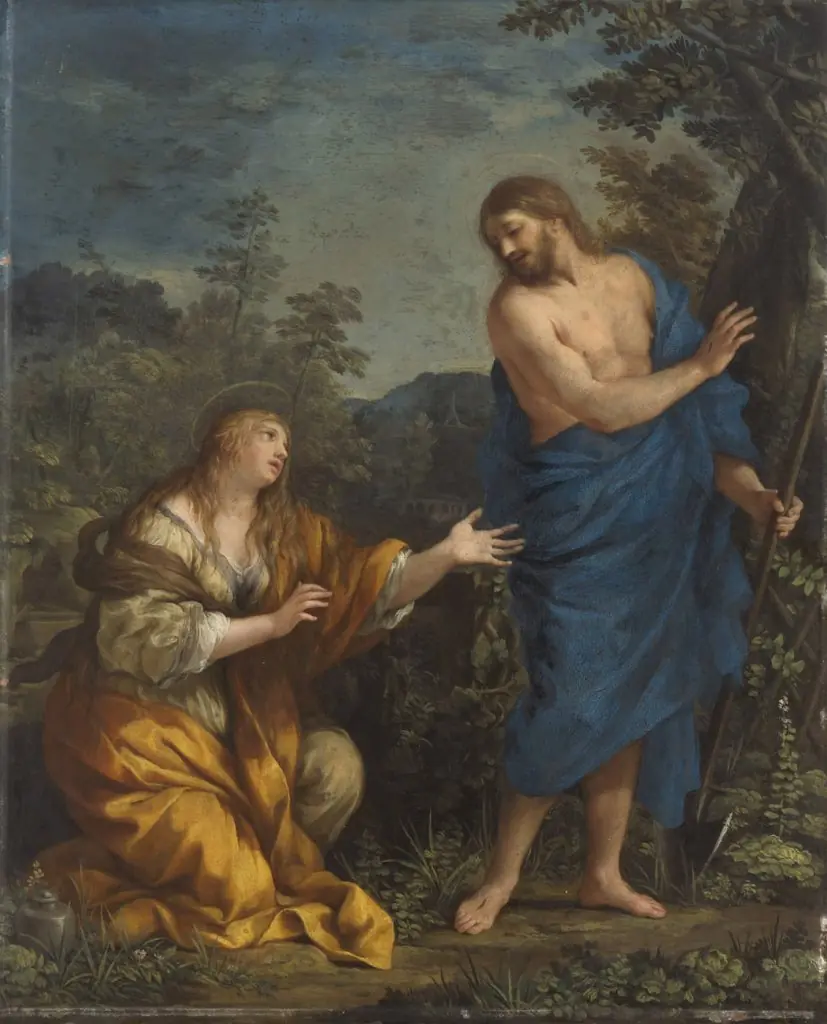 Noli me tangere
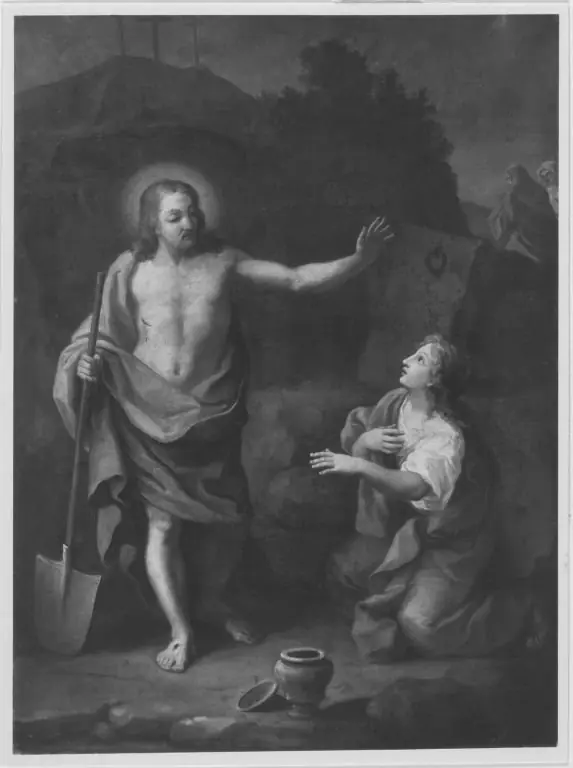 Noli me tangere
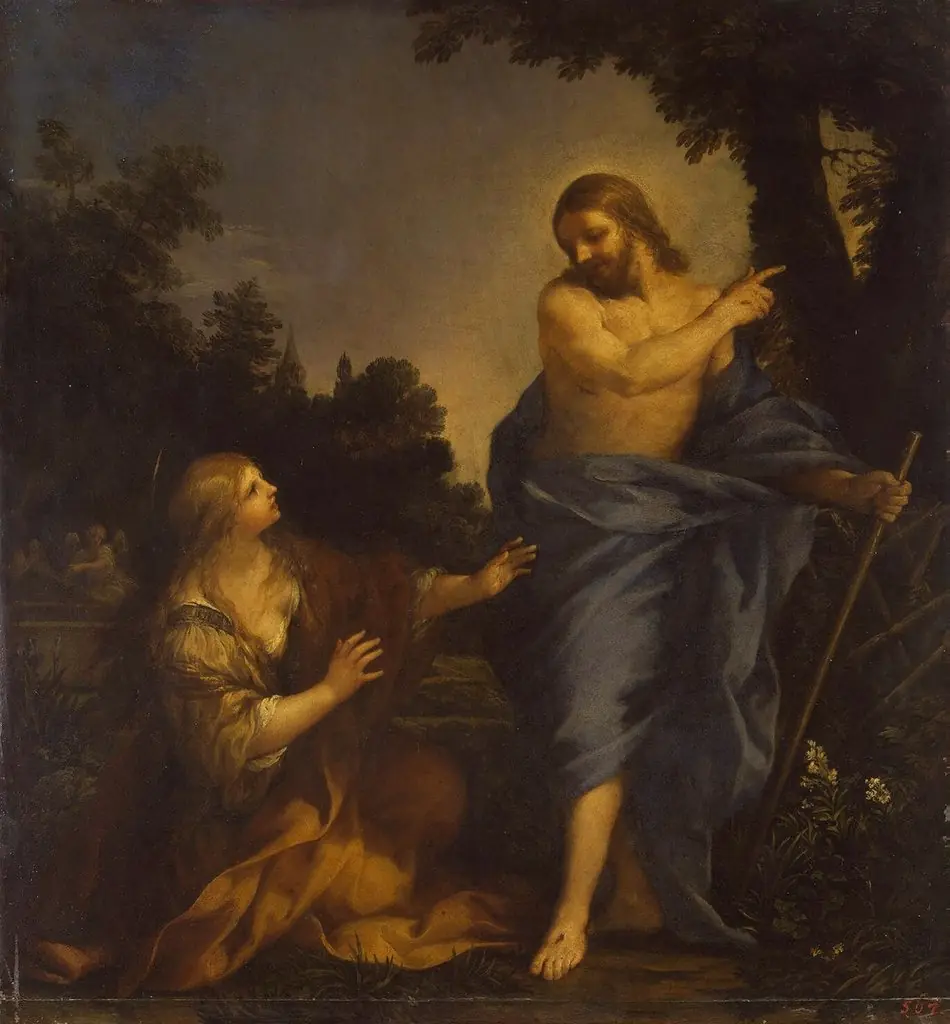 Christ Appearing to Mary Magdalene
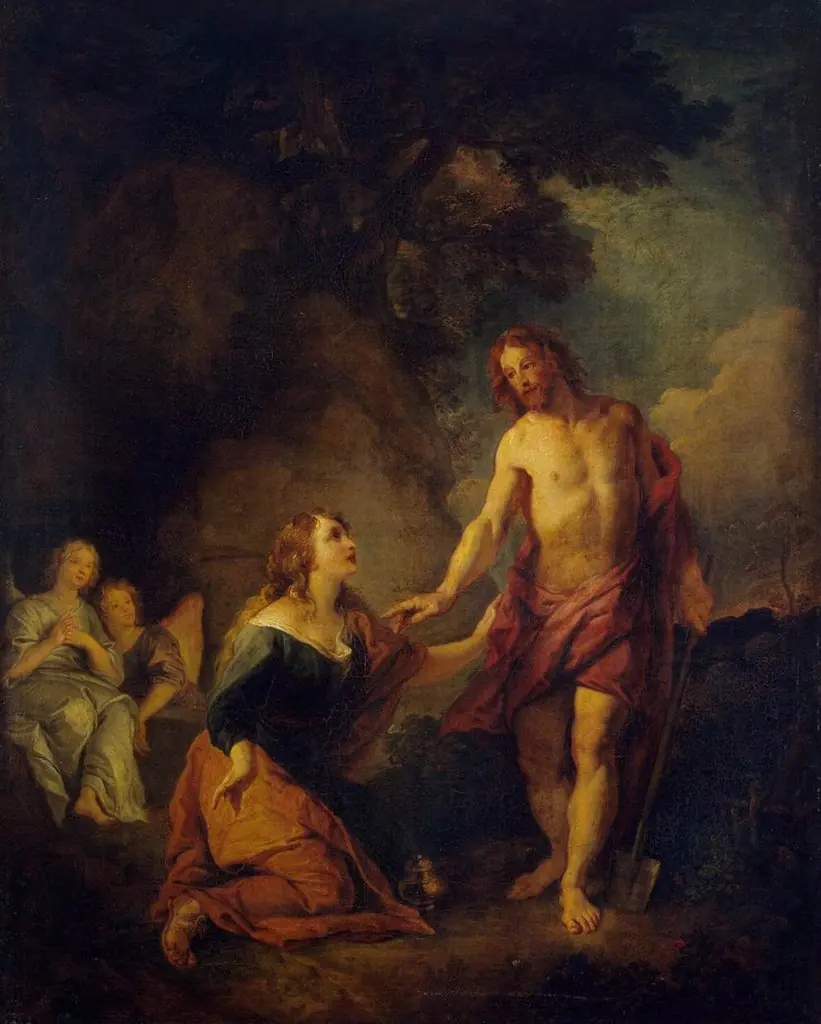 Christ Appearing to Mary Magdalene
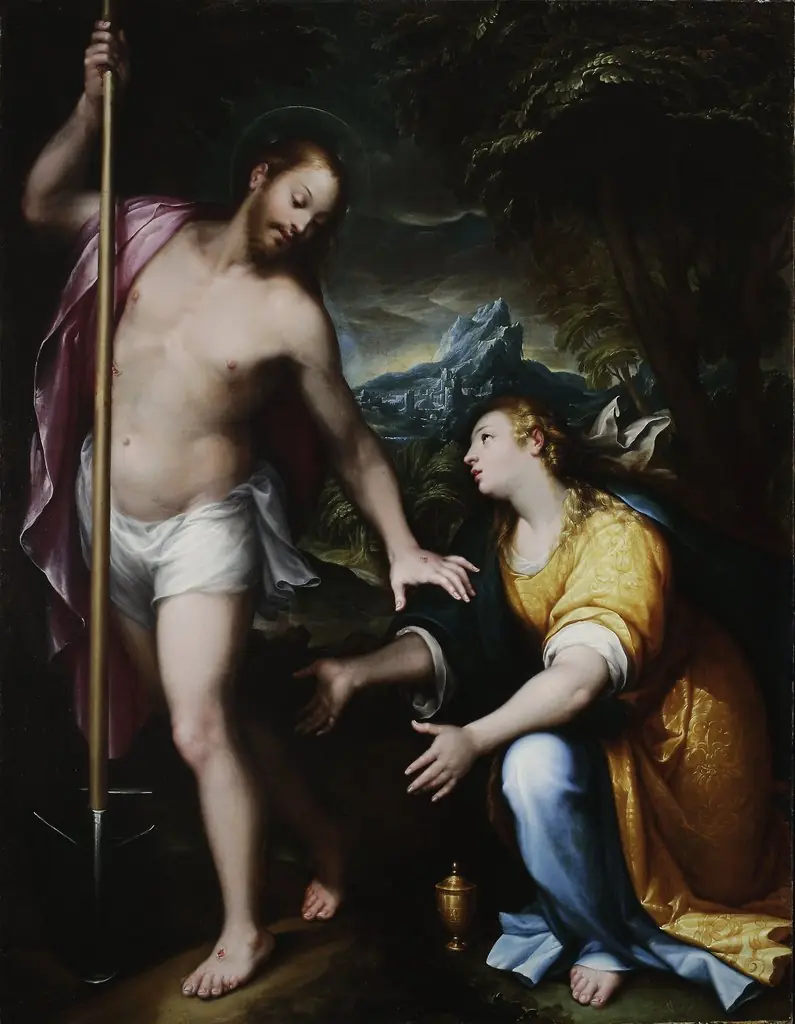 “Noli me tangere” – Resurrected Christ appearing to Mary Magdalene (John 20:14-17)