Artwork
Ascanius Shooting the Stag of Sylvia
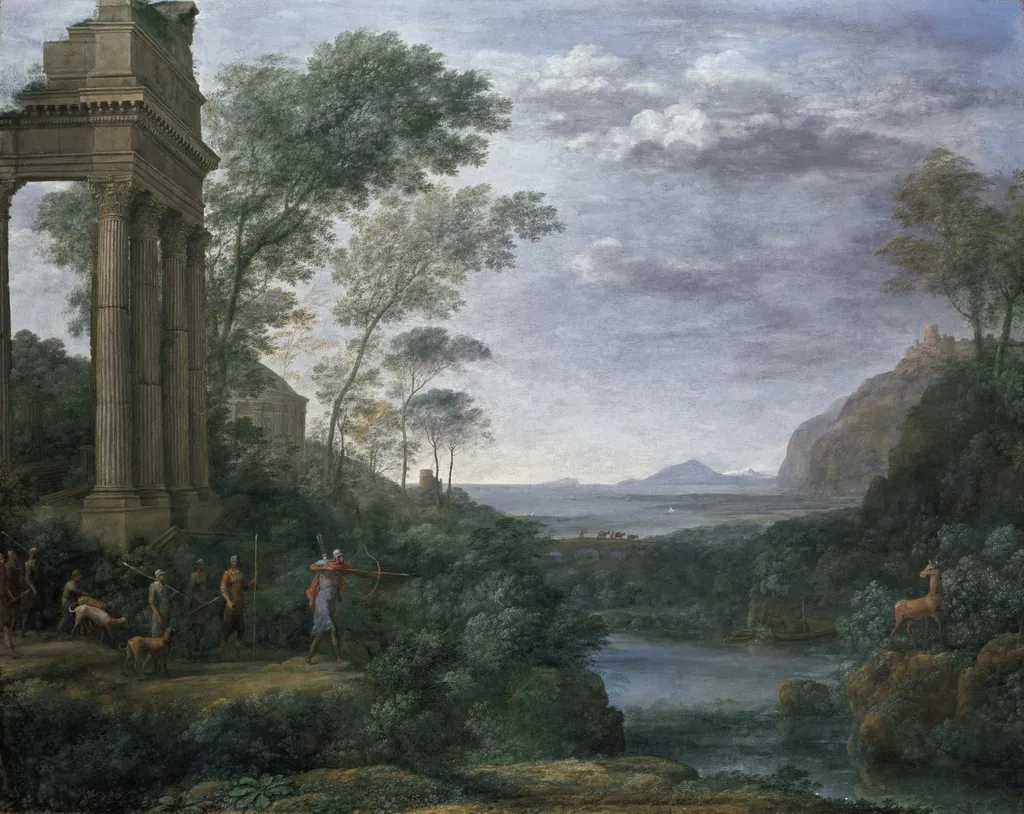
Ascanius Shooting the Stag of Sylvia is an oil painting by Claude Lorrain. It is held in the collection of the Ashmolean Museum.
About this work
Overview
Ascanius Shooting the Stag of Sylvia is a 1682 oil painting on canvas by Claude Lorrain, created in Rome for Prince Lorenzo Onofrio Colonna. It is the artist's final work and currently resides in the Ashmolean Museum, Oxford.
Subject & Meaning
The painting illustrates a scene from Virgil's Aeneid (Book 7, verses 483–499), depicting Ascanius shooting a stag that belonged to Sylvia. The composition subtly incorporates elements referencing the Colonna family, such as classical columns, which mirrored their coat of arms.
Technique & Style
Claude employed his characteristic use of light and shadow to create depth, guiding the viewer's eye through the serene landscape. The work features a harmonious balance of architectural elements, a tranquil river scene, and distant mountain ranges under a cloudy sky.
History & Provenance
Painted in Claude's late seventies (possibly as old as 82), this unsigned work was not recorded in his Liber Veritatis, suggesting it might not have been considered fully finished by the artist. It was created as a pendant to View of Carthage with Dido and Aeneas (1676), with the two paintings designed to be viewed together, each framing the other with their main buildings and inward-facing figures.
Context
As the last of Claude's harbour scenes and his final painting, Ascanius Shooting the Stag of Sylvia marks the culmination of his career in Rome. Its creation for Prince Colonna highlights the artist's enduring patronage ties in his later years.
Legacy
While the painting's unfinished state might have diminished its early recognition, it remains a significant work in Claude's oeuvre, exemplifying his late style and thematic preoccupations. Its presence in the Ashmolean Museum contributes to the institution's collection of 17th-century European art.
Own this work as a print
Artist & collection
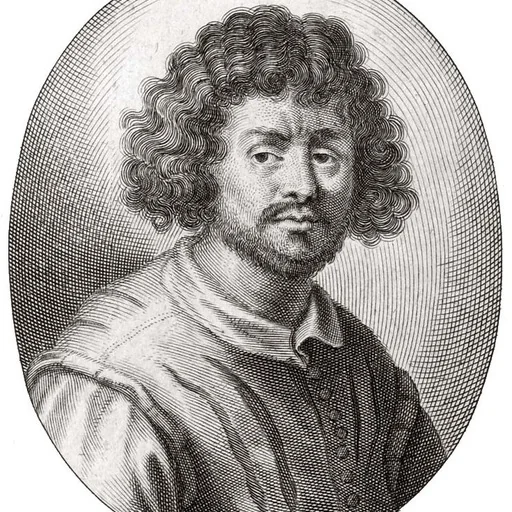
Artist
Claude Lorrain (French: ; born Claude Gellée , called le Lorrain in French; traditionally just Claude in English; c.

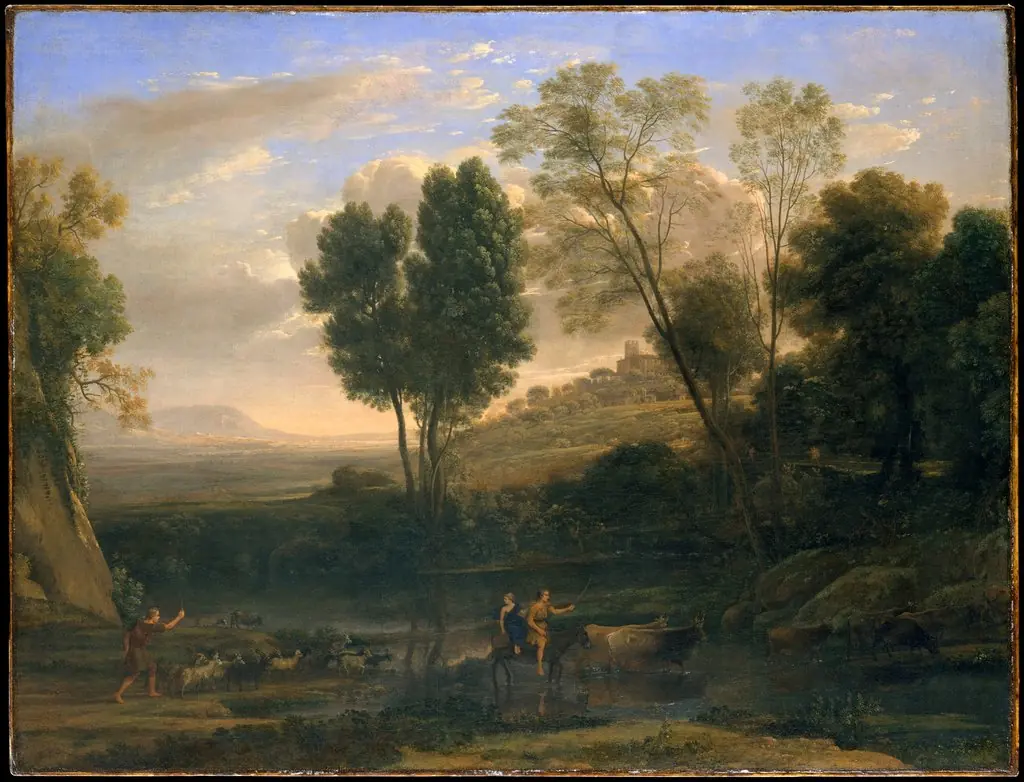
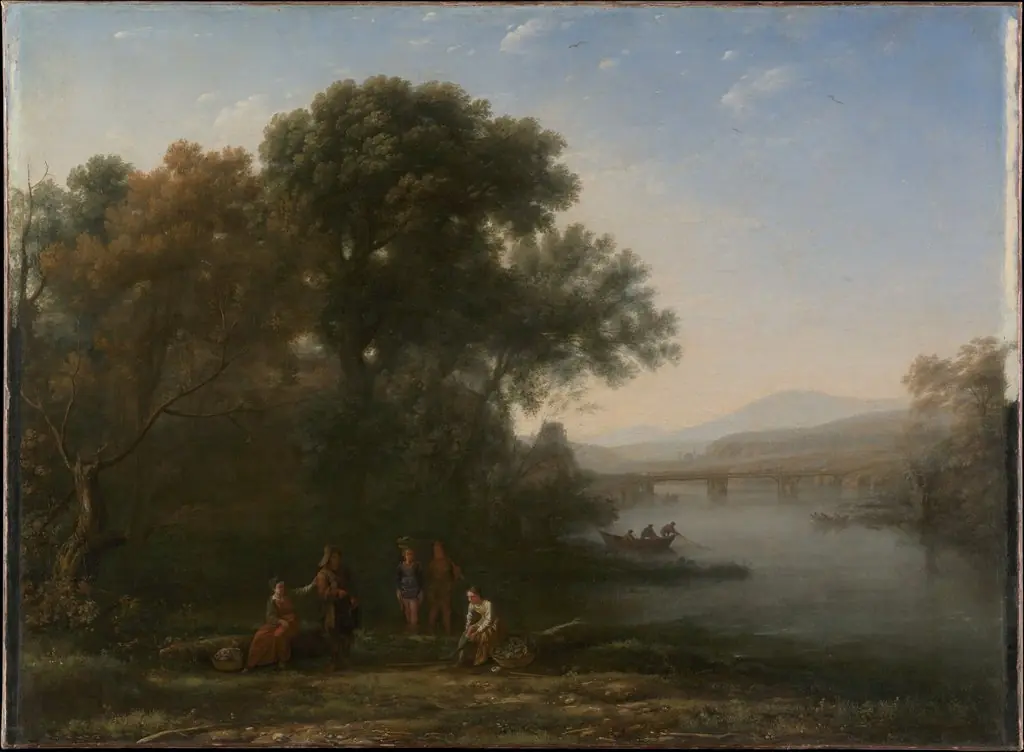
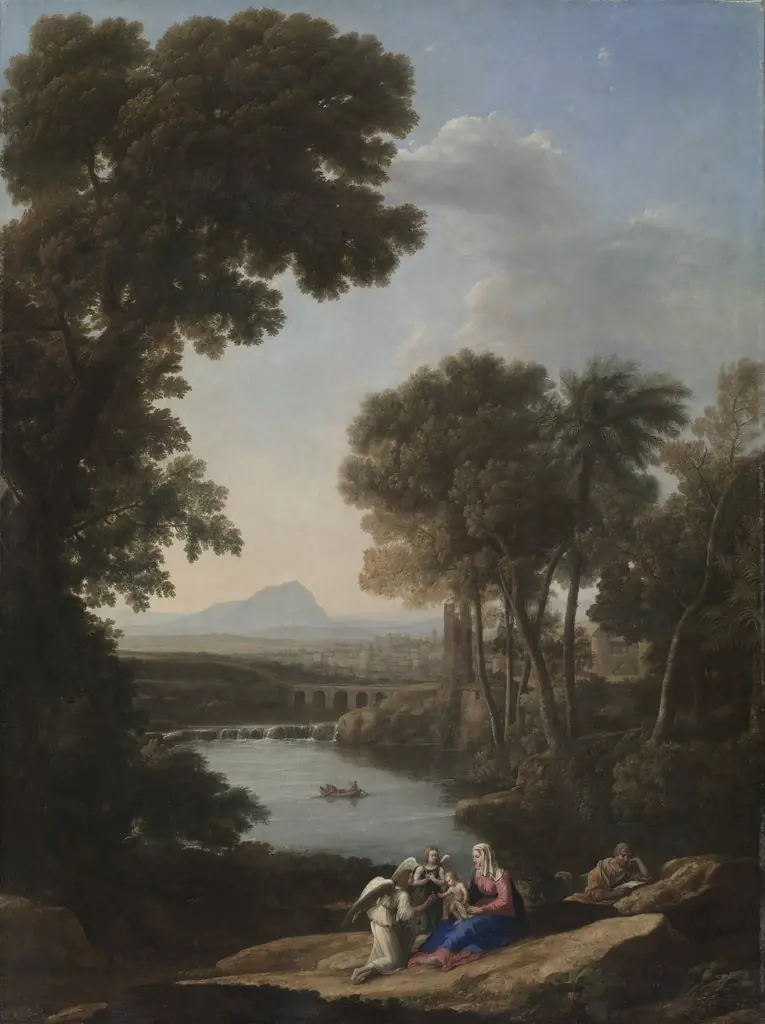
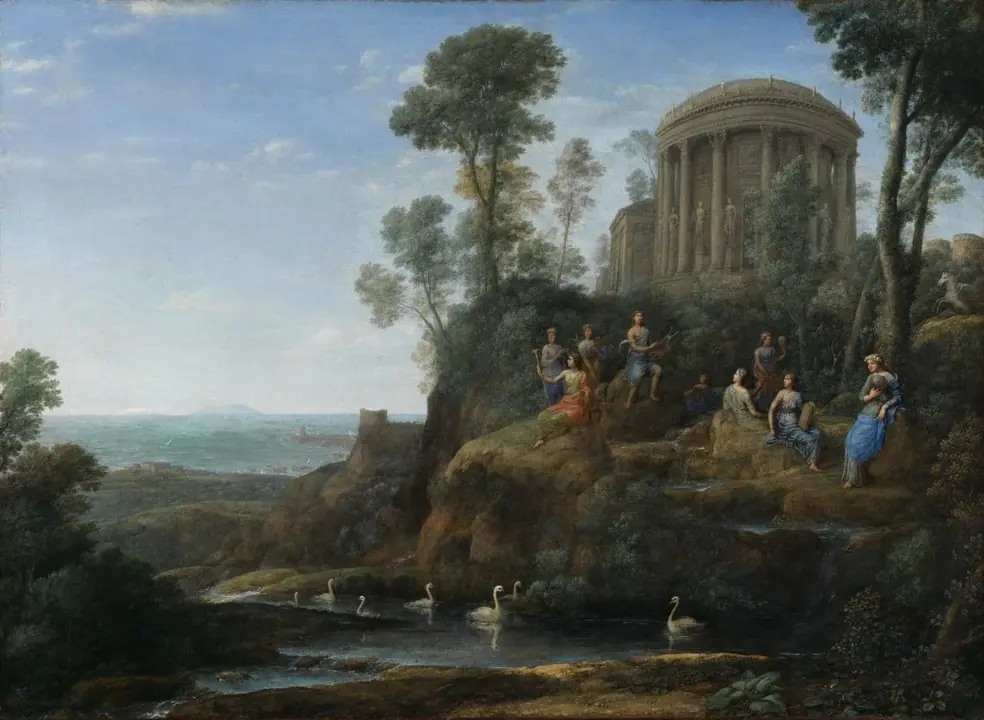 Apollo and the Muses on Mount Helicon
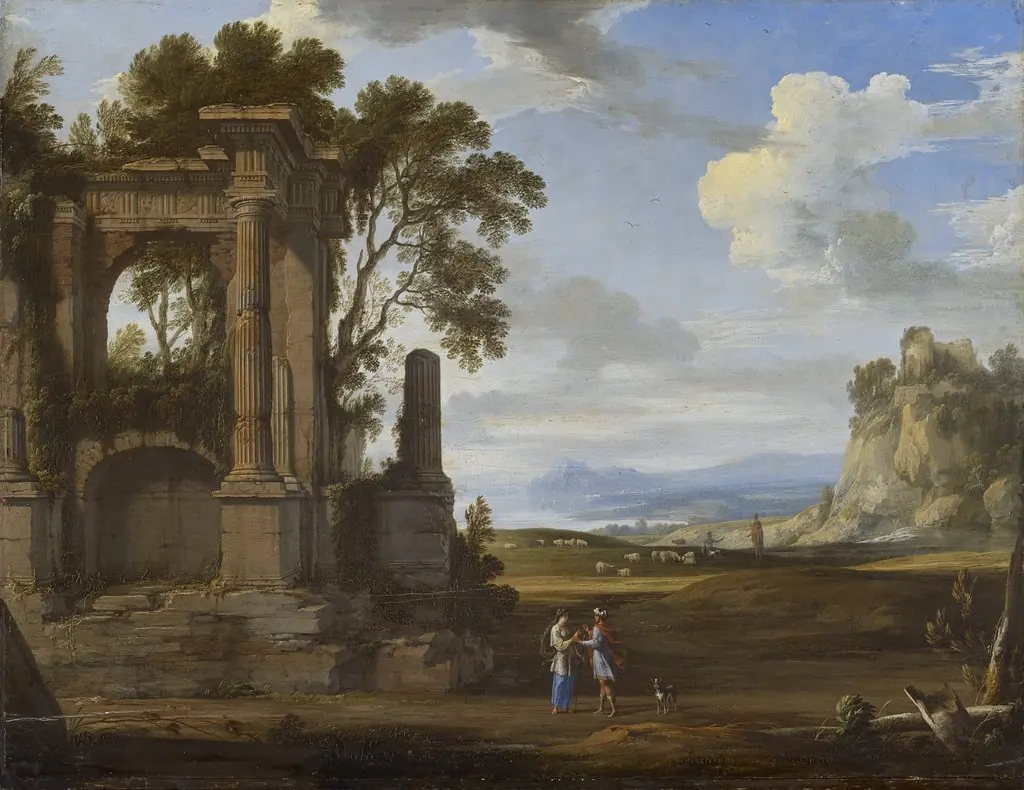 A Classical Landscape with Judah and Tamar
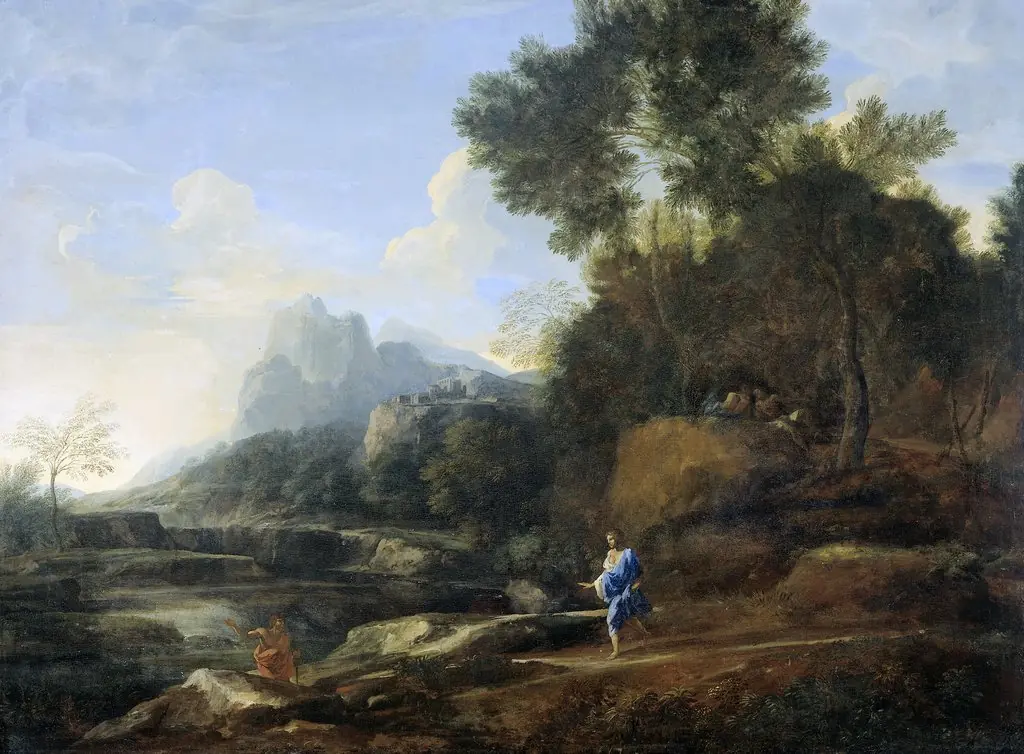 Italian Landscape
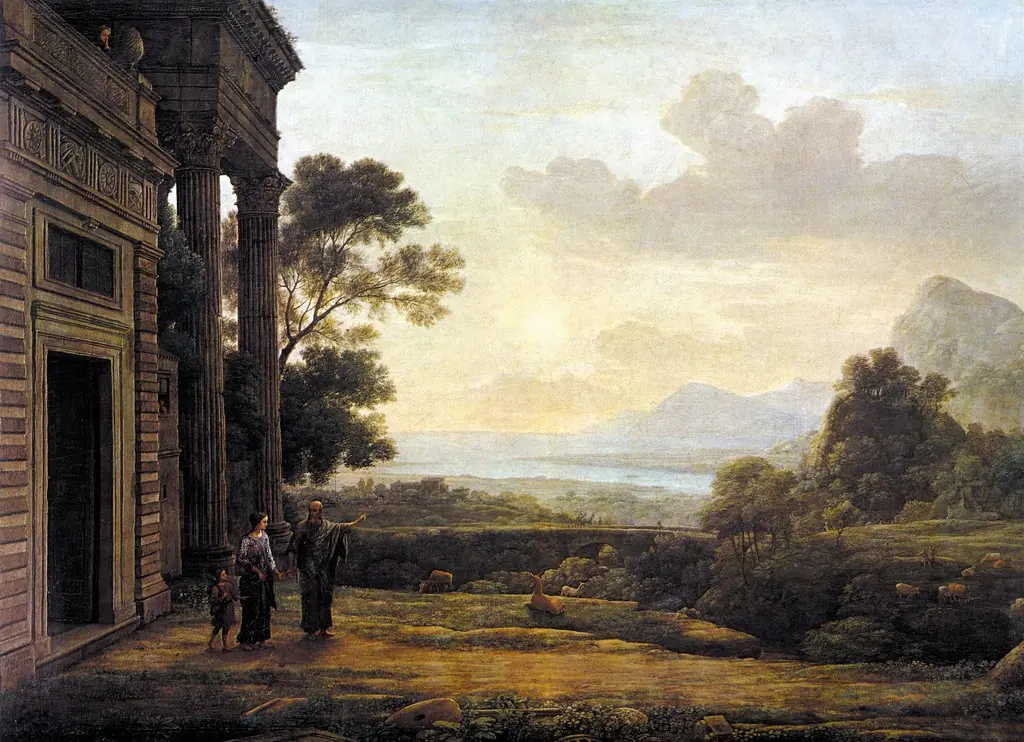 The Banishment of Hagar
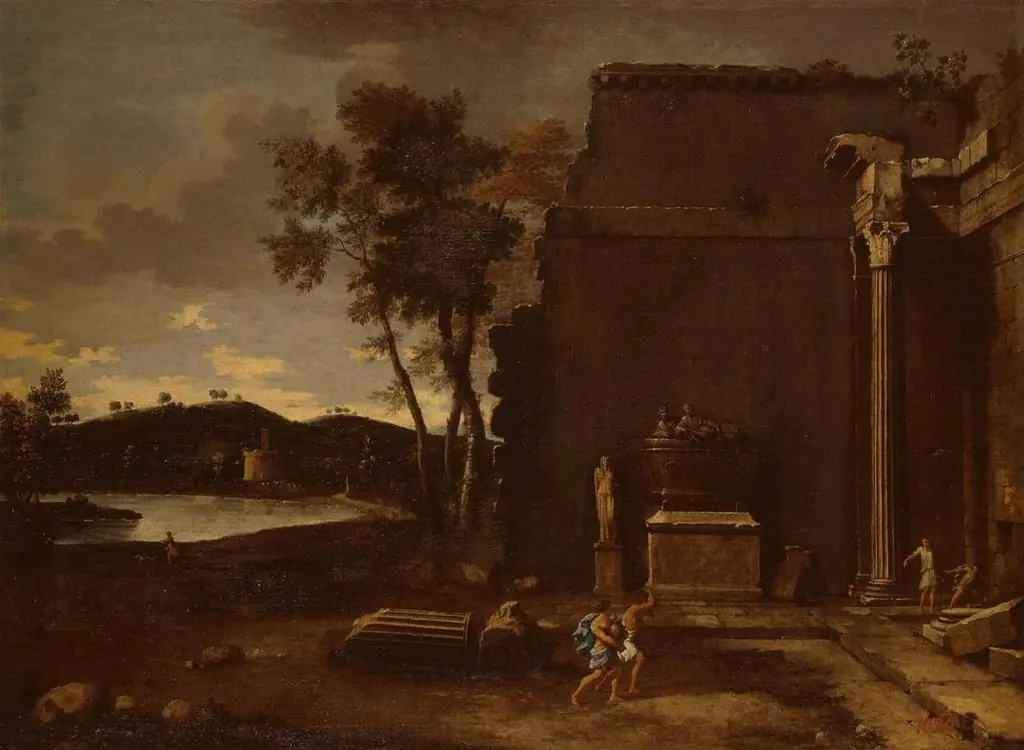 Landscape with sarcophagus
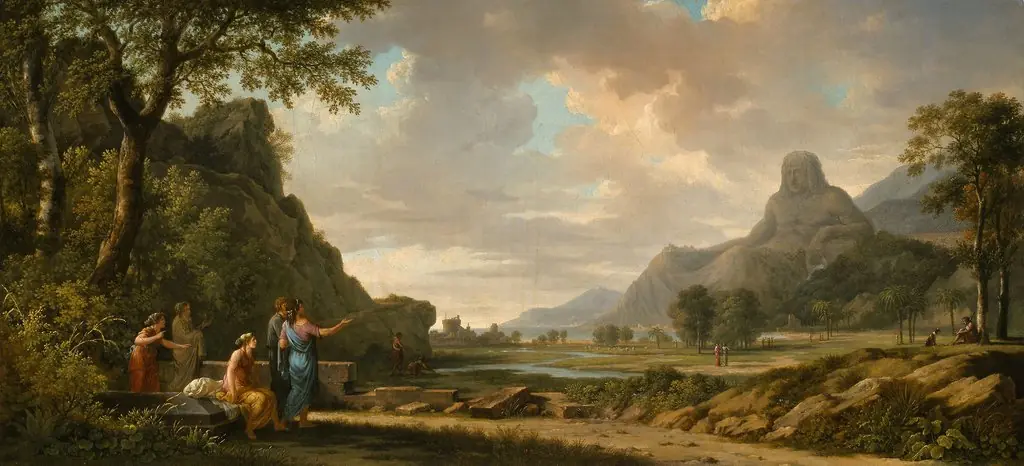 Mount Athos Carved as a Monument to Alexander the Great
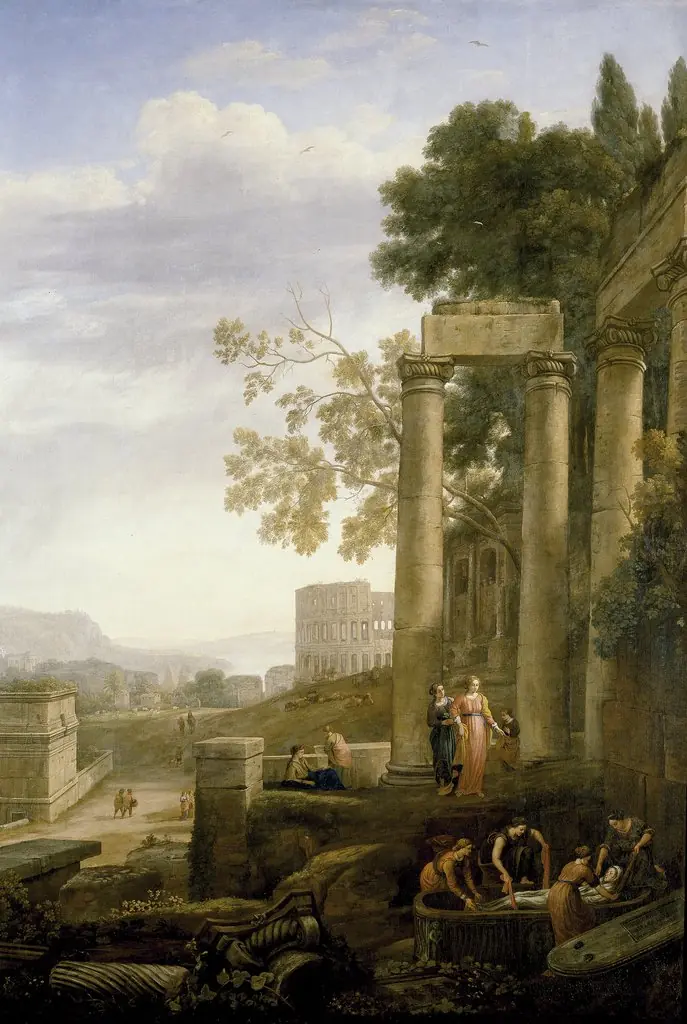 Landscape with the Burial of Saint Serapia
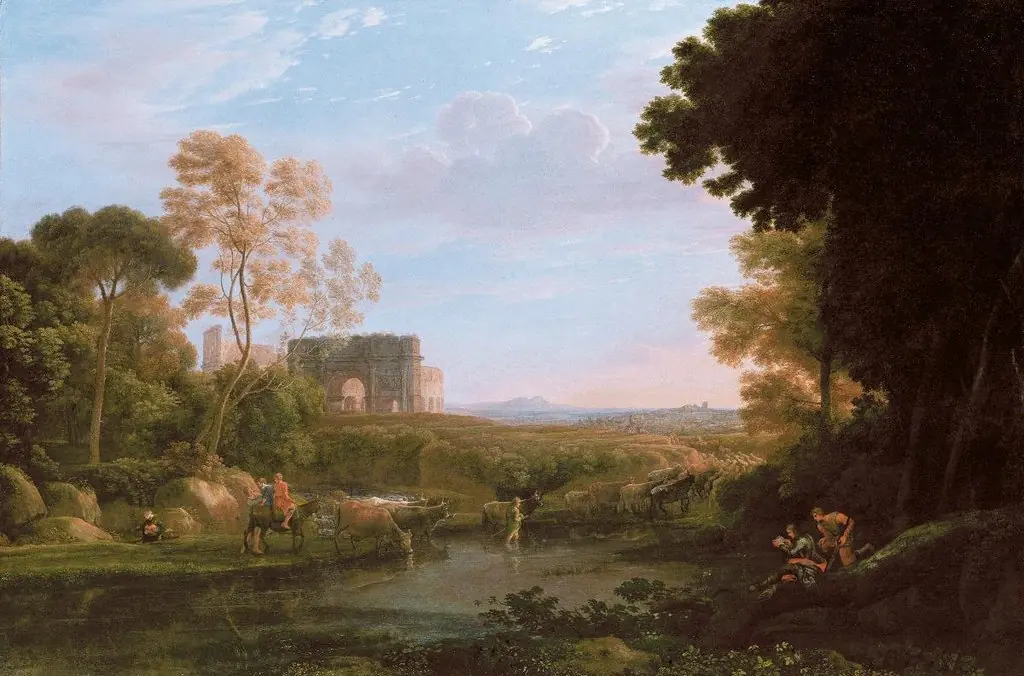 Pastorale avec l’Arc de Constantin
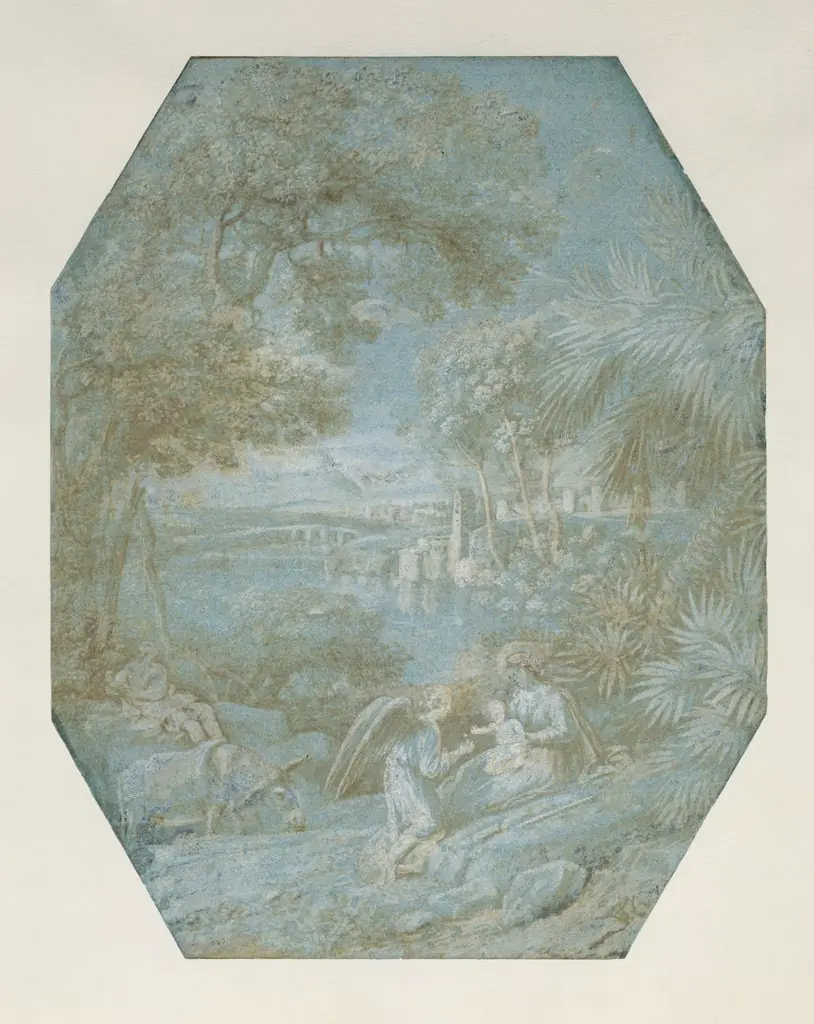
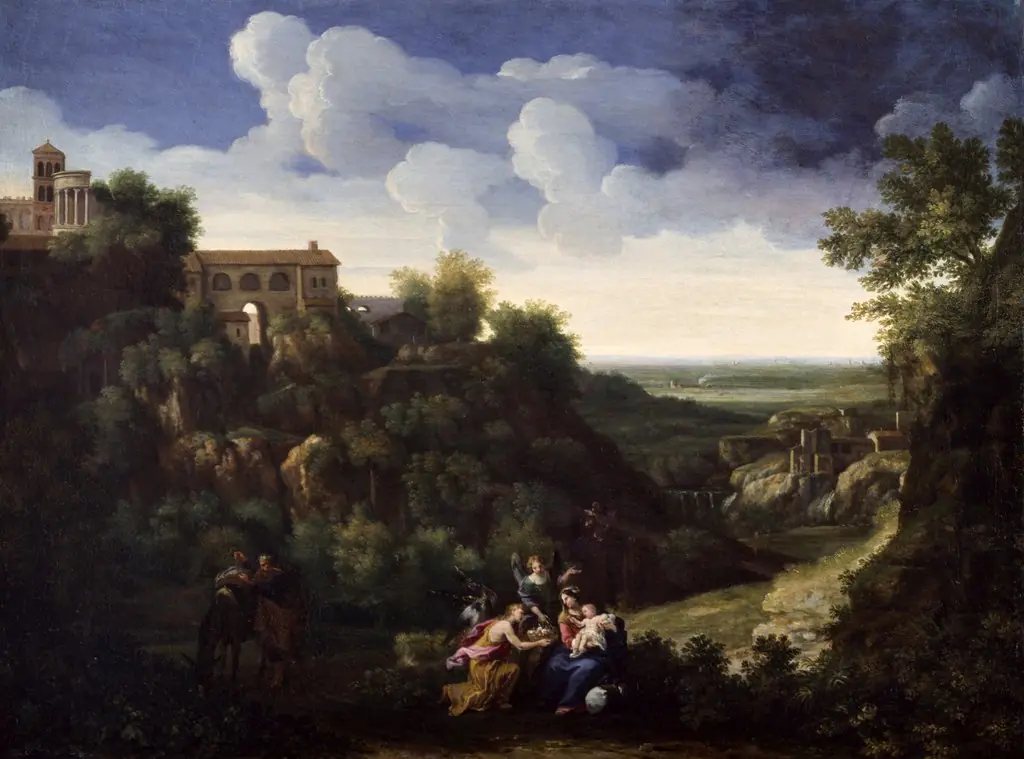 View of Tivoli with the Flight into Egypt
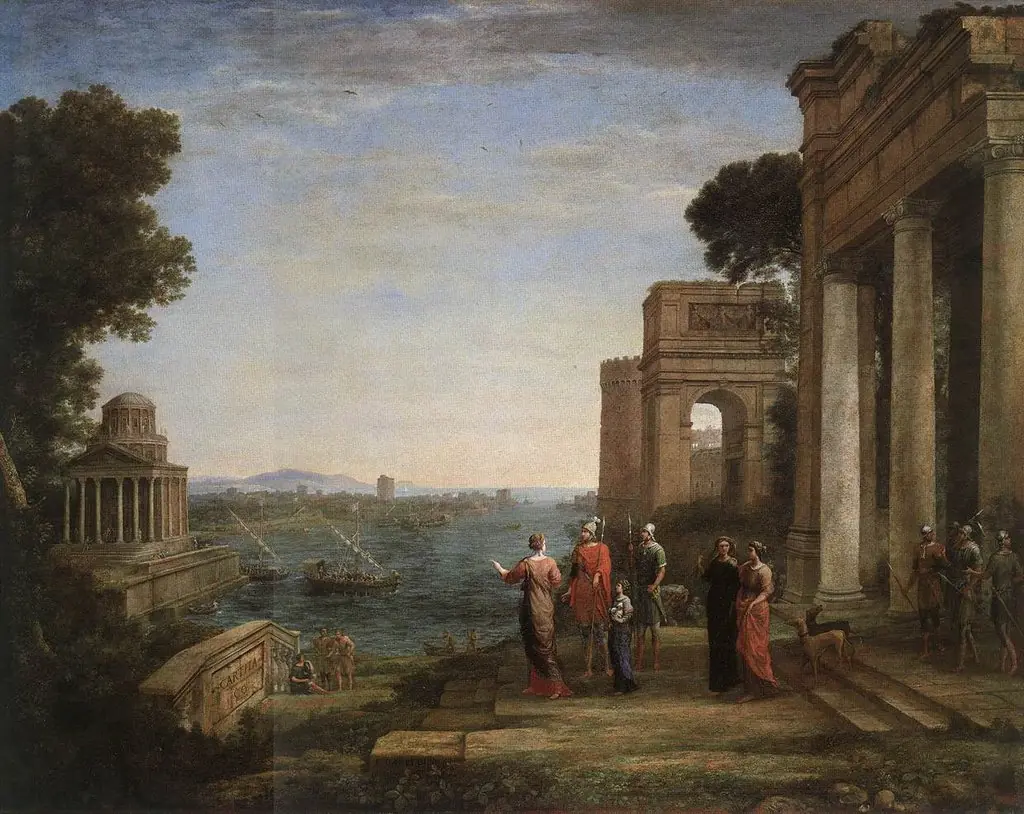 Aeneas's Farewell to Dido in Carthage
 Landscape with Polyphemus
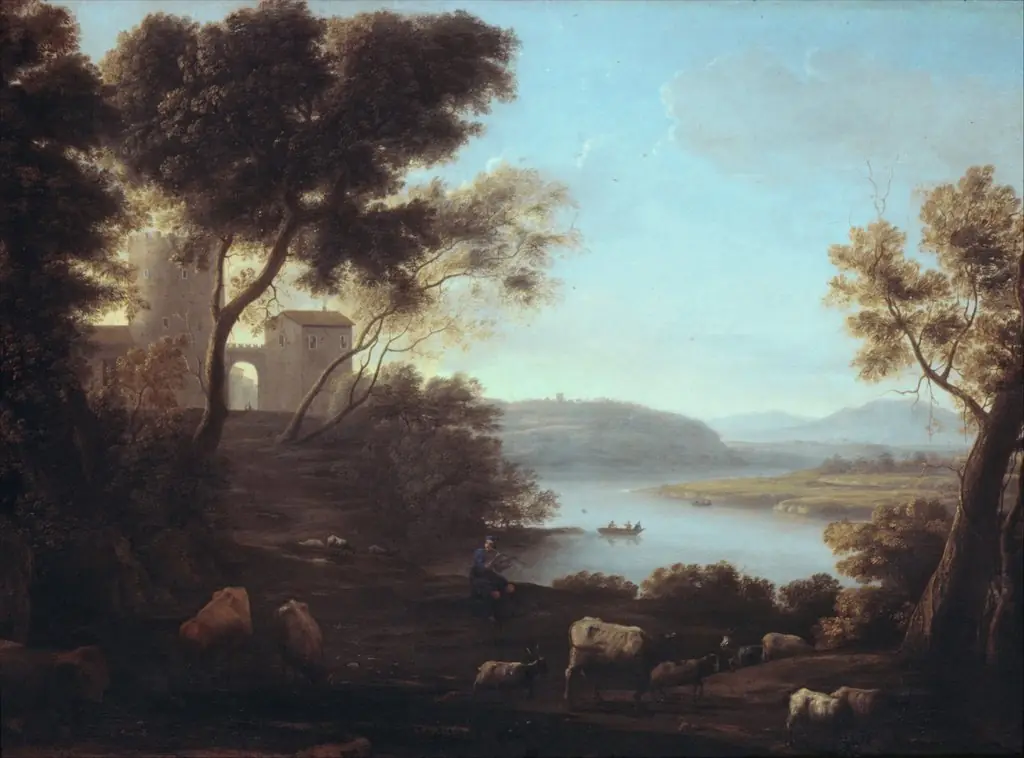
 Pastoral landscape