Artwork
Portrait of Jędrzej Śniadecki
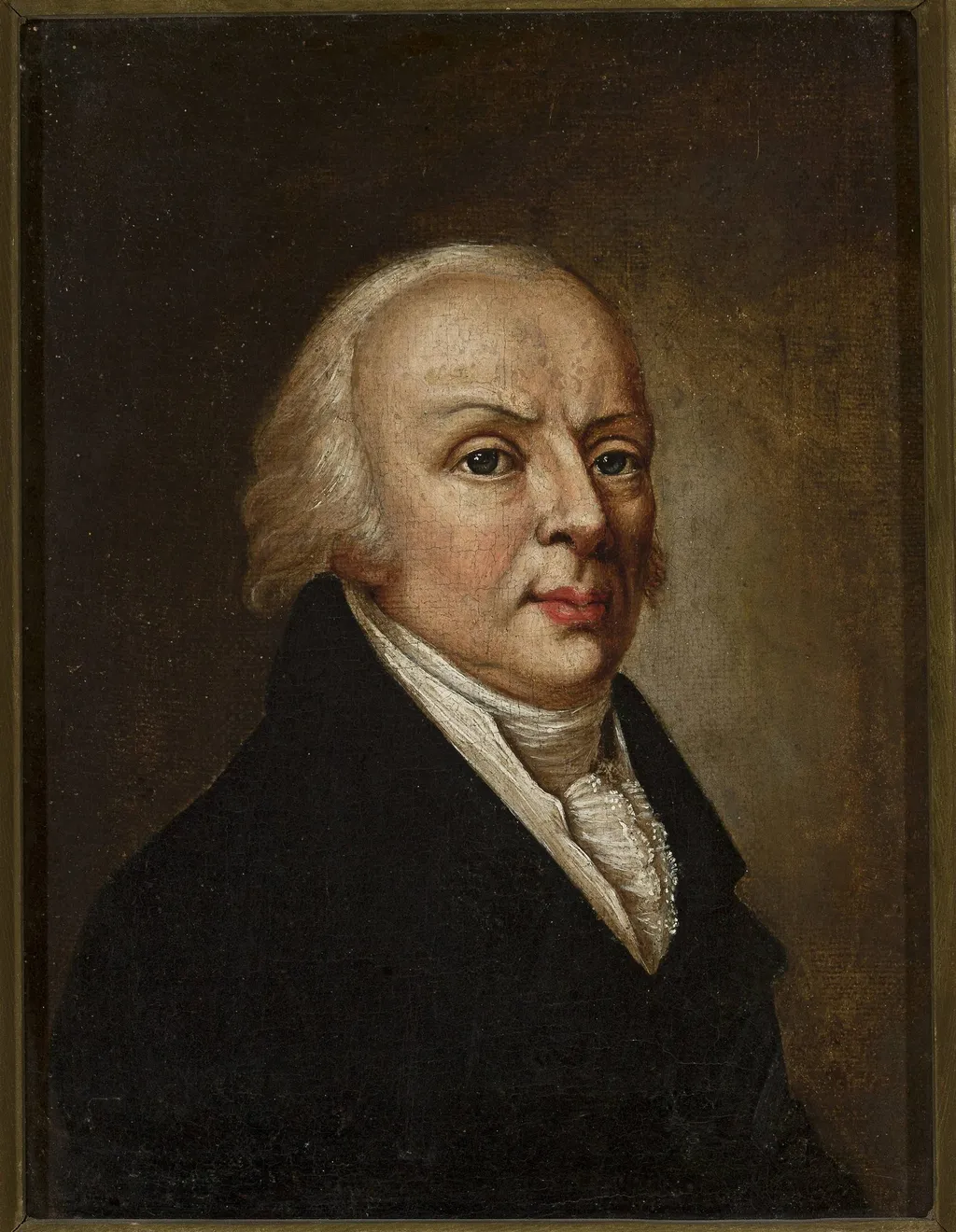
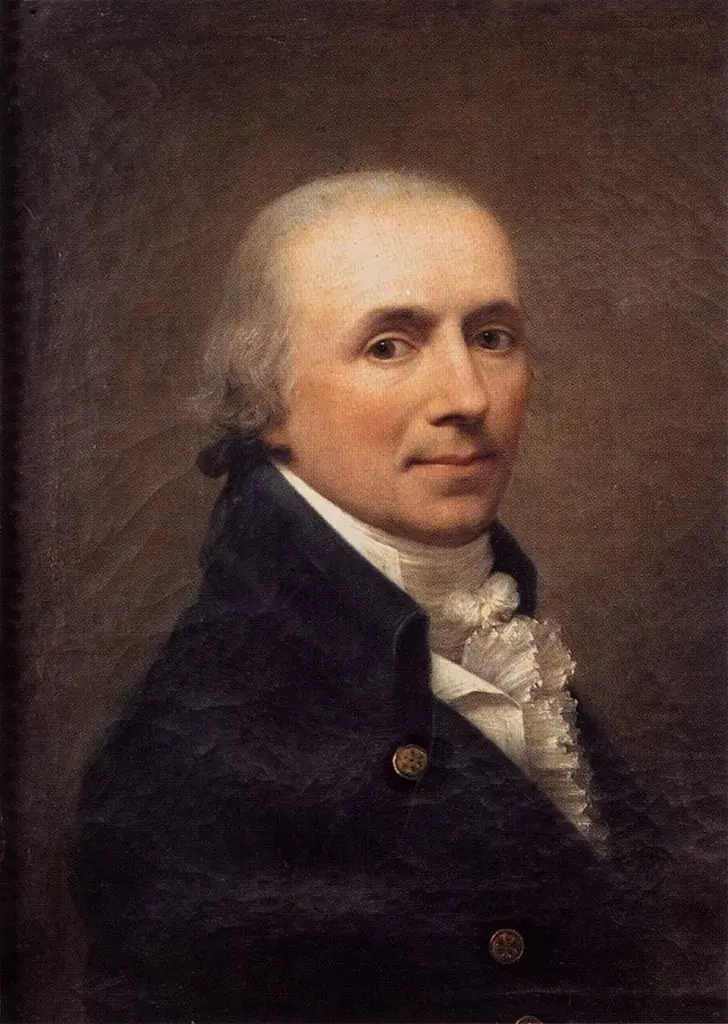
Portrait of Jędrzej Śniadecki is an oil painting by the Neoclassicist artist Franciszek Smuglewicz. It dates from 1786 and is held in the collection of the National Museum in Warsaw.
About this work
Overview
The work resides in the National Museum in Warsaw, where it stands as a representative example of late 18th-century portraiture from the region.
Painted around 1786, this oil portrait depicts Jędrzej Śniadecki, a Polish-Lithuanian intellectual, by Franciszek Smuglewicz. A key figure in the development of art in the Polish-Lithuanian Commonwealth, Smuglewicz employed neoclassical principles to render his subject with restrained elegance. The work resides in the National Museum in Warsaw, where it stands as a representative example of late 18th-century portraiture from the region.
Subject & Meaning
Jędrzej Śniadecki was a physician, scientist, and educator whose contributions helped shape Enlightenment thought in Eastern Europe. The portrait captures him in quiet dignity, his composed expression and formal attire reflecting his scholarly status. The absence of symbolic objects or elaborate settings emphasizes his intellectual identity over social rank, aligning with Enlightenment ideals of reason and personal merit.
Technique & Style
Smuglewicz used soft chiaroscuro to model the sitter’s face, guiding light across his forehead and cheekbones to create subtle volume. The dark, unadorned background isolates the figure, enhancing focus on his presence. Brushwork is controlled and precise, particularly in the rendering of the cravat and hair, while the skin appears luminous through layered glazes typical of neoclassical portraiture.
History & Provenance
The painting was likely commissioned during Śniadecki’s time in Vilnius, where Smuglewicz taught and influenced a generation of artists. It remained within Polish-Lithuanian cultural circles before entering the National Museum in Warsaw’s collection. Its preservation reflects the enduring respect for both the sitter’s scientific legacy and the artist’s role in establishing a regional artistic tradition.
Context
Created during the Enlightenment, the portrait reflects broader trends in Central European intellectual life, where portraiture served as a vehicle for honoring civic and scientific achievement. Smuglewicz’s training in Rome informed his classical approach, while his position at Vilnius University placed him at the center of a cultural renaissance that valued reason, education, and refined aesthetics.
Legacy
The portrait endures as a testament to the fusion of scientific and artistic culture in the Polish-Lithuanian Commonwealth. Smuglewicz’s restrained style influenced later generations of regional painters, and Śniadecki’s image continues to symbolize the Enlightenment ideal of the scholar as a public figure. The work remains a reference point in studies of Central European portraiture and intellectual history.
Artist & collection
Artist
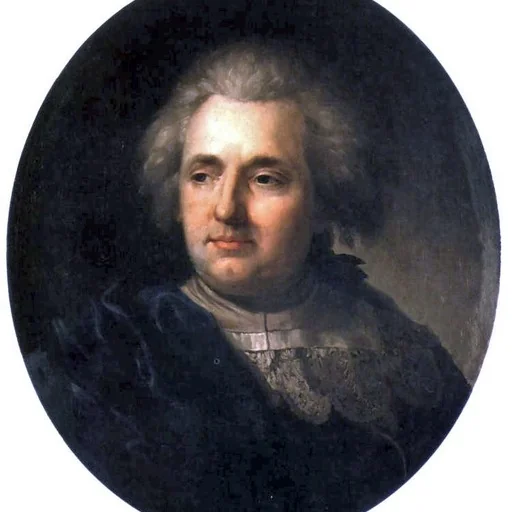
Franciszek Smuglewicz (Lithuanian: Pranciškus Smuglevičius; 6 October 1745 – 18 September 1807) was a Polish-Lithuanian draughtsman and painter.

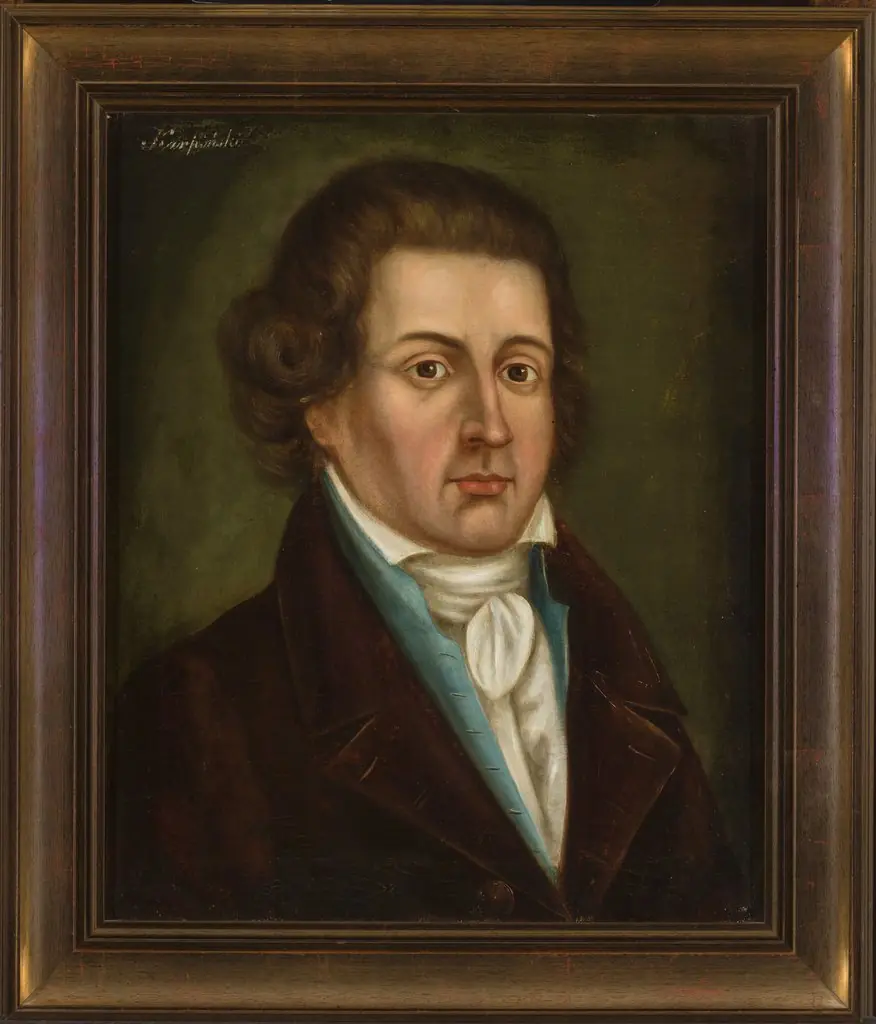 Portrait of Franciszek Karpiński (1741–1825), poet
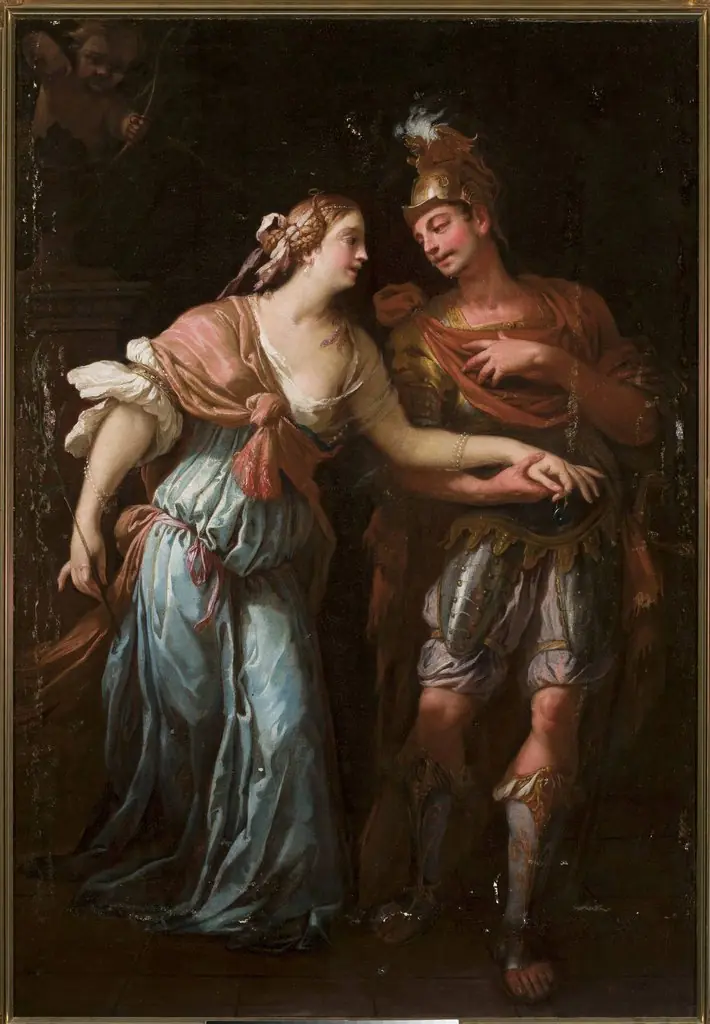 Venus and Mars
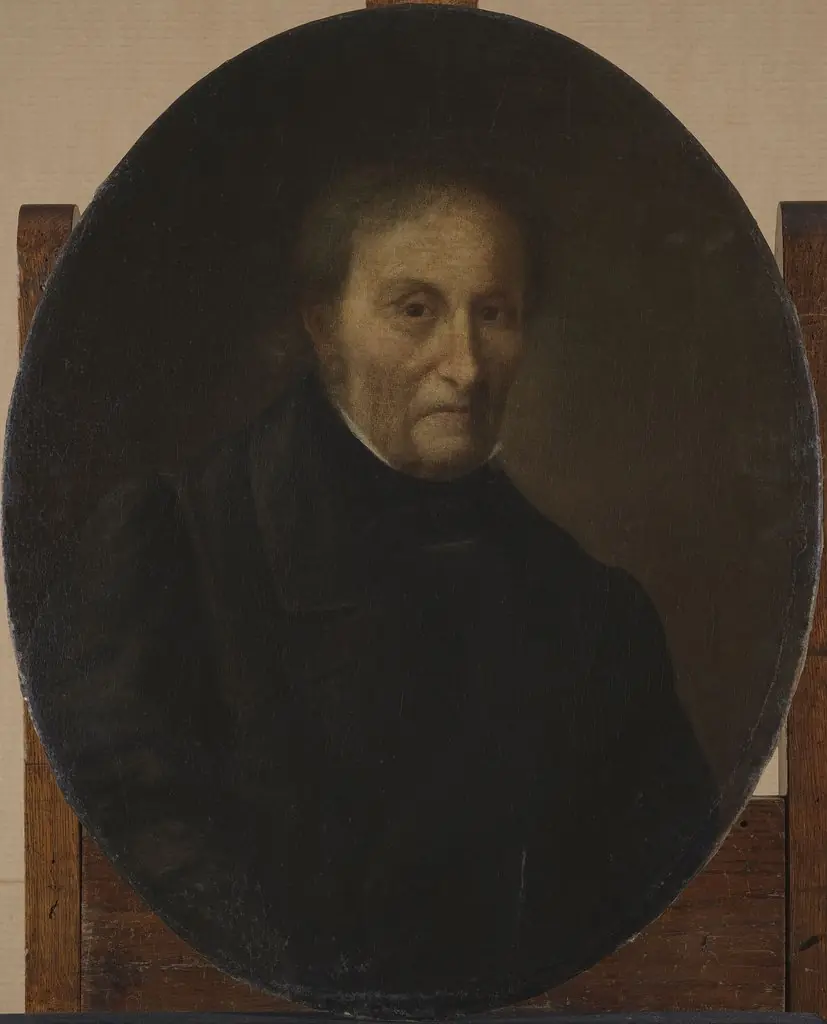 Portrait of Wiktor Grajewski, the last border judge in Samogitia
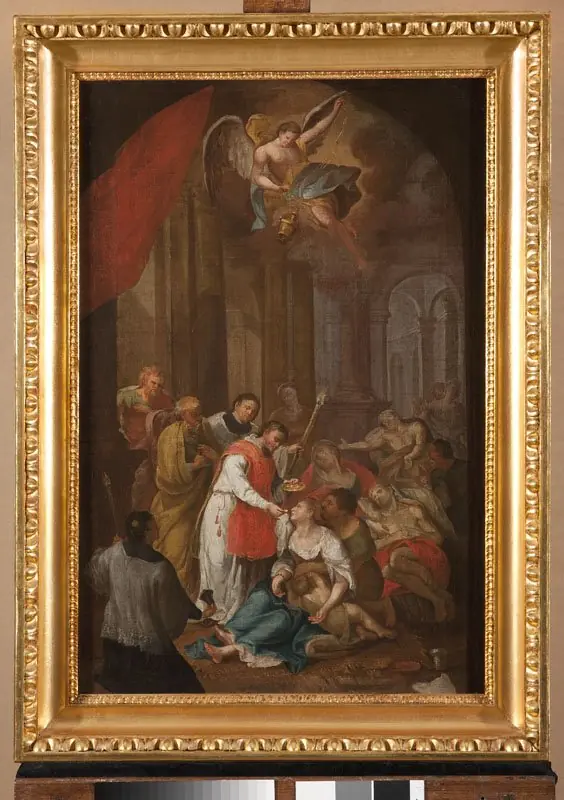 Saint Charles Borromeo attending to the ill
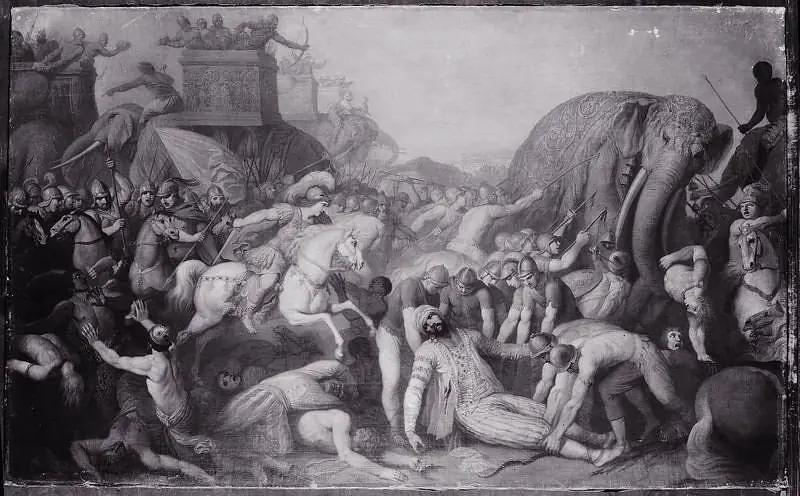 Victory of Alexander the Great over Poros, king of India, in 326
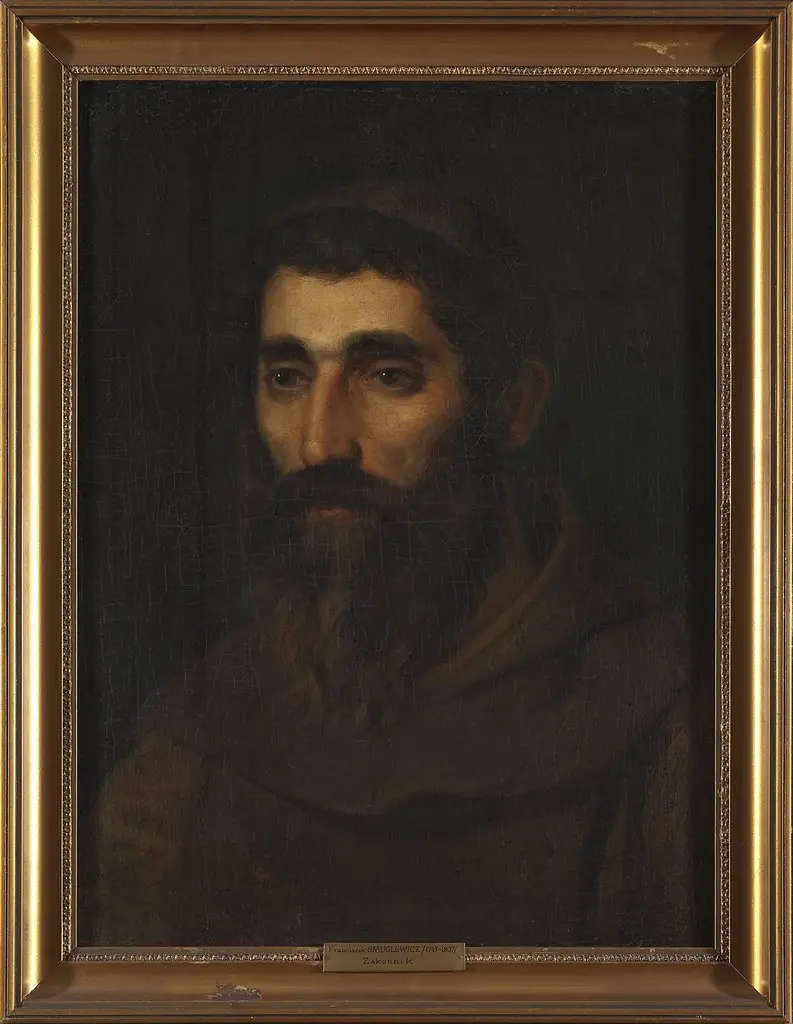 Portrait of a monk
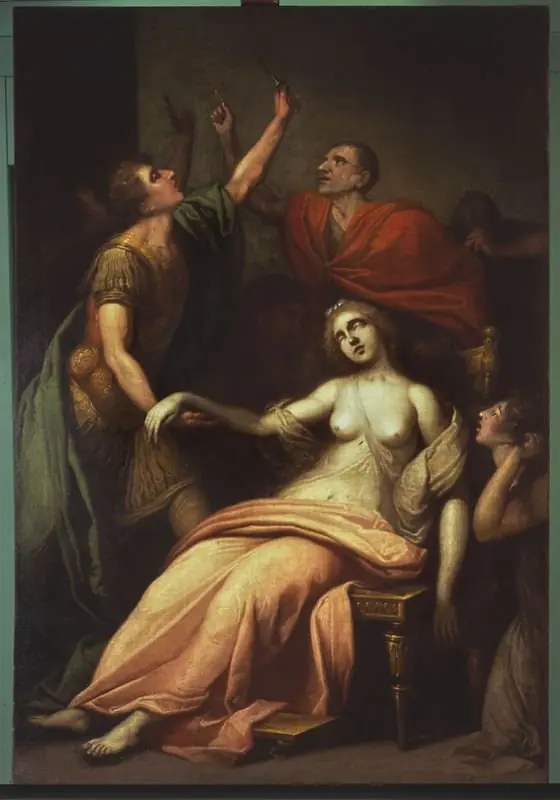 Death of Lucretia
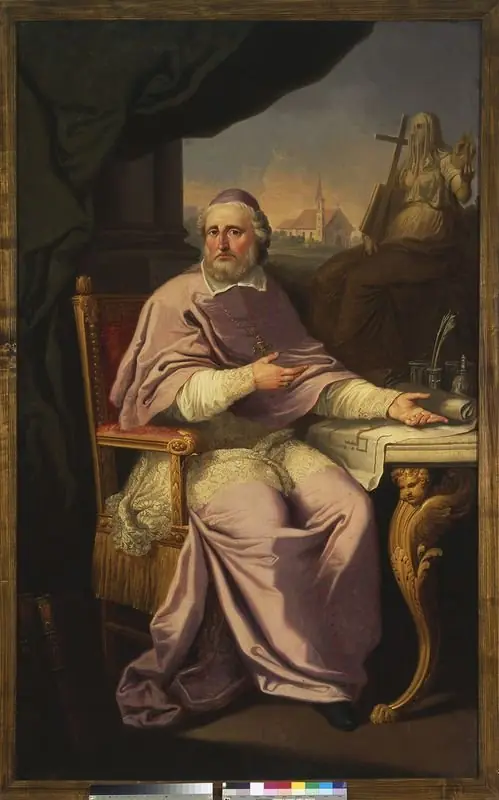 Portrait of Jan Stefan Giedroyc (d. 1803), bishop of Vilnius
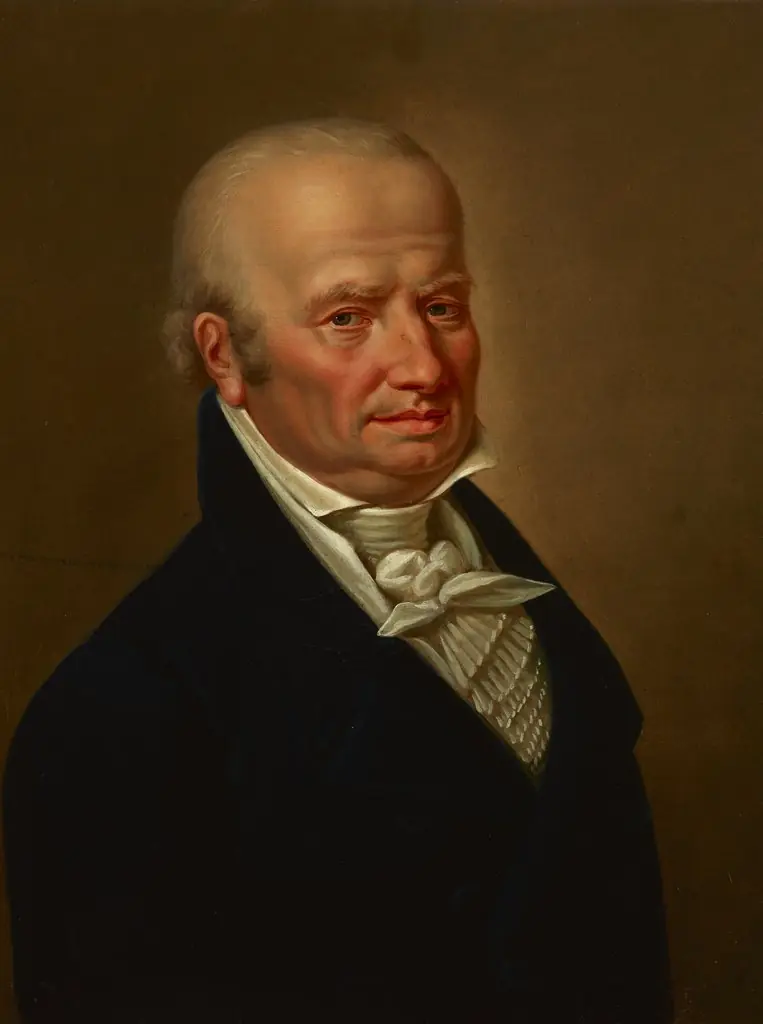 Portrait of Johann Hausner Sr.
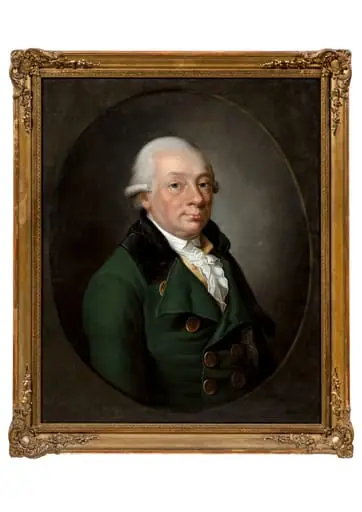 Bildnis: Karl Friedrich von Baden
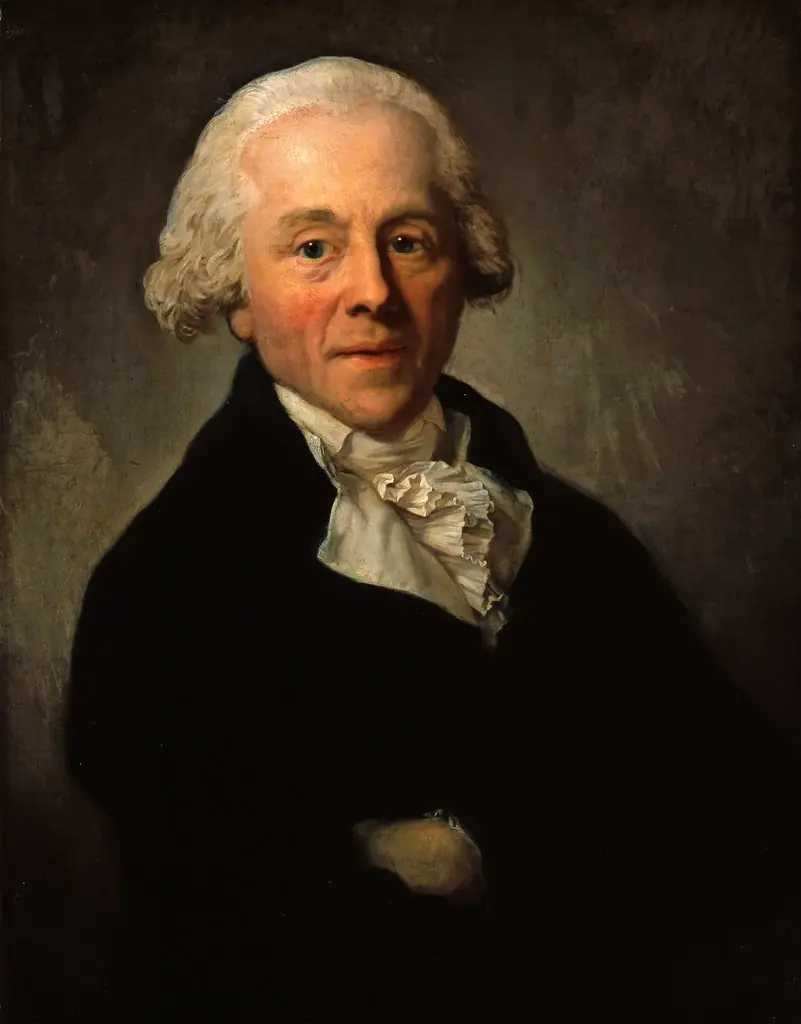 Friedrich Ludolf Hansen (1738-1803)
 Untitled
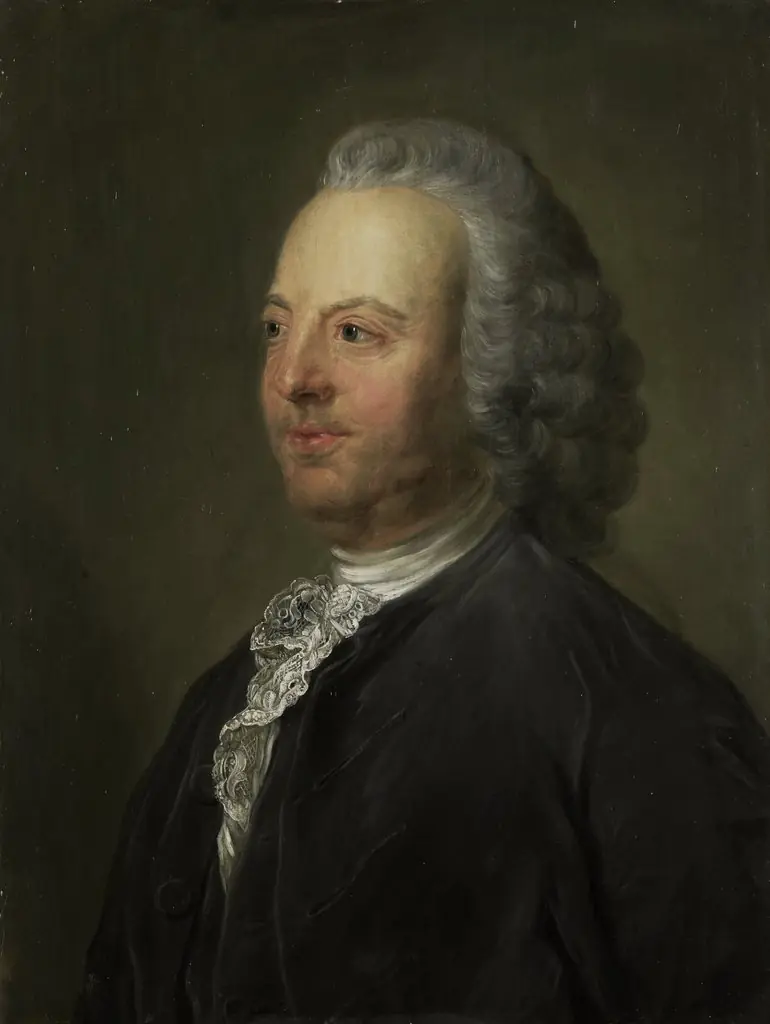 Antoni Warin
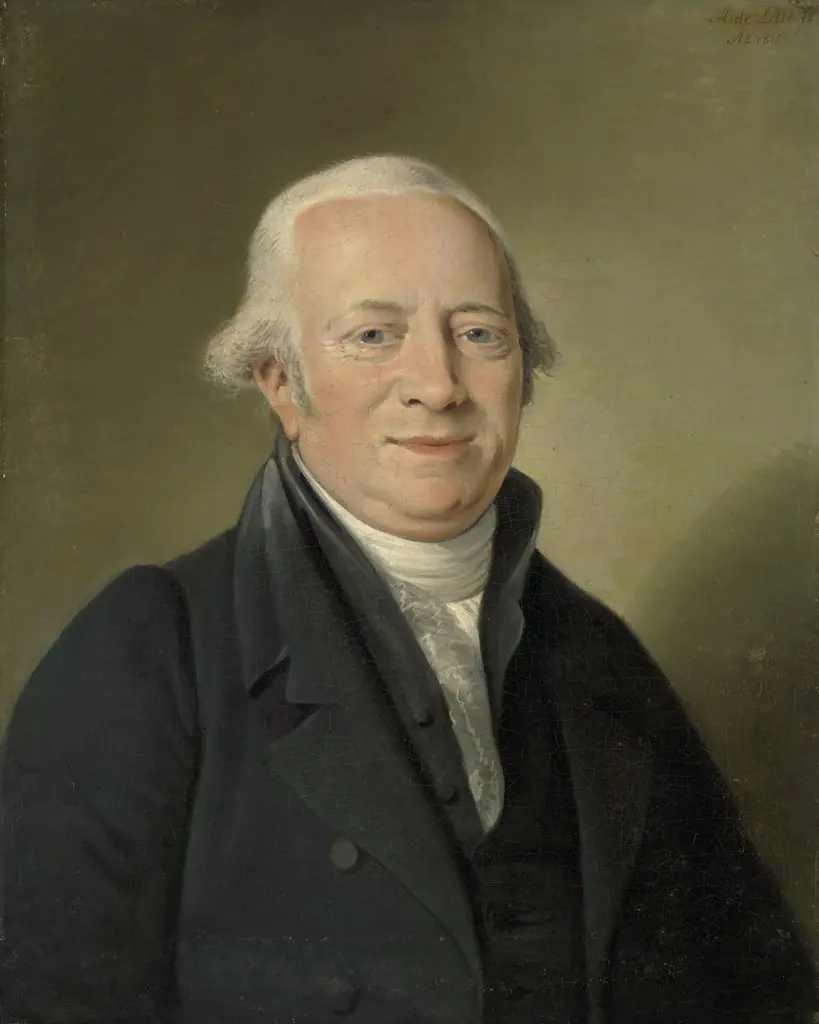 Portrait of Cornelis Sebille Roos, Art Dealer in Amsterdam and Inspector of the National Konst-Gallery and the Huis ten Bosch in The Hague
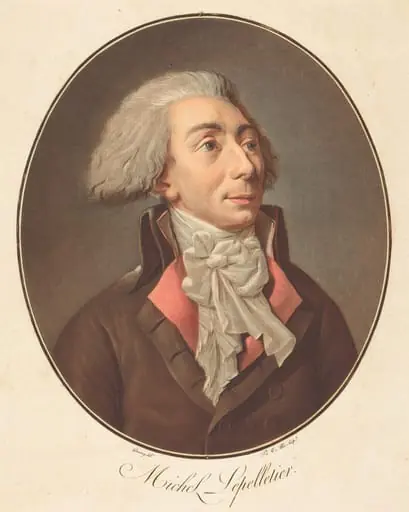 Michel Lepelletier
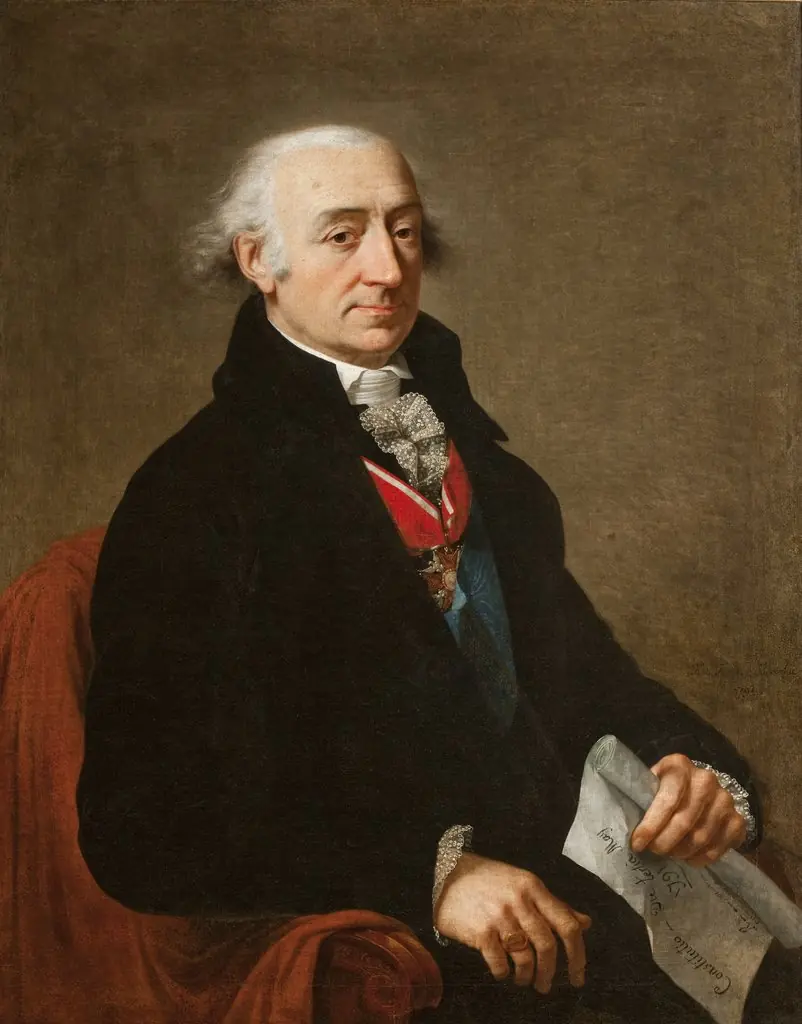 Portrait of Stanisław Małachowski (1736–1809)
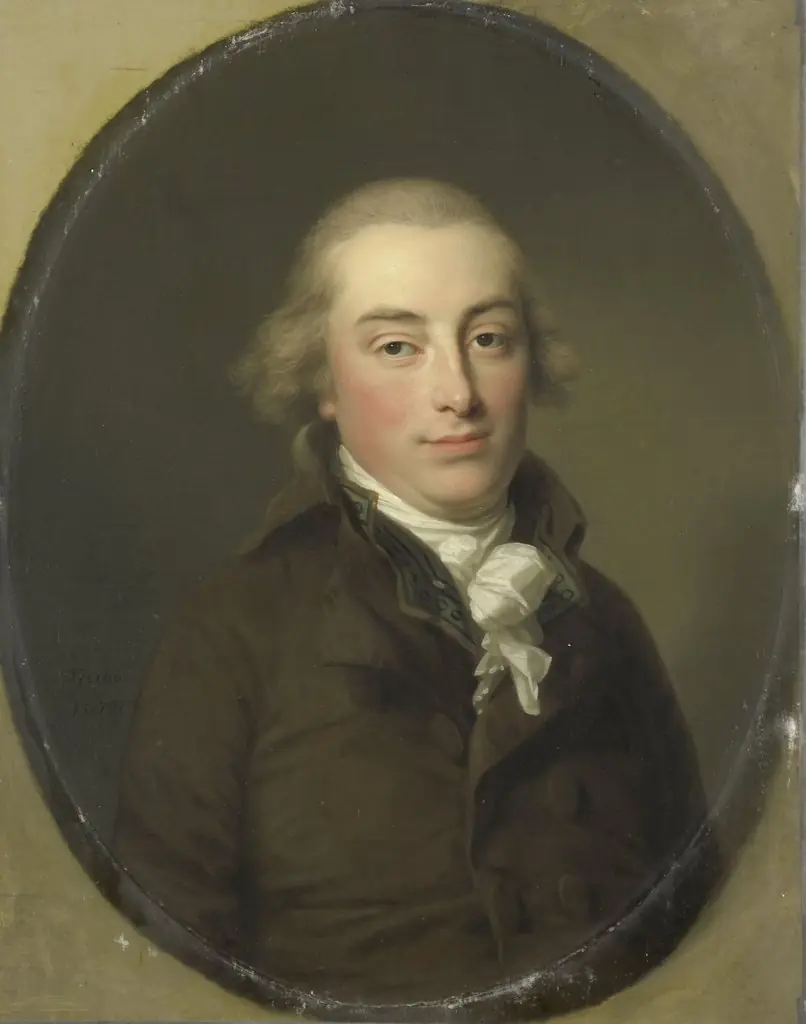 Portrait of Salomon Rendorp, Brewer in Amsterdam
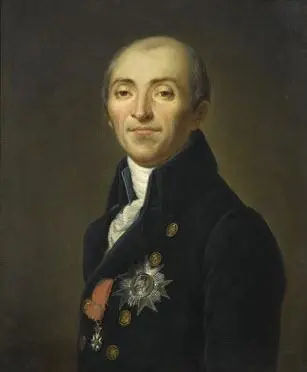 Bernard-Germain-Etienne de la Ville-sur-Illon , comte de Lacépède (1756-1815)
 Self-portrait
 Portrait of a Man