Artwork
Political allegory
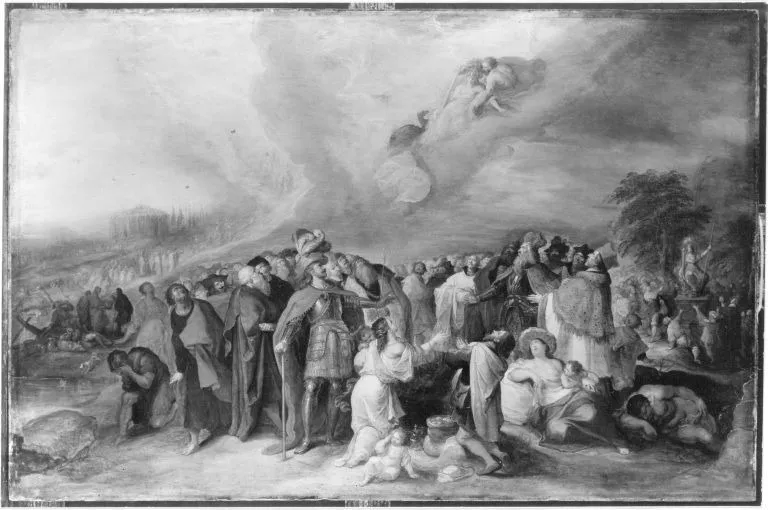
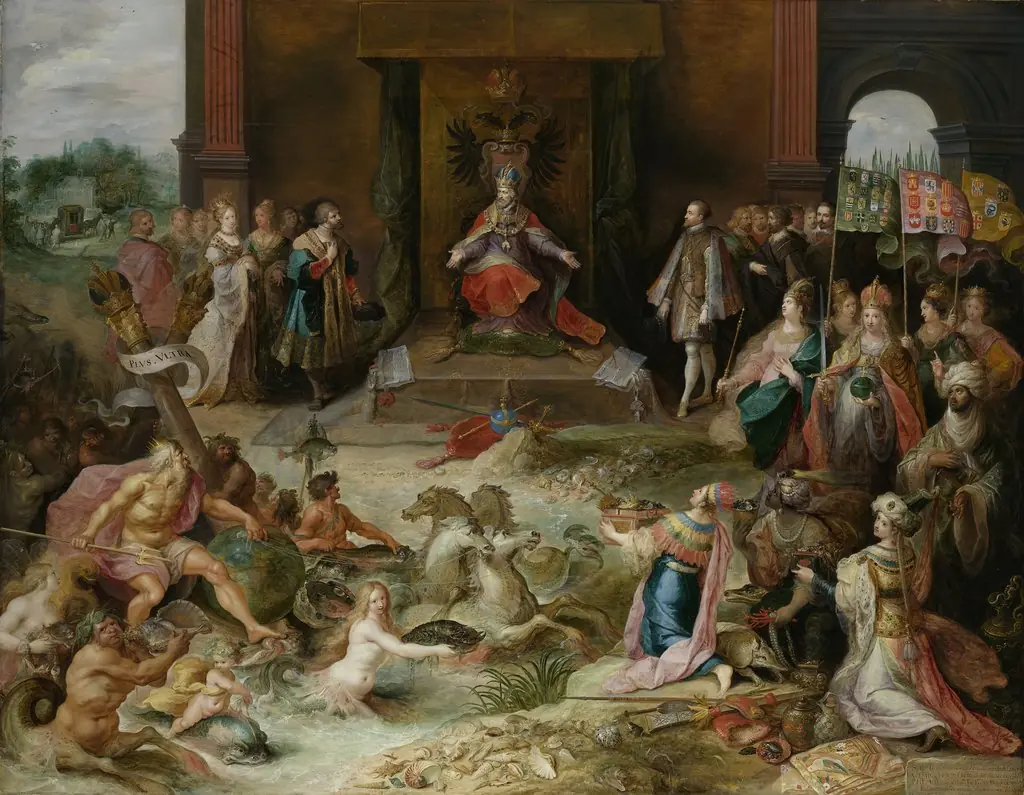
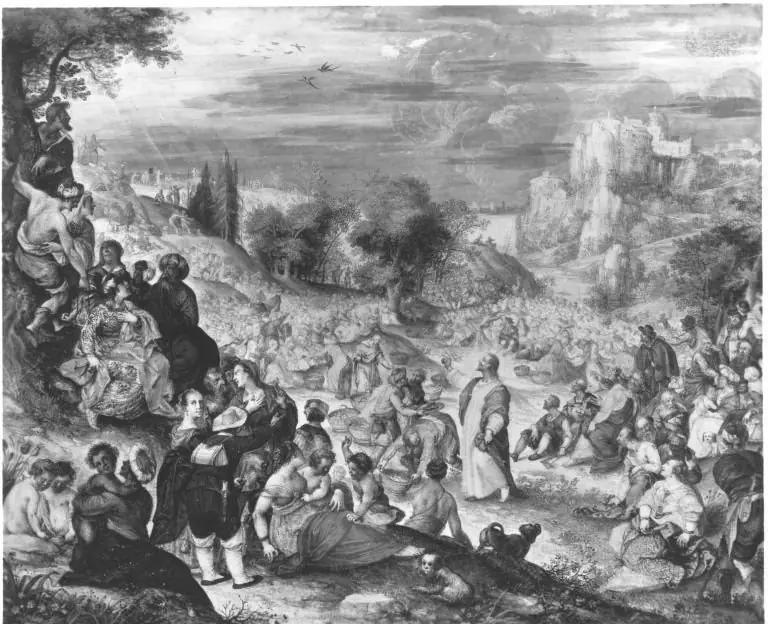
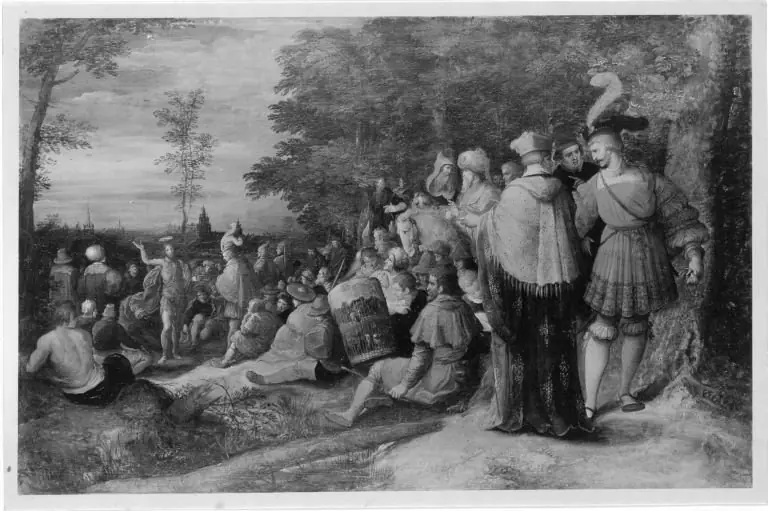
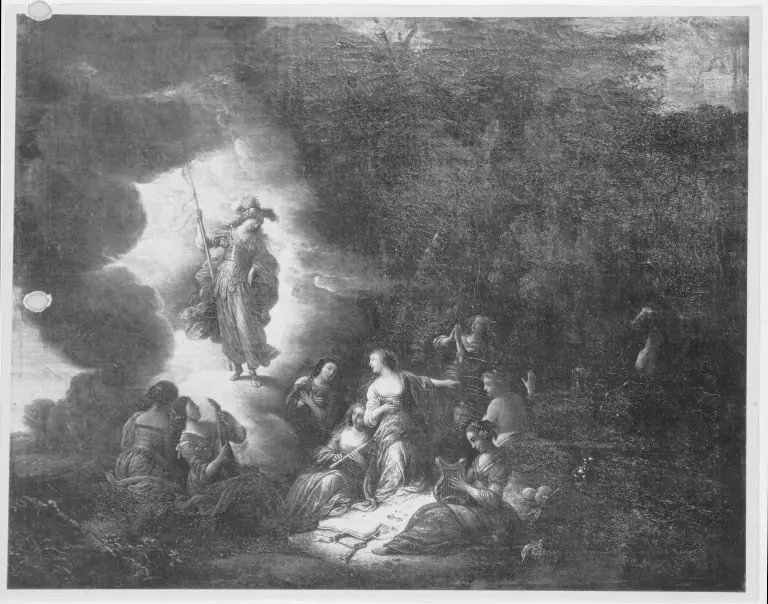
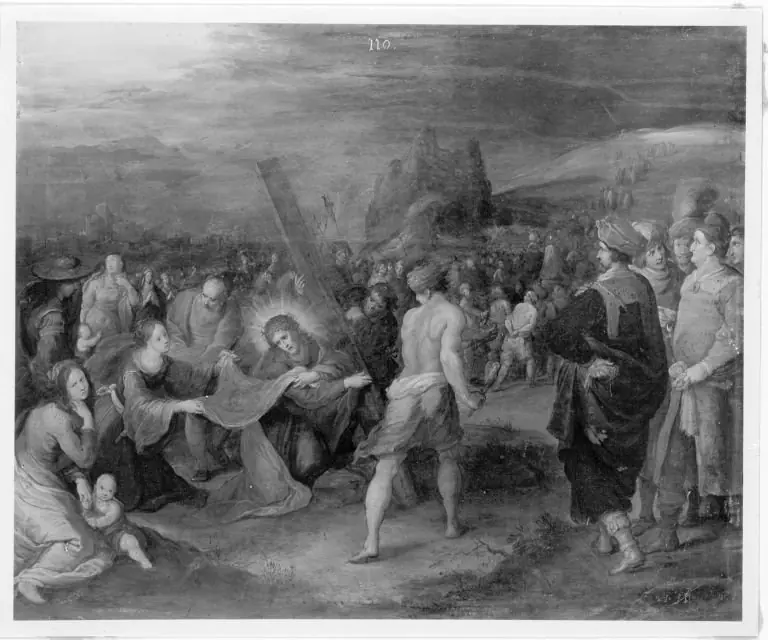
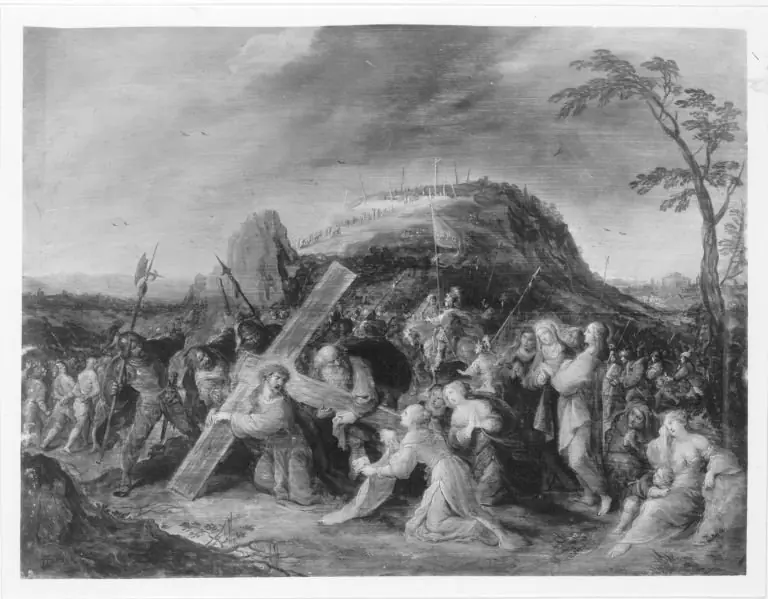
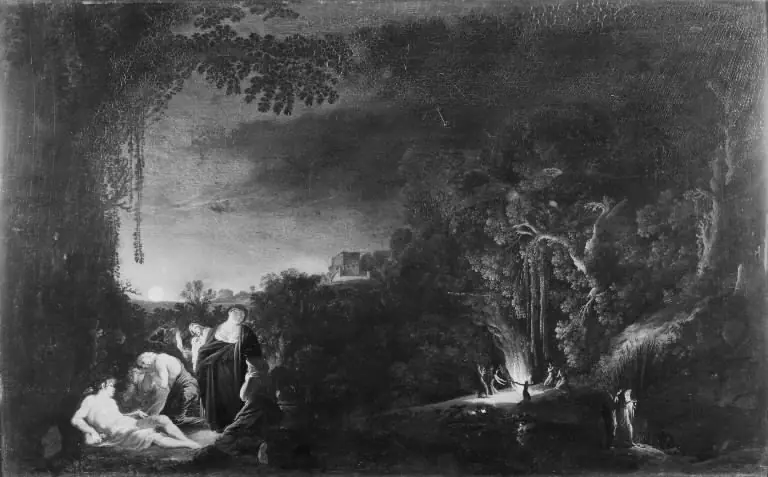
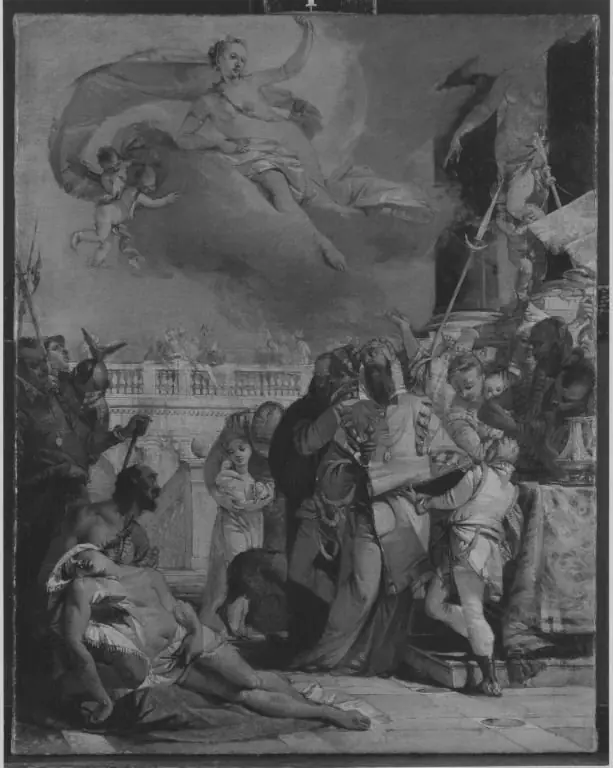
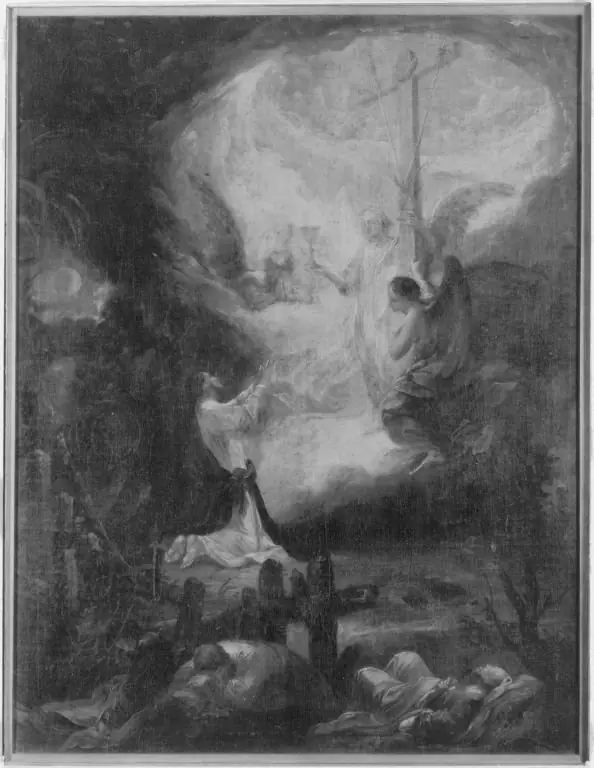
Political allegory is an oil painting by the Flemish Baroque painting artist Frans Francken the Younger. It dates from 1630 and is held in the collection of the Alte Pinakothek.
About this work
Overview
The painting resides in the Alte Pinakothek, Munich, among other works reflecting the intellectual and visual culture of early 17th-century Antwerp.
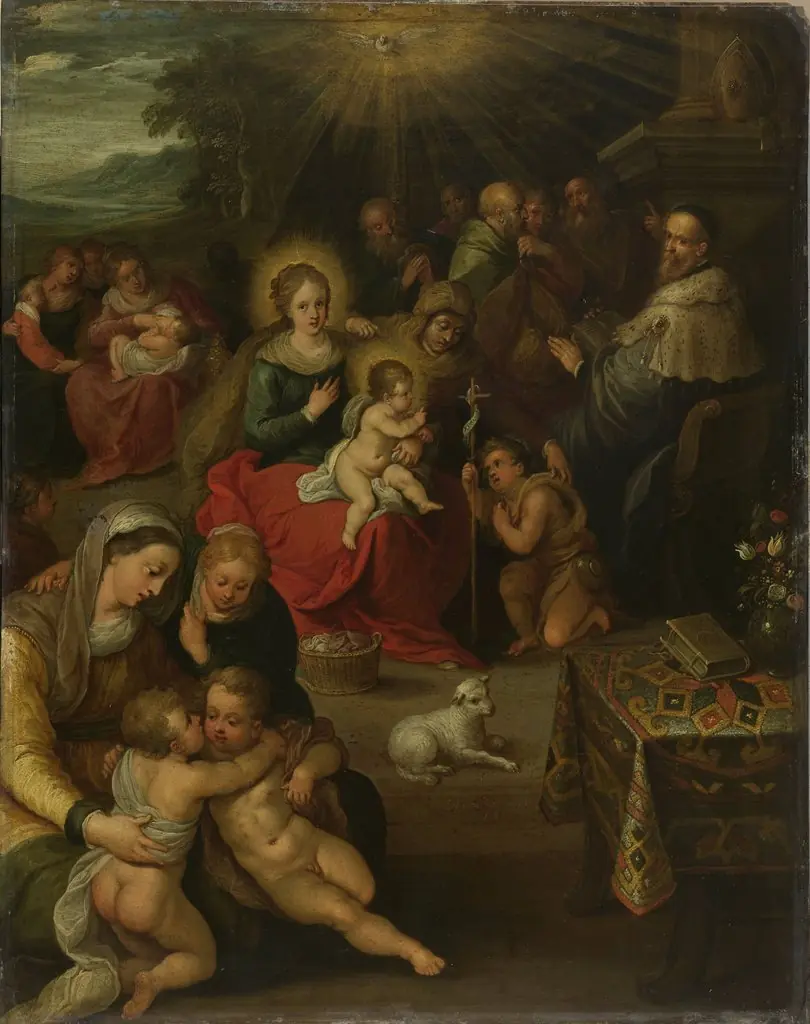
Painted in 1630 by Frans Francken the Younger, this oil-on-panel work is a complex allegorical scene rooted in the Flemish Baroque tradition. Francken, known for his detailed compositions and collaborative approach, assembled a crowded outdoor gathering that functions as a symbolic commentary rather than a literal narrative. The painting resides in the Alte Pinakothek, Munich, among other works reflecting the intellectual and visual culture of early 17th-century Antwerp.
Subject & Meaning
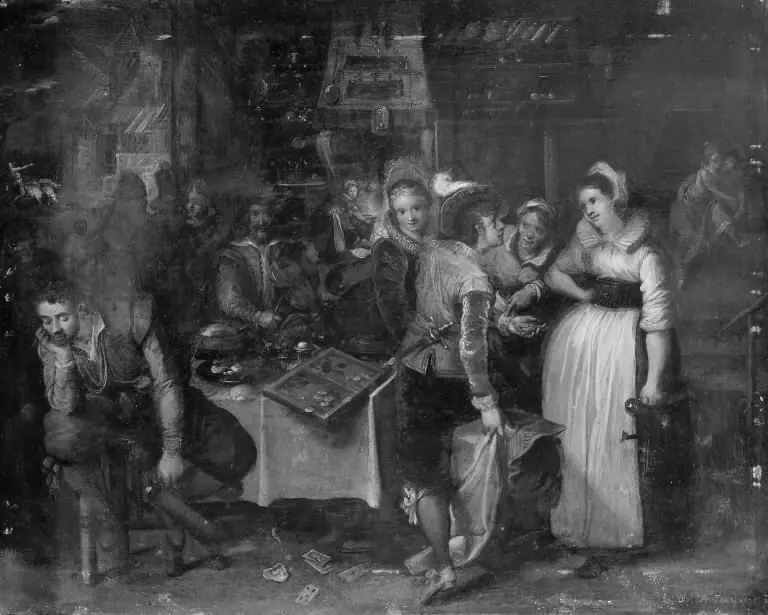
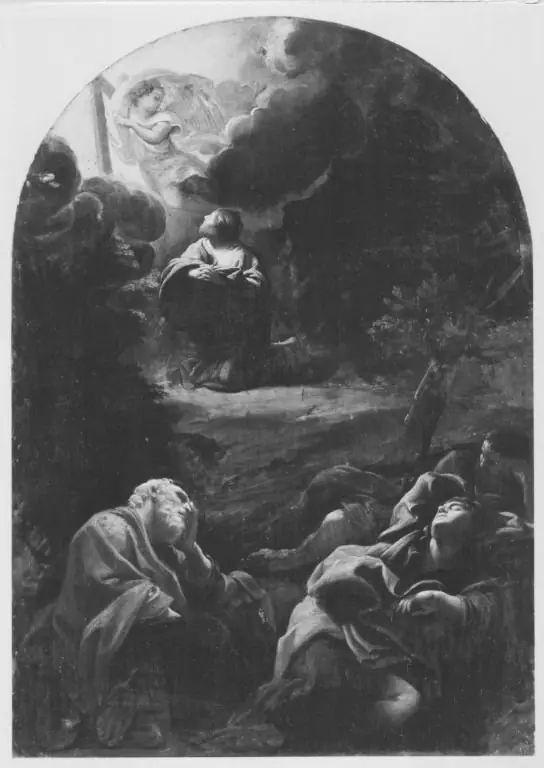
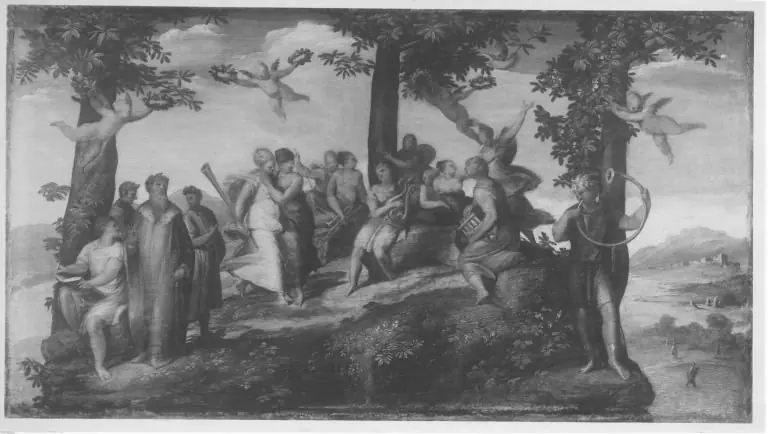
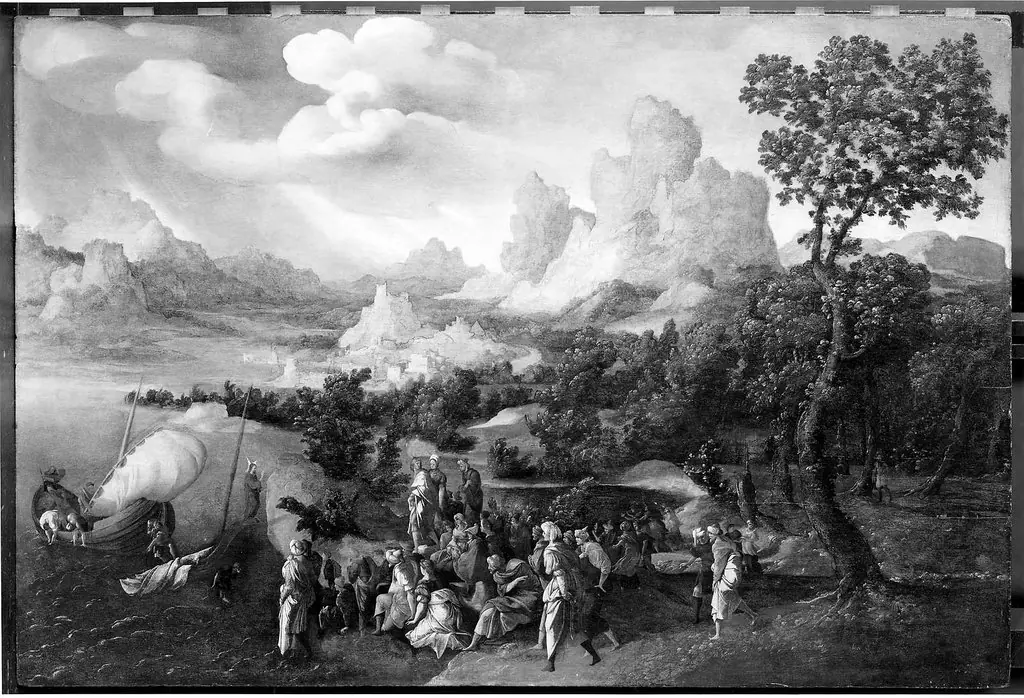
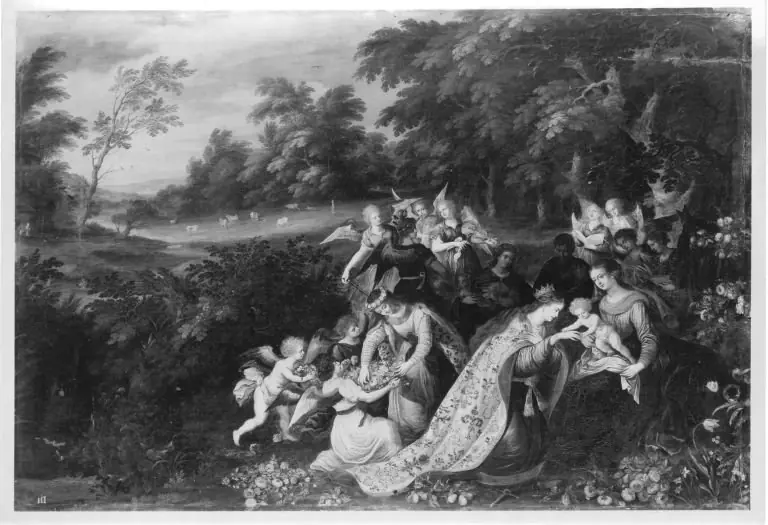
The painting presents a chaotic assembly of figures in historical dress, their varied postures and expressions suggesting confusion, anxiety, and passive observation. No single narrative is clear, but the scene likely reflects contemporary anxieties about political instability, moral decay, or the fragility of social order. The absence of clear protagonists invites viewers to interpret the gathering as a metaphor for societal unrest or the consequences of poor governance.
Technique & Style
Francken employs strong chiaroscuro to heighten emotional tension, with a stark beam of light piercing the hazy background while the foreground remains shadowed. Figures are rendered with precise detail, their costumes and gestures carefully distinguished. The composition avoids symmetry, instead favoring a dense, almost theatrical arrangement that draws the eye across the surface, reflecting the influence of both Netherlandish realism and the dramatic lighting of Italian Baroque painting.
History & Provenance
Created during Francken’s mature period, the painting was likely produced for a private collector interested in allegorical themes. It entered the Alte Pinakothek’s collection in the 19th century, having passed through several European hands. Its survival in good condition reflects its enduring appeal among collectors who valued intricate, intellectually layered works over straightforward religious or mythological subjects.
Context
In the early 1630s, the Spanish Netherlands faced political uncertainty and religious tension following decades of war. Francken’s allegories often mirrored these anxieties, using symbolic crowds and ambiguous scenes to evoke unease without direct criticism. His collaboration with specialists in architecture or still life was common, though this work appears to be entirely his own, emphasizing his skill in narrative complexity.
Legacy
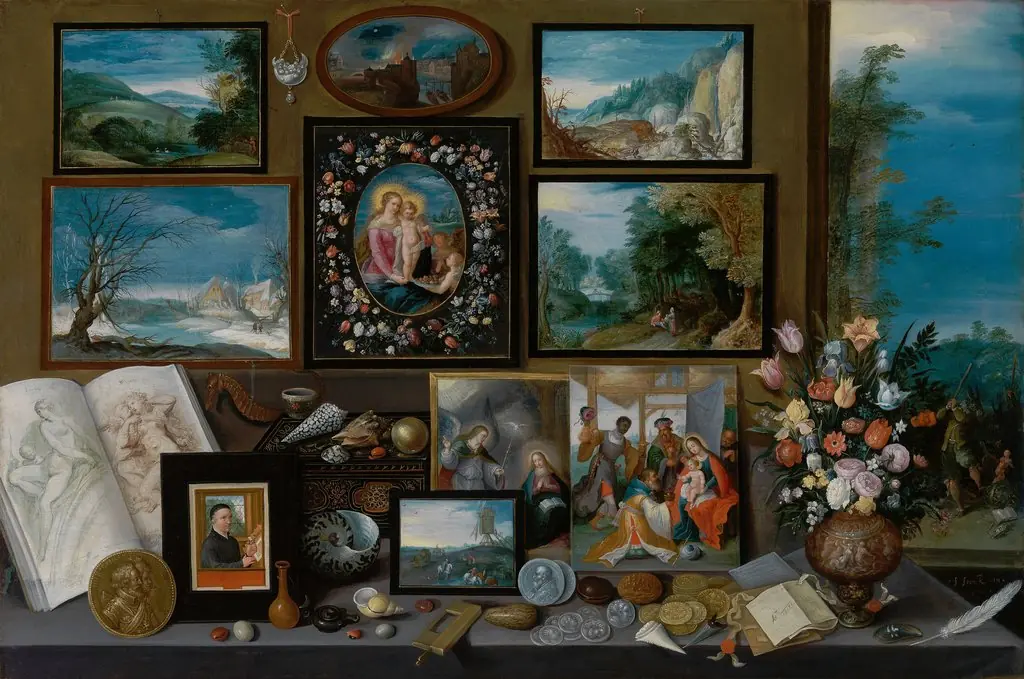
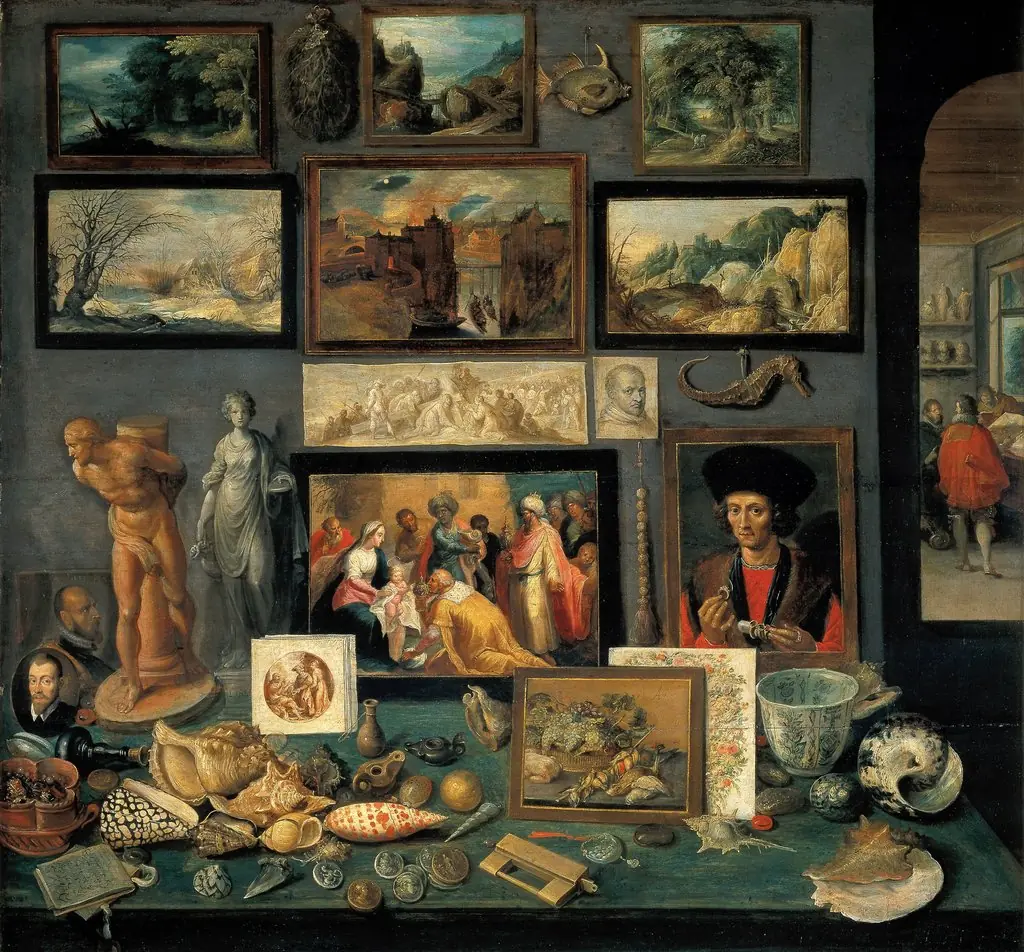
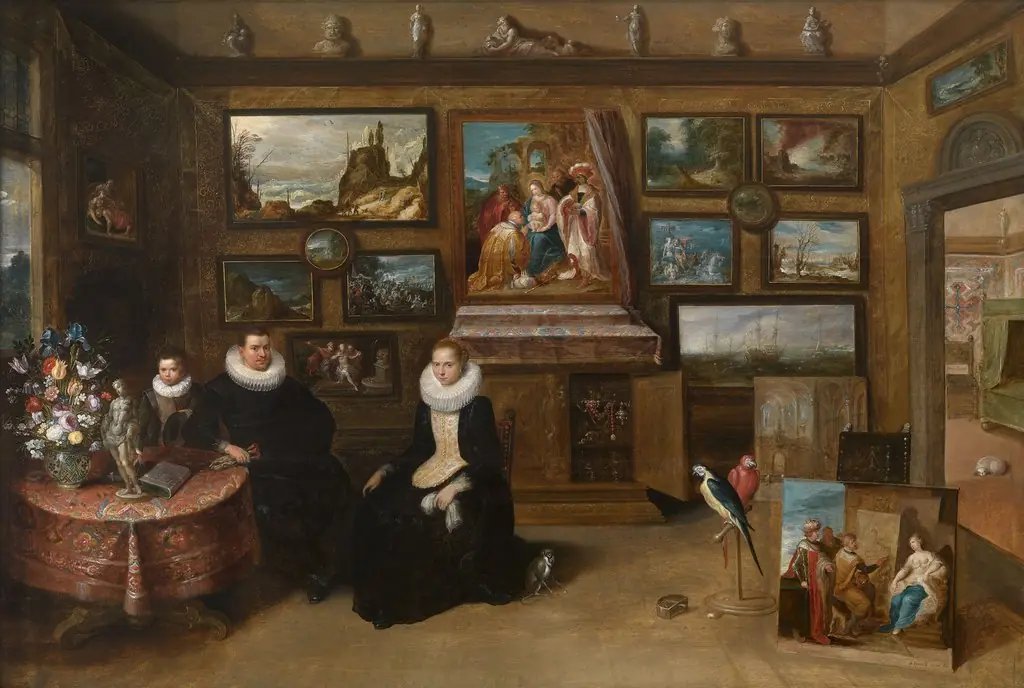
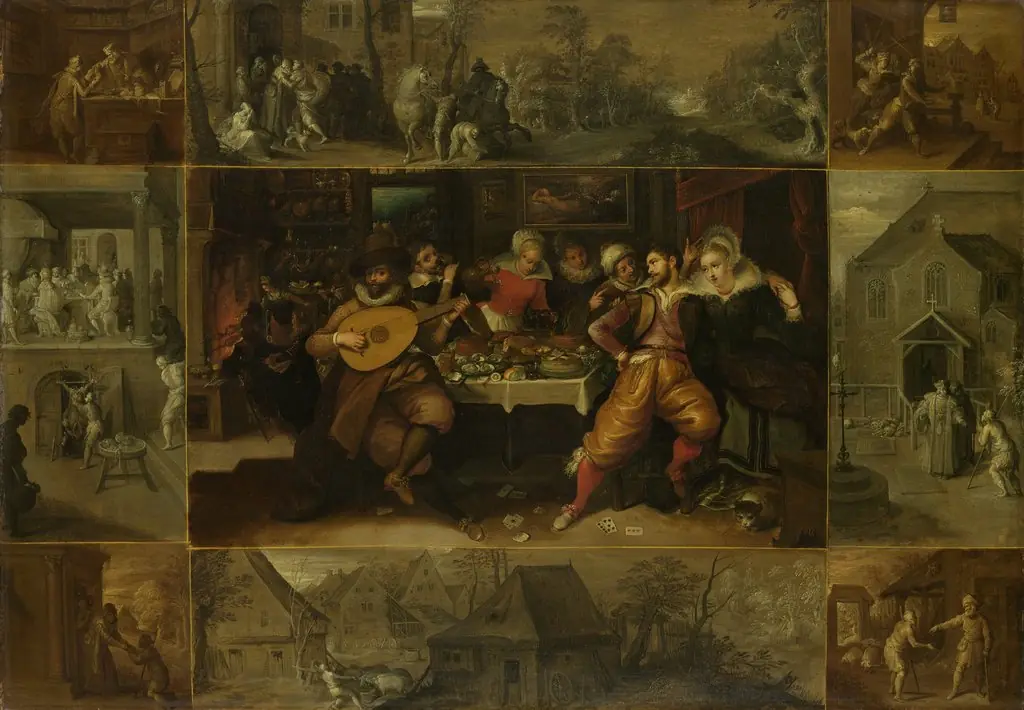
While not widely exhibited as a central work, *Political Allegory* exemplifies Francken’s contribution to the development of the cabinet painting tradition—small-scale, densely packed scenes meant for intimate contemplation. Its layered symbolism influenced later allegorical painters in the Low Countries, preserving a mode of visual critique that prioritized ambiguity over didacticism.
Artist & collection
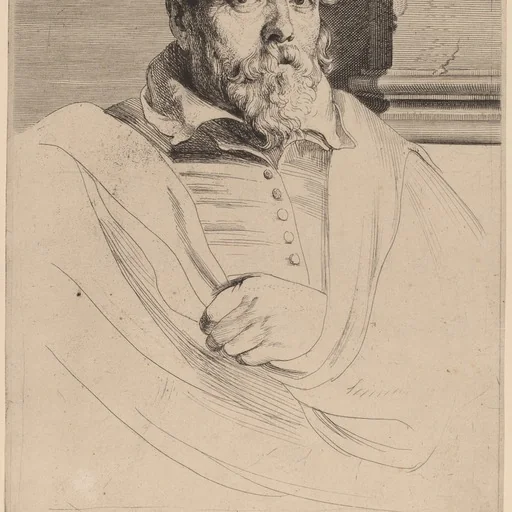
Artist
Frans Francken the Younger (1581, Antwerp – 6 May 1642, Antwerp) was a Flemish painter and the best-known and most prolific member of the large Francken family of artists.