Artwork
The Acts of Mercy
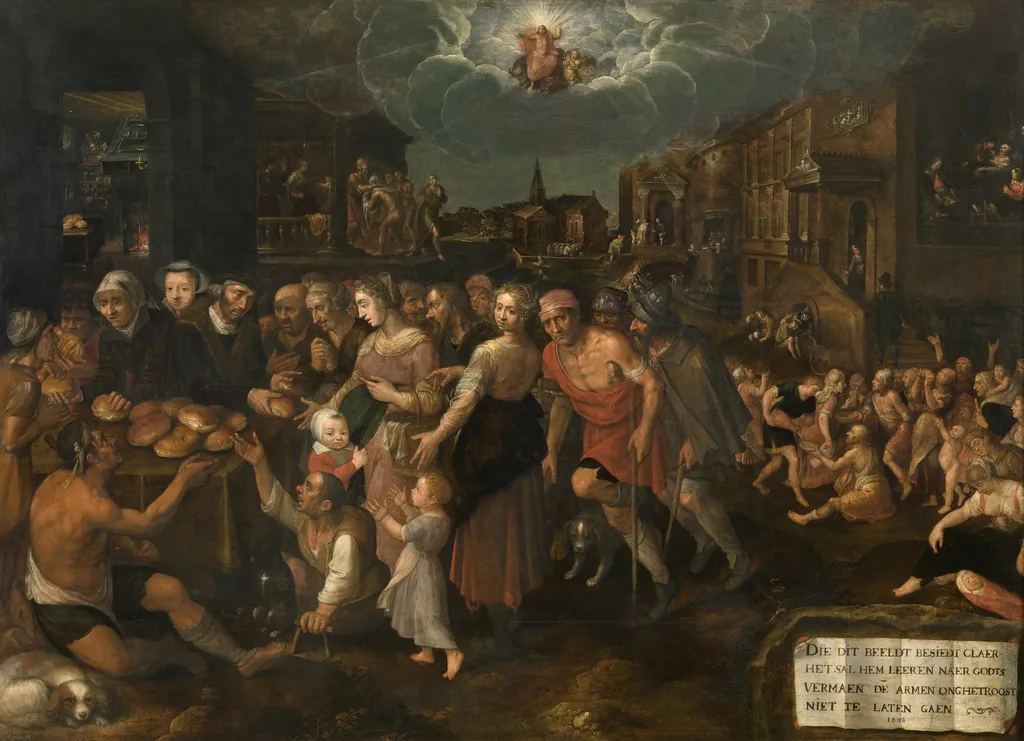
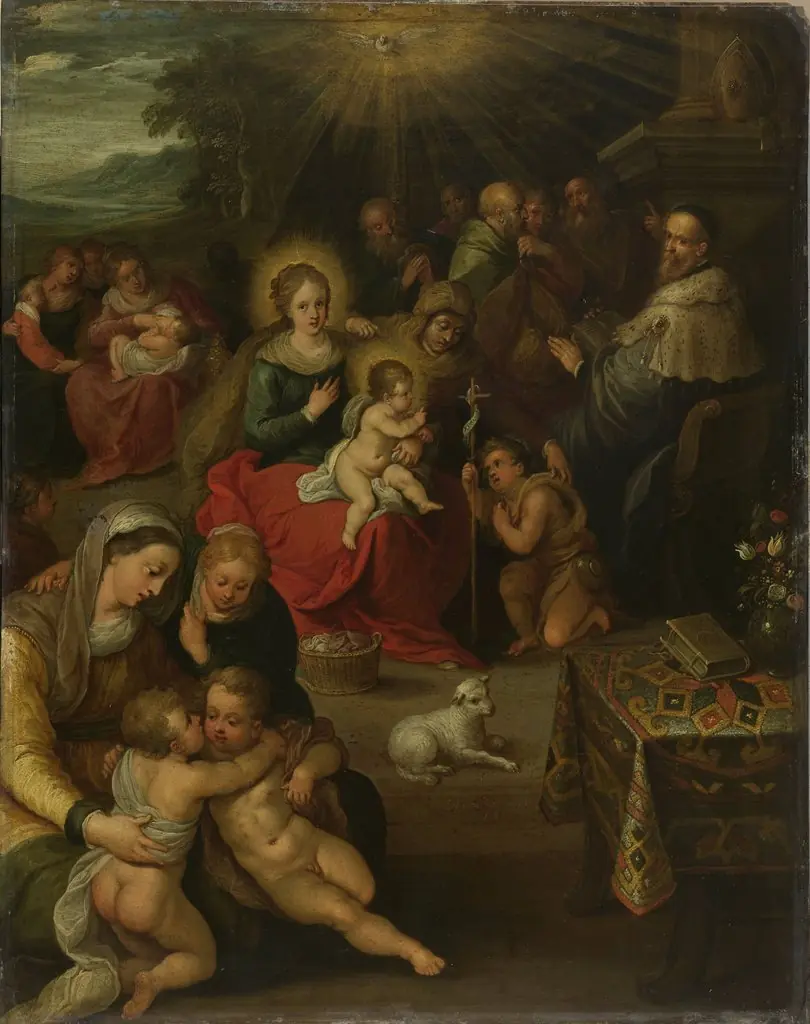
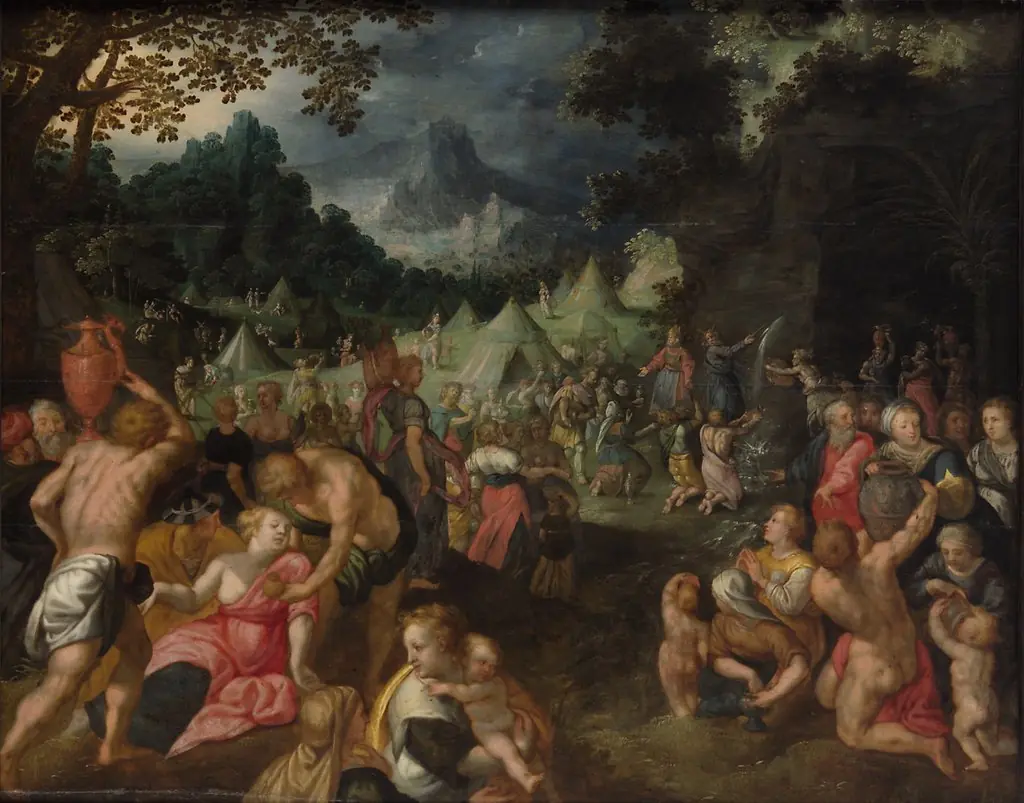
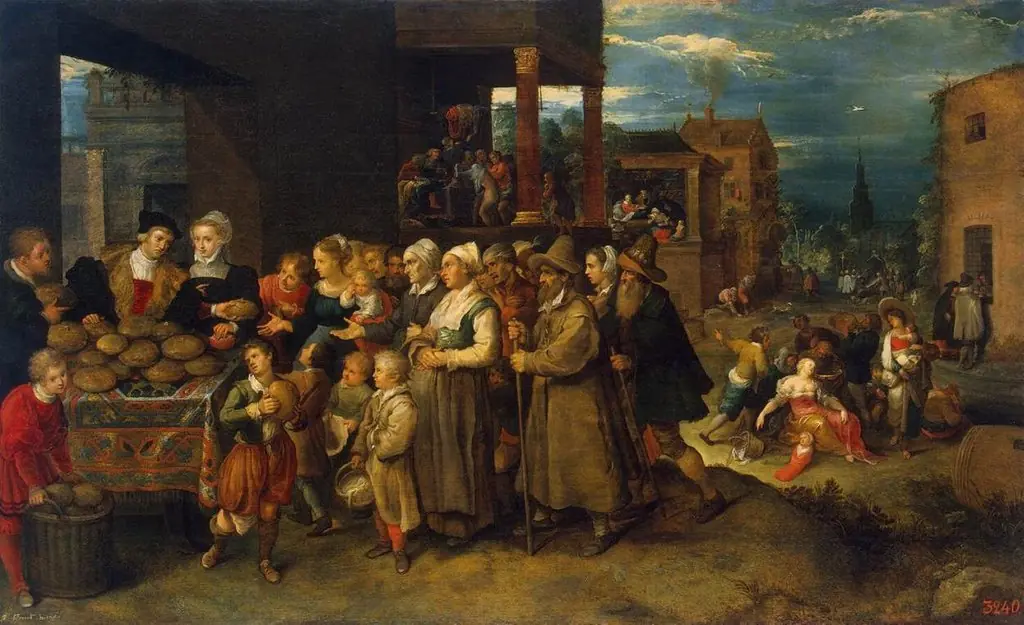
The Acts of Mercy is an oil painting by the Early Baroque Italian artist Frans Francken the Younger. It dates from 1608 and is held in the collection of the Royal Museum of Fine Arts Antwerp.
About this work
Overview
Though associated with the broader Baroque movement, its composition remains rooted in Northern European traditions rather than Italianate grandeur.
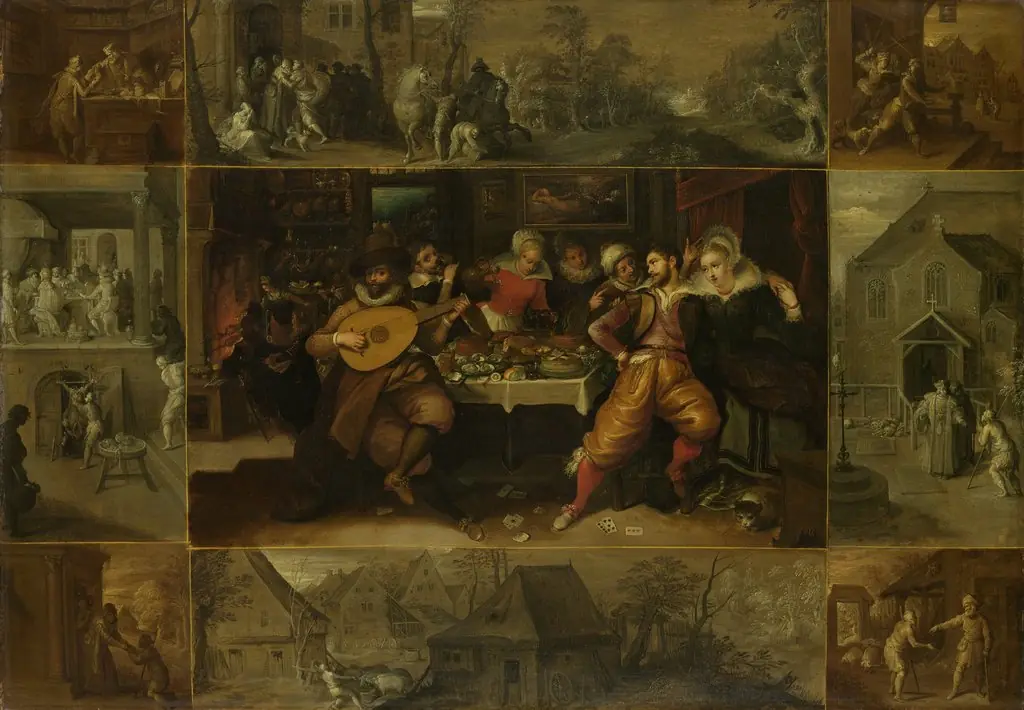
Painted in 1608 by Frans Francken the Younger, this oil-on-panel work depicts a crowded scene centered on charitable acts. It reflects the religious and moral concerns of early 17th-century Flanders, rendered in a detailed, narrative style. Though associated with the broader Baroque movement, its composition remains rooted in Northern European traditions rather than Italianate grandeur. The painting is held in the collection of the Royal Museum of Fine Arts Antwerp.
Subject & Meaning
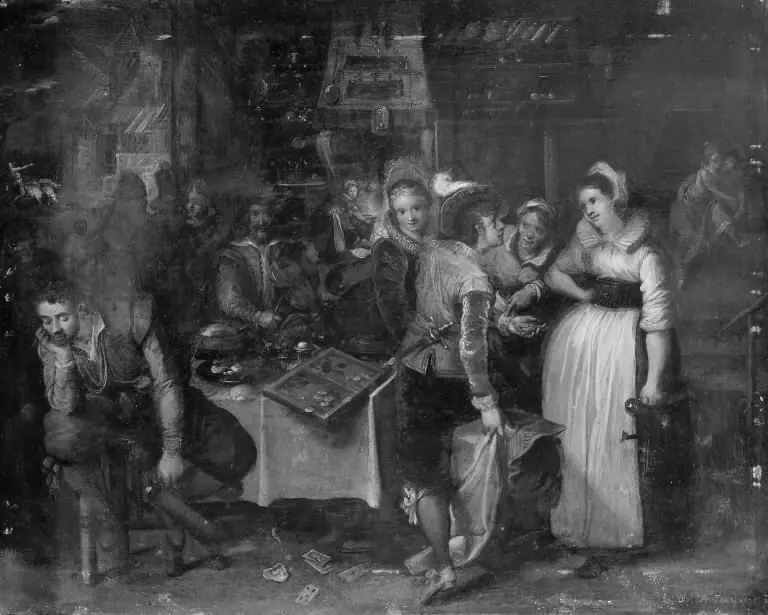
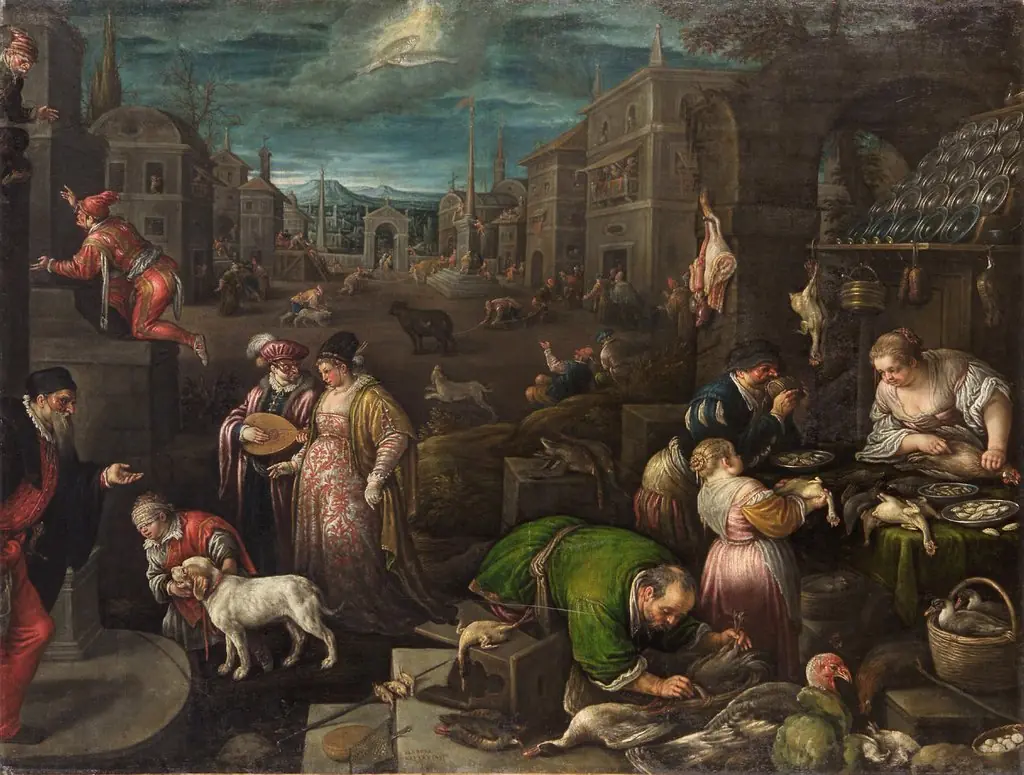
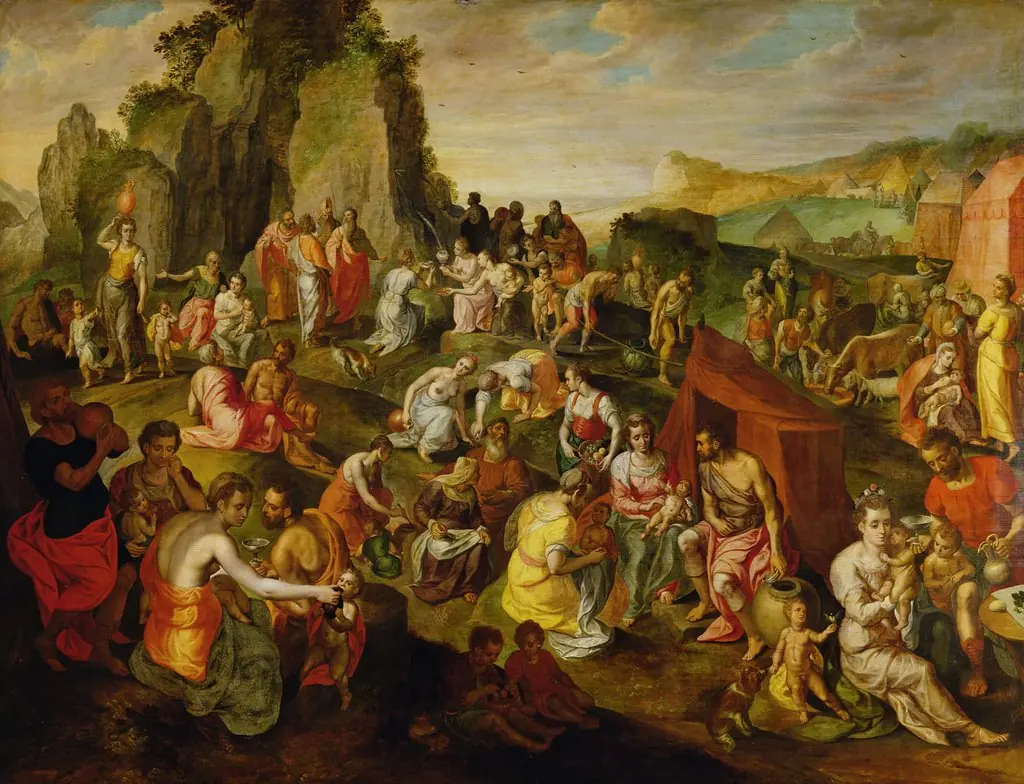
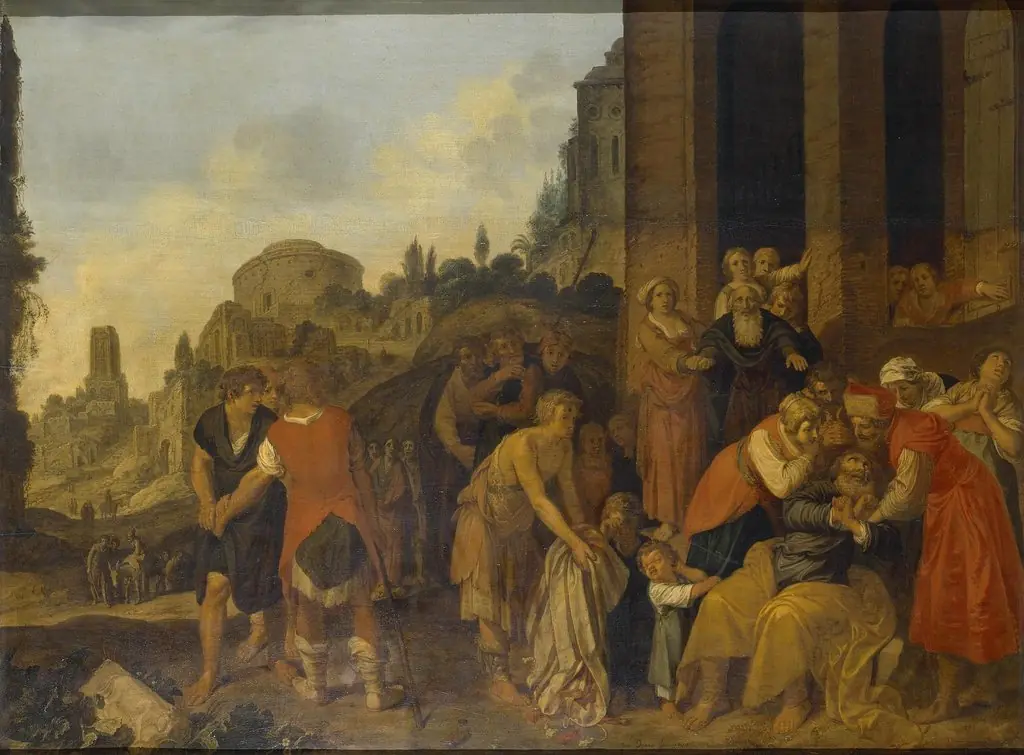
The painting illustrates the seven corporal works of mercy from Christian teaching: feeding the hungry, giving drink to the thirsty, sheltering the homeless, clothing the naked, visiting the sick, ransoming captives, and burying the dead. Figures are arranged in disordered clusters, emphasizing the urgency and variety of human need. A central figure, possibly divine, observes the scene, reinforcing the spiritual dimension of compassion.
Technique & Style
Francken employed fine brushwork to render diverse textures—fabrics, skin, architecture—with precision. The composition is densely packed, avoiding clear spatial hierarchy, which enhances the sense of communal activity. Figures vary in posture and attire, suggesting social diversity. The background includes modest architectural elements and a muted sky, grounding the scene in a recognizable, earthly setting rather than an idealized realm.
History & Provenance
Created in 1608, the painting entered the collection of the Royal Museum of Fine Arts Antwerp in the 19th century. No records indicate collaboration with other artists, unlike Francken’s other works. Its survival through centuries of political and religious upheaval in the Southern Netherlands underscores its enduring significance as a devotional object and cultural artifact.
Context
In post-Reformation Flanders, Catholic institutions promoted visual depictions of mercy to reinforce doctrinal teachings and social responsibility. Francken’s work aligns with Counter-Reformation efforts to use art as moral instruction. The inclusion of Dutch text in the lower right suggests local accessibility, targeting a Flemish audience familiar with both religious themes and vernacular language.
Legacy
Though not widely reproduced, the painting remains a key example of Flemish religious narrative painting from the early Baroque period. It illustrates how moral themes were rendered with psychological nuance and social realism, distinguishing Northern European art from the more theatrical Italian Baroque. Its preservation in Antwerp ensures continued scholarly and public engagement with its humanistic message.
Own this work as a print
Artist & collection
Artist
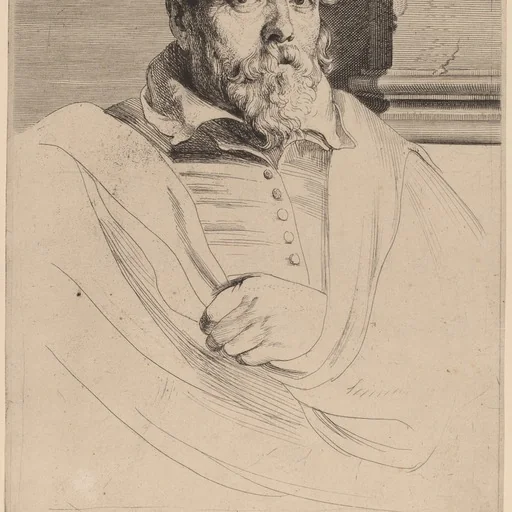
Frans Francken the Younger (1581, Antwerp – 6 May 1642, Antwerp) was a Flemish painter and the best-known and most prolific member of the large Francken family of artists.