Artwork
Saul and the Witch of Endor
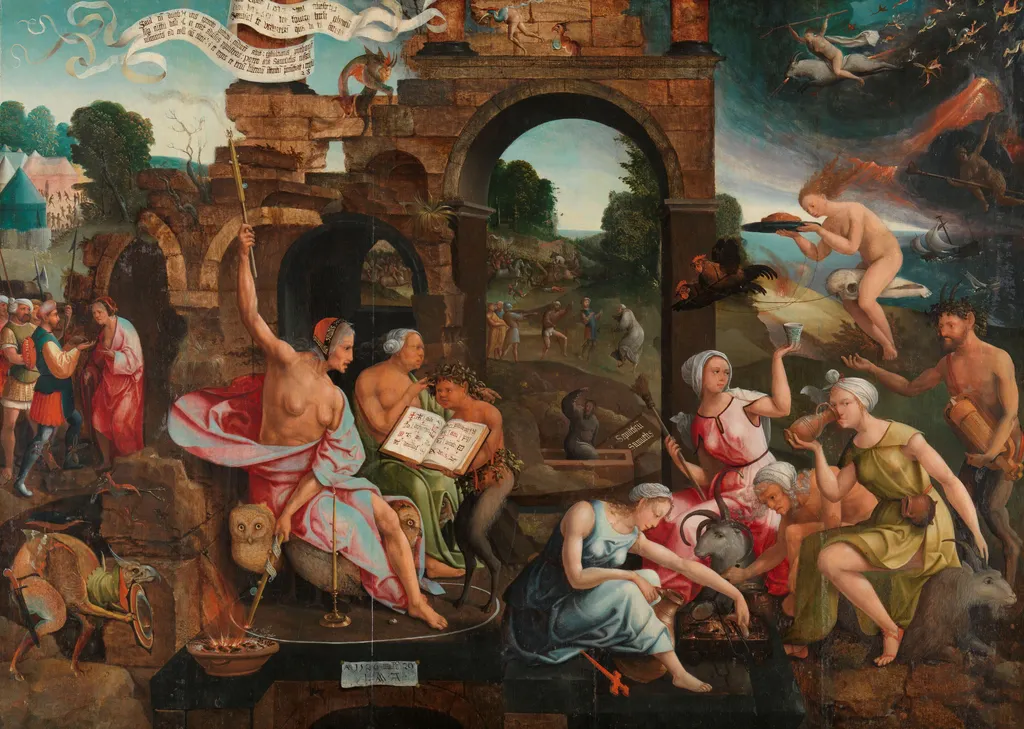
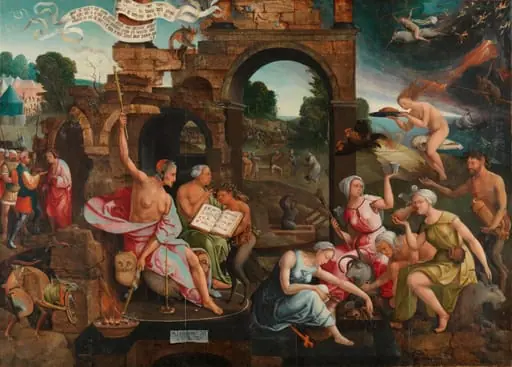
Saul and the Witch of Endor is an oil painting by the Northern Renaissance artist Jacob Cornelisz van Oostsanen. It dates from 1526 and is held in the collection of the Rijksmuseum. Jacob Cornelisz.
About this work
Overview
Jacob Cornelisz. van Oostsanen’s oil painting *Saul and the Witch of Endor* was executed in 1526. Created in Amsterdam during the early phase of the Northern Renaissance, the work measures a modest size and is now part of the Rijksmuseum’s collection. It presents a densely populated interior where the biblical king seeks counsel from a female medium.
Subject & Meaning
The composition illustrates the episode from the First Book of Samuel in which King Saul, beset by fear, summons the spirit of the deceased prophet Samuel through a necromancer. The narrative conveys themes of desperation, the limits of earthly power, and the peril of seeking forbidden knowledge, all rendered through the chaotic arrangement of figures surrounding the witch.
Technique & Style
Figures are rendered in exaggerated poses, and the background features a crumbling archway that opens onto a distant landscape, adding depth.
Van Oostsanen employs a stark contrast of light and shadow, a chiaroscuro effect that highlights the central figures while plunging peripheral elements into darkness. The palette combines earthy tones with vivid reds, greens and blues, creating visual tension. Figures are rendered in exaggerated poses, and the background features a crumbling archway that opens onto a distant landscape, adding depth.
History & Provenance
Completed in 1526, the painting is among the earliest large‑scale works produced in Amsterdam, marking the city’s emergence as an artistic centre in the Low Countries. After remaining in private hands for several centuries, it entered the Rijksmuseum collection, where it has been displayed as part of the museum’s representation of early Dutch painting.
Context
As a leading painter and woodcut designer of his generation, van Oostsanen contributed to the spread of Renaissance ideas north of the Alps. His work reflects the growing demand for biblical subjects among a devout audience, while also demonstrating the influence of Italian chiaroscuro techniques adapted to a Northern visual language.
Own this work as a print
Artist & collection
Artist
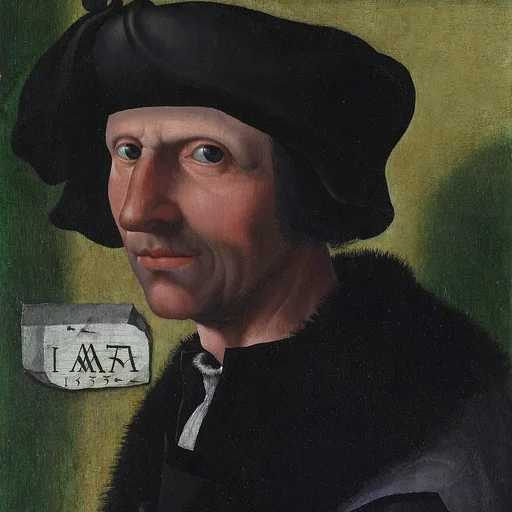
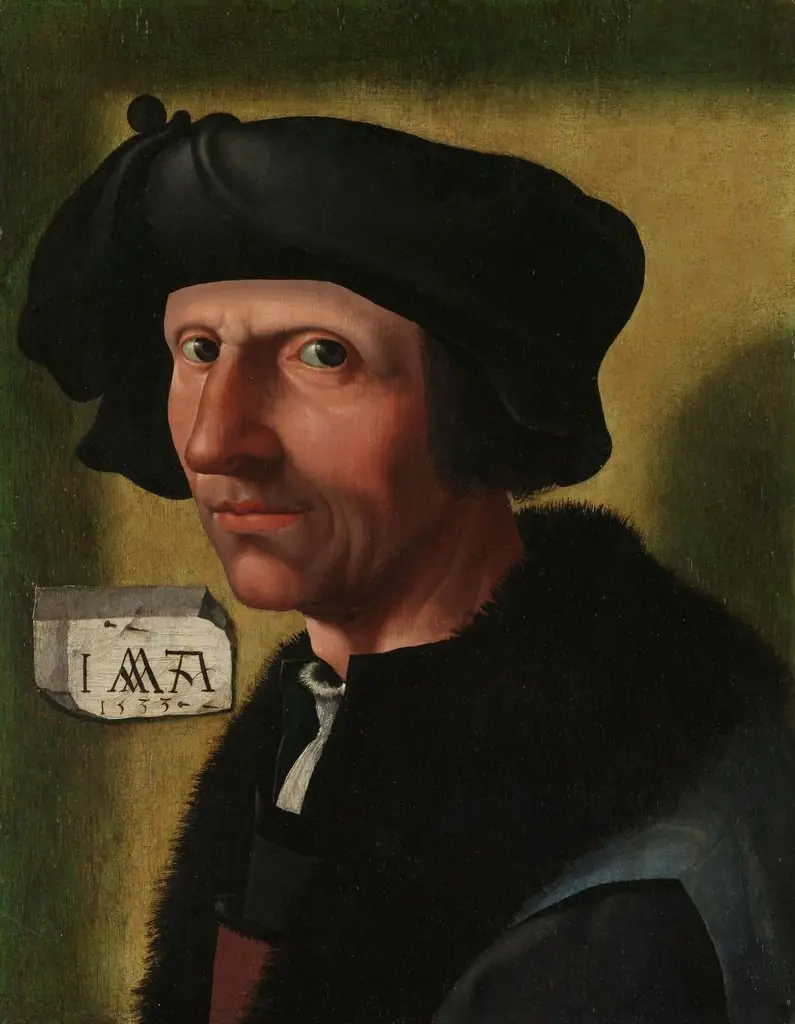
Jacob Cornelisz van Oostsanen (before 1470 – 1533) was a Northern Netherlandish designer of woodcuts and painter.

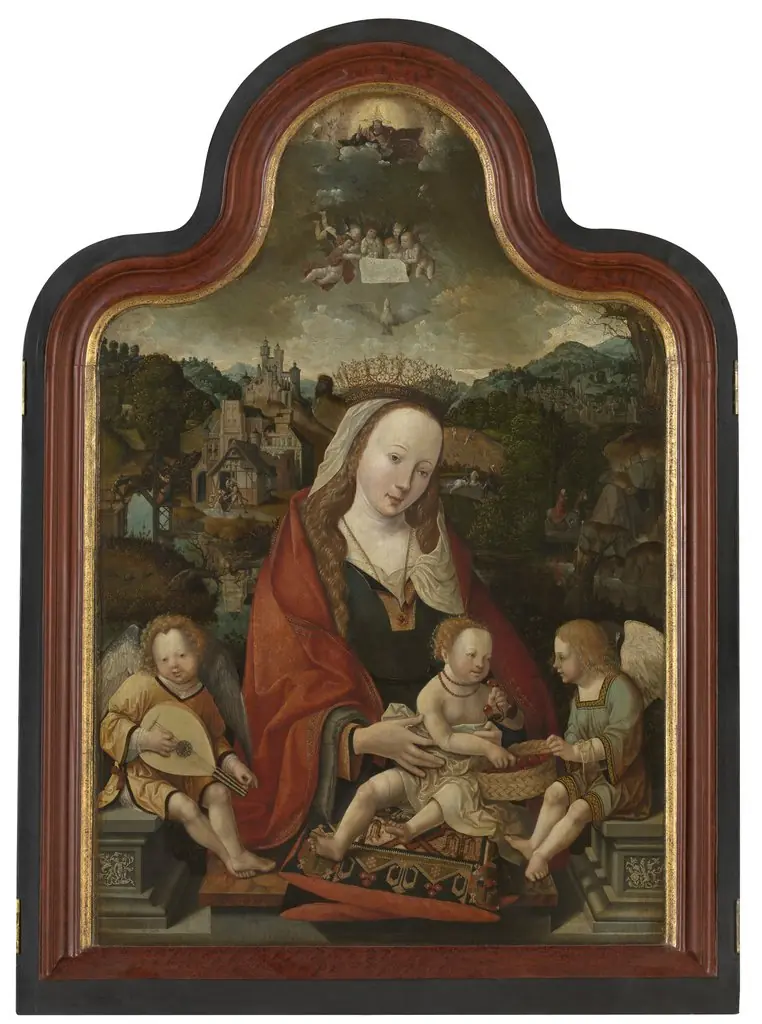
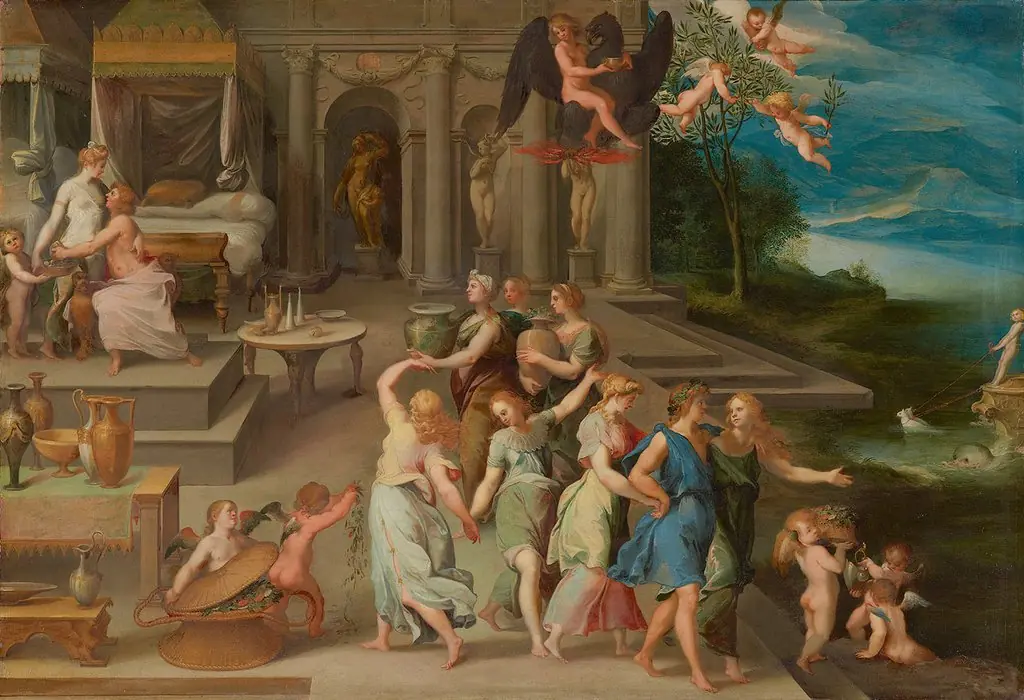 Mythological Wedding
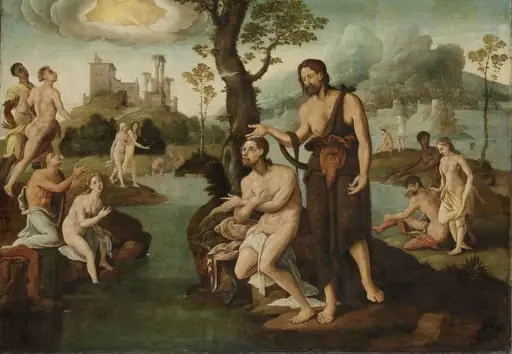 The baptism of Christ
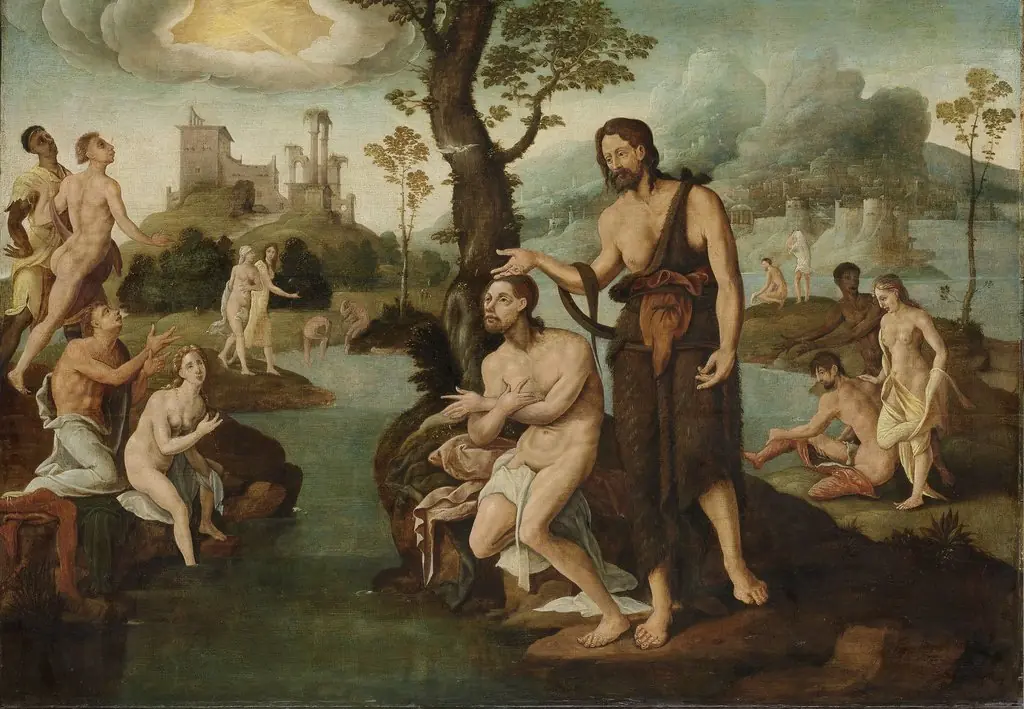 The Baptism of Christ
 The Nymph of Fontainebleau
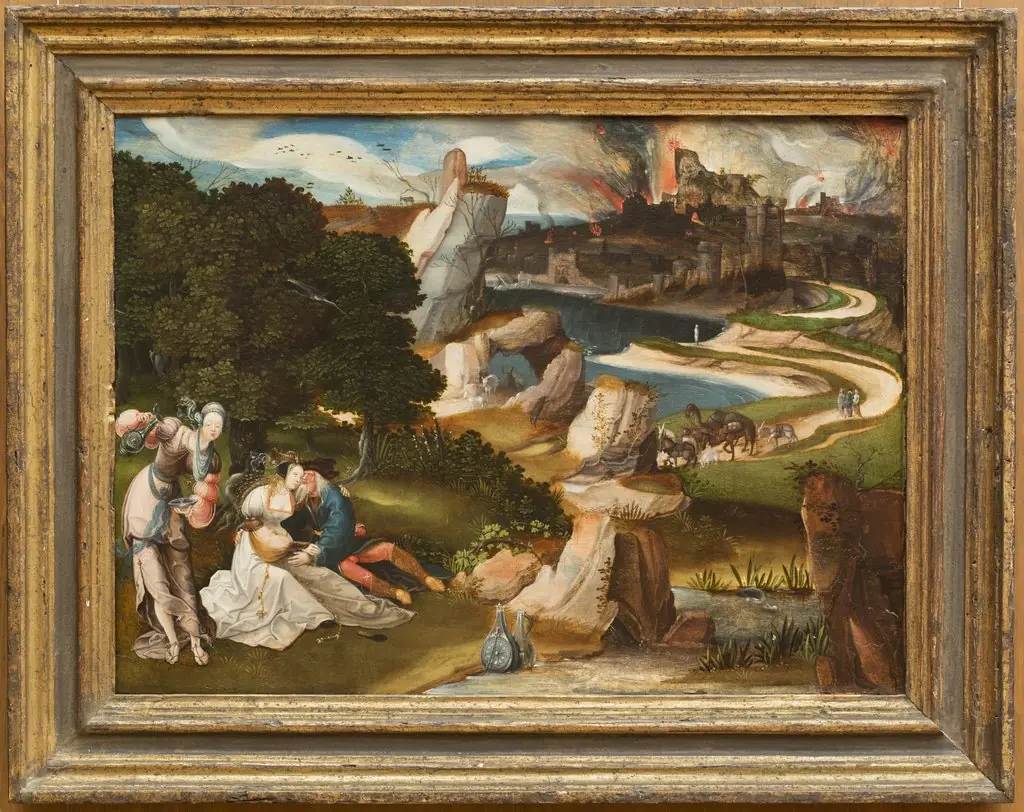 Lot and His Daughters
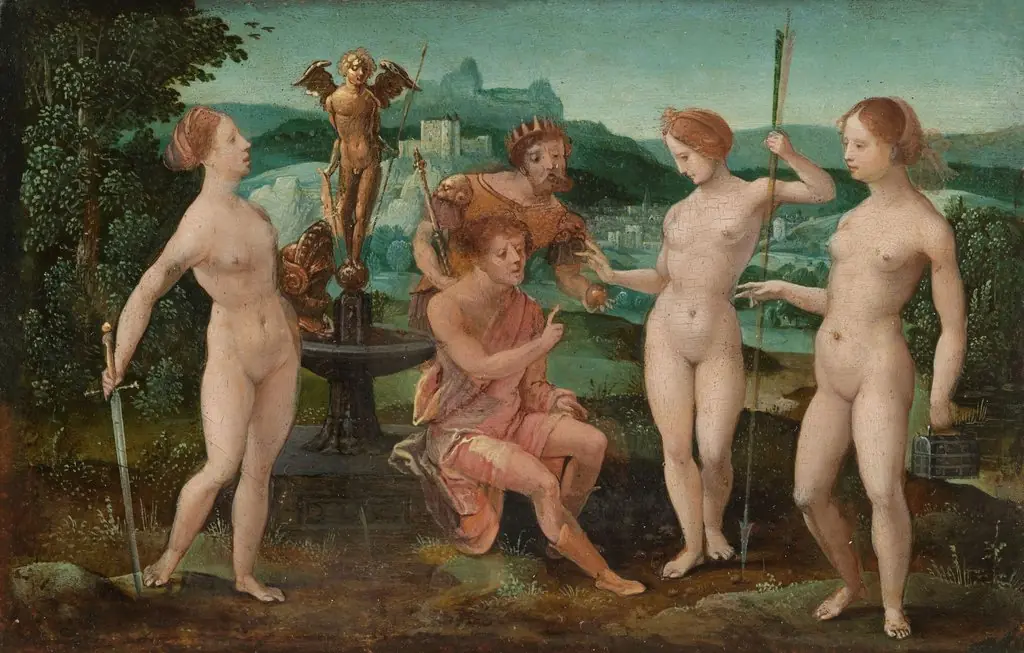 The judgement of Paris
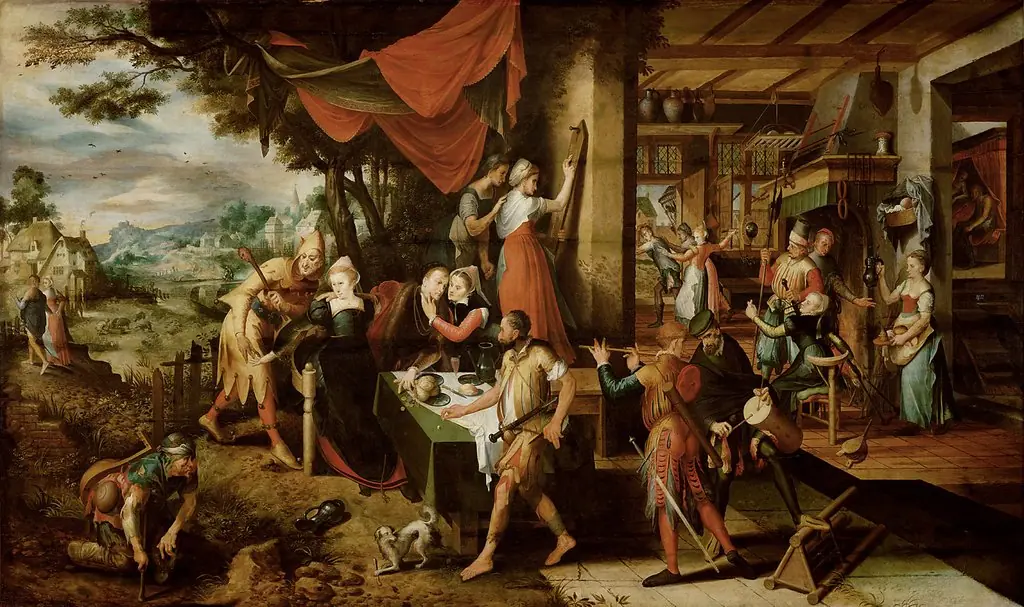 Return of the Prodigal Son
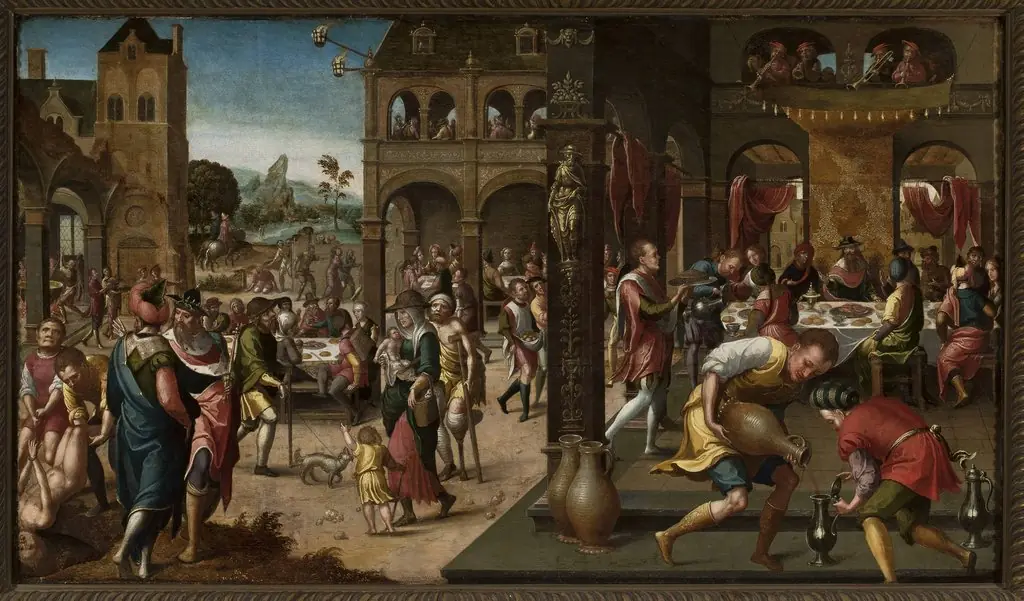 Parable of the great banquet
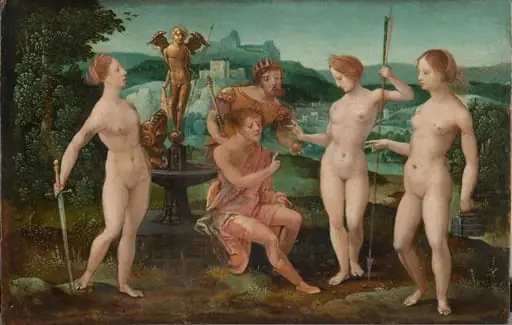 Judgment of Paris
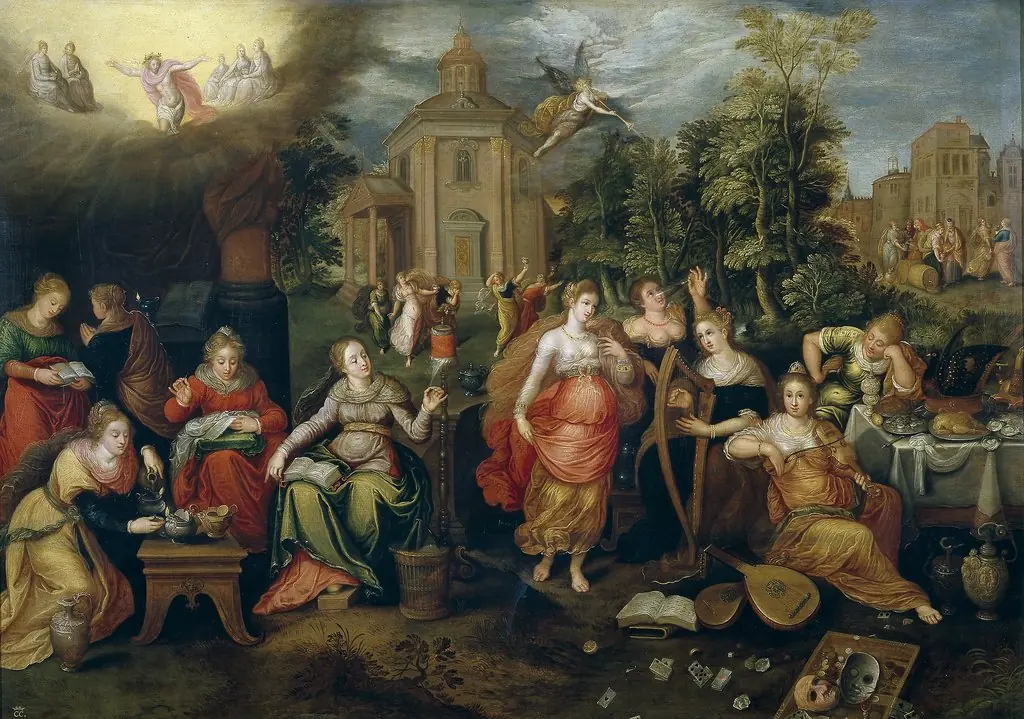 The foolish virgins and the wise virgins
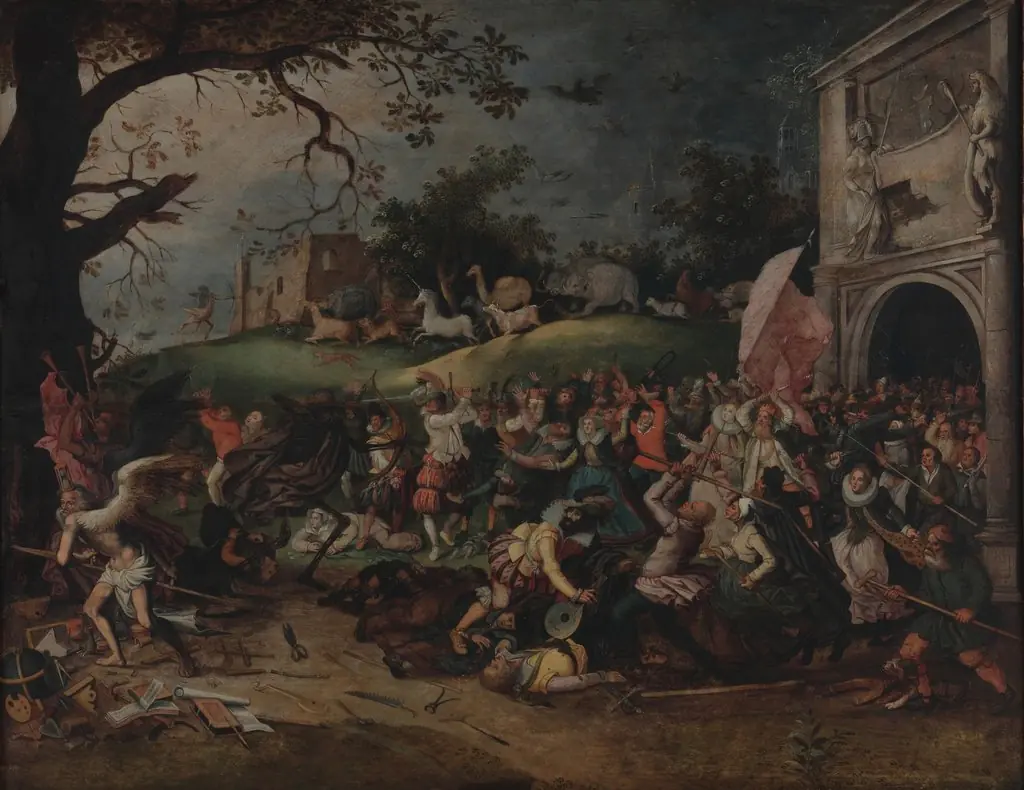 The fight against death and time
 Saul and the Witch of Endor